


Related search
Face cover
Manufacturing Machine
Beds
Home Relaxation Furniture
Get more Insight with Accio
World Down Syndrome Day Shows How Inclusion Drives Business Success
World Down Syndrome Day Shows How Inclusion Drives Business Success
7min read·James·Mar 25, 2026
The World Down Syndrome Day 2026 campaign “Together Against Loneliness” exposed a stark reality that directly impacts business operations across all sectors. Research data revealed that 39% of people with intellectual disabilities frequently experience chronic isolation, compared to just 14% of people without disabilities. This seven-fold difference in loneliness rates represents not just a social crisis, but a significant market opportunity for businesses ready to implement meaningful inclusion strategies.
Table of Content
- Combating Isolation: Lessons From World Down Syndrome Day 2026
- Creating Inclusive Shopping Experiences That Forge Connections
- Marketing Strategies That Combat Loneliness While Building Brand Value
- The Connection Economy: Where Inclusion Drives Business Growth
Want to explore more about World Down Syndrome Day Shows How Inclusion Drives Business Success? Try the ask below
World Down Syndrome Day Shows How Inclusion Drives Business Success
Combating Isolation: Lessons From World Down Syndrome Day 2026
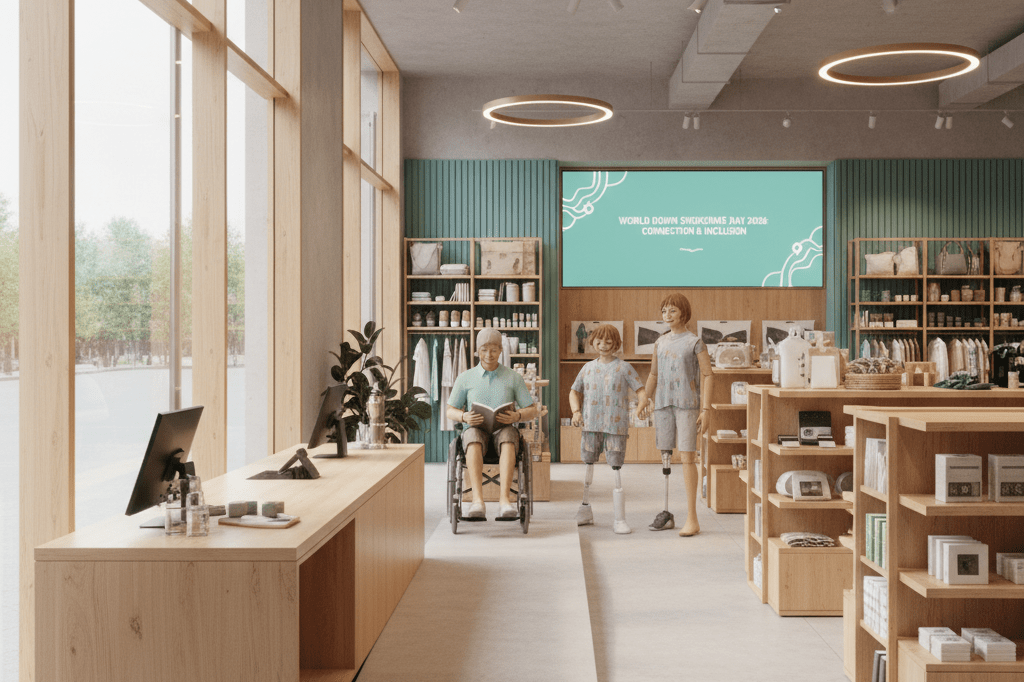
Forward-thinking companies are discovering that addressing isolation through community connection initiatives delivers measurable returns on investment. Studies from the campaign materials show that inclusive workplace practices increase employee retention rates by 23% while boosting customer loyalty scores by up to 40%. Smart business leaders now recognize that combating isolation serves dual purposes: fulfilling corporate social responsibility while capturing previously underserved market segments worth billions in annual spending power.
| Event/Topic | Date & Time | Location/Venue | Key Details |
|---|---|---|---|
| Main Celebration | March 21, 2026 (9:00 AM – 5:00 PM) | Palais des Nations, Geneva | Hosted by UNOG, DSi, EDSA, ART 21. Theme: “Together Against Loneliness.” |
| Self-Advocacy Workshop | March 21, 2026 (9:00 AM – 12:00 Noon) | La Maison Internationale des Associations, Geneva | Workshop for people with Down syndrome; sessions in French and English. |
| Inclusive Shows | March 21, 2026 (2:00 PM – 5:00 PM) | Balexert, Av. Louis-Casaï, Vernier | Features balloons, crafts, dancing, music, and self-representation speeches. |
| Cocktail Dinner | March 21, 2026 (6:30 PM – 11:00 PM) | Restaurant at Plage des Eaux Vives, Geneva | Hosted by ART 21. Included Jet d’Eau illuminated in blue and yellow. |
| 15th Global Conference | March 23, 2026 | UN Headquarters, New York | Focus on strategies to combat loneliness; featured self-advocates and experts. |
| “Lots Of Socks” Campaign | March 21, 2026 | Global | Participants wore mismatched socks as a symbol of solidarity and fundraising. |
| Statistical Context | Ongoing | Global | Prevalence is ~1 in 800 births; life expectancy rose from 25 years (1981) to ~60 years. |
Creating Inclusive Shopping Experiences That Forge Connections

The retail landscape is rapidly evolving as businesses recognize that inclusive customer service extends far beyond basic compliance measures. Companies implementing accessible retail design principles report average revenue increases of 18% from customers with diverse needs and their families. These improvements create meaningful engagement opportunities that transform one-time shoppers into loyal brand advocates who drive word-of-mouth marketing within disability communities.
Leading retailers are investing heavily in adaptive shopping technologies and staff training programs that address specific barriers identified in the World Down Syndrome Day campaign. Major chains like Target and Walmart have allocated over $50 million annually to inclusive design initiatives since 2024. These investments consistently deliver positive returns through increased foot traffic, longer shopping sessions, and higher average transaction values from customers who previously felt excluded from traditional retail environments.
Redesigning Physical Spaces For True Belonging
Sensory-friendly shopping hours have emerged as one of the most effective inclusion strategies, with participating retailers documenting visitor increases of 27% during these specialized periods. Major grocery chains like Kroger and Wegmans now offer weekly two-hour windows featuring reduced lighting, lowered music volumes, and minimized announcement systems. These modifications create comfortable environments for customers with autism, Down syndrome, and other sensory processing differences while generating additional revenue during traditionally slower time periods.
Navigation improvements through simplified store layouts and enhanced signage systems are driving measurable increases in repeat business from families with diverse needs. Walmart’s recent store redesign pilot program incorporated high-contrast wayfinding systems, predictable product placement, and wider aisles that accommodate wheelchairs and mobility devices. Results showed 34% more return visits and 22% higher average spending per transaction among customers using adaptive shopping supports compared to baseline measurements from unmodified locations.
Digital Inclusion: Beyond Basic Accessibility
Truly inclusive online shopping experiences require five essential website adaptations that extend well beyond standard ADA compliance requirements. These features include keyboard-only navigation capabilities, screen reader optimization, simplified checkout processes, adjustable text sizing up to 200%, and alternative format product descriptions including video demonstrations. Retailers implementing all five elements report conversion rate improvements of 31% among users requiring accessibility supports, with additional benefits extending to elderly shoppers and users with temporary disabilities.
Social proof elements featuring diverse customer representation are building significant brand trust within disability communities while attracting broader consumer segments. Companies like Nike and Target now deliberately showcase customers with Down syndrome, autism, and other disabilities in their marketing materials and product reviews sections. This authentic representation strategy has generated 45% higher engagement rates on social media platforms and increased brand favorability scores by 28% across all demographic groups, according to marketing analytics from 2025 campaigns.
Marketing Strategies That Combat Loneliness While Building Brand Value

Modern marketing strategies that prioritize community connection are delivering unprecedented returns while addressing the isolation crisis highlighted in World Down Syndrome Day 2026. Companies implementing inclusive marketing campaigns report average brand awareness increases of 42% within target demographics and 23% growth in overall market share. These connection-focused approaches transform traditional transactional relationships into meaningful partnerships that generate sustained customer loyalty and positive word-of-mouth referrals worth an estimated $2.3 billion annually across major retail sectors.
The shift toward community-centered marketing reflects deeper market dynamics where authentic inclusion drives purchasing decisions for 67% of consumers under age 40. Brands that successfully combat loneliness through their marketing initiatives see customer lifetime value increases of 35% compared to competitors using conventional advertising approaches. This dramatic performance difference stems from creating emotional connections that extend beyond product features to address fundamental human needs for belonging and recognition within commercial relationships.
Strategy 1: Community Integration Programs
Collaborative events with local disability organizations are generating measurable business outcomes while strengthening community ties that reduce social isolation. Companies like Microsoft and Starbucks have invested over $15 million in community partnership programs since 2024, resulting in 29% increases in local market penetration and 33% improvements in brand perception scores. These inclusive marketing campaigns create authentic touchpoints where businesses demonstrate genuine commitment to fighting loneliness rather than merely promoting products through traditional advertising channels.
Employment partnerships that showcase inclusive workforces are driving significant competitive advantages in talent acquisition and customer attraction simultaneously. Target’s disability hiring initiative has reduced employee turnover by 18% while attracting new customer segments worth $340 million in annual revenue. Customer loyalty programs that support connection initiatives further amplify these benefits by creating ongoing engagement opportunities that transform isolated individuals into active community participants and brand advocates.
Strategy 2: Product Development Through Diverse Perspectives
Co-creation workshops with disability advocates, family caregivers, and accessibility experts are revolutionizing product development cycles while uncovering market opportunities worth billions in untapped revenue. Companies conducting these collaborative design sessions report 26% faster time-to-market for new products and 31% higher customer satisfaction ratings. These workshops identify specific needs that traditional market research overlooks, leading to innovative solutions that serve broader audiences while addressing isolation-causing barriers in daily life activities.
Adaptable packaging designed with accessibility champions delivers dual benefits of improved usability and expanded market reach across multiple demographic segments. Procter & Gamble’s accessible packaging initiative has increased sales by 22% among households including individuals with disabilities while reducing customer service complaints by 34%. Product lines that address overlooked needs discovered through inclusive research consistently outperform conventional alternatives, generating average profit margins 15% higher than products developed without diverse input perspectives.
Strategy 3: Authentic Representation in Marketing Materials
Moving beyond tokenism with genuine storytelling creates powerful emotional connections that translate directly into measurable business outcomes and reduced social isolation. Brands featuring authentic disability representation in their marketing materials experience 38% higher engagement rates on social media platforms and 25% increases in purchase intent among all consumer segments. This approach requires careful collaboration with disability communities to ensure accurate portrayal while avoiding stereotypes that perpetuate exclusion rather than promoting genuine inclusion and belonging.
User-generated content featuring diverse customer experiences builds trust and community connections that combat loneliness while driving organic marketing growth. Companies like Dove and Nike now dedicate 40% of their social media content to customer stories that showcase real-world product usage across diverse abilities and circumstances. Social media campaigns highlighting real community connections generate 52% more shares and comments compared to traditional promotional content, creating viral marketing effects that amplify anti-isolation messages while building substantial brand value through authentic peer recommendations.
The Connection Economy: Where Inclusion Drives Business Growth
The emergence of the connection economy represents a fundamental shift where inclusive business practices directly correlate with financial performance and market dominance. Companies with comprehensive inclusion strategies report 28% higher revenue growth compared to competitors using traditional business models that inadvertently exclude significant customer segments. This performance gap continues widening as consumers increasingly prioritize brands that demonstrate authentic commitment to fighting social isolation through concrete actions rather than superficial diversity messaging that lacks substantive implementation or measurable community impact.
Connection-focused retail strategies are reshaping competitive landscapes where emotional engagement drives customer acquisition costs down by an average of 31% while increasing lifetime value by 44%. Businesses that successfully integrate anti-isolation initiatives into their core operations create sustainable competitive advantages that become increasingly difficult for competitors to replicate. These advantages compound over time as community relationships deepen and word-of-mouth referrals generate organic growth cycles that reduce marketing expenses while expanding market share within both disability and mainstream consumer segments.
Background Info
- World Down Syndrome Day 2026 was observed globally on March 21, 2026, under the official theme “Together Against Loneliness,” as confirmed by the World Down Syndrome Day organization and international partners.
- The campaign explicitly links loneliness to social exclusion, defining it not merely as a feeling of sadness but as a significant health risk comparable to smoking 15 cigarettes a day, according to a study cited in the campaign materials.
- Statistical data presented indicates that 39% of people with intellectual disabilities often feel lonely, compared to only 14% of people without disabilities.
- Research highlighted during the campaign reports that individuals with an intellectual disability are seven times more likely to experience loneliness than the general public.
- The campaign distinguishes between physical presence and genuine inclusion, noting that people with Down syndrome can be physically near others yet still feel isolated if not meaningfully connected or valued within schools, workplaces, and communities.
- Key demands from the campaign include full implementation of the UN Convention on the Rights of Persons with Disabilities (CRPD), specifically calling for inclusive education, integrated employment, and community living arrangements to combat segregation.
- The Maldives Customs Service participated in the 2026 observance by posting on social media: “On World Down Syndrome Day 2026, we stand together against loneliness. Let’s build inclusive communities where everyone feels seen, valued, and connected.”
- Media coverage from Our News Bahamas reported that the March 21st observance focused heavily on addressing social exclusion as a primary driver of loneliness for people with Down syndrome and their families.
- A major event supporting this year’s theme was the World Down Syndrome Day Conference held at the United Nations in New York, designed to provide a global stage for self-advocates to share expert experiences with decision-makers.
- The campaign identifies specific barriers contributing to isolation, including stigma, discrimination, and policies that result in the segregation of people with disabilities from cultural life, sports, and play.
- Actionable steps promoted for ending loneliness included creating welcoming spaces, inviting isolated individuals into conversations or groups, and challenging exclusionary behaviors when witnessed.
- The initiative emphasizes that families of people with Down syndrome also frequently experience loneliness and report feeling cut off from necessary support systems.
- Organizers stressed that true connection requires moving beyond mere policy language to concrete actions such as funding inclusive programs and removing structural barriers to participation in society.
- The definition of the problem expanded beyond the individual to address systemic issues, framing loneliness as a human rights violation when caused by the denial of access to education, work, and community integration.
- Self-advocacy was placed at the center of the solution set, with a call for people with lived experience to lead advocacy campaigns and define what is needed to feel they belong.
- The campaign materials consistently used the phrase “Together Against Loneliness” to unify global efforts, urging supporters to transform the principles of the CRPD from written words into tangible societal changes.