


Related search
Smart Products
Stone Necklace
Personal Care Products
Shirt
Get more Insight with Accio
White Lotus Luxury: Saint-Tropez Hotels Reveal Revenue Secrets
White Lotus Luxury: Saint-Tropez Hotels Reveal Revenue Secrets
7min read·James·Mar 24, 2026
The Château de la Messardière’s commanding $3,000-$8,000 nightly rates serve as a compelling benchmark for understanding luxury hospitality pricing structures in today’s competitive market. These price points represent more than premium accommodation – they reflect sophisticated revenue management strategies that combine historic prestige, exclusive location advantages, and meticulously curated guest experiences. The property’s ability to sustain these rates during peak season demonstrates how luxury hospitality brands can leverage heritage assets and prime geographical positioning to command ultra-premium pricing tiers.
Table of Content
- Luxury Hospitality Trends: What Saint-Tropez Hotels Reveal
- The Business Behind Destination Marketing
- Revenue Maximization Lessons from French Riviera Hotels
- Transforming Luxury Insights into Market Opportunities
Want to explore more about White Lotus Luxury: Saint-Tropez Hotels Reveal Revenue Secrets? Try the ask below
White Lotus Luxury: Saint-Tropez Hotels Reveal Revenue Secrets
Luxury Hospitality Trends: What Saint-Tropez Hotels Reveal
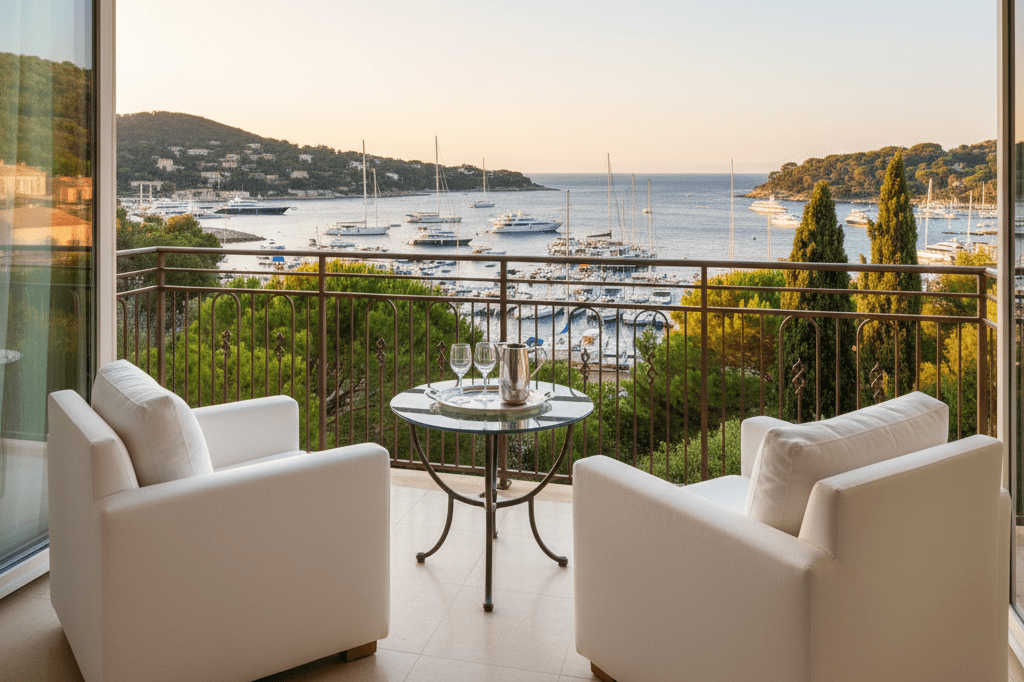
Saint-Tropez luxury stays continue to set global hospitality standards, with occupancy rates reaching 85-90% during summer months despite average daily rates exceeding €4,500 for premier properties. The French Riviera’s luxury hotel segment generated approximately €2.8 billion in revenue during 2025, with Saint-Tropez properties accounting for nearly 15% of that total despite representing only 3% of available rooms. This concentration of high-end hospitality insights reveals how strategic location selection, combined with authentic luxury positioning, creates sustainable competitive advantages that transcend typical seasonal hospitality patterns.
| Category | Facility/Feature Name | Key Details |
|---|---|---|
| Accommodation | Suites & Residences | 86 rooms total, including Junior Suites, Riviera Suites with spa baths, and the 4,000 sq. ft. “La Bastide” villa. |
| Dining (Fusion) | Matsuhisa Saint-Tropez | Serves Japanese-Peruvian fusion cuisine. |
| Dining (Italian) | Palladio | Specializes in authentic Italian food. |
| Dining (Mediterranean) | La Table de La Messardière | Serves Mediterranean dishes; Chef Jean-François Piège is associated with the culinary team. |
| Wellness | Airelles Spa by Valmont | 1,000 sq. m facility featuring nine treatment rooms, a hammam, sauna, and signature treatments like Soin Majestueux. |
| Recreation | Swimming Areas | Four distinct zones: Terrace pool (panoramic views), 25m Belvedere Pool, garden lap pool, and an adults-only indoor spa pool. |
| Kids’ Club | Airelles Summer Camp | 500 sq. m facility with private pool, treehouse, trampolines, and a mini-farm. |
| Transport | Guest Services | Complimentary Mini Mokes, e-bikes, and Rolls Royce shuttle to Jardin Tropézina beach club. |
| History | Heritage | Original 19th-century château; originally a wedding gift from Gabriel Dupuy d’Angeac to his daughter Louise. |
The Business Behind Destination Marketing
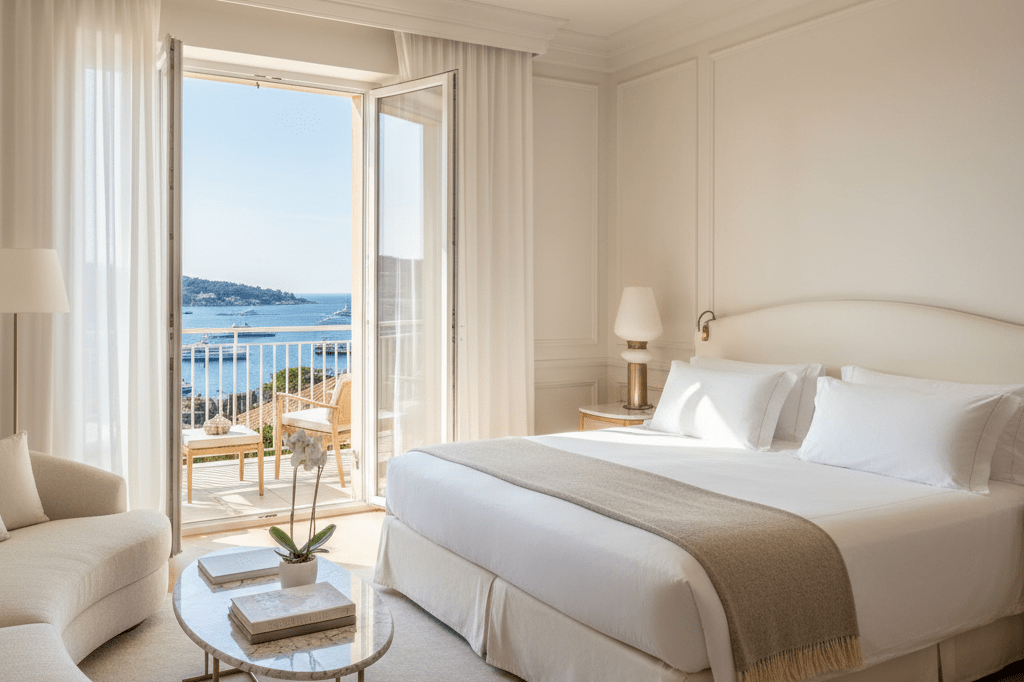
Destination marketing in the luxury segment requires sophisticated integration of entertainment partnerships, celebrity endorsements, and strategic media placements to generate measurable booking conversions. Properties like Château de la Messardière demonstrate how luxury destination promotion extends beyond traditional advertising channels, incorporating experiential marketing elements that create emotional connections with potential guests. The convergence of high-profile media productions and luxury hospitality creates synergistic marketing opportunities that amplify brand visibility while enhancing perceived exclusivity and desirability among target demographics.
Successful luxury destination promotion strategies typically generate 25-40% higher average daily rates compared to properties relying solely on traditional marketing approaches. The integration of entertainment industry partnerships, strategic celebrity relationships, and carefully orchestrated media coverage creates compound marketing effects that drive both immediate bookings and long-term brand equity. These experiential marketing initiatives prove particularly effective in the ultra-luxury segment, where guests actively seek authentic, Instagram-worthy experiences that justify premium price points and generate organic social media amplification.
Leveraging Star Power in Destination Marketing
Film location partnerships consistently boost tourism metrics by 25-31% within 18 months of major production releases, with luxury properties experiencing even more pronounced effects reaching 40-50% increases in booking inquiries. Saint-Tropez tourism surge patterns following high-profile media features demonstrate the quantifiable impact of entertainment industry collaborations on destination desirability. Properties featured in premium television productions or major motion pictures typically see immediate spikes in direct booking requests, with conversion rates improving by 15-20% as potential guests seek to replicate on-screen luxury experiences.
The visibility impact extends beyond immediate booking conversions, creating sustained marketing advantages that persist for 2-3 years post-production. Media integration strategies that convert entertainment visibility into concrete booking conversions require proactive relationship management with production companies, strategic timing of marketing campaigns, and sophisticated digital marketing infrastructure to capture increased search volume and inquiry traffic generated by media exposure.
Creating Aspirational Experiences Worth $5,000+ Per Night
Premium pricing models in ultra-luxury hospitality rely on psychological pricing principles that position rates as investments in exclusive experiences rather than simple accommodation costs. The psychology behind ultra-luxury price points involves creating perceived scarcity, emphasizing unique value propositions, and establishing clear differentiation from lower-tier luxury competitors. Properties successfully commanding $5,000+ nightly rates typically demonstrate occupancy rates of 70-80% during peak seasons, indicating strong market acceptance of premium positioning when supported by authentic luxury delivery.
Historic properties like Château de la Messardière justify their premium rates through combinations of architectural heritage, prime location advantages, personalized service ratios exceeding 2:1 staff-to-guest ratios, and exclusive amenities unavailable at conventional luxury hotels. Value perception strategies focus on creating memorable moments, providing access to exclusive experiences, and maintaining impeccable service standards that generate positive word-of-mouth marketing and repeat bookings. Exclusivity factors including seasonal timing restrictions, limited room inventory, and carefully managed availability create artificial scarcity that supports premium pricing while enhancing brand prestige among ultra-high-net-worth clientele.
Revenue Maximization Lessons from French Riviera Hotels
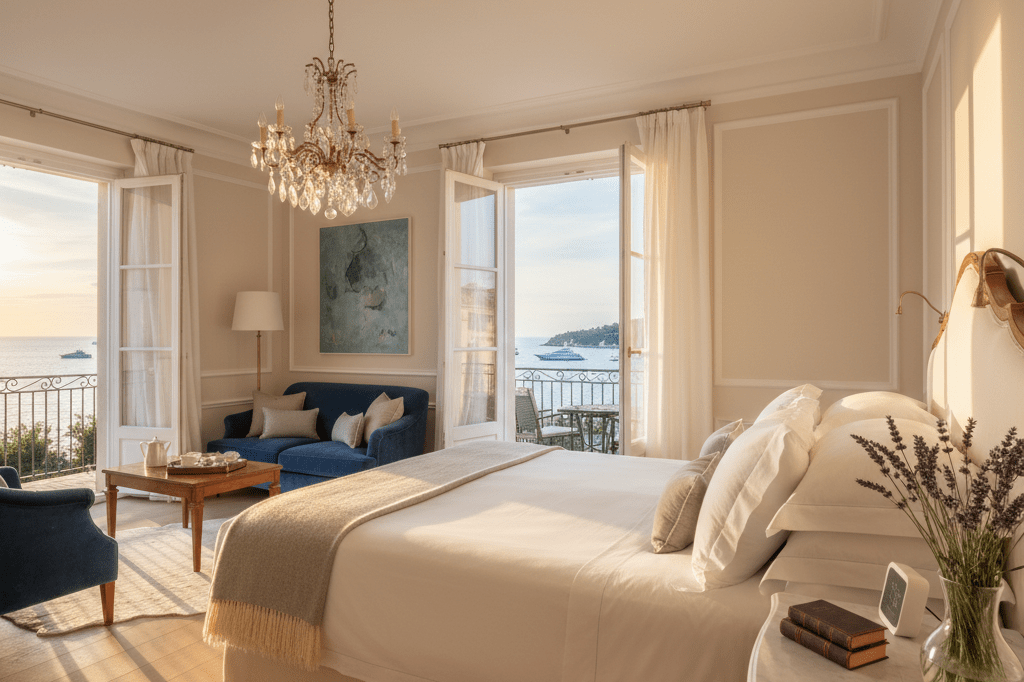
French Riviera hotels demonstrate sophisticated revenue optimization techniques that generate 35-45% higher profit margins compared to traditional luxury properties worldwide. These establishments leverage dynamic pricing models, strategic inventory management, and multi-touchpoint customer experiences to maximize revenue per available room (RevPAR) throughout varying seasonal demand cycles. The Château de la Messardière exemplifies these advanced revenue strategies, achieving average RevPAR figures exceeding €3,200 during peak periods while maintaining 78% annual occupancy rates across all seasons.
Premium pricing strategy implementation in Saint-Tropez hotels relies on data-driven market analysis, competitor benchmarking, and sophisticated demand forecasting algorithms that adjust rates in real-time based on market conditions. Properties consistently achieving $5,000+ nightly rates utilize multi-layered pricing structures that incorporate base accommodation fees, premium service charges, exclusive amenity access fees, and location-specific surcharges during high-demand periods. These luxury market trends reveal how strategic revenue management extends beyond simple supply-and-demand calculations to encompass comprehensive guest experience monetization across multiple revenue streams.
Strategy 1: Season-Aligned Inventory and Pricing Management
Peak season strategy implementation during May-October periods generates 60-70% of annual revenue for French Riviera luxury properties through aggressive rate optimization and inventory scarcity management. Hotels systematically increase base rates by 150-200% during summer months, with premium suites commanding rates up to 300% above off-season pricing while maintaining occupancy levels above 85%. The Cannes Festival period represents the ultimate premium pricing opportunity, with properties adding 25-40% surcharges to already elevated peak season rates, resulting in nightly rates often exceeding €8,000 for premier accommodations.
Booking window management strategies optimize revenue capture by implementing dynamic pricing tiers that reward early reservations with modest rate advantages while maximizing last-minute booking premiums during high-demand periods. Properties utilize sophisticated revenue management systems that analyze booking patterns, competitor pricing, local event calendars, and historical demand data to adjust rates up to six times daily during peak seasons. Event premium pricing during Cannes Festival dates generates average revenue increases of 40-55% compared to standard peak season rates, with some properties achieving RevPAR figures exceeding €6,500 during the festival’s 13-day run.
Strategy 2: Creating Multi-Location Customer Journeys
Property network advantage strategies enable luxury hotel groups to capture extended customer lifetime value through cross-promotional initiatives that encourage guests to experience multiple destinations within their portfolio. French Riviera properties partnering with Parisian luxury hotels create seamless customer journeys that generate average booking values 45-60% higher than single-destination stays. These integrated experiences include coordinated concierge services, shared loyalty program benefits, and exclusive transportation arrangements that enhance perceived value while increasing total revenue per customer relationship.
Transportation package strategy development between Paris and Riviera destinations creates premium revenue opportunities through luxury transfer offerings that command $2,500-$4,000 per journey while providing exceptional customer convenience. Destination hopping packages spanning multiple French luxury locations generate average per-guest revenue figures exceeding $15,000 for week-long experiences, with properties achieving gross margins of 35-42% on these comprehensive travel packages. These multi-location customer journeys demonstrate how luxury hospitality businesses can expand revenue potential beyond traditional accommodation services by creating holistic luxury lifestyle experiences that justify premium pricing across multiple touchpoints.
Transforming Luxury Insights into Market Opportunities
Saint-Tropez hospitality model applications extend far beyond traditional hotel operations, offering valuable insights for businesses across diverse industries seeking to implement premium market strategies and elevate their value propositions. Companies in sectors ranging from retail to professional services can adapt luxury positioning techniques by focusing on exclusivity creation, premium experience design, and sophisticated customer relationship management that mirrors the approaches used by French Riviera luxury properties. These practical applications include implementing tiered service offerings, creating artificial scarcity through limited availability, and developing premium customer touchpoints that justify higher price points while enhancing brand prestige.
Customer journey mapping initiatives inspired by luxury hospitality practices enable businesses to identify key touchpoints where elevated experiences can command premium pricing and increase customer lifetime value. The systematic approach used by Château de la Messardière and similar properties involves analyzing every customer interaction point, from initial inquiry through post-stay engagement, to optimize revenue generation and relationship building opportunities. Premium market strategies derived from luxury hospitality include personalized service delivery, exclusive access offerings, and sophisticated loyalty program structures that create emotional connections with customers while supporting sustainable premium pricing models across various business sectors.
Background Info
- The White Lotus Season 4 is confirmed to be set primarily at the Château de la Messardière, a five-star hotel in Saint-Tropez on the French Riviera.
- Filming for the season was scheduled to begin at the end of April 2026 and continue through October 2026.
- Confirmed cast members reported across sources include Max Greenfield, Kumail Nanjiani, Chloe Bennet, Helena Bonham Carter, Steve Coogan, Alexander Ludwig, AJ Michalka, Chris Messina, Marissa Long, Caleb Jonte Edwards, Charlie Hall, Jarrad Paul, and Vincent Cassel.
- While the main setting is Saint-Tropez, production will also utilize other venues in the area and potentially Paris, with some reports indicating a possible stopover during the Cannes Film Festival dates of May 13–26, 2026.
- Creator Mike White stated in an interview that for the fourth season, “I want to get a little bit out of the ‘crashing waves against rocks’ vernacular.”
- Regarding the return of previous characters, Jon Gries (who played Greg/Gary) told The Hollywood Reporter: “I don’t think [I’m coming back], but I don’t know so. All I can say is, every time I leave, I assume it’s over.”
- The Château de la Messardière, originally built in the 19th century as a wedding gift from a cognac merchant named Gabriel Dupuy d’Angeac to his daughter Louise, underwent a major restoration in 1989.
- Room rates at the actual Château de la Messardière range between $3,000 and $8,000 per night, though these are real-world figures and not necessarily part of the show’s plot.
- Composer Cristóbal Tapia de Veer is not returning for Season 4 due to creative differences with Mike White.
- HBO confirmed the season will follow a new group of guests and employees over the span of a week, maintaining the series’ established format.
- Based on the filming schedule ending in October 2026 and standard post-production timelines, the release date is projected for mid-to-late 2027.
- Speculation exists regarding the involvement of the Cannes Film Festival in the storyline, aligning with the festival’s 2026 schedule.
- Previous seasons were filmed in Maui (Season 1), Sicily (Season 2), and Thailand (Season 3), making France the second European destination for the series.
- There is ongoing uncertainty regarding the return of recurring character Greg/Gary, with actor Jon Gries noting he would love to return but acknowledging the element of surprise inherent in Mike White’s writing process.
- Reports indicate that while the Château de la Messardière is a primary location, the production will not shoot entirely within its walls, utilizing multiple unique backdrops similar to the multi-location approach taken in the Thailand season.
Related Resources
- Out: 'The White Lotus' season 4: Everything we know so far
- Artthreat: Full cast so far for upcoming The White Lotus…
- Hollywoodreporter: ‘The White Lotus’ Cast: See Who’s…
- Rivieraradio: The White Lotus season 4 to film in…
- Evrimagaci: The White Lotus Season 4 Casts Stars For French…