


Related search
Phone Cooler
Gaming Laptops
Stone Necklace
Glass Holder
Get more Insight with Accio
Which Types of Backpacks Sell Best? A Retailer’s Product Guide
Which Types of Backpacks Sell Best? A Retailer’s Product Guide
6min read·Stephanie Mee·Mar 9, 2026
Backpacks can be a very profitable product category for online sellers because they’re always in demand. School children need them to haul books to classes, hikers use them to carry gear in the great outdoors, and travelers take them on all sorts of journeys. Plus, backpacks are typically cheaper to ship than bulkier items, and it’s easy to find wholesale suppliers offering a wide range of packs. This guide will cover some of the top-selling types of backpacks, as well as key features that influence buying decisions, and tips for choosing the right products for your business.
Table of contents
- The most common types of backpacks by use case
- Specialized types of backpacks for niche markets
- Key backpack features that influence buying decisions
- How to choose the right types of backpacks to sell
- Final thoughts
Want to explore more about Which Types of Backpacks Sell Best? A Retailer’s Product Guide? Try the ask below
Which Types of Backpacks Sell Best? A Retailer’s Product Guide
The most common types of backpacks by use case

Not all backpacks are designed for the same purpose, and that’s part of what makes this category so appealing for retailers. Different types of backpacks appeal to different buyers, and that gives sellers the chance to reach several audiences at once. Here are some of the most in-demand types of backpacks:
School backpacks
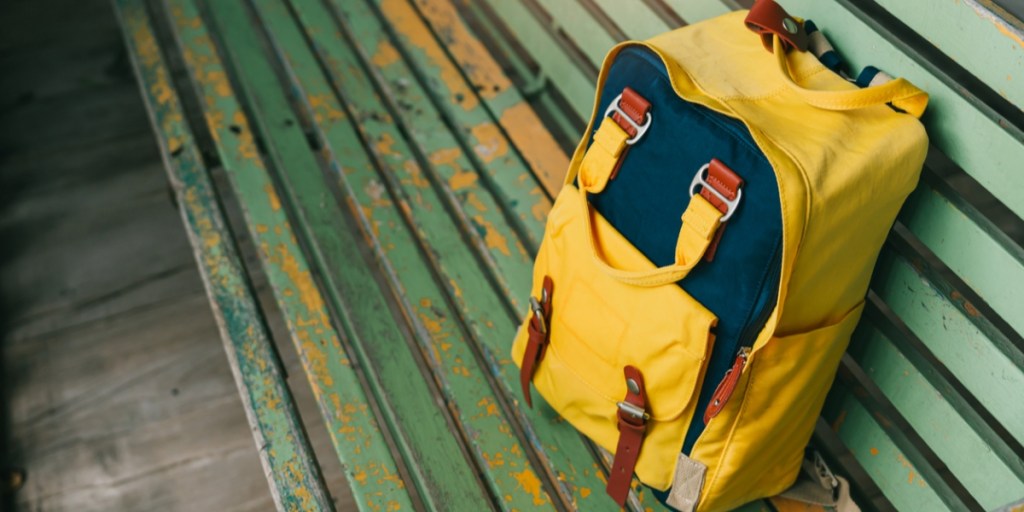
School backpacks are one of the most consistent sellers in this category because students from elementary school all the way through to college rely on them for daily use. These packs usually include multiple compartments for books and supplies, as well as padded shoulder straps for comfort. Many modern designs also include laptop sleeves or tablet pockets.
Travel backpacks
Travel backpacks are designed to hold everything someone might need for a weekend getaway or backpacking trip. Many of them open with a clamshell-style design similar to a suitcase because that allows for easy access when packing and unpacking. Other common features include compression straps, lockable zippers, and carry-on-friendly sizes.
Hiking backpacks
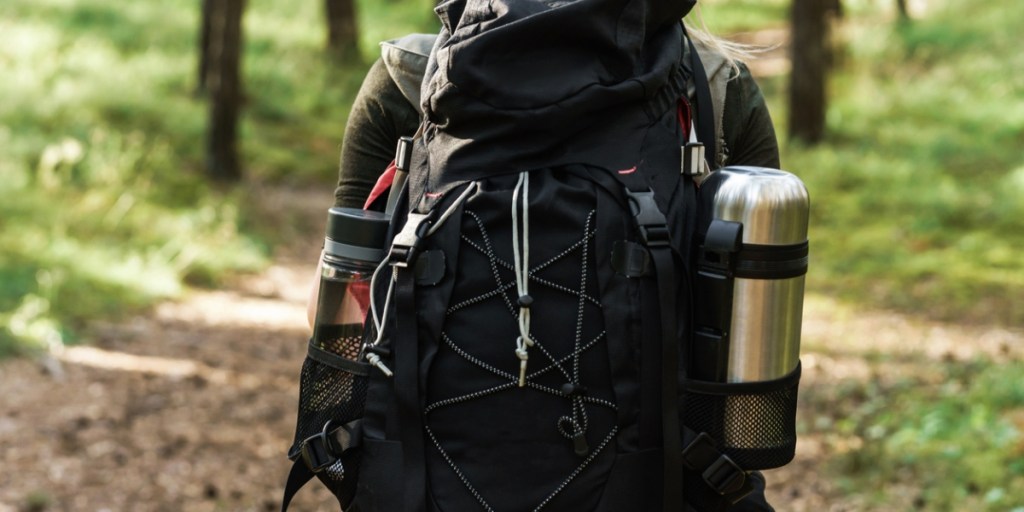
Hikers look for backpacks that are durable and can carry heavy loads, but also are comfortable for everything from short hikes in the woods to long treks. Special features often include hydration pack sleeves, ventilation panels, and adjustable straps that help distribute weight evenly.
Laptop backpacks
Laptop backpacks are designed with professionals and students in mind. The most important feature is a padded compartment that protects laptops and other electronics. Many also have space for must-have items for devices, like chargers and other accessories. Water-resistant materials and anti-theft features are also becoming more common.
Gym and sports backpacks
Gym backpacks are designed to carry workout gear and athletic equipment. Key features include ventilated compartments for shoes or sweaty clothing, as well as pockets for water bottles. They’re typically lightweight and easy to clean, which makes them practical for everyday use.
Specialized types of backpacks for niche markets
While there will always be demand for the most common types of backpacks, there is also a lot of competition in the market. Business owners may also want to consider looking at niche products, as some buyers are willing to pay more for backpacks that fit their specific needs. Here are a few examples:
Photography backpacks
Photographers want backpacks that can hold and protect their delicate equipment, like cameras, lenses, and tripods. Practical design elements include padded compartments and adjustable dividers. Quick-access side panels are great because they allow photographers to grab a camera without taking the pack off completely.
Cycling backpacks
Cycling backpacks need to be comfortable and stay secure on bike rides. These packs feature lightweight designs, breathable back panels, and straps that help keep the pack from shifting during movement. Some models also include helmet attachments, hydration reservoirs, or reflective materials to improve visibility on the road.
Tactical backpacks
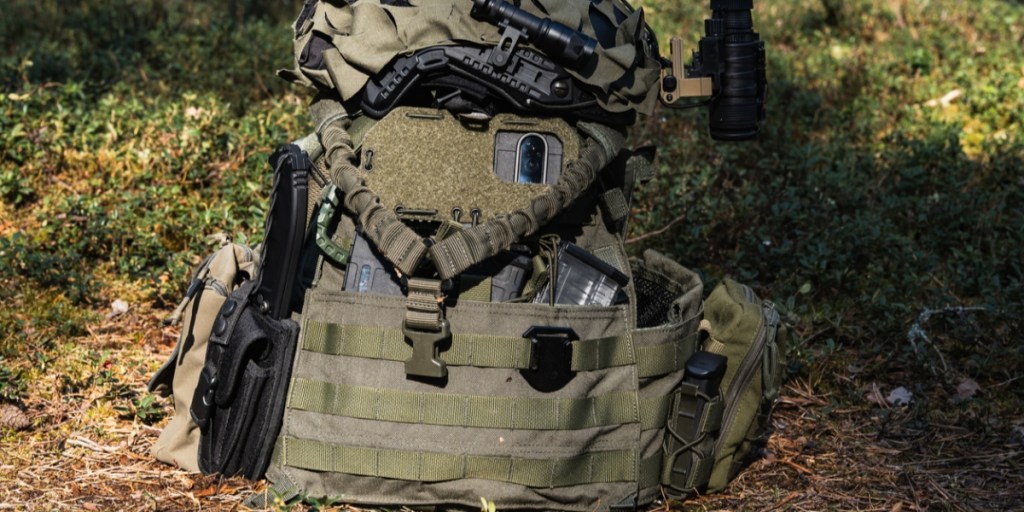
Tactical backpacks are inspired by military-style gear, and they’re sought after for their rugged construction. They’re often made from heavy-duty materials and include reinforced stitching. One of their defining features is MOLLE webbing, which allows users to attach additional pouches and accessories.
Diaper backpacks
Busy parents need to be able to carry baby essentials, while also keeping their hands free to attend to their children. These backpacks might include organized compartments for bottles, diapers, wipes, and extra clothing. Some designs also feature insulated pockets, changing pads, or stroller straps.
Anti-theft backpacks
Anti-theft backpacks are rising in popularity, especially with travelers and commuters in busy cities. Many feature hidden zippers, lockable compartments, and materials that aren’t easy to slash. Some buyers also look for RFID-blocking pockets that help protect credit cards and passports from digital theft.
Key backpack features that influence buying decisions
When choosing a backpack, there are several key factors that buyers look for beyond just the intended use and style. Here are a few key features that buyers often consider when deciding on the right backpack for their needs:
- Capacity: Size is a key consideration for many buyers. A backpack in the 10 to 20-liter range might be fine for short day trips, while a 20 to 40-liter pack may be more suitable for daily needs like school or work. Buyers looking to take longer trips or carry more gear might want something up to 50 liters.
- Materials: Durability is often top of mind, regardless of what the pack is being used for. Polyester and nylon are popular choices because they’re both sturdy and affordable. Higher-end materials like Cordura or waterproof fabrics can appeal to customers who need a little more heft and protection from the elements.
- Comfort: Backpacks that are comfortable to wear tend to get better reviews and repeat purchases. Padded shoulder straps, breathable back panels, and adjustable chest or waist straps can make a big difference, especially when the pack is loaded with heavier items.
- Frame type: Larger backpacks sometimes include internal or external frames that help distribute weight more evenly. Internal frames are more common today because they sit inside the pack and offer a streamlined feel. External frames are better for strong support when it comes to heavier loads and bulky gear. Frameless designs are usually lighter and simpler.
- Organization and storage: Many buyers appreciate backpacks that help keep their belongings organized. Features like laptop sleeves, interior dividers, water bottle pockets, and zippered compartments make it easier to separate gear and find items quickly.
- Convenience features: Small design details can also influence buying decisions. Things like clamshell openings for easy packing, roll-top closures that allow flexible capacity, and quick-access pockets for phones or passports can make a backpack much more practical for everyday use.
How to choose the right types of backpacks to sell
With so many various backpack types on the market, how do you make the right choice for your business? Well, the first step is to think about your target customers and how they plan to use the product. For example, if your ideal customers are adventurous types, you may want to focus on travel backpacks, anti-theft designs, and hiking or tactical packs.
It’s also smart to balance high-volume staples with more specialized options. Everyday backpacks, like school or commuter packs, tend to sell steadily because they appeal to a wide audience. At the same time, niche products such as photography or diaper backpacks can help your catalog stand out and attract customers searching for something specific. Offering a range of price points can also be helpful.
Seasonality is another thing to consider when planning your inventory. Back-to-school shopping drives a surge in demand for student backpacks every year, and travel packs often sell well before major holiday seasons. Outdoor backpacks may also see increased interest during warmer months when hiking and camping trips become more popular.
Final thoughts
If you’re planning to add backpacks to your product lineup, it helps to understand the different categories and what types of buyers they attract. Start by thinking about who your customers are and how they’re most likely to use the product. Once you have a clear audience in mind, it becomes easier to choose backpack styles and features that will actually appeal to them.
As you start narrowing down the types of backpacks you want to sell, it can also help to explore a wider range of suppliers and product options before making final decisions. That’s where Accio comes in, the AI-powered sourcing platform that helps businesses discover products, compare suppliers, and analyze market data all in one place. Armed with this information, you can evaluate your options more efficiently and make more informed sourcing decisions for your store.