


Related search
Phone Charm
Electrical Equipment
Smart Watches
Garment Accessories
Get more Insight with Accio
What Is the Best Material for Coasters?
What Is the Best Material for Coasters?
5min read·Jim Volgano·Mar 24, 2026
Finding the best material for coasters to sell is a win for most entrepreneurs. That’s because people don’t just need coasters that protect surfaces from stains and scratches. They need something that’s durable, and this mostly depends on the material. Material also defines personality and style, which is why choosing the best material for coasters really matters.
Of course, there are many materials to choose from, and this makes you wonder what to stock up in your shop. However, we’ve made things simple with an explanation of some of the top coaster materials and other critical information you need to know about them.
Table of Contents
- 8 of the best materials for coasters
- Protect coasters from indents and sticking together when bundled
- How to stop coasters from scratching furniture
- Conclusion
Want to explore more about What Is the Best Material for Coasters?? Try the ask below
What Is the Best Material for Coasters?
8 of the best materials for coasters
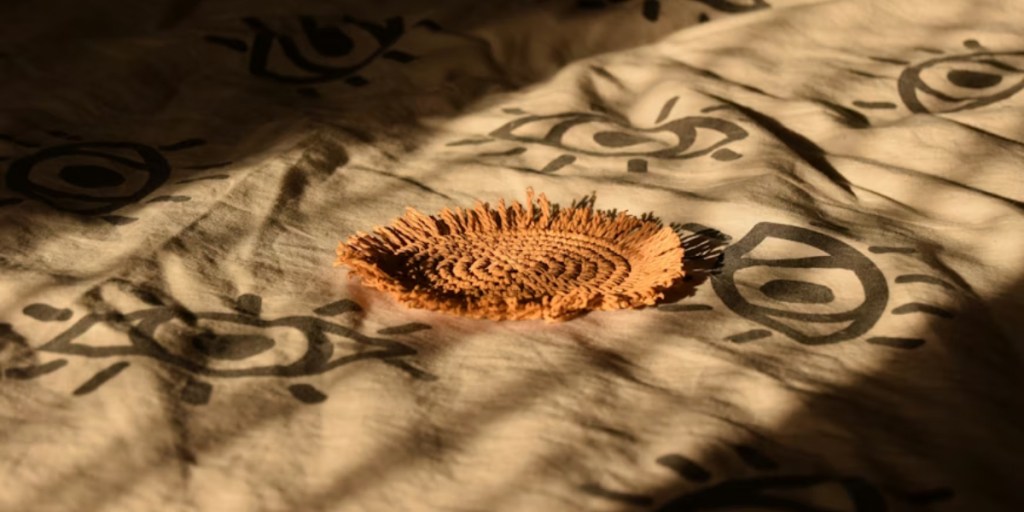
1. Glass tile
Surprisingly, these coasters don’t easily break or chip despite being made from glass and cement. While water may pool from ice-cold glasses, they don’t leave rings once the condensation dries. Just wipe spills quickly, since the white cement can absorb light stains from drinks like black tea.
You’ll also want a base with smooth composite wood or felt to prevent scratching the table. Glass tile coasters come in a wide range of glossy colors and patterns. A two-tone checkerboard style, available in many color combinations, is a popular customizable option.
2. Silicone
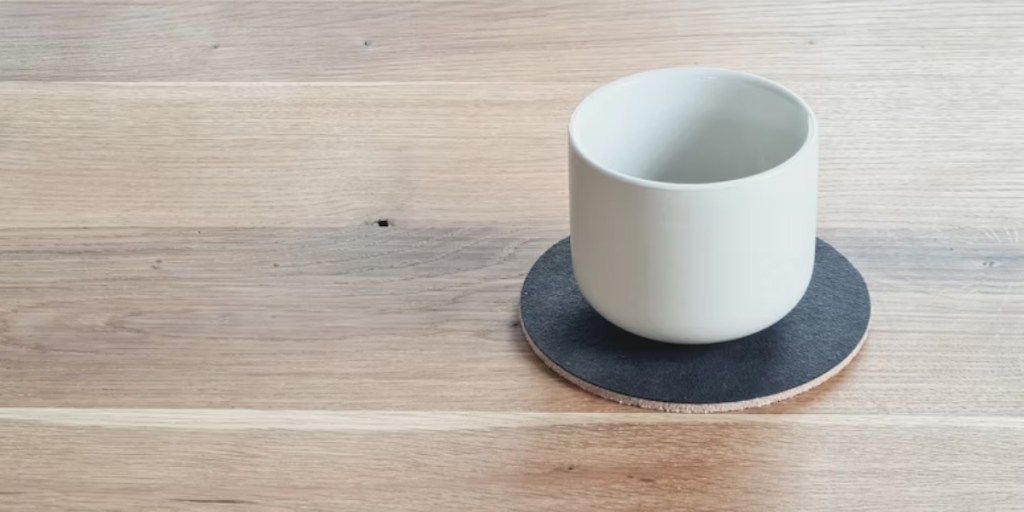
Coasters made of food-grade silicone are stylish and long-lasting. However, silicone varies widely, so you need to choose high-quality options. Most importantly, go for silicone coasters with a smooth matte finish that’s waterproof, dishwasher-safe, and stain-resistant. Some silicone can also melt, so confirm with the supplier that the coaster is heat-safe up to around 450°F. Stock silicone coasters with ridges on top. They help trap condensation and dry quickly.
3. Felt
If you want a quiet surface for your glass, felt coasters are an excellent choice. The felt is thick and absorbent, soaking up moisture and drying fast. Unlike nonporous materials, these coasters handle drips from cold drinks very well, while still working fine with warm beverages. Ideally, choose sizes slightly larger than a typical glass (over 3 inches in diameter) to catch condensation. They do need more careful cleaning than a quick wipe, but they resist stains unless exposed to stronger liquids like red wine or tea.
4. Resin
Resin works well for cold or room-temperature drinks. This material has even been used by designer Gaetano Pesce to create colorful, translucent coaster designs, sometimes referred to as table mates.
Resin coasters can occasionally stick to wet glasses and may show fingerprints or water marks, but these wipe off easily. Clean with a damp cloth and mild soap, and avoid alcohol-based cleaners. They’re not heat-safe, so keep hot items away from them.
5. Wood
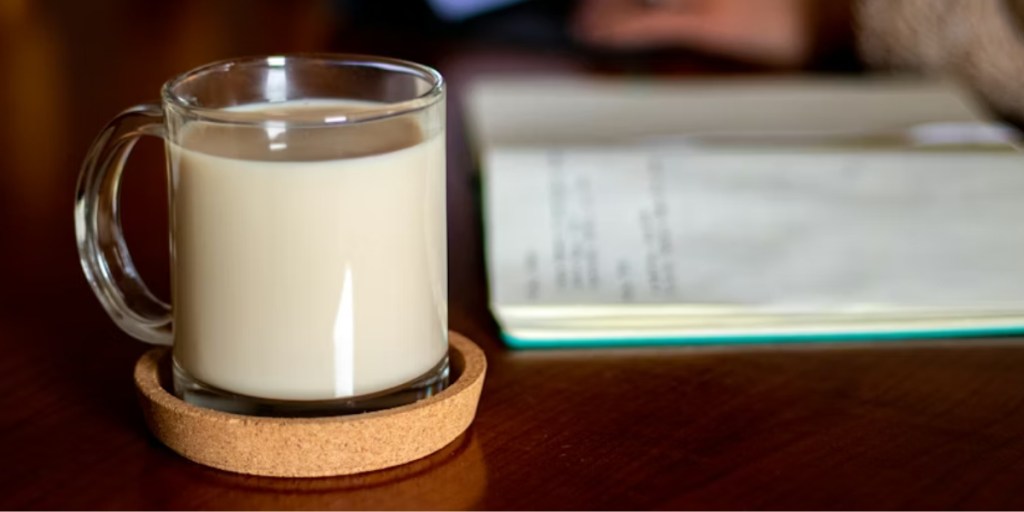
The natural wood grain is elegant, and they make the perfect drink coasters. The surface can be perfectly flat or hollow, and the edges can be rounded for a pretty look. People like them for gifts, for style, and variety. Wood insulates well against heat, so you can be confident it will protect your furniture from damage, no matter whether your drink is hot or cold. Polished or stained wooden coasters are also highly resistant to discoloration.
6. Linen
As the name implies, linen coasters are made from high-quality flax fibers, known for their beauty and absorbency. Water from glasses is quickly drawn into the fabric, keeping surfaces dry and safe from condensation. In addition to their soft, textured surface, these coasters usually have neatly stitched edges that prevent fraying and maintain shape over time.
The coasters are backed with a thin layer of cork or non-slip material that makes them stable on tables.
7. Cotton
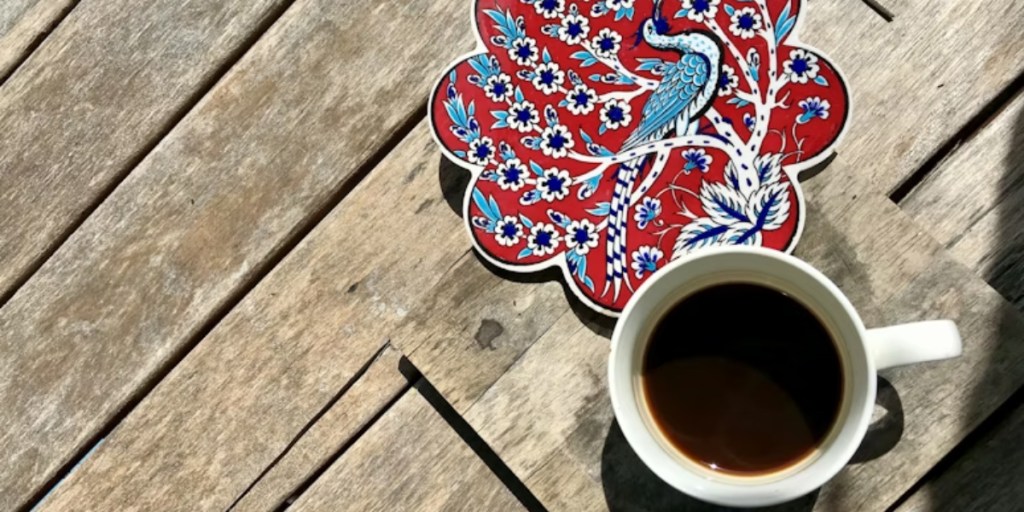
Cotton is a popular fabric option for coasters because it’s soft, widely available, and reasonably absorbent. However, even though it handles moisture fairly well when compared to other materials, it tends to stay damp longer than linen. This coaster material can get stained, but it’s washable. The problem is that it may show wear like pilling or fraying after frequent washing.
8. Bamboo
Bamboo coasters are lightweight yet sturdy and can be used without warping. The surface resists minor scratches and handles condensation well, though water can sometimes pool if drinks are very cold.
Protect coasters from indents and sticking together when bundled
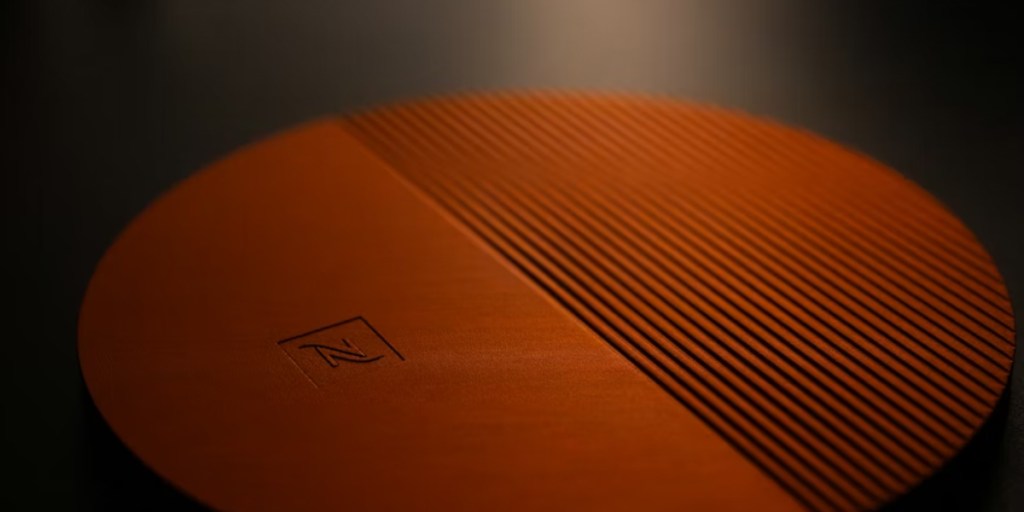
If you stack and ship your coasters, you’ve probably run into a few common issues – coasters sticking together, scratching during transit, or getting those annoying indents from tying them up. Here’s a quick, simple breakdown of what you can do to avoid all of that.
How to prevent coasters from sticking together
When you first start stacking your coasters, one easy method is to use wax paper. Just cut it into small squares and place a piece between each coaster as you stack them. This creates a barrier so they don’t stick together, and it also helps prevent scratching during transit.
You can trim the wax paper to fit neatly or leave it slightly larger. It doesn’t have to be perfect.
Sanding
Instead of relying on wax paper every time, you can switch to sanding the bottoms of your coasters. Lightly sand the underside until it feels soft and matte rather than glossy. This gives you a smooth, polished top and a softer base.
Because it’s no longer glossy-on-glossy contact, the coasters are far less likely to stick together. The sanded bottom also helps prevent scratches and feels better on surfaces like tables.
Stop indents from bundling
If you’re tying your coasters into stacks, the material you use matters a lot. Twine can easily leave indents because it’s rough and doesn’t stretch. When you tighten it, it presses into the surface. Instead, switch to something soft, flat, and slightly stretchy.
A soft lace works really well for this. It wraps around the coasters without digging in, so even when tied snugly, it won’t leave marks on the top. If your lace feels too thick, go for a thinner, more delicate option. The key is flexibility and softness.
How to stop coasters from scratching furniture
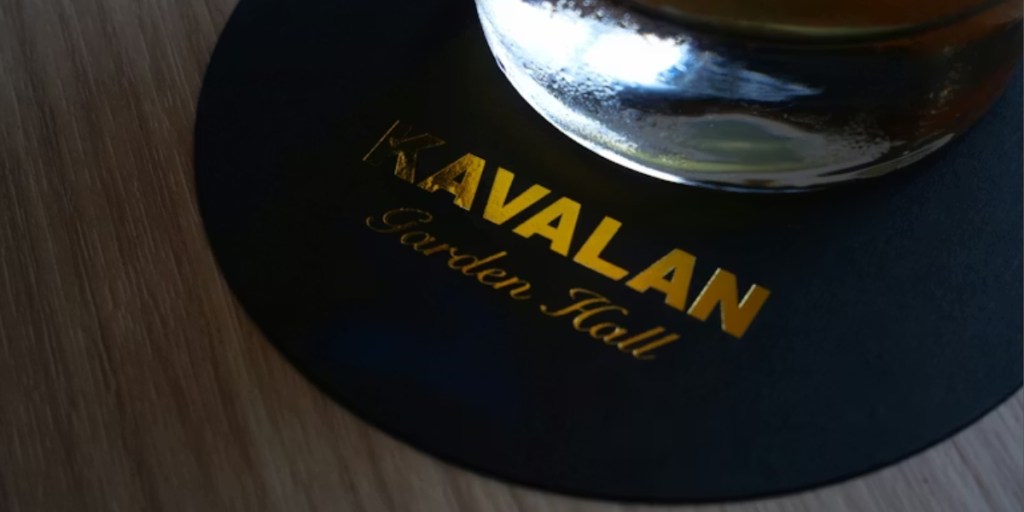
If you want to prevent the bottoms from scratching surfaces they are set on, get felt furniture pads to put underneath. You can also try cork pads or neoprene pads that are small and already have sticky backs on them.
Another way to prevent coasters from scratching furniture is to sand them. Sand the bottoms of the coasters to make them smooth and remove the need to add padding whenever you want to protect them from scratches.
Apply a medium-thick layer of glue to the bottom of the coaster, then stick it on a sheet of cork (you can do a whole batch at once). Put some books on top to get good contact. Let them dry for a day or two, then cut the cork with an exacto knife to get a very close cut.
You can also apply silicone to the underside of coasters. Using a silicone adhesive will leave small silicone dots that act as feet. Make sure they’re just a few silicone dots, then leave the coasters upside down to fully cure. You’ll end up with small, rounded silicone dots.
Conclusion
Coasters made from silicone, glass tile, felt, resin, and wood serve their purpose well, look good, and are durable. Linen, cotton, and bamboo are also great contenders for the best material for coasters. You can select the best one for you from these eight options.
Some coasters can scratch your furniture, which creates a new problem while trying to prevent stains. The good news is that simple fixes can help like sanding the bottoms or placing a piece of wax paper between the coaster and the surface to prevent scratches. You can also use wax paper during shipping to keep the coasters from sticking to each other.
Knowing which materials make the best coasters is only a start when importing or selling coasters. You should also know how to source them, price them competitively, and even position yourself in the market. A good platform that can help you get tips on these is Accio.com for B2Bs. It can generate insights into material trends, supplier reliability, pricing benchmarks, and product demand across different markets. You can even use the tool to research and compare suppliers and refine your sourcing strategy. Just ask your question or upload any image, and Accio will generate the insights you need.