


Related search
PET
Wedding Ring
Beds
Toys
Get more Insight with Accio
What Is a Call to Action in Marketing? Everything You Need to Know
What Is a Call to Action in Marketing? Everything You Need to Know
7min read·Leon Rupia·Mar 9, 2026
Have you ever visited a website and downloaded a free report or purchased an item on an online store? If yes, what compelled you to make your decision? Well, a call to action (CTA) likely influenced your decision.
So, what’s a CTA anyway? Read on to discover what a call to action in marketing is, why it matters for your business, and how to create effective CTAs that convert prospects to customers.
So, what’s a CTA anyway? Read on to discover what a call to action in marketing is, why it matters for your business, and how to create effective CTAs that convert prospects to customers.
Table of Contents
- What is a call to action in marketing?
- Why are CTAs important for your business?
- Types of CTAs
- Elements of a compelling CTA
- How to create CTAs that convert
- Tips for optimizing your CTAs
- Final thoughts
Want to explore more about What Is a Call to Action in Marketing? Everything You Need to Know? Try the ask below
What Is a Call to Action in Marketing? Everything You Need to Know
What is a call to action in marketing?
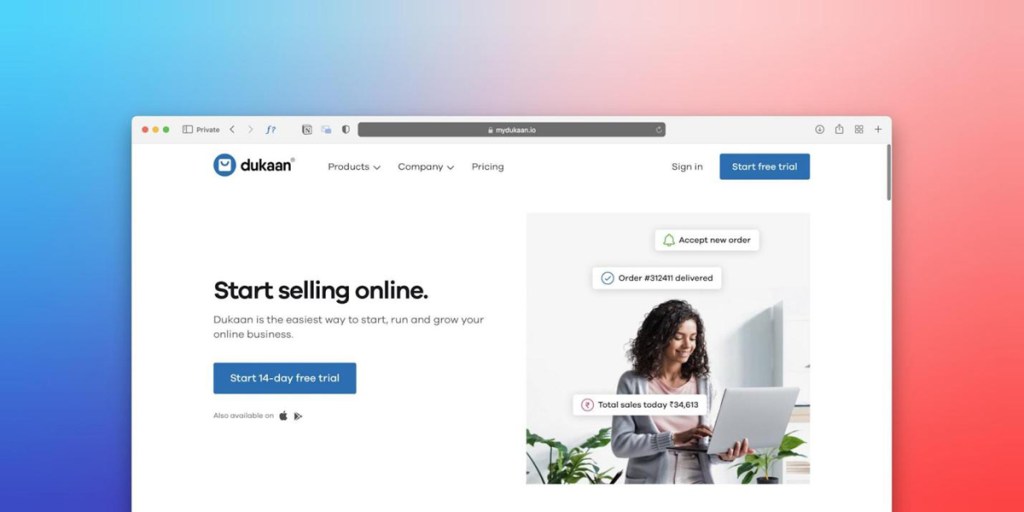
A call to action, often shortened to CTA, is a brief prompt that encourages individuals to take a specific step. Without a clear CTA, prospects might engage with your content but never take desired actions, such as completing a purchase, signing up for a newsletter, or contacting your business.
CTAs are everywhere online — from e-commerce sites and social media platforms to marketing emails. Some popular CTAs you’ve likely seen include:
- Buy now
- Add to cart
- Subscribe
- Call today
- Read more
But CTAs don’t have to be short. Beyond these popular examples, some longer CTA examples include:
- Download your free e-book
- Start your free 7-day trial today
- Get this exclusive offer now
- Send me the free report
Why are CTAs important for your business?
You probably use multiple tactics to drive traffic to your website or build your email list. But once visitors land on your website or open your emails, what happens next? Well, without a clear CTA, potential customers might not take any action. And that’s bad for business. That said, here are reasons why CTAs are essential for your business:
Guide the customer journey
CTAs on your website, emails, social media posts, and other marketing materials serve as signposts, guiding individuals on what to do next. For example, at the end of a promotional blog post, you could add the phrase ”Get your limited time offer” to guide prospects further along the decision-making process.
Move prospects from “maybe” to “yes”
Your target audience may enjoy reading your engaging social media posts or scrolling through your well-designed website, but if they encounter no CTAs, they might just drift away. Adding simple CTAs such as “Start your free trial” or “Get 30% off” to your content may nudge prospects to take action.
Enable data capture
Your potential customers are at various stages of the sales funnel. While some people might be ready to purchase your products, others might not know much about them. Adding a simple CTA like ”Sign up for our newsletter” on your website can help you capture valuable information, such as names and email addresses, from people who aren’t ready to purchase, enabling you to send them targeted emails about your products.
Types of CTAs
CTAs come in various forms, each tailored to suit different purposes. The threecommon types of CTAs include:
Button CTAs
Button CTAs are arguably the most common kind of CTA online. These CTAs usually appear as bright clickable elements on websites or emails. This quality makes them stand out from other elements on web pages, making them great at grabbing attention.
Text CTAs
Text CTAs depend only on text to prompt users to take action. Typically, text CTAs are hyperlinked to set them apart from other elements on web pages. The phrase ”Click here to find out more” is a classic example of a text CTA.
Image CTAs

Image CTAs use visual elements, such as photos or graphics, to draw people’s attention to a focal point on a page and encourage them to take a particular action. These CTAs typically use text and buttons to reinforce the message and are highly effective for products in visually focused industries, such as food, beauty, and fashion.
Elements of a compelling CTA
Creating attention-grabbing CTAs that stop people from scrolling isn’t simply about choosing the right words or colors. While there’s no formula for crafting effective CTAs, key elements of effective ones include:
Clarity
Your CTAs should leave no room for ambiguity. They should precisely guide users on what steps to take next. That’s why it’s best practice to use simple language in your CTAs and keep them concise. Ideally, your CTAs should also have a clear value proposition. For instance, ”Get 40% off your first order” instead of ”Get your offer.”
Visibility
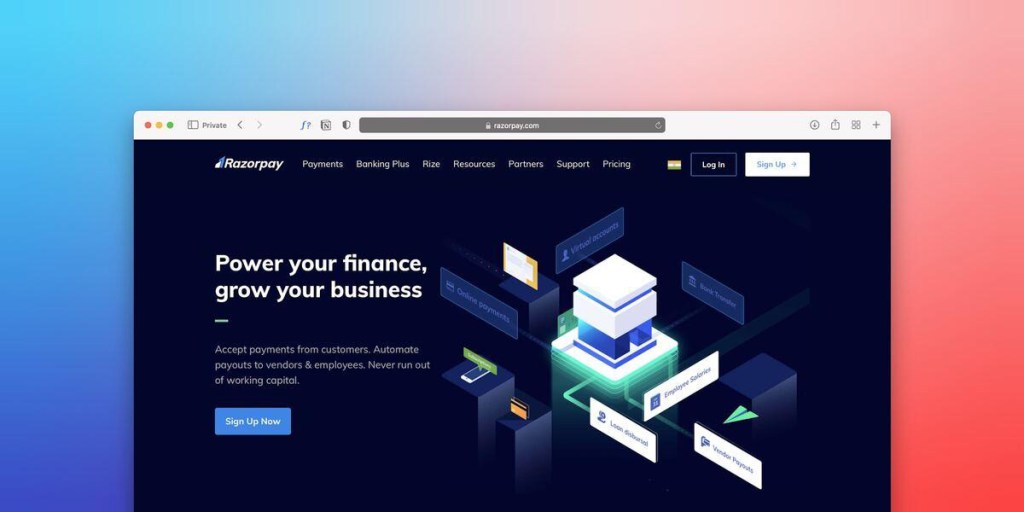
Regardless of where you use CTAs, they should appear prominently and stand out from the surrounding content to grab attention. For example, many websites typically use button CTAs with vibrant, contrasting colors to differentiate them from other elements on the page.
Urgency
Effective CTAs don’t just prompt users to take action. They prompt them to take immediate action. Adding urgency to your CTAs can trigger the scarcity effect, a phenomenon that may prompt users to take action.
For example, if you’re running a sales campaign, you can use a CTA that says ”Last Chance: Sale Ends in 6 hours!” in your marketing emails to encourage potential customers to purchase products before the discount window closes.
How to create CTAs that convert

Whether you want to create CTAs that increase email click-through rates or optimize the existing CTAs on your e-commerce site, here are seventried-and-tested strategies for creating high-converting CTAs:
Use strong action verbs
When prospects come across your CTAs, you want them to take immediate action. So, don’t use passive language. Use action verbs that encourage them to act on the spot. Some examples of popular action verbs you can add to your CTAs include shop, order, subscribe, download, and sign up.
Add a benefit
Your CTAs should communicate the benefit of your product. Does your product save people time, money, or effort? If yes, let potential customers know in your CTA. For example, if your product saves people money, your CTA could say, ”Claim your 25% discount.”
Stir curiosity
Most people don’t like stories that end abruptly. They want to know what’s next. To capitalize on this, use CTAs that stir people’s curiosity. For example, here are some curiosity-driven text CTAs that you could use in your email subject lines to improve open rates:
- Get 35% off for doing this
- The 5-minute hack that saved us $10K/month
- Discover how to cut product sourcing time in half
Capitalize on FOMO
People don’t like feeling left out. It’s no wonder the term FOMO gained popularity. Including phrases like “limited time offer,” “offer ends soon,” or “join thousands already signed up” in your CTAs is a great way to nudge users to act now rather than later.
E-commerce stores often use this tactic to great effect by displaying the CTA “Only [x] left in stock — order soon” on their product pages.
Offer an incentive
If you want potential customers to click your CTAs and provide their information, consider giving them something in return. Some high-value items (lead magnets) you could give them include e-books, whitepapers, email templates, free trials, or discount codes.
Place your CTAs strategically
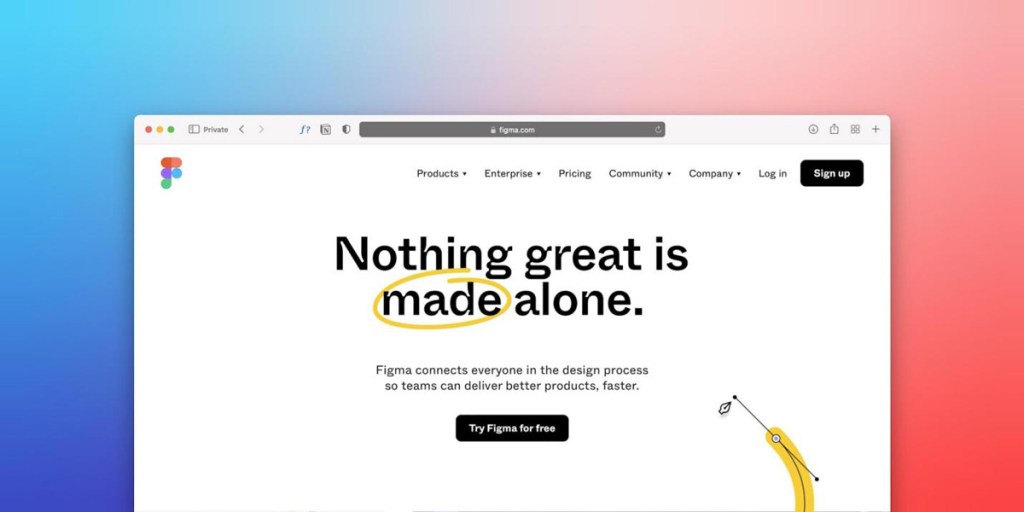
CTA placement can have a massive impact on click-through rates, particularly on your website. Although there’s no hard-and-fast rule for where to put CTAs on sites, some popular areas to place them include:
- At the top-right-hand corner. This is the standard position for ”Sign Up,” ”Get Started,” and ”Contact Us” buttons
- Above the fold. This is the section at the top of your page that users see without scrolling
- At the bottom of the page, i.e. the footer
- At the end of your blog posts
Tailor your CTAs to stages of the marketing funnel
Your target audience isn’t the same. Although some prospects may be ready to purchase your products, others might still be weighing various options. That’s why you need to match your CTAs to the stage your audience is at in the buyer’s journey.
For instance, prospects who read your blog posts or case studies are highly likely to be in the consideration stage of the marketing funnel, meaning they want to learn more about your products or business. As a result, adding ”Shop Now” buttons all over your blog posts is unlikely to convert these potential clients and may even come across as ”salesy.”
So, if you want these prospects to convert, you might want to use ”soft” CTAs, such as ”See How It Works” or ”Schedule a Consultation,” to help them learn more about your offerings.
Tips for optimizing your CTAs
Creating effective CTAs is just one part of the puzzle. If you want to get the most out of your CTAs, you’ll need to optimize them — especially if you’re running ad campaigns, as this can lower your cost per click (CPC) and cost per acquisition (CPA). Use these tips to improve the effectiveness of your CTAs:
A/B test CTAs
Some CTAs perform better than others. A/B testing lets you compare two versions of a CTA to see which performs better. You can test different wording, colors, sizes, placements, or designs to identify what works best. For example, the CTAs ”Start your free trial” and ”Claim your free trial now” could have significantly different conversion rates, despite their subtle difference.
Optimize CTAs for mobile
Mobile devices account for more web traffic than desktop devices. That means that you could be leaving a lot of money on the table if your CTAs aren’t mobile-friendly. Ensure the CTAs in your emails and on your website are mobile-optimized. For instance, mobile users should be able to easily click your CTAs without having to zoom their screens.
Track performance metrics
Tracking metrics such as click-through and conversion rates can reveal a lot about the performance of your CTAs. By tracking these metrics, you can identify what’s working and what’s not and tweak your CTAs to improve their performance.
Final thoughts
Perhaps you want to encourage customers to buy your products or sign up for your newsletter. No matter your goal, an effective CTA can be the difference between a visitor who converts and one who simply scrolls past your content. That’s why you can’t overlook your CTAs.
Struggling to convert prospects into customers? Use the strategies provided in this guide to create CTAs that convert, and continuously optimize them to improve results.
That said, high-converting CTAs can boost traffic to your online store, increase product demand, which can make it challenging to maintain a steady supply. Fortunately, Accio is here to help. It’s a powerful sourcing agent that can help you find the right suppliers in minutes, not hours.
Best of all, Accio lets you compare suppliers by key criteria: price, certifications, lead times, minimum order quantities, and more. It’s like having a dedicated procurement assistant that’s on call round-the-clock.
Try Accio Starter for free today and discover how over 2 million businesses like yours are streamlining their sourcing cycles and keeping up with customer demand.