


Related search
Cars with Custom Features
Hoodies
Premium Ankle Band
Kitchen Appliances
Get more Insight with Accio
Western Power Outages Drive Emergency Backup System Investment
Western Power Outages Drive Emergency Backup System Investment
7min read·Jennifer·Mar 27, 2026
When Western Power customers experienced widespread outages affecting approximately 25,000 properties during recent heatwave events, businesses discovered the harsh reality of digital dependency. Modern operations rely heavily on constant electrical supply, with point-of-sale systems, inventory management, communication networks, and cloud-based applications requiring uninterrupted power flow. The cascading effect of power outage impact extended far beyond simple lighting failures, creating operational paralysis that cost businesses thousands of dollars per hour in lost productivity and revenue.
Table of Content
- Power Outage Crisis: Business Continuity in the Digital Age
- Emergency Power Solutions: Commercial Investment Priorities
- Supply Chain Vulnerabilities: Lessons from Regional Outages
- Turning Power Uncertainty into Operational Advantage
Want to explore more about Western Power Outages Drive Emergency Backup System Investment? Try the ask below
Western Power Outages Drive Emergency Backup System Investment
Power Outage Crisis: Business Continuity in the Digital Age

Digital transformation initiatives that promised increased efficiency became liabilities during these extended power failures, as companies watched helplessly while servers shut down and data synchronization ceased. Business continuity planning, once considered an optional investment, suddenly became a critical survival tool for maintaining competitive advantage. The 63% sales growth in emergency preparedness solutions following major outage events reflects a fundamental shift in corporate risk assessment, with procurement managers now prioritizing backup power systems as essential infrastructure rather than luxury expenses.
| Provider | Metric | 2022/23 Data | Key Drivers or Context |
|---|---|---|---|
| Western Power | Customers with outages >12 hours | 44,300 (46.5% decrease) | Severe storm (Aug 2022) and pole top fires (Mar 2023) |
| Western Power | Rural customers with ≥16 outages | 2,528 (54.5% decrease) | Down from 5,558 in 2021/22 |
| Western Power | Average outage duration (Urban) | 327 minutes | Exceeded NQ&R Code target of 160 minutes |
| Western Power | Average outage duration (CBD) | 57 minutes | Exceeded NQ&R Code target of 30 minutes |
| Horizon Power | Customers with outages >12 hours | 1,329 | 41% attributed to Ex-Tropical Cyclone Ellie |
| Horizon Power | Average interruption duration (Rural) | 258 minutes | Met NQ&R Code standard of 290 minutes |
| Rottnest Island Authority | SAIDI (System Average Interruption Duration Index) | 283 minutes | Reduced from 402 minutes; met rural standard for first time |
| Western Power | New customer connections | 15,788 | Total WA connections reached 1.259 million |
| Western Power | Electricity Code complaints | 29% decrease | Compared to previous year |
| Horizon Power | NQ&R Code complaints | 93% increase | Attributed to issues from Ex-Tropical Cyclone Ellie |
| Rottnest Island Authority | Regional street light faults | 3 faults | Dropped significantly from 87 in 2021/22 |
Emergency Power Solutions: Commercial Investment Priorities
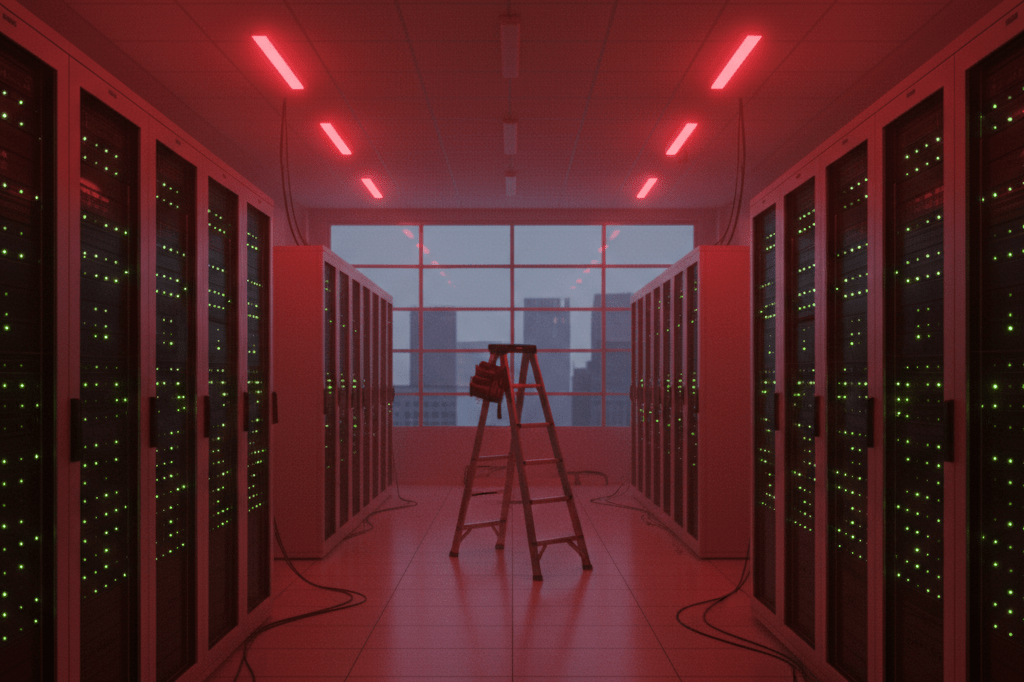
The commercial backup power market has experienced unprecedented demand as businesses recognize the true cost of electrical grid vulnerabilities. Emergency power equipment purchasing decisions now follow more sophisticated criteria, with buyers analyzing runtime requirements, load capacity specifications, and integration capabilities with existing systems. Companies are moving beyond simple cost comparisons to evaluate total cost of ownership, including maintenance intervals, fuel consumption rates, and automated switching mechanisms that minimize downtime during transitions.
Investment patterns reveal a clear preference for scalable solutions that can adapt to growing business needs, with many organizations budgeting for modular systems capable of expansion. UPS systems and backup generators represent the core of most emergency preparedness strategies, but purchasing professionals increasingly demand comprehensive power management ecosystems. The integration of smart monitoring capabilities, remote diagnostics, and predictive maintenance features has become standard requirements in commercial power protection specifications.
Critical Backup Systems: What Businesses Are Purchasing
Portable generator sales have surged 78% during traditional outage seasons, driven by small and medium enterprises seeking immediate protection against power disruptions. These units typically range from 3kW to 20kW capacity, with commercial-grade models featuring automatic start capabilities and weatherproof enclosures for outdoor installation. The most popular configurations include dual-fuel options that operate on both natural gas and propane, providing fuel flexibility during extended emergency periods.
Industrial UPS systems designed for 4-8 hour operation windows represent the premium segment of emergency power investments, with enterprise buyers focusing on double-conversion topology and battery runtime specifications. Leading commercial models offer 10kVA to 500kVA capacity ranges, with modular designs allowing parallel operation for increased redundancy and power scaling. Cost-benefit analysis demonstrates that $3,000-$25,000 investment in comprehensive backup power prevents potential $50,000 daily losses from operational downtime, making these systems highly attractive to financially-driven purchasing decisions.
Power Management Technologies: Beyond Basic Backups
Smart distribution systems featuring automatic load shedding capabilities have emerged as sophisticated solutions for businesses requiring selective power allocation during emergencies. These systems utilize programmable logic controllers and current sensors to prioritize critical operations, automatically disconnecting non-essential equipment when backup power activates. Advanced models incorporate machine learning algorithms that analyze historical usage patterns to optimize load management strategies, reducing battery drain while maintaining essential business functions.
Hybrid solutions combining solar photovoltaic arrays with battery storage systems offer 72-hour capacity for sustained operations during extended outages. Commercial installations typically feature 50kW to 200kW solar arrays paired with lithium-ion battery banks ranging from 100kWh to 1MWh storage capacity. Remote monitoring capabilities through cloud-connected power management dashboards provide real-time visibility into system performance, battery state-of-charge, and predictive maintenance alerts accessible from any internet-connected device.
Supply Chain Vulnerabilities: Lessons from Regional Outages

Regional power outages have exposed critical weaknesses in modern supply chain operations, with temperature-sensitive inventory protection emerging as the most expensive vulnerability for commercial enterprises. Food distributors and pharmaceutical companies face average losses of $187,000 during 48-hour outages, primarily due to compromised cold chain protection systems that cannot maintain required temperatures for perishable inventory management. The cascading effect extends beyond immediate product loss, impacting customer relationships, regulatory compliance, and brand reputation when temperature-controlled shipments arrive compromised.
Manufacturing facilities discover additional vulnerabilities during extended power disruptions, particularly in production line restart protocols that can extend total downtime by 3-4 hours beyond initial outage duration. Data protection during power fluctuations represents another critical risk profile, with 40% of small businesses experiencing permanent data loss during unplanned electrical interruptions. These interconnected vulnerabilities create compound operational challenges that require comprehensive emergency preparedness strategies rather than isolated backup power solutions.
Vulnerability 1: Temperature-Sensitive Inventory Protection
Cold chain protection systems must deliver consistent refrigeration performance during power outages, with industry standards requiring minimum 6-hour emergency cooling capacity for perishable inventory management. Commercial refrigeration backup systems typically utilize dedicated generator connections ranging from 15kW to 75kW capacity, depending on facility size and inventory volume requirements. Advanced cold storage facilities implement tiered power allocation systems that prioritize critical freezer units operating at -18°C while allowing less sensitive cold storage areas at 2-4°C to operate on reduced power consumption.
Temperature monitoring technology integrated with emergency power systems provides real-time alerts when cooling capacity approaches critical thresholds during extended outages. Wireless sensor networks transmit temperature data every 30 seconds to cloud-based monitoring platforms, enabling remote oversight of perishable inventory management even during communication disruptions. Investment in redundant cooling systems, including battery-powered backup refrigeration units with 12-hour runtime capacity, reduces potential $187,000 losses to manageable $15,000-$25,000 range through proactive temperature-sensitive inventory protection.
Vulnerability 2: Data Protection During Power Fluctuations
Power fluctuations during grid instability create voltage surges and frequency variations that damage sensitive electronic equipment and corrupt digital storage systems before backup power can engage. Automated backup systems with surge protection utilize online UPS topology to provide clean, regulated power while simultaneously charging battery arrays for extended runtime during complete power failures. Commercial-grade surge protection devices rated for 40,000-80,000 ampere surge capacity shield servers, networking equipment, and storage arrays from electrical damage that causes permanent data loss.
Cloud-synchronized systems with 15-minute restoration capabilities provide rapid recovery solutions when local data systems experience corruption during power events. Enterprise backup strategies now incorporate real-time data replication to geographically diverse data centers, ensuring business continuity even when primary facilities lose both power and communications infrastructure. Investment in comprehensive data protection systems, including automated backup software with incremental snapshots every 15 minutes, prevents the 40% small business failure rate associated with catastrophic data loss during extended power outages.
Vulnerability 3: Production Line Restart Protocols
Manufacturing restart delays add 3-4 hours to total outage duration because complex production equipment requires specific sequenced power-up procedures to prevent mechanical damage and product contamination. Rapid recovery strategies implement automated sequencing controllers that restore power to critical systems in predetermined order, reducing restart time by 67% through elimination of manual intervention requirements. Cross-training programs ensure multiple staff members understand emergency operations procedures, preventing delays when primary operators are unavailable during crisis situations.
Production line equipment typically requires gradual power restoration to prevent inrush current damage to motor drives, programmable logic controllers, and precision instrumentation systems. Advanced manufacturing facilities utilize soft-start modules and variable frequency drives that limit initial power draw during restart sequences, protecting sensitive electronic components while accelerating production resumption. Staff readiness programs incorporating quarterly emergency drills and documented restart procedures enable manufacturing teams to restore full production capacity within 45 minutes rather than the industry average of 180-240 minutes following power restoration.
Turning Power Uncertainty into Operational Advantage
Forward-thinking businesses transform power resilience challenges into competitive differentiation opportunities by implementing comprehensive business continuity planning that exceeds industry standards. Companies with robust emergency power systems and documented recovery protocols maintain customer service capabilities during regional outages, capturing market share from less-prepared competitors who cannot fulfill orders or communicate with clients. This competitive edge becomes particularly valuable in uncertain regions where power infrastructure remains vulnerable to weather events, equipment failures, and high demand periods that stress electrical grids beyond capacity.
Customer confidence increases measurably when businesses demonstrate consistent service delivery despite infrastructure challenges, with reliability becoming a primary selling point that justifies premium pricing strategies. Organizations that maintain operations during widespread outages build stronger customer relationships and brand loyalty, often retaining these competitive advantages long after power infrastructure improves. Power resilience investments create measurable returns through increased customer retention rates, premium pricing opportunities, and market share growth that continues beyond immediate crisis periods.
Background Info
- A power outage affecting approximately 134 properties in Kuggar was reported to Western Power on November 10, 2018, with restoration initially targeted for 6:00 PM that same day.
- On an unspecified date during a prolonged heatwave event, Western Power reported that around 4,000 customers were affected by power outages due to unusually high demand in isolated areas.
- More than 11,000 customers were reconnected overnight prior to the 11:00 AM update regarding the 4,000 remaining affected customers.
- Repeated power outages occurred because drop-out fuses and other protection devices activated in response to high demand in isolated network areas.
- Western Power redirected electrical load where possible and investigated network solutions to address the recurring issues caused by the heatwave.
- Power was restored to the Northampton townsite late Monday afternoon after helicopter patrols identified two faults along the transmission line.
- Outlying areas surrounding Northampton remained without power following the restoration of the townsite, with crews continuing work to reconnect these customers.
- Approximately 40 homes and businesses in the Wooroloo and Chidlow bushfire area remained without power due to damage to seven utility poles caused by the fire.
- Restoration efforts for the Wooroloo and Chidlow area were delayed pending official access to the active fire ground site.
- Community members reported experiencing blackouts at 5:00 PM and 7:30 PM on days when temperatures reached 37 degrees Celsius and 40 degrees Celsius respectively.
- Residents expressed frustration regarding the lack of exemptions for Western Power to conduct repairs during total fire bans, noting similar excuses were used 12 months prior.
- Some customers reported being unable to submit $80 compensation claims through the Western Power website due to technical difficulties processing the forms.
- “Around 4,000 customers are currently affected by power outages as a result of the prolonged heatwave,” stated Western Power in an 11:00 AM update.
- “We’ve had unusually high demand for power in isolated areas, which is causing repeated power outages from drop out fuses and other protection devices,” said Western Power representatives regarding the network strain.
- Local residents described the situation as “mindboggling” incompetence, citing the frequency of blackouts during hot weather as a recurring failure to meet population needs.
- Comments indicated that elderly individuals and infants were among those impacted by extended outages lasting up to 48 hours in specific locations.
- Western Power Distribution provided updates via their website and social media channels, including Facebook, to communicate status changes regarding affected areas.
- The Kuggar outage was noted as not appearing on the Western Power website immediately after the initial report, causing uncertainty about the full scale of the impact before confirmation of 134 properties.
- Customers in Northampton expressed exhaustion with the recurring nature of outages during extreme weather events, calling for permanent solutions rather than temporary fixes.
- Helicopter patrols were utilized specifically to locate faults on lines serving the Northampton region during the heatwave crisis.
- Damage to infrastructure included seven poles destroyed by bushfires in the Wooroloo and Chidlow region, necessitating a separate restoration timeline from the heatwave-related outages.