


Related search
Cleaning Kit
Sunglasses
Skincare Products
Campus Shoes
Get more Insight with Accio
Beyond Rewind: 9 Ways the VCR Player Aesthetic is Inspiring 2026 Product & Brand Design
Beyond Rewind: 9 Ways the VCR Player Aesthetic is Inspiring 2026 Product & Brand Design
8min read·Oriana·Mar 30, 2026
In 2026, the humble VCR player is experiencing an unlikely comeback—not as a functional device, but as a major design muse shaping contemporary product and brand experiences. The static lines, chunky buttons, and distinctive visual artifacts that once defined home entertainment have emerged as a powerful aesthetic language for brands seeking to evoke nostalgia and differentiate themselves in an increasingly digital marketplace. From the iconic cardboard sleeve designs of VHS tapes to the satisfying tactile feedback of analog controls, designers are mining the rich visual vocabulary of vcr players to create compelling modern experiences. This resurgence isn’t merely about retro appeal; it represents a strategic response to consumer fatigue with seamless, invisible technology. As brands rediscover the charm of imperfection and the appeal of tangible interaction, the VCR aesthetic offers a blueprint for products that feel authentic, memorable, and deeply human in our hyperconnected world.
Table of Contents
1. The VHS Sleeve as Premium Packaging
2. Analog Glitch in UI/UX Design
3. PLAY/PAUSE/REWIND motifs in Fashion
4. Video Store-Themed Pop-Ups & Retail Activations
5. Album Art & Music Merch’s Lo-Fi Look
6. Blocky, Functional Forms in Home Decor
7. Social Media Filters That Replicate VHS Footage
8. The Rewind Machine in Product Animation
9. Limited-Edition Cassette Window Designs
2. Analog Glitch in UI/UX Design
3. PLAY/PAUSE/REWIND motifs in Fashion
4. Video Store-Themed Pop-Ups & Retail Activations
5. Album Art & Music Merch’s Lo-Fi Look
6. Blocky, Functional Forms in Home Decor
7. Social Media Filters That Replicate VHS Footage
8. The Rewind Machine in Product Animation
9. Limited-Edition Cassette Window Designs
Want to explore more about Beyond Rewind: 9 Ways the VCR Player Aesthetic is Inspiring 2026 Product & Brand Design? Try the ask below
Beyond Rewind: 9 Ways the VCR Player Aesthetic is Inspiring 2026 Product & Brand Design
1. The VHS Sleeve as Premium Packaging
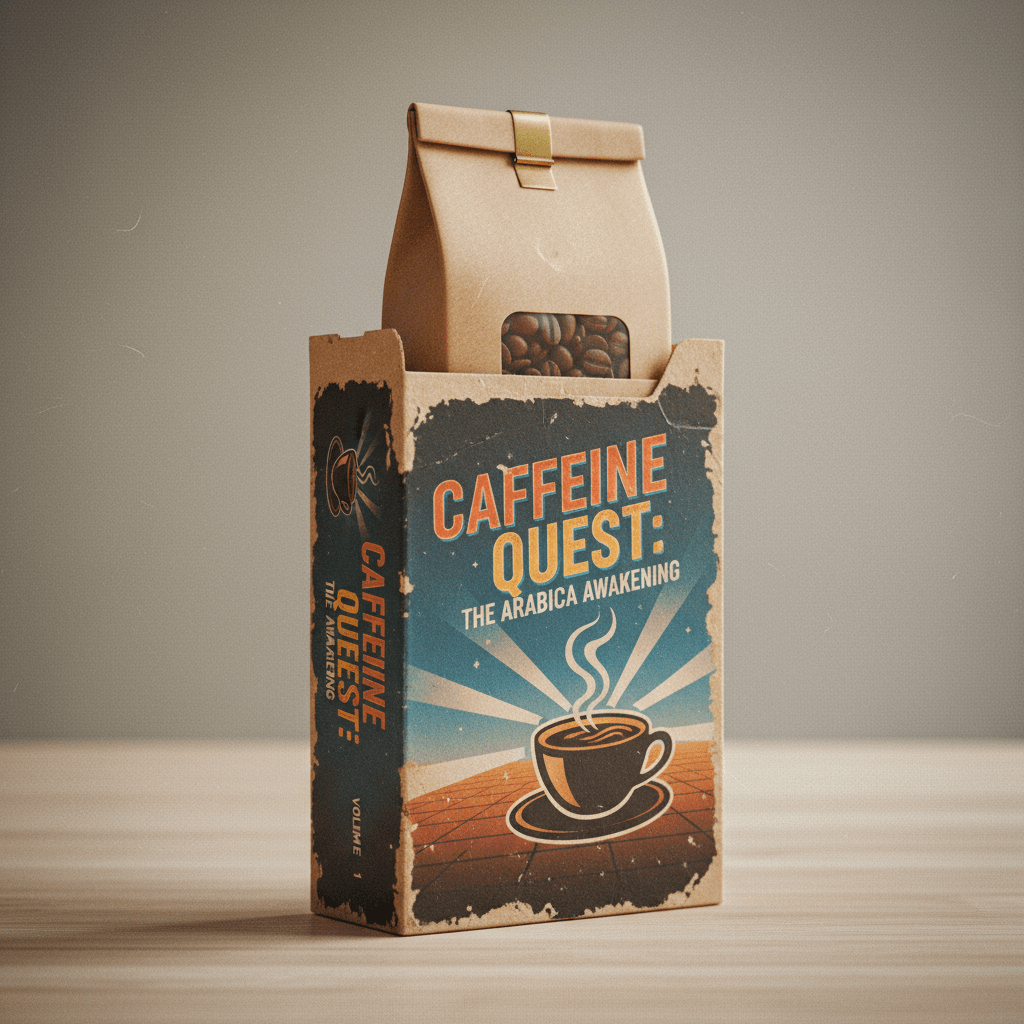
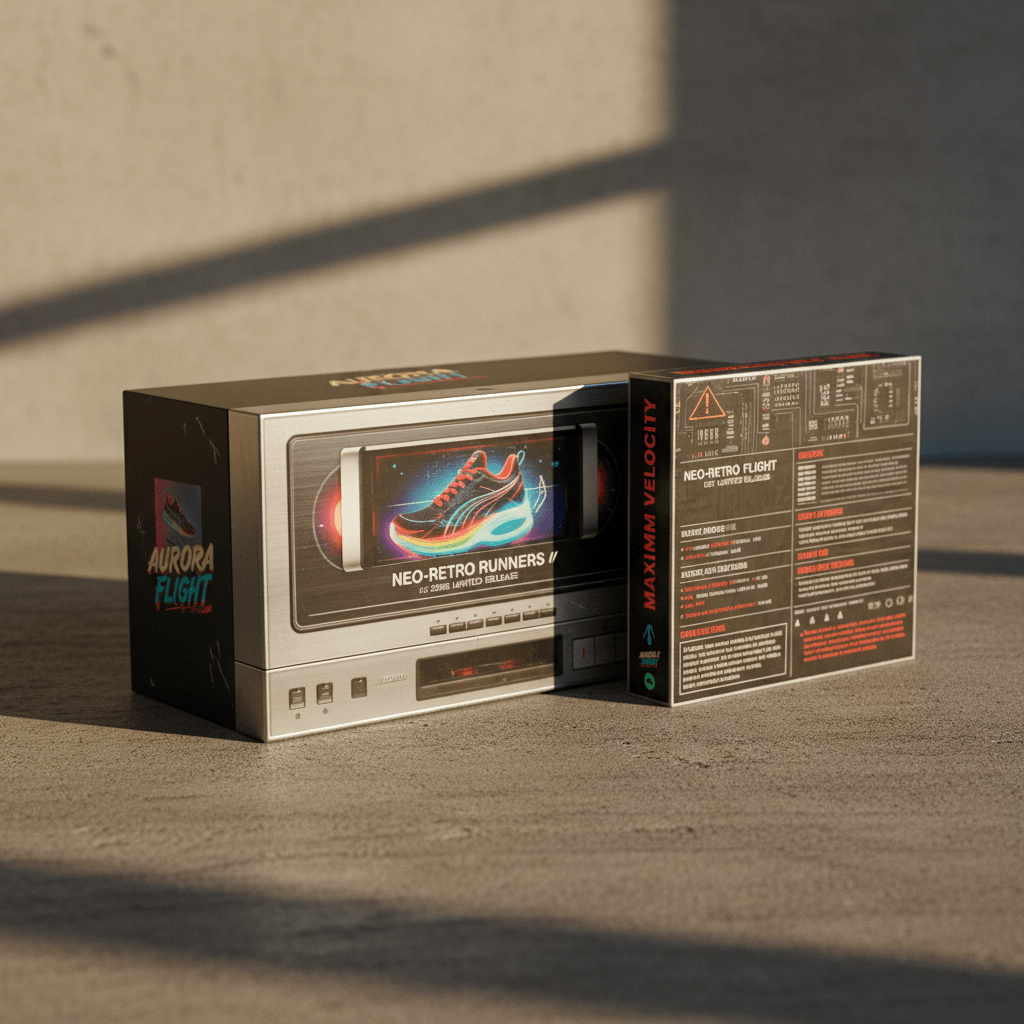
Premium brands are transforming their packaging strategies by embracing the tactile nostalgia of VHS tape sleeves, creating unboxing experiences that feel both familiar and luxurious. Picture artisanal coffee blends housed in cardboard containers with weathered edges, bold retro typography reminiscent of blockbuster movie titles, and spine designs meant for shelf display. Limited-edition sneaker releases are arriving in boxes that perfectly mimic the proportions and visual language of classic VHS cases, complete with front-facing artwork and detailed back-panel descriptions. This packaging approach resonates particularly with millennial and Gen Z consumers who associate the format with childhood memories and authentic media experiences. The strategy creates instant social media appeal while establishing strong collector value, transforming ordinary product purchases into memorable encounters that bridge analog nostalgia with contemporary premium positioning.
2. Analog Glitch in UI/UX Design
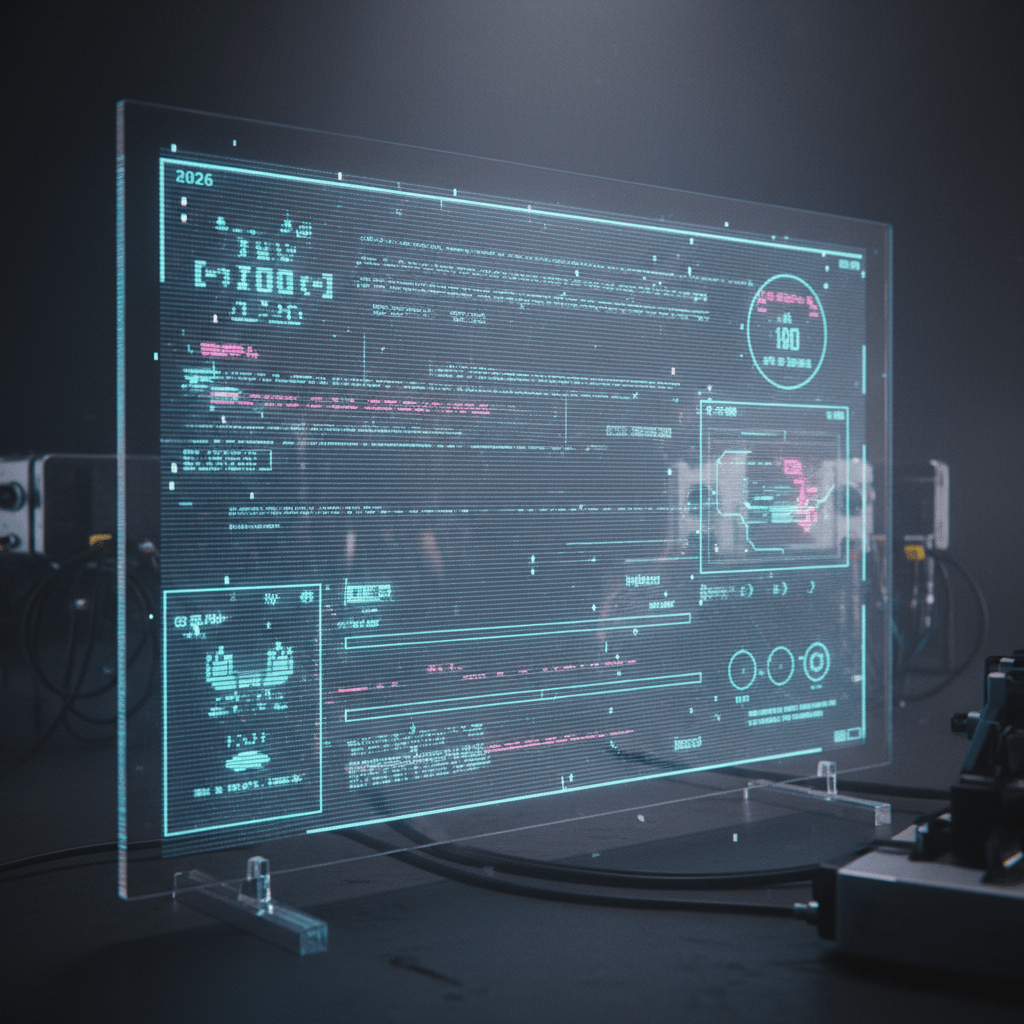
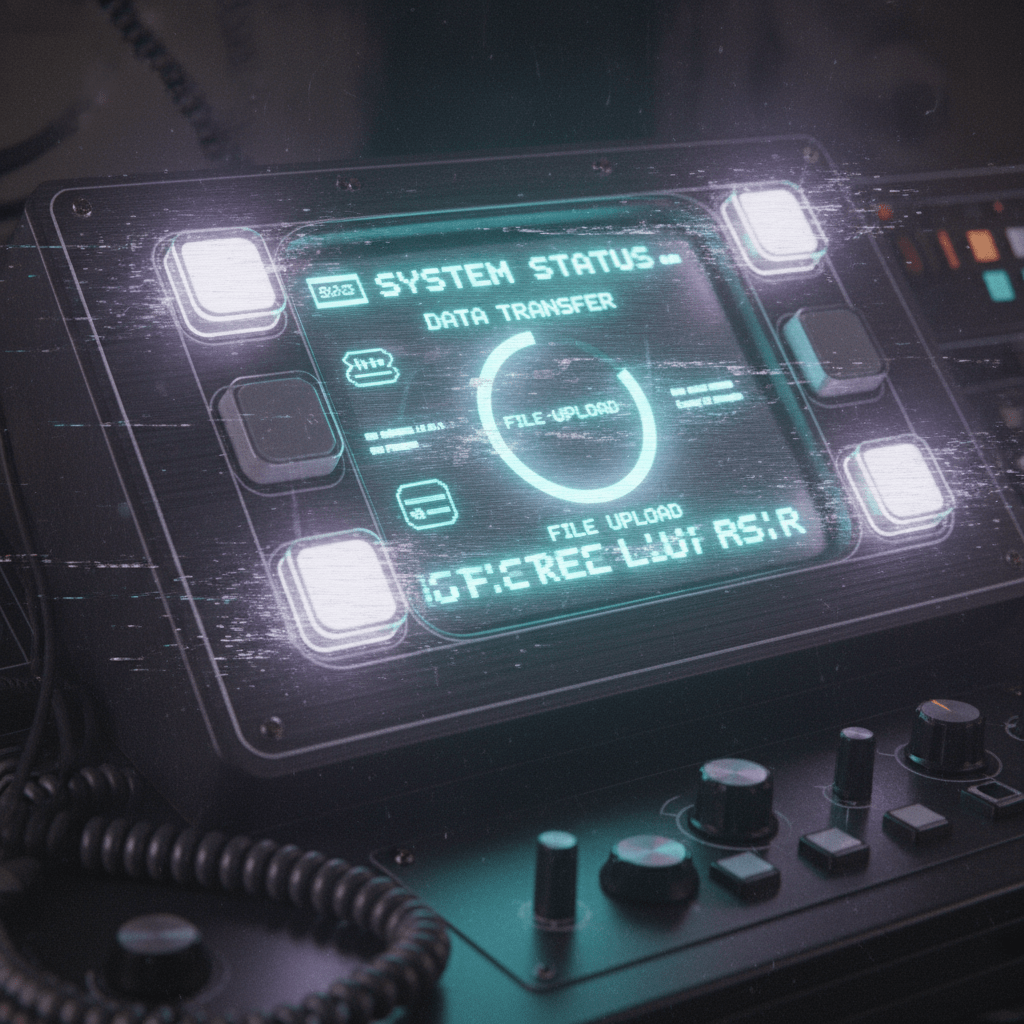
Digital designers are deliberately introducing imperfections and analog artifacts into user interfaces, creating more humanized and engaging online experiences that reference the characteristic glitches of vcr players. Loading animations now feature the distinctive horizontal tracking lines that appeared when VCR heads needed adjustment, while hover effects simulate the static interference patterns familiar to anyone who owned analog video equipment. Typography treatments replicate the chunky, pixelated appearance of on-screen displays from the 1990s, with characters that seem to emerge from the scan lines of old CRT monitors. Progress bars flicker and occasionally ‘skip’ like tape mechanisms, while button interactions produce brief static effects that add personality to otherwise sterile digital environments. This design philosophy represents a conscious rejection of ultra-smooth, invisible interfaces in favor of interactions that acknowledge their technological nature while providing users with more memorable and emotionally resonant digital experiences.
3. PLAY/PAUSE/REWIND motifs in Fashion
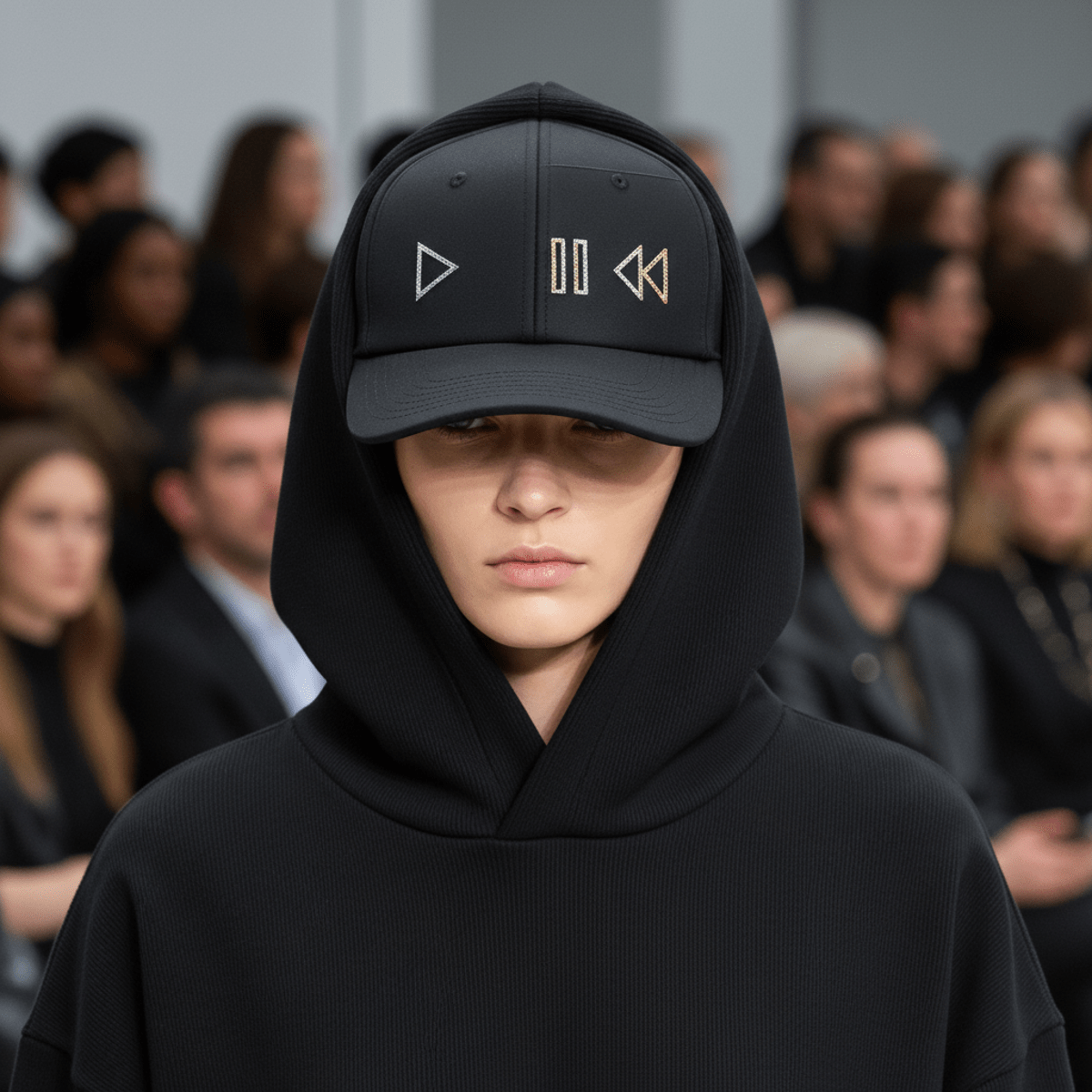
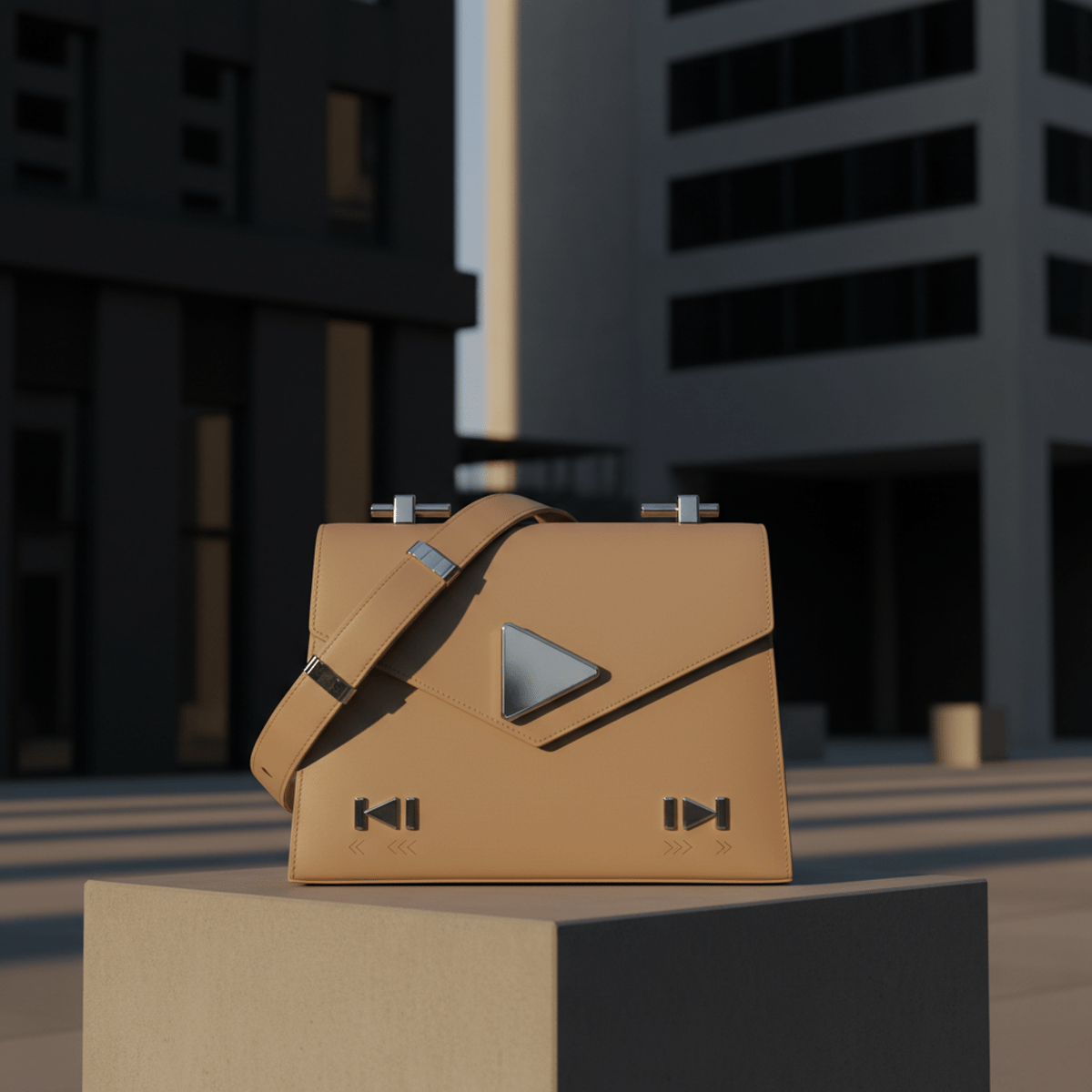
The universal control symbols from vcr players have evolved into sophisticated graphic elements that appear across high-fashion collections and streetwear brands, offering subtle references that resonate with design-conscious consumers. These iconic symbols—the triangular play button, rectangular pause bars, and directional rewind arrows—are being embroidered onto baseball caps as minimalist logos, screen-printed along hoodie sleeves as repeating patterns, and even integrated into the hardware of luxury handbags and athletic footwear. Fashion designers appreciate these symbols for their immediate recognizability and cross-cultural understanding, creating pieces that communicate across language barriers while tapping into shared technological memories. The trend particularly appeals to consumers seeking fashion that feels authentic rather than overtly branded, as these symbols carry inherent meaning and emotional weight. From runway collections to mass-market apparel, the control iconography provides a sophisticated way to reference analog technology without resorting to literal vintage reproduction.
4. Video Store-Themed Pop-Ups & Retail Activations
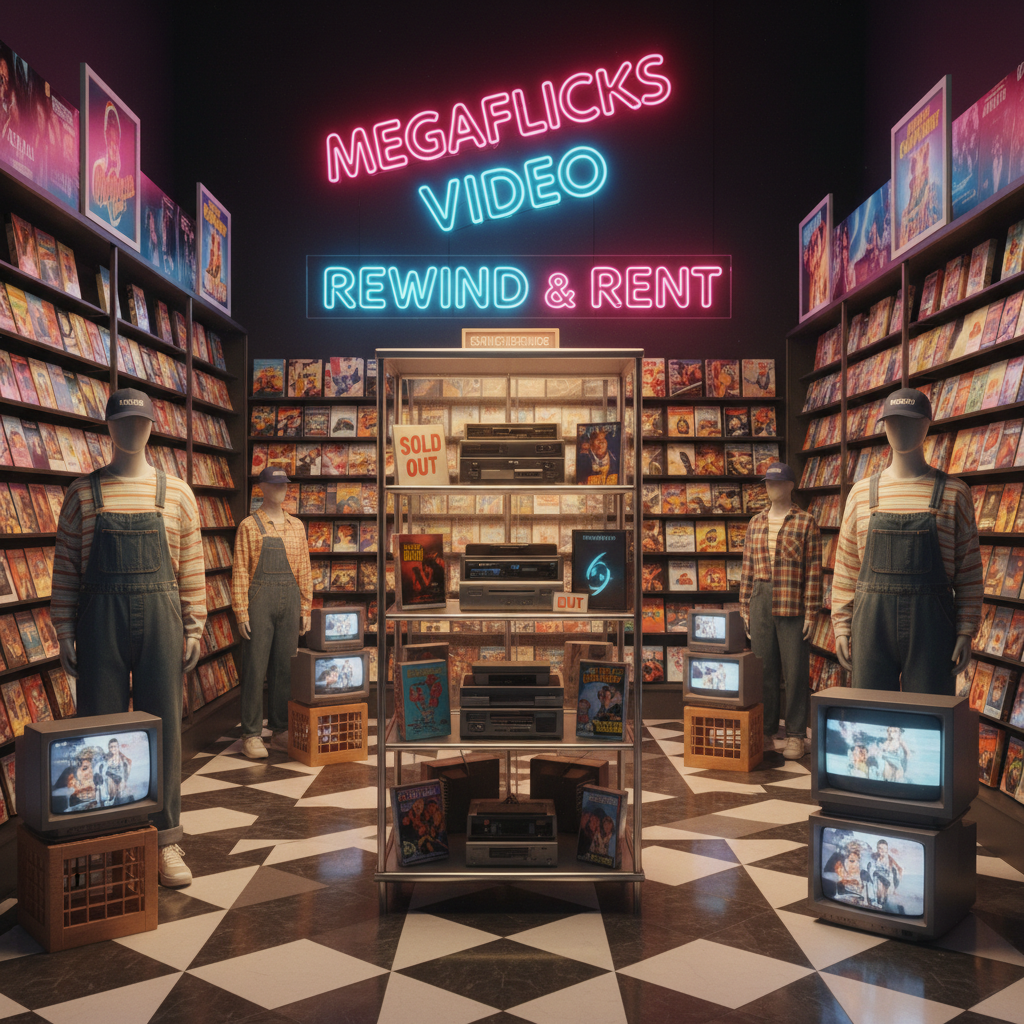
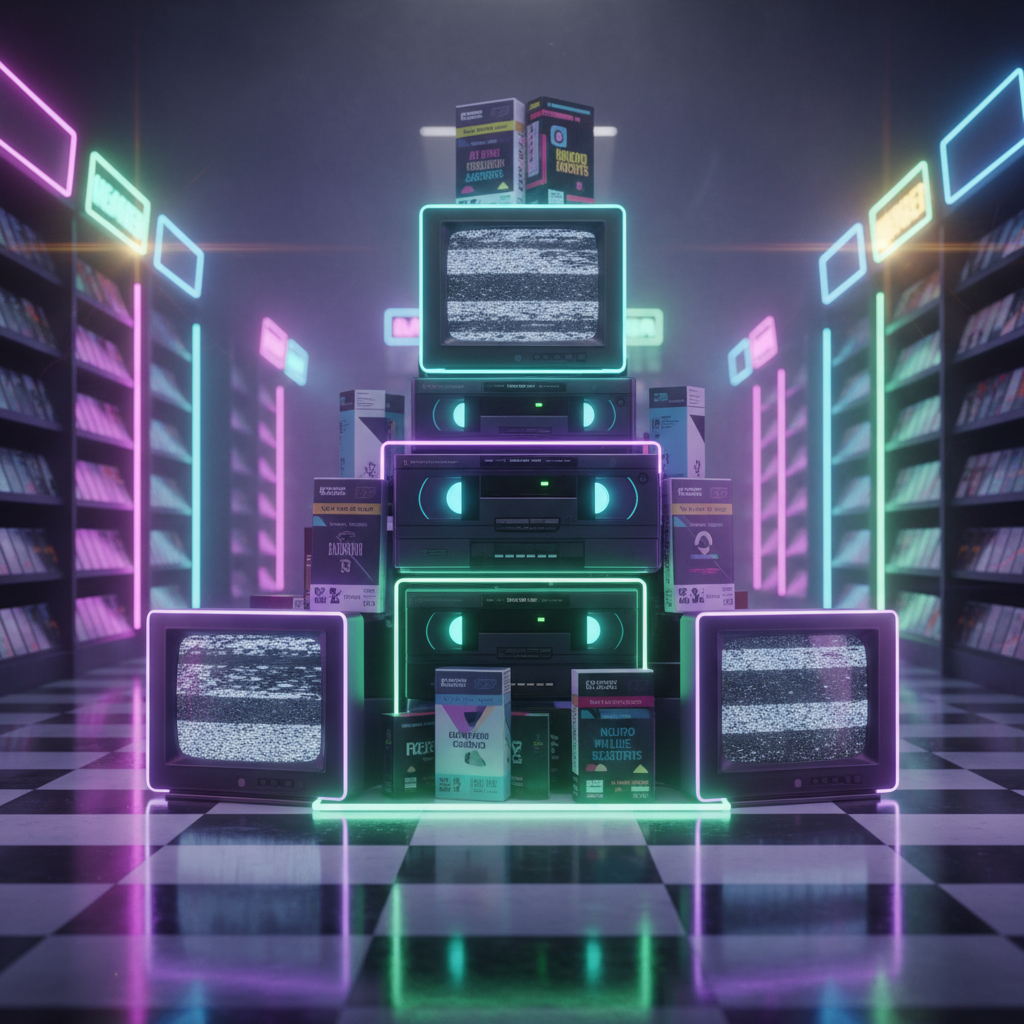
Brands across industries are creating immersive retail experiences that recreate the atmosphere of 1990s video rental stores, complete with aisles of mock VHS cases containing branded products and vintage CRT televisions displaying custom content. These activations tap into powerful communal memories of browsing physical media collections, discovering new content through serendipitous shelf browsing, and the social ritual of movie selection that defined pre-streaming entertainment culture. Fashion brands showcase their collections in cases designed like movie boxes, while tech companies present new products alongside vintage equipment to highlight technological evolution. The aesthetic includes checkerboard floors, neon signage, and employee uniforms that reference video store culture, creating Instagram-worthy backdrops that encourage user-generated content and social sharing. These spaces serve multiple functions: they provide immersive brand experiences, generate significant social media buzz, and create exclusive environments where consumers feel part of a curated cultural moment rather than a standard retail transaction.
5. Album Art & Music Merch’s Lo-Fi Look
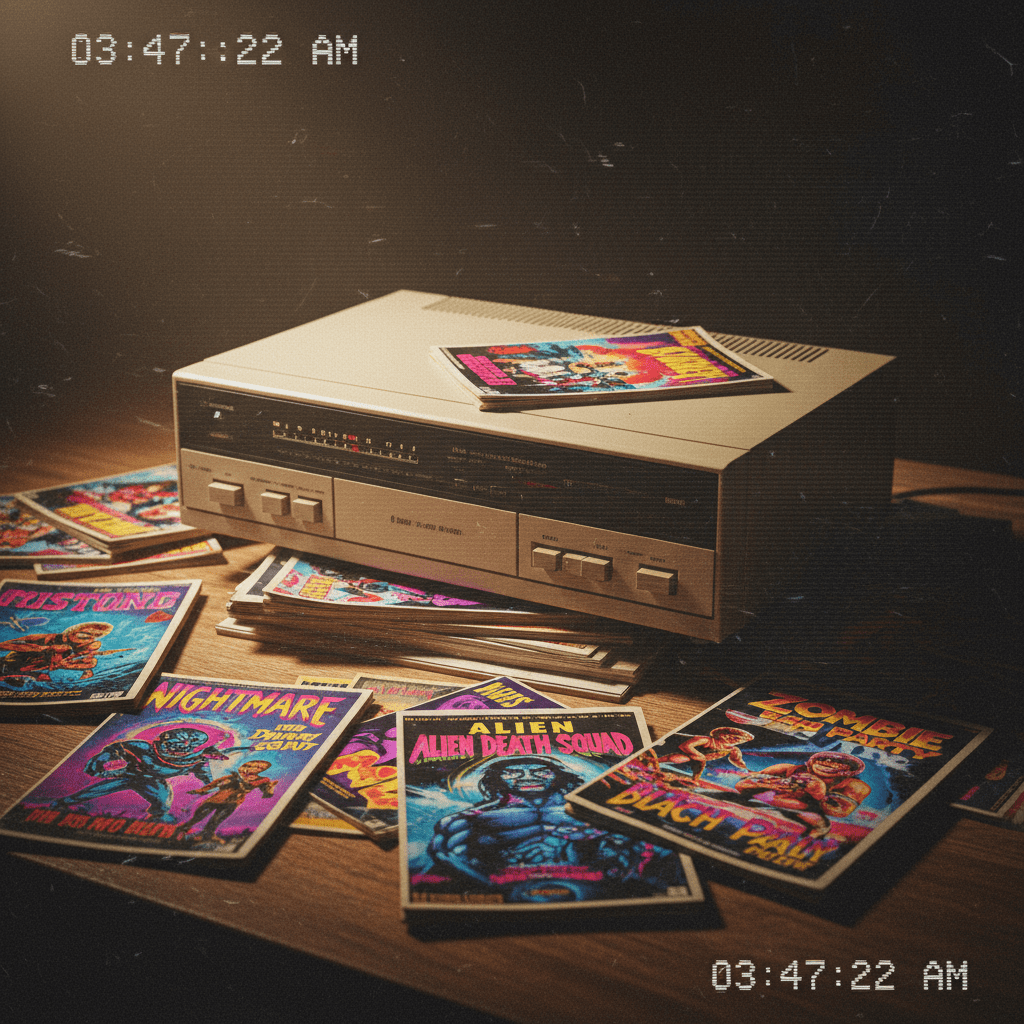
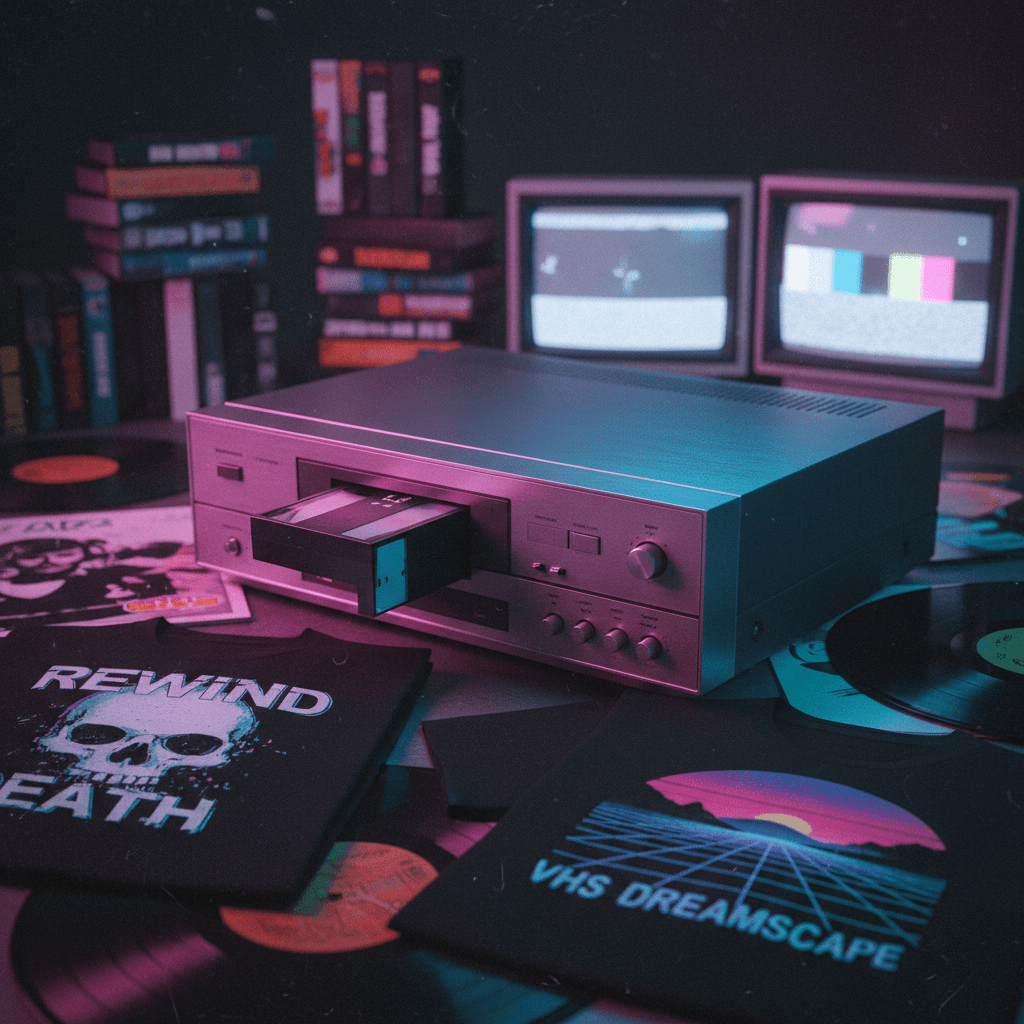
Musicians and record labels are embracing the visual language of vcr players and VHS culture for album artwork, music videos, and merchandise, creating cohesive aesthetic experiences that complement lo-fi, synthwave, and indie music genres. Album covers feature deliberately grainy photography with oversaturated colors and tracking artifacts, while music videos utilize ‘found footage’ aesthetics complete with timestamp overlays and occasional static interference. Tour posters and promotional materials adopt the design conventions of low-budget horror and action movie advertisements from the VHS era, using bold typography, dramatic lighting effects, and color palettes dominated by electric blues and hot pinks. Merchandise collections include t-shirts with designs that mimic VHS label artwork, vinyl records with sleeve designs that reference tape packaging, and limited-edition releases housed in custom VHS-style cases. This aesthetic approach resonates particularly well with audiences seeking authentic, anti-corporate musical experiences, as it suggests grassroots, DIY production values that align with independent music culture.
6. Blocky, Functional Forms in Home Decor
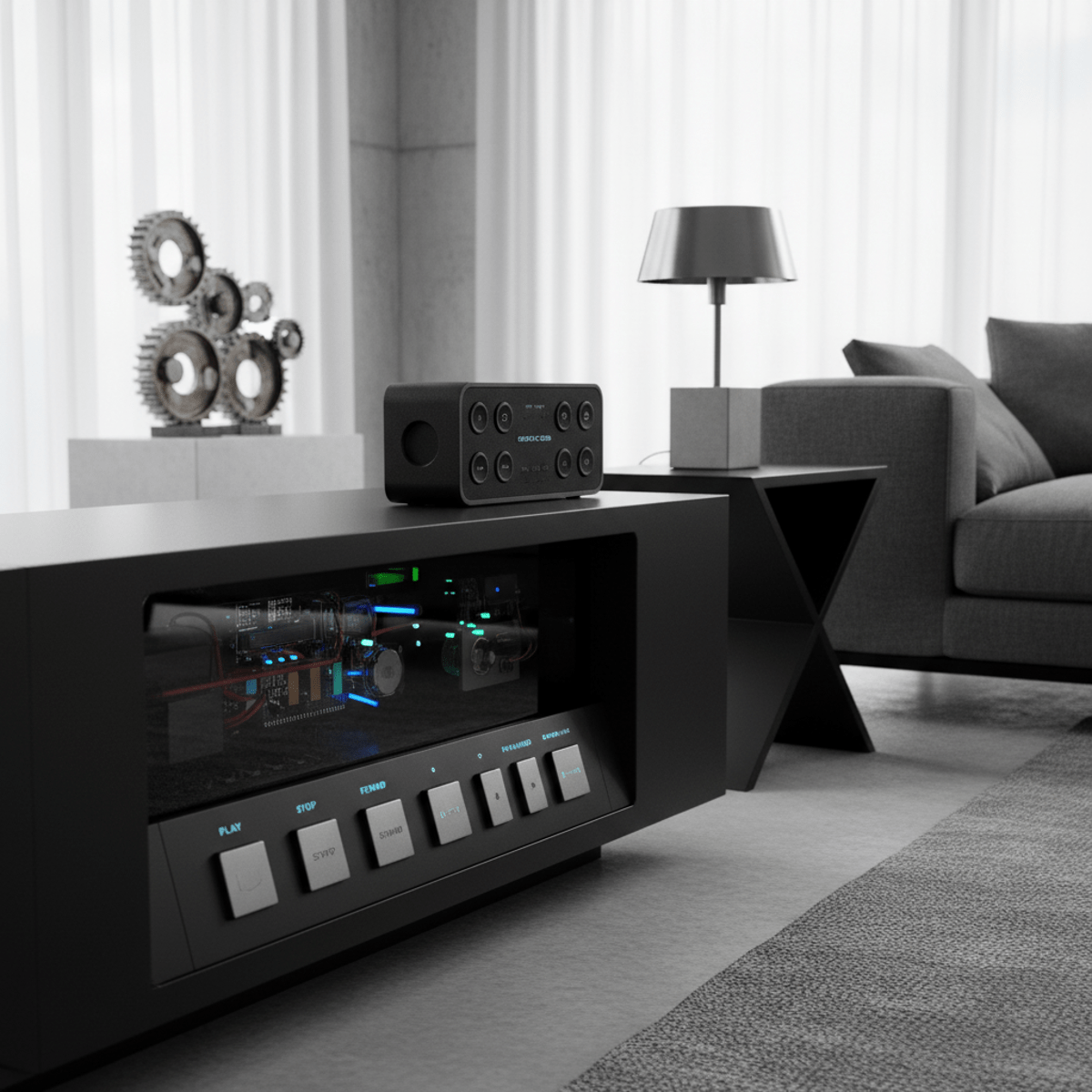
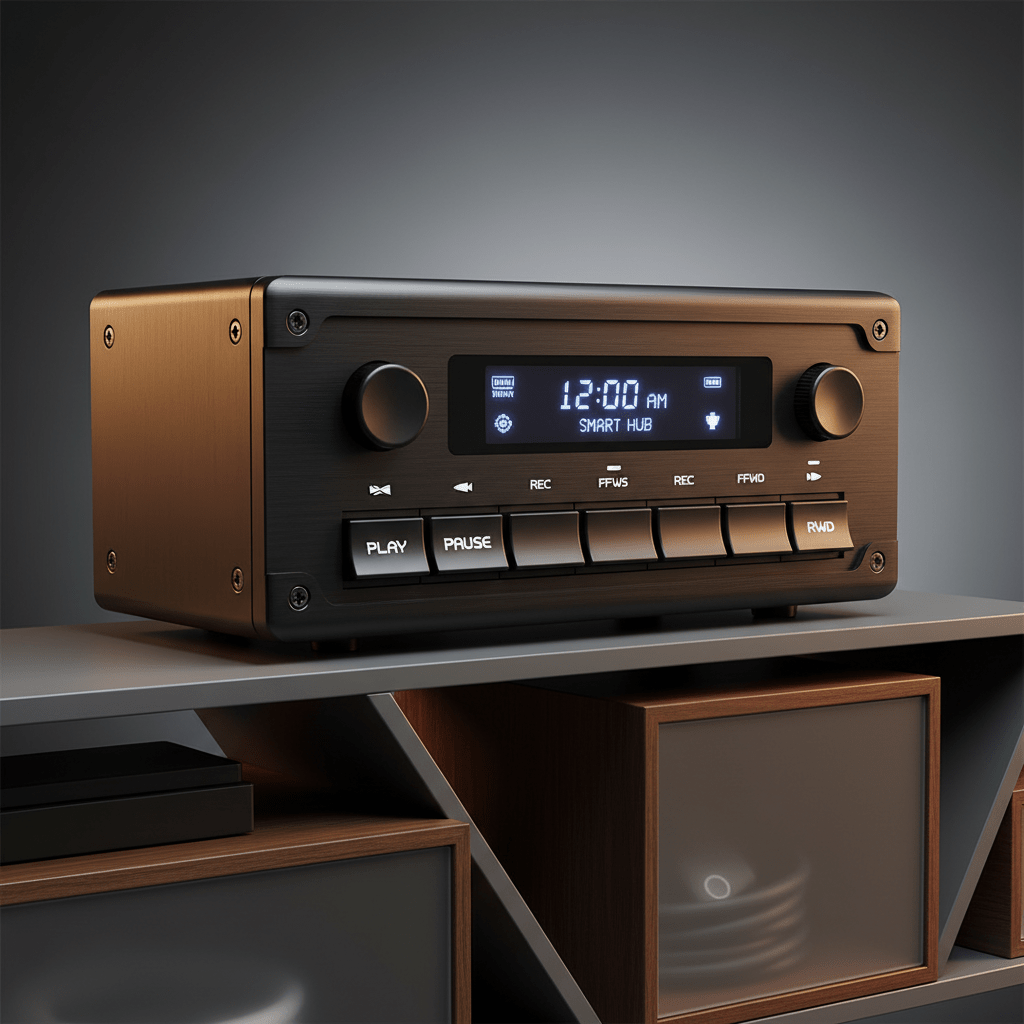
Contemporary furniture and electronic designers are drawing inspiration from the unapologetically functional design language of vcr players, creating home accessories that celebrate visible technology rather than hiding it. Modern media consoles feature sharp angular edges, matte black finishes, and prominent physical controls that echo the satisfying tactile feedback of analog equipment. Bluetooth speakers and smart home devices adopt the rectangular proportions and button-heavy interfaces that characterized 1980s and 1990s consumer electronics, rejecting the current trend toward seamless, invisible technology integration. Side tables and storage solutions incorporate the visual weight and geometric simplicity that made VCR design so distinctive, while maintaining contemporary functionality and build quality. This movement represents a conscious rebellion against the minimalist aesthetic that has dominated product design for the past decade, instead celebrating the honest expression of technological function. Consumers increasingly appreciate products that acknowledge their electronic nature while providing clear, intuitive interaction methods that don’t require smartphone apps or voice commands.
7. Social Media Filters That Replicate VHS Footage
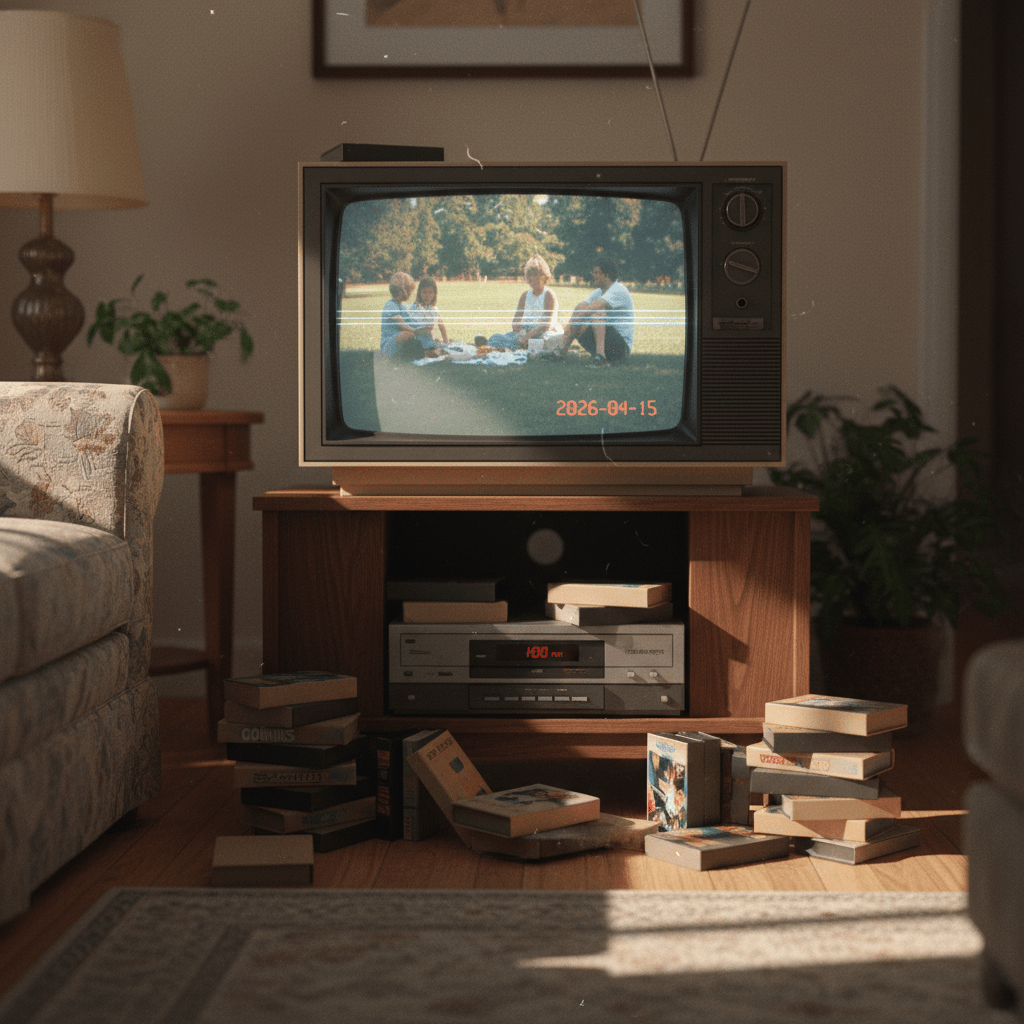
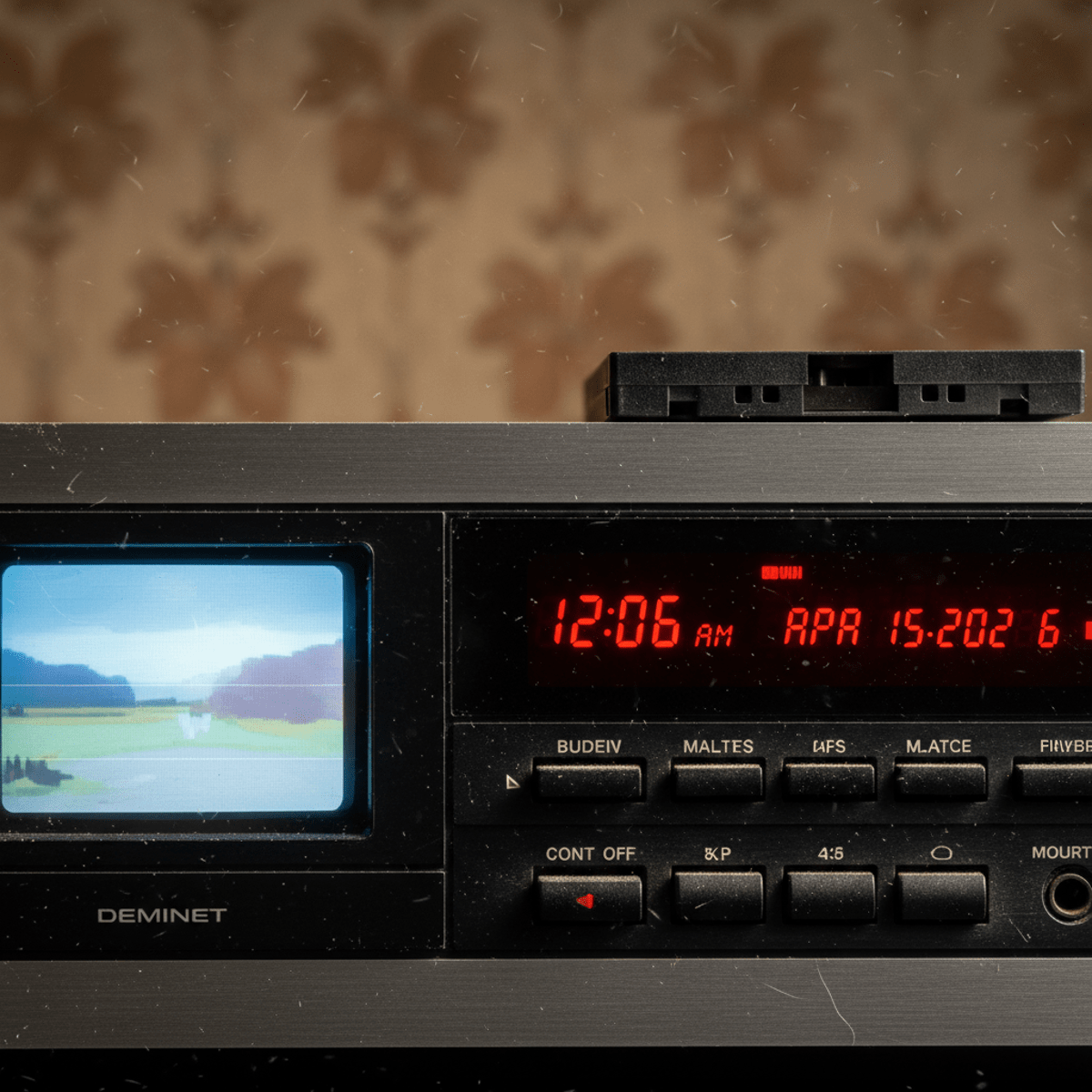
Brands are developing sophisticated augmented reality filters for Instagram, TikTok, and Snapchat that authentically recreate the visual characteristics of VHS footage, complete with timestamp overlays, periodic glitches, and the distinctive color grading that defined home video recording. These filters go beyond simple vintage effects by accurately reproducing the technical limitations and visual artifacts specific to vcr players, including horizontal tracking lines, color bleeding, and the subtle frame rate variations that occurred during playback. Users can create content that appears to have been shot decades ago, with customizable date stamps and brand-specific VHS-style logos or graphics integrated into the recording interface. This approach provides brands with a low-cost, high-engagement marketing tool that encourages user participation while aligning company identity with trending nostalgic aesthetics. The filters perform particularly well with younger demographics who appreciate the irony and authenticity of deliberately degraded video quality in an era of ultra-high-definition content.
8. The Rewind Machine in Product Animation
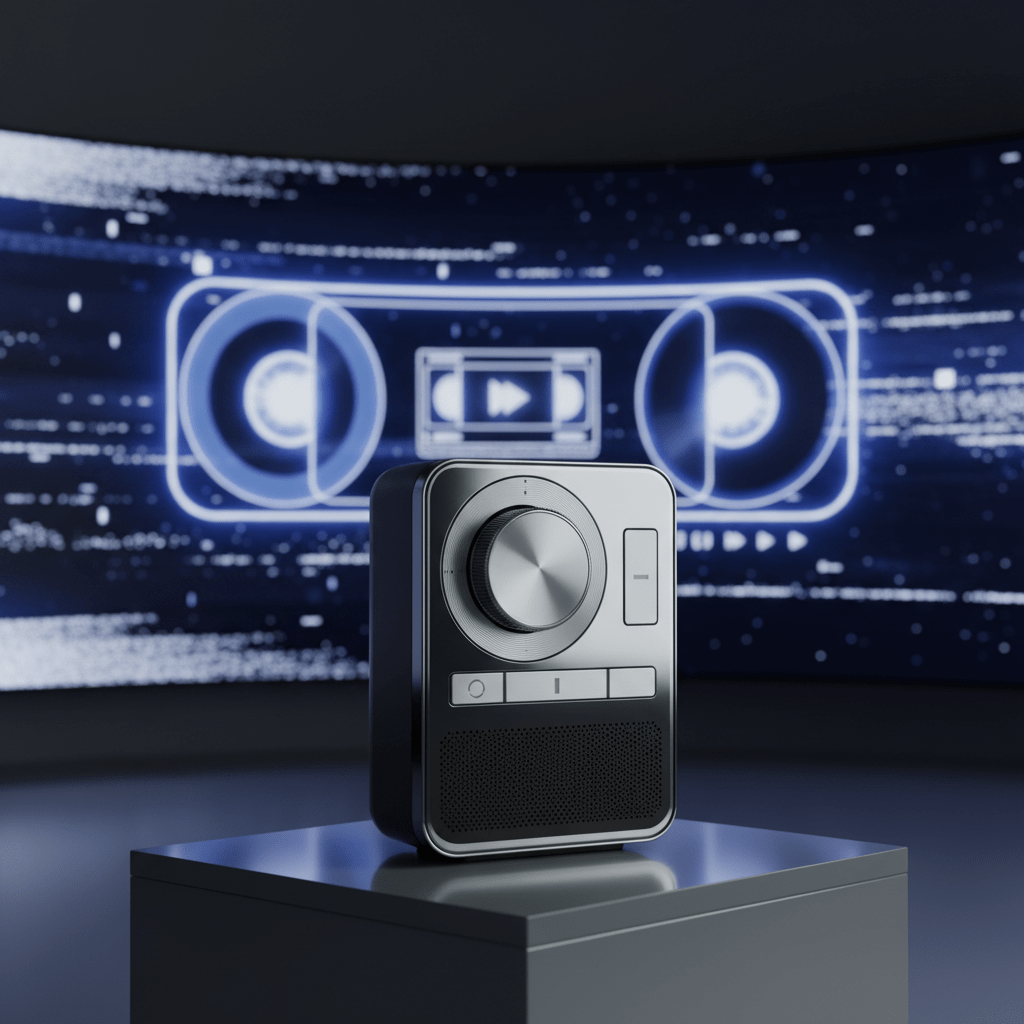
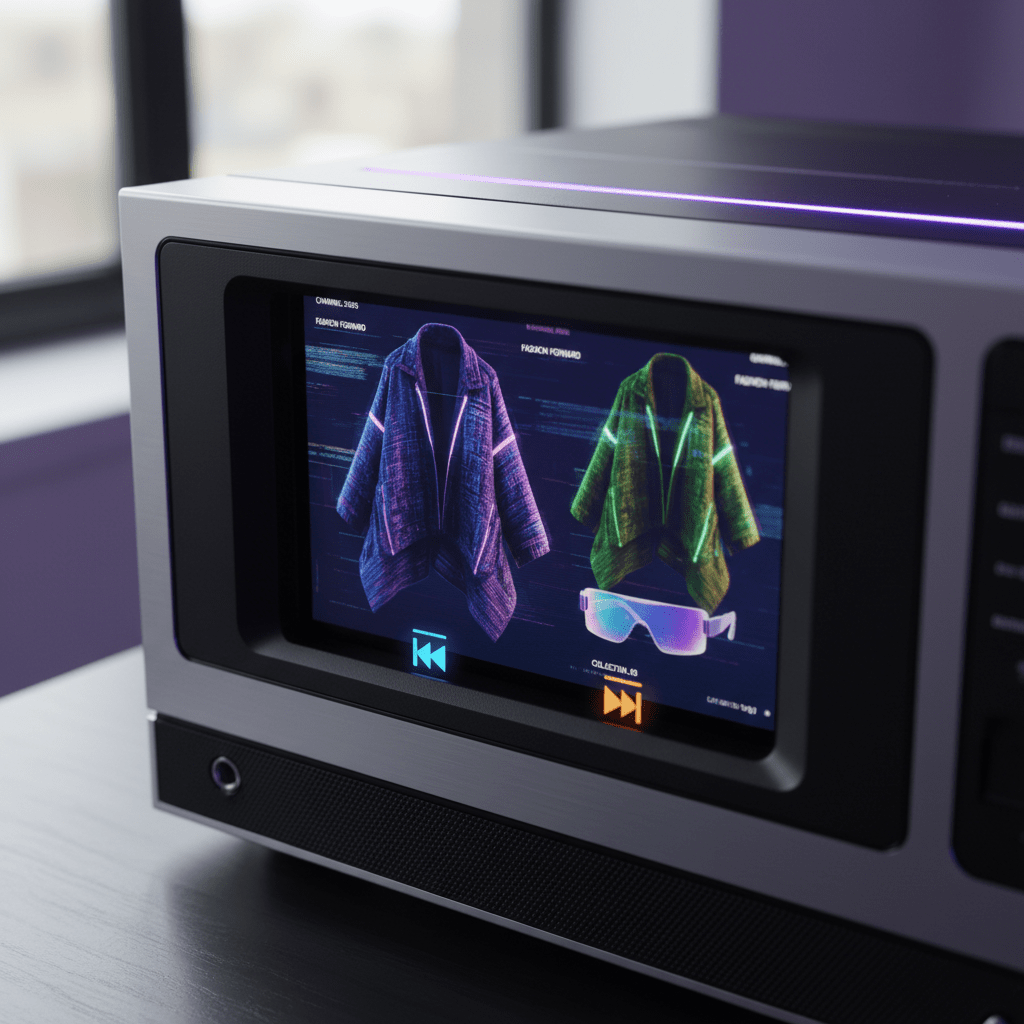
E-commerce platforms and social media marketers are incorporating the distinctive visual and audio language of vcr players into product reveal animations, creating more engaging and memorable online shopping experiences. Product launches utilize the characteristic sound and visual effect of tape insertion and playback initiation, while before-and-after comparisons employ the fast-forward and rewind static patterns to transition between different product states or configurations. Loading sequences mimic the mechanical sounds and visual feedback of tape mechanisms, and product galleries use the aesthetic of channel surfing or tape switching to navigate between different items or color variants. These animation techniques prove particularly effective for products targeting consumers who grew up with analog media, as they trigger positive emotional associations while making digital interactions feel more tangible and satisfying. The approach works especially well for lifestyle products, fashion items, and consumer electronics, where the nostalgic animation style can enhance perceived product value and create stronger emotional connections between brands and potential customers.
9. Limited-Edition Cassette Window Designs
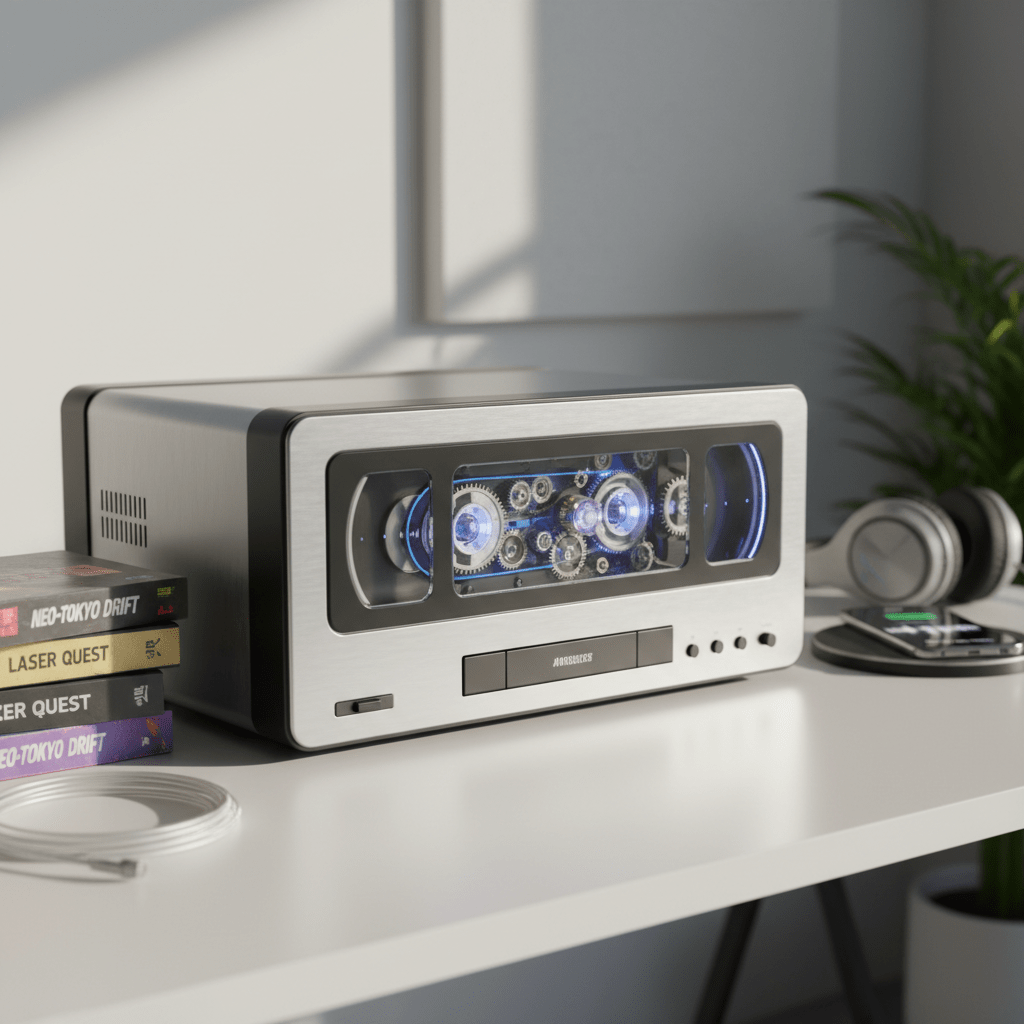
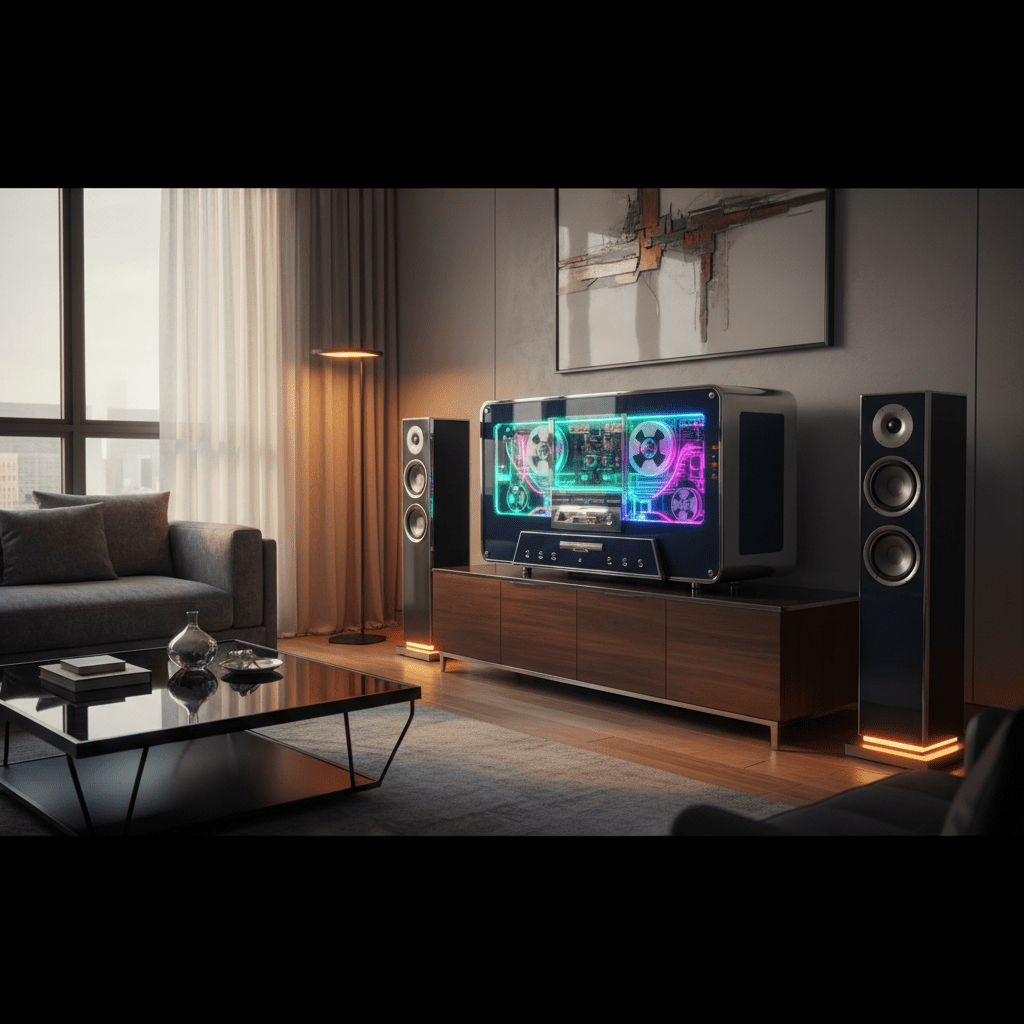
Product designers across industries are incorporating transparent panels inspired by the small viewing windows on VHS tapes, creating intriguing ‘inside look’ features that satisfy consumer curiosity while adding functional and aesthetic value. Athletic footwear collections feature clear panels that reveal internal cushioning systems or color-changing materials, while luxury backpacks include strategically placed transparent pockets that showcase internal organization systems or allow customization through visible inserts. Watch designers are creating timepieces with cassette-tape-proportioned apertures that reveal mechanical movements, creating conversation pieces that blend horological tradition with pop culture references. Tech accessories like phone cases and laptop sleeves feature windows that display internal components or allow for customizable graphic inserts, while home accessories incorporate clear sections that reveal functional elements like speaker components or lighting systems. This design approach appeals to consumers who appreciate transparency in both literal and metaphorical senses, offering products that demystify their internal workings while creating visually striking focal points that encourage closer examination and social sharing.
The resurrection of the VCR aesthetic in 2026 demonstrates how obsolete technology can evolve into powerful design languages that resonate across industries and consumer demographics. These nine examples illustrate that nostalgia isn’t merely sentimental—it’s a strategic design philosophy that creates authentic connections between brands and consumers seeking alternatives to sterile, invisible technology. From packaging that celebrates tactile interaction to digital interfaces that embrace imperfection, the visual vocabulary of vcr players offers designers a rich toolkit for creating memorable, emotionally resonant experiences. However, transforming aesthetic inspiration into market-ready products requires more than creative vision—it demands access to the right manufacturing partners, materials suppliers, and market intelligence that can bridge the gap between concept and commercial success. Don’t let brilliant ideas remain trapped in the inspiration phase. Leverage Accio, our AI-powered search and sourcing platform, to transform these trending aesthetics into tangible business opportunities. Search for specialized packaging manufacturers who can recreate authentic VHS sleeve textures, discover electronics suppliers experienced with retro-inspired enclosure design, or analyze global market data for nostalgic consumer products. With Accio’s comprehensive supplier network and trend analysis capabilities, you can move quickly from inspiration to implementation, ensuring your brand captures the full commercial potential of the analog revival movement before competitors recognize the opportunity.