


Related search
Party Dress
Fitness Accessories
Beauty Equipment
Packaging Box
Get more Insight with Accio
Types of Umbrellas Retail Buyers Should Stock in 2026
Types of Umbrellas Retail Buyers Should Stock in 2026
6min read·Sarah Cornley·Mar 9, 2026
Umbrellas have been a very important household product since ancient times and remain so today. For retailers or ecommerce businesses, knowing all types of umbrellas will help you sell more umbrellas and minimize unsold inventory. Your customers are increasingly seeking weather-condition-specific durability, portability, and performance. This article will take you through the different types of umbrellas, their main characteristics, and stocking strategies to help you create a list of umbrellas that meet customers’ actual needs in today’s market.
Table of Contents
- Types of umbrellas with names
- Different types of umbrellas by use case
- What makes a good umbrella that sells
- How to choose inventory that won’t disappoint buyers
- In conclusion
Want to explore more about Types of Umbrellas Retail Buyers Should Stock in 2026? Try the ask below
Types of Umbrellas Retail Buyers Should Stock in 2026
Types of umbrellas with names
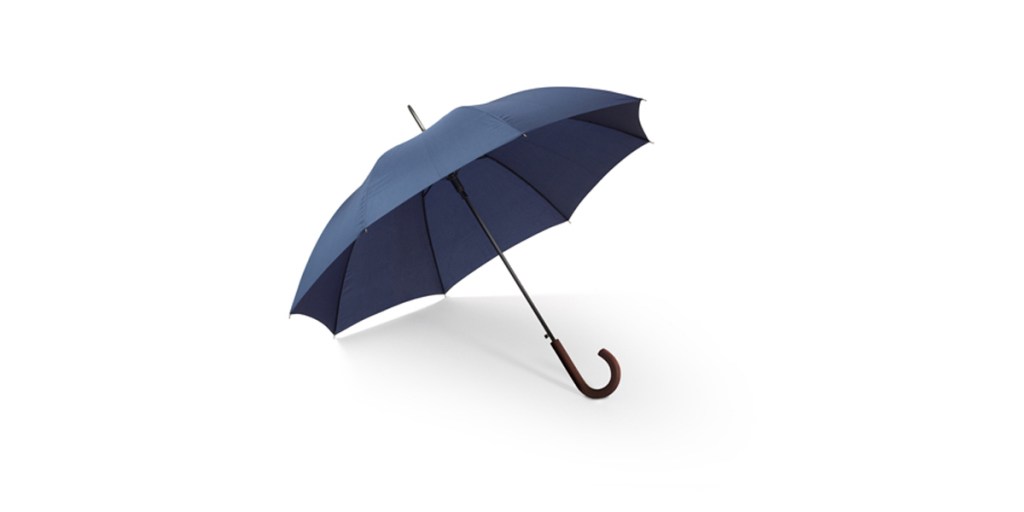
The umbrellas can be of various types and features:
Classic umbrella and straight umbrella
The classic umbrella, also called the straight umbrella, is one of the most popular kinds of umbrellas. This is because it works on sunny and rainy days. These straight umbrellas have a long, high-pole design and a fixed frame, making them stronger than most compact ones. They also come in different forms, such as the cane umbrella and the doorman umbrella. The cane umbrella is characterized by a curved, ergonomic handle and a long shaft. The doorman umbrella is the same, only bigger, and is usually used outside hotels or buildings to help customers avoid getting drenched.
Folding umbrella and compact umbrellas
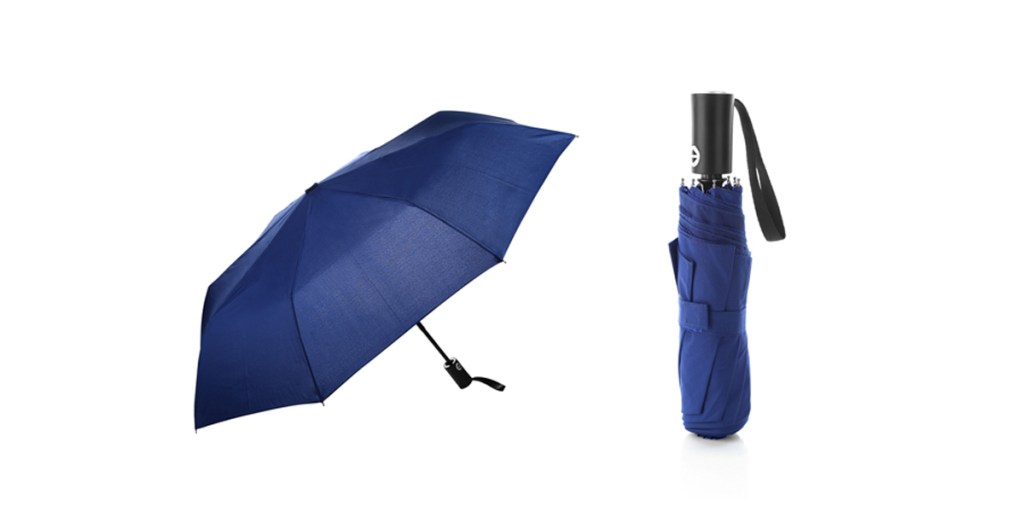
Folding umbrellas are the most convenient to use in a commute as they are smaller and can be easily packed in a bag. They suit sunny weather better because of their small coverage. These are foldable umbrellas with a telescopic handle that folds into a smaller size. Three types of formats to be considered when stocking include:
- 2-fold folding umbrella that is slightly bigger but stronger
- 3-fold folding umbrella, which is smaller in size to carry every day
- Mini umbrella, which is extremely convenient due to its short shaft.
Automatic umbrella
Automatic umbrellas are convenient to use when one needs to get out of a car or a building at a moment’s notice, as these can be opened using just one button. Though some of them have automatic opening only, others have automatic opening and closing. The umbrella type, however, comes with mechanisms that are prone to failure. If you decide to stock automatic umbrellas, consider reinforced runners and metal parts to minimize returns.
Inverted umbrella and inverted reverse umbrella
The selling point of the inverted umbrella is that it prevents dripping water from entering cars or buildings. This type of umbrella folds inward, rather than outward, to keep the wet half inside. Moreover, its folding direction does not splash the users around the sidewalks when it is used.
Bubble umbrella
Bubble umbrellas are ideal in wind-blown rain because of their dome-like canopy that covers more below than that of normal umbrellas. They are an excellent design that is transparent and beautiful, so you will find them a good option in both fashion and tourism markets. Their disadvantage, however, is that they are more easily caught by strong winds, making them suitable for moderate weather rather than harsh, windy conditions.
Different types of umbrellas by use case
When shopping for numerous umbrella types, buyers often prioritize these needs:
Rain umbrellas for everyday use
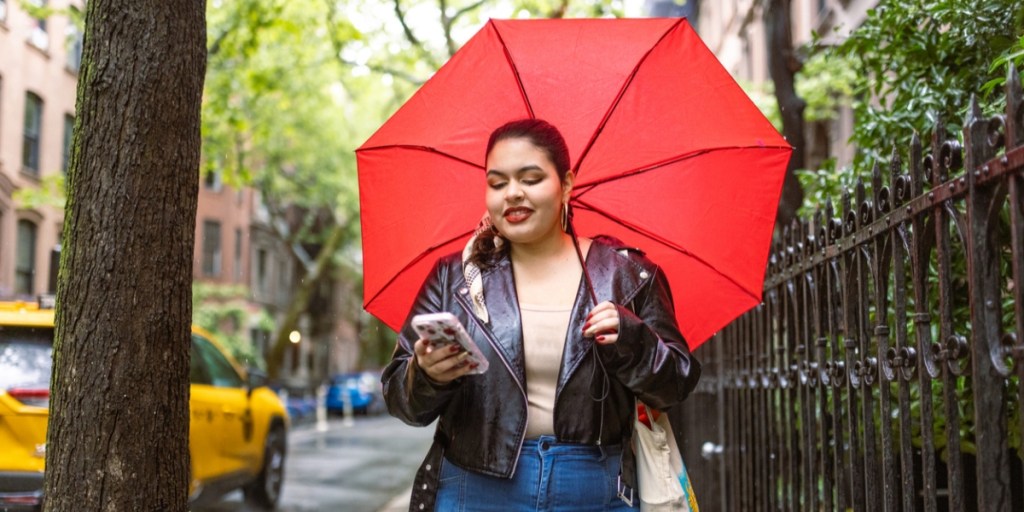
Rain umbrellas are the everyday workhorses of your store because people grab them during unexpected storms or daily commuting. City buyers often prefer compact umbrellas that fit backpacks or briefcases. Many retailers call these midtown umbrellas because they serve office workers navigating crowded streets and transit.
Windproof umbrella picks for strong winds and high winds
Wind resistance is a top-selling point in regions with frequent storms. A windproof umbrella usually includes a vented canopy that lets air pass through without flipping the frame. When stocking, look for fiberglass ribs and flexible frames designed for strong winds. High wind umbrellas reduce breakage and improve customer satisfaction.
Golf umbrella
Golf umbrellas feature an extra-large canopy designed to protect multiple people, with some canopies spanning more than 60 inches. These larger umbrellas are common on golf courses but also work for families or outdoor events. Retailers often position them as premium items due to their size and coverage. They’re also popular with customers who carry golf clubs or attend outdoor sports events.
Sun umbrellas, parasols, and parasol umbrellas
Parasols became popular in the late 17th to 19th-century because of their sun protection. The key difference in the parasol vs umbrella debate is the canopy material. Parasols focus on blocking UV light rather than resisting rain. These sun umbrellas often feature decorative designs, making them attractive in fashion or resort markets.
Beach umbrella and types of outdoor umbrellas
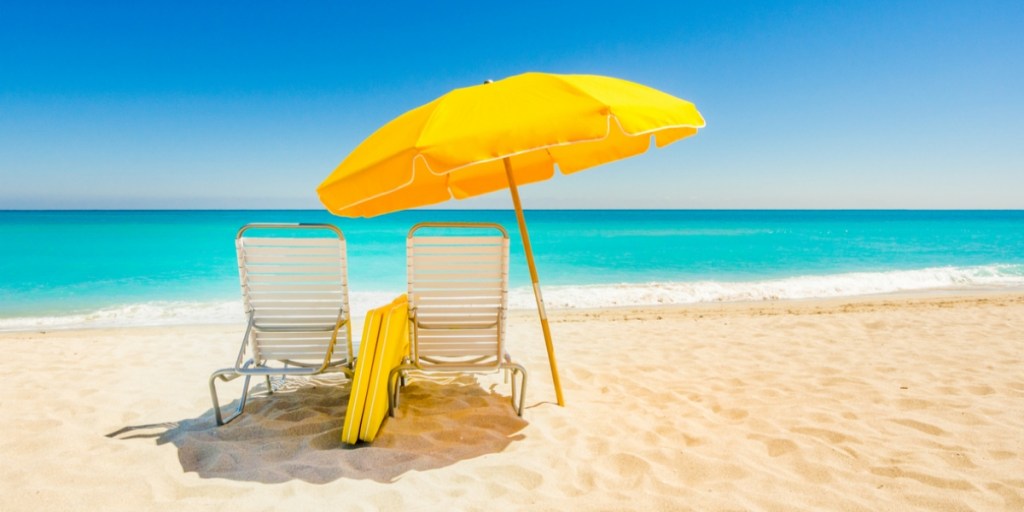
A beach umbrella is an outdoor umbrella built to stay anchored in sand and provide shade on a sandy beach. Beach umbrellas typically include tilt mechanisms that adjust for changing sun angles. These features help with sun protection during long beach visits.
Patio umbrella and types of patio umbrellas
Patio umbrellas perform best outdoors, serving homeowners and restaurants that want shade in outdoor spaces. This umbrella type is larger and mounted on a stand rather than being handheld. They often come in two common options: market umbrellas and cantilever umbrellas. Market umbrellas are often placed over dining tables, while cantilever umbrellas hang from the sides and cover large patios.
Kids and family needs

Children’s umbrellas are designed for safety and ease of use, usually featuring lightweight frames and rounded tips. These cute umbrellas, with their child-friendly designs, often feature bright colors and a variety of prints that appeal to children. Their small sizes also make it easier for a child to carry.
What makes a good umbrella that sells
Stronger materials mean more reliable products. The following qualities make a good umbrella:
Parts of an umbrella
The canopy of the umbrella blocks rain or sun. Another feature is the umbrella’s shaft, the central support pole. The ribs are another that stretch the tent of the umbrella outward. Also, the runner slides to open umbrellas. Finally, there is the handle for grip and control.
What are umbrellas made of
Many umbrellas today use fiberglass ribs because they flex in strong winds without snapping. Steel frames offer strength but add weight. Aluminum frames are lighter but may bend under stress.
Canopy fabric basics
The canopy material affects water resistance and longevity. You can consider these common options: polyester, because it’s affordable and common; pongee, because it’s smoother and more premium; and nylon umbrella fabric, because it’s waterproof.
The open and closed system
Manual umbrellas tend to last longer because they contain fewer moving parts. Automatic systems rely on springs and locking mechanisms. If these parts fail, the umbrella may not open or close properly. That’s why some high-end umbrellas still use manual mechanisms for reliability.
Normal umbrella size and coverage
Customers often prioritize sizes when selecting umbrellas. A normal umbrella size usually ranges from 40 to 48 inches across, while golf umbrellas and larger umbrellas can reach 60 inches or more.
How to choose inventory that won’t disappoint buyers

With your buyers in mind, prices, weather conditions, their daily habits, and potential repairs should guide your stocking decisions.
Pick 3 price lanes (entry, mid, premium), so you serve more people
Most stores offer three pricing tiers. The entry-level price is tailored towards impulse buyers. The mid-range pricing tier serves everyday reliability, while premium or luxury umbrella options serve customers seeking higher quality and features.
Choose based on local weather
Weather patterns should guide your umbrella selection. Customers in regions with strong winds require vented canopies and reinforced ribs. On the other hand, sunny climates benefit from sun umbrellas and parasols designed to protect against UV.
Choose by daily habits
Think about how your customers move through daily life. Commuters prefer compact umbrellas for easy carrying. Also, drivers often prefer inverted umbrellas that fold inward when entering a vehicle. Additionally, students and office workers may prefer lightweight designs.
Product page proof you can show
Clear product information helps customers build trust in your brand. On your product page, show details such as rib count, canopy material, frame material, and warranty coverage.
Returns and repairs
Some umbrellas can be repaired if ribs or runners break, but many inexpensive models are disposable. Ensure you set clear expectations for warranties and repairs.
In conclusion
When you understand the types of umbrellas, their use cases, and the features buyers care about, you can build an inventory that sells consistently and a brand customers trust. If you want to explore verified suppliers and compare umbrella designs quickly, platforms like Accio, an AI-powered B2B sourcing platform for small businesses, make it easier to source products and build a catalog that matches what today’s market expects.
And that’s not all, you can also find verified suppliers that offer very affordable umbrellas. All you need to search and compare for top suppliers that can deliver quality products.