


Related search
Feminine Hygiene Products
Car Interior Accessories
Digital Cameras
Automatic Watch
Get more Insight with Accio
Types of Toothbrush Bristles to Stock for Your Buyers
Types of Toothbrush Bristles to Stock for Your Buyers
6min read·Sarah Cornley·Mar 9, 2026
Toothbrushes come in different sizes, shapes, and types. And their bristles determine how well they remove plaque, protect gum tissue, and support oral hygiene for your consumers.
So, for bulk purchases, you may sometimes face the challenge of stocking the right type of toothbrush bristles that meet your buyers’ needs. If you stock the wrong bristles, you’ll get complaints or negative reviews from buyers. The buyers’ comfort is your priority here because you’re not choosing a toothbrush for yourself. This blog shows how different toothbrush bristles influence brushing comfort, performance, and long-term oral hygiene, so you can make smart stocking decisions.
Table of Contents
- Types of toothbrush bristles: what buyers notice at a glance
- Soft vs medium vs hard bristles: the safest mix to sell
- Bristle recommendations for specific buyer needs
- Stock toothbrush bristles that customers trust
Want to explore more about Types of Toothbrush Bristles to Stock for Your Buyers? Try the ask below
Types of Toothbrush Bristles to Stock for Your Buyers
Types of toothbrush bristles: what buyers notice at a glance
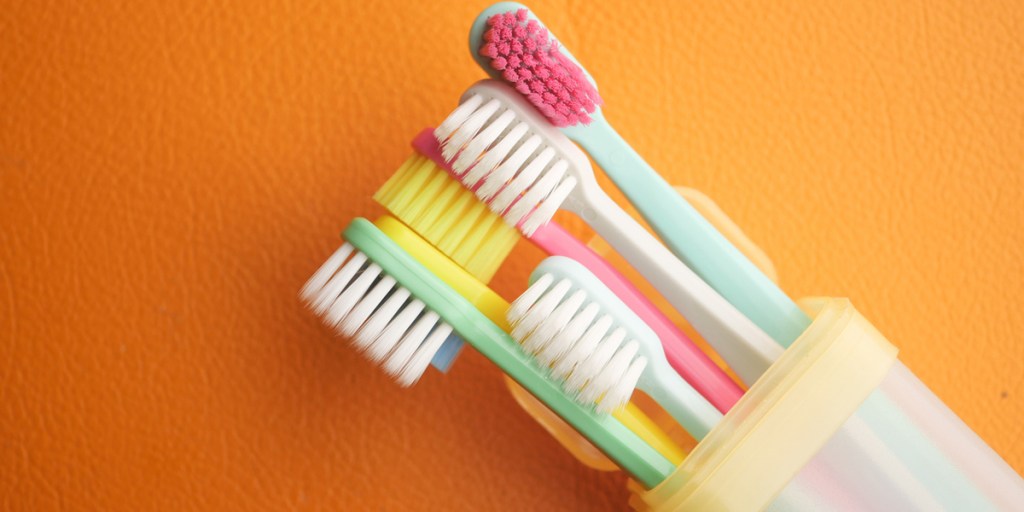
Three quick features that buyers usually use to evaluate toothbrush packaging and effectiveness include hardness, shape, and materials.
The 3 buyer filters that decide the sale
Most buyers don’t know anything about dental science to help them choose a toothbrush. So, they rely on clues they get from scanning the packaging to decide whether the brush is the right choice for them and whether it will meet their needs.
The first thing most people check is the bristle hardness, since toothbrushes are generally categorized as soft, medium, or hard.
A soft toothbrush is the safest option most shoppers choose because it cleans teeth effectively without damaging gum tissue or tooth enamel. The American Dental Association and most dental professionals usually recommend soft-bristle toothbrushes for everyday use.
A medium-bristle toothbrush is also available for those who prefer slightly firmer cleaning than a soft brush provides. It can lead to irritation of the gums and enamel if too much pressure is applied during brushing.
Hard-bristle toothbrushes are used for specific cases where the first two options fail to deliver optimal satisfaction. Many dentists discourage the use of hard toothbrushes for everyday brushing because they can damage gum tissue if used for extended periods.
Beyond hardness, the shape of toothbrush bristles determines how effective a brush is and whether it can reach difficult areas of the mouth.
Popular and common toothbrush designs include:
Zig-zag toothbrush patterns, which help to remove dental plaque and remove food debris between the teeth
Long bristle toothbrush heads are designed to reach deeper, harder-to-reach areas close to the back of molars.
Tapered bristles, which appear narrow toward the tip, ensure effective cleaning along the gumline.
Clustered bristles also exist, increasing contact with the tooth surface during brushing.
These toothbrush shapes are designed with users in mind and can reach areas where plaque usually accumulates near the gumline.
Material and components

Most toothbrush bristles are made from nylon because it’s hygienic, flexible, and highly durable. As of now, a nylon-bristle toothbrush remains the industry standard and a highly recommended option.
However, toothbrushes are also made from other materials, and buyers can look for alternatives such as:
Rubber bristle toothbrush designs: These are sometimes used for gum massage.
Natural toothbrush bristles are now becoming increasingly common in eco-friendly products.
Bamboo toothbrush bristles: usually marketed as a sustainable and renewable alternative.
Traditional cleaning tools, such as the miswak toothbrush, often appeal to certain cultural markets.
Eco-claims: Recently, demand for eco-friendly toothbrushes has increased as consumers seek organic oral care options.
Manual toothbrush vs electric toothbrush: what changes for bristles
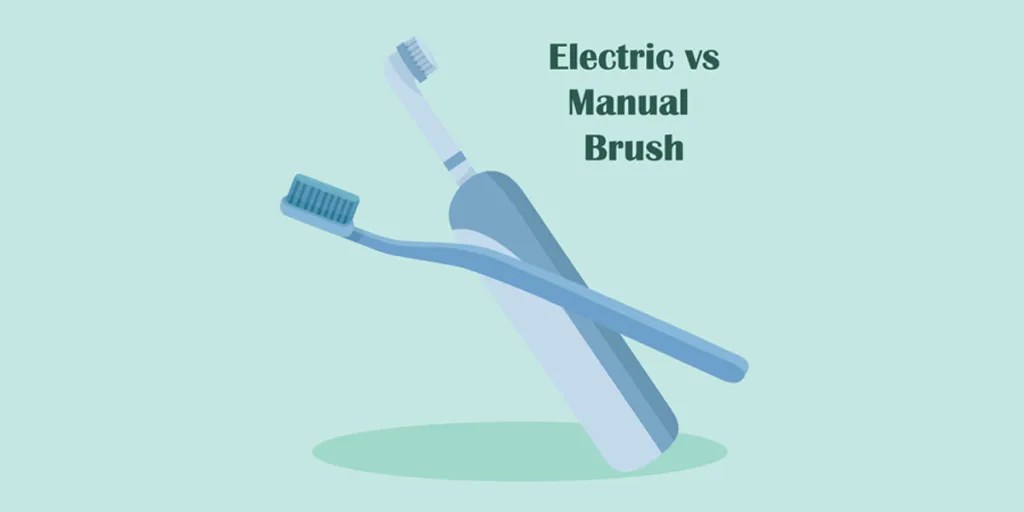
The bristle design also changes depending on whether it’s a manual or an electric toothbrush.
The manual toothbrush is operated by hand, using a brushing technique to remove plaque and dirt from the mouth. The bristle patterns focus on flexibility and coverage.
Electric toothbrushes, on the other hand, work with motorized brush heads that oscillate, vibrate, or rotate to ensure effective cleaning. Electric toothbrush bristles work through motion or oscillation rather than manual pressure.
Types of toothbrush heads buyers expect to see
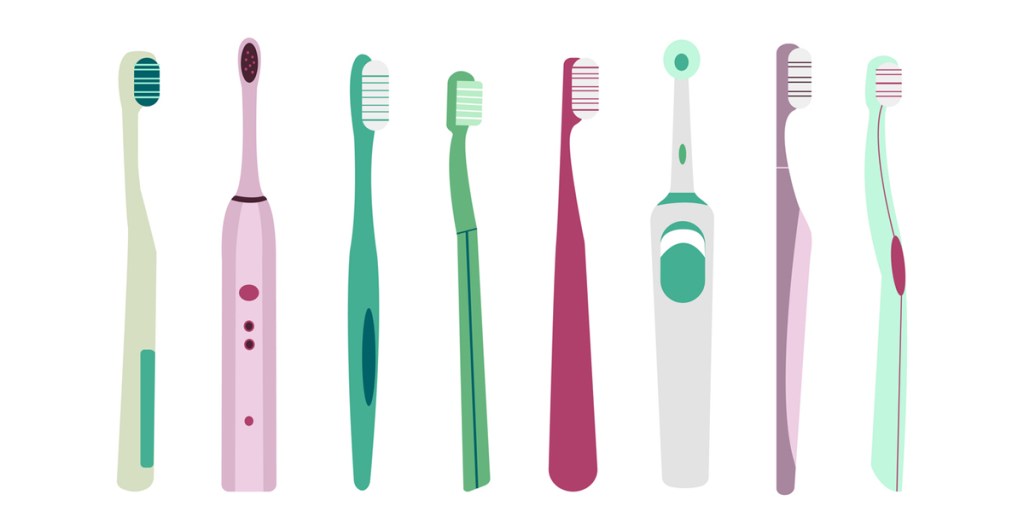
Electric toothbrushes usually come with different types of toothbrush heads, with each designed for a specific purpose.
Common varieties include:
Small brush heads for cleaning with precision
Gun-care heads with softer bristles for gentle cleaning
Whitening heads in varied bristle shapes
Some popular brands, such as Oral-B, Philips Sonicare, and Quip, use specialized replacement heads that customers purchase regularly.
Electric toothbrush bristles: Why replacement heads need clear naming
Electric toothbrush heads needs to be replaced from time to time for long-term use. Clear labeling helps customers choose the right bristle when replacing worn-out brush heads. Lack of clear naming can cause customers to accidentally switch from soft to harder, leading to irritation, pain, and discomfort.
Soft vs medium vs hard bristles: the safest mix to sell
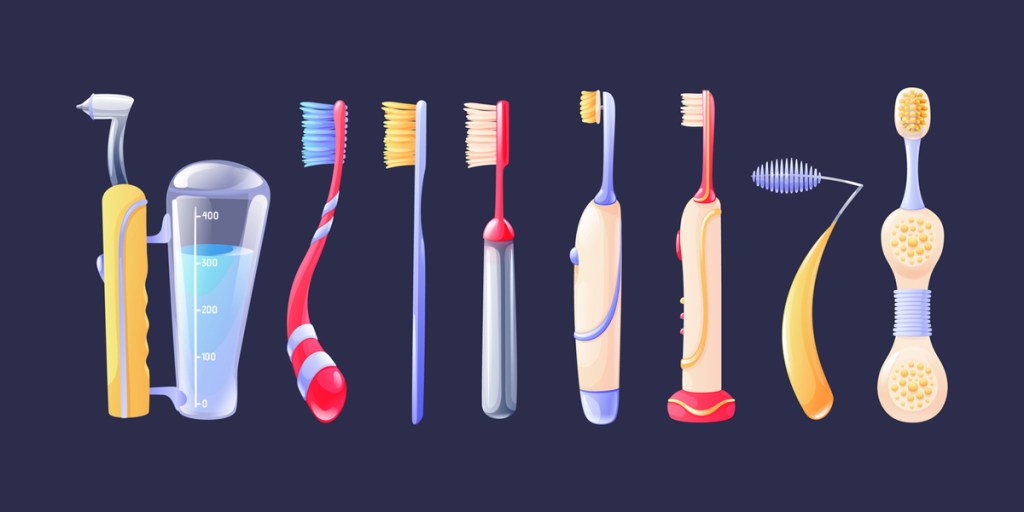
Stocking the right bristle strength ensures customer satisfaction, reduces product complaints, and attracts repeat buyers
Why soft bristles clean better in real life
Many people think that a firmer brush removes plaque more effectively and easily, but this is not true. In practice, soft bristles usually perform more effectively with the right cleaning techniques.
Soft bristles easily bend to reach areas where plaque accumulates, especially along the gumline. This particular flexibility allows the brush to effectively clean without damaging gum tissue. People with sensitive gums, such as children, and those with dental issues often prefer soft bristles because they provide comfortable cleaning without side effects. So, it’s usually the default choice of most buyers.
Soft bristles still remove plaque when used right
Soft-bristled toothbrushes are as effective as harder-bristled brushes at removing plaque when used with proper brushing techniques. Dental professionals always emphasize technique over pressure because excessive pressure during brushing can irritate delicate gum tissue and damage enamel, regardless of the type of brush.
The “harder cleans better” myth, explained in plain words
The hard bristles often miss curved, hard-to-reach tooth surfaces because they cannot bend, leaving some areas uncleaned. The hardness also results in friction, leading to soreness and discomfort.
You can add a simple note to your listings, such as: “Most dentists recommend soft bristles.” This will encourage buyers to understand the risks associated with using hard bristles.
Bristle recommendations for specific buyer needs
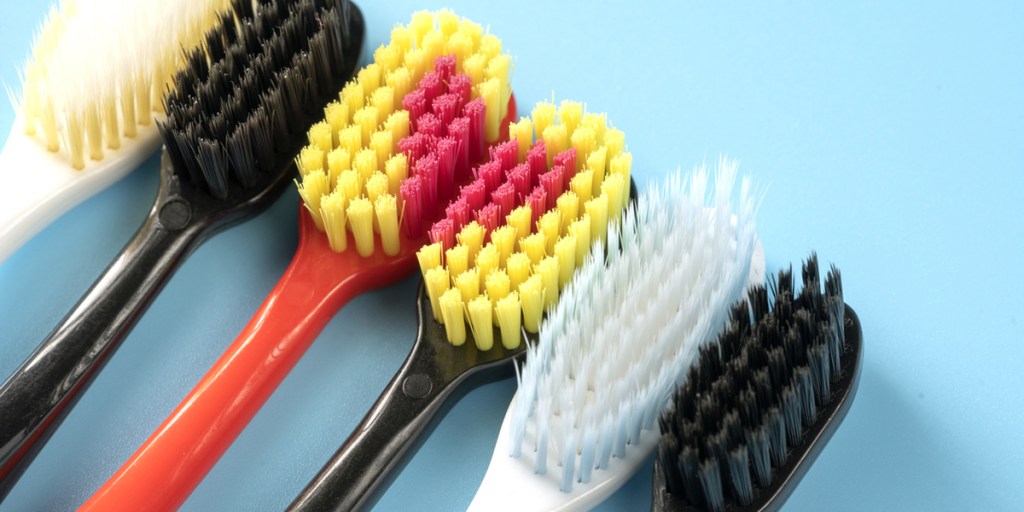
When you match the brush to buyers’ needs, your product reviews soar, and your returns are minimized.
Braces and Aligners
Some shoppers may need special cleaning tools, such as orthodontic toothbrushes, due to their conditions. An orthodontic toothbrush has V-shaped bristles that can work around cleaning braces and wires without irritation.
Some tools, like interdental brushes, gum proxabrushes, and interproximal brushes, help remove food particles stuck between brackets and teeth. A flossing toothbrush is handy for removing dental plaque from the gumline. Still, it doesn’t replace floss for effective cleaning around braces.
Gum disease and sensitive gums
For shoppers with gum disease, sensitive gums, or irritated dental enamel, a gentle brush is highly recommended.
An ultra-soft toothbrush is very gentle and helps protect inflamed gum tissue during the gentle routine cleaning of dental enamel.
Veneers, crowns, implants, and other dental work
You also need to bear in mind people with veneers, crowns, implants, and other dental work. Why? Because dental restorations require extra care during cleaning to minimize discomfort to the barest minimum.
Kids and teens
Children’s teeth are still developing, so a soft, small brush is usually recommended. For infant oral care, a finger toothbrush will suffice.
Dentures
A denture brush is different from a regular toothbrush because each serves a different purpose. A toothbrush works for natural teeth, but it may not clean dentures effectively. A denture brush is meticulously designed to reach curved or obscured dentures and artificial surfaces.
Stock toothbrush bristles that customers trust
This blog has shown you different types of toothbrushes and how each of them works to support oral hygiene. Most shoppers will settle for soft because it is effective and doesn’t cause gum irritation. Medium and hard brushes also provide more variety for your customers.
So, you can carefully stock the latter to reduce customer complaints. And if you’re looking for new oral care suppliers or expanding your product catalog, consider Accio.com, an AI-powered sourcing tool for small businesses. The platform can help you, as a buyer, evaluate supplier options and sourcing opportunities.