


Related search
Used Cars
Hair Clip
Running Shoes
Electric Scooters
Get more Insight with Accio
The Best Soundproofing Material for Walls: A 2026 Buyer’s Guide
The Best Soundproofing Material for Walls: A 2026 Buyer’s Guide
4min read·Leon Rupia·Mar 26, 2026
Unwanted noise can ruin the tranquility in residential and commercial spaces. Whether it’s loud appliances, noisy neighbors, or the rumble of traffic, excessive noise pollution can impact well-being. It’s no wonder the demand for soundproofing solutions has surged in recent years.
But what soundproofing products actually appeal to customers? This guide explores the best soundproofing materials for walls and what to consider when sourcing them, so you can make smarter stocking decisions and maximize your profits.
Table of Contents
- What to look for when sourcing soundproofing materials
- 5 popular soundproofing materials for walls
- Final thoughts
Want to explore more about The Best Soundproofing Material for Walls: A 2026 Buyer’s Guide? Try the ask below
The Best Soundproofing Material for Walls: A 2026 Buyer’s Guide
What to look for when sourcing soundproofing materials

You shouldn’t add just any soundproofing product to your inventory. Before purchasing materials, you need to consider various criteria to build a sustainable business.
Customer demand
Start with your buyers, not the materials. Check online marketplaces, forums, and use market research tools to determine what’s in demand. Doing so can minimize the risk of purchasing slow-moving inventory or deadstock.
Profit margins
Assess what it costs to acquire a soundproofing material, what it can realistically sell for, and what margin that leaves you. While a cheaper material like acoustic caulk might drive higher sales volumes, it can quickly become unprofitable if buyers are unwilling to pay above a certain price point.
On the other hand, a premium material like Mass Loaded Vinyl (MLV) may sell in smaller quantities. However, if buyers are willing to pay more for its superior noise reduction performance, it can be a profitable addition to your inventory. The key is finding a balance between volume and margin to suit your business model.
Soundproofing techniques
Soundproofing materials use various techniques to minimize or eliminate the transmission of unwanted noise between spaces. These techniques include:
- Blocking sound from entering or escaping an area
- Absorbing sound waves to reduce reverberation within a room
- Damping sound to reduce the vibration that causes noise to travel
- Sealing gaps or cracks to prevent sound leakage
Depending on their objectives, customers may favor one soundproofing technique over another.
Ease of shipping and storage
Some soundproofing materials are bulkier than others. For example, MLV is dense and heavy, requires careful handling, and typically costs more to ship. In contrast, acoustic foam panels are lightweight and affordable to ship. When selecting materials, consider shipping costs and warehouse space to determine which products are practical and cost-effective to stock.
Performance standards
Some customers expect soundproofing materials to meet recognized standards. For example, discerning customers often look for materials with exceptional Sound Transmission Class (STC) or Noise Reduction Coefficient (NRC) ratings. Stocking materials that meet or surpass these performance standards can help you build credibility with selective buyers and prevent returns.
5 popular soundproofing materials for walls

The soundproofing market offers a variety of materials, each with unique features. If you perform a quick online search for the ”best soundproofing materials for walls,” you’ll see multiple materials. Overwhelmed by the numerous options? To help you cut through the noise, we’ve narrowed down to five top soundproofing materials for walls that offer consistent consumer demand and healthy margins.
Acoustic foam panels

Acoustic foam panels absorb sound waves and convert them into heat energy within the material. This process minimizes echo, reverberation, and medium-to-high frequency sound reflections. Popular among content creators, streamers, and podcasters, acoustic foam panels enjoy broad appeal. Consider stocking them to attract customers seeking an affordable soundproofing solution.
Mass loaded vinyl (MLV)
Mass loaded vinyl (MLV) is a thin, high-density material designed to block airborne noise in commercial, residential, and industrial spaces. Used in walls, floors, and ceilings, MLV appeals to a range of buyers, including homeowners, contractors, commercial developers, and factory owners.
MLV is an attractive option for buyers seeking superior noise reduction performance. While it’s more expensive than lighter, lower-cost alternatives like acoustic panels, its high-margin potential makes it a worthwhile addition to your inventory.
Fiberglass insulation
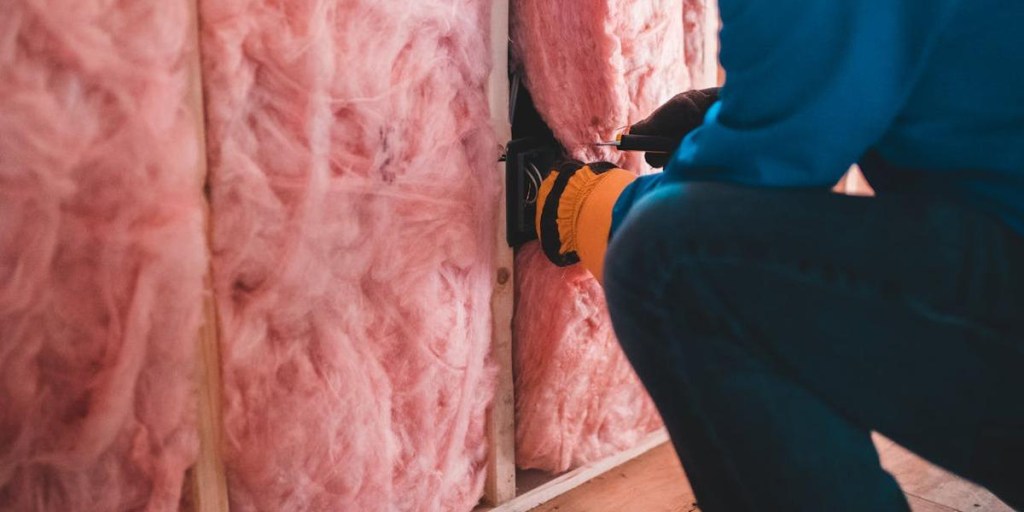
Fiberglass insulation is a soundproofing material widely used in new construction and renovation projects. More than just a sound absorber, it also provides thermal insulation, broadening its appeal. It’s especially popular among budget-conscious homeowners and DIY enthusiasts because it’s inexpensive and easy to install.
To attract customers seeking a dual-purpose, cost-effective material, fiberglass insulation can be a reliable volume driver for your business.
Acoustic caulk
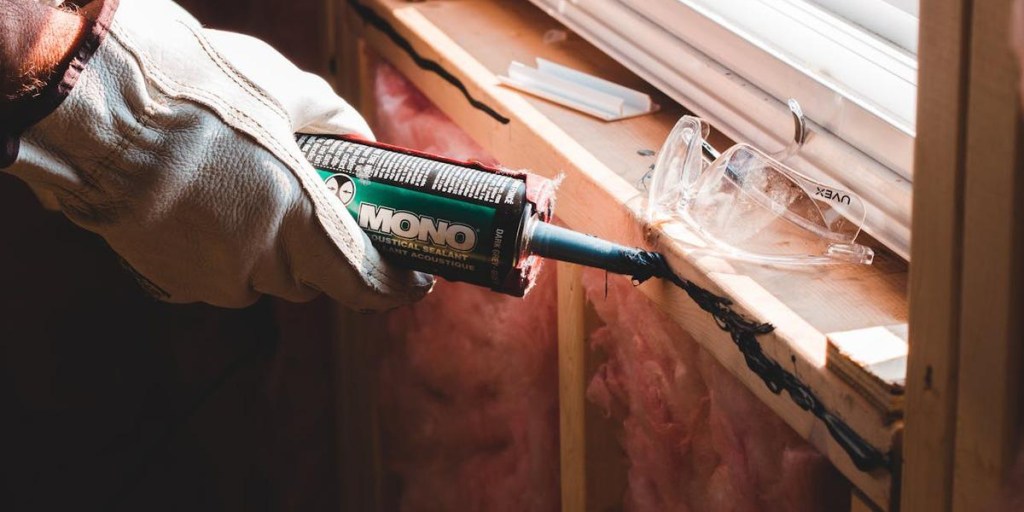
Sound can penetrate the tiniest of gaps and cracks. Acoustic caulk or sealant is a unique type of caulk that’s applied directly to gaps and cracks in walls to prevent sound leakage. Often, it’s used alongside other soundproofing materials to maximize soundproofing.
If you want to increase your average order value (AOV), stocking acoustic caulk provides an excellent cross-sell opportunity. Customers purchasing larger soundproofing materials like MLV or acoustic foam panels will often need acoustic caulk to finish their projects, making it a necessary addition to most orders.
Green Glue noiseproofing compound
Green Glue is a well-known brand within the soundproofing industry. Used as a damping compound between layers of drywall, Green Glue reduces noise transmission through walls, ceilings, and floors by converting sound vibrations into heat.
Since it’s easy to apply with a standard caulk gun, Green Glue is particularly popular for retrofitting and renovation projects. Stocking it alongside complementary products, such as acoustic caulk, can position your business as a one-stop shop for soundproofing materials and encourage larger purchases.
Final thoughts
Stocking the right soundproofing materials can make a massive difference to your bottom line. From affordable options like acoustic foam panels and acoustic caulk to premium options like MLV, it’s essential to select products that align with your target market, offer healthy margins, and meet performance standards.
That said, even the best product selection is only as strong as your supply chain. Want to source products from trusted suppliers quickly and maintain consistent stock availability? That’s where Accio comes in.
It’s a powerful sourcing agent that helps businesses improve their sourcing workflows. Whether you want to find verified suppliers, generate and send them bulk RFQs, or vet vendors based on pricing, lead times, production capacity, and more, Accio has got you covered.
Sign up for your free trial today and discover how over 2 million businesses are using Accio to simplify sourcing.