


Related search
Electric Scooters
Car Interior Accessories
Usb Led Light
Office Chairs
Get more Insight with Accio
The Best Material for Pickleball Paddles: A Guide for Sellers
The Best Material for Pickleball Paddles: A Guide for Sellers
6min read·Stephanie Mee·Mar 25, 2026
When friends Joel Pritchard and Bill Bell created pickleball in 1965, they simply used table tennis paddles to play an improvised game of badminton with a plastic ball. Since then, paddle technology has come a long way with various materials used for different parts of the pickleball paddles to achieve different effects. As a seller, it helps to know which modern materials can improve players’ games.
This guide will break down the best materials for pickleball paddle faces and cores. We’ll explain the qualities of each material and how it helps in the game. We’ll also offer some tips on how to choose the right pickleball paddle materials for your customer base, whether that’s beginners or advanced players.
Table of contents
- Why paddle materials matter for product performance and positioning
- The best material for pickleball paddle face surfaces
- The best material for pickleball paddle cores
- How materials affect power, control, and spin
- New material trends for pickleball paddles
- How to choose the right pickleball paddle materials for your target customers
- Final thoughts
Want to explore more about The Best Material for Pickleball Paddles: A Guide for Sellers? Try the ask below
The Best Material for Pickleball Paddles: A Guide for Sellers
Why paddle materials matter for product performance and positioning
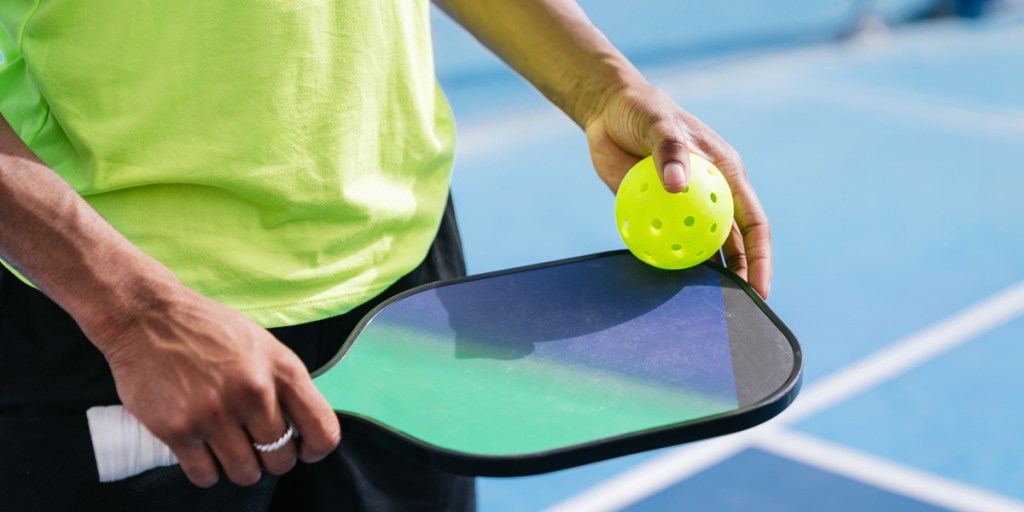
Gone are the days when pickleball players would play with simple wooden paddles. Nowadays, players want paddles that are all about performance. The face and core materials determine how the paddle feels on contact, how much power it generates, and how much control a player has at the net. The materials can even affect how forgiving the paddle is on off-center hits. For example, a stiffer surface like carbon fiber tends to return more energy to the ball, while a softer core like polymer absorbs impact and smooths things out.
And, of course, the materials also determine how a paddle is marketed and priced. A simple fiberglass pickleball paddle with a polymer core might be offered as an entry-level paddle that’s affordable and geared toward beginners. Meanwhile, a carbon fiber pickleball paddle can be positioned as a mid-range or even a premium paddle that’s perfect for advanced and even professional players.
The best material for pickleball paddle face surfaces
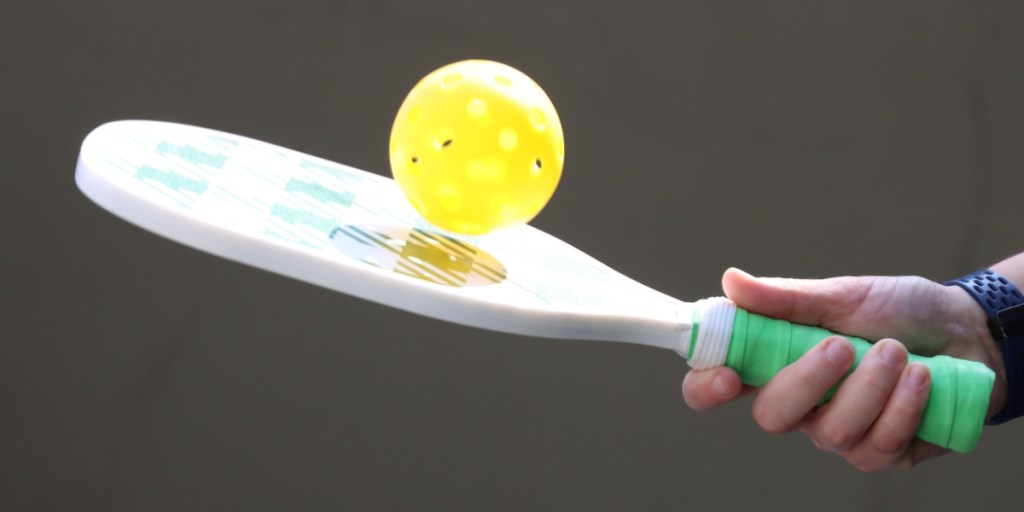
The paddle face is the part that actually makes contact with the ball, so it plays a big role in how the paddle performs. These are some paddle face materials that can affect things like power, spin, and control:
Carbon fiber
Carbon fiber is strong but also lightweight, and it’s relatively stiff. That helps transfer energy efficiently for more power and control. Many newer paddles include raw carbon fiber, which has a slightly textured surface that grips the ball better and makes it easier to generate spin. This is a great option for high level players who want a premium option.
Graphite
Graphite is often confused with carbon fiber, but it’s typically thinner. It creates a crisp, responsive feel, which is great for players who want precision, especially around the net. While graphite paddle faces may not generate as much spin as textured carbon fiber, it’s still a popular choice for players who want a lightweight paddle that focuses on control rather than raw power.
Fiberglass (composite)
Fiberglass (sometimes labeled as composite) is known for its flexibility and power. It tends to have a bit more give on contact, and that can create a nice pop off the paddle face. This makes it a solid option for beginners or players who want extra power, but aren’t so concerned about perfect technique. Fiberglass paddles are also relatively affordable.
The best material for pickleball paddle cores

The paddle face controls how the ball comes off the paddle, but the core determines how it feels during contact. These are some of the most common core materials that can affect things like softness, noise, durability, and how forgiving the paddle is across the surface:
Polymer (polypropylene) honeycomb
Polymer cores have a soft, cushioned feel. They help absorb impact, and that gives players better control and a quieter hit. This type of core also tends to create a larger sweet spot, which makes them somewhat easier to use, especially for beginners and intermediate players.
Nomex honeycomb
Nomex is much harder and denser than polymer, so it produces a louder, more responsive hit. There is also a lot of energy return, so players can deliver more power with less effort. The downside is that you get a smaller sweet spot and less control on softer shots.
Aluminum honeycomb
Aluminum cores are less common in pickleball paddles, but you do see them in some control-oriented paddles. They’re lightweight and offer a softer feel than Nomex, but they don’t generate as much power and can wear down more quickly over time.
How materials affect power, control, and spin

Pickleball players notice when a paddle feels powerful, soft, or easy to control, and that all comes down to the materials. Paddles with stiffer face materials, like carbon fiber paddles, don’t flex much when the ball hits them, so more energy gets sent back into the shot. On the other hand, softer cores like polymer absorb more of that impact, which slows things down slightly and gives players a bit more control, especially on dinks and resets near the net.
Spin is a little different. It has less to do with softness and more to do with surface texture. Raw or textured carbon fiber faces tend to grip the ball better, which helps players put more rotation on their shots. That’s become a big selling point in recent years, especially for experienced players. Then there’s what players often call “pop.” That’s the quick, bouncy response you get off the paddle. It usually happens when you combine a stiff face with a firmer core, and it creates a faster rebound.
New material trends for pickleball paddles
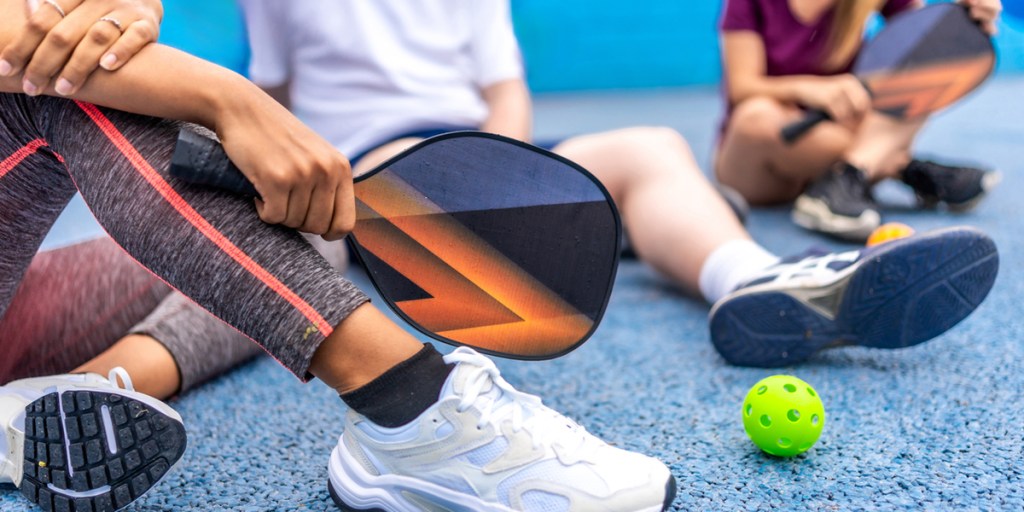
As more pickleball players discover their play style, paddle producers are constantly experimenting with new materials to address concerns like reaction time, how much energy can be transferred, spin, and pop. These are some modern paddle materials that players are trying out:
Raw carbon fiber
Raw carbon fiber refers to a paddle face that hasn’t been coated or heavily smoothed out, so it has a slightly textured surface. That texture helps grip the ball, making it easier for players to generate spin. It’s become a major selling point in higher-end paddles, especially as more players are looking for that extra edge when it comes to control and shot placement.
Thermoformed construction
Thermoforming isn’t so much a material in itself, but rather a process that combines heat and pressure to secure the paddle’s layers together. This often seals the edges into a single, unified piece. Many players like this because it gives a more solid, stable feel. It also helps with durability. Paddles made this way are often marketed as having more power and a more consistent response across the surface, which helps justify a higher price point.
How to choose the right pickleball paddle materials for your target customers
As with any business, it’s crucial to understand your target market so that you can match your inventory to their needs. With pickleball paddles, the first thing to think about is what skill level your target customers have. If they’re mostly beginners, you may want to stock paddles that are more forgiving. Think fiberglass faces and soft polymer cores.
As playing style advances, many players look for more control and consistency. This is where carbon fiber or graphite faces with a polymer core come into play. Advanced players are often more focused on precision and spin, so raw carbon fiber faces and more refined construction methods can be stronger selling points for this niche market.
Final thoughts
At the end of the day, there isn’t a single best pickleball paddle material for all players. It really depends on where the player is at in their game and what outcomes they’re looking for. That’s why it’s important to understand the most common face and core materials and how they can be combined to give different effects. From there, you can source products that will resonate with your particular target market and translate into sales.
As you start thinking about which materials to use or expand into, it also helps to have a clearer view of what’s trending and what suppliers are offering. That’s where Accio comes in. The AI-powered sourcing platform helps businesses explore different product options, compare materials, and discover suppliers. With better visibility into pricing, features, and upcoming trends, it becomes a lot easier to make informed decisions and build a paddle lineup that actually fits your customers.