


Related search
Pajamas
Shoulder Pads
Mobile Phones
Party Dress
Get more Insight with Accio
The Best Material for Chicken Run Floor in 2026
The Best Material for Chicken Run Floor in 2026
6min read·Krista Plociennik·Mar 24, 2026
Choosing the best material for a chicken run floor is a very important decision for small-scale farms, agricultural buyers, and commercial poultry setups. It has a direct impact on egg production, hygiene, flock health, and long-term operating costs. There’s a variety of materials for buyers to consider, so the decision-making process isn’t as straightforward as it first appears.
Keep reading to learn more about the most effective materials, practical strategies to build a scalable system for chickens, and to explore whether or not bare earth is a viable option.
Table of contents
- What to know before choosing your chicken run flooring
- Best material for chicken run floor
- When to use natural dirt for chicken run flooring
- What are the real costs behind chicken run floors?
- Installing and maintaining a chicken run floor
- Final thoughts: What’s really the best chicken run flooring material?
Want to explore more about The Best Material for Chicken Run Floor in 2026? Try the ask below
The Best Material for Chicken Run Floor in 2026
What to know before choosing your chicken run flooring
Before deciding on the type of flooring for a chicken run, buyers need to assess four variables that influence performance:
1. Climate and weather exposure
For chicken runs that will be built in wet climates, having poor drainage leads to mud and potential diseases. Materials such as rounded gravel and sand perform best in heavy rain. Organic bedding materials, such as wood chips, require sufficient depth to prevent waterlogging.
2. Density and flock size
High-density chicken run floor systems need to be able to handle increased bugs, droppings, and wear. Wood shavings or straw laid in thin layers will fail quickly among high-density flocks. Keep in mind that a small flock of hens behaves differently from a setup of commercial chickens.
3. Budget
Choosing the cheapest flooring options may not be the best option, even on a constrained budget. For example, rubber mats or a concrete base may cost more initially, but these options provide higher levels of longevity compared to cheaper materials that need to be replaced more frequently.
4. Maintenance
Some chicken run flooring systems require attention daily:
- Gravel -> Low-maintenance, but requires occasional hosing
- Sand -> Needs to be scooped daily
- Wood chips -> Turn every few days
Best material for chicken run floor
Here’s a look at the top four types of materials for chicken runs, including pros and cons that buyers should consider.
1. Wood chips
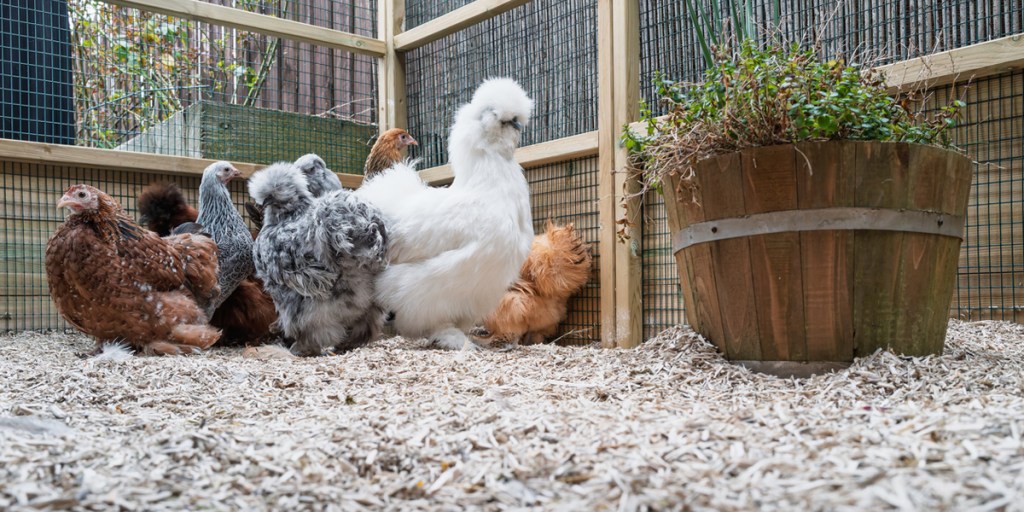
Wood-chip flooring is used in regenerative farming systems. It works well for compost-based operations.
Pros:
- Supports healthy soil biology
- Good for deep litter composting
- Encourages natural scratching among chickens
- Converts droppings into compost
Cons:
- Requires turning every few days
- If unmanaged, wood chips can harbor bugs
- Needs up to 12 inches of depth to be effective
Best for: Businesses focusing on waste recycling and sustainability.
2. Sand
Sand is one of the most popular materials for commercial chicken runs due to its hygiene benefits.
Pros:
- Reduces odor
- Can be used as a dusting bath for chickens
- Easy to clean
- Offers excellent natural drainage
Cons:
- In high temperatures, it can overheat
- The wrong types of sand can cause crop impaction
- Must use coarse sand, not play sand
- Requires regular sifting
Best for: Medium or large operations where a dry chicken run floor and regular maintenance are required.
3. Gravel
Buyers looking for a low-maintenance, durable material for chicken run systems should consider gravel.
Pros:
- Long-lasting
- Easy to clean
- Excellent free drainage in wet climates
- Works well combined with a concrete base
Cons:
- Needs sub-layer installation
- Doesn’t compost
- Using sharp gravel can harm chicken’s feet (rounded gravel is essential)
Best for: Permanent commercial installations or high-rain areas.
4. Hemp bedding
Hemp is growing in popularity as a premium chicken bedding solution.
Pros:
- Lightweight
- Fast composting
- Very absorbent
- Excellent odor control
Cons:
- Higher upfront cost and requires frequent top-ups
- In windy conditions, hemp can blow away in open areas
Best for: Premium operations.
When to use natural dirt for chicken run flooring
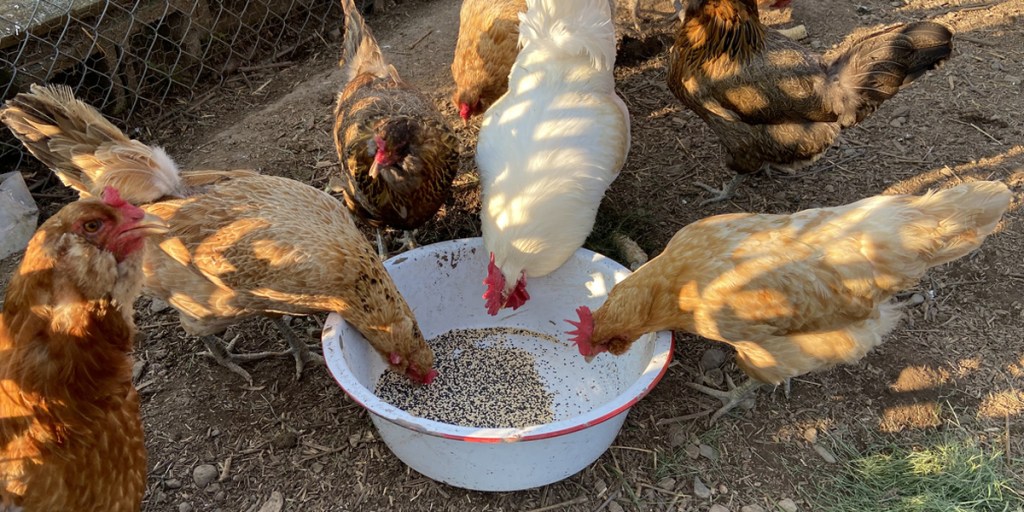
When choosing the best material for a chicken run floor, a good, affordable alternative is natural grass or dirt. However, this option rarely works in confined systems.
Bare ground works when:
- It’s a low-density flock
- There’s a large free-range system
- Frequent movement occurs
In confined chicken runs, using natural grass or dirt can run the risks of:
- High ammonia
- Increased parasites and bugs
- Quick conversion to mud
- Loss of soil structure
In the majority of commercial settings, bare earth isn’t the best solution. Buyers who intend to use this system should rotate grazing zones, reseed the grass regularly, improve drainage by adding gypsum, and cover high-traffic zones with alternative flooring.
What are the real costs behind chicken run floors?
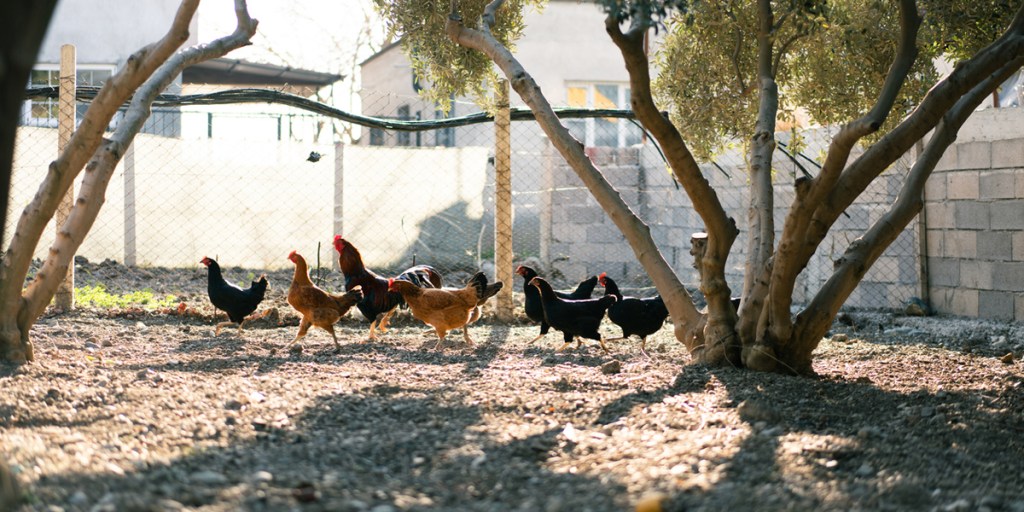
While the initial costs of chicken run flooring are a big consideration, smart buyers will also evaluate material costs over time.
One-time purchases
- Concrete floor
- Rubber mats or linoleum
- Sand and gravel
These materials provide a solid surface that will last for years before needing replacement.
Recurring costs
- Hemp, straw, wood chips
- Have to be replenished every few months
Hidden costs
Using recycled bedding materials, scrap wood, or even leaves can:
- Attract bugs and pests
- Require more labor
- Introduce toxic chemicals or mold
ROI considerations
- Cleaning time
- Disease likelihood
- Feed waste contamination
Choosing the right chicken run material will help improve egg production consistency, worker efficiency, and create a comfortable environment for the chickens.
Installing and maintaining a chicken run floor
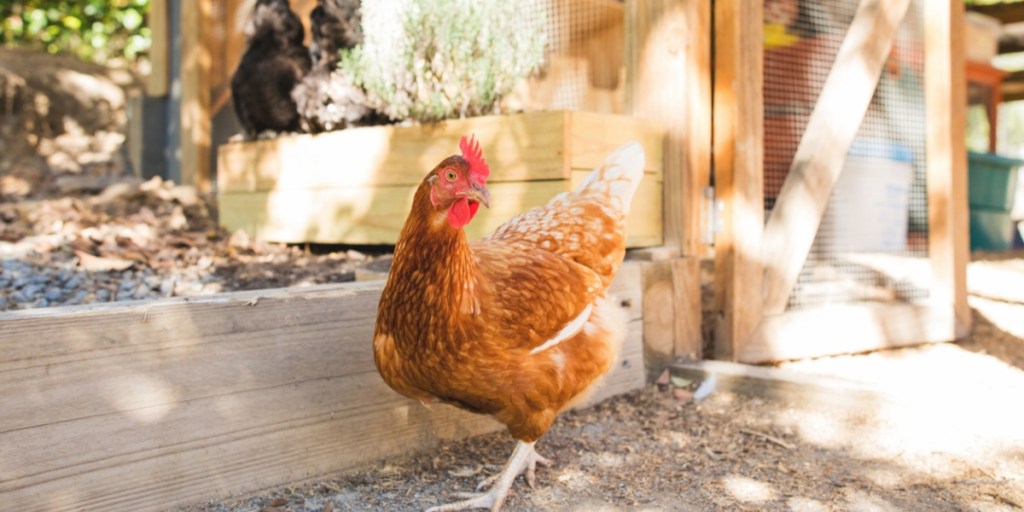
To properly maintain a chicken run floor for a healthy and clean flock, there are some vital steps to be followed.
Step 1: Ground preparation
- Level the ground and install drainage if necessary
- Add a sub-layer or concrete base for stability
- To prevent predators, install hardware cloth
Step 2: Know the right depth
- Gravel -> 3-4 inches
- Sand -> 4-6 inches
- Wood chips -> 8-12 inches
- Hemp -> 4-6 inches
Step 3: Cleaning
- Daily: Remove droppings
- Weekly: Rake sand or turn wood chips
- Monthly: Top up bedding materials
Step 4: Moisture and odor control
To reduce moisture and ammonia buildup, use additives such as:
- Agricultural lime
- Zeolite
Step 5: Adding to your chicken coop flooring
As well as choosing the best material for chicken run flooring, buyers should consider adding:
- Linoleum
- Rubber mats
- Sealed wooden boards
These help to create a solid surface under nest boxes that’s easy to maintain and clean, improving hygiene and protecting eggs.
Final thoughts: What’s really the best chicken run flooring material?
When buyers are considering the best material for a chicken run floor, there are several key considerations to take into account. There’s no one-size-fits-all answer, and the right material heavily depends on climate, operational goals, and flock size. For large-scale operations, hybrid systems are usually the best way to combine biological benefits and durability. Investing in the right flooring from the start will improve the welfare of the chickens, reduce costs, and increase productivity annually.
Small business owners or individual buyers looking to gain a better understanding of the costs of each material will find AI-driven research tools like Accio.com to be an invaluable addition to their sourcing strategy. Accio is a helpful smart sourcing tool that helps buyers compare features, check reviews, and explore different brands in just one search. It can also consolidate fee comparisons and market data across multiple marketplaces, such as Alibaba, helping save both time and money. Using tools such as Accio is a great way to improve the decision-making process and make everything much less overwhelming.