


Related search
Camera Accessories
Anime Clothing
Decorating Design
Smart Watches
Get more Insight with Accio
The Best Earring Materials for Sensitive Ears: A Seller’s Guide
The Best Earring Materials for Sensitive Ears: A Seller’s Guide
6min read·Stephanie Mee·Mar 25, 2026
One of the first things that many people realize when starting a jewelry business is that customers often consider the types of jewelry metals over other criteria, such as the latest jewelry trends. That’s because many people have metal sensitivities, so they want pieces that are safe and comfortable to wear. This applies to all types of jewelry, but earrings are particularly important because they have prolonged, direct contact with the lobes of the ears, which can be highly sensitive.
This guide will cover some of the best earring materials for sensitive ears, including pure metals and hypo-allergenic materials. We’ll also point out some materials that can be problematic and offer tips for sourcing earrings that are less likely to cause adverse reactions in individuals who have metal allergies.
Table of contents
- Why earring material matters more than you think
- The best earring materials for sensitive ears
- Materials that require a closer look
- Gold-plated, filled, and solid gold explained
- Other considerations for earrings designed for sensitive ears
- How to source earrings for sensitive ears
- Final thoughts
Want to explore more about The Best Earring Materials for Sensitive Ears: A Seller’s Guide? Try the ask below
The Best Earring Materials for Sensitive Ears: A Seller’s Guide
Why earring material matters more than you think

For many people, just simple contact with particular types of metal or materials can cause allergic reactions. When the material triggers the immune system, it can produce symptoms like redness, itching, bumps and rashes, and even blisters. The most common metal allergy for many people is nickel. This silver-white metal is often used in alloys, and many times you might not even know it’s there because it’s not advertised as such.
Studies show that roughly 17% of people suffer from nickel allergies. Beyond that, there are many people who experience sensitivity when they come into contact with materials like copper, cobalt, and even yellow gold. With that in mind, jewelry brands that stock hypoallergenic jewelry (meaning it’s made with materials that are less likely to cause reactions) will have a clear advantage with customers who are actively looking for safer options.
The best earring materials for sensitive ears

The good news is there are several materials that are far less likely to cause issues than others. These are some materials that you may want to consider for hypoallergenic earrings:
Titanium
Titanium is a lightweight silver-gray metal that’s also surprisingly strong. It’s very resistant to corrosion, which makes it very durable. Even better, it doesn’t react with the skin the way many alloys do. Implant-grade titanium, in particular, is widely used in medical settings, which makes it a safe bet for customers who’ve had issues with other metals.
Niobium
Niobium is a metal that doesn’t get mentioned as often as other materials for earrings, but it performs similarly to titanium when it comes to sensitivity. It’s naturally nickel-free and can be treated to create different colors without coatings, which gives you a bit more flexibility from a design standpoint.
Platinum
Platinum sits at the higher end of the spectrum. It’s dense, long-lasting, and unlikely to cause reactions, even for people with more severe sensitivities. It does come at a higher price point than many other metals though, so it’s often used for fine jewelry and premium collections.
High-karat gold (18k and above)
Gold can be a safe option, but purity matters. Higher-karat gold contains fewer added metals, and that lowers the chances of irritation. Lower-karat options, like 10k or 14k, are more durable but they’re also more likely to include metals that can trigger a reaction, so they’re not always the best fit for sensitive ears.
Materials that require a closer look
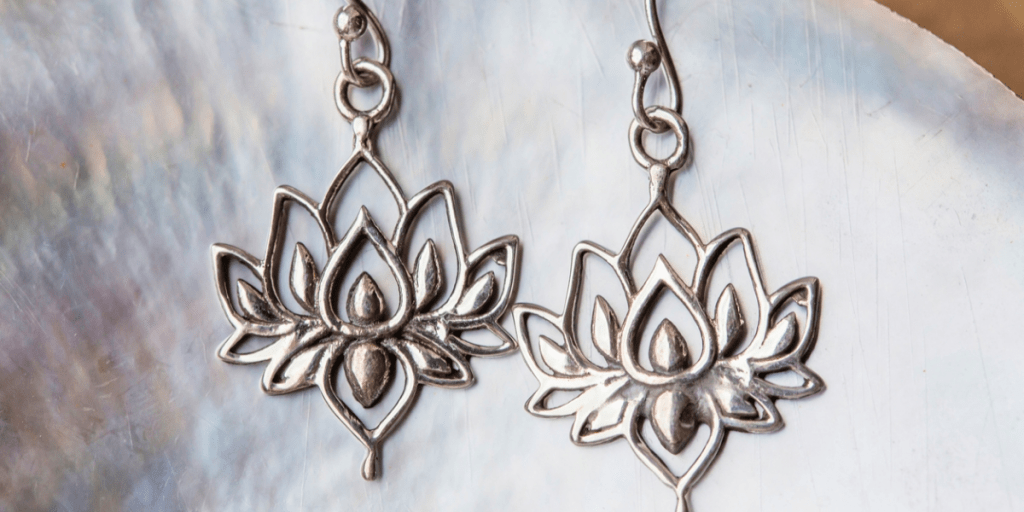
Some metals are marketed as hypoallergenic options, but that might not always be the case. These are a few that you might want to take a closer look at if you’re considering them for earring materials:
Surgical stainless steel
Surgical steel is a broad category, and not all grades are created equal. Some, like 316L or 316LVM, are designed to limit nickel release, but they’re not completely nickel-free. Many people can wear them without issues, especially in healed piercings, but people with stronger sensitivities may still experience reactions.
Sterling silver
Sterling silver is another material that gets labeled as safe, even though it doesn’t always live up to that claim. It’s typically made from 92.5% silver and 7.5% other metals, often copper and sometimes trace amounts of nickel. It also tarnishes over time, and that can cause additional irritation.
Gold-plated, filled, and solid gold explained
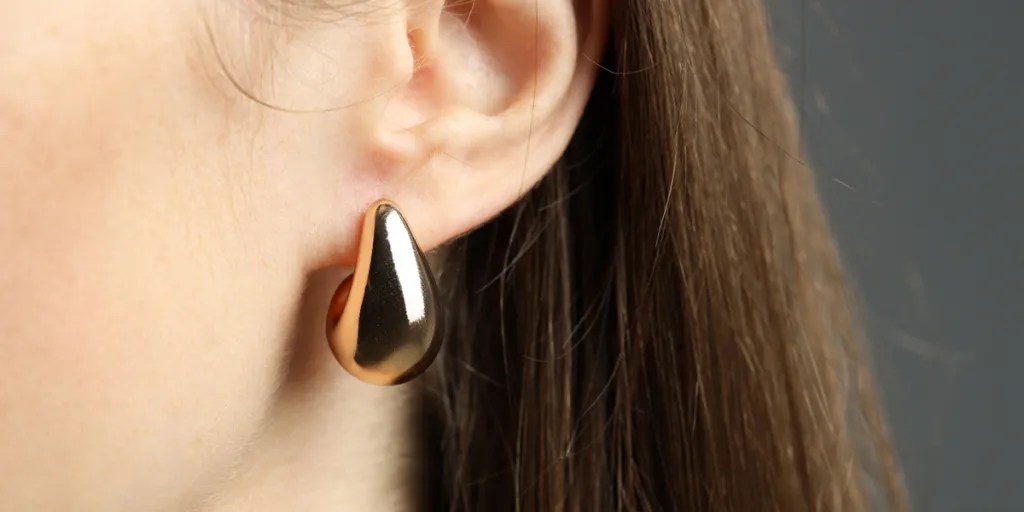
Gold jewelry can be tricky, mainly because pieces that look similar on the surface are made very differently. Gold-plated earrings feature a base metal covered in a thin layer of gold. When that layer wears down, whatever metal is underneath can be exposed. Gold-filled pieces use a much thicker layer, so they tend to last longer. Vermeil falls somewhere in between, with gold layered over sterling silver, so that may not work for everyone with sensitivities.
Solid gold is the best option for earrings, especially at higher purities like 18k and above. It doesn’t have a base metal to worry about, so there’s less risk of exposure over time. The trade-off is cost, but for customers who know they react easily, it’s often what they look for. For sellers, the key is being clear about how each option is made so customers can make an informed choice based on their needs and budget.
Other considerations for earrings designed for sensitive ears
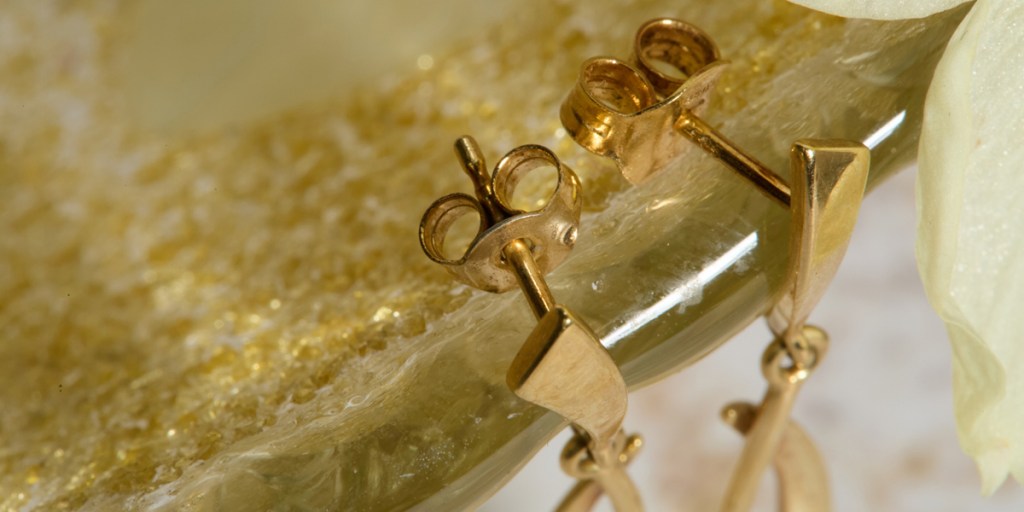
For people with sensitive ears, the right materials are key, but they’re not the only thing that can irritate the skin. Post thickness is important because if it’s too large for the piercing, it can cause friction. In addition, heavier earrings can put strain on the ear lobes, and that can lead to soreness over time. Backing styles matter too. Flat backs tend to sit more comfortably and don’t trap debris the way traditional butterfly backs can.
There’s also basic wear and proper care to think about. Buildup from skin oils, products, or residue can irritate the piercing just as much as the material itself. That’s why even high-quality earrings can cause issues if they’re not cleaned regularly.
How to source earrings for sensitive ears
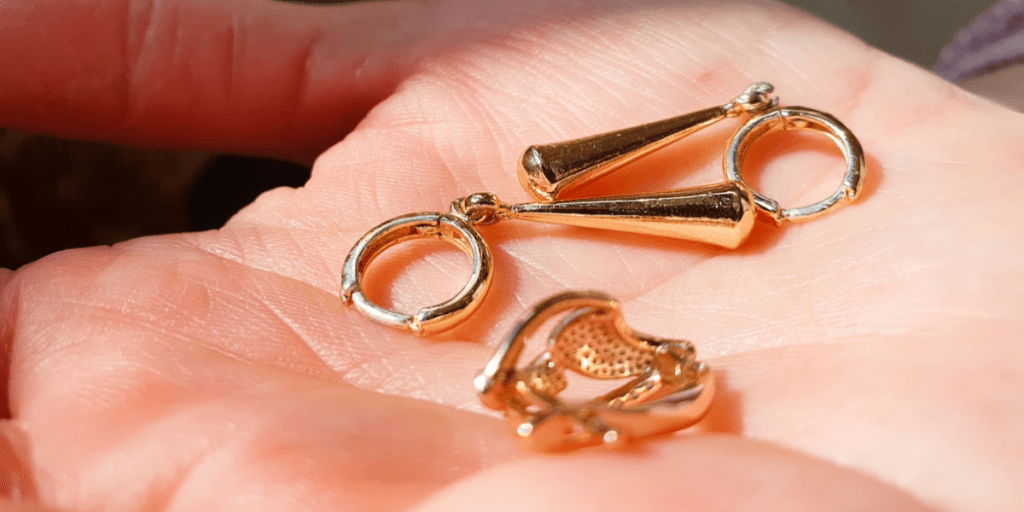
Finding the right materials is one thing, but finding suppliers who are consistent about them is another. Product descriptions don’t always tell the full story, so it helps to look for specifics. Terms like “implant-grade titanium,” “nickel-free,” or “18k solid gold” carry more weight than general claims. If that information isn’t clearly listed, it’s worth asking. A reliable supplier should be able to explain exactly what goes into their pieces and how they’re made.
It also helps to think about how you’re presenting these products once they’re in your store. Clear labeling, simple explanations, and a bit of guidance go a long way for customers who already know they have sensitive ears. Some brands even break out separate collections for hypoallergenic pieces, which makes browsing easier and cuts down on confusion.
Final thoughts
Skin sensitivities are no joke for the people who suffer from them, and that’s why so many people look for hypoallergenic metals and nickel-free products, especially when shopping for earrings. Materials like pure gold, titanium, and niobium are often considered safe metals, so they’re an excellent choice for jewelry brands who want to tap into this market. It’s worth doing some research into reliable suppliers to ensure you’re getting pieces that truly are hypoallergenic and unlikely to cause allergic reactions.
As you refine your product lineup, it also helps to have better visibility into what suppliers are actually offering. That’s where Accio comes in. It’s an AI-powered sourcing tool that helps you compare materials, explore different suppliers, and spot product trends across categories. Instead of relying on limited listings or vague descriptions, you can quickly find options that match the standards you’re aiming for and make more informed decisions about what to stock.