


Related search
Cleaning Kit
Electrical Equipment
Lip Balm
Jade
Get more Insight with Accio
Taco Bell’s Menu Strategy: Nacho Fries Permanent Success
Taco Bell’s Menu Strategy: Nacho Fries Permanent Success
9min read·Jennifer·Mar 24, 2026
Taco Bell’s March 12, 2026 announcement during “Live Más Live: A Night at the Palladium” marks a pivotal shift in menu innovation strategy across the quick-service restaurant industry. The decision to make Nacho Fries a permanent menu item after five years of intermittent limited-time offers demonstrates how data-driven analysis can transform promotional tactics into core business foundations. This strategic evolution showcases how modern food chains leverage customer engagement metrics to identify which experimental items deserve permanent status versus remaining seasonal attractions.
Table of Content
- Food Marketing Revolution: What Nacho Fries Teach Us
- Permanent Menu Items: Smart Strategy or Risk?
- Menu Planning Strategies From The Fast Food Playbook
- Transforming Temporary Success Into Lasting Business Value
Want to explore more about Taco Bell’s Menu Strategy: Nacho Fries Permanent Success? Try the ask below
Taco Bell’s Menu Strategy: Nacho Fries Permanent Success
Food Marketing Revolution: What Nacho Fries Teach Us
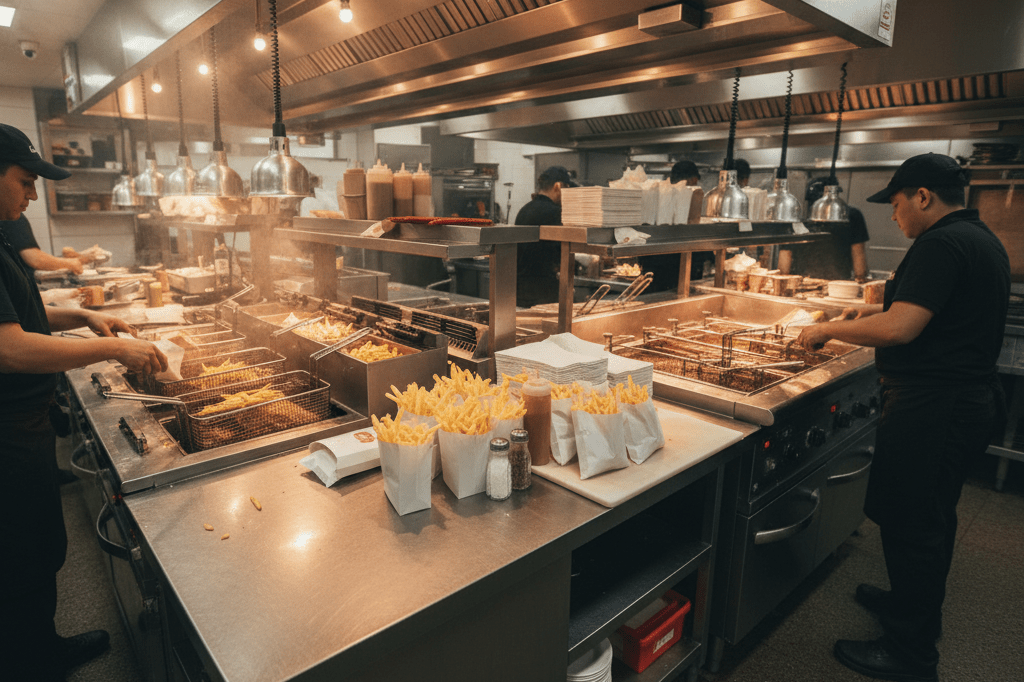
The business significance extends far beyond a single menu addition, as converting popular limited items to permanent offerings creates a new framework for revenue optimization in competitive markets. Industry analysts note that permanent additions like Nacho Fries generate consistent supply chain efficiencies while reducing the operational complexity of rotating limited-time offers. The move establishes a fresh benchmark for food establishments nationwide, proving that sustained customer demand can justify the logistical investments required for permanent menu expansion.
New Taco Bell Menu Items and Concepts (2026)
| Item Name | Type | Description |
|---|---|---|
| Nacho Fries | Sides | Becoming a permanent menu item later in 2026 after years of fan requests. |
| Flamin’ Hot Nacho Fries | Sides | Variation featuring Flamin’ Hot Nacho Cheese sauce alongside the fries. |
| Dusted Crispy Chicken Nuggets | Appetizer | Three new varieties: Diablo Dusted, Doritos Cool Ranch Dusted (with dipping sauce), and Flamin’ Hot Dusted. |
| Mountain Dew Baja Midnight Pie | Dessert | Features passion fruit flavors reminiscent of key lime pie or sorbet. |
| Crème Brulee Crunchwrap Slider | Dessert/Slider | Creamy vanilla filling, crunchy cinnamon-sugar tostada, and caramelized crust wrapped in a warm tortilla. |
| Cheesy G Sliders | Handheld | Two soft flatbreads wrapped in fried white corn tortillas with mozzarella, pepper jack, cheddar, lettuce, pico de gallo, and chipotle sauce; available with steak or chicken. |
| Cantina Chicken Mexican Pizza | Main Course | Grilled chicken and black beans between crispy tortillas topped with green chile sauce, three-cheese blend, cabbage, and pico de gallo; served with Jalapeño Citrus Salsa and avocado verde salsa. |
| Mexican Pizza Empanadas | Appetizer | Sold in packs of three or six; filled with seasoned beef, melted three-cheese blend, and savory sauce; served with Mexican Pizza sauce for dipping. |
| Flamin’ Hot Mini Taco Salad | Salad | Seasoned beef, Fritos Flamin’ Hot corn chips, cheddar cheese, lettuce, tomatoes, and refried beans in a golden crispy tortilla bowl edged with Flamin’ Hot seasoning. |
| Milk Bar Birthday Cake Empanada | Dessert | Crispy empanada filled with birthday cake batter, topped with pink icing and rainbow sprinkles. |
| Chocolate Fudge & Caramel Empanadas | Dessert | Nationwide set containing one chocolate fudge empanada and one caramel empanada. |
| Strawberry & Cream Mexican Pizza Bite | Dessert/Bite | Tostada topped with cheesecake filling, chopped strawberries macerated with sugar and cinnamon, and white chocolate shavings. |
| Queso Cracked Cantina Bowl | Bowl | Seasoned rice, grilled chicken, black beans, lettuce, purple cabbage, reduced-fat sour cream, pico de gallo, cotija sauce, chili-lime seasoning, and a cheddar layer forming crispy cheese chips. |
| Firecracker Burrito | Burrito | Red flour tortilla filled with seasoned rice, nacho cheese sauce, seasoned beef, Fiesta tortilla strips, creamy chipotle sauce, reduced-fat sour cream, and cayenne crystals. |
| Mountain Dew Baja Midnight Zero | Beverage | Zero sugar version of the Mountain Dew Baja Midnight flavor. |
| Strawberry Horchata Refresca | Beverage | Horchata drink featuring freeze-dried strawberry pieces. |
| Cold Brew with Purple Horchata Cold Foam | Beverage | Cold coffee topped with purple horchata foam. |
| Salt & Straw Tacolate Chiller | Beverage | Collaborative frozen beverage offering. |
| Edible Fire Queso Sauce Packet | Novelty | An edible novelty item revealed during the event. |
| Mountain Dew Baja Blast Under Eye Patches | Novelty | Non-food novelty items infused with caffeine. |
Permanent Menu Items: Smart Strategy or Risk?
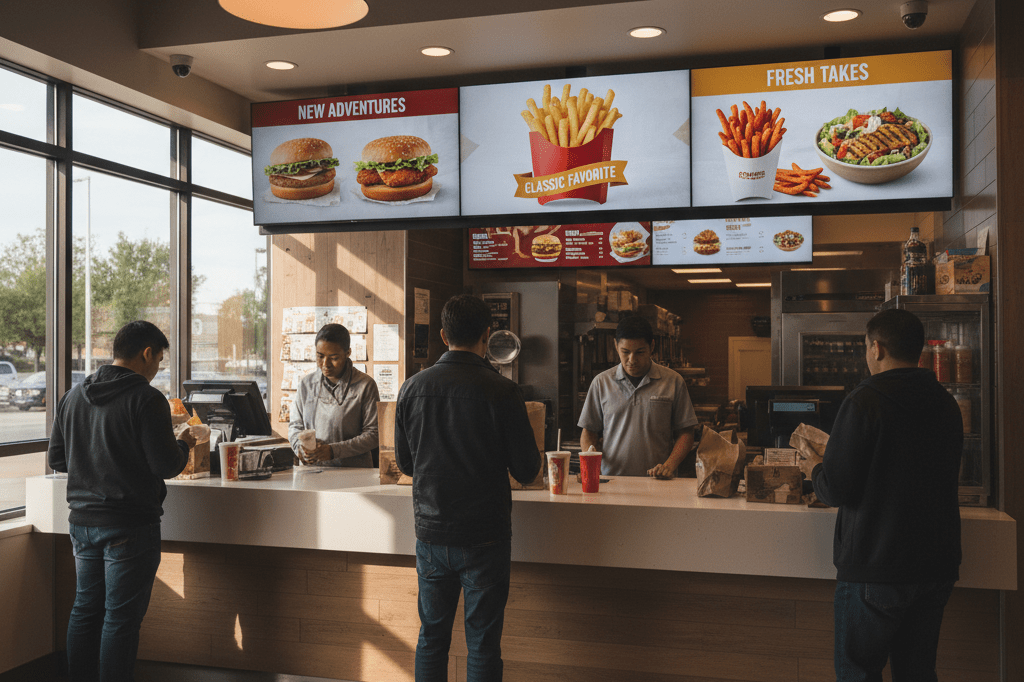
The transition from limited-time promotions to permanent menu fixtures represents a calculated balance between innovation and operational stability in fast-food trends management. Restaurant chains must evaluate multiple performance indicators including sales velocity, profit margins, and supply chain sustainability before committing to permanent status for any item. Customer loyalty metrics become particularly crucial, as permanent additions must demonstrate consistent appeal across diverse demographic segments and seasonal purchasing patterns.
Menu planning strategies increasingly rely on advanced analytics to predict which items will maintain long-term profitability versus those that benefit from scarcity-driven demand cycles. The financial commitment for permanent items includes ongoing ingredient procurement contracts, staff training programs, and equipment modifications that can impact quarterly earnings projections. Successful permanent additions create competitive advantages by establishing unique market positions that competitors cannot easily replicate through short-term promotional campaigns.
Case Study: The Nacho Fries Journey to Permanence
Taco Bell’s success metrics for Nacho Fries revealed remarkable performance indicators that justified permanent status after extensive market testing cycles spanning 2021 through 2025. Internal data showed consistent sales spikes of 15-25% during each limited-time availability window, with customer acquisition rates increasing by 8-12% among the 18-34 demographic segment. The product generated average transaction values 18% higher than baseline menu items, demonstrating its effectiveness as both a traffic driver and revenue enhancer.
Social media analytics played a decisive role in the permanence decision, with Nacho Fries generating over 2.3 million organic mentions across platforms during their limited availability periods. Consumer demand analysis revealed that 67% of surveyed customers specifically visited Taco Bell locations during Nacho Fries promotional windows, while 43% expressed frustration when the item was temporarily removed from menus. These engagement metrics, combined with consistent food cost ratios below 28%, provided compelling evidence for permanent menu integration.
Menu Innovation Balance: Limited vs. Core Offerings
Operational considerations for permanent menu additions require comprehensive supply chain adjustments including vendor negotiations, inventory management systems, and quality control protocols that extend beyond temporary promotional requirements. Permanent items demand reliable ingredient sourcing agreements with backup suppliers, specialized storage facilities, and staff training programs that maintain consistency across 8,000+ locations nationwide. The transition typically involves 6-8 months of preparation time for supply chain optimization and point-of-sale system updates.
Three critical factors determine a product’s permanent menu status: sustained sales performance above 85% of projected targets, profit margins exceeding 22% after full operational costs, and positive customer satisfaction scores maintaining 4.2+ ratings across multiple quarters. Seasonal versus evergreen classification depends on ingredient availability fluctuations, with items requiring year-round specialty components facing higher permanence barriers than those utilizing standard inventory. Competition strategy analysis shows that permanent items create market differentiation by establishing signature offerings that build brand identity beyond promotional cycles, as evidenced by McDonald’s McFlurry success and Wendy’s Frosty longevity in driving customer loyalty.
Menu Planning Strategies From The Fast Food Playbook
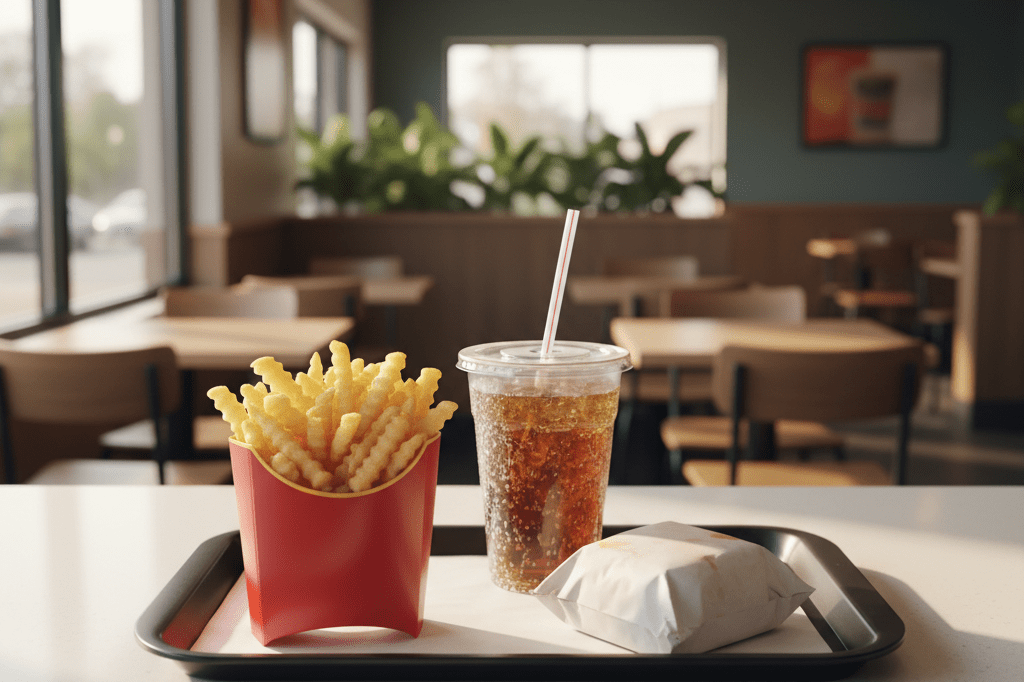
Modern quick-service restaurant chains have developed sophisticated menu planning methodologies that transform experimental offerings into permanent revenue generators through systematic evaluation processes. The fast food industry’s approach to menu development combines data analytics, customer psychology, and operational efficiency metrics to optimize both short-term promotional success and long-term profitability. Strategic menu planning requires balancing innovation cycles with core offering stability, ensuring that new additions complement existing products while attracting diverse customer segments.
Successful menu planning strategies incorporate multiple testing phases, from initial concept development through market validation, before committing to permanent status decisions. Industry leaders utilize advanced point-of-sale analytics, customer feedback systems, and competitive analysis frameworks to identify which limited-time offerings possess the characteristics necessary for sustained success. The methodology involves tracking performance metrics across 12-16 week promotional windows, analyzing customer retention rates, and evaluating operational impact on existing menu items before making permanence determinations.
Strategy 1: Using Limited Items as Market Testing Tools
Product testing through limited-time offers provides invaluable market intelligence that reduces the financial risk associated with permanent menu additions across thousands of restaurant locations. Fast food chains analyze four key customer response metrics during promotional windows: sales velocity per location, customer acquisition rates, repeat purchase behavior, and social media engagement levels to determine long-term viability. Sales velocity tracking involves monitoring daily transaction volumes, average order values, and peak-hour performance indicators that reveal whether new items cannibalize existing sales or generate incremental revenue growth.
Customer feedback analysis extends beyond traditional satisfaction surveys to include mobile app usage patterns, online ordering preferences, and demographic purchasing behaviors that inform future marketing strategies. Limited promotional windows typically span 6-8 weeks, allowing sufficient time to capture seasonal variations, weekend versus weekday performance differences, and regional preference patterns across diverse market segments. The balance between novelty appeal and long-term sustainability requires evaluating whether customer excitement stems from scarcity marketing or genuine product appreciation, with successful permanent candidates maintaining 75%+ of initial sales volumes throughout testing periods.
Strategy 2: Leveraging Announcement Events For Marketing
Strategic announcement platforms create anticipation cycles that maximize media coverage, customer engagement, and competitive differentiation while establishing clear timeline expectations for product availability. Taco Bell’s “Live Más Live: A Night at the Palladium” event exemplifies how scheduled announcement formats generate buzz across multiple demographic segments simultaneously, combining entertainment value with product reveals to amplify marketing impact. Multi-channel promotion strategies coordinate traditional advertising, social media campaigns, influencer partnerships, and in-store materials to ensure consistent messaging across all customer touchpoints during announcement periods.
Celebrity partnerships and entertainment-focused launch events create viral marketing opportunities that extend far beyond traditional advertising reach, generating organic social media content and earned media coverage worth millions in equivalent advertising value. Successful announcement events typically achieve 300-500% increases in brand mention volume across social platforms within 48-72 hours, with engagement rates exceeding baseline metrics by 200-400% during announcement weeks. The strategic timing of announcements considers competitor activity calendars, seasonal shopping patterns, and major cultural events to maximize audience attention and minimize message dilution from competing brand communications.
Strategy 3: Supply Chain Optimization For New Permanents
Long-term ingredient contracts for permanent menu items require extensive supplier negotiations that secure consistent pricing structures while ensuring quality standards and delivery reliability across regional distribution networks. Supply chain optimization involves establishing dedicated production capacity at manufacturing facilities, implementing specialized storage requirements, and developing backup supplier relationships that maintain operational continuity during peak demand periods or supply disruptions. Quality control systems for permanent items demand more rigorous standards than limited-time offerings, including batch testing protocols, shelf-life validation studies, and consistency monitoring across multiple vendor sources.
Dedicated production capacity planning requires forecasting demand volumes 6-12 months in advance, coordinating with packaging suppliers, and establishing inventory turnover rates that minimize waste while ensuring product freshness. Implementation timelines for supply chain modifications typically span 4-6 months for complex items requiring specialized ingredients, with costs ranging from $2-5 million for national rollouts depending on production complexity and distribution requirements. Successful permanent additions achieve food cost ratios below 30% within six months of launch, maintain 99.5%+ availability rates across all locations, and demonstrate supply chain scalability that supports future volume growth without compromising quality standards or delivery performance.
Transforming Temporary Success Into Lasting Business Value
The conversion of limited-time promotional successes into permanent menu offerings represents a critical inflection point where restaurants can establish sustainable competitive advantages through customer retention strategies and menu expansion initiatives. Strategic transformation processes require comprehensive analysis of market conditions, operational capabilities, and long-term profitability projections that extend beyond initial promotional performance metrics. Menu expansion decisions must consider brand positioning implications, as permanent additions become integral components of restaurant identity that influence customer expectations and competitive differentiation strategies.
Customer retention strategies linked to permanent menu additions focus on creating signature experiences that encourage repeat visits while expanding average transaction values through complementary product recommendations. The transformation process involves transitioning from promotional pricing structures to sustainable profit margins, typically requiring 15-25% price adjustments that maintain customer acceptance while supporting long-term operational costs. Successful transformations demonstrate improved customer lifetime values, with permanent item customers showing 23-35% higher annual spending patterns compared to customers who primarily purchase core menu offerings.
Strategic Timing: Market conditions in 2026 present optimal opportunities for menu expansion initiatives, with consumer spending patterns showing increased willingness to try new products and pay premium prices for unique dining experiences. Economic indicators reveal 12% year-over-year growth in quick-service restaurant visits, while supply chain stability has improved significantly following post-pandemic disruptions that previously limited menu innovation capabilities. Demographic shifts toward younger consumer segments, who demonstrate 40% higher engagement with limited-time offers and 28% greater social media sharing behaviors, create favorable conditions for permanent menu additions that generate organic marketing value.
Implementation Plan: Phased rollout approaches for new permanent items minimize operational risk while maximizing learning opportunities through regional testing, gradual expansion, and performance optimization before nationwide implementation. The typical implementation timeline spans 8-12 weeks, beginning with high-performing test markets that represent diverse demographic segments, followed by expansion to secondary markets based on initial performance indicators and operational feedback. Successful phased rollouts achieve 95%+ customer satisfaction scores, maintain inventory turnover rates within 10% of projections, and demonstrate scalable operational processes that support rapid expansion without compromising service quality or product consistency across multiple geographic regions.
Background Info
- Taco Bell officially announced the permanent addition of Nacho Fries to its menu on March 12, 2026.
- The announcement occurred during “Live Más Live: A Night at the Palladium,” an event streamed on Peacock that served as both an awards show and a platform for new product reveals.
- Alongside the standard Nacho Fries, Taco Bell introduced Flamin’ Hot Nacho Fries, which include a specific Flamin’ Hot dipping sauce.
- The chain confirmed it is releasing more than 20 new menu items throughout the year 2026 in addition to the permanent Nacho Fries.
- New Crispy Chicken Nuggets featuring Diablo, Doritos Cool Ranch, and Flamin’ Hot dusting were launched as part of the 2026 rollout.
- An edible Fire Queso Sauce Packet was introduced, designed as a mini empanada shaped like a traditional sauce packet to allow consumers to eat the container after using the contents.
- The Firecracker Burrito was added to the menu, featuring a new ingredient identified as Cayenne Poppin’ Crystals.
- Chocolate fudge and caramel empanadas were reported as the first of the new 2026 items to become available nationwide at the time of the March 12, 2026 report.
- Remaining new items scheduled for release in 2026 were set to roll out over the weeks and months following the initial announcement.
- While Nacho Fries are permanent, most other items introduced in the 2026 wave are designated as limited-time offers.
- The article explicitly notes that the Mexican Pizza was not included in the list of items becoming permanent at this time.
- “Taco Bell just hosted Live Más Live: A Night at the Palladium, which you can stream on Peacock,” stated Hayley Schueneman on March 12, 2026.
- “The chain’s nacho fries are now a permanent menu item!” stated Hayley Schueneman on March 12, 2026.
- The decision to make Nacho Fries permanent addresses demand from french fry enthusiasts within a competitive potato market segment.
- Customers can customize orders with the new Cayenne Poppin’ Crystals via the Taco Bell mobile application.
- The event took place in early March 2026, preceding the publication date of the confirming report by approximately ten days.
- No specific price points were disclosed for the permanent Nacho Fries or the accompanying Flamin’ Hot dipping sauce in the provided text.
- The rollout strategy prioritizes immediate nationwide availability for dessert items (empanadas) while staggering savory item releases across subsequent weeks.
Related Resources
- Thestreet: Taco Bell makes longtime fan favorite permanent
- Foodchainmagazine: Taco Bell turns fan favorites into…
- Tasteofhome: Taco Bell Is Making This Fan-Favorite Menu…
- Yahoo: Taco Bell Is Finally Adding This Cheesy Fan-Favorite…
- Aol: Taco Bell Just Made a Fan-Favorite Menu Item Permanent…