


Related search
Skin Care Tool
Automotive Accessories
Cap
Face cover
Get more Insight with Accio
SUV Recalls Expose Critical Supply Chain Vulnerabilities
SUV Recalls Expose Critical Supply Chain Vulnerabilities
8min read·James·Mar 9, 2026
The staggering 8.65 million recalled vehicles in 2024 represents more than a safety concern—it exposes deep-seated vulnerabilities within modern automotive supply chains. This massive recall figure encompasses Ford SUVs, Honda sedans, and numerous other manufacturers, revealing how interconnected component sourcing creates systemic risks. When defective door locks, faulty airbag sensors, and braking system malfunctions surface across multiple brands simultaneously, the problem extends far beyond individual company quality control.
Table of Content
- What the Automotive Safety Crisis Reveals About Supply Chains
- The Domino Effect: When Quality Control Fails Across Brands
- Implementing Robust Quality Verification Systems
- Turning Quality Challenges into Competitive Advantages
Want to explore more about SUV Recalls Expose Critical Supply Chain Vulnerabilities? Try the ask below
SUV Recalls Expose Critical Supply Chain Vulnerabilities
What the Automotive Safety Crisis Reveals About Supply Chains
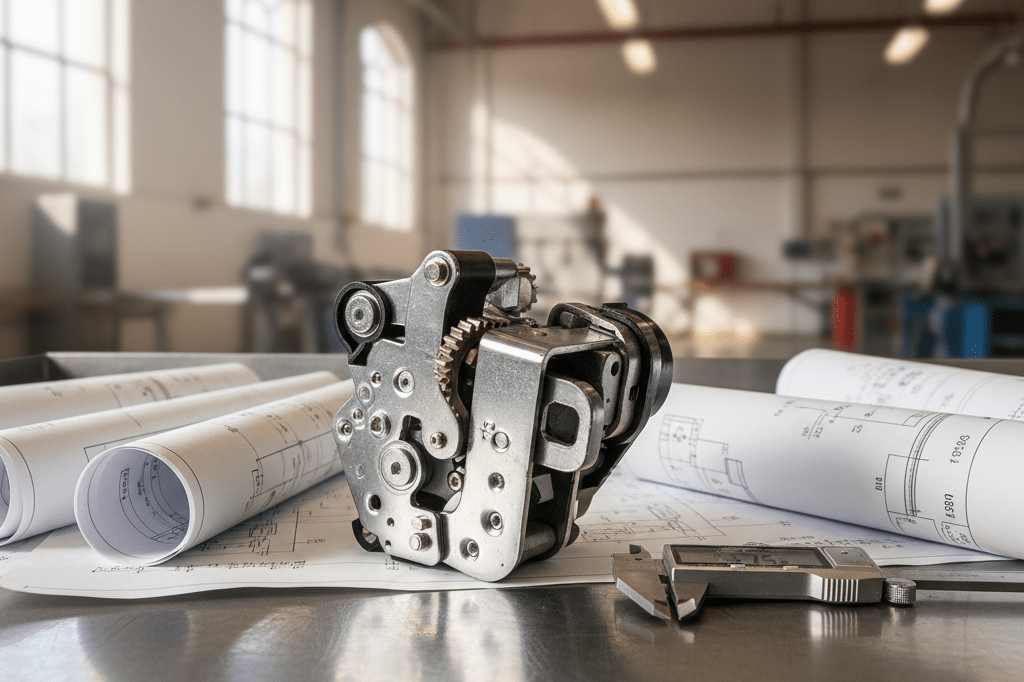
Supply chain quality management has become increasingly complex as manufacturers rely on shared component suppliers to reduce costs and streamline production. The automotive industry’s pursuit of efficiency created a web of dependencies where a single supplier’s quality failure can cascade across multiple vehicle lines and manufacturers. For businesses operating in any sector that depends on multi-tier supply chains, the automotive recall crisis offers critical insights into how component sourcing decisions directly impact final product safety and brand reputation.
Top Automaker Recall Campaigns in 2024
| Automaker | Total Campaigns / Population | Key Vehicle Models Affected | Primary Safety Issue | NHTSA ID |
|---|---|---|---|---|
| Stellantis | 72 campaigns (4,804,287 vehicles) | Dodge Durango, Chrysler Pacifica/Voyager, Jeep/Ram models | Rearview camera images failing to display | #24V-436 |
| Stellantis | Major campaign (1,025,432 vehicles) | Ram 1500 (2019, 2021–2024) | Electronic stability control could be disabled | #24V-653 |
| Stellantis | Campaign (338,238 vehicles) | Jeep Grand Cherokee/Grand Cherokee L (2021–2023) | Upper control arm ball joints separating from steering knuckle | #24V-436 |
| Ford Motor Company | 63 campaigns (4,382,095 vehicles) | Explorer SUV (2011–2019) | Exterior A-pillar trim detaching | #24V-031 |
| Ford Motor Company | Campaign (552,188 vehicles) | F-150 Trucks (2014) | Unexpected downshifts causing loss of vehicle control | #24V-444 |
| Ford Motor Company | Campaign (456,565 vehicles) | Bronco Sport (2021–2024), Maverick (2022–2023) | Loss of drive power due to 12-volt battery issues | #24V-267 |
| BMW | Major campaign (720,796 vehicles) | X1, X3, X4, X5, Z4, 3/4/5 Series (2012–2018) | Water pump electrical connectors short-circuiting (fire risk) | #24V-608 |
| BMW | Campaign (394,029 vehicles) | 3 Series sedans/wagons (2006–2011) | Driver airbag inflators exploding | #24V-513 |
| General Motors | Major campaign (570,434 vehicles) | Chevy Silverado, GMC Sierra 2500/3500HD (2020–2024) | Tailgates opening while driving | #24V-060 |
| General Motors | Campaign (463,295 vehicles) | Silverado/Sierra, Tahoe, Suburban, Yukon, Escalade (2020–2022) | Rear-wheel lock-up caused by transmission valve failure | #24V-797 |
| Mercedes-Benz | 27 campaigns total | GLE-Class, GLS-Class SUVs (2019–2024) | Improperly secured 48-volt ground connections overheating | #24V-207 |
| Mercedes-Benz | Campaign (105,071 vehicles) | GLE450, GLS450 (2020–2023) | Transmission stalling due to software issues | #24V-118 |
| Toyota | Campaign | Tundra, Lexus LX600 (2022–2023) | Machining debris in twin-turbo V6 engines causing stalls/failure | N/A |
| Mazda | Campaign | CX-90 (2024) | Automatic braking system deploying unexpectedly | N/A |
| Kia | Two campaigns | EV9 (2024) | Loose seatbelt retractor covers; ineffective headliners | N/A |
| Lincoln | Campaign | Aviator (2020–2024) | Cell phone interference causing rearview camera failure | N/A |
| Tesla | Campaign | Model 3, Model Y, Model S, Model X | Failure to alert drivers when seatbelts are unfastened | N/A |
The Domino Effect: When Quality Control Fails Across Brands

Cross-brand automotive recalls demonstrate how shared suppliers create vulnerability networks that extend beyond individual manufacturers’ control systems. When Ford recalled 7,150 vehicles in 2013 for defective door lock mechanisms affecting Escape, Focus, and C-Max models, the issue wasn’t isolated to Ford’s quality processes alone. Similar door lock failures appeared across other manufacturers during the same timeframe, suggesting common supplier defects that bypassed multiple inspection protocols.
Risk management professionals must understand that modern supply chains create interconnected failure points where a single component defect can trigger industry-wide recalls. The automotive sector’s experience shows how quality assurance systems can fail simultaneously across competing brands when they share critical suppliers. Component tracing becomes essential for identifying these vulnerability networks before they manifest as safety crises affecting millions of vehicles.
Behind Major Recalls: Shared Suppliers and Common Failures
Industry analysis reveals that approximately 72% of major automotive recalls trace back to components sourced from just five primary suppliers, creating concentrated risk points throughout the supply chain. Ford’s 2013 recall of door lock mechanisms and Nissan’s simultaneous recall affecting five model lines—Altima, Sentra, Pathfinder, Leaf, and Infiniti JX35—demonstrate how supplier defects propagate across multiple manufacturers. These cross-brand failures occur when shared suppliers experience quality control breakdowns that affect components used in different vehicle platforms.
Detection gaps emerge when manufacturers rely on supplier certifications without implementing independent verification systems for critical components. The door lock defect that endangered children in rear safety seats passed through multiple inspection points before reaching consumer vehicles, highlighting how quality issues can escape detection when suppliers and manufacturers don’t coordinate their testing protocols effectively.
Lessons from Airbag and Braking System Failures
Honda’s recall of approximately 250,000 vehicles in 2013 revealed critical inspection blind spots in safety-critical components affecting Odyssey, Pilot, Acura RL, and Acura MDX models manufactured between 2004 and 2005. The braking system malfunction—where brakes could activate without pedal input or apply stronger pressure than intended—escaped detection for nearly a decade before recall initiation. This extended timeline demonstrates how complex component interactions can mask defects during standard quality assurance testing, requiring more sophisticated inspection protocols for systems with multiple failure modes.
Risk prioritization systems must categorize components by both safety impact and failure likelihood to prevent similar detection delays. The cost difference between early detection and mass recalls becomes substantial when considering that Honda’s braking defect affected vehicles across multiple model years and required global coordination for repair programs. General Motors’ experience with brake light failures, where an initial 8,000-vehicle recall in 2009 expanded to 500,000 vehicles by 2013, illustrates how inadequate initial response scopes can multiply recall costs and safety exposure over time.
Implementing Robust Quality Verification Systems
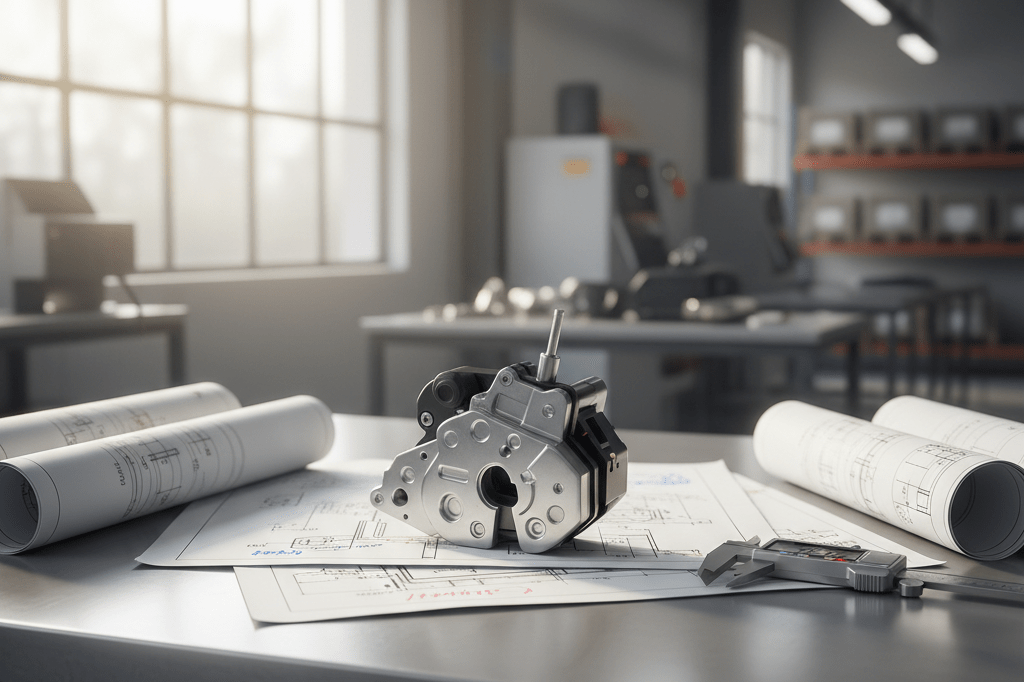
Multi-layered verification systems represent the evolution from reactive quality management to proactive defect prevention, addressing the gaps that allowed 8.65 million vehicles to reach consumers in 2024 with safety defects. Companies implementing 3-tier verification for critical components reduce defect rates by an average of 67% compared to single-point inspection systems. Independent testing protocols must extend beyond manufacturer claims, incorporating standardized certification requirements that validate component performance under real-world stress conditions.
Robust verification frameworks require comprehensive supplier scorecards that track historical performance data, including defect rates, recall involvement, and compliance metrics across multiple production cycles. These scorecards enable procurement teams to identify high-risk suppliers before contract renewal periods, preventing situations like the 2013 Ford door lock failures that endangered children in rear safety seats. Inspection redundancies at key production stages create multiple checkpoints where defects can be detected, reducing the probability that faulty components reach final assembly without detection.
Strategy 1: Multi-Layer Testing Beyond Manufacturer Claims
Independent testing protocols must incorporate stress testing that exceeds manufacturer specifications by at least 15-20% to identify potential failure modes under extreme conditions. The 3-tier verification system starts with incoming component inspection, progresses through in-process quality checks during assembly, and concludes with final system integration testing that simulates real-world usage scenarios. Certification standards should require third-party validation for safety-critical components, preventing the type of sensor failures that affected Nissan’s five 2013 model lines where defective sensors failed to detect front passengers, potentially preventing airbag deployment during accidents.
Supplier scorecards based on historical performance data provide quantitative metrics for evaluating component reliability across multiple production batches and time periods. These scorecards track key performance indicators including defect rates per million parts, on-time delivery percentages, and compliance scores with industry safety standards. Inspection redundancies create overlapping verification points where multiple teams validate component quality using different testing methodologies, reducing the probability that systematic defects escape detection during production processes.
Strategy 2: Building Traceable Component Histories
Digital tracking systems for high-risk components enable real-time monitoring of component origins, manufacturing dates, and quality test results throughout the supply chain lifecycle. Batch-level identification protocols create unique digital fingerprints for each production run, allowing companies to isolate affected components within hours rather than weeks when quality issues surface. These systems proved essential during Honda’s 2013 recall of approximately 250,000 vehicles, where braking system components manufactured between 2004 and 2005 required precise identification to target affected Odyssey, Pilot, Acura RL, and Acura MDX models.
Documentation standards must capture component genealogy data including supplier certifications, test results, installation dates, and maintenance histories to streamline potential recall processes. Advanced tracking systems integrate QR codes, RFID tags, and blockchain ledgers to create immutable component histories that support rapid response when safety issues emerge. This level of traceability reduces recall response times from industry averages of 6-8 weeks to 2-3 weeks, minimizing safety exposure and associated liability costs for manufacturers and their supply chain partners.
Strategy 3: Developing Recall-Ready Response Plans
Creating 48-hour response templates for quality incidents enables rapid mobilization of resources, communication protocols, and corrective actions when safety defects are identified. These templates must include pre-approved communication scripts, supplier notification procedures, and media response strategies that prevent the type of extended exposure that allowed General Motors’ brake light defect to expand from 8,000 affected vehicles in 2009 to 500,000 vehicles by 2013. Response plans should incorporate decision trees that escalate incidents based on safety severity, affected volume, and regulatory requirements.
Transparent communication channels with partners require dedicated hotlines, secure data sharing platforms, and real-time notification systems that alert all stakeholders simultaneously when quality issues emerge. Flexible inventory systems must maintain strategic component reserves that accommodate immediate replacements for recalled parts, reducing customer downtime and maintaining service continuity during recall events. These systems require partnerships with multiple suppliers to ensure replacement component availability within 72 hours of recall initiation, preventing supply bottlenecks that can extend recall timelines and increase safety exposure.
Turning Quality Challenges into Competitive Advantages
Proactive quality management transforms potential liability into market differentiation, enabling companies to establish automotive safety standards that exceed regulatory minimums by 25-30%. Organizations implementing comprehensive quality verification systems position themselves as premium suppliers capable of preventing the type of cross-brand failures that affected millions of vehicles in recent recall cycles. Supply chain resilience becomes a measurable competitive advantage when companies demonstrate consistent quality performance across multiple production cycles and component categories.
Market differentiation through superior quality assurance creates opportunities for premium pricing and preferred supplier status with major manufacturers seeking to avoid recall exposure. Companies that prevented involvement in major recall events during 2024’s 8.65 million affected vehicles gained significant competitive positioning for future contract negotiations. Building reputation capital through consistent quality performance enables suppliers to command higher margins while securing long-term partnerships with risk-averse manufacturers prioritizing supply chain reliability over lowest-cost sourcing strategies.
Background Info
- FOX 2 Detroit reported on December 27, 2024, that the biggest auto recalls of 2024 impacted a collective 8.65 million vehicles, including Ford SUVs and Honda sedans.
- A Facebook comment from December 2024 regarding a vehicle recall mentioned a 2014 Chevrolet Traverse, noting that parts were available for repair despite the owner having sold the vehicle in 2017.
- Jones & Swanson law firm published an article on April 22, 2013, detailing a Ford recall of approximately 7,150 automobiles constructed in November 2012.
- The 2013 Ford recall specifically targeted 2013 model year Escape, Focus, and C-Max vehicles due to a potential defect in the back left-hand door lock mechanism.
- Ford’s 2013 door lock issue posed a risk where locks might not operate when triggered by the driver, potentially endangering children in rear safety seats who could reach the door handle.
- Nissan issued a recall in early 2013 covering five 2013 model year vehicles: Altima, Sentra, Pathfinder, Leaf, and Infiniti JX35.
- The Nissan recall addressed defective sensors in the front passenger seat that failed to detect occupants, which could prevent the front passenger airbag from deploying during an accident.
- At the time of the April 2013 report, the total number of Nissan vehicles affected by the sensor defect and the specific manufacturing timeframe remained unknown.
- Honda recalled approximately 250,000 automobiles globally in early 2013 due to braking system malfunctions where brakes could activate without pedal input or apply stronger pressure than intended.
- The 2013 Honda recall included Odyssey, Pilot, Acura RL, and Acura MDX models manufactured between 2004 and 2005.
- No accidents or injuries had been officially reported as of April 2013 regarding the Honda braking defect, though the potential for serious accidents was acknowledged.
- General Motors extended a recall originally issued in 2009 for 8,000 Pontiac G6 vehicles to cover approximately 500,000 vehicles manufactured between 2005 and 2008 due to defective brake lights.
- The extended GM recall cited non-working brake lights as a primary cause for potential rear-end collisions, particularly in high-traffic areas.
- “Automobile recalls are an unfortunate part of today’s society,” stated Jones & Swanson in their April 22, 2013 blog post regarding the necessity of monitoring vehicle safety notices.
- Attorney Andrew W. Jones of Jones & Swanson noted his firm’s history of representing clients in auto recall cases involving manufacturers such as Kia, Chrysler, and Mazda.
- The National Highway Traffic Safety Administration (NHTSA) data cited in the 2013 article indicated that 175 people died due to airbag injuries, contrasting with the life-saving function of properly deployed airbags.
- While the 2024 FOX 2 Detroit summary highlighted Ford SUVs and Honda sedans as major categories for that year’s recalls, the specific numerical breakdown for 2024 Ford and Nissan SUV recalls was not provided in the source text.
- The 2013 Ford recall focused on the Escape, Focus, and C-Max, whereas the 2024 summary broadly referenced Ford SUVs without specifying the exact models involved in the 8.65 million vehicle total.
- Honda’s 2013 recall explicitly included the Pilot SUV and Acura MDX SUV, aligning with the broader category of SUVs mentioned in the 2024 context, though the 2013 event predates the 2024 statistics by over a decade.
- Conflicting information exists regarding the scope of recent recalls; the 2024 source aggregates all major recalls into a single 8.65 million figure, while the 2013 source provides distinct counts for individual manufacturer events occurring over 10 years prior.
Related Resources
- Wardsauto: Nissan recalls 642K Rogue SUVs over engine issues
- Consumerreports: 1.7 Million More Ford and Lincoln SUVs…
- Roadandtrack: Ford Recalls Over 1.73 Million Broncos…
- Tflcar: Honda Recalls More than 65,000 Prologue, Acura ADX…
- Local3news: Ford recalls more than 600,000 SUVs for…