


Related search
Manufacturing Machine
Industry Equipment
Chargers
Lamp LED
Get more Insight with Accio
Stockpile Inventory Software: Best Tools for Businesses in 2026
Stockpile Inventory Software: Best Tools for Businesses in 2026
5min read·Daniel Mutua·Mar 9, 2026
Maintaining a reliable stockpile is an important strategy in modern supply chains, which ensures that a business can continue operating even if an unexpected event disrupts its normal operations. For small businesses, there is a need to keep a controlled stock of critical items to guarantee that their customers can receive their orders in time and ensure the smoothness of their operations.
Thanks to digital software and the availability of online inventory management tools, it has become even easier for business owners to track goods and maintain accurate data. Through these systems, companies are able to organize their inventory based on categories, manage orders, and generate detailed reports. This article will therefore explain how stockpile inventory management works. It will also discuss what features to look for in inventory software and the best way a small business owner can manage a stockpile efficiently. Let’s get started.
Table of Contents
- Understanding stockpile inventory in business operations
- Key guidelines for selecting inventory management software
- Top stockpile inventory software and tools
- Key features to look for in a stockpile inventory software
- Conclusion
Want to explore more about Stockpile Inventory Software: Best Tools for Businesses in 2026? Try the ask below
Stockpile Inventory Software: Best Tools for Businesses in 2026
1. Understanding stockpile inventory in business operations

1.1 What is stockpile inventory?
A stockpile inventory is referred to as a reserve of stock that a company stores to ensure that its operations are always stable. Business owners keep extra material and products available so that they can continue operating even when supply chains are disrupted. In a manufacturing environment, a stockpile can consist of raw materials that are used in the production process.
Retailers and distributors also maintain stockpiles. This is to ensure that customer orders can be fulfilled in a quick manner. Businesses, therefore, need to have a properly organized inventory, which helps them know what items are available as well as how much stock is remaining.
1.2 Why inventory management matters
Effective inventory management helps companies to avoid overstocking or running out of important goods. When managers have an accurate measurement of inventory levels, they are able to plan for their purchasing schedules more effectively.
Another role of inventory management is to allow business owners to analyze sales patterns. They can review data from previous months and identify trends, and then use the findings to determine the product categories that are in high demand. Through these insights, managers can prepare for the next time they place a purchase order.
1.3 Different types of inventories that businesses track
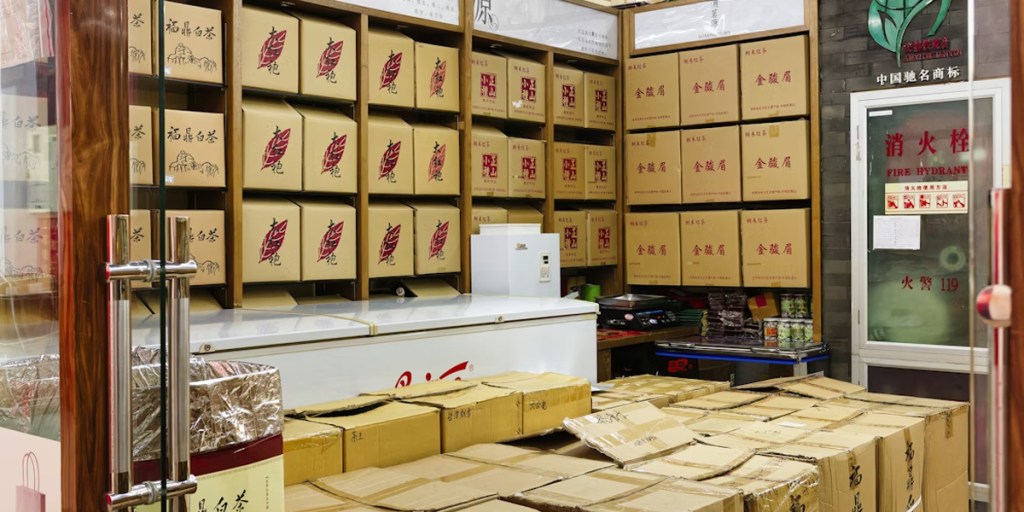
There are several types of inventories that businesses track as part of their operations. These include raw materials that are used in manufacturing, work-in-progress materials moving through the production process, and finished goods that are ready for sale. Maintenance and operational supplies are also another type of inventory that is tracked.
2. Key guidelines for selecting inventory management software
2.1 Understand your business needs

A key aspect to consider before selecting an inventory management software is for businesses to understand their needs. Since many small businesses manage a limited number of items, they can make a simple list of products that will be sufficient in the early stages.
However, as operations grow, it can become a challenge to track inventory levels manually. To solve this issue, businesses can use digital tools to help them organize items into clear categories and monitor stock more efficiently.
2.2 Tracking perishable or time-sensitive products
Some businesses, especially those that deal with food, must track expiration dates carefully. Therefore, they need to enter accurate records to ensure that older stock is used before newer deliveries. Through an online stockpile inventory management app, staff can make updates to product information quickly as well as monitor expiration dates in real time. In the end, businesses are able to prevent waste and ensure that their products are of good quality.
2.3 Multi-user access and security
As a company grows, records of inventory may need to be updated by multiple employees. Therefore, businesses may need to use modern software whereby several base users are able to work within the same account.
Each employee receives a secure login that they can use to access inventory data while keeping the system protected. Thanks to this structure, managers and warehouse staff can collaborate effectively without losing control of the information.
3. Top stockpile inventory software and tools

3.1 Online inventory management platforms
Among the most widely used platforms is Zoho Inventory, which is designed for small businesses that need a simple online inventory management system. It allows businesses to do tasks like tracking stock, managing orders, and generating reports. The Zoho Inventory platform is also able to integrate with accounting tools such as QuickBooks.
Another tool that helps businesses manage inventory and record sales across multiple sales channels is TradeGecko. It features real-time inventory tracking capabilities and can integrate with ecommerce platforms and accounting software.
3.2 Inventory tools for manufacturing and warehousing
For manufacturers, most of the time, inventory tracking involves monitoring raw materials as they move through the production process. In these environments, they can use specialized inventory management tools such as Fishbowl Inventory to track goods across warehouses and production facilities. Business owners can also integrate it with QuickBooks, which makes the platform popular among small businesses.
Another useful platform that can be used by manufacturers and warehouse managers is Odoo Inventory.
3.3 Spreadsheet and basic inventory tools
Some business owners start by using spreadsheets as a basic tool to manage their inventory. They can use programs such as Google Sheets or Excel to create simple lists of items, track inventory levels, and organize product categories. However, spreadsheets require teams to manually update them, which can be daunting once the number of items grows.
4. Key features to look for in a stockpile inventory software
4.1 Real-time inventory tracking
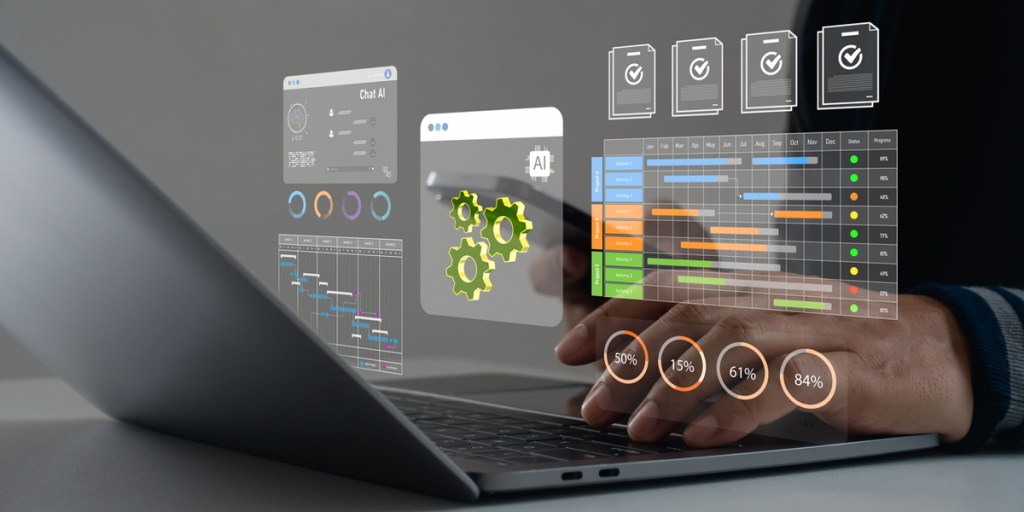
Businesses should choose an inventory management system that is reliable and updates inventory levels in real time. When a product gets sold or delivered, the software should be able to update the record automatically. This function is crucial as it helps managers ensure that accurate information is always available when they are processing the next order.
4.2 Automated alerts and reorder notifications
The software should also be able to allow users to set alerts when the stock falls below a certain level. This ensures that business owners can receive a notification before the stockpile becomes too low.
4.3 Reporting and data analysis
For businesses to analyze their performance and identify trends, they need to have detailed reports. That said, the software should allow managers to review their sales history, compare their inventory levels, and monitor the movement of specific items. When companies have these insights available in their stockpile inventory management tool, they can optimize their purchasing strategy and avoid building an unnecessary stockpile of unused items.
Conclusion
Maintaining an organized stockpile inventory is an essential part of running a successful business. Whether a company stores raw materials, finished goods, or perishable food, effective inventory management helps ensure operations run smoothly. With the right software or online inventory management system, small businesses can track items, monitor inventory levels, and keep accurate data across multiple locations. These tools allow team members and business owners to access important information through a secure account and login, generate useful reports, and manage stock in real time, saving valuable time in daily operations.
At the same time, strong stockpile inventory management also depends on reliable sourcing when it is time to replenish stock or place the next order. This is where platforms like Accio, an AI-powered sourcing solution, can provide additional support. By helping small business owners discover suppliers, compare product options, and analyze sourcing data, Accio complements inventory tools and makes it easier to maintain consistent inventory levels while keeping supply chains efficient.