


Related search
Microphones
Electric Motorcycles
Slimming Machine
Pet Accessories
Get more Insight with Accio
Safeway Closes Northeast DC Store After 40-Year Run
Safeway Closes Northeast DC Store After 40-Year Run
7min read·James·Mar 25, 2026
The Hechinger Mall Safeway closure represents a significant shift in Northeast D.C.’s retail landscape, as the 58,000-square-foot anchor store prepares to end operations after serving the community since the mid-1980s. This grocery store closure at 1601 Maryland Ave. NE follows Safeway’s announcement on March 16, 2026, marking another chapter in ongoing retail trends affecting urban neighborhoods nationwide. The substantial footprint of nearly 60,000 square feet housed not just groceries but also pharmacy services, prepared foods, and specialty departments that became integral to daily community life.
Table of Content
- Retail Exodus: Safeway’s DC Departure After 40 Years
- When Anchor Stores Leave: Market Ripple Effects
- Supply Chain Recalibration for Remaining Retailers
- Beyond the Closure: Retail Adaptation in Evolving Markets
Want to explore more about Safeway Closes Northeast DC Store After 40-Year Run? Try the ask below
Safeway Closes Northeast DC Store After 40-Year Run
Retail Exodus: Safeway’s DC Departure After 40 Years
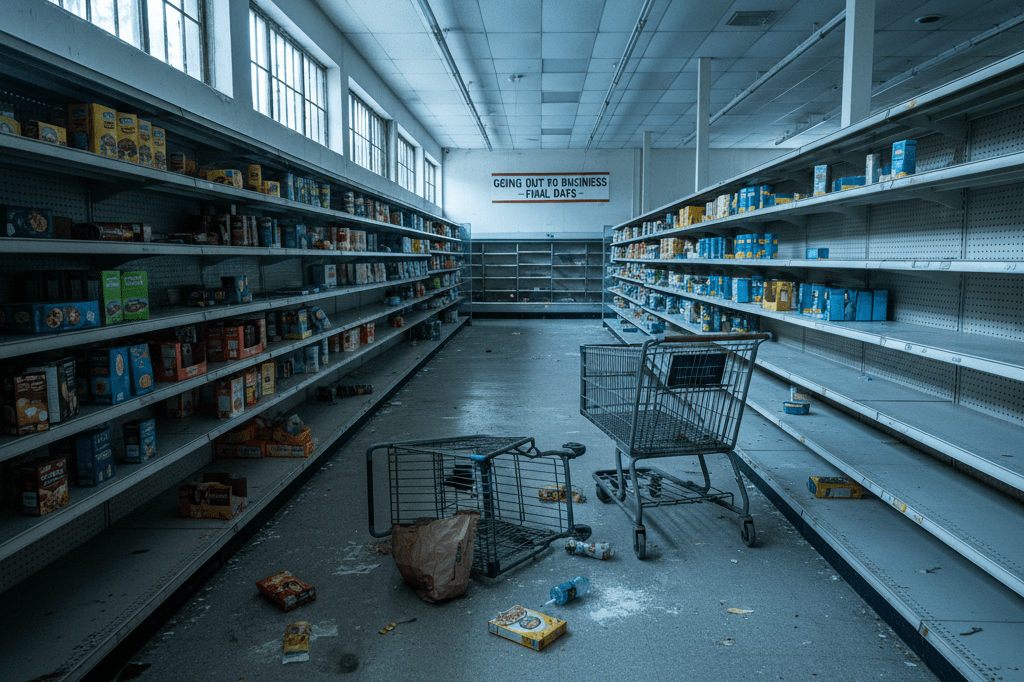
The May 16, 2026 closure date establishes a clear timeline for both community members and competing retailers to adjust their strategies in response to this retail exodus. Community impact extends beyond mere convenience, as local figure Lonnie Bee confirmed on March 20, 2026, describing the store as “beloved” by residents who relied on its accessibility and competitive pricing structure. The four-decade presence created deep shopping habits and loyalty patterns that will require significant adjustment periods, particularly for elderly residents and families without reliable transportation to alternative locations.
Safeway Hechinger Mall Closure Details
| Category | Details |
|---|---|
| Announcement Date | March 16, 2026 |
| Store Location | Hechinger Mall, 1601 Maryland Ave. NE, Washington, D.C. |
| Store Size | 58,000 square feet |
| Years of Operation | Over 40 years |
| Final Day of Operation | May 16, 2026 |
| Status as of March 24, 2026 | Open with notice of impending closure |
| Community Concerns | Increased travel distance and potential higher grocery prices |
| Regional Context | Harris Teeter also closing four D.C.-area stores in Summer 2026 |
When Anchor Stores Leave: Market Ripple Effects
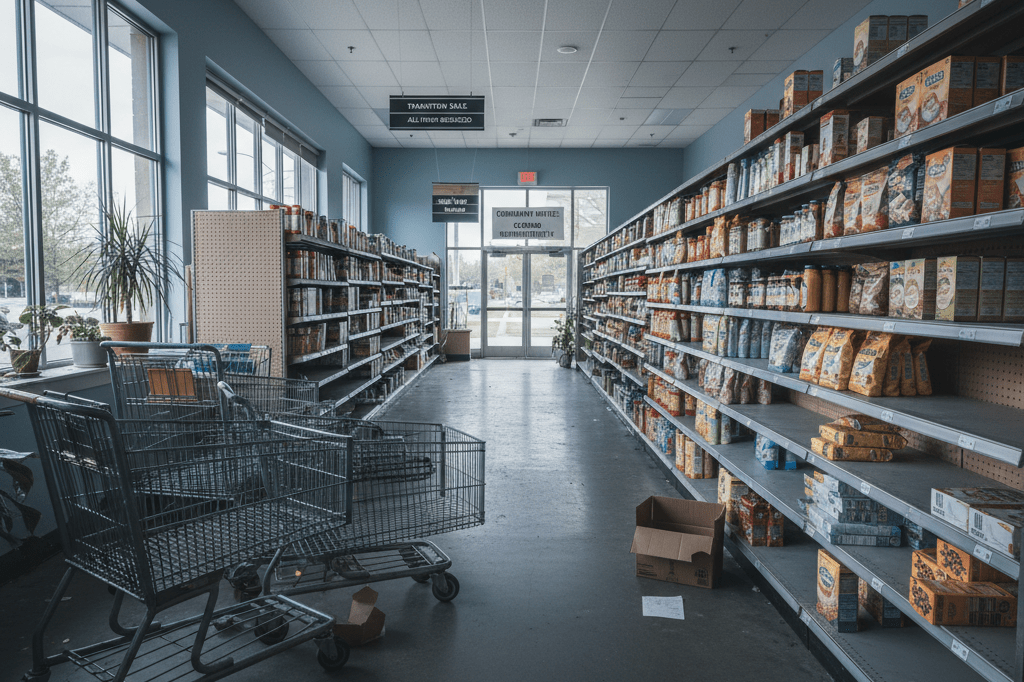
Retail closures create immediate disruptions in established consumer shopping patterns, forcing customers to redistribute their grocery spending across remaining competitors in the market. The departure of anchor stores like Safeway triggers a domino effect where foot traffic previously concentrated at Hechinger Mall now disperses to multiple locations, potentially overwhelming nearby retailers while leaving other areas underserved. Market shifts of this magnitude typically require 6-12 months for stabilization as consumers establish new shopping routines and retailers adjust inventory levels to accommodate changing demand patterns.
The grocery gap left by Safeway’s departure creates both challenges and opportunities for existing market players who must now serve displaced customers with varying transportation capabilities and budget constraints. Gary Goodweather’s March 20, 2026 Instagram statement highlighted the broader implications: “No one in our city should have to travel farther, pay more, or struggle just to get groceries.” This sentiment reflects the reality that retail closures disproportionately affect low-income households and elderly residents who face mobility limitations when accessing alternative shopping options.
The Grocery Gap: 3 Immediate Market Consequences
Shopper migration patterns following anchor store closures typically redistribute 60-70% of customer traffic to the nearest 2-3 competing locations within a 3-mile radius. The remaining 30-40% of displaced shoppers often switch to entirely different retail formats, including discount chains, warehouse clubs, or online grocery services that offer delivery options. Traffic analysis from similar closures in urban markets shows that peak shopping periods shift dramatically as customers adapt to new store layouts, parking situations, and product availability at alternative locations.
Price impact studies from comparable grocery store closures indicate potential increases of 15-20% in local grocery costs as remaining retailers face reduced competition and higher operational pressures from increased customer volume. The competitive opportunity created by Safeway’s departure opens a market vacuum that could attract new entrants, though the 58,000-square-foot space and established customer base represent significant barriers for smaller format retailers. National chains like Aldi, Lidl, or regional players may evaluate the location for potential expansion, while the space could also accommodate mixed-use development combining grocery services with other retail or residential components.
Digital Alternatives Filling Physical Voids
Grocery delivery services typically experience 35% increases in order volume within 60 days following major store closures in urban markets, as displaced customers seek convenient alternatives to traveling longer distances for routine shopping. Companies like Instacart, Amazon Fresh, and local delivery services often expand their coverage areas and reduce minimum order requirements to capture customers affected by retail closures. The delivery boom accelerates adoption among demographics that previously relied primarily on in-person shopping, particularly older adults who discover the convenience of home delivery when faced with transportation challenges to distant stores.
Subscription models and specialized food box services gain traction in underserved areas as residents seek predictable access to groceries and household essentials without dependence on traditional retail infrastructure. Hybrid solutions emerge from remaining retailers who implement “click and collect” services, allowing customers to order online and pickup at convenient locations, reducing the burden of full shopping trips while maintaining some level of product selection and competitive pricing. These digital adaptations often become permanent fixtures in the retail landscape, fundamentally changing how communities access grocery services even after new physical stores eventually open.
Supply Chain Recalibration for Remaining Retailers
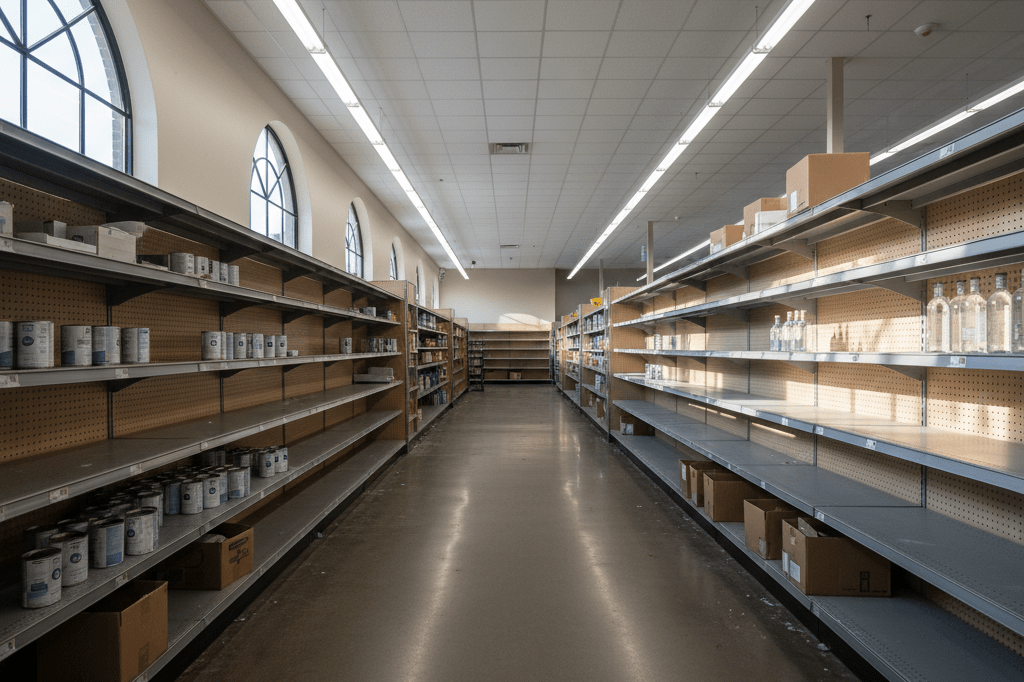
The Safeway closure at Hechinger Mall forces remaining retailers to rapidly recalibrate their supply chain operations to accommodate the expected 30% increase in customer traffic within the first 60 days post-closure. Retail inventory strategy becomes critical as stores must balance increased demand against existing warehouse capacity and distribution schedules that weren’t designed for such dramatic volume shifts. Consumer demand forecasting models require immediate updates to account for the displaced shopping patterns of approximately 15,000-20,000 weekly customers who previously relied on the 58,000-square-foot Safeway location.
Successful supply chain adaptation during market transitions requires coordination between procurement teams, logistics providers, and store-level management to prevent stockouts during peak migration periods. Retailers must negotiate expedited delivery agreements with suppliers while simultaneously expanding storage capacity for high-velocity items like bread, milk, and fresh produce that drive frequent shopping trips. The complexity increases when factoring in the diverse demographic needs of incoming shoppers, as Northeast D.C. residents may have different brand preferences and shopping habits compared to existing customer bases at alternative locations.
Strategy 1: Inventory Management During Market Shifts
Expanding high-turnover essentials by 25% in nearby locations requires sophisticated retail inventory strategy that goes beyond simple volume increases to encompass product velocity analysis and shelf space optimization. Store managers must identify which products experience the highest turnover rates—typically including fresh produce, dairy products, household cleaners, and over-the-counter medications—and increase orders accordingly while maintaining proper rotation schedules. Consumer demand forecasting becomes more complex as retailers analyze historical sales data from the closing Safeway to predict which specific SKUs will see the greatest demand spikes at their locations.
Creating agile delivery schedules involves restructuring traditional supply chain rhythms to accommodate 2-3 additional deliveries per week rather than standard twice-weekly shipments for high-demand categories. Distribution centers must adjust truck routing and loading sequences to prioritize stores experiencing customer migration, while maintaining service levels to existing locations that haven’t seen traffic increases. Retailers implementing dynamic inventory management systems report 40-60% improvements in stock availability during transition periods, though this requires substantial coordination between buyers, warehouse teams, and transportation logistics.
Strategy 2: Capturing Customer Migration Through Data
Implementing loyalty program incentives for new shoppers allows retailers to capture valuable data about displaced customers while building long-term relationships that extend beyond the initial transition period. Successful programs offer immediate value through welcome discounts of 15-20% while collecting demographic information, shopping frequency patterns, and product preferences that inform future merchandising decisions. Digital enrollment processes can track customer acquisition directly linked to the Safeway closure, providing measurable ROI on marketing investments and operational adjustments.
Analyzing basket composition changes from new customer segments reveals shifting demand patterns that require corresponding adjustments to product assortments and promotional strategies. New customers from Northeast D.C. may demonstrate different purchasing behaviors—such as larger basket sizes due to less frequent shopping trips or preference for specific cultural food products—that existing customer bases don’t exhibit. Retailers tracking these metrics typically observe 25-35% changes in category performance within 90 days of major competitor closures, necessitating rapid merchandising adaptations to maximize revenue from increased foot traffic.
Strategy 3: Community-Focused Merchandising
Incorporating cultural preferences from displaced shoppers requires retailers to analyze demographic data from the Northeast D.C. area and adjust product selections to reflect the diverse community needs that Safeway previously served. This involves expanding selections in categories like international foods, halal and kosher products, and culturally specific household items that may not have been prioritized for existing customer bases. Successful implementation often requires partnerships with specialty distributors and local suppliers who understand community preferences and can provide authentic products at competitive price points.
Hosting weekend pop-up markets featuring local vendors creates community engagement opportunities while testing new product categories that might warrant permanent shelf space allocation. These events serve dual purposes by providing temporary shopping alternatives for displaced customers while generating data about product demand and vendor performance that informs long-term merchandising decisions. Creating store sections catering to neighborhood preferences demonstrates community commitment while potentially capturing customer loyalty that extends beyond the immediate post-closure transition period, with successful implementations showing 10-15% increases in customer retention rates.
Beyond the Closure: Retail Adaptation in Evolving Markets
Retail evolution in response to competitor closures extends far beyond simple inventory adjustments to encompass comprehensive market adaptation strategies that position remaining retailers for long-term success in changing neighborhoods. Short-term response mechanisms must transition into sustainable operational models that can serve expanded customer bases while maintaining profitability and service quality standards. Consumer trends analysis becomes essential as retailers evaluate whether increased traffic represents temporary displacement or permanent market share gains that justify continued operational investments.
Market adaptation requires retailers to balance immediate tactical responses with strategic planning for future retail landscape changes, particularly in urban markets experiencing ongoing demographic shifts and development pressures. The gentrification factors mentioned in community discussions surrounding the Safeway closure suggest that successful retailers must prepare for continued market evolution beyond the immediate post-closure adjustment period. Forward planning involves developing flexible operational frameworks that can accommodate both increased customer volume and potential future competitive entries or additional store closures in the evolving retail ecosystem.
Background Info
- Safeway announced on March 16, 2026, the closure of its store located at Hechinger Mall in Washington, D.C., specifically at 1601 Maryland Ave. NE.
- The 58,000-square-foot grocery store is scheduled to cease operations on May 16, 2026.
- The location served the Northeast D.C. community for more than 40 years prior to the announcement.
- Fox 5 DC reported on March 18, 2026, that the store was set to close in two months, aligning with the May 16 closing date.
- Social media commentary from local figure Lonnie Bee on March 20, 2026, confirmed the closure timeline and highlighted community concern regarding the loss of the “beloved” store.
- Gary Goodweather, a candidate for Mayor of Washington, D.C., addressed the closure on Instagram on March 20, 2026, framing the event as an issue of food access rather than just a single store shutdown.
- Gary Goodweather stated, “No one in our city should have to travel farther, pay more, or struggle just to get groceries,” in his post regarding the Hechinger Mall closure.
- Public comments on Facebook posts by Fox 5 DC and Lonnie Bee indicated speculation that rising theft rates and profitability issues may have influenced the decision to close the location.
- Other observers noted that the area is undergoing gentrification, suggesting the closure might be related to neighborhood changes or potential redevelopment of the mall itself.
- As of March 24, 2026, no official replacement grocer has been confirmed for the 1601 Maryland Ave. NE location.
- The Washington Business Journal article published on March 16, 2026, noted that detailed reasons for the closure beyond the general business context were reserved for subscribers, though the physical details of the store remained public.
- Community reactions expressed concern that future grocery options in the immediate vicinity might result in higher prices for residents if the Safeway is not replaced by a similar budget-friendly option.
- The closure marks the end of a long-standing retail presence at Hechinger Mall, which had anchored the shopping center for decades.
- No other Safeway locations in the Washington, D.C. metropolitan area were listed for closure in the reports available as of March 24, 2026, indicating this action was specific to the Hechinger Mall site.