


Related search
Wedding Ring
Home Products
Keyboards
Cleaning Kit
Get more Insight with Accio
9 Retro Phone Aesthetics Redefining 2026 Product Design & Marketing
9 Retro Phone Aesthetics Redefining 2026 Product Design & Marketing
7min read·Oriana·Mar 31, 2026
The year 2026 has witnessed an unprecedented resurgence of retro phone aesthetics, driven by Gen Z and Millennial consumers craving both nostalgia and tactile authenticity in an increasingly digital world. This isn’t merely a backward glance at vintage technology—it’s a forward-thinking design revolution that savvy brands are leveraging to create breakthrough products and viral marketing campaigns. From the satisfying snap of clamshell mechanisms to the playful transparency of Y2K-inspired shells, these retro phone aesthetics have become the blueprint for commercial success across industries. Whether you’re designing the next generation of smart accessories, crafting user interfaces that resonate with younger demographics, or developing products that stand out in saturated markets, these nine distinct visual trends offer a proven roadmap to capturing consumer attention and driving sales in today’s experience-hungry marketplace.
Table of Contents
1. The Tactile Clamshell & Foldable Future
2. Y2K Translucency: The See-Through Revolution
3. Candy Bar Simplicity: The ‘Dumb Phone’ Chic
4. The Slider Mechanism: A Nod to Tactile Typing
5. Dopamine Pastels & Playful Hues
6. Lo-Fi Pixel Art & Monochrome UIs
7. The External Antenna: Utilitarianism as Style
8. Charm Loops & Hyper-Personalization
2. Y2K Translucency: The See-Through Revolution
3. Candy Bar Simplicity: The ‘Dumb Phone’ Chic
4. The Slider Mechanism: A Nod to Tactile Typing
5. Dopamine Pastels & Playful Hues
6. Lo-Fi Pixel Art & Monochrome UIs
7. The External Antenna: Utilitarianism as Style
8. Charm Loops & Hyper-Personalization
Want to explore more about 9 Retro Phone Aesthetics Redefining 2026 Product Design & Marketing? Try the ask below
9 Retro Phone Aesthetics Redefining 2026 Product Design & Marketing
1. The Tactile Clamshell & Foldable Future
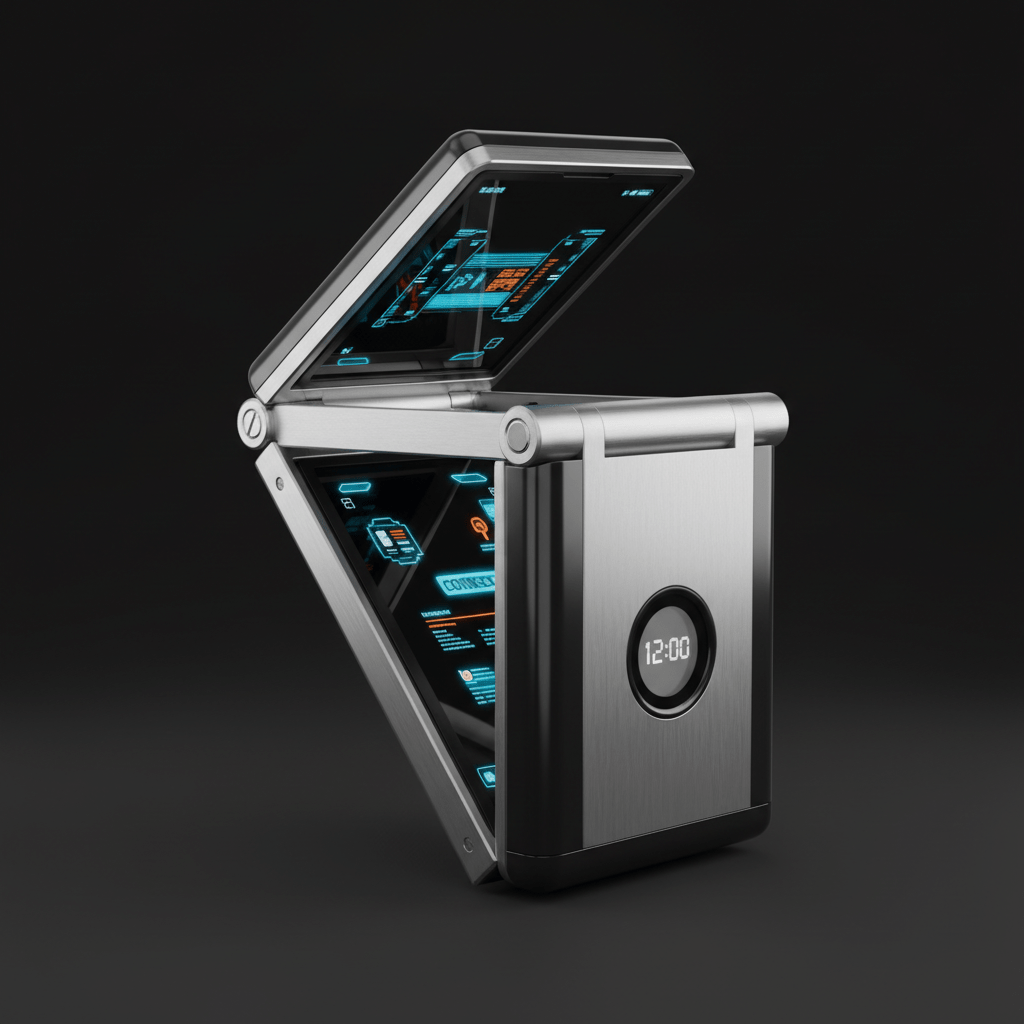
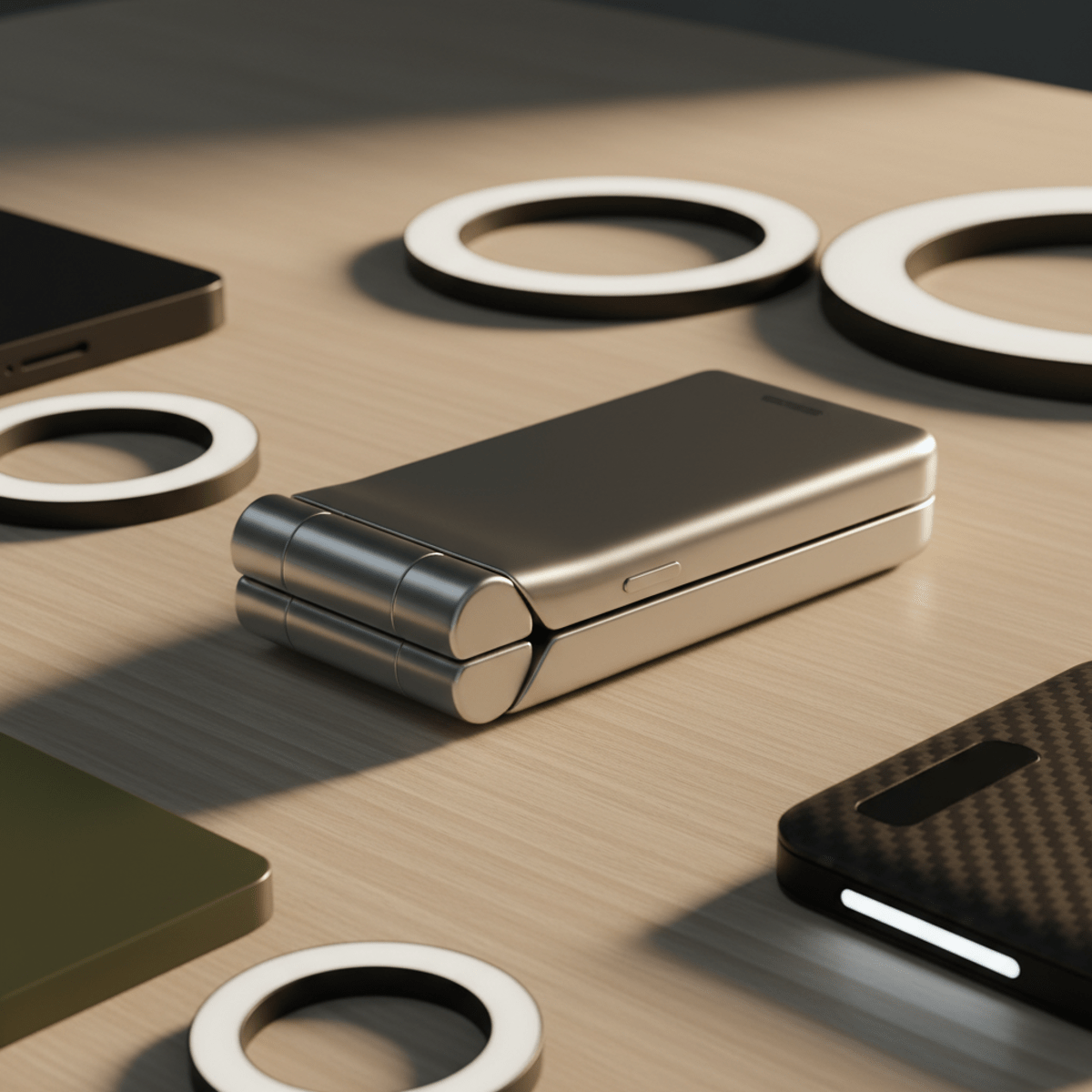
The iconic snap of a Motorola Razr clamshell closing has transcended nostalgic memory to become 2026’s most sought-after design language. This aesthetic celebrates the drama of revelation—the satisfying mechanical feedback and compact portability that modern touchscreens can’t replicate. Beyond foldable smartphones, this trend is revolutionizing product categories from wireless earbud cases with premium hinge mechanisms to smart makeup compacts that flip open to reveal LED-lit mirrors. The visual appeal lies in sleek, pocketable silhouettes paired with precision-engineered hinges that create an audible and tactile ‘snap’ experience. Ring light accessories, portable gaming devices, and even smart wallets are adopting this form factor, transforming everyday interactions into moments of mechanical satisfaction that consumers actively seek and share on social media.
2. Y2K Translucency
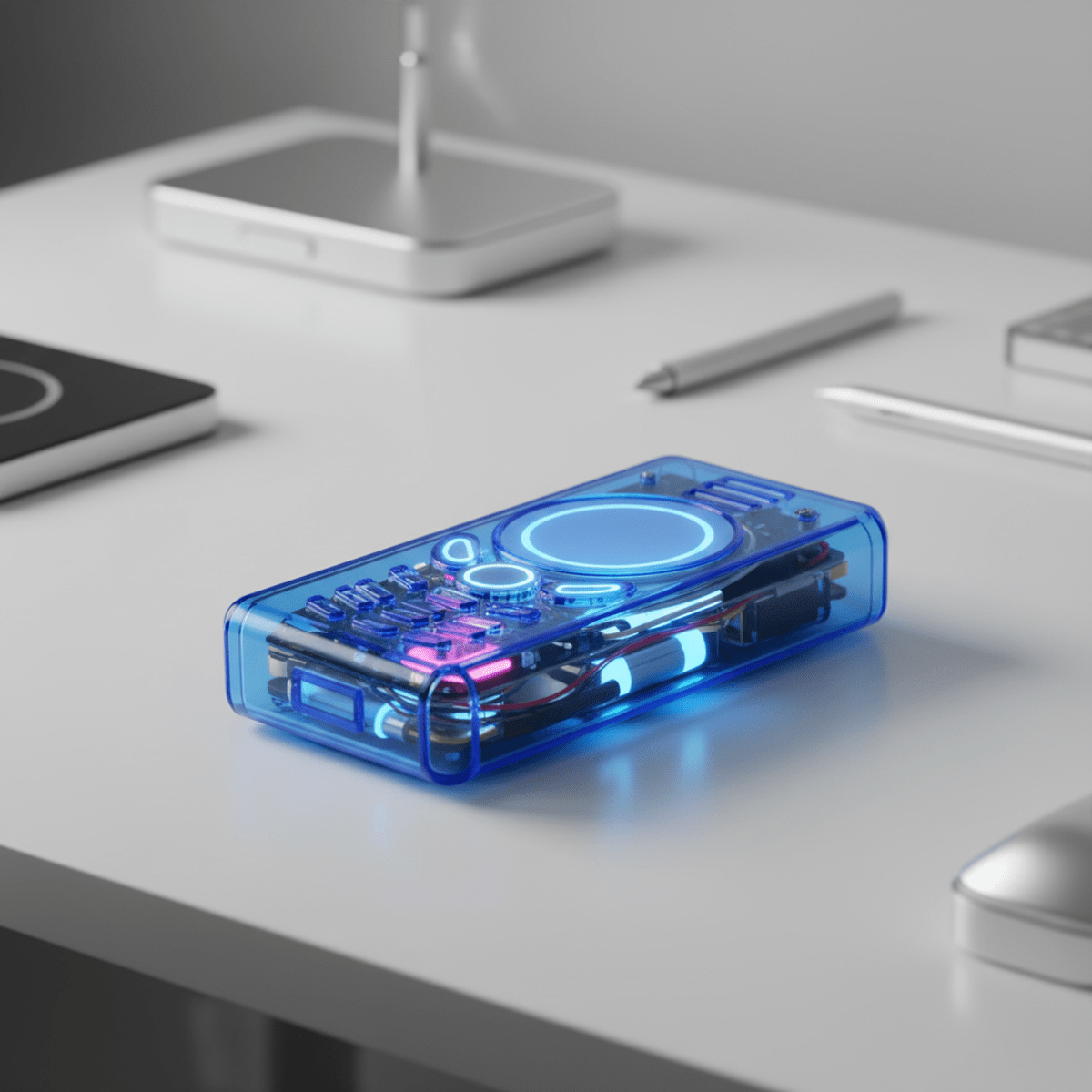
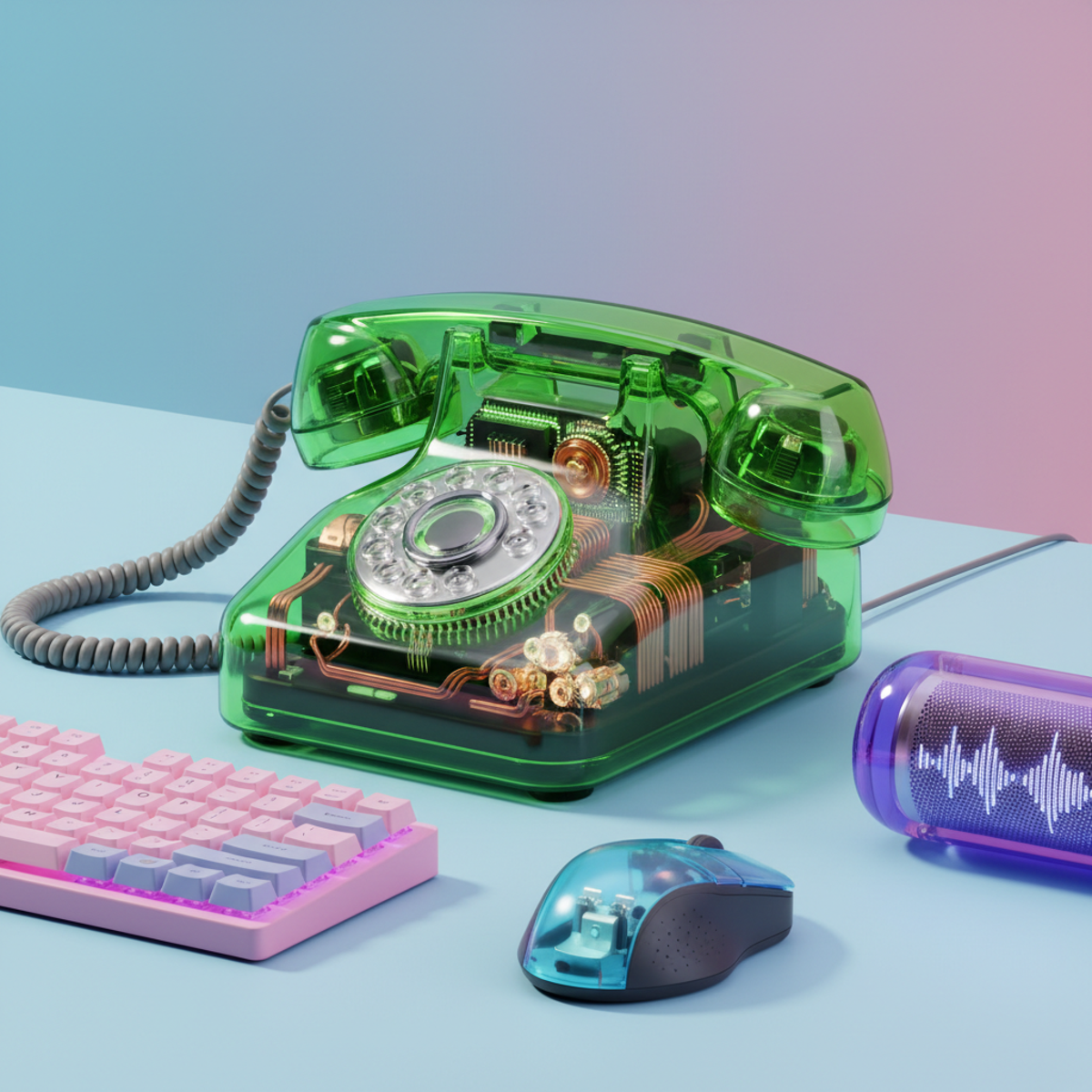
The See-Through Revolution: Inspired by the jewel-toned transparency of late-90s iMac G3 computers and Game Boy Color handhelds, translucent polycarbonate shells have become 2026’s most Instagram-worthy design choice. This aesthetic creates visual honesty by revealing internal components while adding vibrant personality through candy-colored materials in lime green, electric blue, and hot pink. The trend extends far beyond retro phone cases, influencing everything from power banks and gaming controllers to smart speakers and desk accessories. The magic happens when circuit boards, batteries, and internal mechanisms become decorative elements rather than hidden components. Consumers are drawn to the playful transparency that makes technology feel approachable and customizable, while the bright, translucent colors trigger dopamine responses that drive purchase decisions and social media sharing.
3. Candy Bar Simplicity
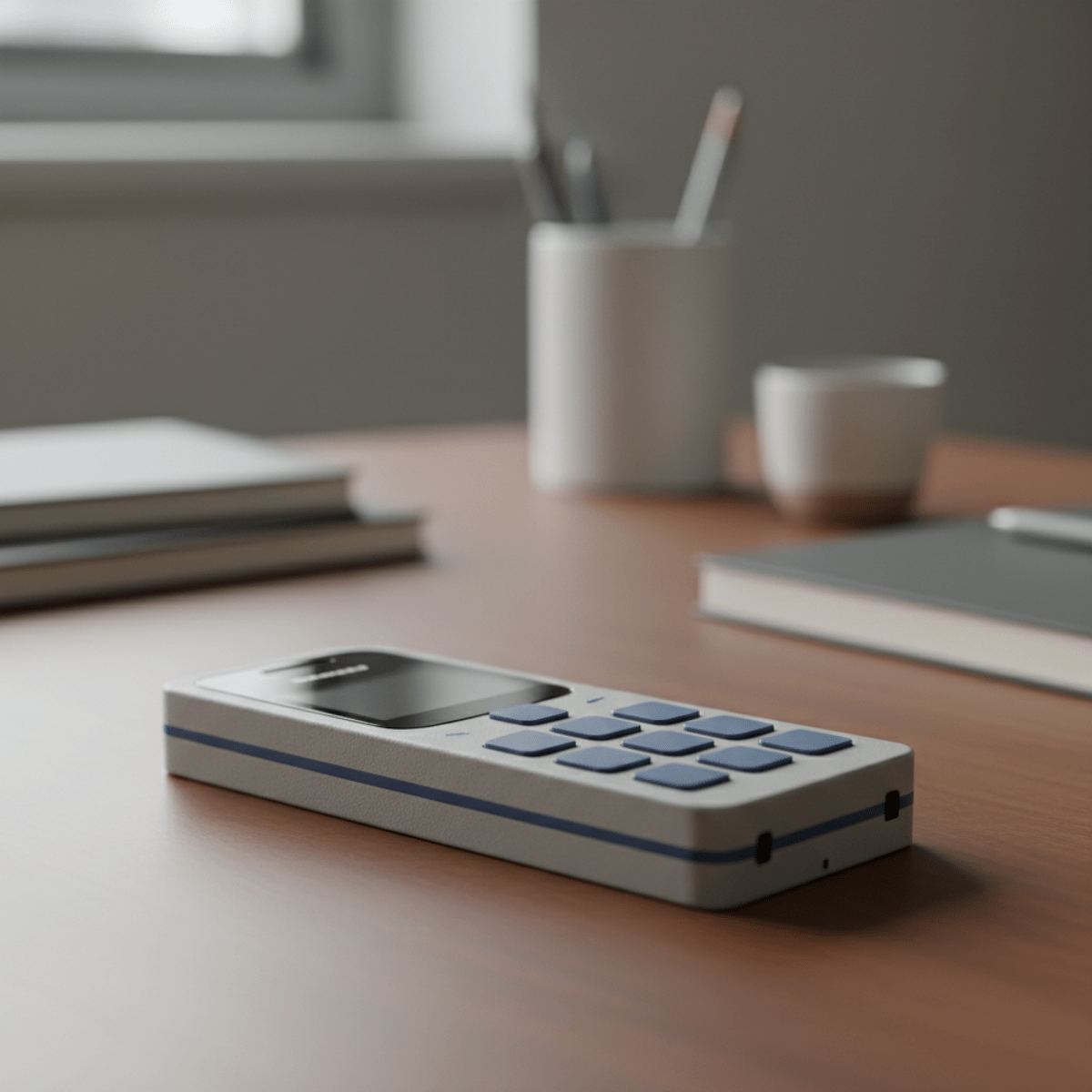
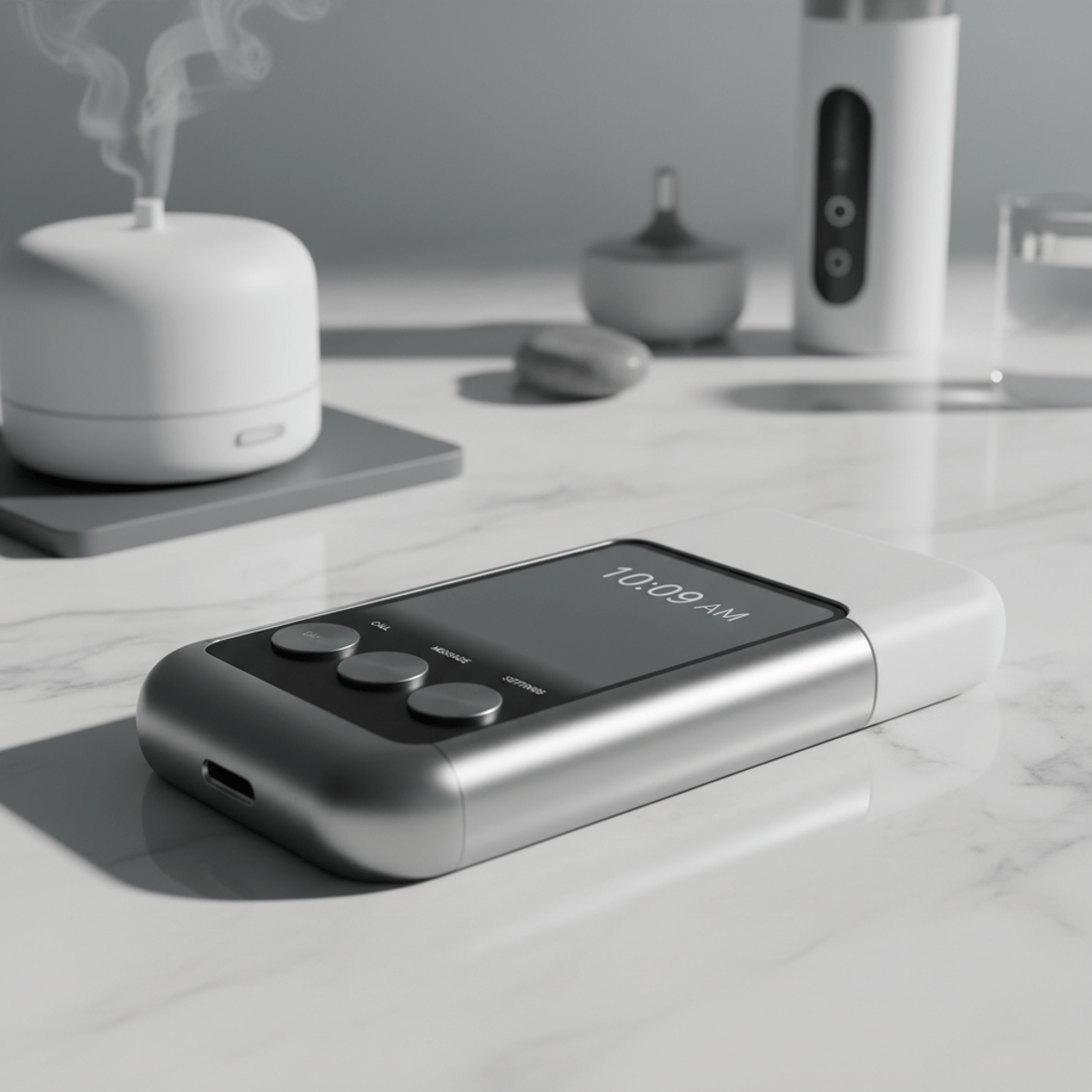
The ‘Dumb Phone’ Chic: The indestructible Nokia 3310’s candy bar form factor has evolved into 2026’s answer to digital overwhelm, representing durability, simplicity, and intentional design. This aesthetic strips away unnecessary complexity, focusing on essential functions delivered through intuitive interfaces and robust construction. The trend manifests in minimalist TV remotes with fewer, more satisfying buttons, single-purpose smart home devices with clear visual hierarchies, and mobile app designs that prioritize core functionality over feature bloat. The visual language emphasizes clean lines, substantial build quality, and user-friendly button layouts that can be operated without looking. This design philosophy resonates particularly with consumers seeking digital detox solutions and professionals who value reliability over flashy features, making it ideal for productivity tools and wellness-focused technology products.
4. The Slider Mechanism
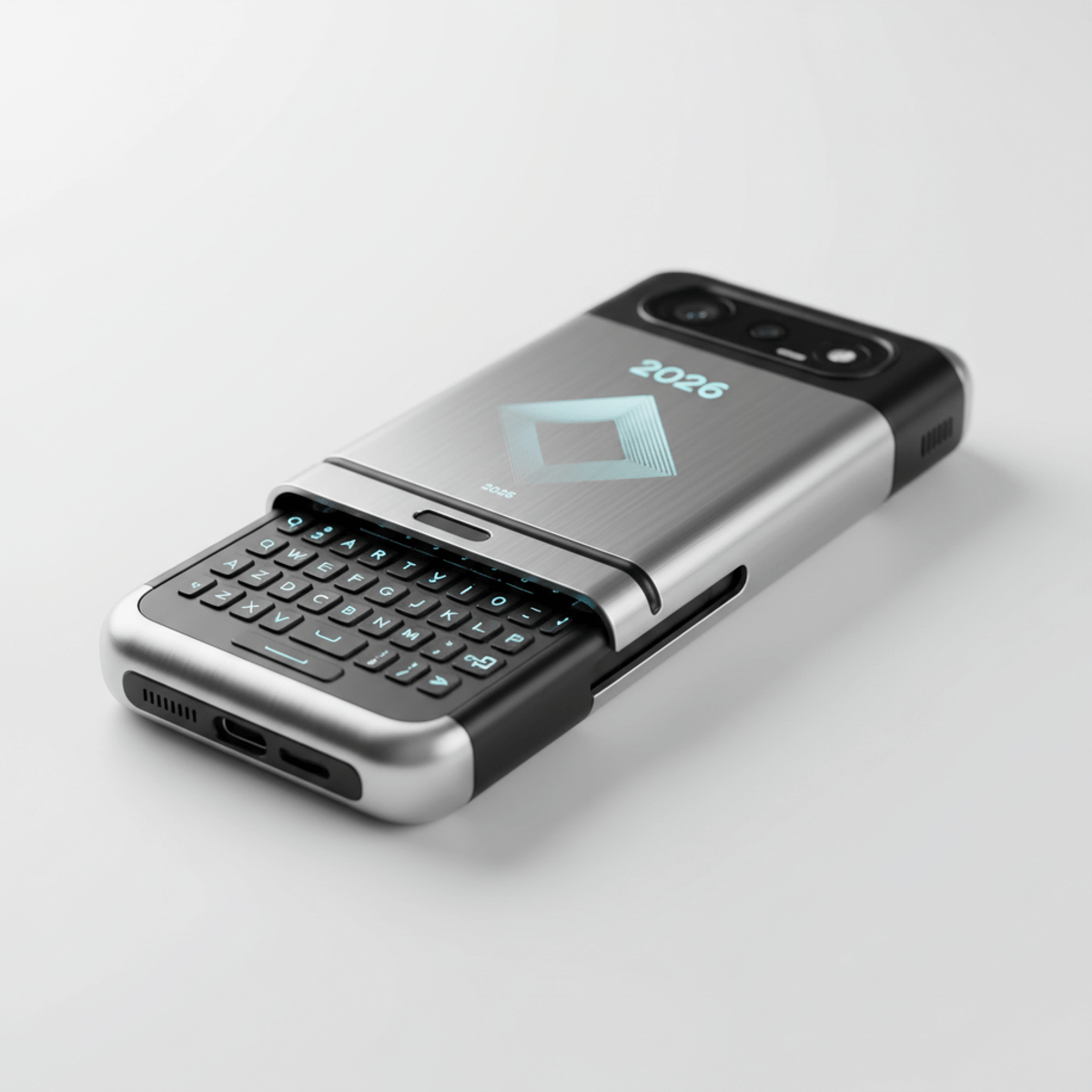
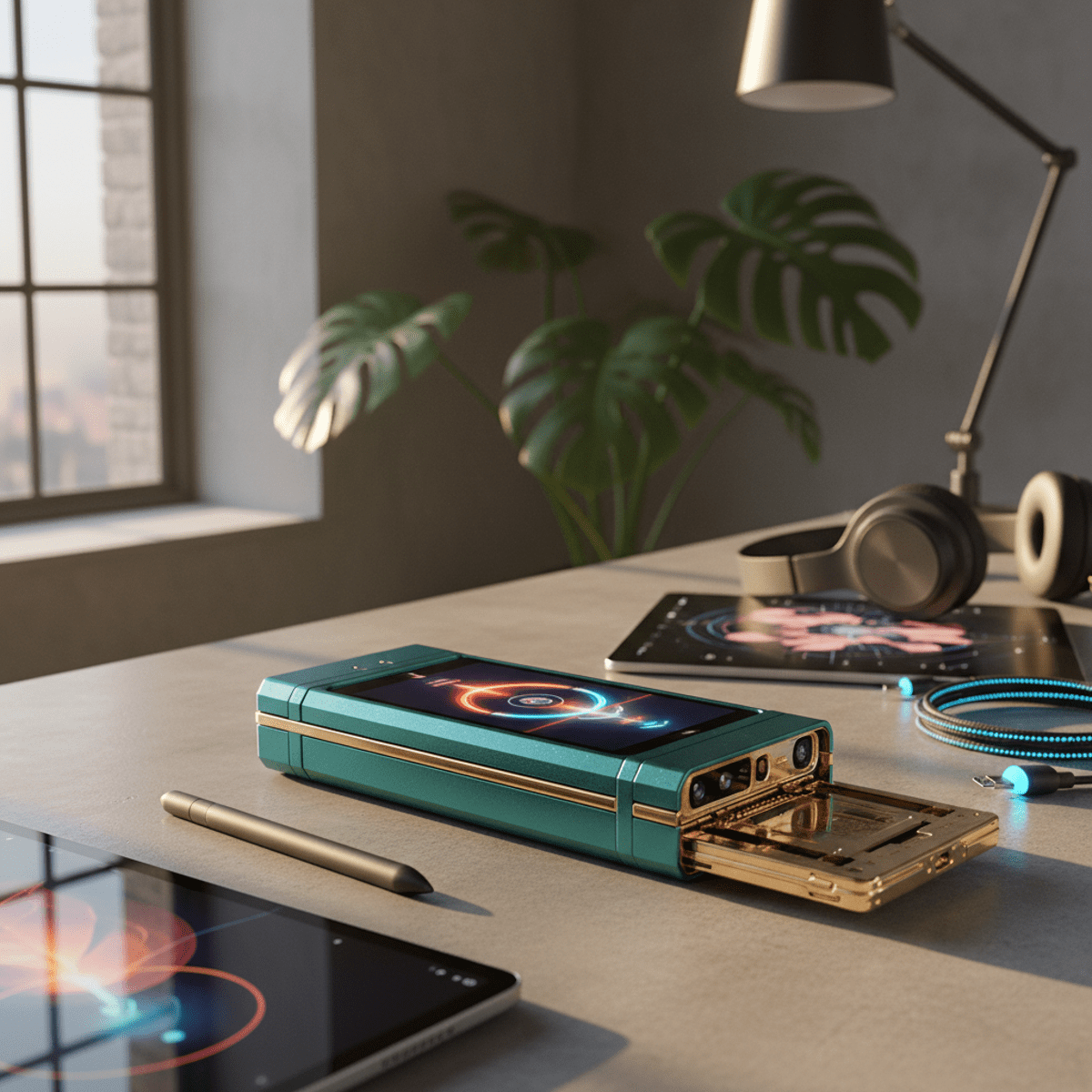
A Nod to Tactile Typing: The slide-out QWERTY keyboard mechanism, immortalized by devices like the T-Mobile Sidekick, has inspired a new generation of accessories that celebrate tactile interaction and hidden functionality. While physical keyboards on phones are rare, the slider aesthetic thrives in 2026 through handheld gaming devices with sliding control panels, tablet cases with integrated keyboards that glide smoothly into position, and smartphone camera grips that extend from sleek housings. The appeal lies in the mechanical satisfaction of the sliding motion and the space-saving efficiency of concealed features. This design language signals premium craftsmanship and thoughtful engineering, making it popular for professional tools, creative accessories, and gaming peripherals where users appreciate the ritualistic aspect of ‘preparing’ their device for use through deliberate mechanical interaction.
5. Dopamine Pastels & Playful Hues
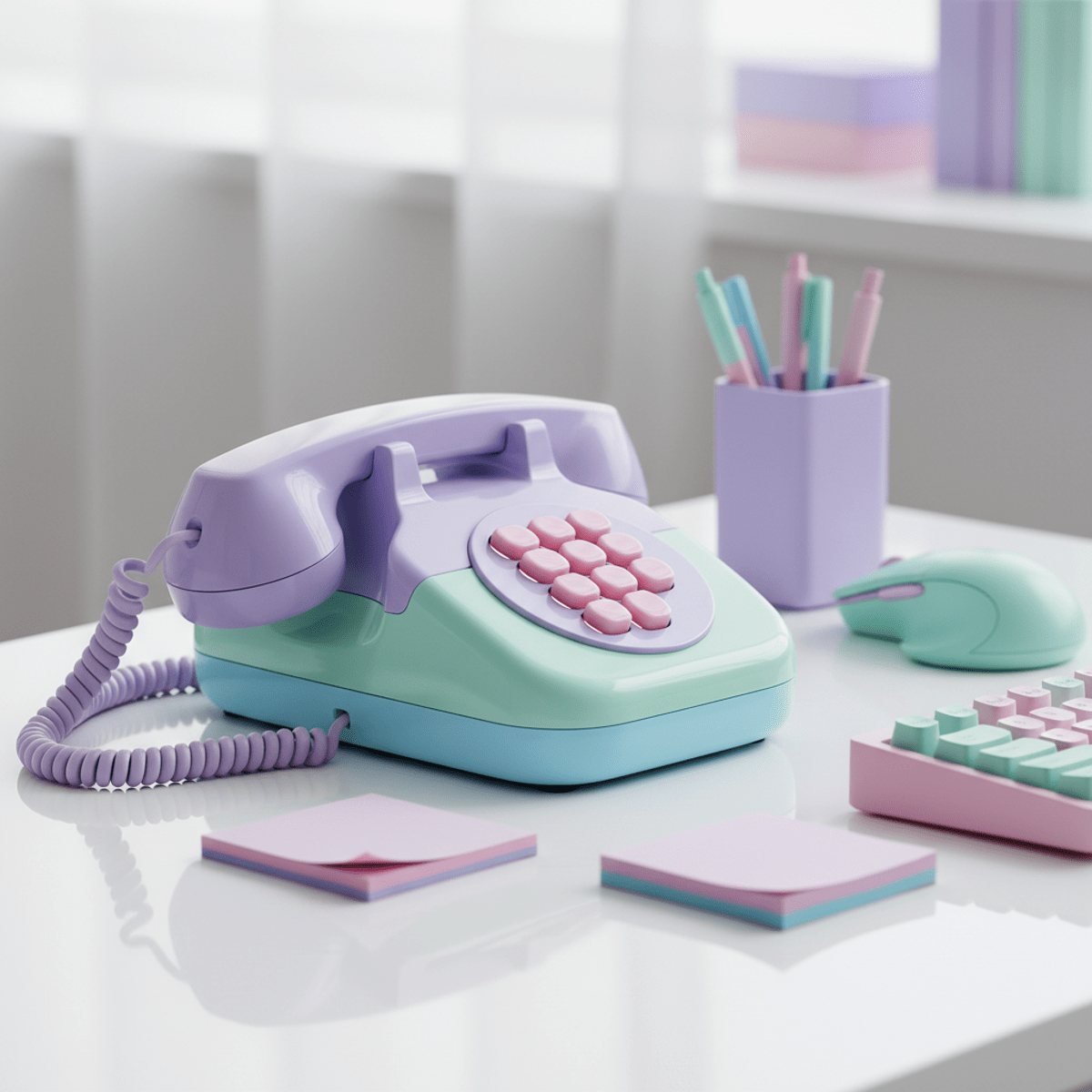
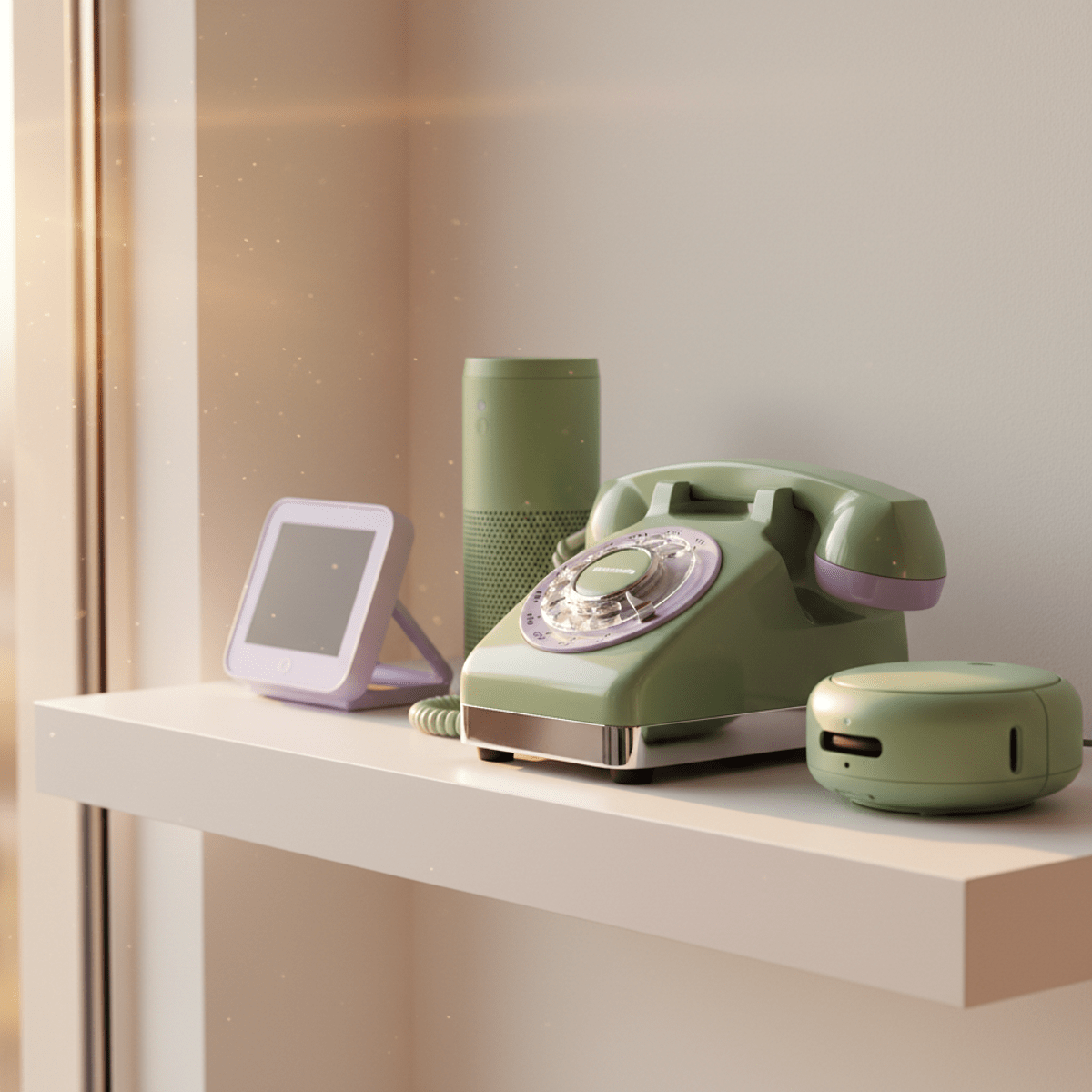
The optimistic color palette of early 2000s technology—featuring soft lilac, mint green, baby blue, and bubblegum pink—has become 2026’s secret weapon for humanizing technology and triggering positive emotional responses. These ‘dopamine colors’ transform cold electronics into friendly companions that users want to display rather than hide. The trend extends beyond individual products to entire brand ecosystems, with companies launching coordinated collections of smart home devices, office accessories, and personal electronics in matching pastel themes. The psychological impact is significant: these gentle, optimistic hues reduce technology anxiety and make complex devices feel approachable. Successful implementations include air purifiers in sage green, wireless chargers in lavender, and productivity apps with soft coral interfaces that encourage daily use through positive visual reinforcement rather than stark, clinical design approaches.
6. Lo-Fi Pixel Art & Monochrome UIs
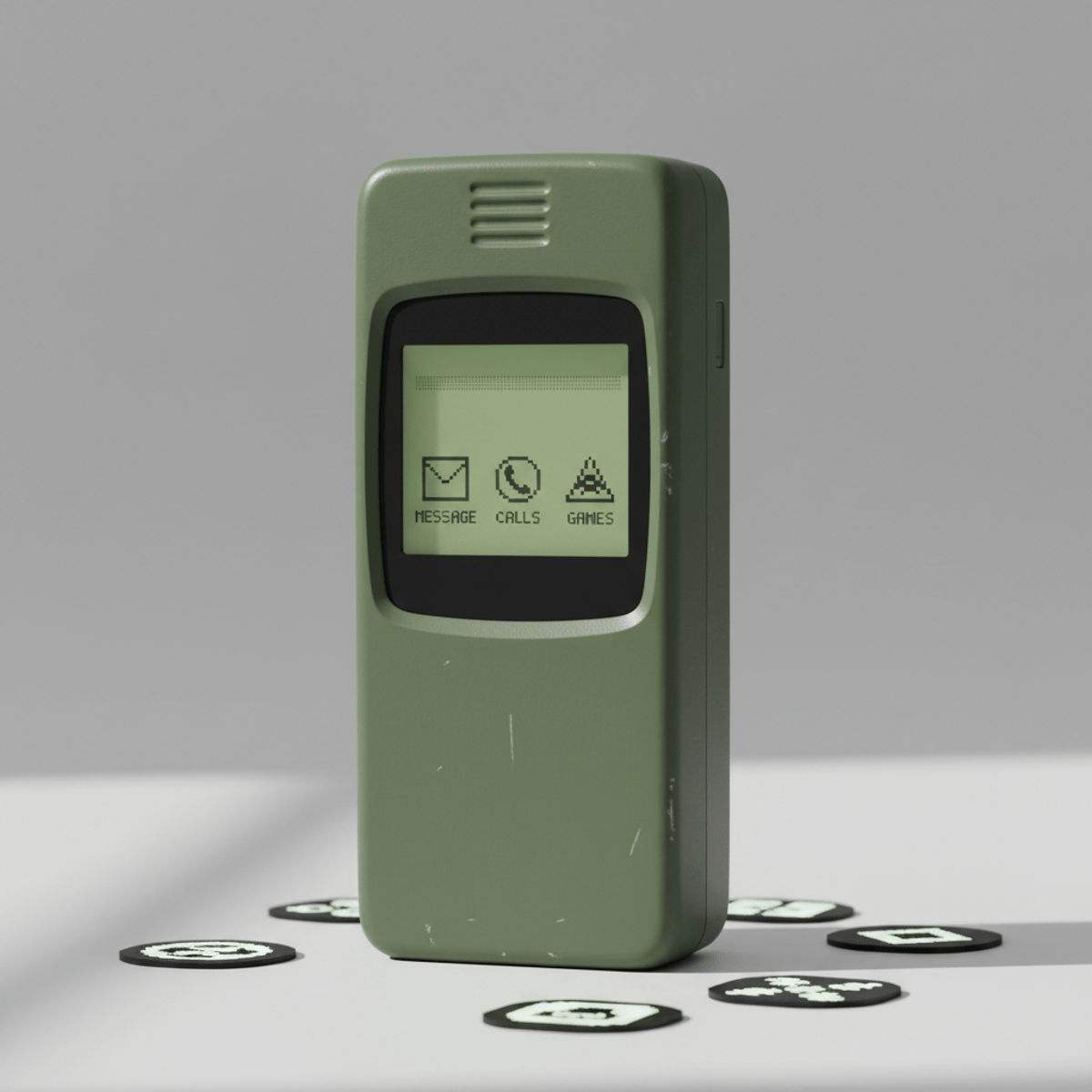
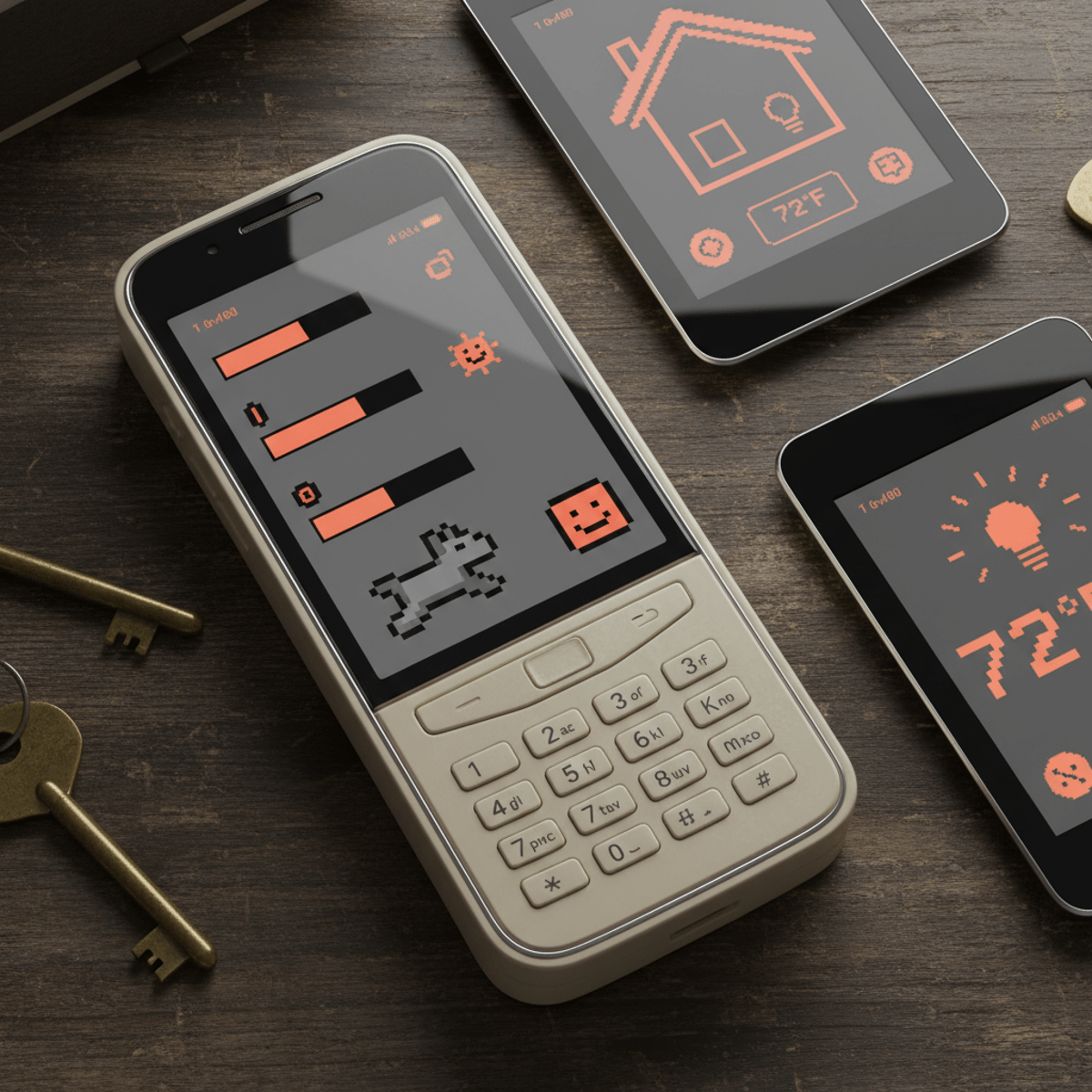
The deliberately constrained aesthetics of early phone screens and classic games like Snake have evolved into sophisticated visual statements that cut through digital noise with charming simplicity. In 2026, this lo-fi pixel art aesthetic dominates app icons, smartwatch faces, and animated brand content across social platforms. The monochrome or limited-color approach creates instant recognition and nostalgic connection while standing out against hyper-realistic graphics. Successful applications include fitness apps with blocky progress indicators, smart home interfaces that use simple geometric icons, and brand mascots rendered in deliberate pixel art style. This aesthetic choice signals authenticity and creativity while reducing cognitive load for users. The constraints of low-resolution design force focus on essential visual elements, resulting in clearer communication and stronger brand recognition in increasingly crowded digital environments.
7. The External Antenna


Utilitarianism as Style: What began as pure functionality—the external antenna of early mobile phones—has transformed into a powerful design element that communicates reliability, performance, and rugged capability. In 2026, adding stylized or non-functional antenna elements to consumer electronics has become a deliberate aesthetic choice that suggests superior connectivity and robust engineering. This trend appears in Wi-Fi routers with prominent antenna arrays, portable speakers with decorative radio-style elements, and walkie-talkie inspired accessories for outdoor enthusiasts. The visual language borrows from military and emergency equipment, appealing to consumers who value preparedness and authentic performance over sleek minimalism. Modern implementations often feature articulated or adjustable antenna elements that provide satisfying tactile interaction while reinforcing the perception of serious, professional-grade equipment that can handle demanding conditions.
8. Charm Loops & Hyper-Personalization
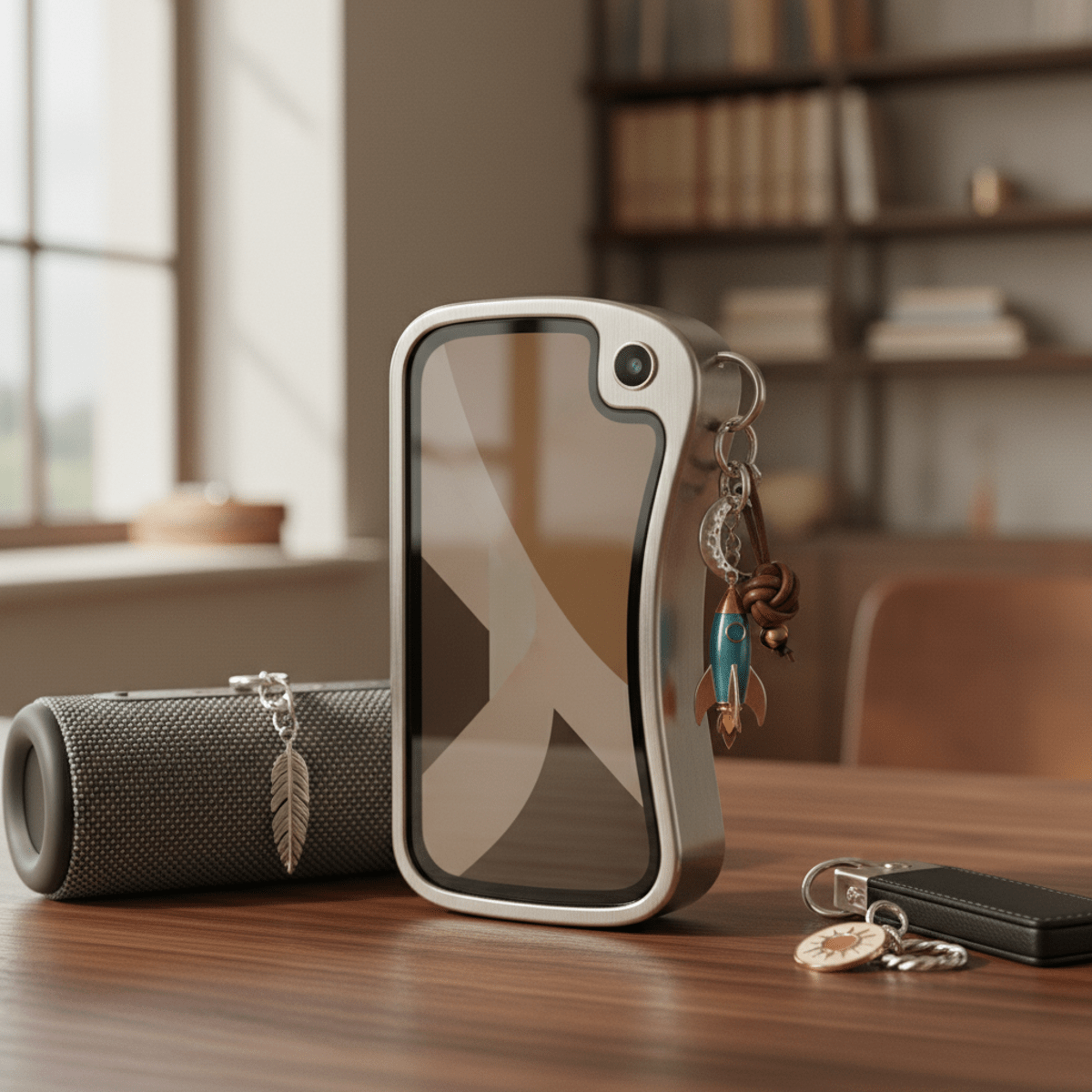
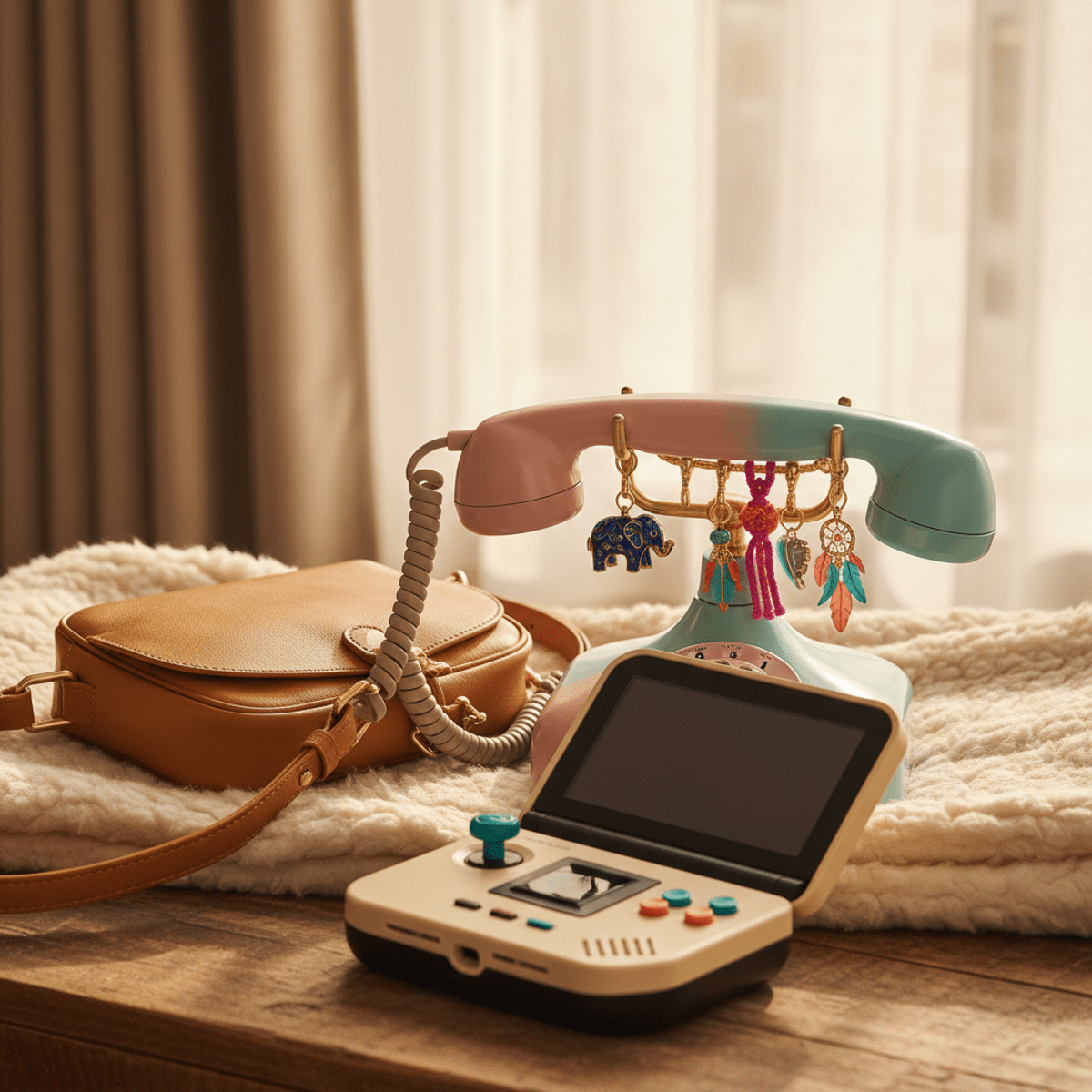
The humble phone charm loop has sparked a personalization revolution that extends far beyond mobile devices, tapping into consumers’ deep desire for self-expression and ownership customization. In 2026, this small design feature appears on handheld gaming consoles, key fobs, portable speakers, and even premium bags, creating attachment points for branded charms, artisan accessories, and personal talismans. The trend has generated an entire ecosystem of charm manufacturers, from high-end jewelry designers creating limited-edition pieces to independent artists selling custom designs through digital marketplaces. The loop itself becomes a canvas for individual personality, allowing users to transform mass-produced electronics into unique personal statements. This aesthetic choice signals that a product is designed for long-term relationship building rather than disposable consumption, appealing to consumers who value products that grow more meaningful over time through accumulated personalization choices.
The retro phone aesthetics dominating 2026 represent far more than nostalgic imagery—they’re a comprehensive toolkit for innovation that directly translates consumer emotional desires into actionable design strategies. From Y2K translucency signaling material preferences for transparent polycarbonate to candy bar simplicity providing blueprints for intuitive user interfaces, these visual trends serve as market research made manifest. The appeal of tactile clamshells indicates consumer hunger for mechanical satisfaction, while dopamine pastels reveal the psychological power of optimistic color choices in purchasing decisions. For brands, designers, and product managers, these aesthetics function as a proven roadmap to creating products that resonate deeply with current market demands and social media sharing behaviors. The intersection of nostalgia and functionality creates products that feel both familiar and fresh, addressing the unique psychological needs of digitally native consumers seeking authentic experiences in an increasingly virtual world.
Ready to transform these 2026 aesthetic insights into your next market success? Don’t let inspiration remain just visual—turn trends into tangible business opportunities. Accio, our AI-powered sourcing tool, instantly analyzes global market data on these specific aesthetic trends, identifies emerging design patterns for tactile electronics and dopamine-colored accessories, and connects you directly with qualified manufacturers who specialize in translucent materials, precision hinge mechanisms, and custom charm production. Whether you’re sourcing colored polycarbonate suppliers, researching slider mechanism patents, or analyzing the commercial viability of pixel art interfaces, Accio transforms aesthetic inspiration into actionable business intelligence. Start your search today and build the future of consumer electronics, powered by the most compelling design languages of the past.