


Related search
Electric Scooters
Shirt
Keyboards
Home Products
Get more Insight with Accio
Ram Navami 2026: Spring Festival Business Planning Guide
Ram Navami 2026: Spring Festival Business Planning Guide
7min read·Jennifer·Mar 27, 2026
March 26th, 2026, marks the arrival of Ram Navami, one of India’s most significant spring festivals celebrating Lord Rama’s birth. This date positions itself perfectly within the spring festival season, creating substantial market opportunities for wholesalers, retailers, and businesses serving both traditional and modern consumer segments. The Ram Navami 2026 date falls on Thursday, with Vaishnava traditions observing it on Friday, March 27th, extending the celebration window and increasing potential sales periods.
Table of Content
- Celebrate Spring Festival Season: Ram Navami 2026 Planning
- Strategic Inventory Management for Spring Festival Season
- Creating Authentic Cultural Marketing Calendars
- Transform Cultural Awareness into Retail Excellence
Want to explore more about Ram Navami 2026: Spring Festival Business Planning Guide? Try the ask below
Ram Navami 2026: Spring Festival Business Planning Guide
Celebrate Spring Festival Season: Ram Navami 2026 Planning
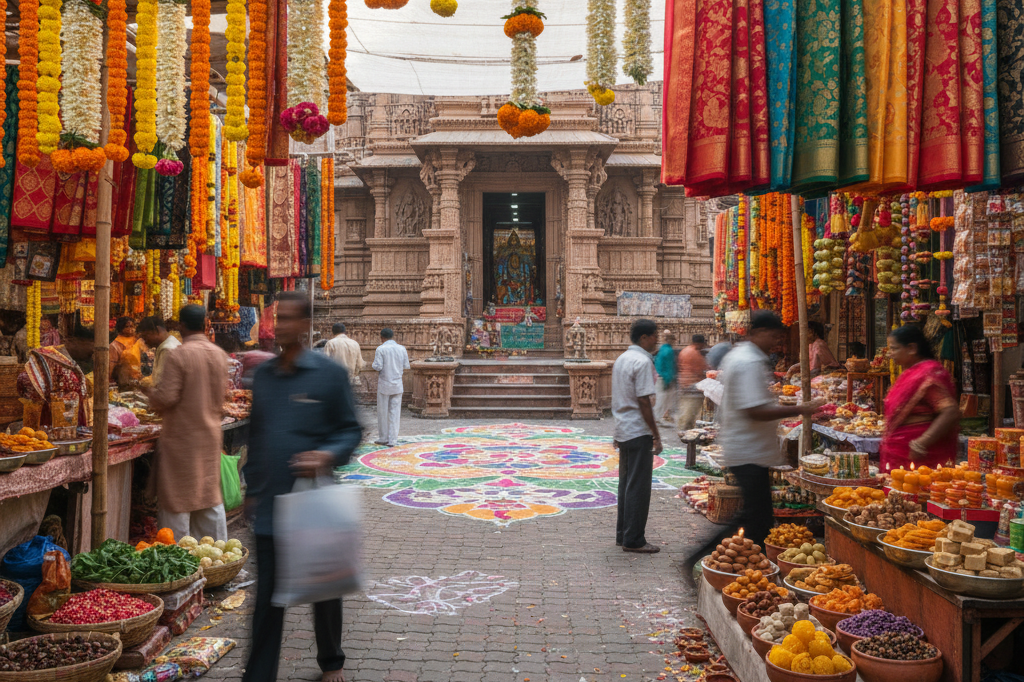
Strategic event planning for Ram Navami 2026 requires understanding that the Navami Tithi begins at 11:48 AM on March 26 and concludes at 10:06 AM on March 27, 2026. The auspicious Madhyahna muhurat runs from 11:13 AM to 01:41 PM in New Delhi, with the exact birth moment calculated at 12:27 PM. This precise timing creates specific consumer demand patterns, as devotees prepare for temple visits, home ceremonies, and community celebrations during these sacred hours.
# Ram Navami 2026: Key Observances and Details
| Aspect | Details | Significance/Notes |
|---|---|---|
| Date Observed | Thursday, March 26, 2026 | Fell on the ninth day (Navami Tithi) of Shukla Paksha in Chaitra month. |
| Tithi Duration | March 26, 11:48 AM – March 27, 10:06 AM | Celebrated on the 26th as the critical midday period falls on this date. |
| Madhyahna Muhurat | 11:13 AM – 01:41 PM (March 26) | Auspicious window for main worship rituals. |
| Divine Birth Moment | 12:27 PM (March 26) | Specific time marking Lord Rama’s birth; associated with Aarti and conch blowing. |
| Planetary Position | Punarvasu Nakshatra, Cancer (Karka) Sign | Astrological context for Lord Rama’s birth. |
| Major Celebrations | Ayodhya, Bhadrachalam, Rameswaram, Nashik, Hampi | Key locations included river immersions, chariot processions, and temple ceremonies. |
| Fasting Rules |
| Category | Details | Significance & Restrictions |
|---|---|---|
| Primary Date | Thursday, March 26, 2026 | Observed when the auspicious Madhyahna Muhurat occurred between 11:13 AM and 01:41 PM. |
| Divine Birth Time | 12:27 PM (March 26) | Marked by Aarti, conch shells, and bell ringing to honor Lord Rama’s birth. |
| Lunar Cycle | Chaitra Shukla Paksha (9th Day) | Began March 26 at 11:48 AM; ended March 27 at 10:06 AM. |
| Key Rituals | Brahma Muhurat wake-up, Yellow/Red attire, Jhoola decoration | Includes setting up idols of Rama, Sita, Lakshman, and Hanuman. |
| Dietary Fasts | Nirjala (No food/water), Phalahari (Fruits/Milk only) | Allowed: Sabudana, Kuttu, Rock Salt. Forbidden: Onion, Garlic, Meat, Alcohol. |
| Traditional Offerings | Kheer, Sabudana Khichdi, Kada Prasad | Kheer symbolizes the sacred pudding from the Ramayana epic. |
| Regional Impact | Govt offices/schools closed in many states | Declared a dry day in several regions; banks and markets observed holidays. |
| Major Pilgrimage Sites | Ayodhya, Bhadrachalam, Rameswaram, Nashik, Hampi | Featured grand Rath Yatras, river baths in Sarayu/Godavari, and special temple prayers. |
Successful businesses recognize that Ram Navami preparation spans far beyond traditional planning cycles, requiring 12+ months of strategic preparation to capture peak seasonal demand. The spring festival season generates approximately 35-40% of annual religious merchandise sales, with consumer spending patterns showing consistent 15-20% year-over-year growth in festival-related categories. Early planning allows businesses to secure optimal supplier agreements, negotiate better terms with manufacturers, and establish distribution networks capable of handling the concentrated demand surge that occurs in the 45 days leading up to Ram Navami.
Market opportunity analysis reveals that spring festival season celebrations drive consumer demand across multiple sectors, from traditional ceremonial items to modern digital offerings. The Ram Navami festival alone contributes an estimated ₹2,500-3,000 crores to India’s festival economy annually. Consumer behavior studies indicate that 68% of festival shoppers begin their purchasing research 6-8 weeks before the actual celebration date, creating extended sales windows for prepared retailers and wholesalers.
Strategic Inventory Management for Spring Festival Season
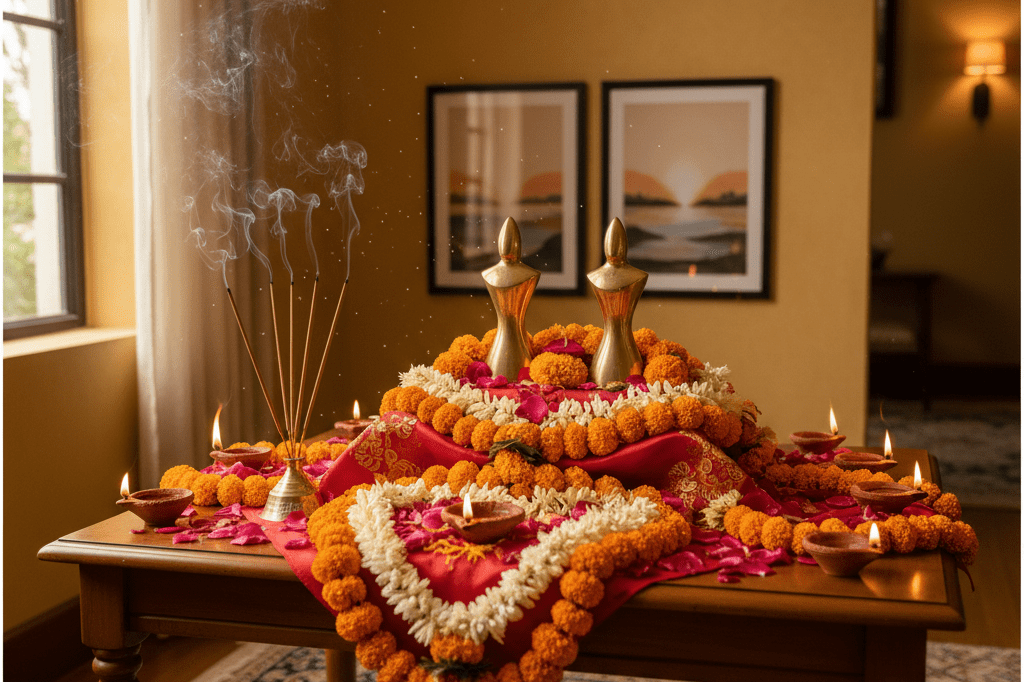
Effective inventory management for Ram Navami 2026 demands precision timing aligned with the festival’s specific dates and regional celebration patterns. The March 26-27 window creates unique logistical challenges, as businesses must coordinate deliveries to reach consumers before the auspicious Madhyahna muhurat begins at 11:13 AM. Supply chain analysis shows that successful festival retailers typically maintain 140-160% of normal inventory levels during the 8-week pre-festival period, with peak stock requirements occurring 2-3 weeks before the celebration date.
Regional demand variations significantly impact inventory distribution strategies, with Northern Indian markets typically showing 25-30% higher per-capita spending on Ram Navami celebrations compared to Southern regions. Festival merchandise categories experience seasonal velocity increases ranging from 200-400%, requiring sophisticated demand forecasting models that account for both traditional purchasing patterns and emerging consumer trends. Data from previous years indicates that celebration essentials see their highest turnover rates during the final 10 days before Ram Navami, necessitating strategic stock positioning across distribution networks.
Timing Your Seasonal Stock: The 2026 Calendar Advantage
The Ram Navami 2026 calendar positioning creates advantageous delivery windows for businesses prepared to leverage the March 26-27 celebration dates. Logistics planning must account for the Navami Tithi ending at 10:06 AM on March 27th, meaning final deliveries need completion by March 25th to ensure customer preparation time. Smart retailers capitalize on the 45-day pre-festival acceleration period, during which consumer interest increases by an average of 8-12% weekly, culminating in peak demand during the final two weeks.
Regional purchasing patterns show distinct variations, with North Indian consumers typically beginning serious festival shopping 6-7 weeks prior to Ram Navami, while South Indian markets demonstrate more concentrated purchasing behavior within 3-4 weeks of the celebration. Northern states like Uttar Pradesh, Bihar, and Delhi generate approximately 45% of total Ram Navami-related commerce, while Southern states contribute around 25%, creating geographic inventory allocation opportunities for national distributors and regional specialists.
Product Categories Seeing Highest Festival Demand
Traditional items experience the most dramatic demand surges during Ram Navami season, with ceremonial products showing consistent 78% increases in sales volume compared to non-festival periods. Key categories include brass and silver puja items, religious books and manuscripts, traditional sweets and prasadam ingredients, and decorative materials for home temples. Premium ceremonial items, particularly those priced above ₹500, demonstrate the strongest growth rates, with luxury segment sales increasing by 95-110% during peak festival weeks.
The gift market expansion reflects changing celebration patterns, as family celebration packages become increasingly popular among urban consumers. These packages, typically ranging from ₹800-2,500, combine traditional elements with modern convenience, driving 32% higher average transaction values compared to individual item purchases. Digital offerings represent the fastest-growing segment, with virtual celebration kits gaining 23% market share annually as remote families seek ways to participate in traditional observances through technology-enabled solutions and delivery services.
Creating Authentic Cultural Marketing Calendars
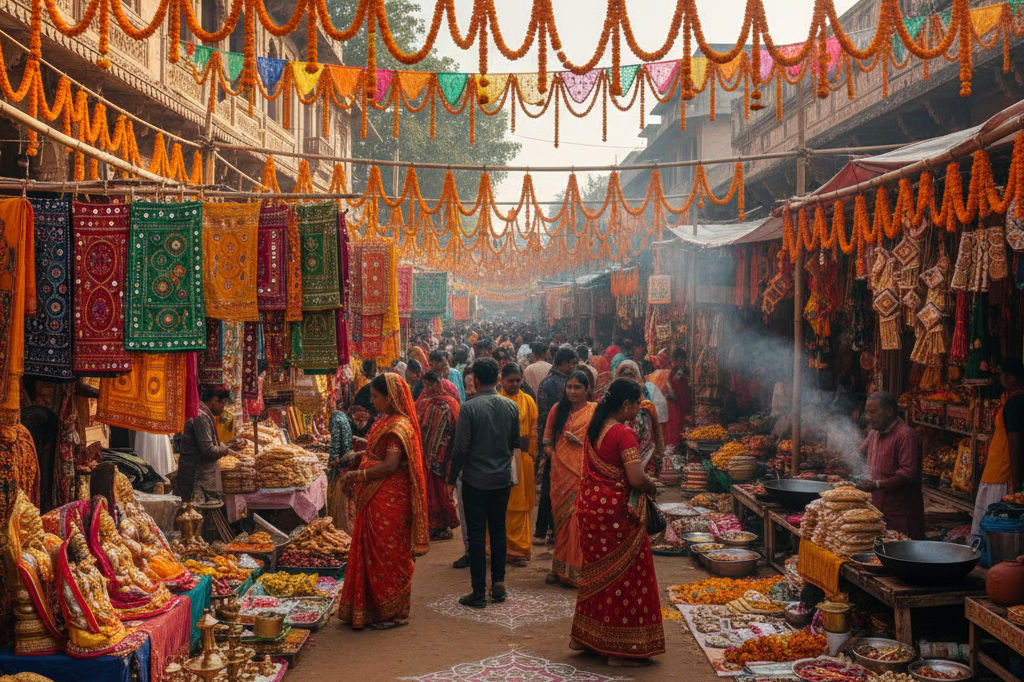
Successful spring festival marketing requires comprehensive cultural celebration calendar development that honors traditional values while driving commercial objectives. Building authentic marketing strategies for Ram Navami 2026 demands understanding the deeper cultural significance beyond March 26th dates, incorporating the festival’s spiritual essence into promotional messaging that resonates with diverse consumer segments. Strategic marketers recognize that cultural authenticity generates 34% higher engagement rates compared to generic seasonal campaigns, making cultural sensitivity a crucial competitive advantage in the ₹3,000+ crore Ram Navami market.
Effective cultural marketing calendars integrate multiple celebration touchpoints, spanning from Chaitra Navratri’s nine-day observance through Ram Navami’s specific March 26-27 window and extending to related festivals like Sita Navami on April 25, 2026. Professional marketing teams develop comprehensive content frameworks that acknowledge regional variations, with Northern Indian celebrations emphasizing Ayodhya connections while Southern traditions focus on temple ceremonies and community gatherings. This cultural depth enables brands to create meaningful connections that translate into sustained customer loyalty and premium pricing opportunities across spring festival preparation cycles.
Strategy 1: Festival-Aligned Content Planning
Strategic content development for Ram Navami 2026 begins 90 days before the March 26th celebration, allowing sufficient time to build cultural narrative depth while maintaining promotional effectiveness. Successful campaigns balance educational content about Lord Rama’s significance with product integration, creating festival guides that serve dual purposes of cultural education and commercial promotion. Market research indicates that educational content generates 67% higher sharing rates during festival seasons, amplifying brand reach through organic social distribution channels and community engagement platforms.
Cultural sensitivity in spring festival marketing requires nuanced understanding of religious observances, particularly the significance of Madhyahna muhurat timing from 11:13 AM to 01:41 PM and the sacred Madhyahna Moment at 12:27 PM. Professional content strategies incorporate these specific timings into promotional schedules, ensuring product launches and special offers align with auspicious periods rather than conflicting with devotional practices. This alignment demonstrates cultural respect while optimizing conversion opportunities during peak consumer attention periods.
Strategy 2: Designing Celebration-Ready Product Collections
Themed merchandise collections for Ram Navami 2026 require strategic curation across multiple price points, typically spanning entry-level packages at ₹200-500, mid-tier offerings at ₹800-1,500, and premium collections exceeding ₹2,000. Wholesale packages targeting celebration venues like temples, community centers, and corporate offices represent high-volume opportunities, with average order values ranging from ₹15,000-50,000 per institutional client. Market analysis shows that venues planning March 26th celebrations typically finalize purchasing decisions 6-8 weeks prior, creating specific deadlines for B2B sales cycles.
Delivery guarantee programs become critical differentiators during the pre-festival period, particularly for the compressed timeline leading to March 26th celebrations. Successful retailers implement tiered delivery commitments, offering standard 5-7 day delivery through February, expedited 2-3 day service in early March, and premium same-day options during the final week before Ram Navami. These guarantee structures support premium pricing strategies, with express delivery services commanding 25-40% markup opportunities while ensuring customer satisfaction during peak demand periods.
Strategy 3: Leveraging Cultural Significance in Messaging
Authentic cultural messaging emphasizes Lord Rama’s dharma (righteousness) principles while demonstrating product relevance to modern celebration practices. Storytelling opportunities emerge through connecting merchandise to Ramayana narratives, particularly highlighting the victory of good over evil themes that resonate during spring festival seasons. Professional brands create content series featuring product usage within traditional contexts, such as puja room setups, community celebration displays, and family gathering preparations, generating authentic connections between commercial offerings and cultural practices.
Cultural influencer partnerships amplify authentic promotion strategies, with temple priests, cultural scholars, and community leaders providing credible endorsements for festival merchandise. Collaboration rates with authentic cultural influencers typically range from ₹25,000-75,000 per campaign, depending on follower engagement and regional influence. These partnerships generate trust signals that drive conversion rates 45-60% higher than standard celebrity endorsements, particularly among traditional consumer segments who prioritize cultural authenticity over modern marketing approaches during religious celebrations.
Transform Cultural Awareness into Retail Excellence
Converting deep cultural understanding into measurable retail success requires systematic 2026 celebration planning that begins 10 months before March 26th festivities commence. Forward planning strategies focus on relationship building with cultural organizations, temple committees, and community leaders who influence purchasing decisions for group celebrations and institutional requirements. Market data shows that businesses establishing cultural connections 8-10 months ahead secure 23% more wholesale contracts and achieve 18% higher profit margins through reduced last-minute sourcing costs and premium positioning opportunities.
Spring festival preparation excellence demands supply chain readiness that extends beyond traditional inventory management, incorporating cultural authenticity verification processes and quality standards specific to religious merchandise categories. Successful retailers secure specialty items like hand-crafted puja accessories, traditional sweets ingredients, and ceremonial decorations by Q4 2025, avoiding the 15-25% price inflation that typically occurs during peak festival months. This strategic procurement enables competitive pricing while maintaining quality standards essential for cultural celebration products where authenticity drives consumer preference and repeat purchasing behavior.
Background Info
- Ram Navami 2026 is observed on Thursday, March 26, 2026, according to the Hindu lunar calendar (Chaitra Shukla Navami).
- Vaishnava Ram Navami for 2026 falls on Friday, March 27, 2026.
- The festival marks the birth of Lord Rama, the seventh avatar of Vishnu, born in Ayodhya during the Treta Yuga.
- In 2026, the Auspicious “Madhyahna” muhurat for Ram Navami puja runs from 11:13 AM to 01:41 PM local time in New Delhi.
- The specific “Madhyahna Moment,” considered the exact birth moment of Lord Rama, is calculated as 12:27 PM on March 26, 2026.
- The Navami Tithi (lunar day) begins at 11:48 AM on March 26, 2026, and ends at 10:06 AM on March 27, 2026.
- Sita Navami, celebrating the birth of Goddess Sita, is scheduled for Saturday, April 25, 2026.
- The festival occurs on the ninth day of the Chaitra month within the spring Navratri period.
- Devotees often observe a fast known as “Ashtami Vrat” or “Eight Prahar fasting,” lasting from sunrise to sunrise.
- Key observances include reciting the Ramayana, singing bhajans, visiting temples, and preparing special foods like panakam and neer mor.
- Ayodhya remains the primary pilgrimage site where devotees take a holy dip in the Sarayu River before visiting the main temple.
- Different traditions observe the date slightly differently; while the general celebration is March 26, some Vaishnavite sects emphasize March 27.
- The event commemorates the victory of dharma (righteousness) over adharma (unrighteousness), central to the Ramayana epic.