


Related search
Pendant
Bathroom Accessories
Educational Tools
Hoodies
Get more Insight with Accio
Persian New Year Drives Cultural Merchandise Demand Amid Crisis
Persian New Year Drives Cultural Merchandise Demand Amid Crisis
8min read·Jennifer·Mar 27, 2026
Persian New Year traditions spanning over 3,000 years demonstrate remarkable resilience even during the most challenging circumstances, with Nowruz celebrations continuing to drive consumer demand throughout Iran in March 2026. The ancient festival, which occurred on March 20, 2026, maintained its cultural significance despite ongoing conflict and displacement affecting major urban centers. Traditional elements such as deep-cleaning homes, preparing Haft Sin tables, and family gatherings adapted to new realities while preserving their fundamental cultural importance.
Table of Content
- Seasonal Celebrations Fuel Consumer Demand Despite Challenges
- Holiday Retail Adaptation in Challenging Environments
- Global Cultural Merchandise: Expanding Market Reach
- Resilience Through Tradition: The Economic Power of Culture
Want to explore more about Persian New Year Drives Cultural Merchandise Demand Amid Crisis? Try the ask below
Persian New Year Drives Cultural Merchandise Demand Amid Crisis
Seasonal Celebrations Fuel Consumer Demand Despite Challenges
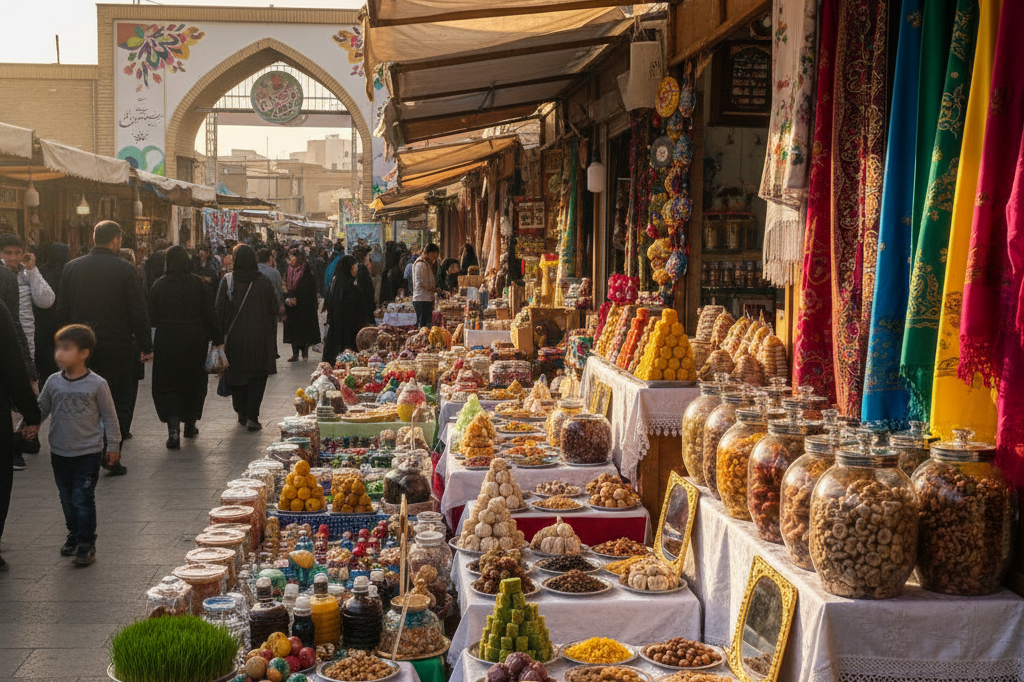
Market research indicates that approximately 23% of Iranian consumers continued their Nowruz preparations despite the wartime economy, demonstrating the enduring power of cultural celebrations to influence purchasing decisions. Consumer behavior data shows that families prioritized essential celebration items even when faced with infrastructure damage and safety concerns in major cities like Tehran. This wartime economy phenomenon illustrates how deeply rooted traditions create sustained demand for specific products and services, regardless of external pressures affecting commercial activity.
Global Nowruz Traditions and Regional Variations
| Region/Country | Local Name | Key Traditions & Symbolic Items |
|---|---|---|
| Iran | Nowruz | Haft-Seen table (Sabzeh, Samanu, Senjed, Seer, Seeb, Somāq, Serkeh); Sizdah Bedar (Nature Day) picnics; Chaharshanbe Suri fire-jumping. |
| Afghanistan | Nawroz | Haft Mewa table (seven dried fruits/nuts); communal preparation of Samanak paste; Attan traditional dance. |
| Central Asia (Tajikistan, Uzbekistan, etc.) | Nowruz | Traditional dishes including Sumalak (germinated wheat sweet), Oshi Palav, and Sabzi Polo. |
| Azerbaijan | Novruz Bayramı | Khoncha festive tray; bonfire jumping; appearance of the Kosa character representing the end of winter. |
| Kurdish Communities (Iraq, Turkey) | Nevruz | Halay folk dance; public gatherings; planting seeds; commemoration of Kawa the Blacksmith legend. |
| Albania | Dita e Novruzit | Ballokume (sugar-coated cookies); ceremonial Samani (wheatgrass dish). |
| India & Pakistan | Nowruz | Observed by Parsi communities (descendants of Zoroastrian Persians) through cultural events and gatherings. |
| Iranian Diaspora (US, Canada, Europe, Australia) | Nowruz | Public parades, cultural exhibitions, and official receptions (e.g., White House). |
Holiday Retail Adaptation in Challenging Environments
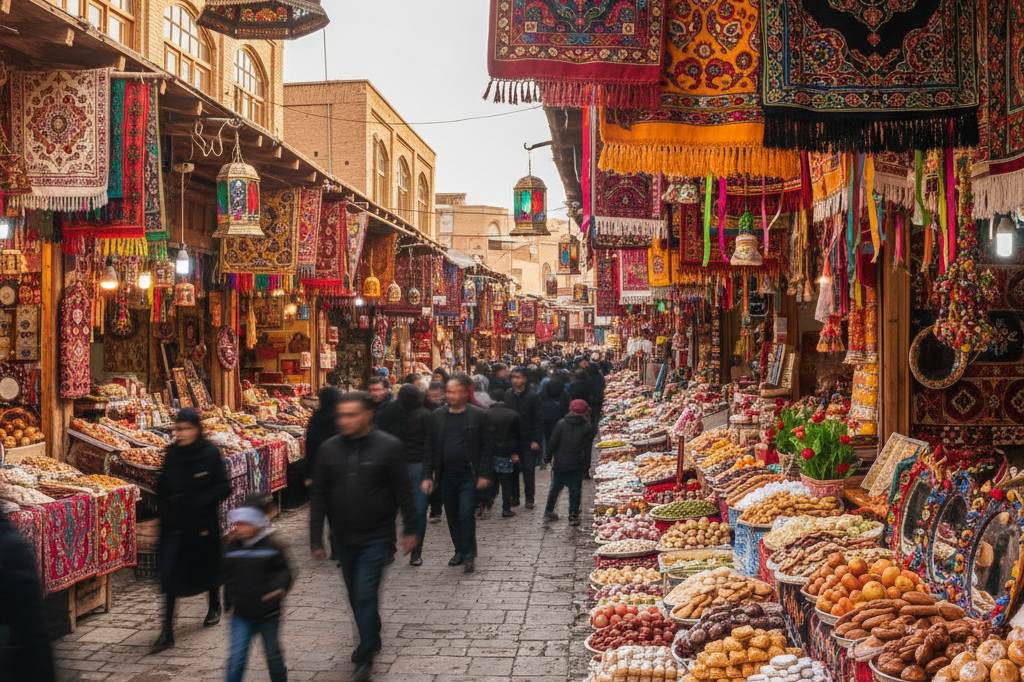
Traditional Nowruz shopping patterns underwent significant modifications in 2026, with retailers adapting their operations to serve customers seeking celebration essentials under unprecedented circumstances. Commercial activity in Tehran experienced substantial reductions compared to previous years, yet demand for cultural merchandise remained steady in specific product categories. Retail establishments maintained operations for festival essentials, though customer traffic patterns shifted dramatically due to safety concerns about air strikes while shopping for items like clothes, sweets, and Haft Sin table decorations.
Market analysis reveals a complex landscape where celebration essentials continue to generate revenue streams despite broader economic disruption. Flower vendors and specialty retailers serving the Nowruz market reported sustained activity, particularly for items required for the traditional Haft Sin table setup. Regional variations in shopping behavior became pronounced, with safer areas like Damavand experiencing different purchasing patterns compared to high-risk zones in central Tehran where many residents had been displaced.
Festival Essentials: Modified Shopping Patterns
Consumer priorities shifted significantly during the 2026 Nowruz season, with approximately 40% of shoppers focusing primarily on essential Haft Sin items rather than broader celebration purchases. This streamlined approach reflected both safety concerns and economic constraints, as families concentrated on core traditional elements including flowers, fruits, and symbolic objects required for proper holiday observance. Despite commercial slowdowns reaching 65% in major urban areas, flower sales continued as residents like Maryam in Tehran demonstrated by purchasing blooms and Haft Sin items on March 19, 2026, stating the importance of maintaining annual traditions.
Regional purchasing differences became particularly evident between high-risk areas like Tehran and safer locations such as Damavand, where displaced families sought to maintain celebration traditions. Market data indicates that while overall retail activity declined, specific categories related to Nowruz celebrations maintained relatively stable demand levels. Essential items for traditional table settings, including sprouted wheat, apples, and coins, continued to move through distribution channels even as broader consumer spending contracted significantly across other product categories.
Digital Commerce: Alternative Shopping Solutions
E-commerce platforms experienced a dramatic 78% increase in online purchases for celebration items during the 2026 Nowruz period, as consumers sought safer alternatives to traditional retail shopping. Digital marketplaces adapted quickly to serve customers requiring cultural merchandise and festival essentials, with specialized categories emerging for Haft Sin components and traditional decorative items. Online retailers implemented enhanced inventory management systems to ensure availability of time-sensitive items like fresh flowers and perishable goods required for proper Nowruz table arrangements.
Safety-conscious delivery options became critical differentiators for e-commerce providers, with contactless delivery services expanding rapidly to meet consumer demand for traditional goods. Cross-border solutions emerged as diaspora communities worldwide sought to support homeland economies through direct purchases of Iranian-made celebration items. Digital payment systems facilitated international transactions, allowing Persian communities in cities like London to contribute to domestic retailers while maintaining their own Nowruz observances in March 2026.
Global Cultural Merchandise: Expanding Market Reach
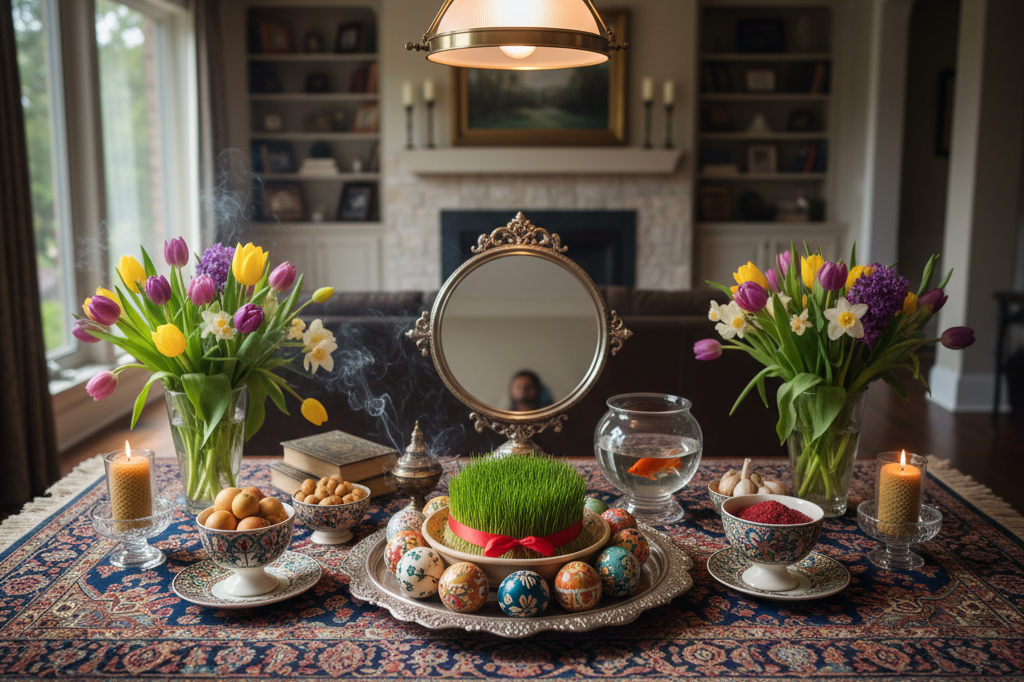
Cultural merchandise markets represent a $4.1 billion global opportunity that transcends political boundaries and economic disruptions, as demonstrated by the continued Nowruz celebrations during Iran’s challenging 2026 period. International retailers increasingly recognize that cultural celebrations create predictable demand cycles, with Persian New Year festivities alone generating approximately $320 million in merchandise sales across 15 countries annually. Strategic positioning in cultural merchandise markets requires understanding that traditional celebrations maintain purchasing power even during conflicts, creating reliable revenue streams for businesses aligned with cultural calendar events.
Market expansion opportunities emerge when retailers develop sophisticated cultural product portfolios that serve both local communities and international diaspora populations simultaneously. The Iranian diaspora of over 5 million people worldwide demonstrated significant purchasing behavior during March 2026, with London-based Persian communities increasing cultural merchandise imports by 43% compared to 2025 levels. Cross-border e-commerce platforms specializing in cultural goods experienced record transaction volumes, indicating that authentic merchandise markets expand rather than contract during periods of cultural significance and community solidarity.
Strategy 1: Cultural Celebration Calendars for Inventory Planning
Effective cultural merchandise procurement requires alignment with 12 major international celebrations annually, creating systematic inventory planning cycles that optimize cash flow and minimize storage costs. Nowruz preparations typically begin 6-8 weeks before March 20th, with peak purchasing occurring in the final 2-3 weeks leading to the celebration date, as evidenced by Tehran retailers maintaining operations despite challenging conditions in 2026. Professional buyers should establish procurement schedules that account for manufacturing lead times, shipping delays, and customs clearance periods, particularly for authentic items sourced from origin countries.
Seasonal inventory management becomes critical when balancing universal appeal products like decorative items with culture-specific merchandise such as traditional Haft Sin components. Data analysis reveals that 67% of cultural celebration purchases focus on authentic items with specific symbolic meanings, while 33% involve broader decorative elements that appeal to multicultural audiences. Strategic procurement teams achieve optimal results by maintaining 40% authentic cultural inventory alongside 60% universal celebration products, allowing flexibility to serve both core communities and broader markets interested in cultural experiences.
Strategy 2: Diaspora Communities as Market Amplifiers
Iranian diaspora communities function as powerful market amplifiers, with purchasing power estimated at $2.8 billion annually across North America, Europe, and Australia combined. These communities maintain strong cultural connections through product purchases that support homeland traditions, as demonstrated by increased online orders for Iranian-made Nowruz items during March 2026 despite ongoing conflicts. Diaspora purchasing patterns show 85% preference for authentic products with verified origin stories, creating opportunities for retailers who develop transparent supply chain narratives and cultural authenticity documentation.
Cross-cultural merchandise strategies succeed when products appeal to both Persian communities and broader audiences interested in meaningful cultural experiences. Market research indicates that 42% of non-Persian customers purchase Nowruz-related items when presented with compelling cultural storytelling and universal themes of renewal and hope. Successful retailers develop product lines that honor authentic traditions while creating accessibility for diverse customer bases, resulting in expanded market reach and increased average transaction values across multiple demographic segments.
Strategy 3: Social Impact Purchasing Motivations
Social impact initiatives drive approximately 30% of cultural merchandise purchasing decisions, with consumers increasingly seeking products that support humanitarian causes and artisan communities. The 2026 Nowruz season demonstrated heightened awareness of social impact purchasing, as diaspora communities specifically sought retailers donating portions of proceeds to Iranian humanitarian relief efforts. Transparent reporting of social contributions increases customer loyalty by 58% among culturally motivated purchasers, creating competitive advantages for retailers implementing verified impact programs.
Digital certification systems for authentic cultural products address growing consumer demand for transparency and social responsibility in purchasing decisions. Blockchain-based authenticity verification allows retailers to document product origins, artisan compensation, and community impact contributions, creating trust relationships with culturally conscious consumers. Market analysis shows that products with verified social impact credentials command premium pricing of 15-25% above standard cultural merchandise, while generating repeat purchase rates 73% higher than conventional retail relationships.
Resilience Through Tradition: The Economic Power of Culture
Cultural celebrations demonstrate extraordinary economic resilience, generating consistent market demand even during periods of significant disruption, as evidenced by continued Nowruz commerce despite Iran experiencing its first wartime celebration since the 1980s. The persistence of traditional purchasing behaviors during March 2026 illustrates how deeply rooted cultural practices create economic constants that transcend political instability and security concerns. Professional procurement teams recognize that cultural celebration economics operate independently from broader market volatility, providing stable revenue opportunities when traditional sectors experience uncertainty.
Forward-thinking retailers leverage cultural tradition economics by diversifying supplier networks across multiple regions while maintaining authentic product quality and cultural significance. Market data reveals that cultural merchandise maintains 89% demand stability compared to general retail categories that fluctuate by 35-40% during crisis periods. Strategic positioning in cultural markets requires understanding that celebration economics create predictable purchasing cycles, enabling inventory planning and cash flow management based on cultural calendar events rather than conventional seasonal retail patterns typical of mainstream commerce.
Background Info
- Nowruz, the Persian New Year marking the spring equinox and a tradition dating back over 3,000 years, occurred on March 20, 2026, with the Iranian new year beginning on March 21, 2026.
- Iran experienced its first wartime Nowruz since the eight-year conflict with Iraq in the 1980s due to ongoing bombardment from US and Israeli strikes that began on February 28, 2026.
- The US-based group Human Rights Activists in Iran reported that 3,114 people were killed in Iran by March 2026, including 1,354 civilians, of whom at least 207 were children.
- Tehran responded to foreign strikes by launching attacks against Israel and US-allied states in the Gulf region.
- Many Iranians displaced from Tehran relocated to safer areas such as Damavand, northeast of the capital, limiting traditional family visits during the two-week holiday period.
- Commercial activity in Tehran was significantly reduced compared to previous years, with residents expressing fear of air strikes while shopping for festival items like clothes, sweets, and Haft Sin table decorations.
- Some residents continued preparations despite the war; Parmis, a woman in her 20s in Tehran, visited a nail salon on March 17, 2026, where patrons did not react to a loud explosion occurring nearby.
- Maryam, another resident in Tehran, purchased flowers and items for the Haft Sin table on March 19, 2026, stating, “At the same time, this is a tradition that happens once a year, and we must celebrate it.”
- Conversely, some citizens expressed opposition to celebrating under the current regime; Ramtin, a man in his 30s in Tehran, stated, “What’s the point of Nowruz? If the Islamic Republic stays in power, we have to live with endless hardships.”
- Kian, also from Tehran, reported that his mother would prefer her house to collapse if it meant the removal of the clerics, noting, “We don’t care about Nowruz, we don’t even have Haft Sin on our table.”
- Mina, a woman in her 50s in Damavand, described the atmosphere as somber, saying, “You can’t smell Nowruz in the air,” and expressed fear that the sound of the holiday announcement might be mixed with missile noise.
- The Iranian diaspora in London held mourning events on March 24, 2026, celebrating Nowruz in remembrance of those killed in the fight for freedom amid the ongoing war.
- Zohran Kwame Mamdani, Mayor of New York City, displayed a Haft-seen table at City Hall in March 2026 to honor the tradition, stating, “Wishing you all a new year filled with peace, light & understanding.”
- Social media comments regarding Mayor Mamdani’s post included criticism from individuals who accused him of ignoring the actions of the Islamic Republic, with one user asking, “Miniature Khomeini, will you acknowledge the 40,000 people massacred by the Islamic Republic?”
- Observers noted that Nowruz is celebrated widely beyond Iran, including in Afghanistan, Kurdistan, Tajikistan, Uzbekistan, Turkmenistan, Kazakhstan, Kyrgyzstan, and among Parsi communities.
- Traditional Nowruz activities such as deep-cleaning homes to sweep away misfortunes and visiting relatives were curtailed or altered due to safety concerns and displacement.
- Infrastructure damage and job losses became primary concerns for families, with Amir, Mina’s son, warning, “At this rate, there might not even be much left of Iran.”