


Related search
Shoulder Pads
Cleaning Kit
Cloak
Electric Motorcycles
Get more Insight with Accio
7 Next-Gen Truck Brake Pad Technologies Dominating the Market in 2026
7 Next-Gen Truck Brake Pad Technologies Dominating the Market in 2026
6min read·Oriana·Mar 31, 2026
In the evolving automotive landscape of 2026, a truck’s braking system is more critical than ever. Beyond just stopping power, today’s truck brake pads are at the forefront of material science, environmental compliance, and smart technology integration. The industry has witnessed unprecedented innovation, driven by stricter environmental regulations, the rise of electric commercial vehicles, and the growing demand for predictive maintenance solutions. Whether you’re managing a commercial fleet seeking to optimize total cost of ownership, stocking a parts warehouse with tomorrow’s bestsellers, or upgrading your personal rig with cutting-edge performance components, understanding these revolutionary advancements is essential for safety, performance, and long-term profitability. This comprehensive guide unpacks the seven next-generation truck brake pad technologies that are reshaping the market and defining the future of commercial vehicle braking systems.
Table of Contents
1. Eco-Compliant Copper-Free Formulations
2. Graphene-Enhanced Composite Pads
3. Smart Pads with Embedded IoT Sensors
4. Advanced Ceramic Hybrids for NVH Control
5. Sintered Metallic Pads for Extreme Duty
6. Cryogenically Treated Brake Systems
7. Carbon-Carbon Matrix for a New Class of Performance
2. Graphene-Enhanced Composite Pads
3. Smart Pads with Embedded IoT Sensors
4. Advanced Ceramic Hybrids for NVH Control
5. Sintered Metallic Pads for Extreme Duty
6. Cryogenically Treated Brake Systems
7. Carbon-Carbon Matrix for a New Class of Performance
Want to explore more about 7 Next-Gen Truck Brake Pad Technologies Dominating the Market in 2026? Try the ask below
7 Next-Gen Truck Brake Pad Technologies Dominating the Market in 2026
1. Eco-Compliant Copper-Free Formulations
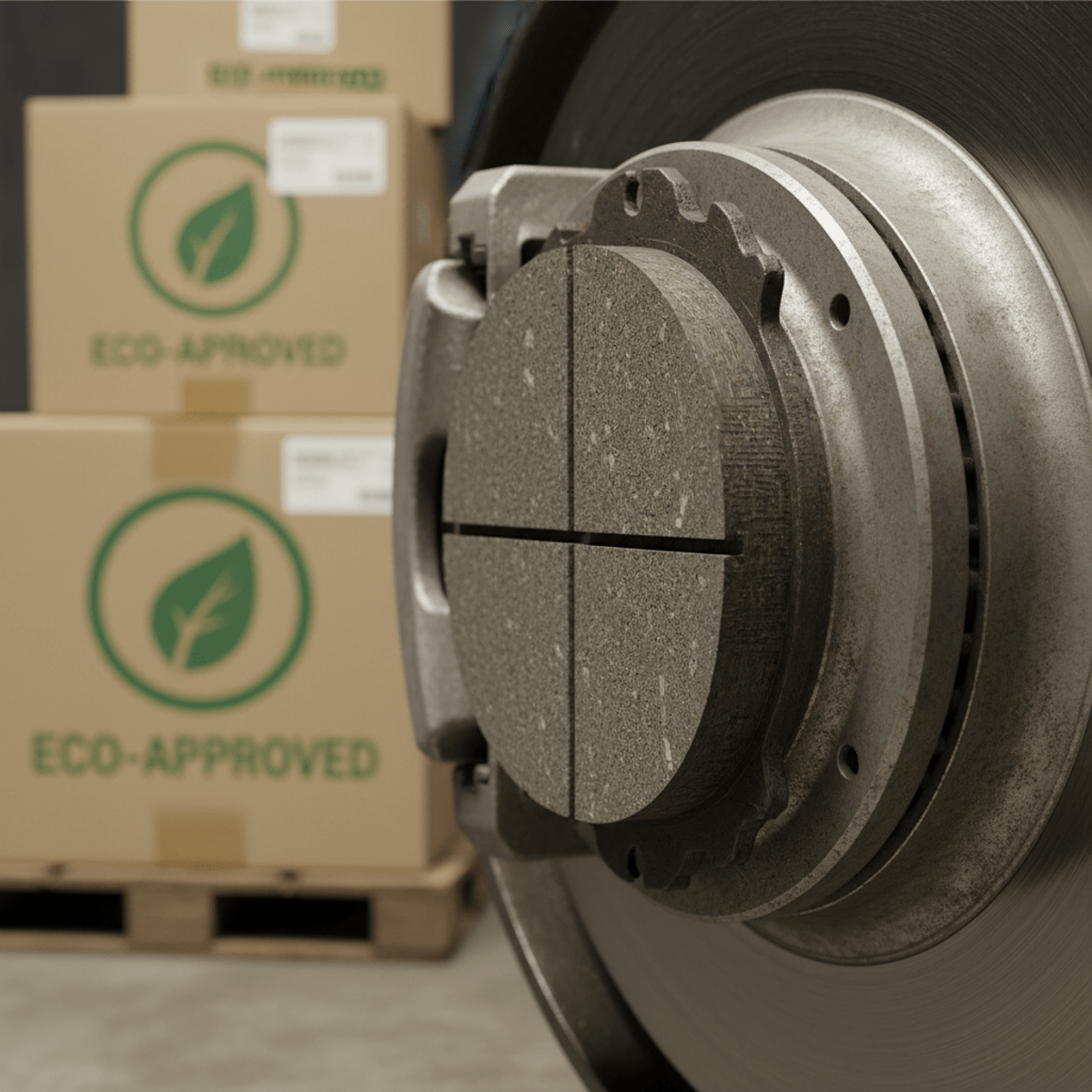

Driven by stringent environmental regulations taking full effect in 2026, copper-free brake pads have transitioned from optional upgrades to mandatory market standards across most jurisdictions. These revolutionary organic and ceramic-based formulations leverage advanced binding agents and friction modifiers to deliver exceptional stopping power and remarkably low noise output without releasing harmful copper particles into waterways and soil. The engineering breakthrough lies in their proprietary fiber matrix that maintains consistent performance across temperature ranges while meeting strict environmental compliance standards. Visually distinctive with prominent ‘Eco-Certified’ branding and sustainable packaging materials, these pads represent a fundamental shift toward environmental responsibility. Fleet managers report significant cost savings through reduced environmental fees, while parts retailers benefit from premium pricing on compliance-driven products that customers actively seek out for their regulatory advantages.
2. Graphene-Enhanced Composite Pads
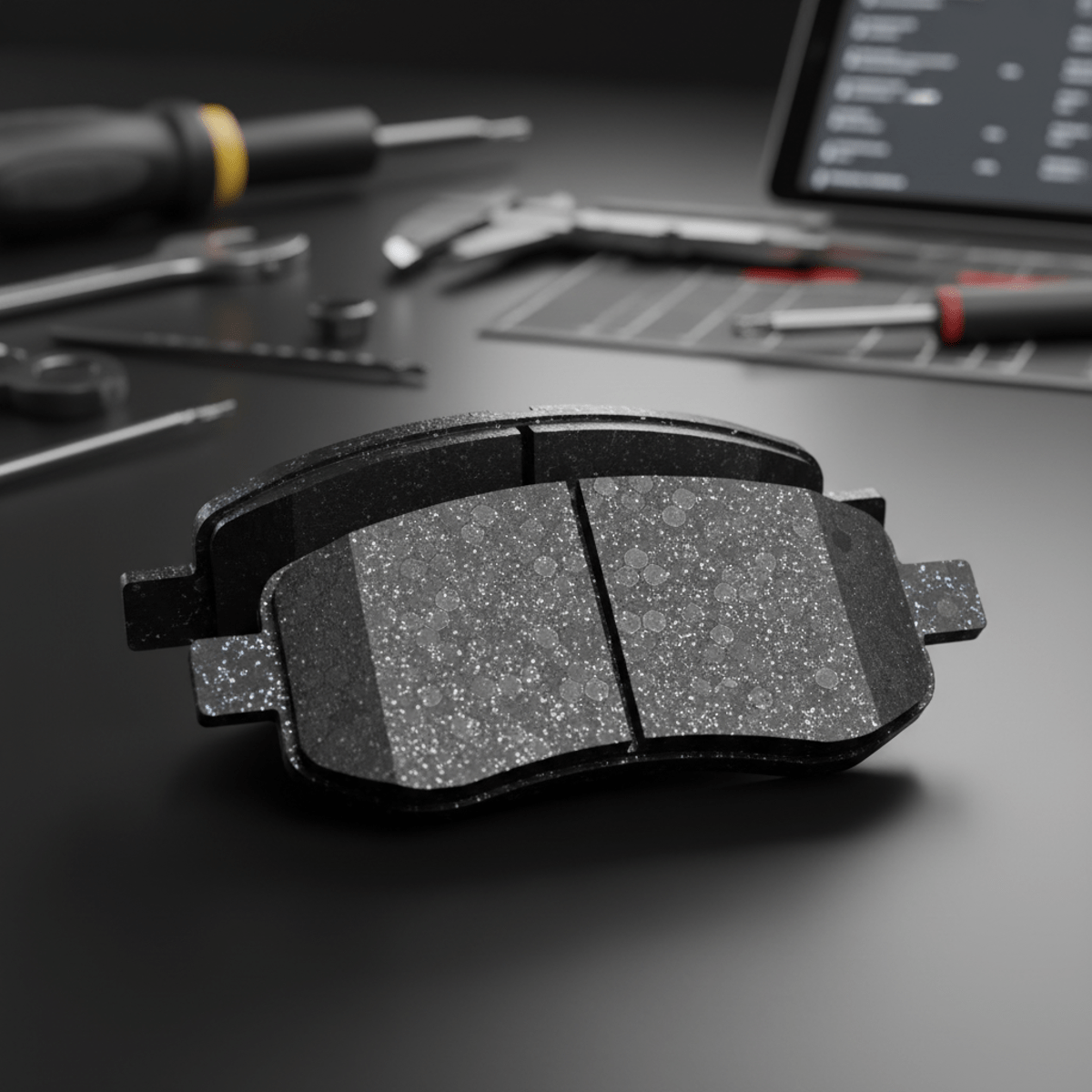
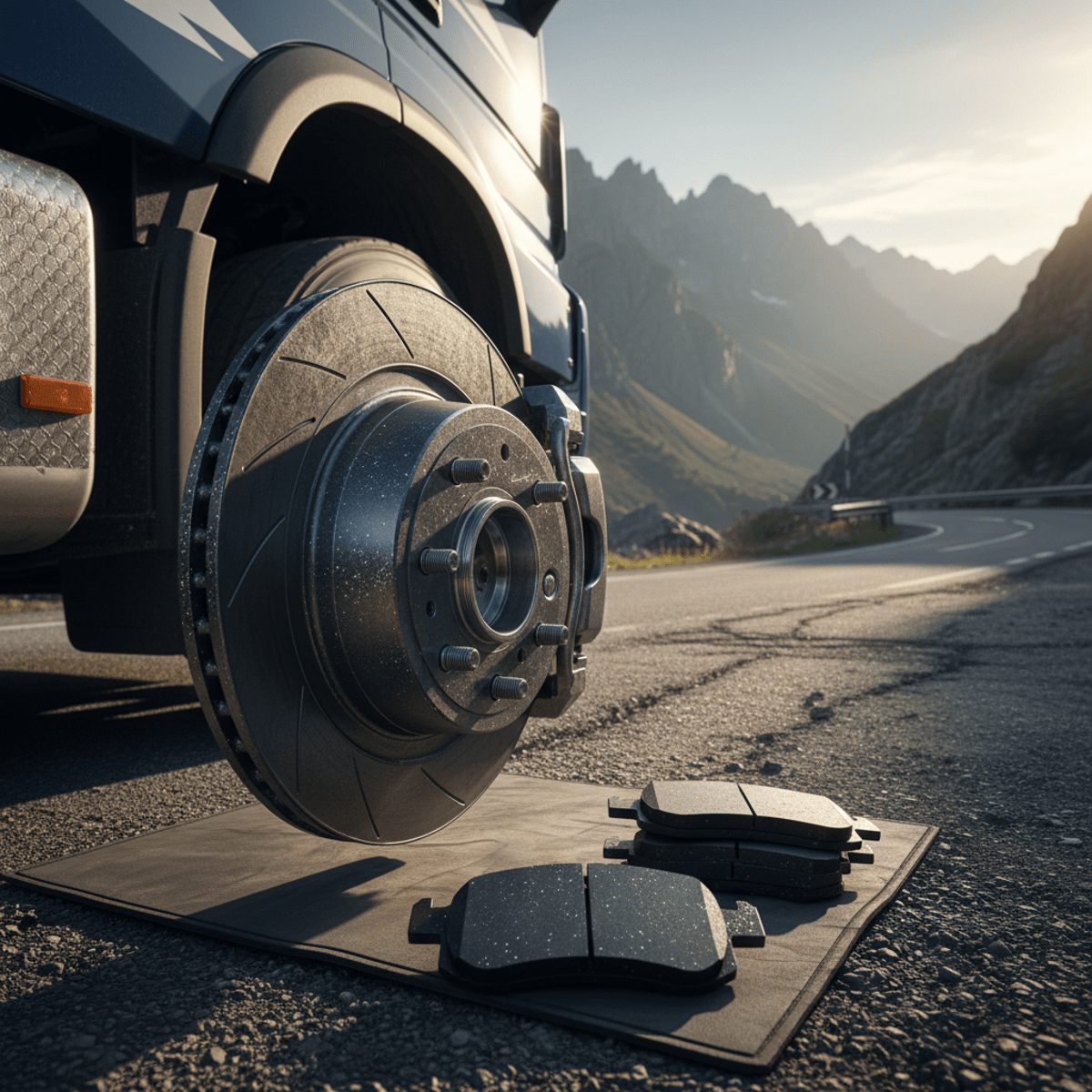
The superstar material of the decade, graphene, is fundamentally revolutionizing brake pad performance for high-demand applications, particularly in the rapidly expanding electric truck market where regenerative braking creates unique thermal challenges. These next-generation graphene-infused composites deliver unparalleled thermal conductivity properties, drastically reducing dangerous brake fade during extended heavy towing, steep mountain descents, or stop-and-go urban delivery routes. The microscopic graphene platelets create exceptional heat dissipation pathways while maintaining structural integrity under extreme stress. Visually striking with their sleek, dark appearance featuring subtle metallic flecking that catches light, these pads represent the cutting edge of materials science. Their lightweight construction reduces unsprung weight, improving fuel efficiency and handling dynamics. Commercial fleet operators report up to 40% longer service intervals compared to traditional compounds, making them increasingly attractive despite higher initial costs.
3. Smart Pads with Embedded IoT Sensors
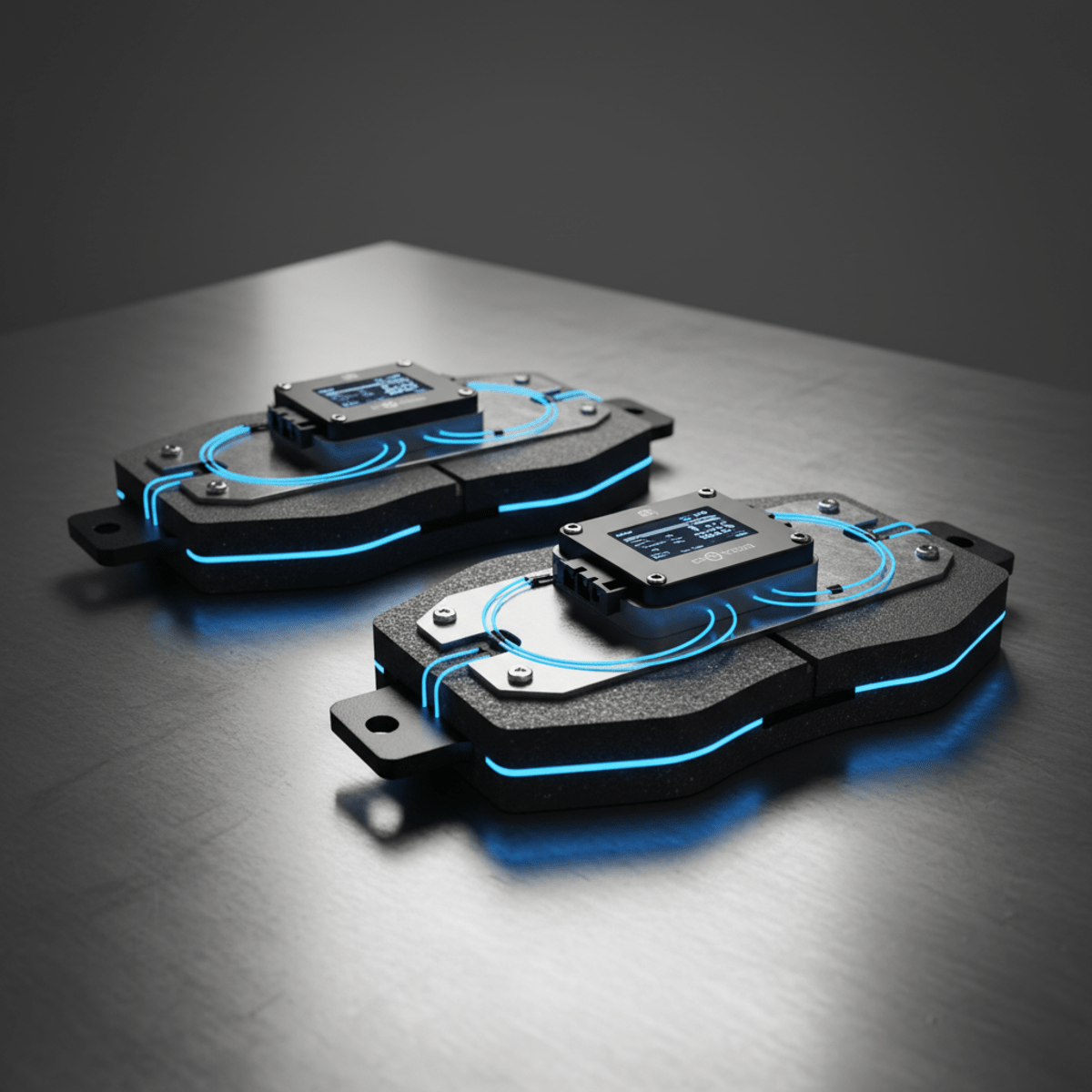
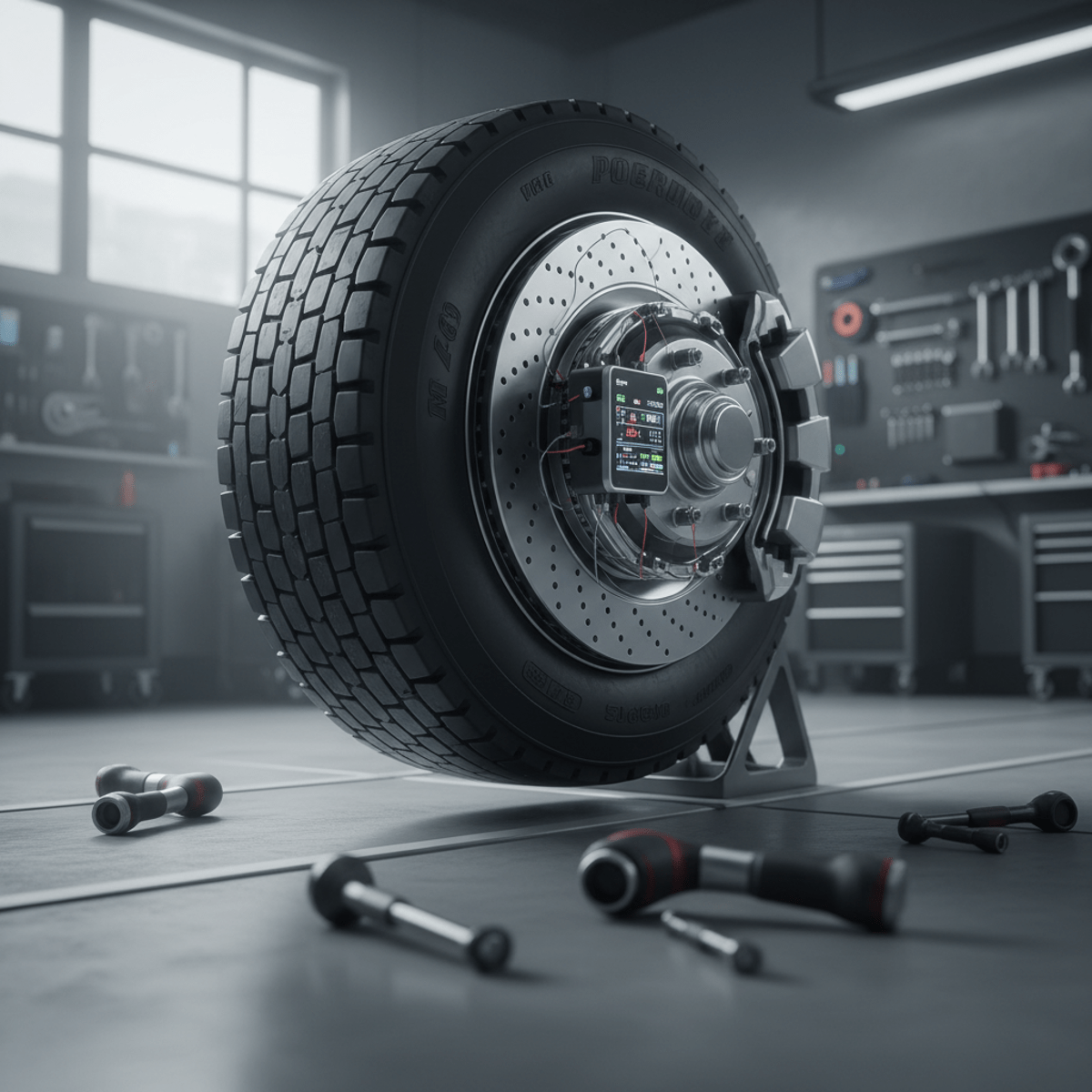
Moving far beyond simple mechanical wear indicators, the latest generation of ‘smart’ brake pads incorporates sophisticated embedded sensors that provide comprehensive real-time data on pad thickness, operating temperature, friction coefficient changes, and detailed wear pattern analysis. This revolutionary technology transmits critical information directly to the vehicle’s electronic control unit or integrates seamlessly with fleet management dashboard systems, enabling precise predictive maintenance scheduling that virtually eliminates unexpected brake failures and costly emergency repairs. The visual hallmark of this technology is the precisely integrated sensor wire and compact monitoring device mounted on the pad’s backing plate, symbolizing the sophisticated fusion of traditional mechanical components with advanced data-driven intelligence. Fleet managers can now schedule maintenance during planned downtime, optimize parts inventory based on actual usage patterns, and demonstrate proactive safety management to insurance providers and regulatory bodies for potential cost reductions.
4. Advanced Ceramic Hybrids for NVH Control
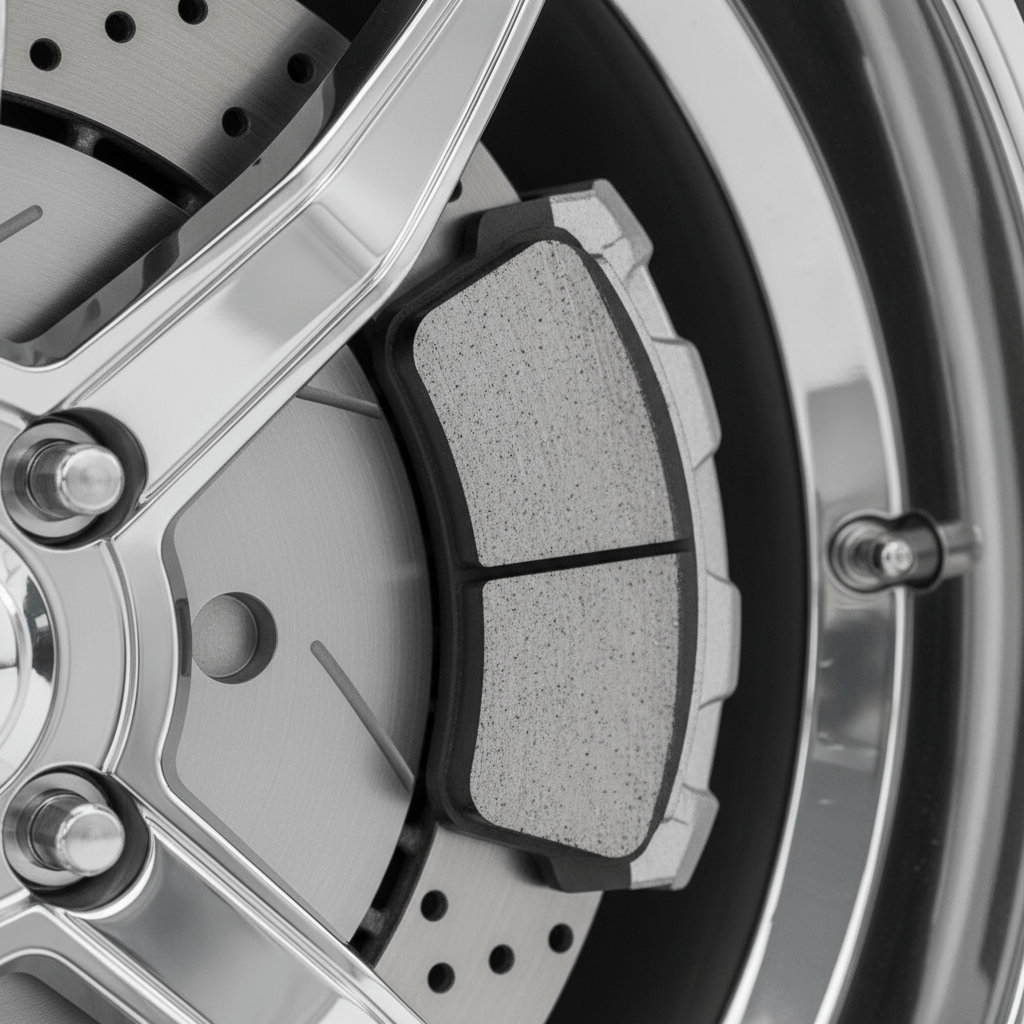
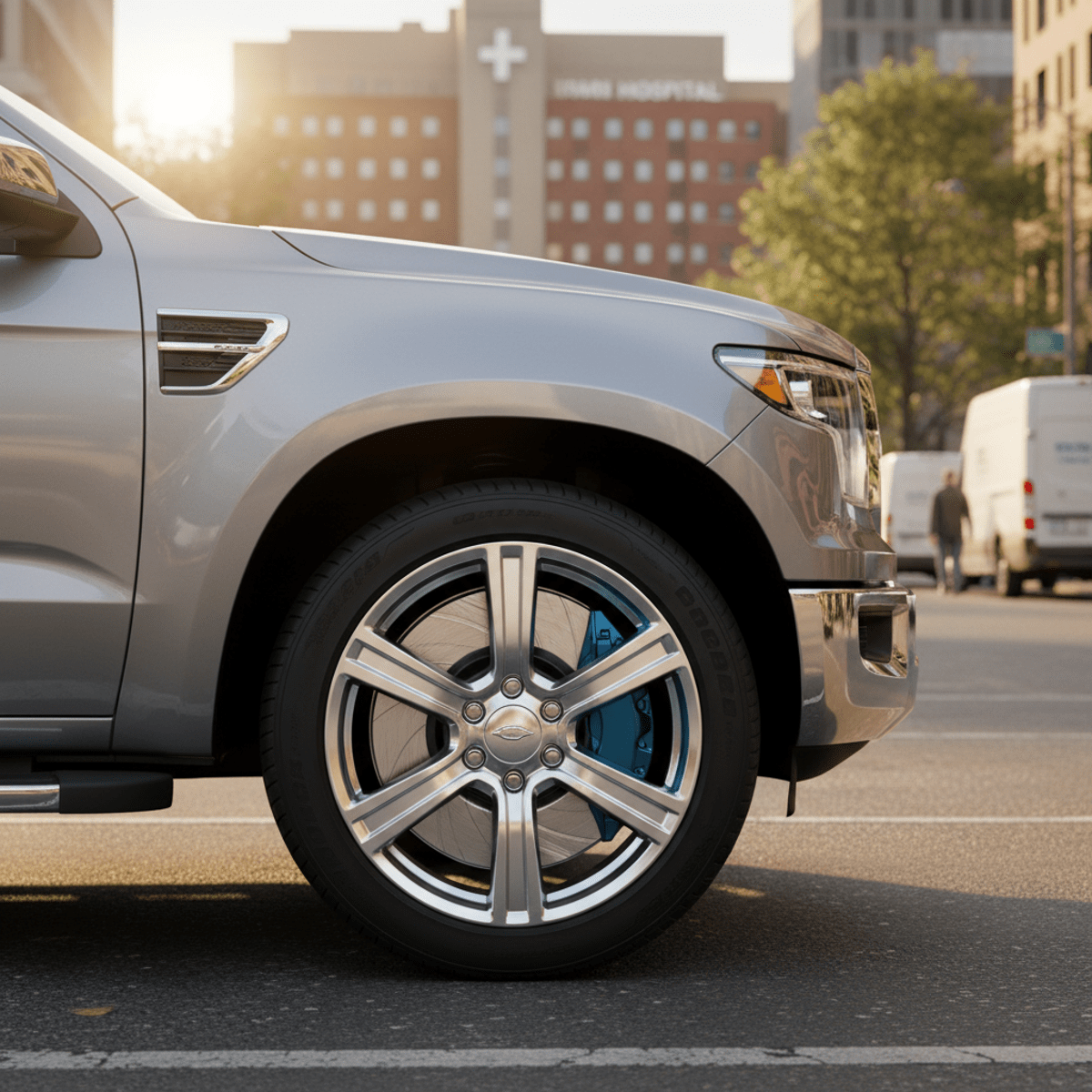
Targeting the premium light and medium-duty truck segments where driver comfort and urban noise compliance are paramount, advanced ceramic hybrid formulations for 2026 masterfully blend high-grade ceramic particles with proprietary synthetic and aramid fibers to deliver exceptional noise, vibration, and harshness (NVH) control without sacrificing stopping performance. These sophisticated compounds produce minimal, light-colored brake dust that keeps expensive custom wheels pristine and reduces vehicle maintenance requirements. The ceramic matrix provides consistent friction characteristics across temperature ranges while the hybrid fibers absorb vibrations that would otherwise translate to pedal pulsation or cabin noise. These pads are increasingly the standard choice for premium daily driver trucks, urban delivery fleets operating in noise-restricted zones, luxury pickup trucks where comfort rivals performance, and commercial vehicles serving noise-sensitive environments like hospitals or residential areas where quiet operation is essential for maintaining community relations.
5. Sintered Metallic Pads for Extreme Duty
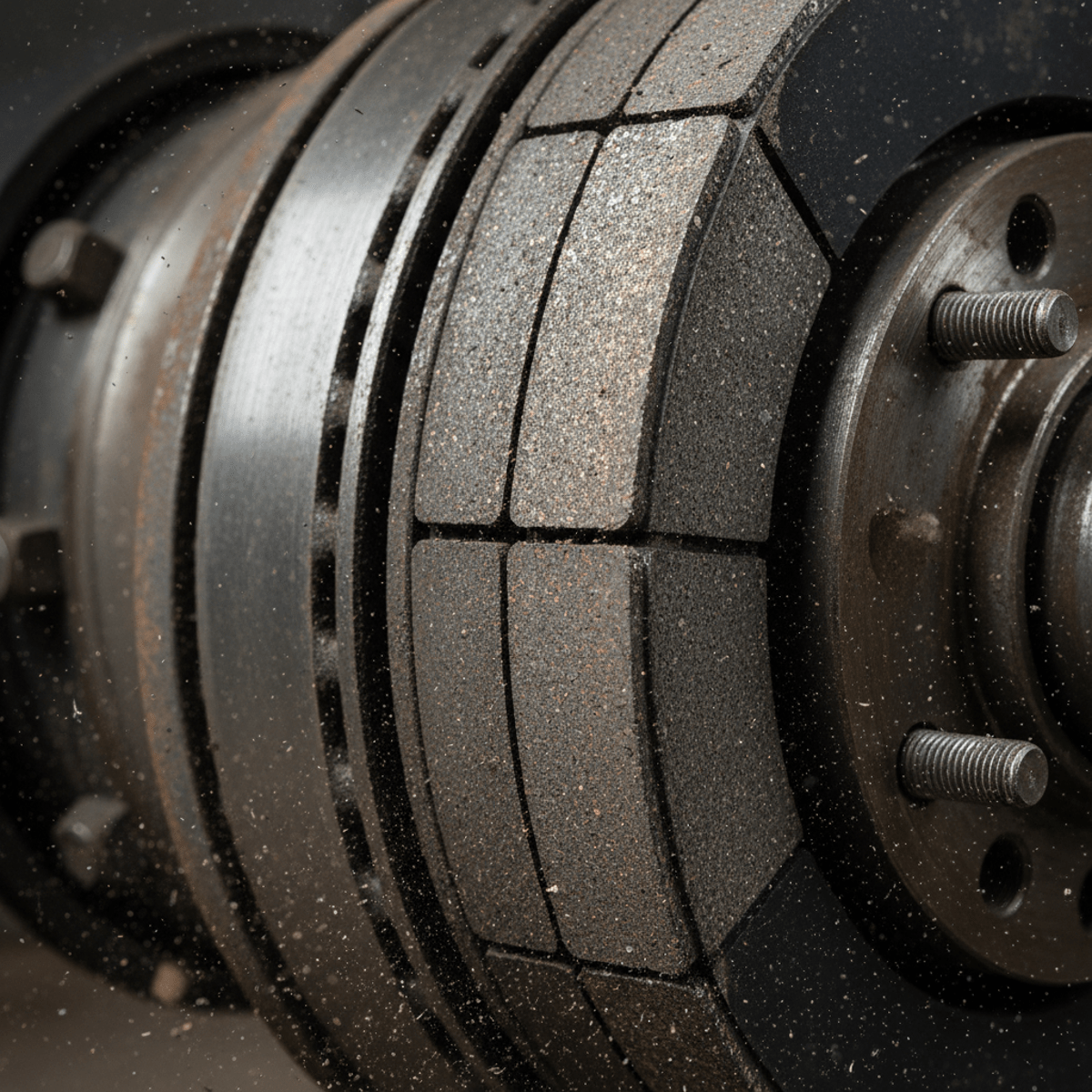
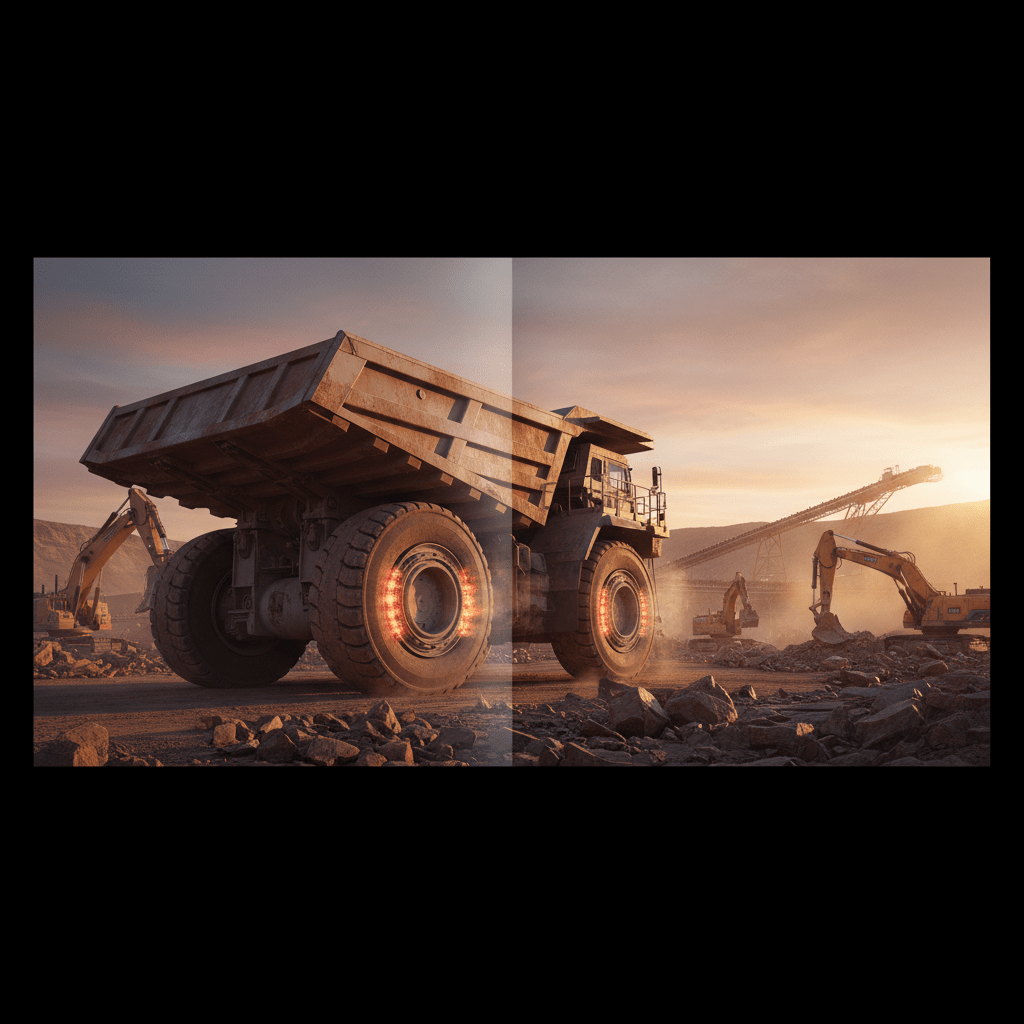
When absolute stopping force becomes non-negotiable and operating conditions push beyond normal limits, sintered metallic brake pads remain the undisputed champions of extreme-duty applications. Engineered specifically for mining operations, heavy construction equipment, logging trucks, and long-haul commercial vehicles carrying maximum legal loads, these pads are created through an advanced manufacturing process that fuses carefully selected metallic particles under immense heat and pressure to create an incredibly dense, durable friction material. The result is a brake pad capable of withstanding sustained temperatures exceeding 1,200°F and highly abrasive conditions without significant performance degradation or structural failure. Their characteristic rugged, coarse-textured appearance and substantial weight immediately communicate their brute-force capability and industrial-grade construction. While they may produce more noise and dust than consumer-grade alternatives, their unmatched durability and fade resistance make them essential for operations where safety margins cannot be compromised and downtime costs are measured in thousands of dollars per hour.
6. Cryogenically Treated Brake Systems
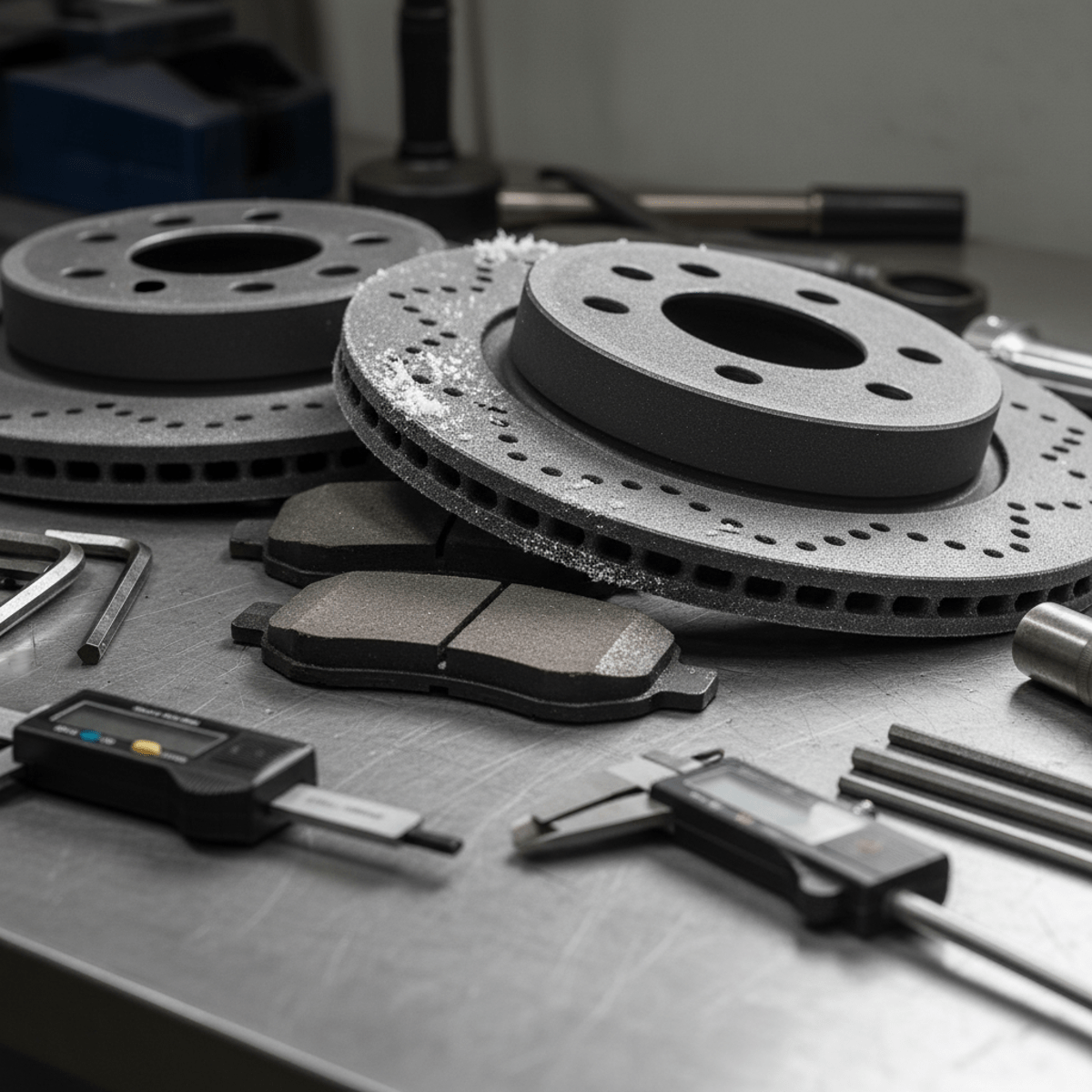
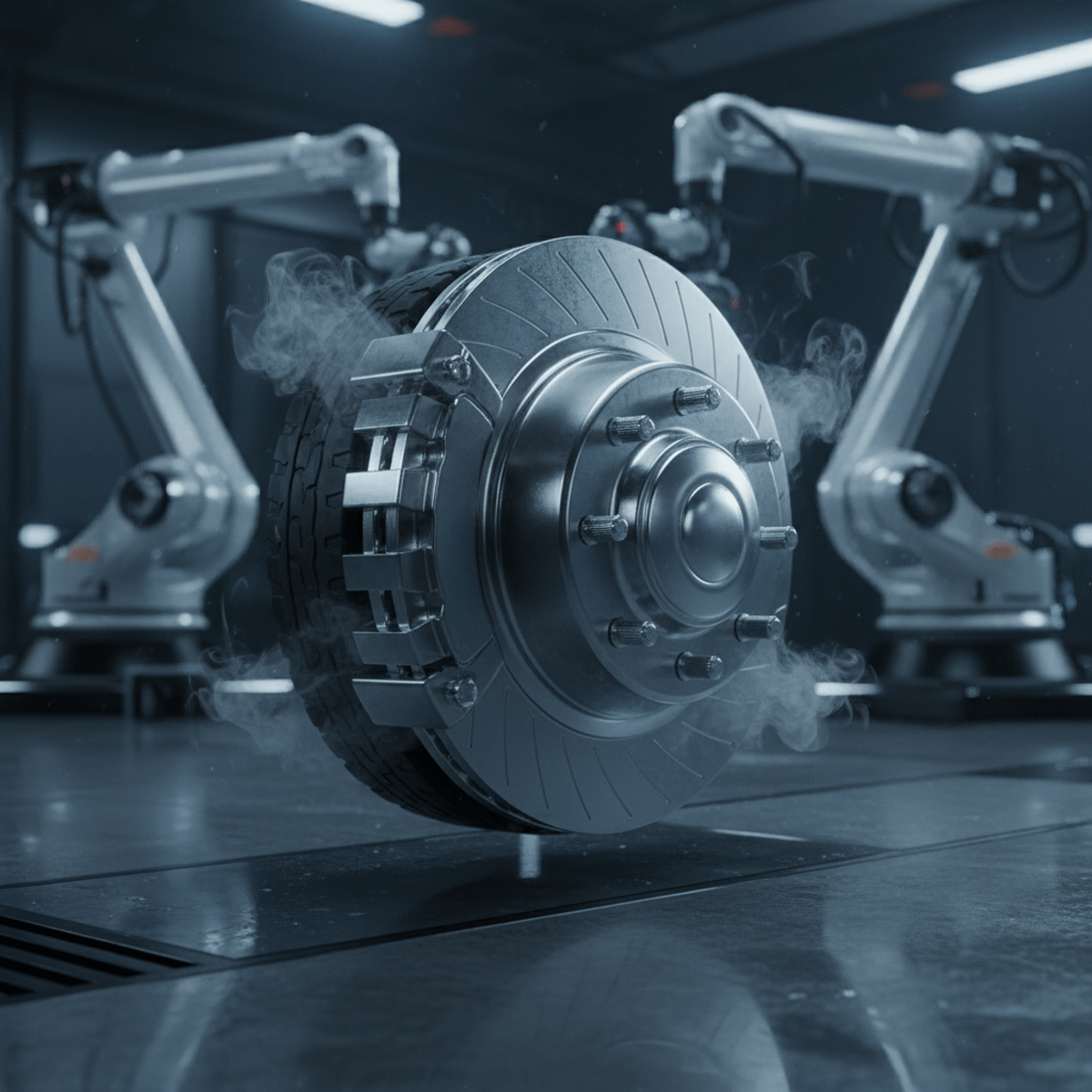
Representing a revolutionary system-level innovation, cryogenic treatment involves subjecting brake pads and rotors to ultra-deep freezing at temperatures reaching -300°F in specialized chambers filled with liquid nitrogen. This extreme cold treatment fundamentally realigns the material’s molecular microstructure, relieving internal stresses and creating more uniform density distribution throughout the friction material. The process significantly increases wear resistance, extends operational lifespan, and reduces the likelihood of stress-related cracking or delamination under extreme operating conditions. For fleet managers focused on total cost of ownership, cryogenically treated brake components deliver substantial extensions in service intervals, reduced warranty claims, and lower long-term maintenance costs despite higher initial investment. While the treated pads appear visually similar to standard components, their performance story is best told through detailed technical documentation, molecular structure diagrams, and compelling before-and-after wear analysis charts that demonstrate the dramatic improvements in durability and performance consistency achieved through this advanced treatment process.
7. Carbon-Carbon Matrix for a New Class of Performance
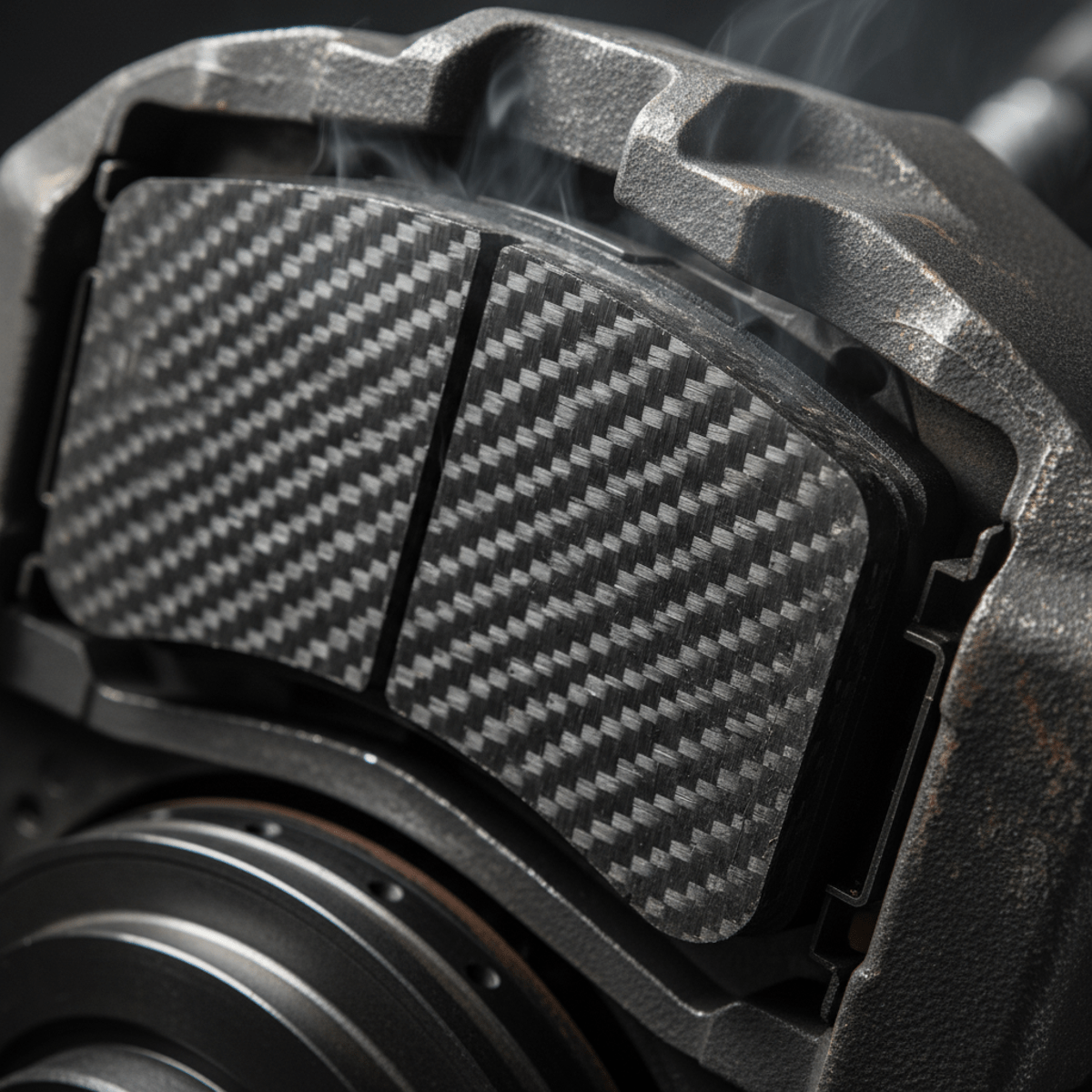
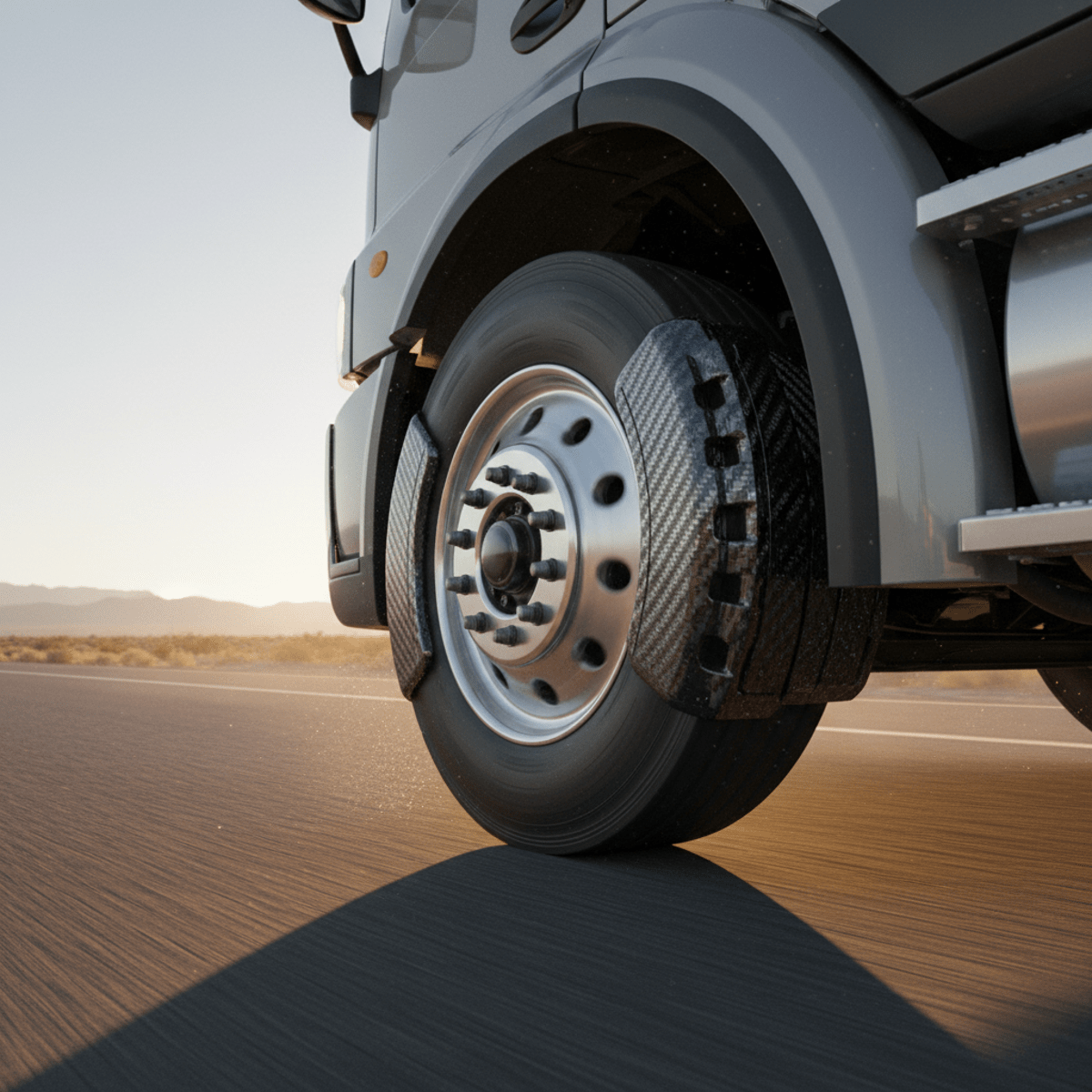
Trickling down from elite aerospace applications and Formula 1 motorsport, carbon-carbon (C/C) composite brake pads represent the absolute pinnacle of braking performance technology, emerging as the ultimate solution for ultra-high-performance truck applications where cost considerations are secondary to achieving maximum performance and weight reduction benefits. These extraordinary pads utilize interwoven carbon fiber matrices infiltrated with carbon-based binding materials, creating components that are incredibly lightweight yet capable of operating effectively at extreme temperatures that would destroy conventional materials. While currently occupying a premium niche market segment, they signal the future evolutionary direction for top-tier commercial and performance braking systems. Their distinctive woven carbon fiber appearance makes them instantly recognizable to enthusiasts and professionals, while their exceptional thermal stability and fade resistance make them ideal for specialized applications including emergency vehicles, high-performance commercial trucks, and specialized hauling operations where maximum braking capability can mean the difference between successful operations and catastrophic failure.
As we’ve explored throughout this comprehensive analysis, the truck brake pad landscape in 2026 represents a period of unprecedented innovation and market transformation, driven by breakthrough advances in material science, mandatory environmental compliance requirements, and sophisticated data integration technologies. These seven revolutionary technologies extend far beyond simple product features—they represent fundamental market shifts and significant business opportunities across multiple sectors. For automotive parts retailers, these innovations translate to new high-margin product categories with strong consumer demand and regulatory backing. Fleet managers now have access to advanced solutions that fundamentally alter total cost of ownership calculations while dramatically improving safety margins and operational efficiency. Product developers and engineers gain clear insights into R&D directions that align with market demands and regulatory requirements. However, understanding these trends represents only the initial step in capitalizing on these market opportunities. To transform this knowledge into competitive advantage, businesses need strategic partnerships with qualified manufacturers and suppliers who can deliver these advanced technologies reliably and cost-effectively. This is precisely where Accio, our revolutionary AI-powered sourcing platform, becomes indispensable. Use Accio today to instantly connect with verified manufacturers specializing in ‘copper-free ceramic brake pad compounds,’ analyze comprehensive market trends for ‘graphene-enhanced braking materials,’ or discover qualified suppliers offering ‘smart brake sensor integration technology.’ Transform market intelligence into actionable business results—source the future of commercial braking systems with Accio and gain the competitive edge your business deserves.