


Related search
Fabric
Vegetable Chopper
Cord Organizer
Skin Care Tool
Get more Insight with Accio
10 Next-Gen Police Car Light Designs Dominating 2026
10 Next-Gen Police Car Light Designs Dominating 2026
7min read·Oriana·Mar 30, 2026
The iconic flash of police car lights is undergoing a radical transformation in 2026. Technology has moved far beyond the traditional roof-mounted bar, ushering in an era of intelligent, integrated, and often invisible systems designed for maximum safety and tactical advantage. Modern police car lights now feature stealth capabilities that keep unmarked vehicles undetected until activation, aerodynamic designs that reduce fuel consumption, and AI-powered systems that adapt flash patterns based on situational context. These innovations represent more than aesthetic upgrades—they’re strategic tools that enhance officer safety, improve public communication, and provide crucial tactical advantages. This comprehensive guide explores the 10 most innovative police car light designs and technologies that are defining the future for fleet managers, vehicle designers, and emergency response professionals across the industry.
Table of Contents
1. The ‘Ghost’ Grille: Invisible Until Activated
2. Aerodynamic Rooftop Pods: Ditching the Bar
3. 360° ‘Matrix’ Mirror Lighting
4. Integrated Digital Message Boards
5. Bumper & Rocker Panel Illumination
6. Smart-Sync V2X Lighting Networks
7. Dual-Mode Covert/Overt Interior Bars
8. AI-Powered Situational Flash Patterns
2. Aerodynamic Rooftop Pods: Ditching the Bar
3. 360° ‘Matrix’ Mirror Lighting
4. Integrated Digital Message Boards
5. Bumper & Rocker Panel Illumination
6. Smart-Sync V2X Lighting Networks
7. Dual-Mode Covert/Overt Interior Bars
8. AI-Powered Situational Flash Patterns
Want to explore more about 10 Next-Gen Police Car Light Designs Dominating 2026? Try the ask below
10 Next-Gen Police Car Light Designs Dominating 2026
1. The ‘Ghost’ Grille
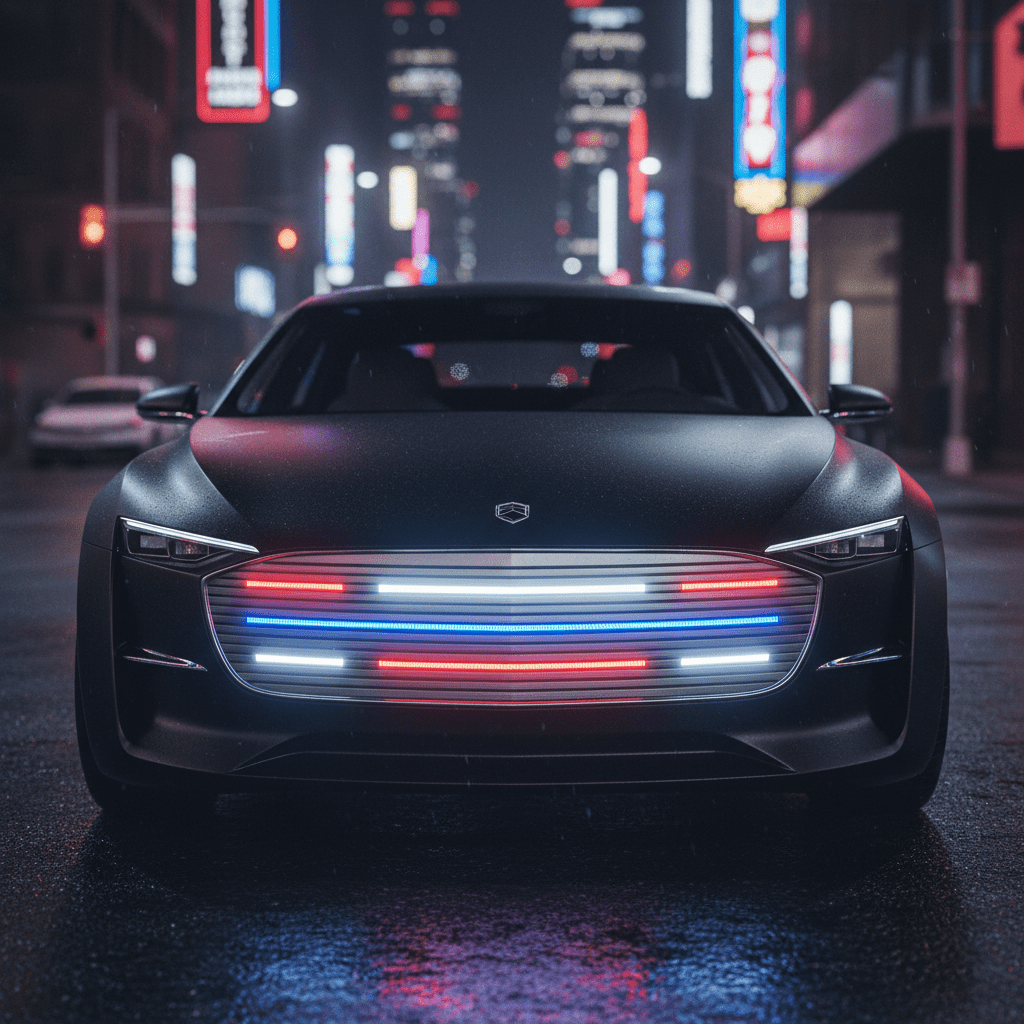
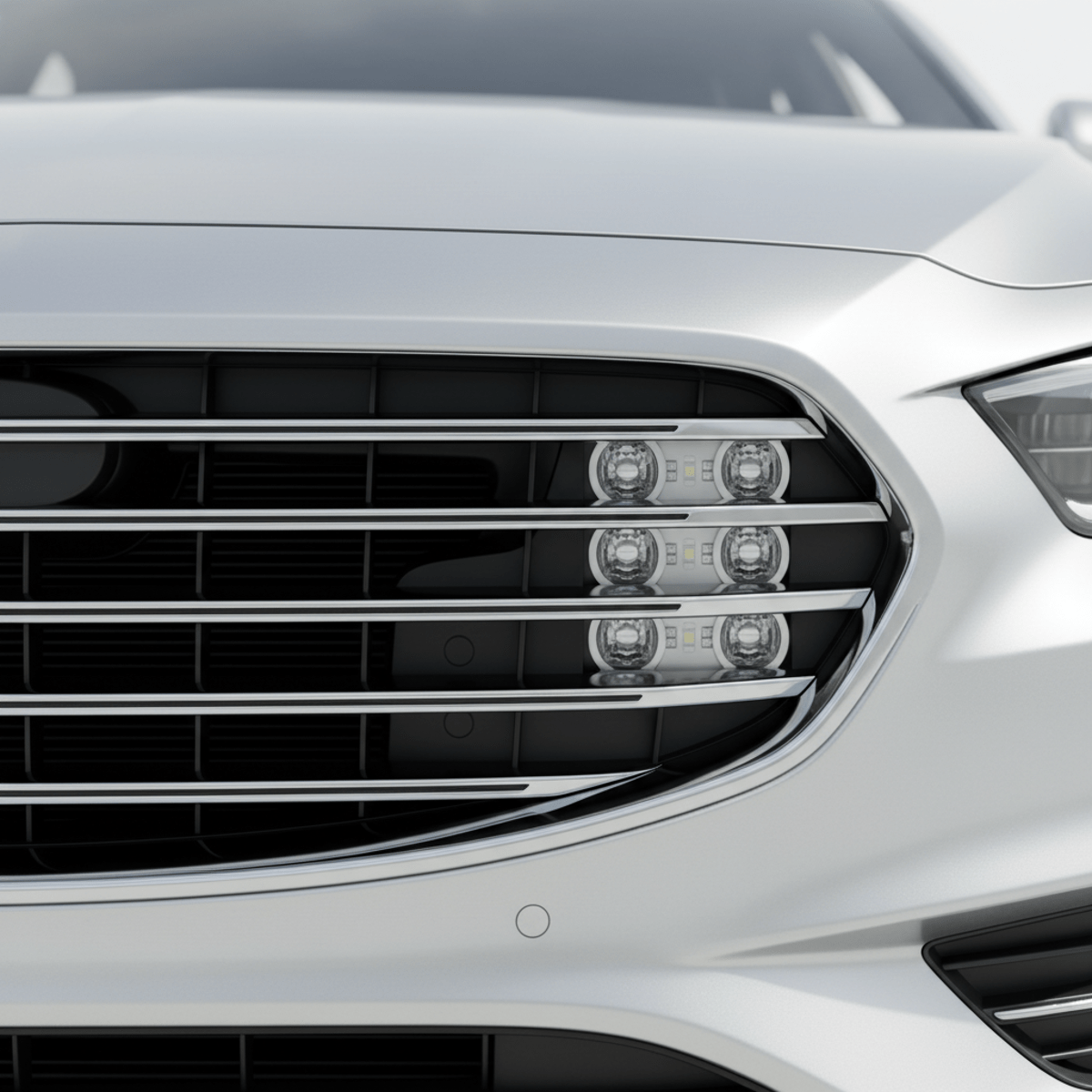
Invisible Until Activated: This revolutionary design represents the pinnacle of covert police vehicle technology. High-intensity, multi-color LED modules are seamlessly integrated directly behind the vehicle’s front grille, remaining completely hidden from view when deactivated. When needed, these powerful lights blast brilliant illumination through the grille slats, creating an instantly recognizable emergency pattern. This innovation is crucial for unmarked patrol vehicles, allowing them to blend seamlessly into traffic until the critical moment when visibility becomes essential. The tactical advantage is significant—suspects have no warning until officers choose to reveal their presence. The technology utilizes advanced COB LED arrays with specialized optics designed to maximize light output through automotive grille materials, ensuring optimal visibility without compromising the vehicle’s civilian appearance.
2. Aerodynamic Rooftop Pods
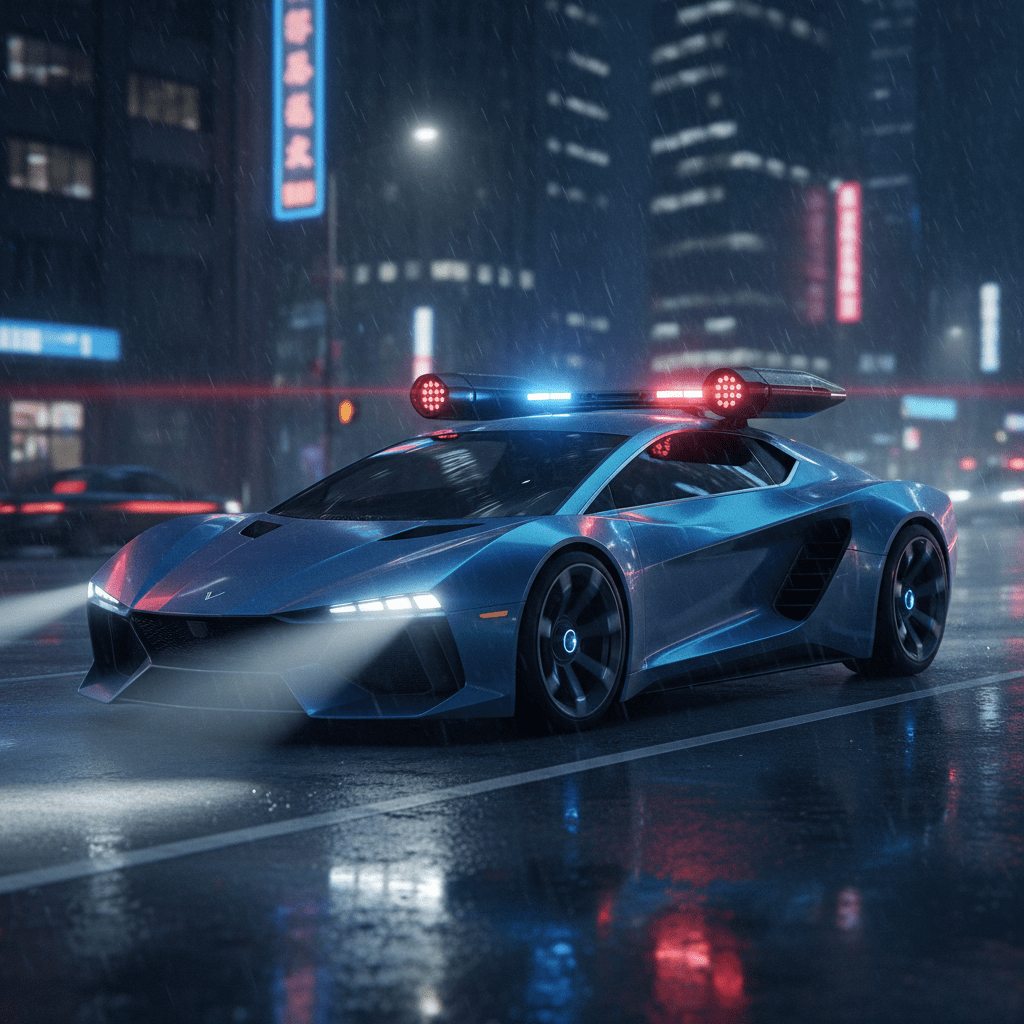
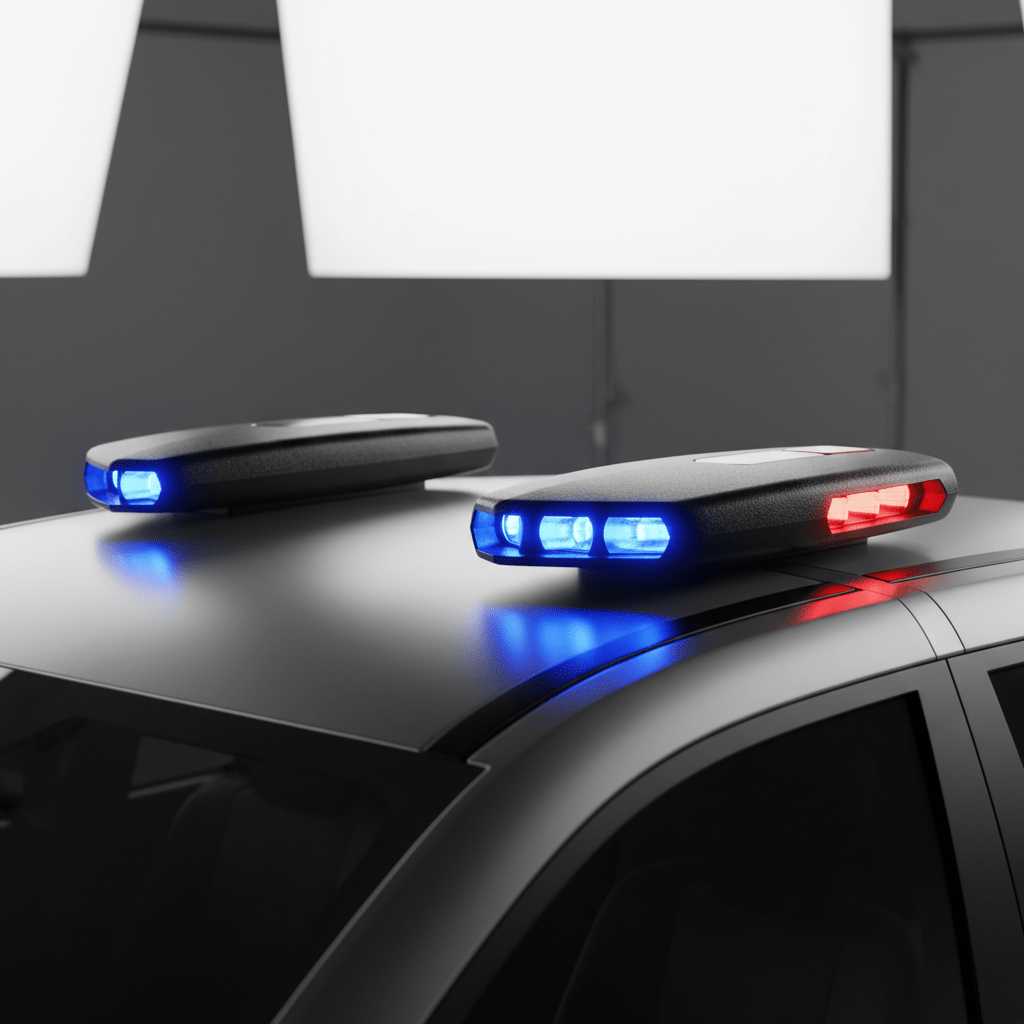
Ditching the Bar: Traditional light bars create substantial wind resistance and noise pollution, impacting fuel efficiency and officer comfort during extended patrols. The 2026 solution embraces sleek, wing-shaped rooftop pods strategically mounted at the corners of the roofline. These ultra-low-profile units provide comprehensive 360-degree visibility without compromising vehicle aerodynamics or creating excessive drag. Each aerodynamic pod incorporates advanced optical engineering to project light patterns further and wider than conventional bars, often integrating multiple functions including alley lights, spotlights, and intersection warning beacons. The streamlined design reduces wind noise significantly, improving communication capabilities during high-speed pursuits. Fleet managers report fuel savings of up to 8% compared to traditional bar-equipped vehicles, making these pods both tactically and economically superior for modern law enforcement operations.
3. 360° ‘Matrix’ Mirror Lighting
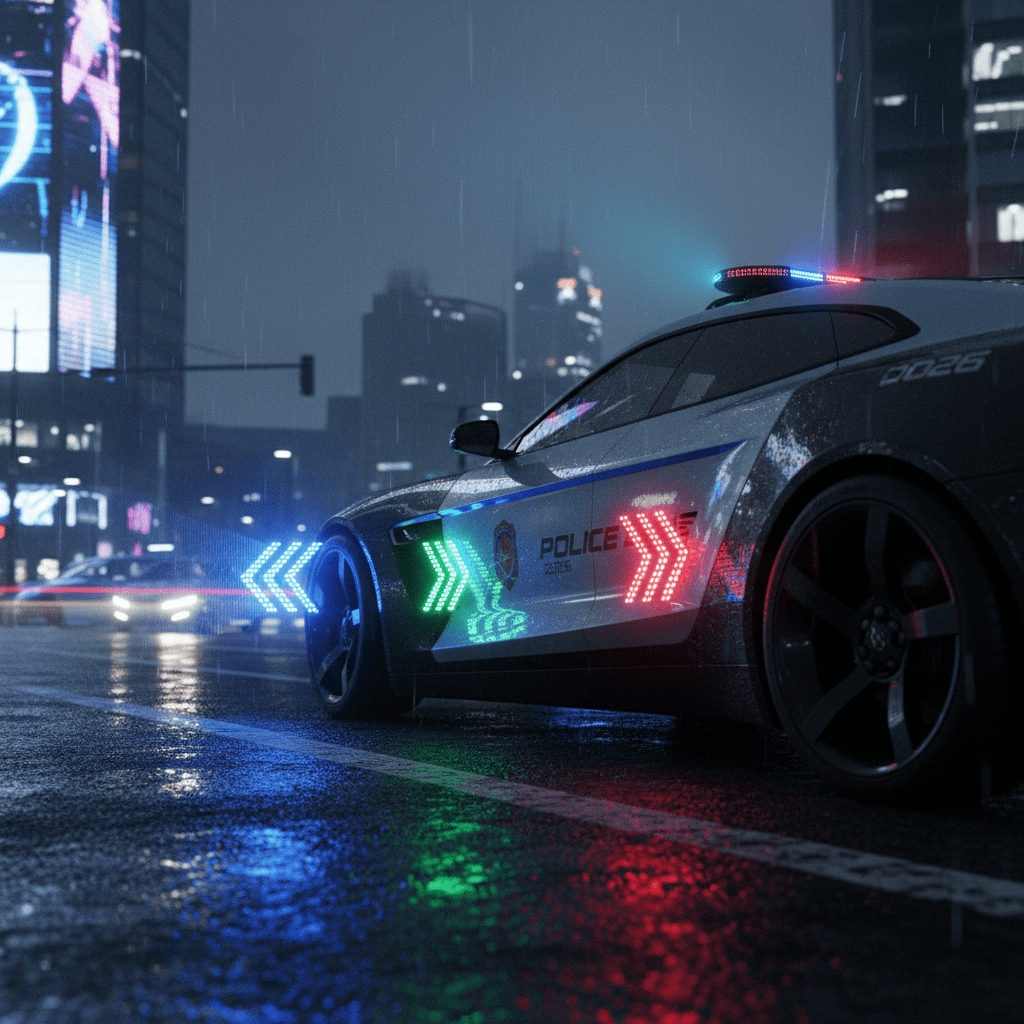
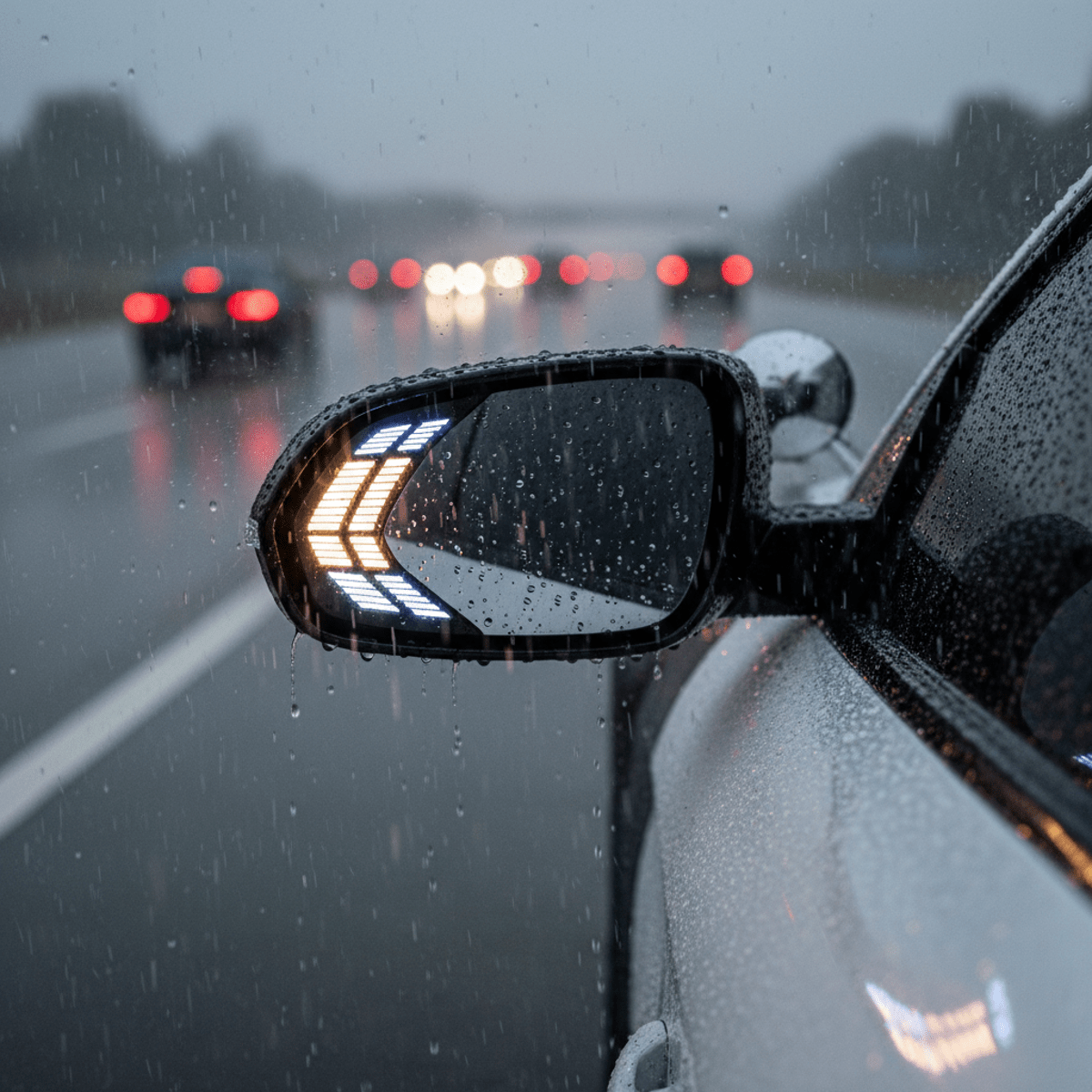
Side mirrors have evolved beyond simple visibility tools to become critical safety communication devices. The latest matrix mirror lighting integrates sophisticated LED arrays directly into the mirror housing, providing forward, side, and rear-facing illumination capabilities. This innovation ensures crucial off-axis warning visibility at intersections and guarantees the patrol vehicle remains visible from all angles when positioned on roadside stops. The matrix configuration allows for dynamic pattern control, enabling officers to direct traffic flow with directional sequences or create attention-grabbing patterns for maximum visibility. Advanced optics within the compact mirror housing project focused beams that penetrate adverse weather conditions while avoiding glare for the officer. This technology addresses a critical safety gap—traditional rooftop lighting often creates blind spots at vehicle sides, leaving officers vulnerable during traffic stops and intersection operations.
4. Integrated Digital Message Boards
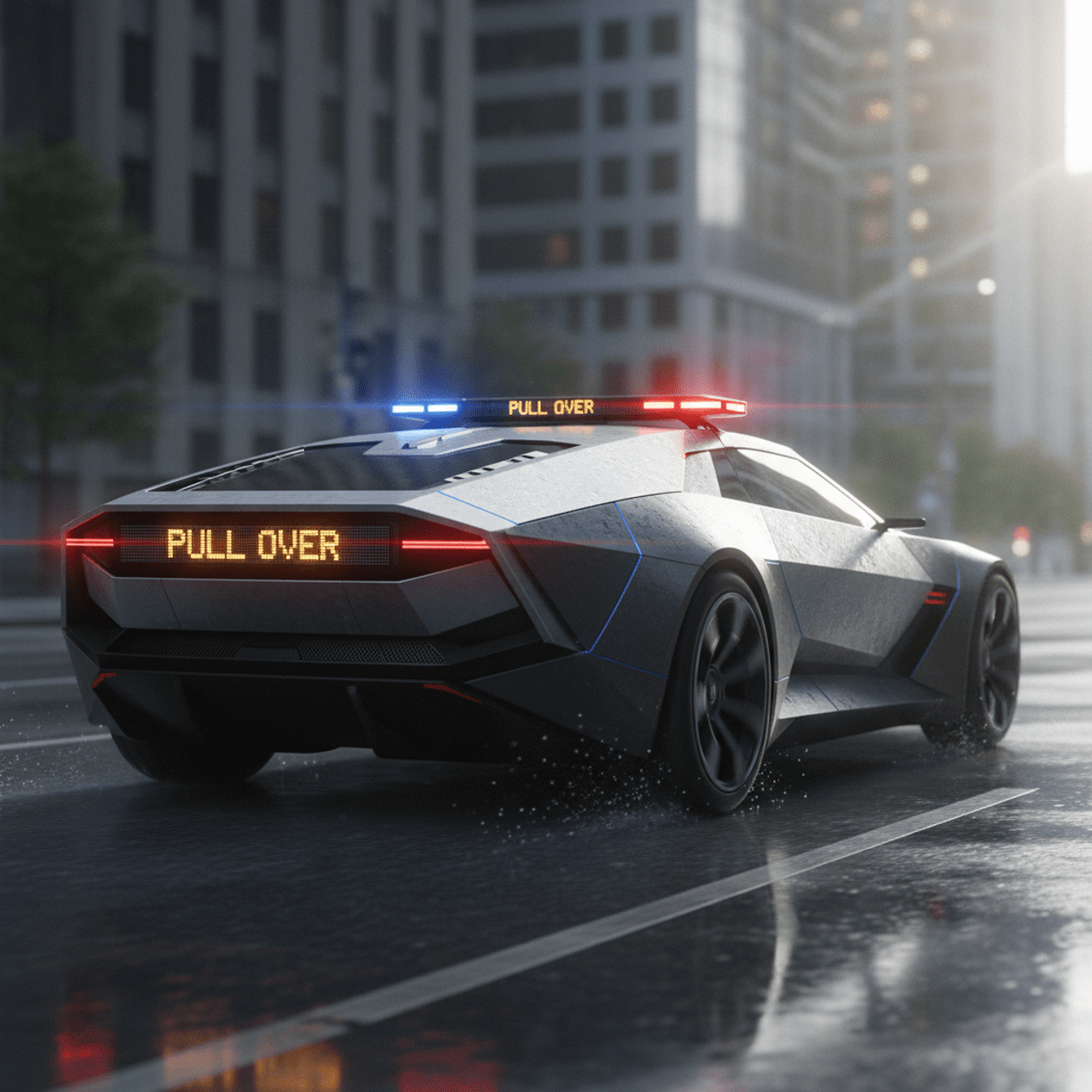
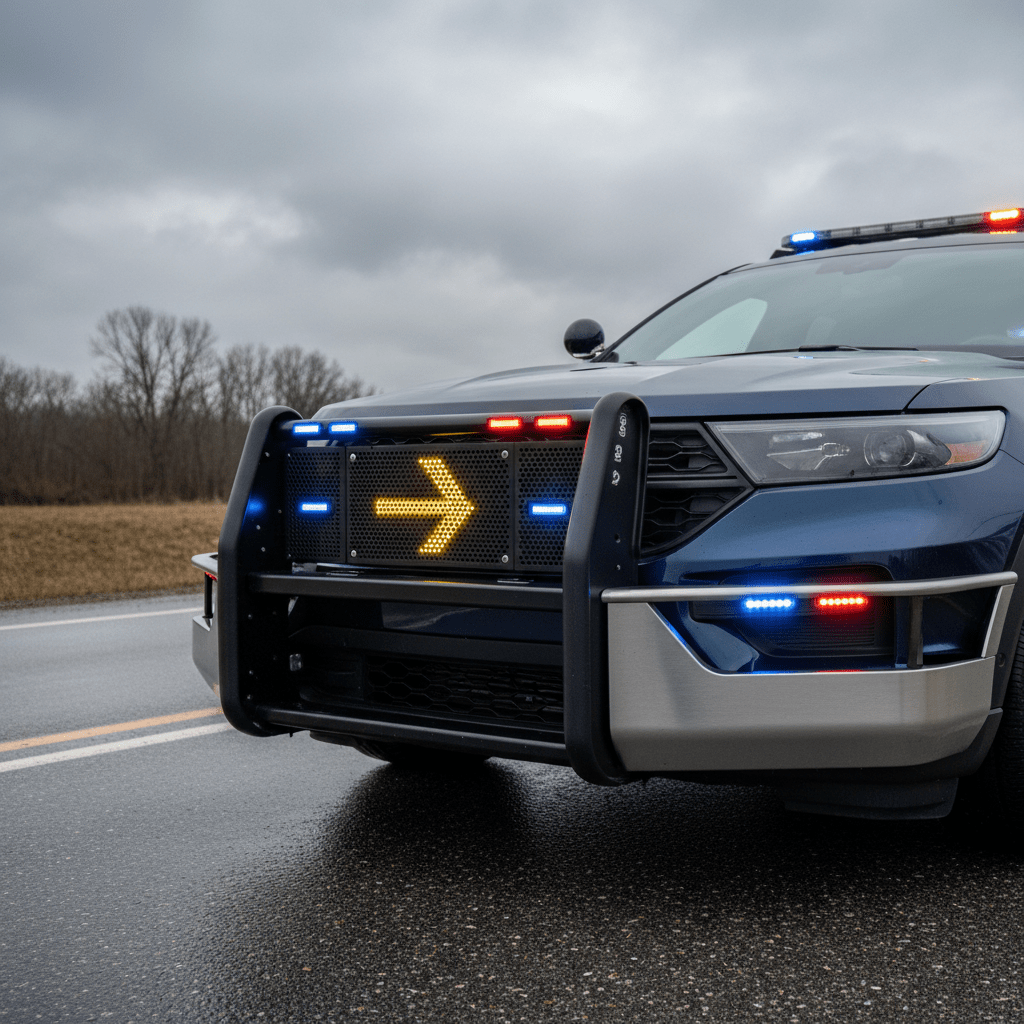
Clear communication saves lives and reduces confusion during emergency responses. Modern police car lights now incorporate slim, high-resolution LED message boards that display text commands alongside traditional flashing patterns. These digital displays can be mounted on the rear deck, integrated into front push-bumpers, or embedded within light bar assemblies. Officers can instantly display messages like ‘PULL OVER,’ ‘ACCIDENT AHEAD,’ directional arrows, or lane closure warnings. The technology utilizes weather-resistant, high-brightness displays visible in direct sunlight and adverse conditions. Advanced systems offer pre-programmed messages for common scenarios while allowing custom text entry for unique situations. This capability significantly reduces public confusion during traffic stops and scene management, enhancing officer safety by ensuring clear, unambiguous communication. Fleet managers report improved compliance rates and reduced secondary incidents when digital messaging supplements traditional emergency lighting patterns.
5. Bumper & Rocker Panel Illumination
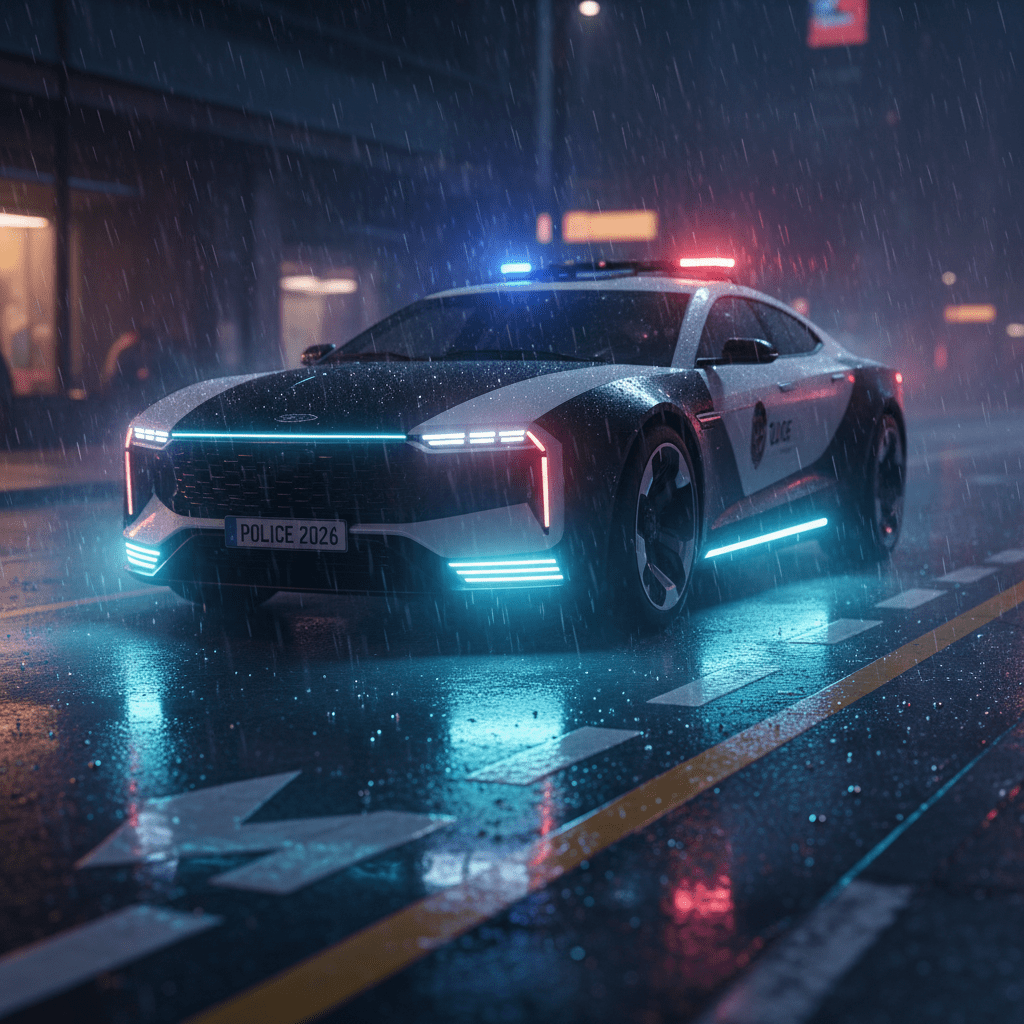
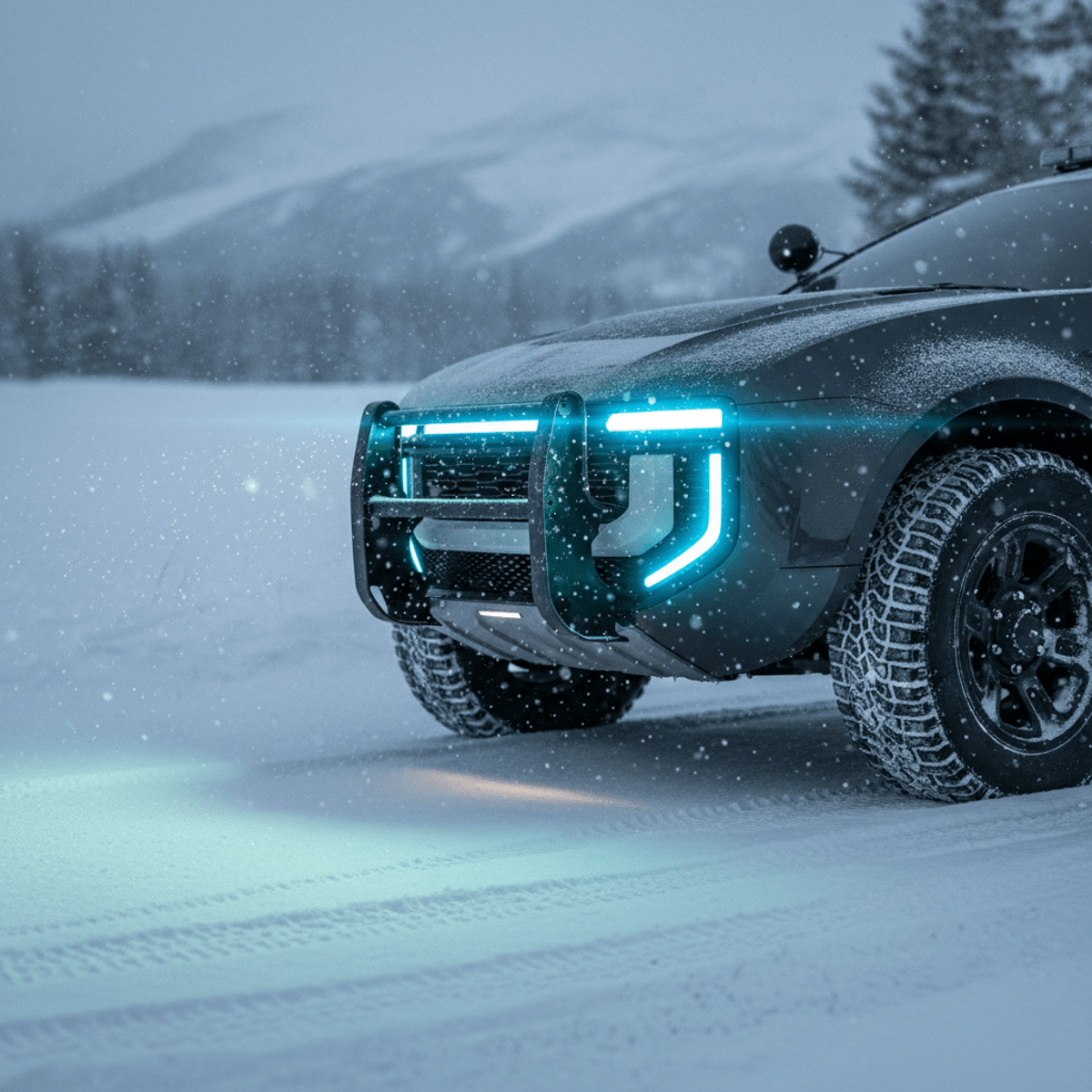
Expanding the vehicle’s visual footprint requires lighting placement at ground level where visibility is often compromised. Advanced LED strip systems are now integrated along rocker panels below the doors and within specially designed channels of front and rear bumpers. This low-mounted illumination creates a larger apparent vehicle size and dramatically improves visibility in adverse weather conditions including fog, heavy rain, and snow. The weatherproof LED strips utilize specialized diffusion lenses that spread light horizontally along the ground, creating an effective barrier of visibility. Beyond warning functions, these systems provide crucial scene lighting upon arrival, illuminating work areas without requiring separate equipment. The installation integrates with vehicle body panels, maintaining aesthetic appearance while providing robust protection against road debris and environmental hazards. Officers report improved safety during roadside activities, particularly during nighttime operations where traditional overhead lighting creates shadows.
6. Smart-Sync V2X Lighting Networks
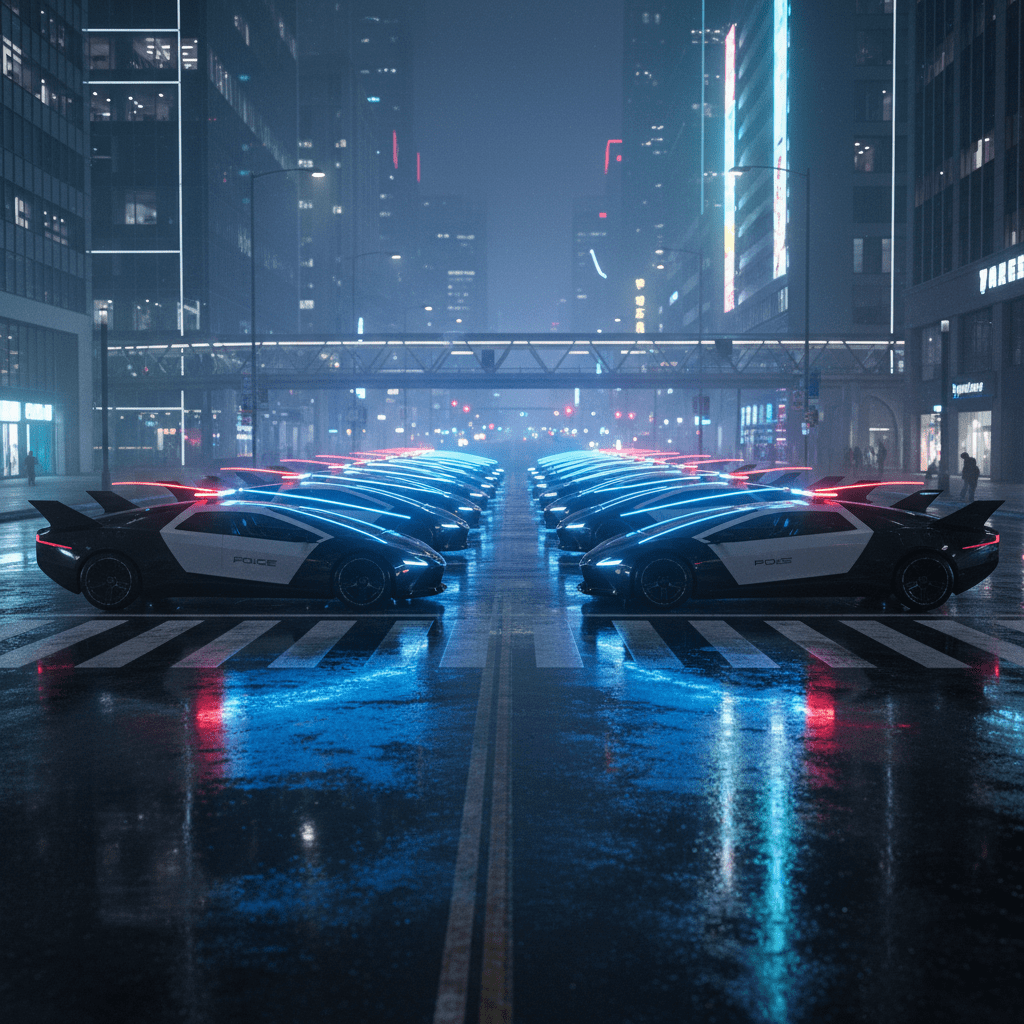
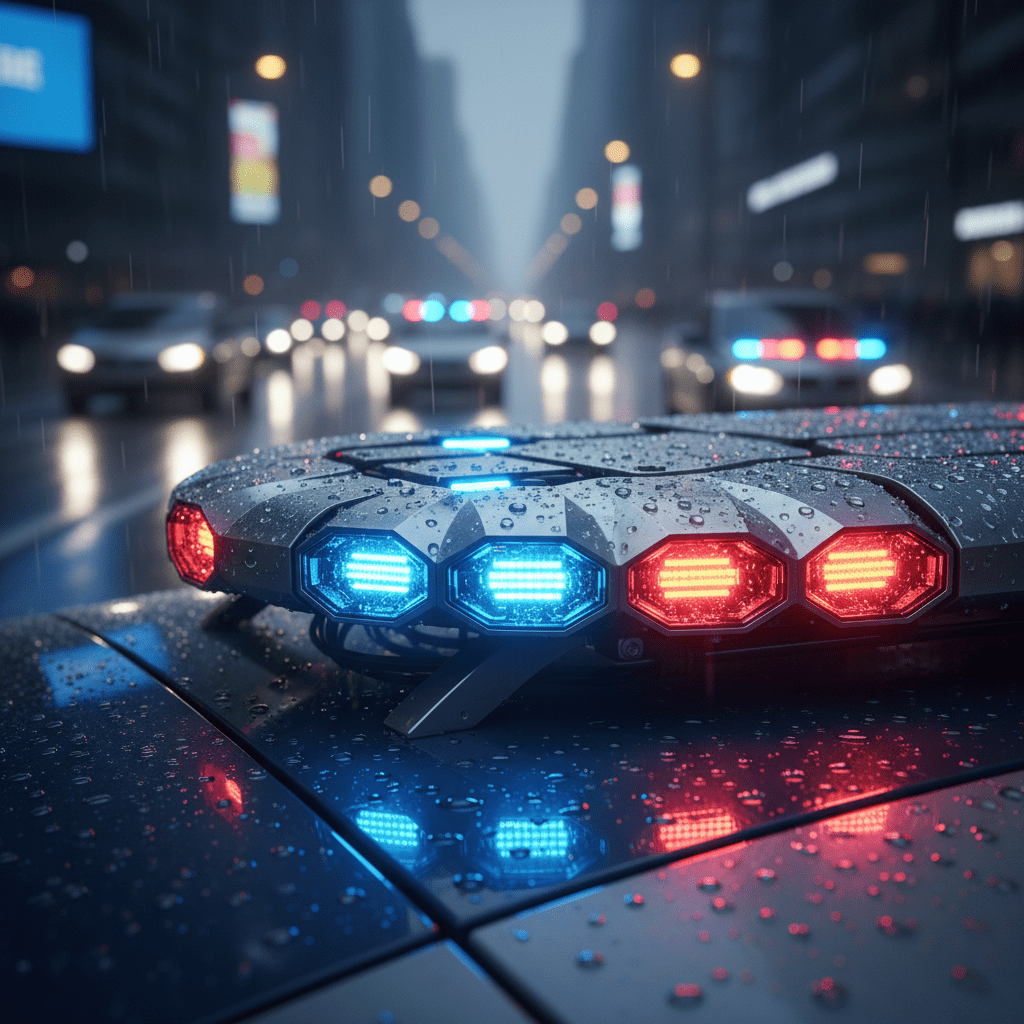
Vehicle-to-Everything communication technology has revolutionized multi-unit emergency responses through synchronized lighting networks. When multiple police vehicles arrive at a scene, their lighting systems automatically coordinate flash patterns to create unified, less chaotic visual warning zones. This ‘swarm lighting’ capability reduces visual noise and creates more effective traffic calming effects. The V2X integration allows real-time pattern coordination based on vehicle positioning, with lead vehicles establishing primary patterns while supporting units adjust accordingly. Advanced systems consider factors like traffic speed, weather conditions, and incident type to optimize the collective lighting display. Research demonstrates that synchronized emergency lighting reduces secondary collision rates by up to 35% compared to uncoordinated flashing. The technology requires minimal officer intervention—vehicles automatically detect nearby emergency units and negotiate optimal patterns through encrypted wireless communication, ensuring secure, interference-free operation even in crowded radio environments.
7. Dual-Mode Covert/Overt Interior Bars
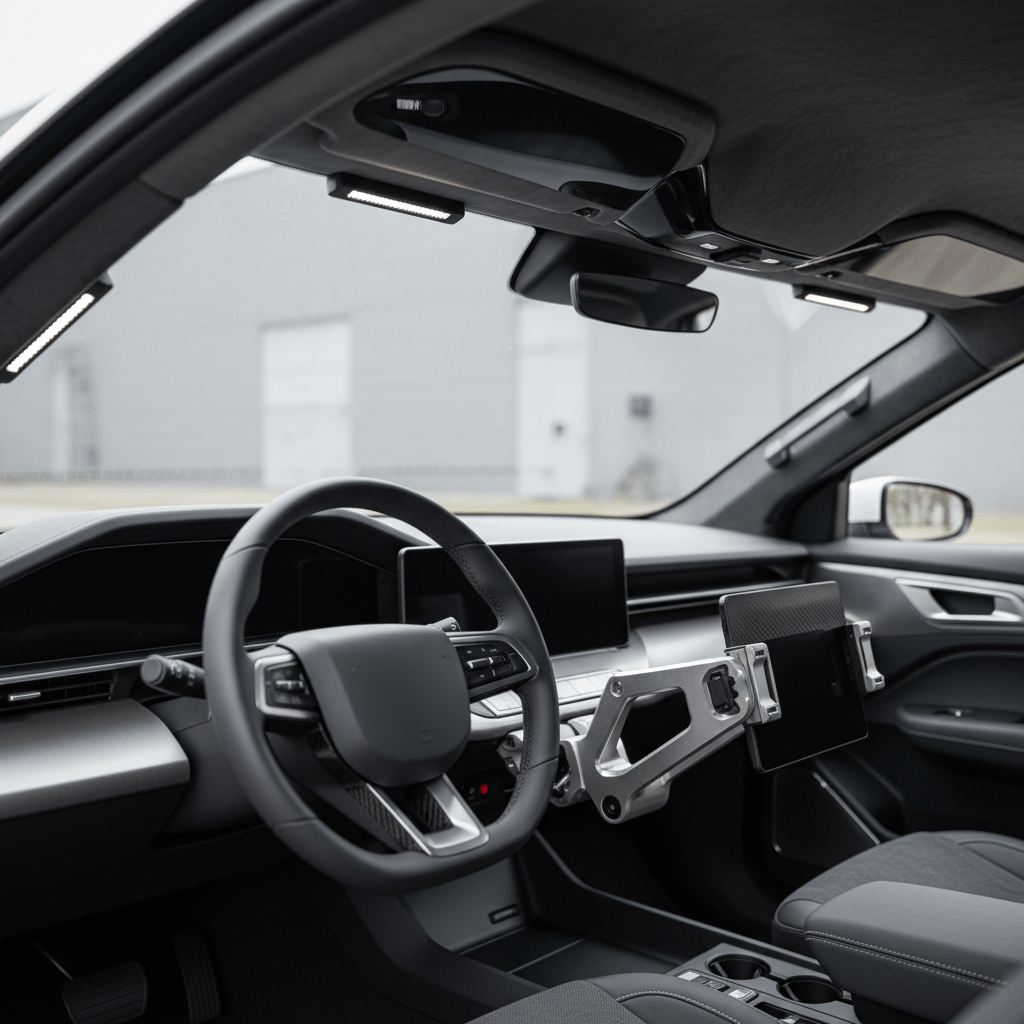
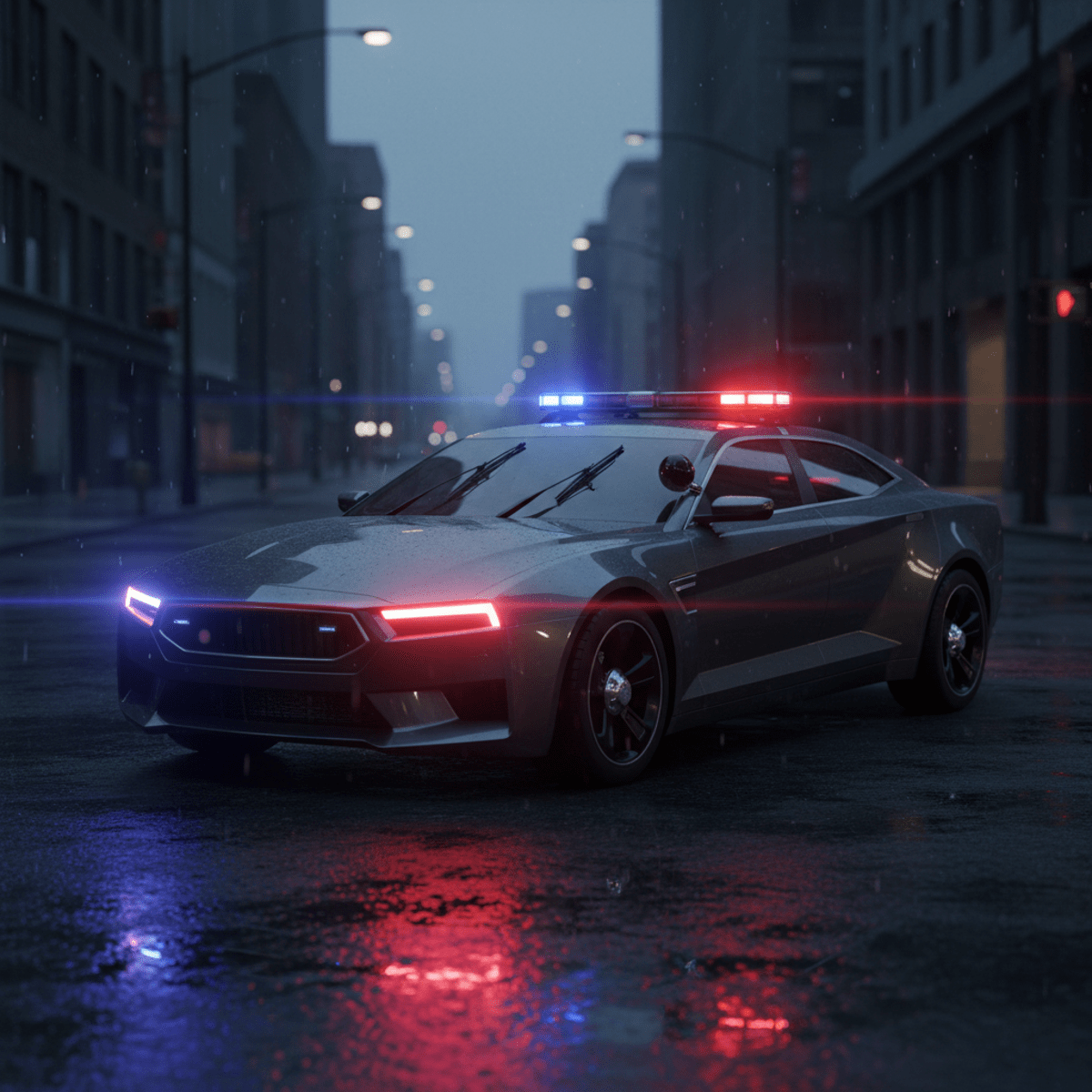
Slicktop patrol vehicles require interior lighting solutions that balance concealment with effectiveness. The latest dual-mode interior bars feature innovative tinted lens technology that completely hides LED modules during covert operations. When activated, officers can choose between subtle warning flashes visible through the tint or full-intensity operation where internal mechanisms physically retract or clear the tinted covering. This adaptability allows the same vehicle to function in both undercover and marked patrol roles without equipment changes. The mounting systems secure against front and rear windows without obstructing driver visibility or interfering with vehicle safety systems. Advanced models include split-zone control, allowing different sections to operate in different modes simultaneously—perfect for situations requiring directional warning while maintaining concealment elsewhere. The technology addresses the growing need for versatile patrol vehicles that can adapt to various operational requirements without compromising tactical effectiveness or budgetary efficiency.
8. AI-Powered Situational Flash Patterns
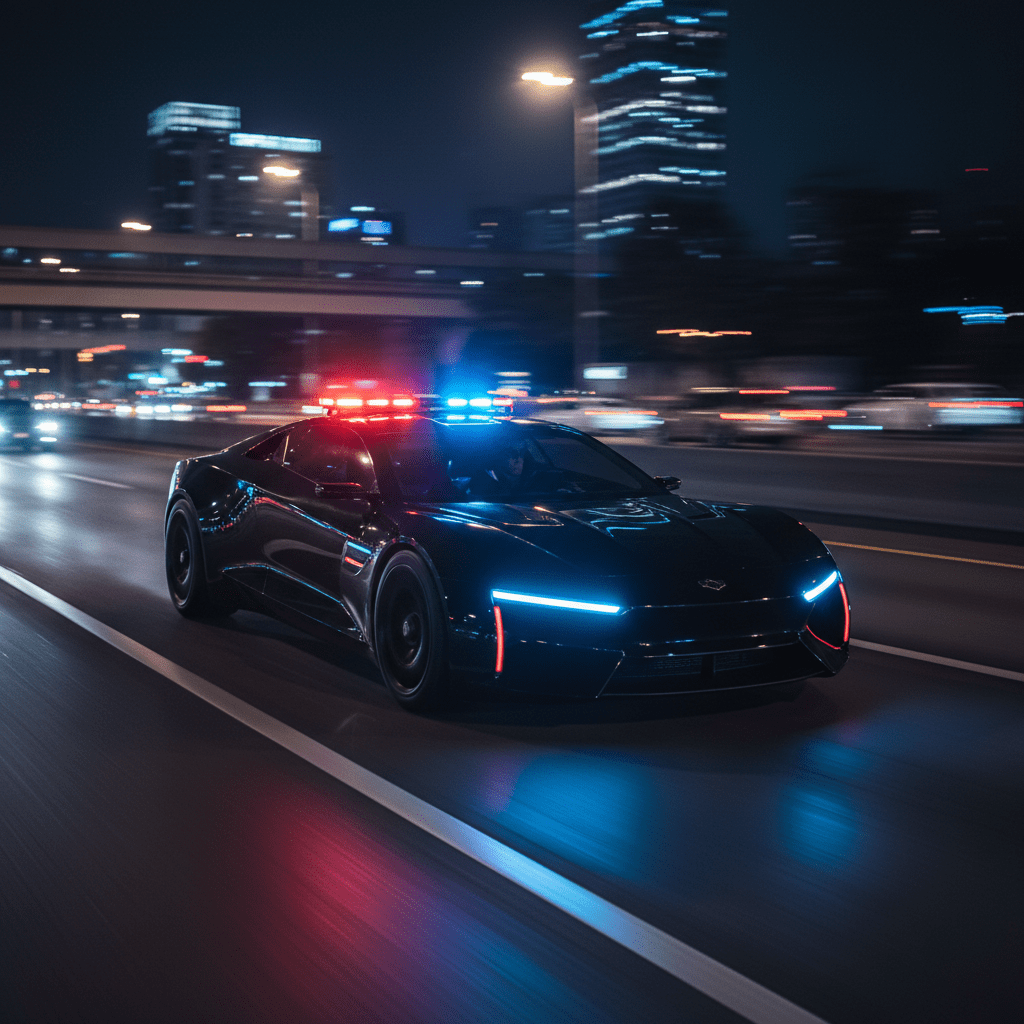
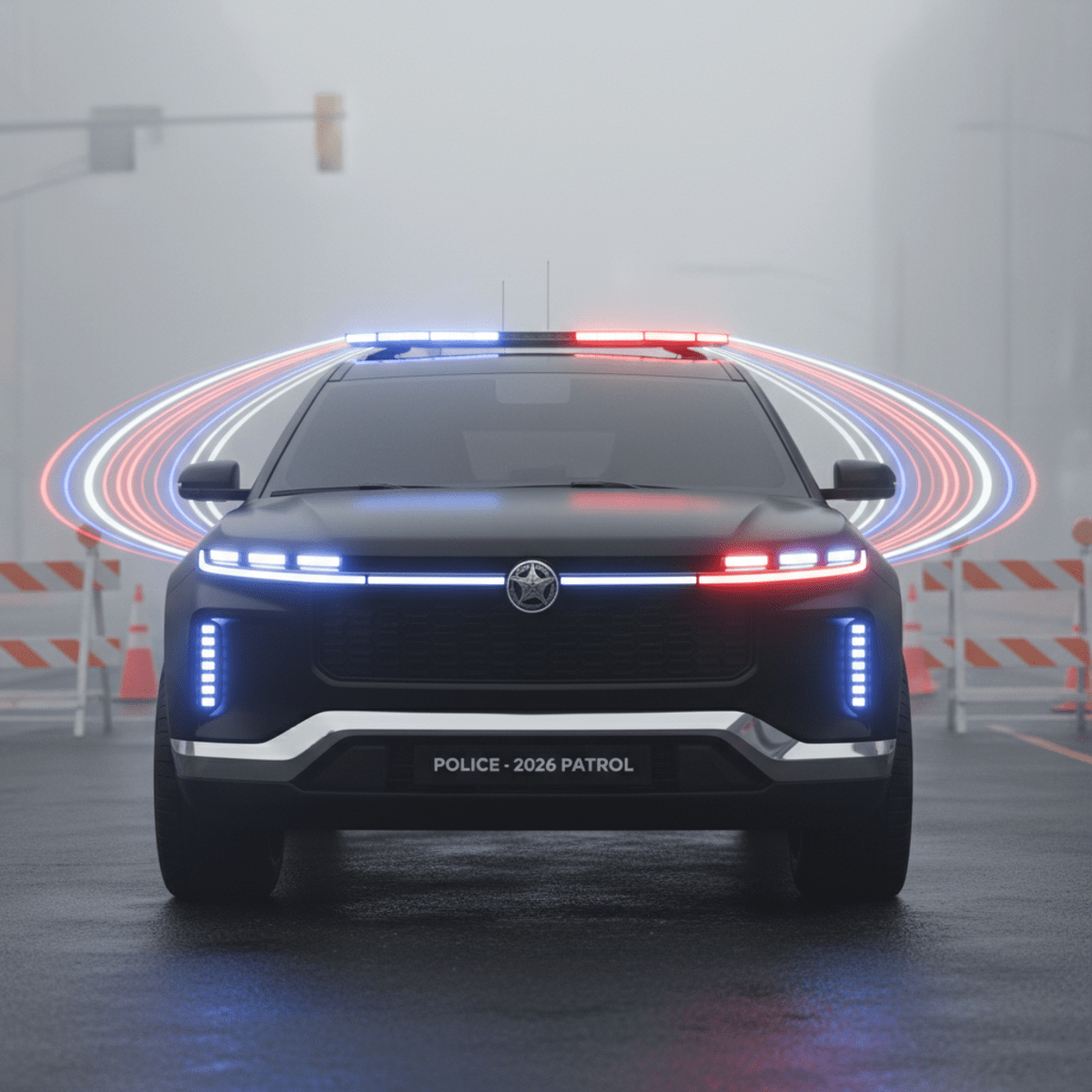
Artificial intelligence integration represents the most sophisticated advancement in emergency lighting control systems. These smart systems analyze real-time data from GPS, speedometer, and environmental sensors to automatically select optimal flash patterns for specific situations. During high-speed pursuits, the AI triggers rapid, attention-grabbing patterns designed for maximum visibility at highway speeds. Upon arriving at incident scenes, the system automatically switches to 360-degree blocking patterns optimized for traffic control. Weather sensors influence pattern selection—fog conditions trigger slower, more penetrating flash sequences while clear conditions allow for rapid attention-grabbing displays. The AI learns from usage patterns and officer preferences, continuously optimizing performance for specific departments and operational areas. Advanced systems integrate with Computer-Aided Dispatch systems, pre-configuring lighting based on call types before officers arrive. This intelligent automation allows officers to focus entirely on tactical situations rather than equipment management, significantly improving response effectiveness and safety outcomes.
The evolution of police car lights in 2026 represents a fundamental shift toward stealth, intelligence, and seamless vehicle integration. From hidden grille systems that maintain tactical advantage to AI-powered patterns that adapt automatically to operational needs, these innovations transcend mere aesthetic improvements. They represent strategic tools that enhance officer safety, improve public communication, and provide crucial tactical advantages in an increasingly complex law enforcement environment. The integration of V2X communication, aerodynamic design principles, and advanced materials demonstrates how technology serves both functional and economic objectives for modern police departments. These trends are reshaping the emergency vehicle industry, creating new opportunities for manufacturers, suppliers, and fleet managers who understand the direction of technological advancement. For businesses in the automotive and public safety sectors, these design trends provide a clear roadmap to future market demands. Whether you’re developing next-generation lighting systems, sourcing components for vehicle upfitting, or specifying equipment for fleet modernization, success depends on connecting with the right manufacturers and suppliers. Transform this market intelligence into actionable business results with our AI sourcing tool, Accio. Instantly discover manufacturers of aerodynamic lighting pods, analyze market adoption of covert LED technologies, or find verified suppliers of V2X-enabled controllers. Let Accio bridge the gap between innovation insight and business opportunity—your gateway to the future of emergency vehicle technology starts today.