


Related search
Odor Eliminator
Phone Cooler
Tv Card
Toys
Get more Insight with Accio
Natrel Glass Recall Crisis: Supply Chain Lessons for Business Buyers
Natrel Glass Recall Crisis: Supply Chain Lessons for Business Buyers
7min read·Jennifer·Mar 27, 2026
The Agropur glass contamination incident that triggered a national safety alert on March 25, 2026, serves as a stark reminder of how quickly supply chain vulnerabilities can escalate into crisis situations. The voluntary recall affected specific milk products sold under the Farmers, Natrel, and Québon brands, with glass contamination potentially present in two-liter cartons distributed across Canada. This incident demonstrates how a single production anomaly can cascade through complex distribution networks, affecting retailers from Quebec to Nova Scotia and requiring immediate coordination across multiple provincial markets.
Table of Content
- Supply Chain Disruptions: Lessons from the Glass Milk Recall
- Crisis Response Protocols: Managing Recall Logistics
- Quality Control Measures to Prevent Contamination Issues
- Transforming Crisis Into Opportunity: The Path Forward
Want to explore more about Natrel Glass Recall Crisis: Supply Chain Lessons for Business Buyers? Try the ask below
Natrel Glass Recall Crisis: Supply Chain Lessons for Business Buyers
Supply Chain Disruptions: Lessons from the Glass Milk Recall
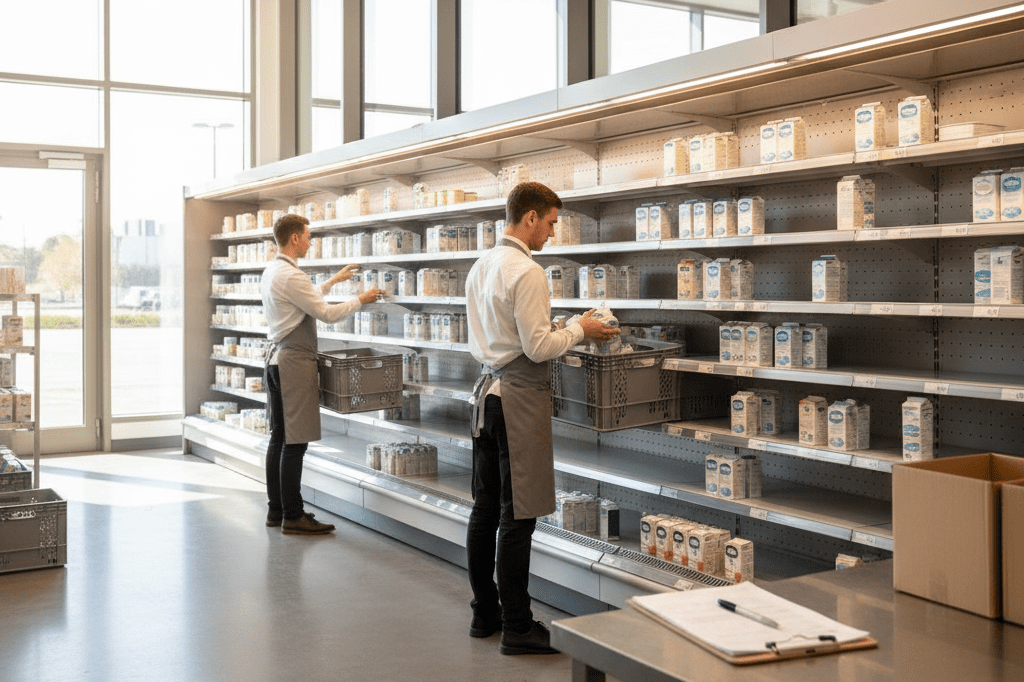
The business impact extended far beyond the initial safety concern, creating immediate challenges for retail partners including Sobeys locations and independent grocers who carried the affected batches. Distribution networks faced the dual challenge of halting further shipments while simultaneously coordinating the removal of products already on store shelves. The recall encompassed multiple product variations, including Natrel 1% Lactose Free Chocolate Partly Skimmed Milk with specific best-before codes like AL 06, AL 13, and MA 04, requiring precise inventory tracking systems to identify affected stock efficiently.
Agropur Class 1 Milk Recall Details (March 26, 2026)
| Category | Details |
|---|---|
| Recall Date | March 26, 2026 |
| Company & Facility | Agropur (Bedford, Nova Scotia facility) |
| Recall Classification | Class 1 (High risk of serious health problems or death) |
| Contaminant | Potential presence of glass |
| Affected Brands | Farmers, Natrel, Québon |
| Specific Products | Natrel 1% lactose-free chocolate milk; Farmers 1%, 2%, and 3.25% milk varieties; Québon 2% chocolate partly skimmed milk |
| Distribution Area | All of Canada (specifically Nova Scotia, Prince Edward Island, Quebec) |
| Trigger Event | Consumer complaint regarding material resembling glass |
| Consumer Action | Do not consume, serve, use, sell, or distribute; discard or return to point of purchase |
| Current Status | Situation under control; CFIA verifying removal from marketplace |
| Reported Illnesses | None officially reported as of March 26, 2026 |
Crisis Response Protocols: Managing Recall Logistics

Effective crisis management transforms potential disasters into opportunities for operational improvement, as demonstrated by Agropur’s systematic approach to the glass contamination recall. The company established clear communication channels and implemented structured response protocols that minimized consumer risk while maintaining business continuity. Modern recall management requires sophisticated coordination between manufacturers, distributors, and retail partners to ensure swift product removal and consumer notification.
The complexity of managing recalls across multiple product lines and distribution territories demands robust logistical frameworks that can adapt to varying regional requirements. Provincial regulations and retailer-specific protocols create additional layers of complexity that crisis management teams must navigate while maintaining speed and accuracy. The Natrel and Québon milk recall highlighted the importance of having pre-established relationships and communication protocols that enable rapid response coordination across diverse market segments.
The 4-Step Recall Communication Framework
Agropur’s rapid response system demonstrated how manufacturers can notify distributors within 24 hours of identifying safety concerns, establishing a communication timeline that prioritizes consumer safety above all other considerations. The framework begins with immediate internal assessment, followed by regulatory notification, distributor alerts, and public communication through multiple channels including press releases and direct retailer contact. This systematic approach ensures that critical safety information reaches all stakeholders simultaneously, preventing communication gaps that could compromise consumer safety.
Consumer safety guidelines require clear protocols for handling potentially dangerous products, including specific instructions for store personnel on proper removal and segregation procedures. The recall communication must include detailed product identification criteria, such as the specific best-before codes AL 20, AL 28, and MA 15 that were identified for the Natrel chocolate milk products. Documentation systems play a crucial role in tracking affected product codes efficiently, enabling retailers to quickly identify and remove specific batches while maintaining accurate records for regulatory compliance and consumer inquiries.
Managing Retail Inventory During Safety Emergencies
Store-level protocols for removing 2-liter cartons from shelves require immediate action and systematic verification to ensure complete product withdrawal from consumer access. Retail staff must follow specific procedures for identifying affected products using best-before codes such as MR 26, AL 01, and AL 02 for chocolate partly skimmed milk variants, while segregating recalled items in designated areas away from regular inventory. These protocols extend beyond simple removal to include proper documentation of quantities withdrawn and coordination with store management to prevent accidental restocking.
Refund processing systems must accommodate consumer returns while maintaining accurate transaction records and inventory tracking for recalled products. Retailers established dedicated procedures for handling returns of products with codes like MR 25, AL 21, and AL 28, ensuring that consumers received full refunds regardless of receipt availability. Alternative product sourcing becomes critical for maintaining customer satisfaction and preventing lost sales, requiring retailers to quickly identify substitute products and adjust procurement schedules to meet continued demand for chocolate milk and lactose-free options.
Quality Control Measures to Prevent Contamination Issues
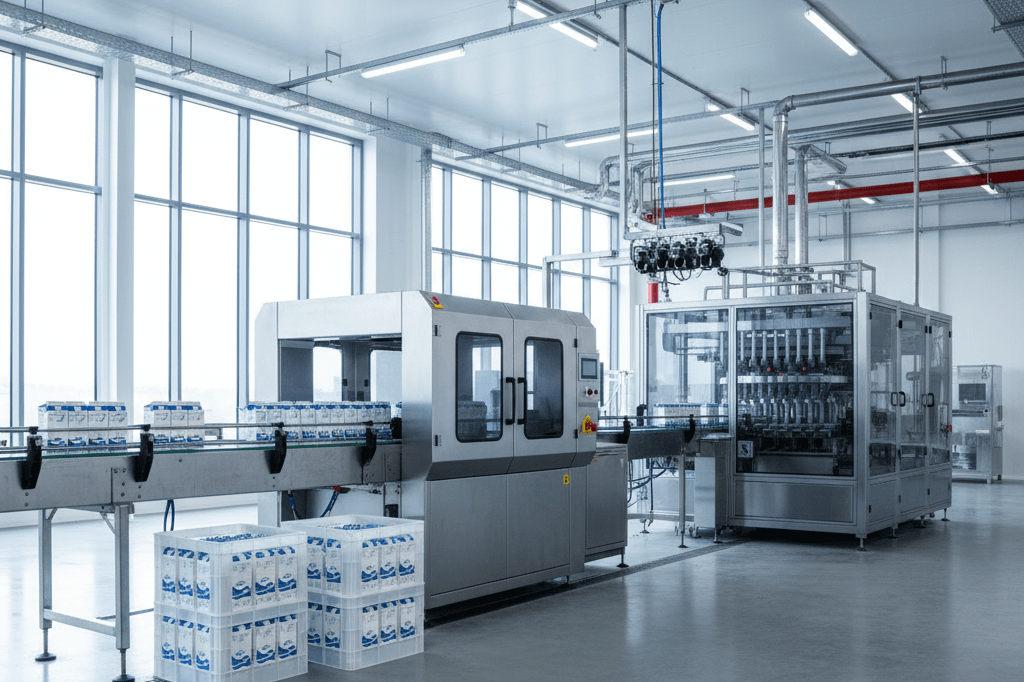
Advanced quality control systems represent the first line of defense against contamination incidents like the March 2026 Agropur glass recall that affected Natrel, Québon, and Farmers brand products. Manufacturing facilities must implement multi-layered inspection protocols that combine automated detection technology with human oversight at critical production stages. The integration of high-resolution imaging systems, metal detection equipment, and optical sorting technology creates comprehensive barriers against foreign object contamination in dairy processing environments.
Production safety standards require systematic evaluation of every manufacturing touchpoint where contamination risks might emerge, from raw material intake to final packaging operations. The glass contamination incident involving two-liter cartons with specific codes like AL 06, AL 13, and MA 04 demonstrates how single-point failures can cascade through entire production runs. Quality assurance teams must establish rigorous documentation procedures that track every production variable, enabling rapid identification of contamination sources and preventing similar incidents across multiple product lines and distribution territories.
Inspection System Enhancements for Production Lines
Visual detection systems utilizing machine learning algorithms can identify foreign objects as small as 0.5mm in dairy products, providing real-time analysis capabilities that surpass traditional manual inspection methods. Manufacturing quality control protocols incorporate high-speed cameras operating at 2,000 frames per second, coupled with artificial intelligence software that recognizes irregular shapes, textures, and densities that indicate contamination. These automated systems process up to 50,000 containers per hour while maintaining accuracy rates exceeding 99.8%, significantly reducing the likelihood of contaminated products reaching distribution networks.
Critical control points in packaging processes require enhanced monitoring at vulnerable stages where glass contamination typically occurs, including bottle washing stations, filling equipment interfaces, and sealing mechanisms. Production safety standards mandate installation of break-glass detection sensors at equipment transition zones, automated rejection systems for containers showing stress fractures, and positive air pressure maintenance to prevent external contaminant entry. Safety audit frequency has increased to hourly inspections at high-risk touchpoints, with documented verification procedures that create traceable quality records for regulatory compliance and rapid recall response capabilities.
Supply Chain Visibility: Tracking Products From Factory to Shelf
Batch tracking systems enable manufacturers to trace affected products across distribution networks within 4-6 hours of identifying contamination issues, utilizing barcode scanning and RFID technology to monitor product movement through multiple distribution stages. The Agropur recall highlighted how products with codes MR 26, AL 01, and AL 02 required precise tracking across Quebec, Prince Edward Island, and Nova Scotia markets simultaneously. Advanced traceability platforms integrate production timestamps, ingredient sourcing data, and distribution routing information to create comprehensive product genealogies that support targeted recall efforts while minimizing unnecessary product withdrawal.
Real-time monitoring technology solutions incorporate IoT sensors throughout production and distribution chains, providing continuous temperature monitoring, container integrity verification, and transportation condition tracking. Cross-contamination prevention protocols require segregated handling procedures for different product variants, dedicated equipment cleaning cycles between production runs, and environmental monitoring systems that detect airborne particulates or chemical residues. These integrated systems create digital audit trails that document every handling stage, enabling quality assurance teams to identify contamination sources rapidly and implement corrective measures before widespread distribution occurs.
Collaborative Response Networks for Rapid Mitigation
Supplier-distributor coordination during crises requires pre-established communication protocols that enable information sharing within 30 minutes of identifying safety concerns, utilizing dedicated emergency contact systems and real-time notification platforms. The March 2026 recall demonstrated how effective coordination between Agropur and retail partners like Sobeys locations facilitated rapid product removal across multiple provinces. Communication channels must include automated alert systems for distributors, standardized recall notification templates, and direct access to retailer inventory management systems to expedite product identification and withdrawal procedures.
Regulatory compliance with Health Canada standards demands comprehensive documentation systems that track recall timelines, consumer notification efforts, and product recovery rates throughout emergency response periods. Customer reassurance strategies require transparent communication about safety measures, detailed explanations of corrective actions implemented, and proactive engagement through multiple channels including the established contact number 1-800-701-6677 for consumer inquiries. Building consumer confidence involves demonstrating enhanced quality control measures, publishing safety audit results, and maintaining consistent communication about ongoing improvements to prevent future contamination incidents across all brand portfolios.
Transforming Crisis Into Opportunity: The Path Forward
Product safety improvements emerging from contamination incidents create stronger industry protocols that benefit entire supply chains and enhance consumer protection across all market segments. The Agropur glass recall experience has catalyzed implementation of advanced detection technologies, rigorous batch tracking systems, and enhanced communication protocols that set new standards for dairy industry safety practices. Manufacturing facilities now invest in comprehensive quality control upgrades, including automated inspection systems, real-time monitoring equipment, and integrated traceability platforms that prevent similar incidents while improving operational efficiency and regulatory compliance capabilities.
Consumer trust rebuilding requires sustained commitment to transparency, continuous improvement, and proactive safety measures that demonstrate genuine dedication to product quality and customer welfare. The dairy industry has recognized that open communication about safety challenges, detailed explanations of corrective measures, and regular updates on quality improvements create stronger relationships with retail partners and end consumers. Transparency value extends beyond immediate crisis management to encompass ongoing quality reporting, third-party safety audits, and collaborative industry initiatives that strengthen overall supply chain resilience while maintaining competitive market positions and consumer confidence levels.
Background Info
- Agropur issued a voluntary recall on March 25, 2026, for specific milk products sold under the Farmers, Natrel, and Québon brands due to the possible presence of pieces of glass.
- The recall announcement was publicly reported by multiple news outlets on March 26, 2026, with initial press releases dated March 25, 2026.
- No injuries related to the potential glass contamination have been reported as of March 27, 2026.
- The cause of the glass entering the milk cartons remains unconfirmed at this time.
- The Natrel 1% Lactose Free Chocolate Partly Skimmed Milk product is subject to a national recall across Canada.
- Other affected products, including various Farmers and Québon brand items, were distributed specifically in Quebec, Prince Edward Island, and Nova Scotia.
- Affected products are packaged in two-litre cartons.
- Specific best-before codes identified for the Natrel 1% Lactose Free Chocolate Partly Skimmed Milk include AL 06, AL 13, AL 20, AL 28, MA 04, MA 08, MA 11, and MA 15, all followed by “HH:MM 1 3702”.
- Specific best-before codes identified for the 1% Chocolate Partly Skimmed Milk include MR 26, AL 01, AL 02, AL 15, MR 24, MR 25, MR 28, MR 31, AL 04, AL 07, AL 08, AL 09, and AL 10, all followed by “HH:MM 1 3702”.
- Specific best-before codes identified for the 2% Chocolate Partly Skimmed Milk include MR 25, AL 01, AL 21, and AL 28, all followed by “HH:MM 1 3702”.
- Consumers were advised to discard the recalled products or return them to the place of purchase for a refund.
- A contact number for Canada West inquiries regarding the recall was listed as 1-800-701-6677.
- While the official recall notice did not explicitly list all retailers, consumer reports indicated that Sobeys locations, including one in Simcoe, Ontario, carried the recalled batches.
- “Certain milk products sold under the Farmers, Natrel and Québon brands are being recalled due to a possible presence of pieces of glass,” according to CTV News reporting on March 26, 2026.
- “No injuries have been reported and it’s not clear how the glass ended up in the milk,” stated Durham Radio News in their March 26, 2026 coverage.