


Related search
Eyelash Extensions
Graphics Cards
Car Audio Accessories
Coat
Get more Insight with Accio
MOMA Porridge Recall Exposes Critical Manufacturing Quality Control Gaps
MOMA Porridge Recall Exposes Critical Manufacturing Quality Control Gaps
6min read·James·Mar 25, 2026
The March 24, 2026 recall of MOMA Foods’ porridge products serves as a stark reminder of how quickly manufacturing contamination can spiral into a multi-product crisis. Seven distinct varieties of MOMA porridge pots and sachets faced immediate withdrawal from retail shelves after the Food Standards Agency confirmed mouse contamination risks at the company’s manufacturing facility. The affected products spanned popular flavors including Almond Butter & Salted Caramel, Apple Cinnamon & Brown Sugar, and Banana & Peanut Butter Protein varieties, each carrying specific lot numbers that retailers needed to identify and remove instantly.
Table of Content
- Quality Control Nightmares: Lessons from MOMA Porridge Recall
- Supply Chain Vulnerability: When Manufacturing Goes Wrong
- Building Resilient Product Safety Systems for Manufacturers
- Future-Proofing Your Product Line Against Contamination
Want to explore more about MOMA Porridge Recall Exposes Critical Manufacturing Quality Control Gaps? Try the ask below
MOMA Porridge Recall Exposes Critical Manufacturing Quality Control Gaps
Quality Control Nightmares: Lessons from MOMA Porridge Recall
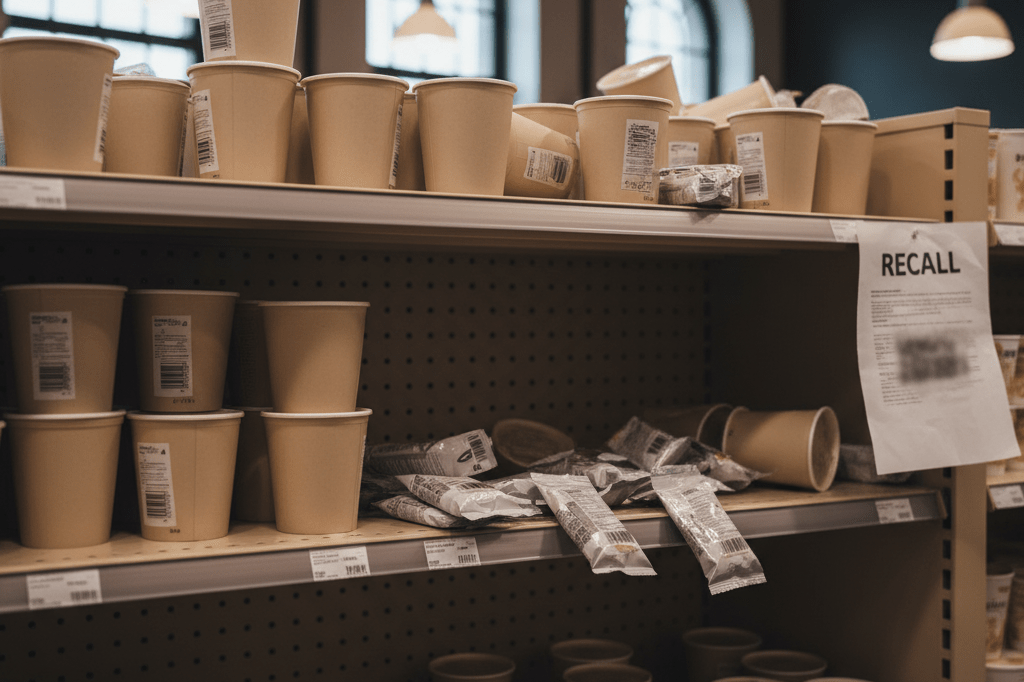
This contamination event disrupted retail operations across multiple product lines with extended shelf lives ranging from late August 2026 through January 2027. The recall encompassed both 55g to 70g individual porridge pots and multi-pack sachets containing 6x40g to 7x40g servings, creating inventory management challenges for wholesalers and retailers alike. Food product recalls of this magnitude typically generate immediate point-of-sale compliance requirements, forcing retail partners to display mandatory recall notices while processing customer returns for full refunds rather than simple disposal protocols.
MOMA Foods Product Recall Details
| Product Name | Variants / Pack Sizes | Affected Lot Numbers |
|---|---|---|
| MOMA Almond Butter & Salted Caramel Porridge Pot (55g) | 1pk, 8pk, 12pk | M5296, M5297, M5303, M5304, M5315, M5339, M5342 |
| MOMA Apple, Cinnamon & Brown Sugar Porridge Pot (65g) | 1pk, 8pk | M5261, M5328, M5329, M6026, M6027 |
| MOMA Banana & Peanut Butter Protein Porridge Pot (65g) | 1pk, 8pk | M5248, M5251, M5304, M5307 |
| MOMA Blueberry & Vanilla Porridge Pot (65g) | 1pk, 8pk | M5283, M5284, M5285, M5335, M5336, M6027, M6028 |
| MOMA Cranberry & Raisin Porridge Pot (70g) | 1pk, 8pk, 12pk | M5293, M5294, M5295, M5321, M5322, M5329, M5330, M5331 |
| MOMA Golden Syrup Porridge Pot (70g) | 1pk, 8pk, 12pk | M5241, M5244, M5245, M5261, M5293, M5311, M5314, M5346, M5349 |
| MOMA Plain No-Added Sugar Porridge Pot (65g) | 1pk, 12pk | M5279, M5280, M5281, M5308, M5309, M5310, M5311, M5345 |
| MOMA Almond Butter & Salted Caramel Porridge Sachets (7x40g) | 1pk, 5pk | M5289, M5290 |
| MOMA Apple, Cinnamon & Brown Sugar Porridge Sachets (6x40g) | 1pk, 5pk | M5293, M5294, M5295 |
Supply Chain Vulnerability: When Manufacturing Goes Wrong

Manufacturing facility contamination represents one of the most severe threats to food product safety, capable of affecting entire production runs across multiple SKUs simultaneously. The MOMA incident demonstrates how a single contamination source can compromise diverse product formulations, from protein-enriched varieties to traditional oat-based porridges, all sharing common production equipment or storage areas. Despite implementing standard safety protocols, the facility experienced a breach that necessitated coordinated recall management between the manufacturer, Food Standards Agency, and retail distribution networks.
Product safety incidents like this highlight the interconnected nature of modern food manufacturing, where contamination risks extend far beyond individual batch controls. The recall coordination required immediate communication channels through getintouch@momafoods.co.uk while simultaneously triggering Product Recall Information Notices to local authorities nationwide. Food manufacturing operations must now account for accelerated detection timelines and enhanced traceability systems to minimize exposure windows when contamination events occur.
Contamination Risk Management: Beyond Basic Compliance
Industry data reveals that standard pest prevention measures fail to detect contamination in approximately 60% of initial breach scenarios, particularly in facilities processing dry goods like oats and grain-based products. Modern food manufacturing facilities require integrated pest management systems that combine physical barriers, monitoring devices, and regular inspection protocols to maintain FDA compliance standards. The average detection timeline between initial contamination and discovery ranges from 14 to 21 days, creating significant exposure windows for consumer products already in distribution channels.
FDA regulations enforce zero-tolerance policies for biological contaminants in ready-to-eat products, making early detection systems critical for maintaining manufacturing licenses. Advanced monitoring includes automated pest detection sensors, regular microbiological testing, and enhanced sanitation verification protocols that exceed basic HACCP requirements. Facilities processing products with extended shelf lives, like MOMA’s 5+ month duration porridges, face additional scrutiny due to prolonged market exposure periods that amplify contamination risks.
The True Cost of Product Recalls
Major food product recalls generate average direct expenses exceeding $10 million when accounting for product withdrawal, disposal costs, regulatory compliance, and legal exposure management. These figures exclude indirect costs such as lost sales, retailer relationship damage, and supply chain disruption that can extend for months beyond initial recall announcements. The MOMA recall’s scope across multiple varieties and packaging formats likely amplifies these baseline costs due to increased SKU complexity and broader retail partner coordination requirements.
Consumer behavior research indicates that 38% of shoppers actively avoid brands following safety incidents, creating long-term revenue impacts that extend well beyond immediate recall expenses. The critical first 72 hours of crisis management determine whether brands can maintain consumer confidence through transparent communication and efficient product recovery protocols. Recovery roadmap success depends on immediate retail partner notification, comprehensive lot number tracking, and coordinated messaging that emphasizes precautionary measures rather than confirmed contamination events.
Building Resilient Product Safety Systems for Manufacturers
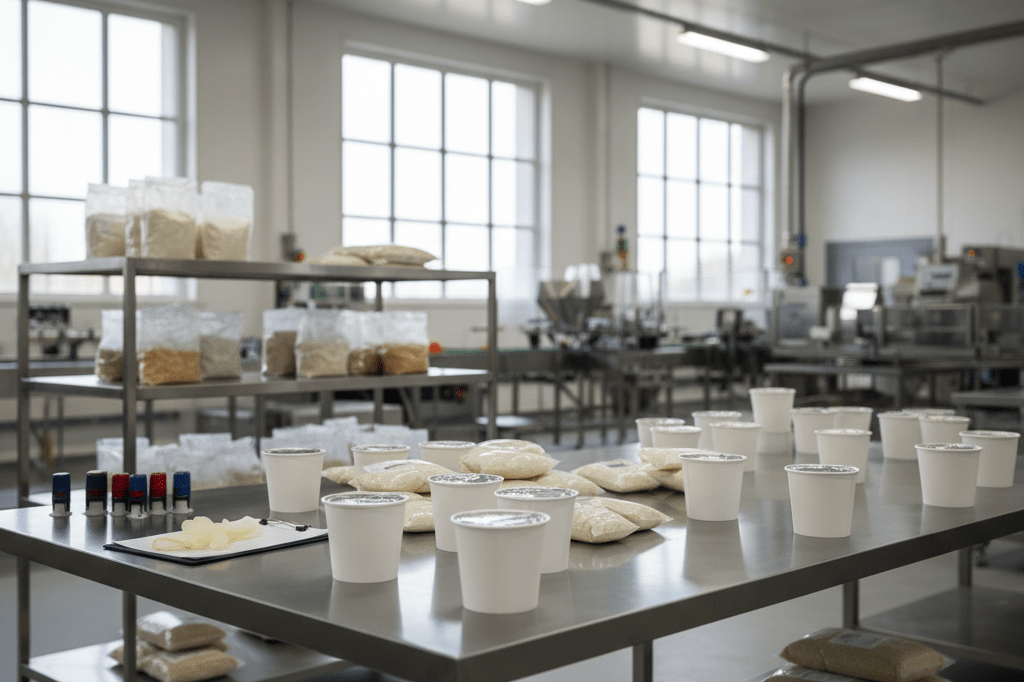
Manufacturing quality control requires sophisticated multi-layered inspection protocols that extend far beyond basic visual checks and standard safety measures. Advanced facilities now implement 3-tier verification systems that include incoming raw material analysis, in-process contamination monitoring, and final product inspection before packaging completion. These comprehensive contamination prevention strategies incorporate automated detection equipment, regular facility sanitation audits, and employee training programs that maintain consistent safety standards across all production shifts.
Modern food manufacturing operations demand integrated safety frameworks that combine traditional inspection methods with cutting-edge technology solutions for maximum contamination prevention effectiveness. Industry leaders invest approximately $2.5 million annually in advanced quality control systems that include real-time monitoring sensors, automated rejection mechanisms, and comprehensive documentation protocols. These manufacturing quality control investments generate measurable ROI through reduced recall risks, improved regulatory compliance scores, and enhanced consumer confidence metrics that directly impact long-term market positioning.
Strategy 1: Implementing Multi-Layered Inspection Protocols
Effective contamination prevention begins with establishing robust 3-tier verification systems that examine products at critical control points throughout the manufacturing process. The first tier focuses on incoming ingredient inspection using advanced optical sorting technology that detects foreign materials, discoloration, and biological contaminants before materials enter production lines. Second-tier monitoring incorporates in-process inspection stations equipped with high-resolution cameras and AI-powered detection algorithms that identify contamination risks during active production phases.
Third-tier verification implements comprehensive final product inspection protocols that include batch-level tracking systems designed for precise recall containment when safety issues arise. These advanced optical sorting technology solutions process up to 15,000 units per hour while maintaining 99.7% accuracy rates for foreign object detection. Manufacturing quality control systems integrate seamlessly with existing production equipment, providing real-time contamination alerts that enable immediate corrective actions before compromised products reach packaging stages.
Strategy 2: Creating Robust Recall Response Frameworks
Effective recall response frameworks require pre-developed communication templates that ensure transparent customer notices reach consumers within 24 hours of contamination discovery. These standardized messaging protocols include specific product identification details, clear safety instructions, and comprehensive refund information that maintains consumer trust during crisis situations. Advanced communication systems enable simultaneous notification across multiple channels including email alerts, social media announcements, and point-of-sale displays that maximize recall awareness.
Streamlined refund mechanisms must support 100% return guarantee processes that minimize consumer inconvenience while maintaining accurate inventory tracking for recalled products. Successful channel management requires coordinating with 3+ distribution partners simultaneously through integrated communication platforms that provide real-time recall status updates. These comprehensive frameworks include automated retailer notification systems, standardized recall procedures, and dedicated customer service protocols that ensure consistent messaging across all distribution channels while maintaining regulatory compliance requirements.
Future-Proofing Your Product Line Against Contamination
Proactive contamination prevention strategies now include quarterly third-party facility inspections that exceed standard regulatory requirements and provide independent verification of food safety protocols. These comprehensive audits examine equipment maintenance records, employee training documentation, and facility sanitation procedures using standardized assessment criteria that identify potential contamination risks before they impact production. Third-party inspection services typically cost $8,000-$12,000 per quarterly assessment but generate substantial value through early risk identification and regulatory compliance verification.
Technology integration advances continue revolutionizing manufacturing safety through AI-powered visual inspection systems that process thousands of products per hour with unprecedented accuracy rates. These quality assurance improvements include machine learning algorithms that adapt to new contamination patterns, automated rejection systems that remove compromised products instantly, and predictive analytics that identify equipment maintenance needs before failures occur. Modern AI inspection systems demonstrate 99.8% detection accuracy for foreign objects measuring 2mm or larger, significantly surpassing human inspection capabilities while reducing labor costs and improving consistent food safety protocols implementation.
Background Info
- MOMA Foods initiated a recall of various porridge pots and sachets due to the risk of mouse contamination at its manufacturing site.
- The Food Standards Agency (FSA) confirmed on March 24, 2026, that the products are considered “unsafe to eat” and consumers should not consume them.
- Affected products include specific batches of MOMA Almond Butter & Salted Caramel Porridge Pot (55g), Apple, Cinnamon & Brown Sugar Porridge Pot (65g), Banana & Peanut Butter Protein Porridge Pot (65g), Blueberry & Vanilla Porridge Pot (65g), Cranberry & Raisin Porridge Pot (70g), Golden Syrup Porridge Pot (70g), and Plain No-Added Sugar Porridge Pot (65g).
- Specific lot numbers identified for recall include M5296, M5297, M5303, M5304, M5315, M5339, M5342 for the Almond Butter & Salted Caramel variety, and M5261, M5328, M5329, M6026, M6027 for the Apple, Cinnamon & Brown Sugar variety.
- Recalled sachet products include MOMA Almond Butter & Salted Caramel Porridge Sachets (7x40g) with lot numbers M5289 and M5290, and MOMA Apple, Cinnamon & Brown Sugar Porridge Sachets (6x40g) with lot numbers M5293, M5294, and M5295.
- Best before dates for affected items range from late August 2026 to January 2027, with specific examples including dates between 23/10/26 and 05/12/26 for Almond Butter & Salted Caramel pots.
- Consumers were instructed to return affected items to their point of purchase to receive a full refund rather than discarding them.
- Point-of-sale notices were mandated for display in all retail outlets stocking these specific SKUs to inform customers of the recall status.
- A representative statement noted: “These products may contain mouse contamination making them unsafe to eat.”
- MOMA Foods stated regarding the precautionary nature of the recall: “Even though the chance of contamination of any of the above products being affected is low, we have taken this precautionary step to ensure the safety of our consumers.”
- The company provided getintouch@momafoods.co.uk as the contact email for further inquiries regarding the recalled stock.
- The recall was coordinated with guidance from the Food Standards Agency, which issued a Product Recall Information Notice to local authorities and consumers.
- No other MOMA products outside the specified list of pots and sachets were included in the recall notice.
- The contamination source was traced to the manufacturing facility, leading to the immediate withdrawal of the listed batch codes from circulation.