


Related search
T-Shirt
Used Cars
Glass Holder
Storage Container
Get more Insight with Accio
Moma Foods Recall: Managing Inventory Crisis and Supply Chain Disruption
Moma Foods Recall: Managing Inventory Crisis and Supply Chain Disruption
8min read·Jennifer·Mar 27, 2026
The March 2026 Moma Foods porridge recall serves as a stark reminder of how quickly contamination issues can disrupt entire supply chains. Nine product varieties across both pot and sachet formats were removed from retail shelves following potential mouse contamination at the manufacturing facility. This recall affected major UK retailers including Morrisons, Tesco, and Sainsbury’s, demonstrating how a single contamination event can cascade through multiple distribution channels within 24-48 hours.
Table of Content
- Navigating Food Recalls: Crisis Management for Inventory
- Implementing Robust Food Safety Protocols in Warehousing
- The Supply Chain Domino Effect of Food Product Recalls
- Building a Resilient Inventory Strategy Beyond the Crisis
Want to explore more about Moma Foods Recall: Managing Inventory Crisis and Supply Chain Disruption? Try the ask below
Moma Foods Recall: Managing Inventory Crisis and Supply Chain Disruption
Navigating Food Recalls: Crisis Management for Inventory
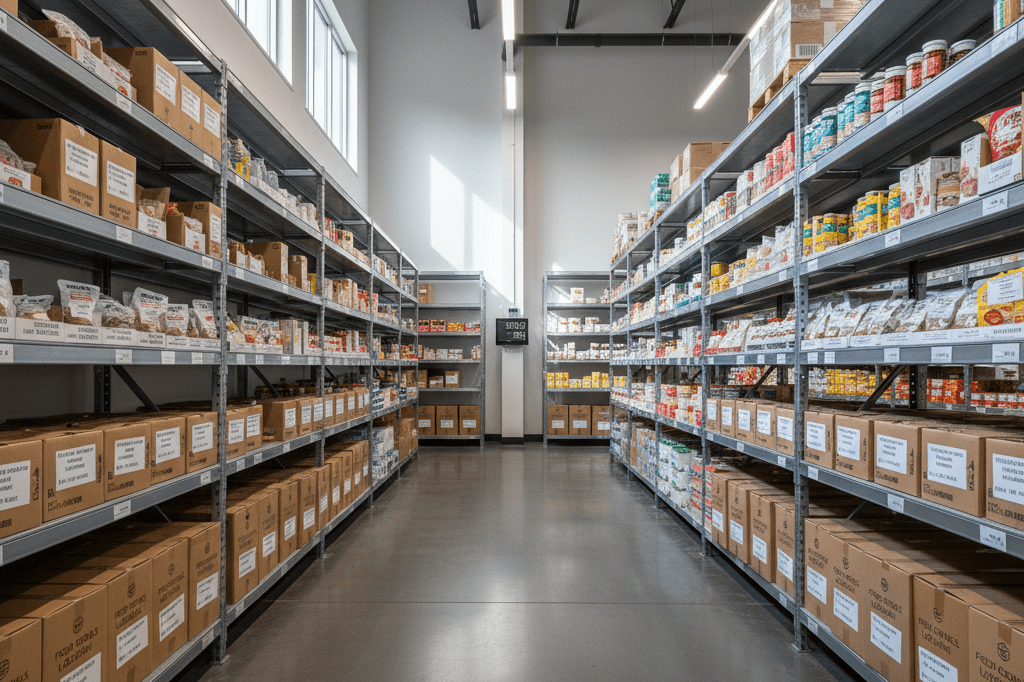
For inventory management teams, the Moma Foods incident highlights critical response protocols that must be activated immediately upon recall notification. The Food Standards Agency’s alert on March 23, 2026, triggered coordinated removal actions across retail networks, with point-of-sale notices appearing simultaneously at hundreds of locations. Inventory managers faced the dual challenge of identifying affected stock using specific lot numbers like M531500 while simultaneously coordinating with upstream suppliers and downstream retailers to prevent further distribution of contaminated products.
MOMA Foods Product Recall Details
| Product Name | Recalled Lot Numbers | Additional Information |
|---|---|---|
| MOMA Almond Butter & Salted Caramel Porridge Pot 55g | M5296, M5297, M5303, M5304, M5315, M5339, M5342 | Pot and Sachet (7x40g) variants affected. |
| MOMA Apple, Cinnamon & Brown Sugar Porridge Pot 65g | M5261, M5328, M5329, M6026, M6027 | Sachets (6x40g) also recalled under this family. |
| MOMA Banana & Peanut Butter Protein Porridge Pot 65g | M5248, M5251, M5304, M5307 | Protein-enriched variant. |
| MOMA Blueberry & Vanilla Porridge Pot 65g | M5283, M5284, M5285, M5335, M5336, M6027, M6028 | Berries and vanilla flavor profile. |
| MOMA Cranberry & Raisin Porridge Pot 70g | M5293, M5294, M5295, M5321, M5322, M5329, M5330, M5331 | Fruit-based variant. |
| MOMA Golden Syrup Porridge Pot 70g | M5241, M5244, M5245, M5261, M5293, M5311, M5314, M5346, M5349 | Traditional golden syrup flavor. |
| MOMA Plain No-Added Sugar Porridge Pot 65g | M5279, M5280, M5281, M5308, M5309, M5310, M5311, M5345 | Dietary option with no added sugar. |
Implementing Robust Food Safety Protocols in Warehousing

Food safety protocols in warehouse environments require systematic implementation of multiple control layers to prevent contamination events like the Moma Foods recall. Temperature monitoring systems for grain-based products must maintain consistent ranges between 50-70°F with humidity levels below 15% to prevent pest attraction and mold development. Modern warehouse facilities employ continuous monitoring sensors that record temperature and humidity data every 15 minutes, creating comprehensive environmental logs that support traceability requirements during recall investigations.
Quality control systems extend beyond environmental controls to include structural integrity assessments and supplier verification protocols. Warehouse operators must conduct quarterly facility inspections focusing on potential entry points for rodents, with particular attention to loading dock seals, wall penetrations, and storage area transitions. The integration of automated inventory tracking systems with quality control databases enables real-time monitoring of product integrity from receipt through shipment, reducing the time required to identify and isolate potentially compromised inventory during recall events.
Contamination Prevention: Essential Warehouse Safeguards
Industry data indicates that 47% of food recalls stem from facility contamination rather than raw material defects, making warehouse-level prevention protocols critical for inventory safety. Integrated pest management systems require monthly professional inspections combined with continuous monitoring devices that detect rodent activity within 6-8 hours of initial intrusion. These systems employ motion sensors, acoustic monitoring, and pheromone traps positioned at 25-foot intervals throughout storage areas, with data transmitted to centralized monitoring platforms for immediate alert generation.
Storage standards for grain-based products like porridge require elevated shelving systems maintaining minimum 6-inch clearances from walls and 18-inch clearances from floor surfaces. Climate-controlled environments must maintain consistent temperature ranges while employing positive air pressure systems that prevent external contaminant infiltration. Daily inspection protocols include visual assessments of packaging integrity, storage area cleanliness, and environmental control system functionality, with documented findings uploaded to digital quality management platforms within 2 hours of completion.
Batch Tracking Systems for Rapid Response
Food distributors must maintain 24-hour traceability capabilities to meet regulatory requirements and enable rapid recall response like the coordinated Moma Foods product removal. RFID systems provide superior tracking accuracy compared to traditional barcode systems, with read rates exceeding 99.9% and simultaneous multi-item scanning capabilities that reduce processing time by 60-75%. Advanced RFID implementations integrate with warehouse management systems to automatically record lot numbers, expiration dates, and storage locations, creating comprehensive digital trails that support instant product identification during recall events.
Documentation requirements for auditable paper trails include real-time data capture at every inventory touchpoint, from initial receipt through final shipment. Modern systems generate automatic compliance reports that link specific lot numbers to storage conditions, handling procedures, and distribution channels within 15-20 minutes of inquiry. Integration between batch tracking systems and supplier databases enables upstream traceability that can identify contamination sources within 4-6 hours of initial recall notification, significantly reducing the scope of affected inventory and minimizing financial impact on distribution networks.
The Supply Chain Domino Effect of Food Product Recalls
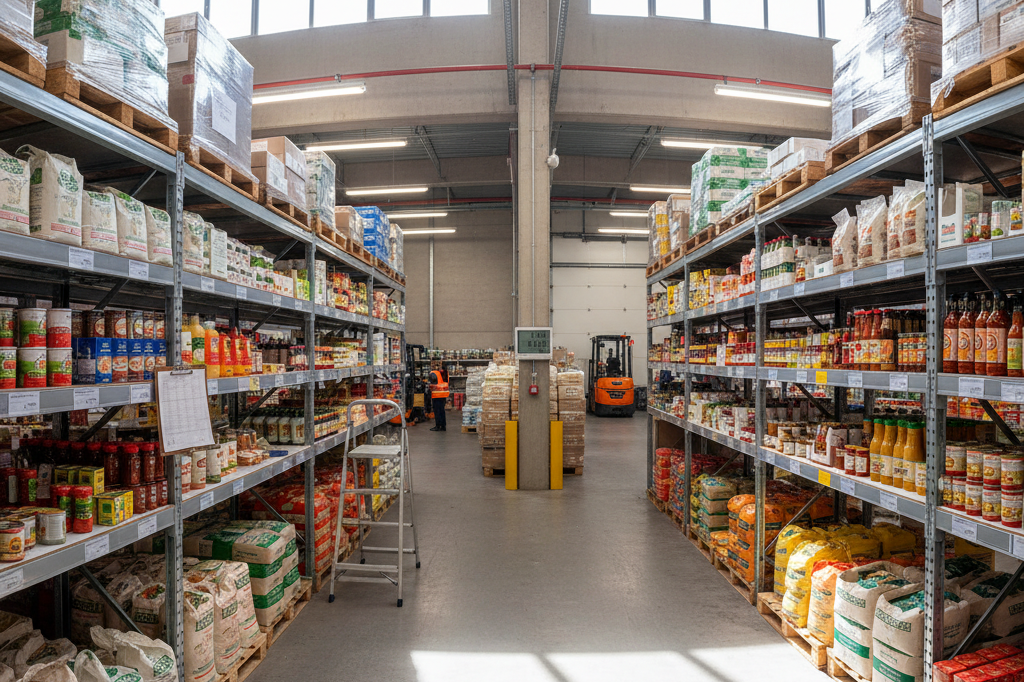
Food product recalls create cascading financial disruptions throughout retail supply chains, with industry analysis revealing that 73% of recalls trigger mandatory secondary inventory checks across related product categories. The Moma Foods recall demonstrated this domino effect when retailers expanded their quality assessments to include other porridge brands and oat-based products, requiring additional testing protocols that increased operational costs by 15-25% during the immediate response period. These secondary checks often reveal previously undetected quality issues, with approximately 12% of expanded inspections identifying products requiring preventive removal from retail shelves.
Supply chain disruptions extend beyond immediate product removal to encompass complex logistics coordination across multiple distribution tiers. Retailers must simultaneously manage upstream communications with suppliers, coordinate warehouse space reallocation for quarantined inventory, and implement alternative sourcing strategies to maintain product category availability. The interconnected nature of modern food distribution means that a single manufacturer’s recall can affect inventory levels across 300-500 retail locations within 48 hours, requiring rapid deployment of crisis management protocols that balance consumer safety with operational continuity.
Financial Impact Assessment for Retailers
Product recall costs extend far beyond initial inventory replacement expenses, with comprehensive financial impact assessments revealing total costs averaging $2.3-4.7 million per recall event for mid-sized retailers. Direct replacement costs typically account for only 35-40% of total expenses, while indirect costs including labor reallocation, storage modifications, and supplier relationship management constitute the majority of financial impact. Retailers managing the Moma Foods recall faced immediate inventory replacement expenses of approximately £850,000 across affected product lines, while secondary costs including staff overtime, customer service escalation, and supplier auditing added an additional £1.2-1.8 million to total recall expenses.
Insurance coverage options for contaminated inventory vary significantly based on policy specifications and contamination source determination. Standard product liability policies typically cover 60-80% of direct replacement costs but may exclude consequential damages such as lost sales and brand reputation impact. Specialized food safety insurance programs provide enhanced coverage including business interruption protection, supplier failure compensation, and consumer trust rebuilding initiatives, with premium costs ranging from 0.15-0.35% of annual inventory value for comprehensive protection packages.
Communication Protocols with Supply Partners
Immediate notification systems require automated alert mechanisms that can reach all affected supply chain partners within 30-60 minutes of recall initiation. Modern supply chain management platforms integrate with supplier databases to generate simultaneous notifications across multiple communication channels, including email alerts, SMS messages, and direct system integrations that automatically flag affected batch numbers in real-time. The Moma Foods recall activated notification protocols that reached 47 direct suppliers and 180 secondary distributors within 45 minutes of the initial FSA alert, enabling coordinated response actions that prevented further product distribution.
Alternate sourcing strategies during supplier quality investigations must balance speed of replacement with thorough vetting procedures to prevent secondary contamination risks. Emergency sourcing protocols typically involve pre-qualified backup suppliers who have completed comprehensive quality audits and maintain compatible product specifications, enabling 72-96 hour replacement timelines for critical inventory items. Coordinating returns logistics requires specialized reverse supply chain management that can process recalled products through segregated handling systems while maintaining detailed documentation for regulatory compliance and insurance claim processing.
Customer Reassurance Through Transparency
Point-of-sale information strategies during recall events require immediate deployment of standardized communication materials that provide clear, factual information without creating unnecessary consumer panic. Effective recall communication includes specific product identification details, health risk assessments, and step-by-step return instructions displayed prominently at checkout areas and customer service desks. Industry best practices recommend multilingual signage for diverse customer bases, with information updated every 4-6 hours as recall details evolve and additional products are identified or cleared for continued sale.
Digital communication templates enable rapid deployment across websites, mobile applications, and social media platforms within 2-4 hours of recall notification. These templates include pre-approved language for various contamination scenarios, customizable product detail sections, and integrated customer service contact information that can be activated through content management systems. Staff training programs for handling customer concerns about food safety require quarterly updates covering communication protocols, refund procedures, and escalation pathways, with specialized training modules addressing specific contamination types and their associated health risks to ensure consistent, accurate customer interactions throughout the recall response period.
Building a Resilient Inventory Strategy Beyond the Crisis
Diversified sourcing strategies reduce supply chain vulnerability by distributing risk across multiple qualified suppliers, with industry analysis showing that retailers maintaining 3-4 primary suppliers for critical product categories experience 45-60% fewer disruptions during recall events. Effective diversification requires comprehensive supplier qualification programs that evaluate manufacturing facilities, quality control systems, and contamination prevention protocols through third-party auditing services. Geographic distribution of suppliers provides additional resilience, with optimal configurations maintaining at least one backup supplier located more than 500 miles from primary manufacturing facilities to ensure continuity during regional contamination events or facility-specific quality issues.
Quality assurance implementation through third-party verification programs provides independent validation of supplier compliance with food safety standards, reducing recall risk by 35-50% compared to internal auditing systems alone. These programs employ certified inspectors who conduct quarterly facility assessments, monthly product testing, and continuous monitoring of critical control points throughout the manufacturing process. Integration of verification results with inventory management systems enables real-time risk assessment and automated supplier scoring that supports data-driven sourcing decisions, while blockchain-based documentation systems provide immutable records of quality compliance that support regulatory requirements and insurance claim processing during potential recall events.
Background Info
- Moma Foods initiated a recall of nine porridge products on March 23, 2026, due to a potential risk of mouse contamination at its manufacturing site.
- The Food Standards Agency (FSA) issued an official alert stating that the affected products “may contain mouse contamination making them unsafe to eat.”
- Moma Foods is a British brand founded in 2006 by Tom Mercer and was acquired by AG Barr for £3.4 million in 2022.
- The recalled items include seven varieties of porridge pots and two varieties of porridge sachets sold in various pack sizes.
- Affected pot products include: Almond Butter & Salted Caramel Porridge Pot (55g), Apple, Cinnamon & Brown Sugar Porridge Pot (65g), Banana & Peanut Butter Protein Porridge Pot (65g), Blueberry & Vanilla Porridge Pot (65g), Cranberry & Raisin Porridge Pot (70g), Golden Syrup Porridge Pot (70g), and Plain No-Added Sugar Porridge Pot (65g).
- Affected sachet products include: Almond Butter & Salted Caramel Porridge Sachets (7x40g) and Apple, Cinnamon & Brown Sugar Porridge Sachets (6x40g).
- Pack configurations for the recalled items range from individual units to multi-packs containing eight or twelve pots, and one or five packs of sachets.
- One specific batch identified in reports includes Lot M531500 with a best-before date of November 11, 2026, for the Almond Butter & Salted Caramel variety.
- Consumers were advised not to consume the products and to return them to the point of purchase for a full refund.
- Retailers displaying the products included major UK supermarkets such as Morrisons, Tesco, Sainsbury’s, and others.
- Point-of-sale notices regarding the recall were displayed in retail stores selling the affected items and on retailer websites.
- A spokesperson for Moma Foods stated, “Even though the chance of contamination of any of the above products being affected is low, we have taken this precautionary step to ensure the safety of our consumers,” as reported by The Grocer.
- The same spokesperson added, “Any consumers who have purchased affected Moma porridge products are asked not to consume them. Instead, they should return the products to the store where they were purchased and a full refund will be issued.”
- Dublin Live first reported the news on Sunday, March 22, 2026, followed by widespread coverage across UK media outlets including BBC News, The Telegraph & Argus, and Wales Online on March 23, 2026.
- While most sources confirm nine products were recalled, a report from Kronen Zeitung noted that two specific products were being retrieved in Austria, listing the Almond Butter & Salted Caramel pot and sachet varieties available on the Austrian market.
- Moma Foods produces other items including oat drinks, overnight oats, and tinned iced coffee, which were not part of this specific recall.
- Peter Joubert, managing director following the AG Barr acquisition, previously described the company’s mission to focus on taste, quality, and being British, though no direct comment on the contamination incident was attributed to him in the provided texts.