


Related search
Wedding Ring
Feminine Hygiene Products
Kitchen Gadgets
Cleaning Kit
Get more Insight with Accio
9 Modern 24×24 Paver Ideas Dominating 2026 Landscape Design
9 Modern 24×24 Paver Ideas Dominating 2026 Landscape Design
8min read·Oriana·Mar 30, 2026
The landscape architecture world has witnessed a remarkable shift towards large-format pavers, with 24×24 pavers emerging as the definitive choice for sophisticated outdoor spaces in 2026. These expansive tiles offer a clean, luxurious aesthetic that transforms patios, walkways, and pool decks into stunning architectural statements. Unlike smaller pavers that can create busy, fragmented looks, the generous 24×24 format provides an uninterrupted visual plane that makes spaces feel larger and more refined. This size strikes the perfect balance between manageable installation and maximum visual impact, allowing for fewer grout lines and a more seamless appearance. Whether you’re a homeowner planning your dream outdoor retreat or a design professional seeking cutting-edge inspiration for your next project, these nine trend-setting ideas showcase how 24×24 pavers are redefining modern landscape design with their versatility, elegance, and contemporary appeal.
Table of Contents
1. The Seamless Indoor-Outdoor Flow
2. The Minimalist Concrete Grid
3. Floating Steppers in a Sea of Green
4. The Two-Tone Geometric Patio
5. Wood-Look Porcelain for Warm Modernism
6. Natural Stone Luxury Around the Pool
7. The Deconstructed Grid with Gravel Inlay
8. The Rooftop Terrace Transformation
9. Pavers with Integrated Planter Cutouts
2. The Minimalist Concrete Grid
3. Floating Steppers in a Sea of Green
4. The Two-Tone Geometric Patio
5. Wood-Look Porcelain for Warm Modernism
6. Natural Stone Luxury Around the Pool
7. The Deconstructed Grid with Gravel Inlay
8. The Rooftop Terrace Transformation
9. Pavers with Integrated Planter Cutouts
Want to explore more about 9 Modern 24×24 Paver Ideas Dominating 2026 Landscape Design? Try the ask below
9 Modern 24×24 Paver Ideas Dominating 2026 Landscape Design
1. The Seamless Indoor-Outdoor Flow
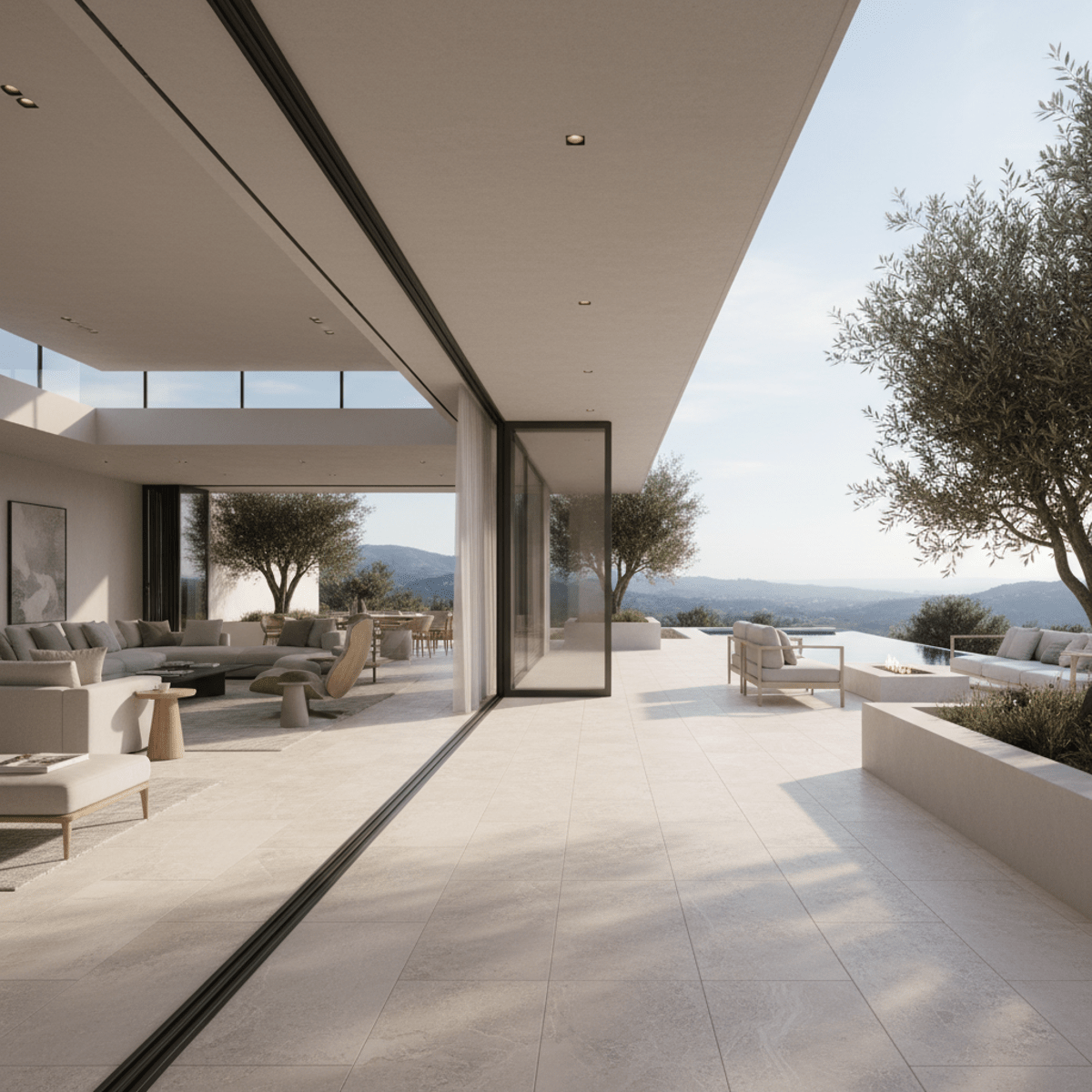
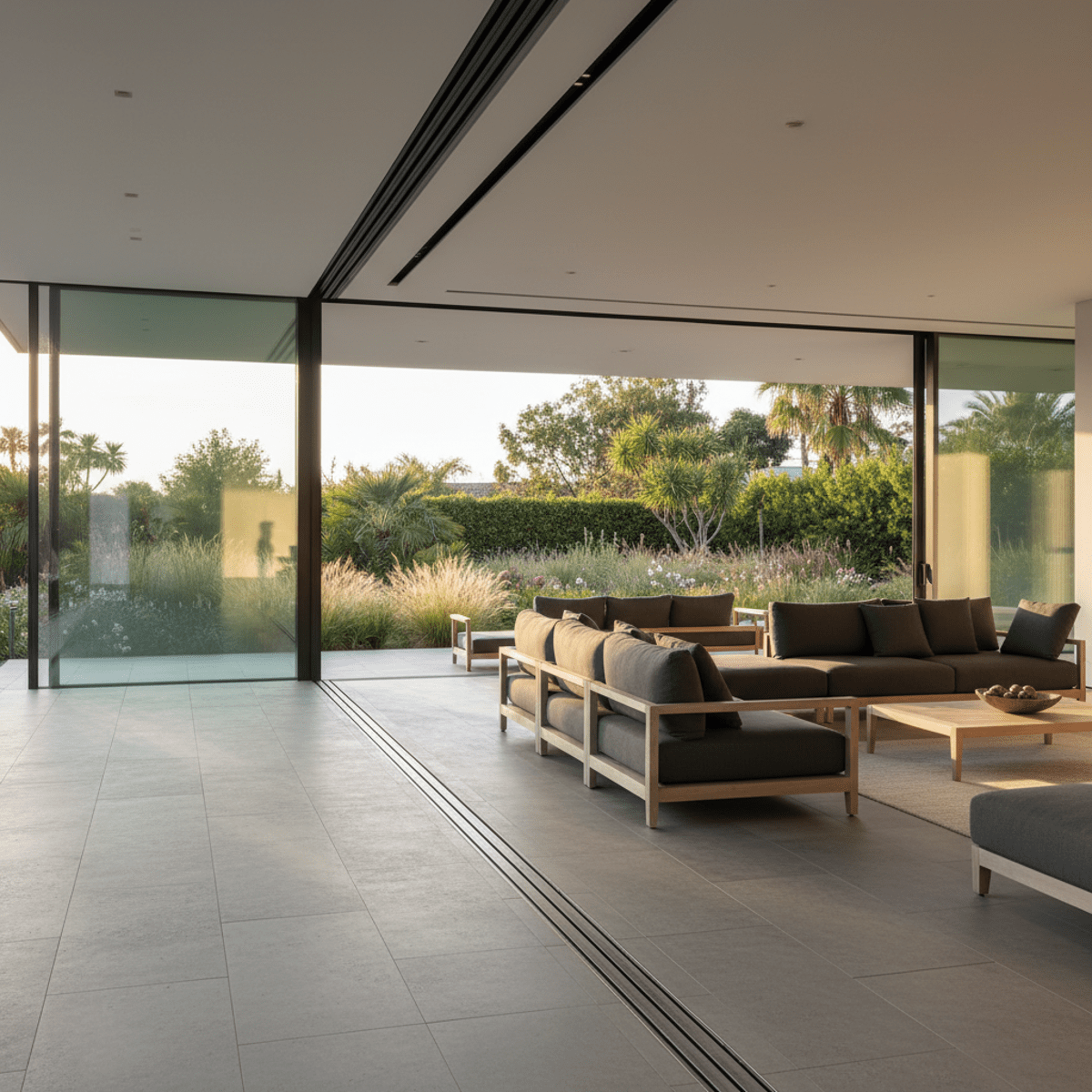
The most coveted design trend of 2026 involves creating an unbroken visual plane by using identical 24×24 porcelain pavers for both interior living areas and adjoining outdoor patios. This sophisticated approach dissolves the traditional boundary between indoor and outdoor spaces, creating a continuous surface that makes both areas feel dramatically larger and more connected. High-end porcelain pavers with concrete or natural stone finishes are the preferred choice, as they can withstand both interior foot traffic and exterior weather conditions while maintaining their aesthetic integrity. When large glass doors or folding wall systems are opened wide, the seamless transition creates a stunning architectural effect that epitomizes modern luxury living. This design works particularly well in contemporary homes with open floor plans, where the continuous paving reinforces the sense of spaciousness and architectural unity.
2. The Minimalist Concrete Grid
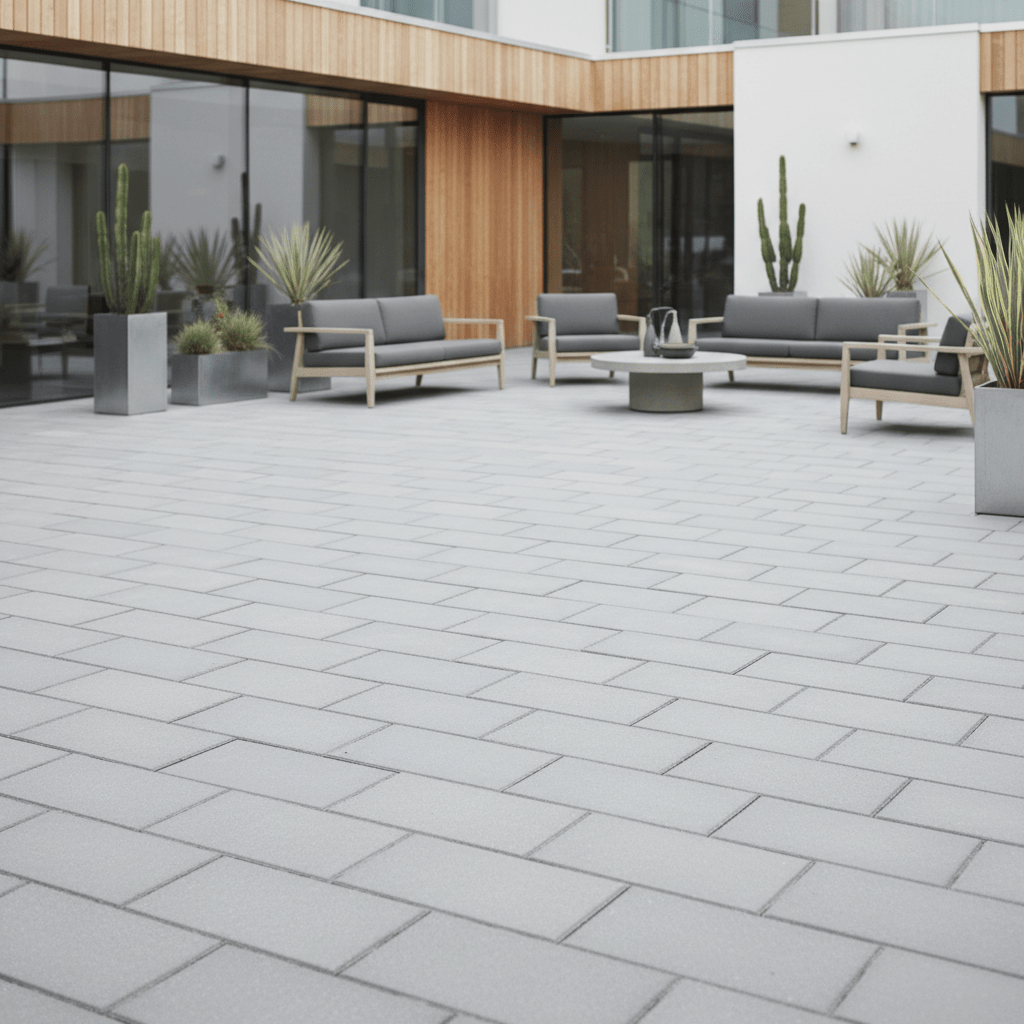
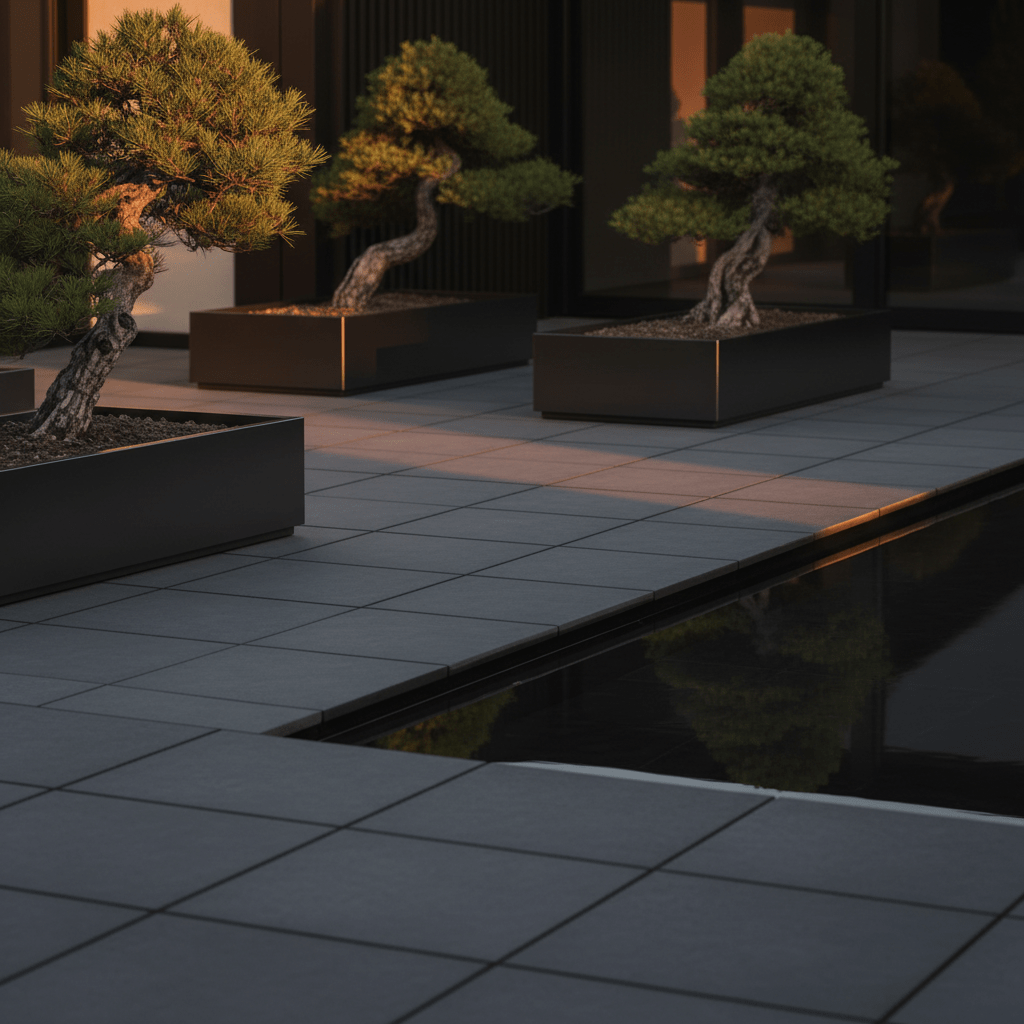
Embracing the power of architectural simplicity, the minimalist concrete grid showcases 24×24 pavers in light grey or charcoal tones laid in a perfect stack bond pattern with ultra-thin joints. This clean, geometric approach creates a serene foundation that serves as the perfect backdrop for modern outdoor furniture and sculptural plantings. The key to this design’s success lies in the precision of installation and the quality of the concrete finish, which should have a smooth, uniform texture that catches and reflects light beautifully throughout the day. This style particularly appeals to homeowners who appreciate Scandinavian or Japanese-inspired design aesthetics, where restraint and order create a sense of calm. The monochromatic color palette allows landscape elements like planters, water features, or outdoor art to take center stage while the paving provides an understated but sophisticated foundation.
3. Floating Steppers in a Sea of Green
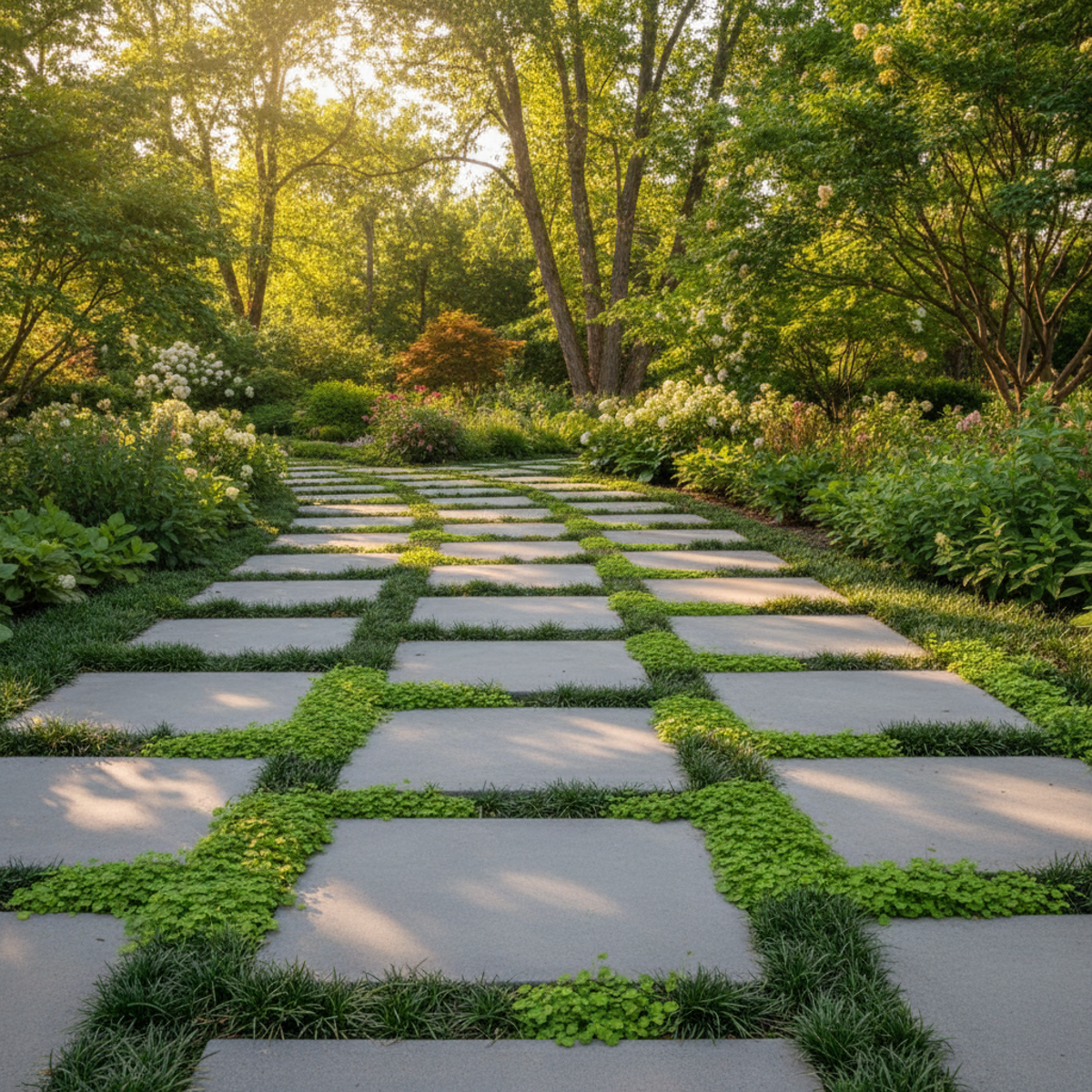
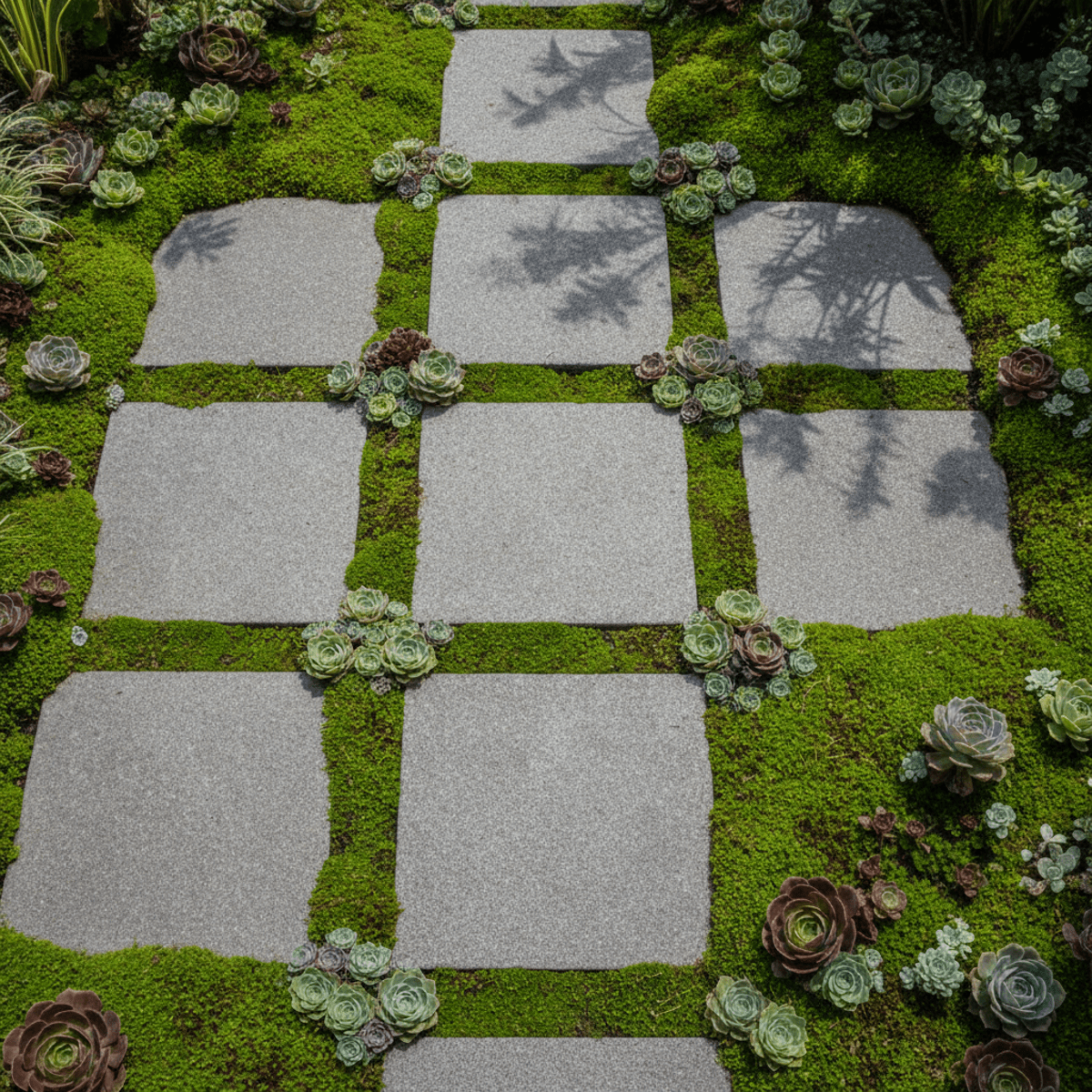
This biophilic design approach transforms traditional walkways by setting 24×24 pavers as individual stepping stones with generous gaps filled with lush groundcover plants. Popular choices include mondo grass, Irish moss, micro-clover, or even low-growing succulents, creating a living carpet that softens the hardscape and integrates it beautifully with the natural environment. The contrast between the smooth, geometric pavers and the organic texture of the plantings creates visual interest while promoting biodiversity in the landscape. This technique works exceptionally well for garden paths, secondary patios, or meditation spaces where a more relaxed, nature-connected atmosphere is desired. The spacing between pavers can be adjusted based on the intended use, with closer spacing for primary pathways and wider gaps for more decorative applications where the green elements take precedence over pedestrian functionality.
4. The Two-Tone Geometric Patio
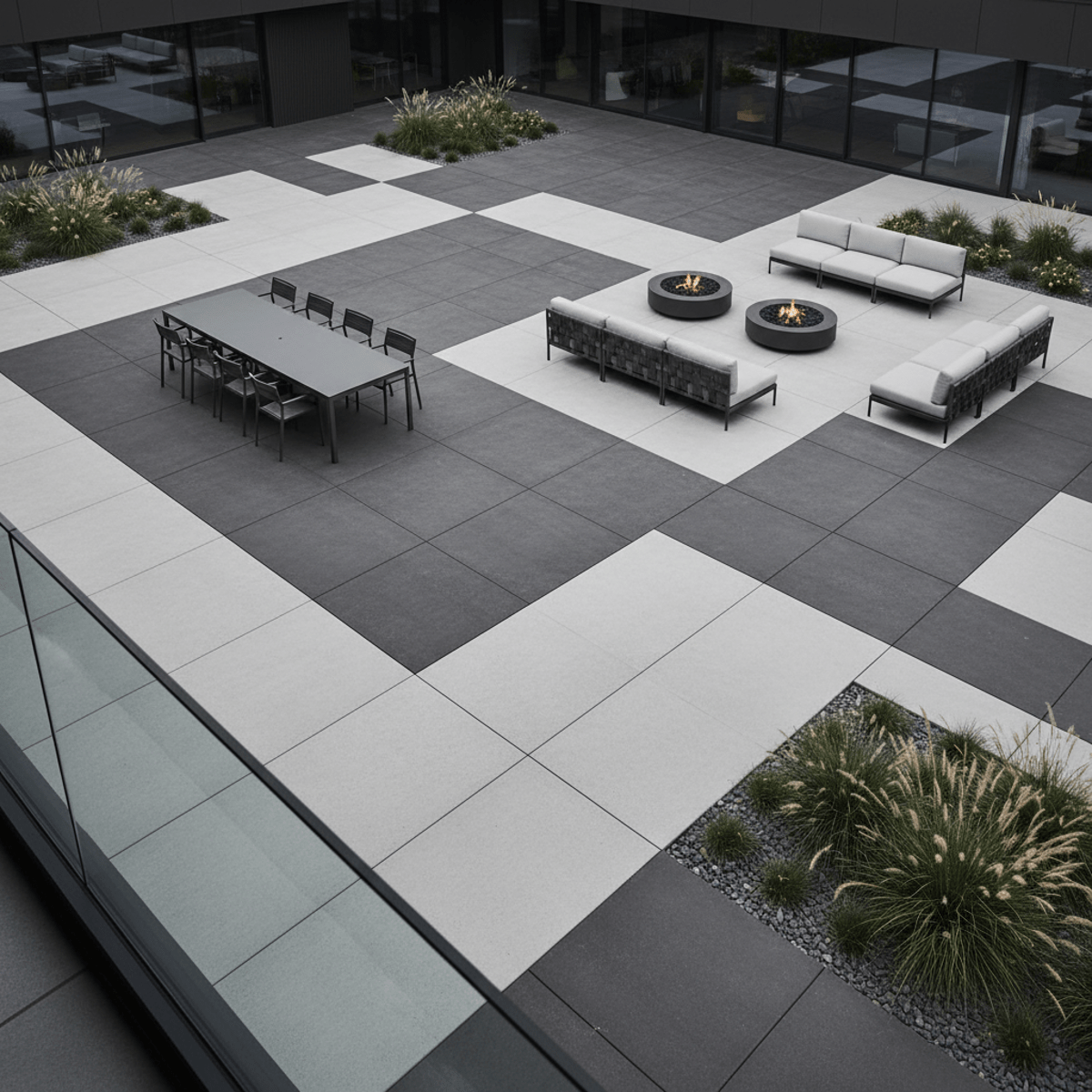
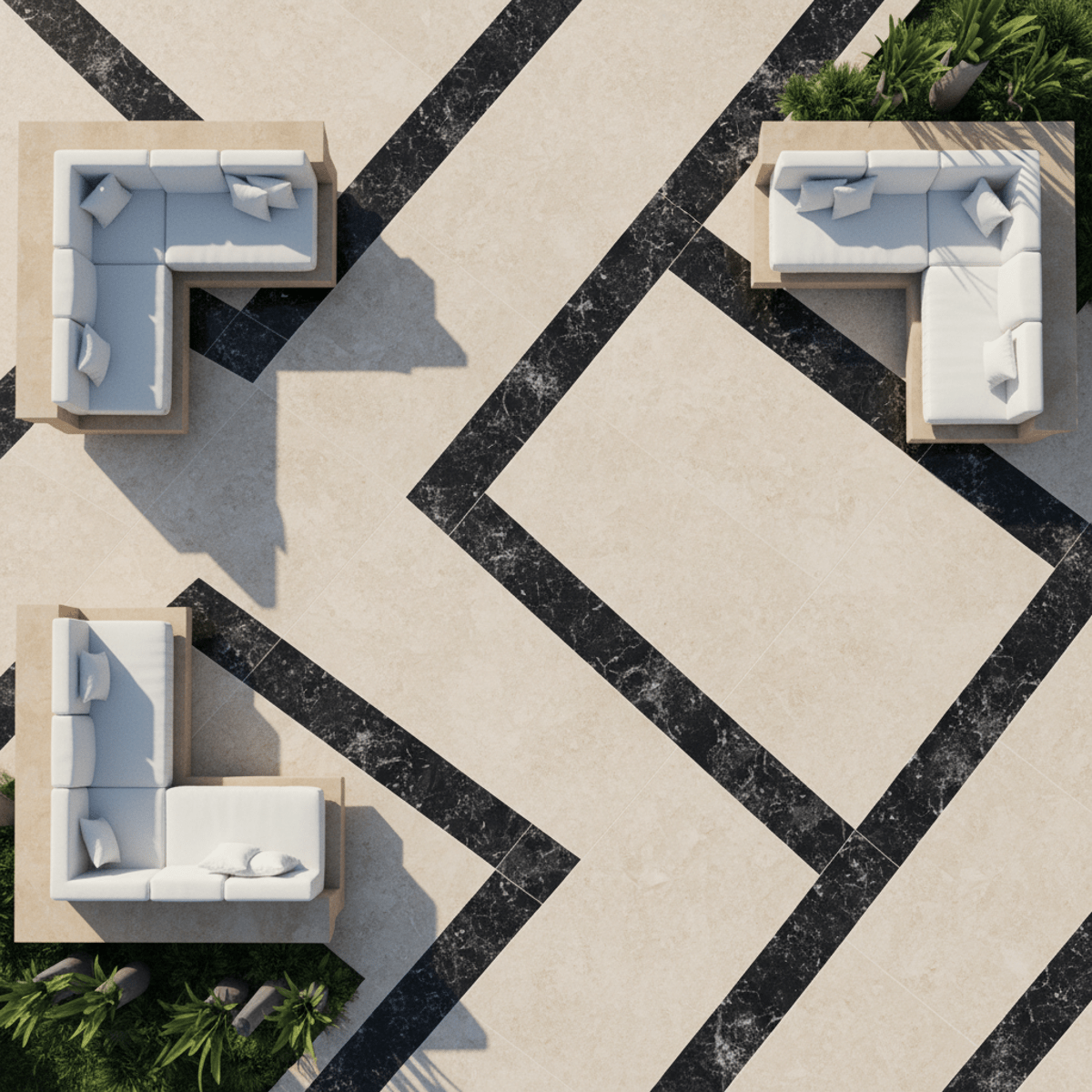
Bold and contemporary, this design strategy uses two contrasting colors of 24×24 pavers to create dynamic geometric patterns that define different functional zones within a single outdoor space. Rather than traditional checkerboard layouts, 2026’s approach favors asymmetric blocks of color that might separate dining areas from lounging spaces or create visual pathways through larger patios. Popular color combinations include charcoal and light grey, warm beige with crisp white, or even dramatic black and cream pairings. The key is to maintain clean lines and intentional proportions that feel custom-designed rather than arbitrary. This technique allows homeowners and designers to add personality and visual interest without relying on furniture or accessories alone. The geometric patterns work particularly well when viewed from elevated positions like second-story windows or balconies, creating an artistic element that enhances the property’s overall aesthetic appeal.
5. Wood-Look Porcelain for Warm Modernism
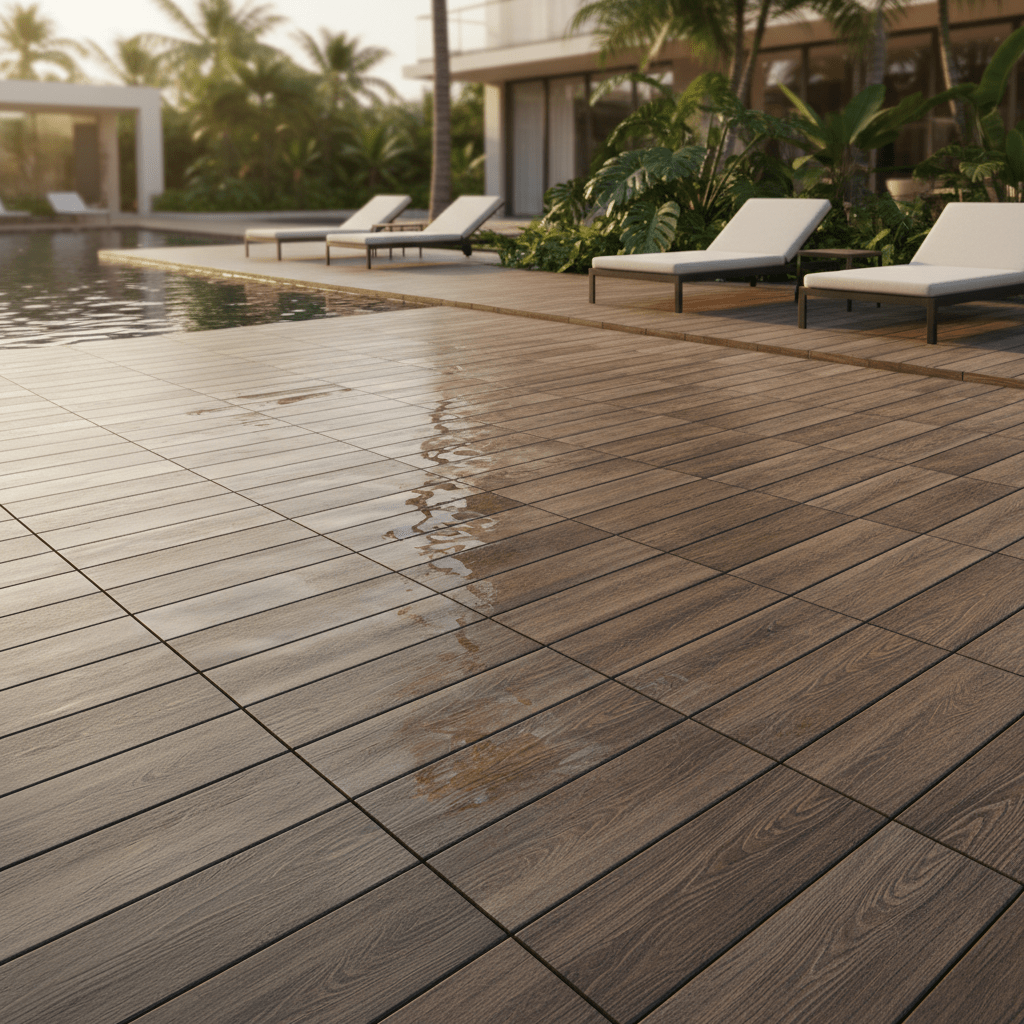
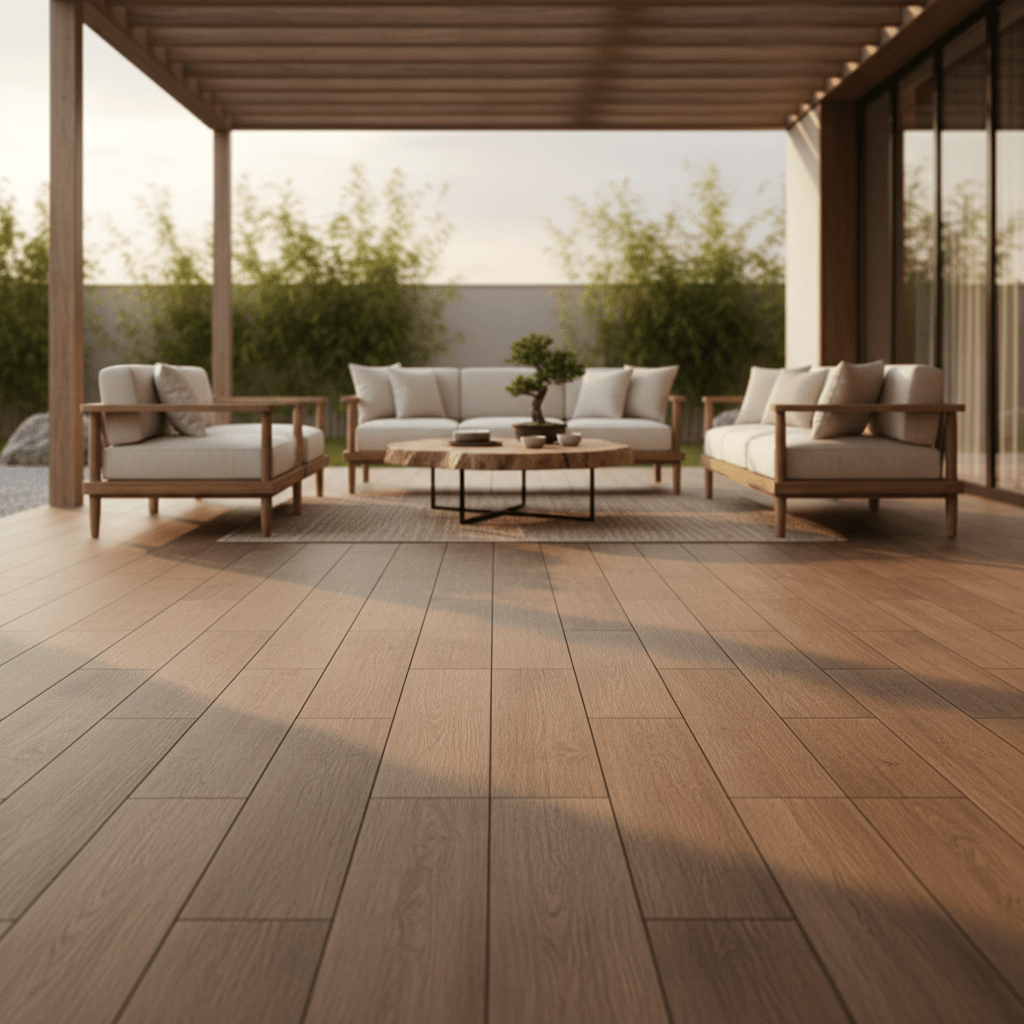
The latest generation of wood-grain porcelain pavers brings unprecedented realism to 24×24 formats, offering the warm, inviting appearance of natural wood decking with superior durability and minimal maintenance requirements. These advanced porcelain tiles feature incredibly detailed surface textures and color variations that mimic everything from weathered teak to rich walnut, making them perfect for homeowners who want organic warmth without the ongoing care that natural wood demands. This trend aligns perfectly with the growing popularity of ‘Japandi’ and warm modernist design styles, where natural materials and textures are prized for their ability to create cozy, human-scaled environments. Wood-look 24×24 pavers work exceptionally well around pools, where their slip-resistant surfaces and fade-resistant colors provide both safety and longevity. They also excel in covered outdoor living areas where they can create the illusion of an indoor hardwood floor extended into the landscape.
6. Natural Stone Luxury Around the Pool
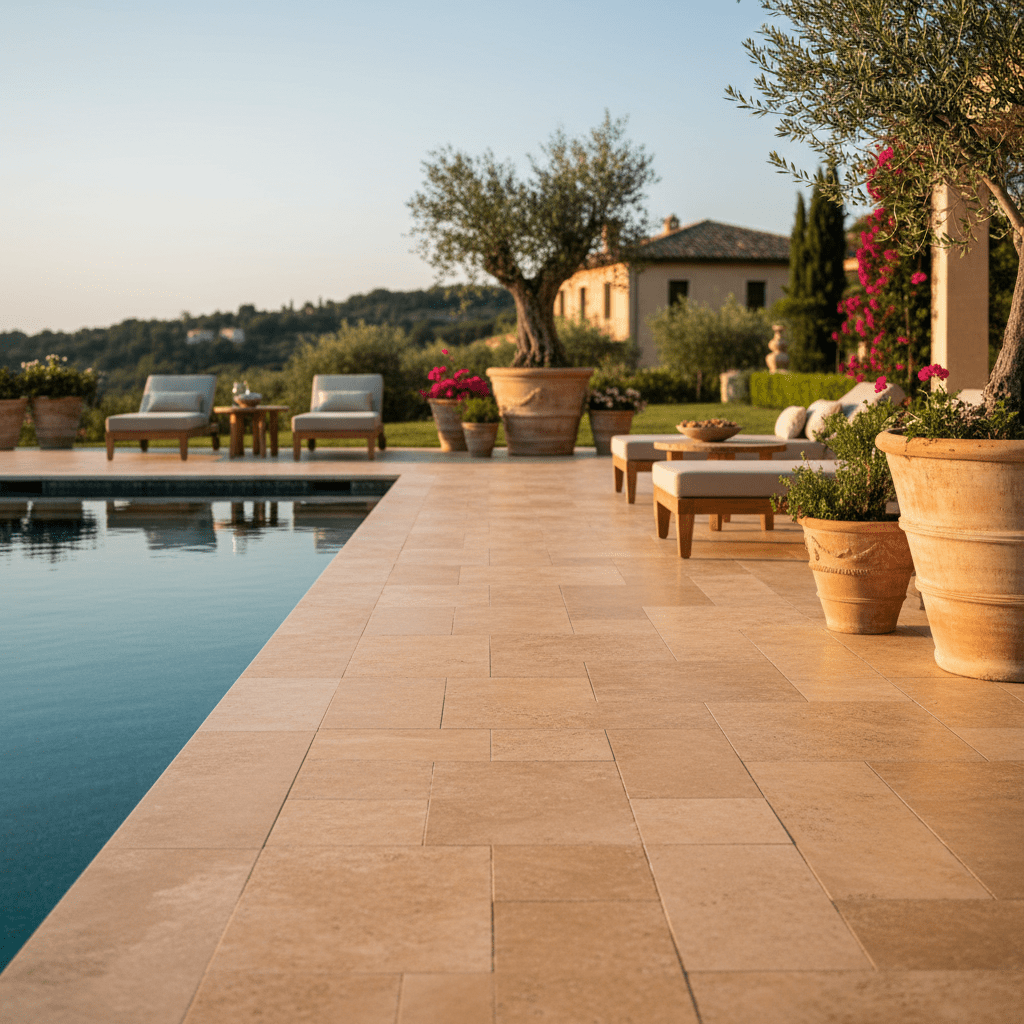
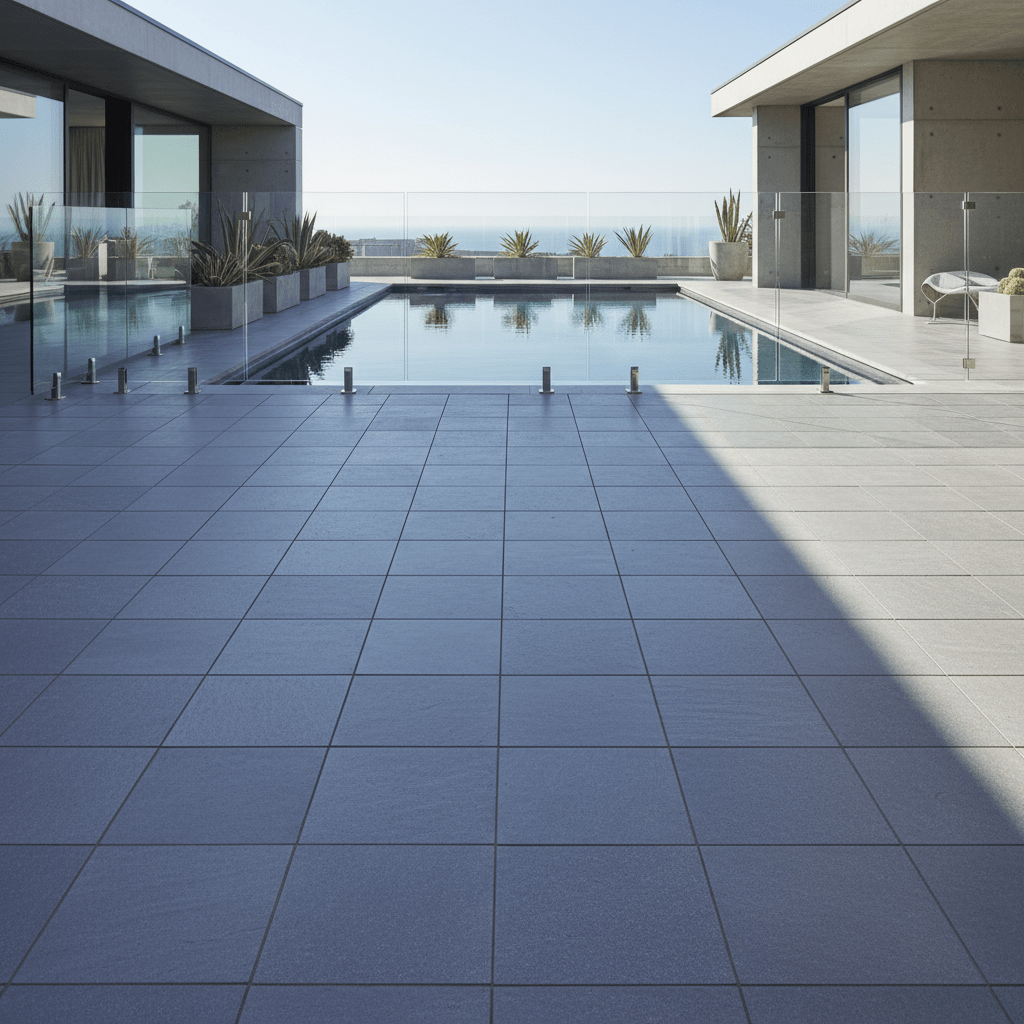
For the ultimate in sophisticated outdoor living, 24×24 natural stone pavers like travertine, bluestone, or limestone create pool surrounds that exude timeless elegance and luxury. Each stone slab brings unique color variations, natural texture, and inherent character that cannot be replicated by manufactured materials, ensuring that every installation is truly one-of-a-kind. The natural slip resistance of quality stone makes it an excellent choice for wet areas, while its thermal properties help keep surfaces comfortable even in direct sunlight. Travertine’s warm honey tones complement Mediterranean and transitional styles, while bluestone’s cool greys work beautifully with contemporary architecture. The substantial size of 24×24 stone pavers minimizes grout lines, creating a more seamless and upscale appearance than smaller formats. When properly sealed and maintained, these natural materials develop a beautiful patina over time, actually improving with age rather than showing wear.
7. The Deconstructed Grid with Gravel Inlay
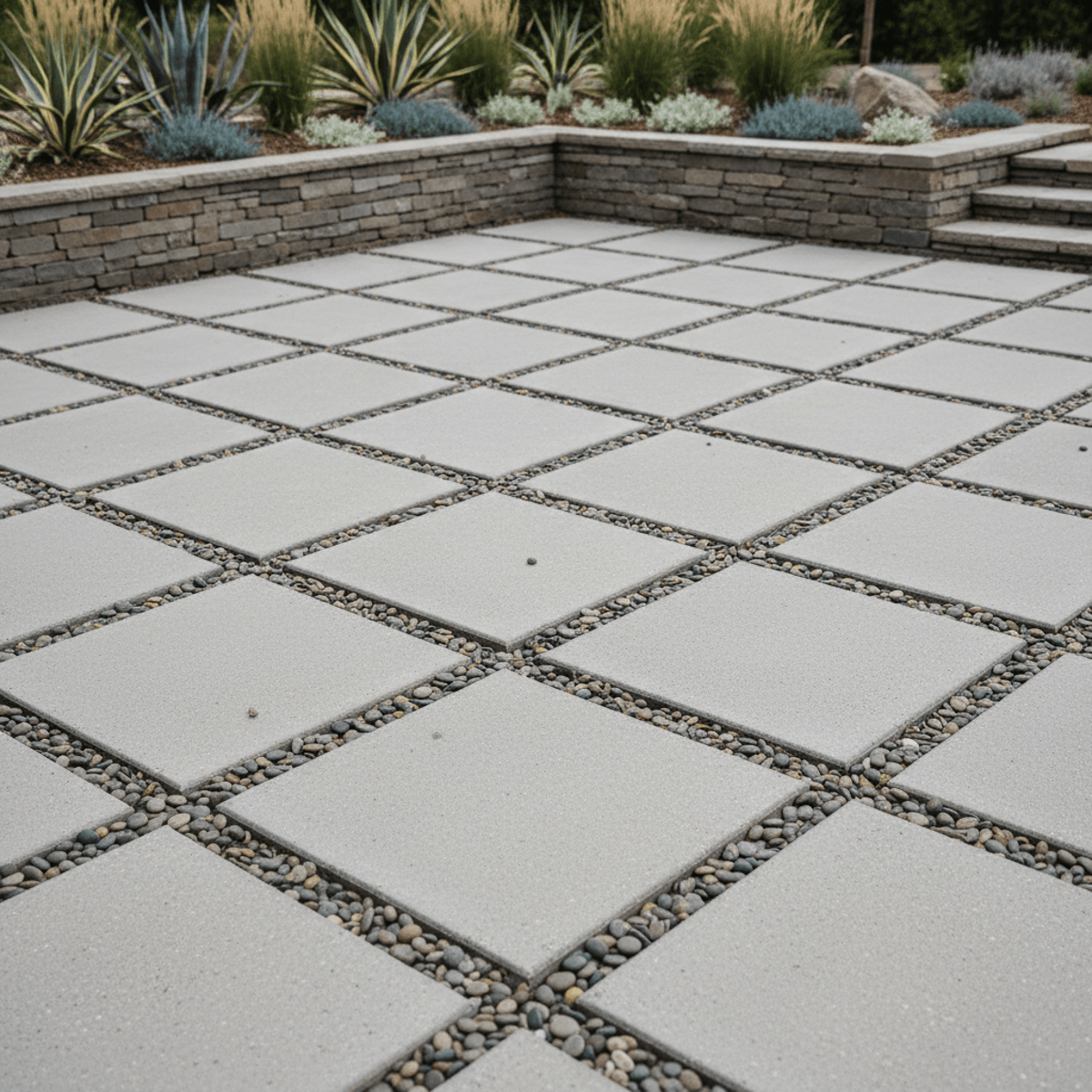
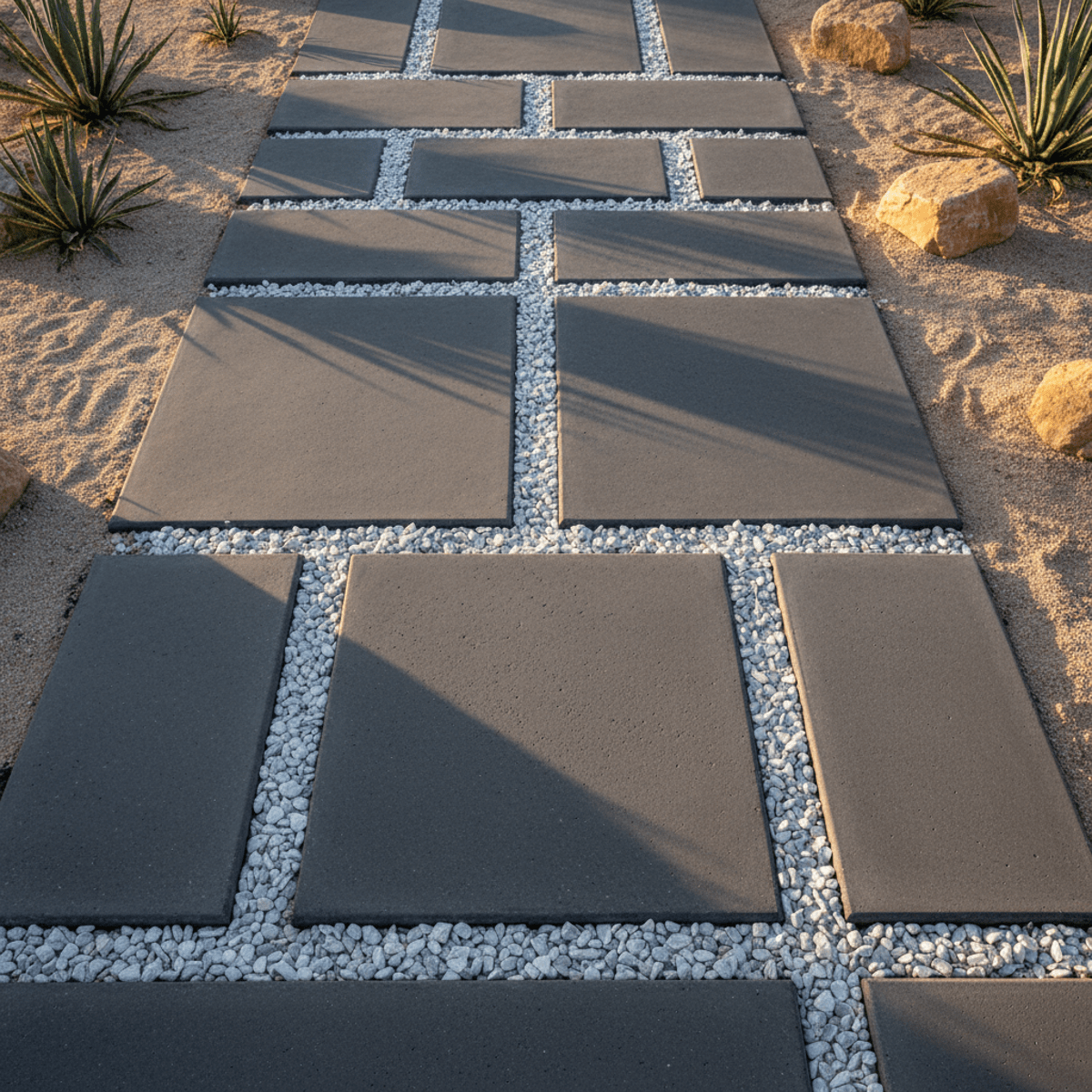
This innovative approach spaces 24×24 pavers evenly across a patio or walkway, leaving 2-4 inch gaps that are filled with decorative aggregate materials like Mexican beach pebbles, white marble chips, or crushed granite. The result is a permeable surface that manages stormwater naturally while creating strong visual lines and textural contrast. This design philosophy combines environmental responsibility with contemporary aesthetics, as the gravel joints allow rainwater to infiltrate rather than creating runoff. The technique works particularly well in drought-prone regions where traditional landscaping might struggle, as the gravel requires no irrigation or maintenance beyond occasional raking. From a design perspective, the deconstructed grid creates rhythm and movement across large surfaces while the aggregate materials can be selected to complement the home’s color palette or echo other landscape elements like river rock water features or stone retaining walls.
8. The Rooftop Terrace Transformation
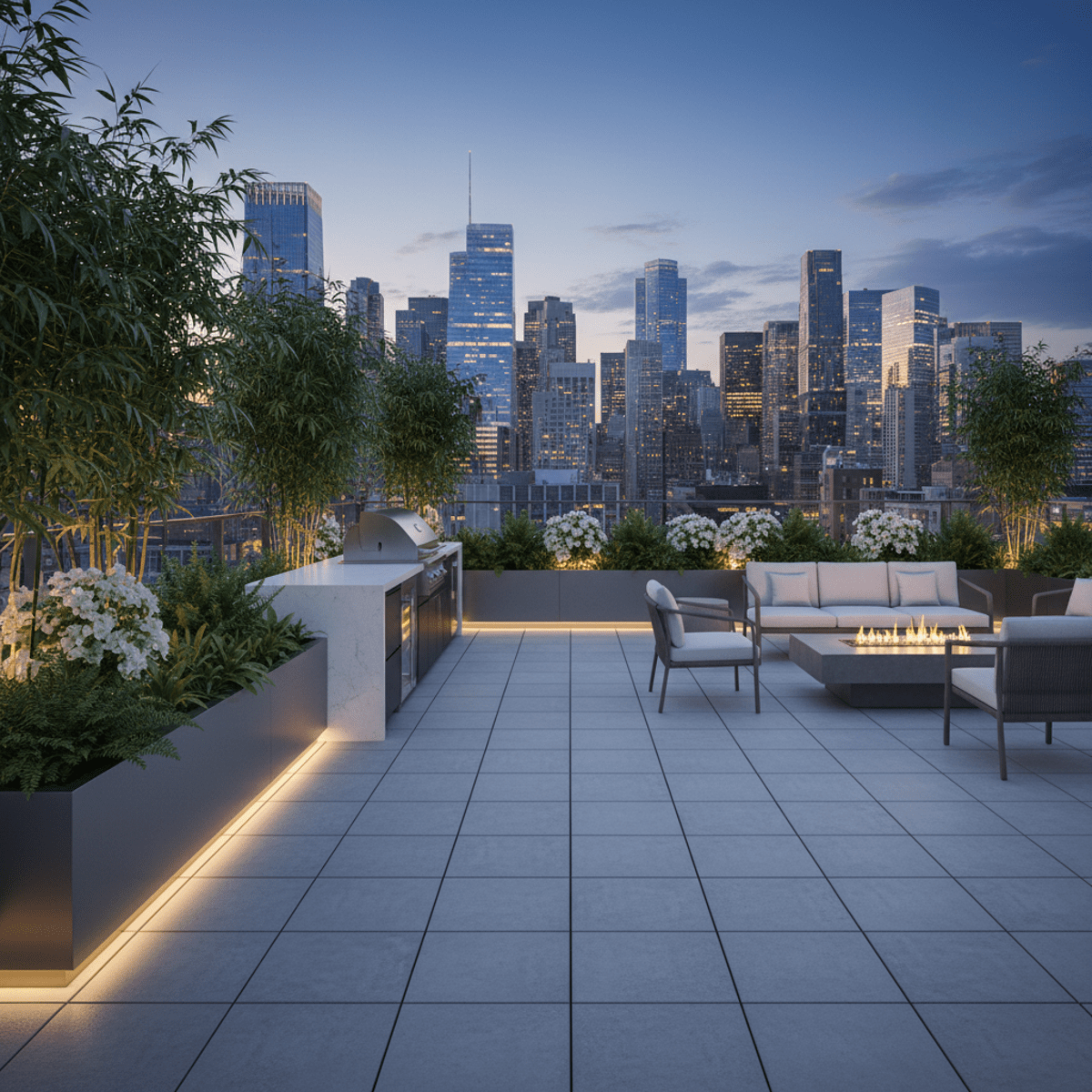
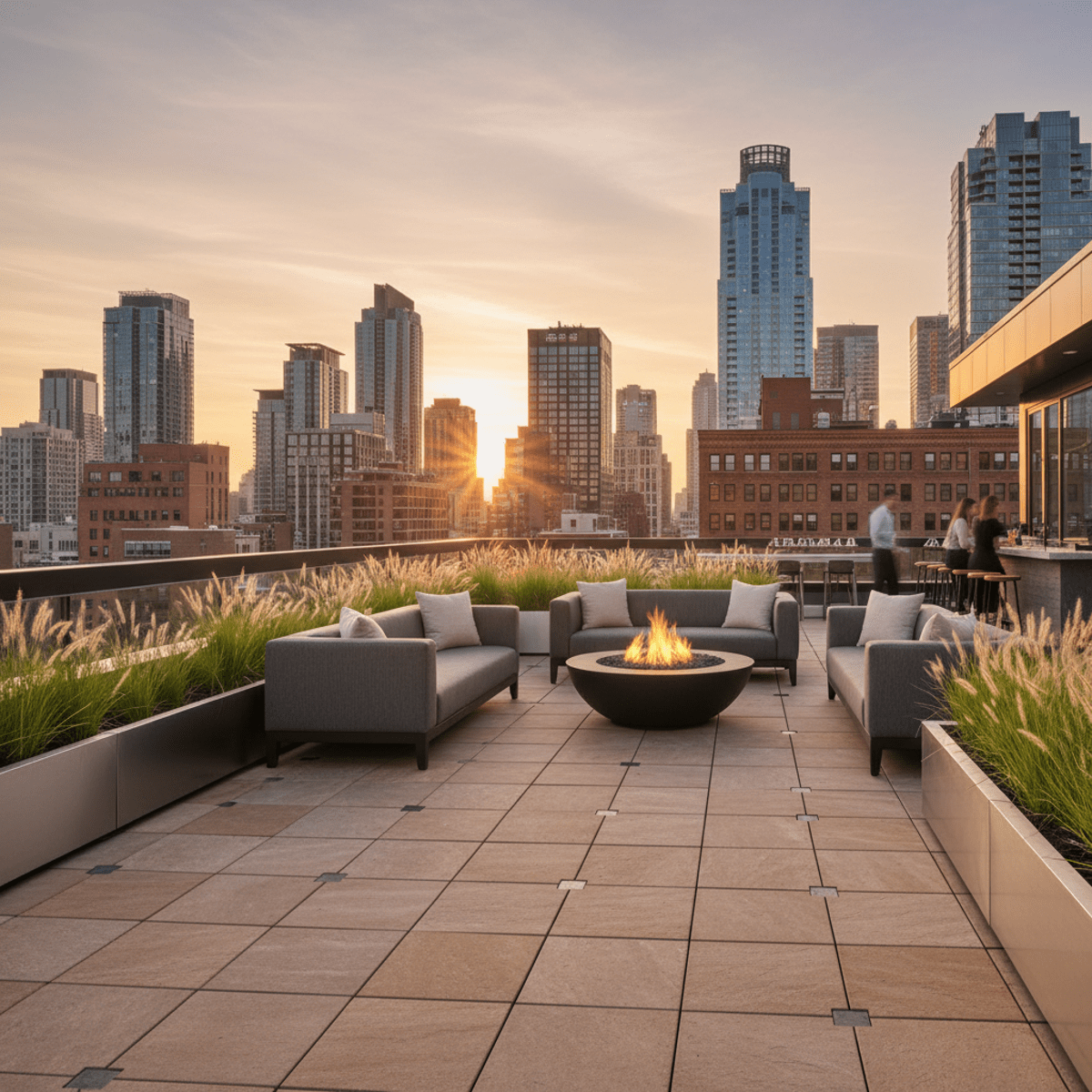
Urban properties are maximizing their outdoor potential by using lightweight porcelain 24×24 pavers on pedestal systems to create stunning rooftop terraces and elevated outdoor rooms. These innovative installation systems create perfectly level surfaces over sloped roofs while concealing essential infrastructure like drainage systems, electrical conduits, and waterproofing membranes. The pedestal approach also provides excellent insulation and allows for proper water management, critical factors in successful rooftop installations. Lightweight porcelain pavers are specifically engineered for these applications, offering the aesthetic appeal of natural materials without the structural load concerns of genuine stone or concrete. The result is valuable outdoor living space with panoramic city views, transformed from previously unused rooftop areas. These installations often feature built-in planters, outdoor kitchens, and sophisticated lighting systems, creating true outdoor rooms that extend the home’s living space vertically rather than horizontally.
9. Pavers with Integrated Planter Cutouts
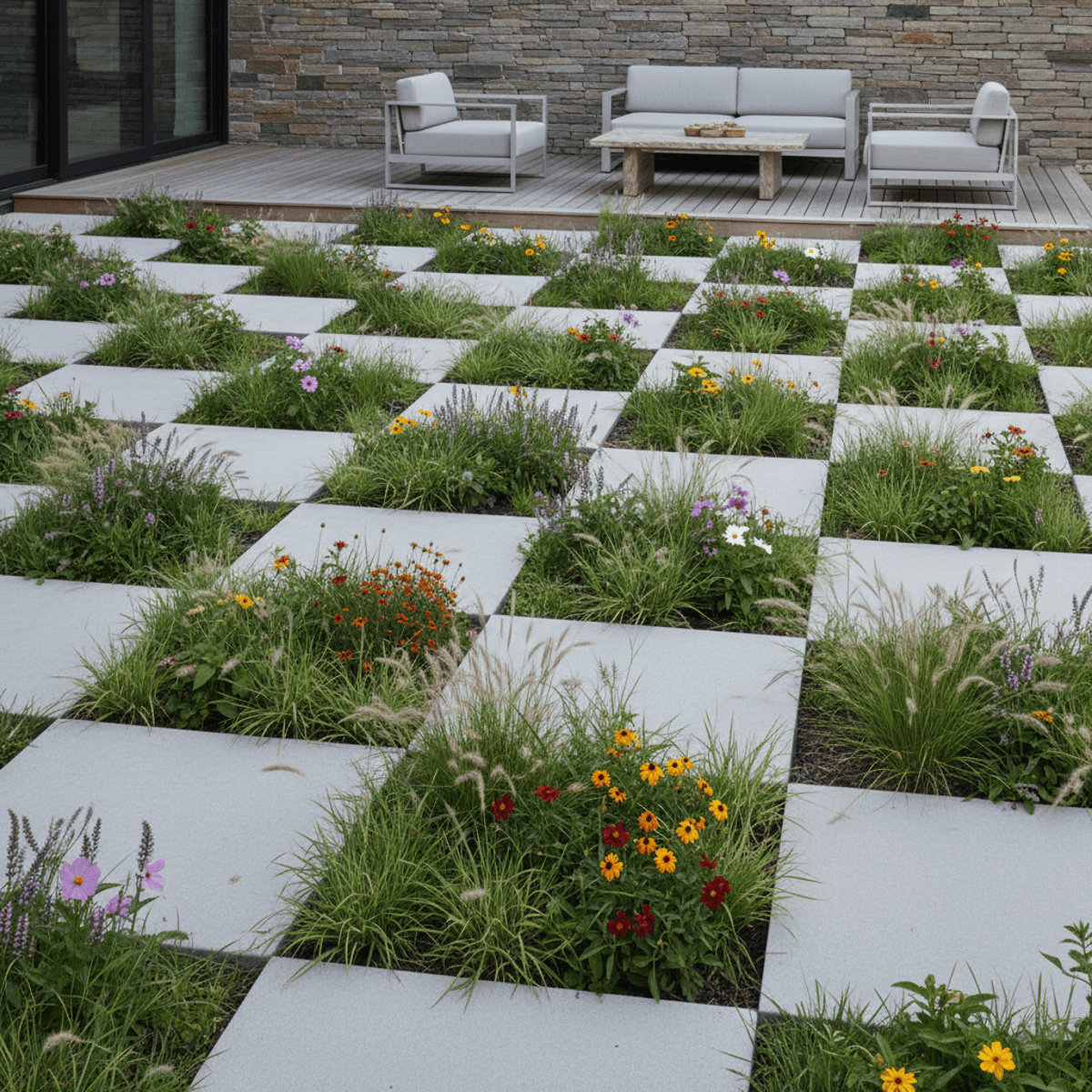
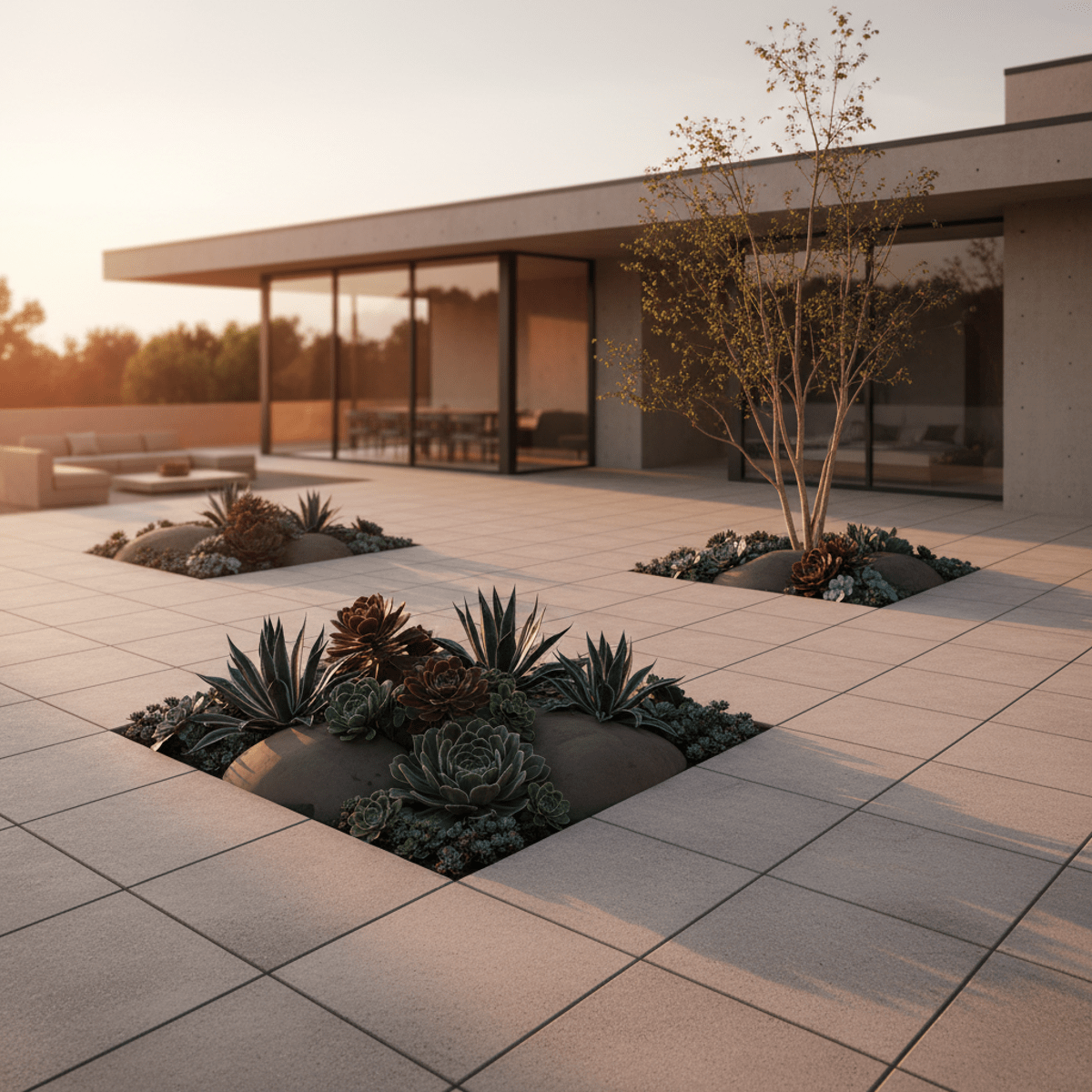
This biophilic design technique strategically removes select 24×24 pavers from a larger paved area to create flush-to-ground planter beds that seamlessly integrate softscape elements within the hardscape. These thoughtfully planned openings can accommodate anything from single specimen trees to clusters of ornamental grasses or carefully curated succulent gardens. The key to success lies in proper planning during the design phase, ensuring that planter locations don’t interfere with furniture placement or foot traffic while creating maximum visual impact. This approach works particularly well in contemporary landscapes where the contrast between geometric paving and organic plant forms creates dynamic visual interest. The integrated planters also provide opportunities to introduce seasonal color, fragrance, or textural variety without disrupting the overall design coherence. Installation requires careful attention to drainage and root barrier systems to prevent damage to adjacent pavers while ensuring healthy plant growth.
The evolution of 24×24 pavers from simple paving slabs to cornerstone elements of sophisticated landscape design reflects the broader transformation of outdoor living in 2026. These nine inspiring applications demonstrate how large-format pavers have become essential tools for creating seamless indoor-outdoor transitions, minimalist architectural statements, and biophilic designs that connect us with nature. From the clean geometry of concrete grids to the organic integration of floating steppers in living landscapes, these trends showcase the versatility and aesthetic potential of well-chosen materials in expert hands. For design professionals, these applications represent the cutting edge of client expectations and market demand. For product managers and suppliers in the hardscape industry, these trends are direct indicators of which materials, finishes, and installation systems will drive sales in the coming years. The shift toward wood-look porcelain, integrated planting solutions, and permeable paving systems signals a market that values both aesthetic sophistication and environmental responsibility. Ready to turn these 2026 trends into your next best-selling product or client-winning design? Use our AI Sourcing Tool, Accio, to instantly discover manufacturers of wood-look porcelain, source unique architectural concrete pavers, and analyze market data on the most in-demand colors and finishes. With Accio, you can move from inspiration to action in just a few clicks.