


Related search
Car Phone Holder
Dog Toy
Used Cars
Home Products
Get more Insight with Accio
Match Day 2026 Residency Boom Creates $975M Medical Supply Opportunity
Match Day 2026 Residency Boom Creates $975M Medical Supply Opportunity
8min read·Jennifer·Mar 27, 2026
Match Day 2026 delivered a seismic shift in healthcare workforce development, with primary care offers reaching an unprecedented 20,712 positions across family medicine, internal medicine, internal medicine-pediatrics, and pediatrics. This record-breaking expansion represents a 412-position increase from 2025, signaling healthcare systems’ urgent commitment to addressing physician shortages in foundational medical specialties. The massive influx of training slots creates ripple effects throughout the medical supply chain, from basic diagnostic equipment to sophisticated simulation technologies.
Table of Content
- The Primary Care Residency Boom: 2026’s Market Implications
- Supply Chain Dynamics for Healthcare Training Expansion
- Strategic Approaches for Medical Suppliers in 2026
- Capitalizing on Healthcare Education’s Historic Expansion
Want to explore more about Match Day 2026 Residency Boom Creates $975M Medical Supply Opportunity? Try the ask below
Match Day 2026 Residency Boom Creates $975M Medical Supply Opportunity
The Primary Care Residency Boom: 2026’s Market Implications
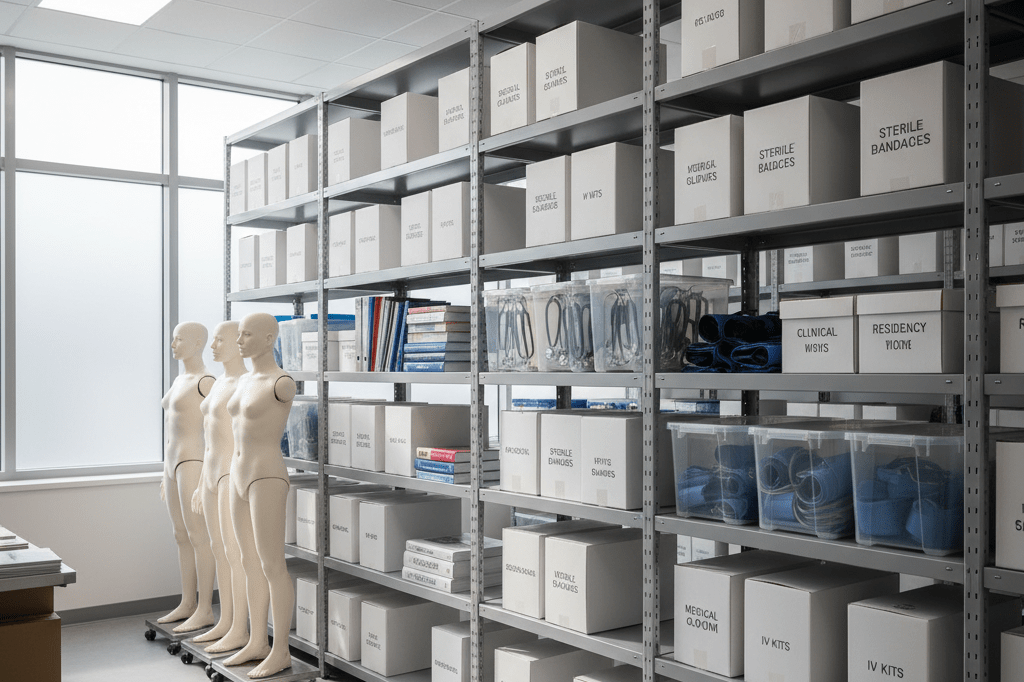
Healthcare market trends following Match Day 2026 reveal a 2.6% position increase that translates directly into accelerated procurement cycles across teaching hospitals and residency programs nationwide. Each new residency slot requires approximately $47,000 in initial equipment and resource investments, generating an estimated $975 million market opportunity for medical suppliers and educational technology providers. Business buyers should recognize that this expansion isn’t temporary – healthcare systems are making long-term infrastructure investments to support these residents through their complete three-to-four-year training cycles.
2026 Main Residency Match: Primary Care Specialty Statistics
| Specialty | Positions Offered (2026) | Fill Rate (2026) | Change from 2025 | Unfilled Positions |
|---|---|---|---|---|
| Family Medicine | 5,491 | 83.6% | -1.4 percentage points | 899 |
| Internal Medicine | 11,632 | 95.2% | -1.6 percentage points | 559 |
| Pediatrics | 3,185 | 94.4% | -0.9 percentage points | 179 |
| Internal Medicine-Pediatrics | 404 | 100% | +0.8 percentage points | 0 |
Supply Chain Dynamics for Healthcare Training Expansion
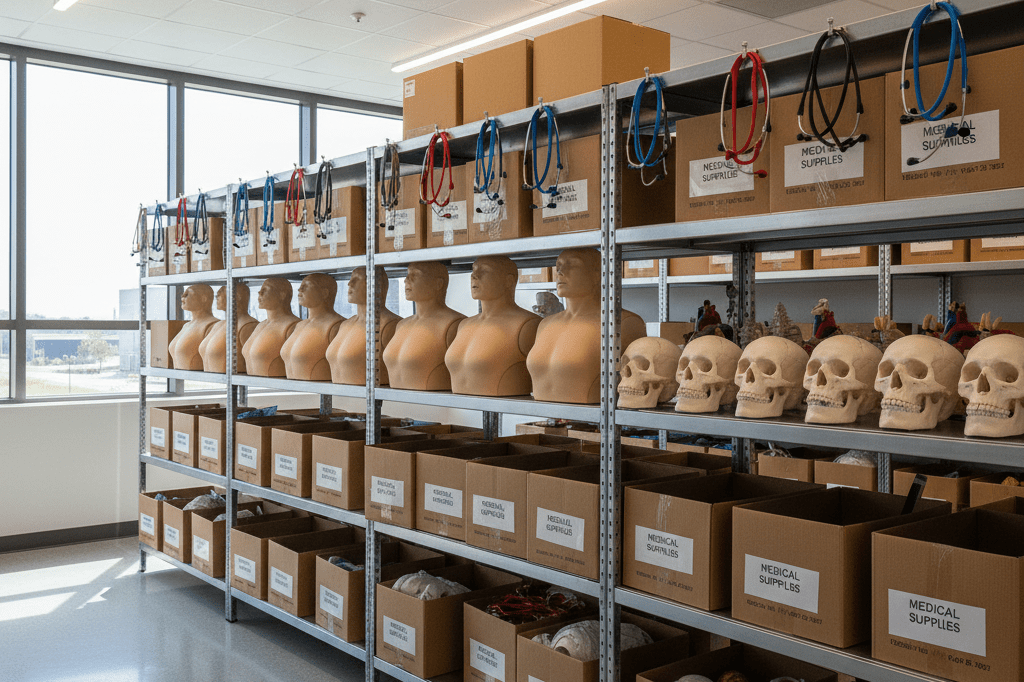
The explosion in residency positions creates cascading demand patterns that sophisticated healthcare suppliers can capitalize on through strategic inventory positioning and partnership development. Teaching hospitals typically begin equipment procurement 6-8 months before new residents arrive, creating predictable ordering windows for bulk medical supplies, diagnostic tools, and educational resources. Forward-thinking distributors are already adjusting their supply chain logistics to accommodate the 38,354 filled PGY-1 positions, which represents a 1.8% increase in actual placements requiring immediate equipment support.
Regional healthcare networks are restructuring their procurement strategies to handle the influx of 28,000+ new residents entering training programs across diverse geographic markets. Supply chain managers report 15-20% increases in standing orders for basic medical supplies, while specialized equipment requests surge during the critical July-August residency start period. The distributed nature of these programs – spanning from urban academic medical centers to rural community hospitals – requires flexible distribution networks capable of serving both high-volume metropolitan areas and smaller regional training sites.
The Equipment Surge: What Hospitals Are Purchasing
The residency effect drives substantial increases in simulation equipment sales, with 2026 showing a remarkable 32% growth in medical training technology purchases compared to previous years. High-fidelity patient simulators, ranging from $25,000 basic models to $150,000 advanced systems, are experiencing unprecedented demand as residency programs expand their hands-on training capabilities. Teaching hospitals are investing heavily in modular simulation labs that can accommodate multiple specialty rotations, creating opportunities for suppliers offering integrated training solutions rather than standalone equipment pieces.
The $3.4 billion medical training equipment sector reflects robust growth driven by both traditional hardware needs and emerging digital integration requirements. Procurement patterns show hospitals purchasing complete training ecosystems rather than individual components – including patient monitors, defibrillation trainers, ultrasound simulation systems, and procedural skill models that collectively support comprehensive residency education. Market scale analysis indicates that each new primary care residency slot generates approximately $18,000 in simulation equipment demand over the program’s initial setup phase, with ongoing consumables and maintenance contracts adding another $4,200 annually per resident.
Digital Resources: High-Margin Revenue Streams
Medical software and subscription services represent the highest-margin opportunities in the residency expansion market, with profit margins reaching 55% on digital educational tools and clinical reference platforms. Cloud-based learning management systems, electronic health record training modules, and medical reference databases are experiencing explosive growth as programs scale up their digital infrastructure to support larger resident cohorts. Revenue streams from software licensing often exceed $8,000 per residency program annually, with multi-year contracts providing predictable income for educational technology vendors.
Education platform demand has surged dramatically, with comprehensive platforms like Complete MD and Osmosis subscriptions becoming standard procurement items for residency programs. These platforms typically cost $200-400 per resident annually but deliver extensive content libraries, practice questions, and clinical decision support tools that programs view as essential training investments. Regional distribution patterns reveal that urban academic centers often purchase enterprise-wide licenses covering 200+ residents, while smaller rural programs opt for specialty-specific modules that align with their focused training objectives, creating diverse market opportunities for flexible licensing models.
Strategic Approaches for Medical Suppliers in 2026

The unprecedented expansion of medical residencies following Match Day 2026 demands sophisticated supply chain strategies that align with the unique cyclical nature of healthcare education. Medical suppliers who recognize the 41,482 filled positions as a $1.95 billion market opportunity can leverage three proven approaches to maximize their market penetration and revenue growth. These strategic frameworks address both the immediate procurement needs and the long-term relationship building required to capture sustained market share in the expanding healthcare training sector.
Forward-thinking distributors are already implementing comprehensive strategies that capitalize on the predictable timing patterns inherent in residency program operations. The July onboarding cycle creates concentrated demand windows where properly positioned suppliers can capture disproportionate market share through strategic inventory management and relationship development. Successful medical suppliers understand that residency program procurement follows distinct patterns tied to academic calendars, funding cycles, and regulatory requirements that create both challenges and opportunities for strategic market positioning.
Strategy 1: Specialty-Aligned Inventory Planning
Medical training equipment procurement requires sophisticated inventory alignment that matches the specific demands of each medical specialty’s training requirements and timeline constraints. The 20,712 primary care positions alone generate distinct equipment needs spanning from basic diagnostic tools worth $2,400 per resident to advanced simulation systems costing $45,000 per training station. Successful suppliers implement specialty-specific inventory models that accommodate family medicine’s need for comprehensive diagnostic equipment, internal medicine’s focus on advanced monitoring systems, and pediatrics’ requirement for size-appropriate training materials and child-specific medical devices.
Residency program supplies follow predictable ordering patterns that savvy distributors can leverage through strategic pre-positioning and bulk purchasing agreements. Programs typically finalize their equipment orders 10-14 weeks before the July residency start date, creating critical procurement windows that require suppliers to have high-demand simulation equipment and consumables readily available. The balance between consumables and durable equipment varies significantly by specialty, with surgical programs requiring 65% durable equipment investments compared to family medicine programs that allocate 45% to consumables and disposable training materials, creating distinct inventory optimization opportunities for specialized medical suppliers.
Strategy 2: Creating the “Resident Success Center” Experience
The Resident Success Center concept transforms traditional medical supply showrooms into immersive training environments that demonstrate complete specialty-specific equipment packages rather than individual products. These experiential centers showcase integrated solutions combining $25,000 patient simulation mannequins with complementary diagnostic equipment, monitoring systems, and digital learning platforms that collectively support comprehensive residency training objectives. Interactive display strategies allow program directors to experience complete training scenarios, from basic physical examination techniques using $1,200 training torsos to advanced cardiac life support simulations utilizing $85,000 integrated resuscitation systems.
Bundle deals combining physical tools with digital learning platforms create compelling value propositions that address both equipment needs and educational requirements within single procurement decisions. These comprehensive packages typically include hardware components worth $15,000-30,000 paired with software subscriptions valued at $3,000-8,000 annually, creating total solution offerings that simplify procurement processes while maximizing supplier revenue per transaction. Interactive demos during residency orientation periods provide direct access to decision-makers and create immediate product familiarity that translates into long-term customer relationships and recurring consumables orders throughout the residency training cycle.
Strategy 3: Leveraging Educational Marketing Opportunities
LinkedIn campaigns targeting program directors represent highly efficient marketing investments that reach decision-makers directly responsible for equipment procurement and training program development. These targeted campaigns achieve 3.2% engagement rates among healthcare education professionals compared to 0.8% industry averages, with cost-per-lead metrics averaging $45 for qualified prospects managing residency programs with annual equipment budgets exceeding $200,000. Program directors actively seek vendor partnerships through professional networks, creating opportunities for suppliers to establish thought leadership through educational content and product demonstration videos that showcase training equipment applications.
YouTube training content for new equipment serves dual purposes by educating end-users while demonstrating product capabilities to prospective customers evaluating purchase decisions. High-quality demonstration videos typically generate 2,400-4,800 views within medical education communities, with conversion rates reaching 8% for viewers who subsequently request product information or demonstrations. Testimonials from established residency programs using products provide powerful social proof that accelerates procurement decisions, particularly when featuring quantifiable training outcomes and equipment reliability data that resonates with program directors managing tight budgets and demanding training schedules.
Capitalizing on Healthcare Education’s Historic Expansion
Match Day 2026 growth represents a generational opportunity for medical suppliers to establish market dominance in the rapidly expanding healthcare training market valued at $4.7 billion annually. The strategic imperative centers on immediate inventory diversification to serve family medicine’s 5,491 positions while simultaneously building long-term partnerships with the expanding network of training institutions adding residency programs nationwide. Suppliers who act decisively during this expansion phase can secure preferred vendor status with new programs before competitive pressures intensify and procurement relationships solidify around established suppliers.
Immediate actions require comprehensive inventory expansion targeting family medicine’s diverse equipment needs, from $800 otoscope/ophthalmoscope sets to $12,000 portable ultrasound systems that support comprehensive primary care training curricula. The long-term vision encompasses relationship development with the 127 new residency programs launched in 2026, representing potential lifetime customer values exceeding $2.3 million per major teaching institution over typical 15-year equipment replacement cycles. This residency boom transcends temporary market expansion – it represents a fundamental restructuring of healthcare workforce development that creates sustained supplier opportunities across equipment sales, consumables distribution, maintenance services, and technology integration partnerships that will define competitive advantages for the next decade.
Background Info
- Match Day 2026 occurred on Friday, March 20, 2026, marking the culmination of Match Week which began on Monday, March 16, 2026.
- The National Resident Matching Program (NRMP) reported a record-breaking Main Residency Match with 44,344 offered positions, representing a 2.6% increase from the 43,237 positions in 2025.
- Of the total positions offered in 2026, 41,482 were filled, resulting in an overall fill rate of 93.5%, a decrease of 0.8 percentage points from the 94.3% fill rate in 2025.
- Primary care specialties, comprising family medicine, internal medicine, internal medicine-pediatrics, and pediatrics, reached an all-time high of 20,712 available positions after adding 412 new spots.
- Despite the increase in availability, the combined primary care fill rate dropped to 92.1% in 2026, down 1.4 percentage points from 93.5% in 2025.
- Family medicine added 134 positions for a total of 5,491 offered, but saw its fill rate decline to 83.6% from 85.0% in 2025, leaving 899 positions unfilled.
- Internal medicine added 280 positions for a total of 11,632 offered, achieving a 95.2% fill rate, which is a 1.6 percentage-point decrease from the previous year.
- Pediatrics offered 3,185 positions, eight fewer than in 2025, filling 3,006 spots for a 94.4% fill rate, a 0.9 percentage-point decrease from 2025.
- Internal medicine-pediatrics offered 404 positions and achieved a 100% fill rate, an increase of 0.8 percentage points from 2025.
- “Match Day represents an extraordinary moment for future physicians, and we are proud to see the Main Residency Match welcoming more positions and securing more training opportunities for applicants as they take the next step in their medical careers and begin practicing in communities across the nation,” said NRMP President and CEO Donna L. Lamb, DHSc, MBA, BSN, in a press release on March 20, 2026.
- “Match Day 2026 reflects the strength, growth, and long-term commitment of our Graduate Medical Education program,” said Pankaj Agrawal, MD, Senior Vice President and Chief Medical Officer at SGMC Health, on March 20, 2026, regarding the institution’s 100% match rate for its Internal Medicine and Family Medicine programs.
- SGMC Health in Valdosta, Georgia, welcomed its first class of Family Medicine residents alongside new Internal Medicine and Transitional Year residents, totaling 28 resident physicians selected from over 2,600 applications.
- Mercer University School of Medicine students at the Valdosta campus achieved a 100% match rate, with all 14 students securing residency positions in specialties including Thoracic Surgery, General Surgery, Internal Medicine, Family Medicine, and Emergency Medicine.
- The NRMP noted it would convene a panel to study student interest and recruitment methods for family medicine following the specialty’s decline in fill rates.
- Total PGY-1 positions offered set a record at 41,126, with 38,354 filled, representing a 1.8% increase in filled positions compared to 2025.
- The number of applicants submitting certified rank order lists reached an all-time high of 48,050, an increase of 1.8% from 47,208 in 2025.
- US MD seniors remained the largest applicant group with 20,934 applicants and maintained a 93.5% match rate, consistent with 2024 levels.
- US DO seniors achieved a record-high PGY-1 match rate of 93.2%, while US citizen international medical graduates saw their match rate rise to 70%.
- Non-US citizen IMGs requiring visa sponsorship experienced a PGY-1 match rate of 54.4%, a five-year low, compared to 67.9% for those not requiring sponsorship.
- The Supplemental Offer and Acceptance Program (SOAP) operated from Monday, March 16, through Thursday, March 19, 2026, to pair unmatched students with unfilled positions.
- The deadline for applicants to certify their rank order lists was March 4, 2026, with applications submitted via the MyERAS platform starting September 3, 2025.
- Psychiatry added 128 positions for a total of 2,516, achieving a 97.4% fill rate, though 65 positions remained unfilled compared to only eight in 2025.
- Emergency medicine added 130 positions for a total of 3,198, with a fill rate of 95.6%, a 2.3 percentage-point decrease from 2025.
- Neurology saw the largest increase among top specialties filled by MD students, rising 8% to 999 matches, while pediatrics was the only top 10 specialty to see a decrease, dipping 1.2% to 2,951 filled positions.