


Related search
Cleaning Kit
Cleaning Tools
Party supplies
Fence
Get more Insight with Accio
Marathon Server Slam Reveals Key Retail Testing Strategies
Marathon Server Slam Reveals Key Retail Testing Strategies
11min read·James·Mar 3, 2026
The Marathon Server Slam demonstrated how a well-executed 5-day playtest can transform skeptical consumers into engaged prospects, offering retailers valuable insights into pre-launch market testing strategies. Bungie’s extraction shooter experienced a dramatic shift in community perception, with initial indifference evolving into genuine interest as players progressed deeper into the gameplay experience. The playtest served as both a technical stress test and a comprehensive market research tool, revealing critical consumer behavior patterns that extend far beyond gaming.
Table of Content
- Marathon Server Slam: What Retailers Can Learn from the Beta Test
- Leveraging Beta Tests to Predict Market Demand Patterns
- Pre-Launch Events: Converting Skeptics into Loyal Customers
- Turning Market Testing into Profitable Launch Strategies
Want to explore more about Marathon Server Slam Reveals Key Retail Testing Strategies? Try the ask below
Marathon Server Slam Reveals Key Retail Testing Strategies
Marathon Server Slam: What Retailers Can Learn from the Beta Test
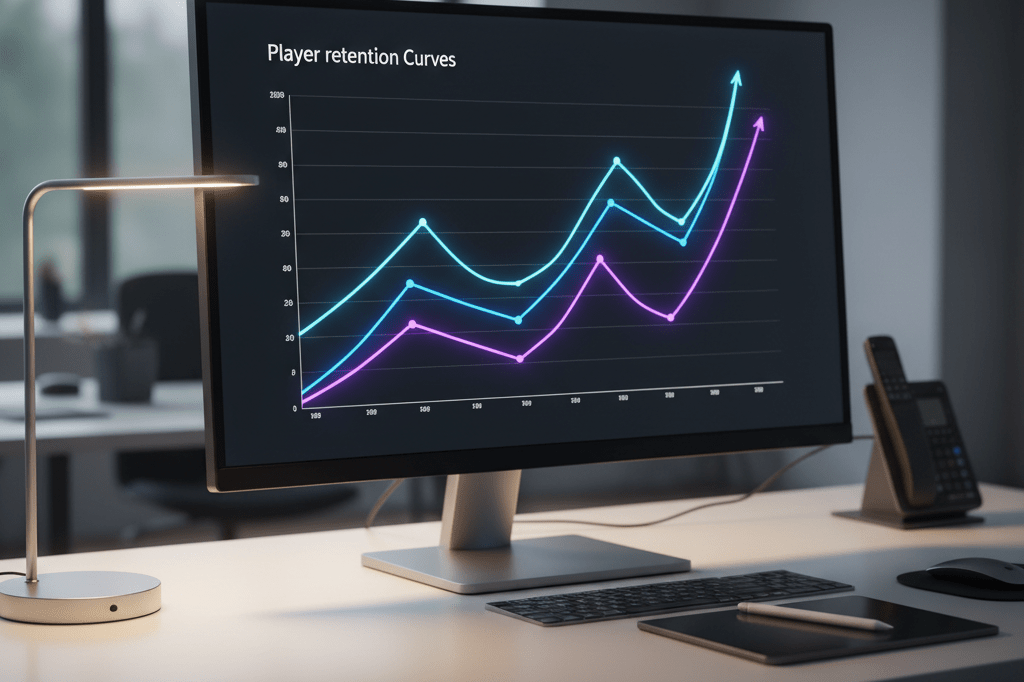
Peak concurrent player data from SteamDB showed Marathon reached 143,621 users on day one, demonstrating substantial consumer interest despite mixed pre-launch sentiment. The steady decline to 64,080 players by Sunday reflected typical beta test engagement patterns, yet the core retention metrics provided retailers with concrete evidence of market demand. This player count data, coupled with increased Steam pre-orders following the event, illustrates how strategic beta testing can convert initial skepticism into purchasing intent across multiple product categories.
| Metric / Game | Peak Concurrent Players | 30-Day Peak / Current Status | Platform & Notes |
|---|---|---|---|
| Marathon | 143,621 | 117,730 (as of Feb 27) | Steam (PC only); Reached Top 5 briefly on launch day |
| Arc Raiders | 481,966 | 375,294 | All-time peak; Competing extraction shooter |
| Destiny 2 | 316,750 | N/A | All-time concurrent peak; Bungie’s previous title |
| Delta Force | 247,028 | 162,867 | All-time peak vs. 30-day peak |
| Escape From Tarkov | 47,800 | 23,092 | All-time peak vs. 30-day peak |
| Server Slam Timeline | Feb 26, 2026 (10:00 AM PT) | March 2, 2026 (10:00 AM PT) | Launch to scheduled conclusion dates |
Leveraging Beta Tests to Predict Market Demand Patterns

Beta testing events like the Marathon Server Slam reveal critical consumer behavior patterns that retailers can leverage to optimize product launches and inventory management strategies. The sharp contrast between early-game friction and late-game satisfaction mirrors common consumer adoption curves across various product categories, where initial resistance often transforms into long-term loyalty. Market testing through structured beta programs allows retailers to identify these transition points and adjust their positioning strategies accordingly.
Consumer preference data gathered during beta phases provides retailers with actionable intelligence about product features, pricing sensitivity, and market readiness indicators. The Marathon playtest revealed that only 25% of over 1,000 ResetEra poll respondents planned immediate purchases, yet engagement metrics suggested growing interest among committed users. This discrepancy between stated intent and actual behavior demonstrates why retailers must analyze multiple data streams when forecasting demand patterns for new product launches.
The Engagement Curve: 30-Hour Satisfaction Threshold
Marathon’s beta test revealed a critical 30-hour engagement threshold where player satisfaction increased dramatically, with Bungie reporting that deeper progression correlated directly with higher enjoyment levels. This progression effect mirrors consumer behavior patterns across numerous product categories, where initial learning curves give way to increased satisfaction and brand loyalty. Retailers can apply this insight by developing support systems and educational content that guide consumers through early adoption phases, reducing abandonment rates during critical transition periods.
The 30-hour satisfaction benchmark provides retailers with concrete timing data for follow-up marketing campaigns and customer retention strategies. PC Gamer’s reviewer noted a fundamental perspective shift after 21 hours of gameplay, transitioning from indifference to genuine enthusiasm for the product’s core mechanics. This transformation timeline offers retailers specific windows for targeted interventions, whether through personalized support, educational content, or strategic incentives designed to encourage continued engagement past the initial friction phase.
User Interface Challenges as Market Intelligence
The widespread UI criticism during Marathon’s playtest highlighted inventory management difficulties and information density issues, providing retailers with valuable customer experience data about consumer priorities. Players specifically complained about cluttered interfaces that obscured critical information during high-stress situations, indicating that clarity and accessibility rank higher than aesthetic complexity in consumer preferences. These UI feedback patterns translate directly to retail environments, where simplified navigation and clear product information display significantly impact conversion rates.
Bungie UI designer Elliot Gray’s response to criticism demonstrated effective feedback translation, acknowledging specific pain points while maintaining core design principles that differentiate the product. Gray confirmed plans to address inventory management and navigation density issues post-launch while preserving the interface’s unique aesthetic elements. This balanced approach offers retailers a framework for incorporating customer feedback without compromising brand identity, showing how constructive criticism can drive iterative improvements that enhance both usability and market positioning.
Pre-Launch Events: Converting Skeptics into Loyal Customers

Strategic pre-launch events function as powerful conversion tools that transform skeptical consumers into committed purchasers, with Marathon’s Server Slam demonstrating measurable impact on purchasing intent and market perception. The five-day testing window generated significant consumer engagement while providing retailers with critical insights into product viability and market demand patterns. Exclusive access events create artificial scarcity that drives consumer interest, while simultaneously offering brands valuable opportunities to gather real-world usage data before full market launch.
Conversion metrics from limited access events reveal substantial business intelligence that retailers can leverage across multiple product categories and market segments. Despite initial skepticism reflected in the 25% purchase intent figure from ResetEra polling, Marathon experienced increased Steam pre-orders following the Server Slam, demonstrating the gap between stated consumer intentions and actual purchasing behavior. This conversion discrepancy highlights the importance of tracking multiple engagement metrics rather than relying solely on survey data when forecasting product launch performance.
Strategy 1: Time-Limited Testing Events
Five-day exclusive access windows create optimal conditions for building consumer anticipation while generating comprehensive market research data across diverse user segments. Marathon’s Server Slam structure allowed Bungie to monitor daily engagement patterns, revealing peak participation of 143,621 concurrent users on Friday dropping to 64,080 by Sunday, providing retailers with concrete data on consumer attention spans and engagement sustainability. Limited access trials generate urgency-driven participation that often exceeds standard market research response rates, offering brands more representative consumer behavior data than traditional focus groups or surveys.
Engagement pattern monitoring throughout testing periods reveals critical consumer behavior insights that retailers can apply to inventory planning and marketing strategy development. The estimated 25% conversion rate from Marathon testers to purchasers provides a baseline metric for calculating potential market penetration from limited access programs. Tracking conversion from tester to purchaser allows retailers to optimize their pre-launch investment allocation, balancing testing program costs against projected sales revenue while building comprehensive customer databases for future marketing campaigns.
Strategy 2: Using Criticism as Product Development Fuel
Systematic feedback classification into immediate fixes versus post-launch improvements enables retailers to balance consumer demands with operational constraints and brand integrity considerations. Bungie’s approach to UI criticism exemplifies effective feedback management, with designer Elliot Gray acknowledging specific pain points while maintaining core aesthetic elements that differentiate the product from competitors. This balanced response strategy allows brands to demonstrate customer responsiveness without compromising unique selling propositions or requiring costly pre-launch redesigns that could delay market entry.
Transparent communication about planned changes builds consumer confidence while managing expectations for post-launch product evolution and improvement cycles. Marathon’s development team confirmed specific areas for iteration, including inventory management systems and navigation density issues, while explicitly stating their commitment to preserving the interface’s distinctive visual identity. Maintaining core product identity while addressing consumer pain points requires strategic communication that frames criticism as opportunities for enhancement rather than fundamental design flaws, protecting brand perception during vulnerable pre-launch periods.
Strategy 3: Data-Driven Inventory Decisions
User engagement metrics analysis provides retailers with predictive data for initial demand forecasting, enabling more accurate inventory allocation across multiple distribution channels and geographic markets. Marathon’s platform-specific player distribution data revealed distinct engagement patterns between PC and console users, with Steam concurrent player counts providing concrete evidence of platform preference and market penetration potential. Engagement metrics correlation with purchasing intent allows retailers to move beyond traditional demographic targeting toward behavior-based inventory planning that reflects actual consumer interaction patterns.
Proportional stocking strategies based on platform popularity trends optimize inventory investment while minimizing overstock risks and stockout scenarios across diverse market segments. Console versus PC engagement data from Marathon’s testing phase provided retailers with specific allocation guidance, demonstrating how beta test participation can inform multi-platform inventory distribution decisions. Post-launch surge preparation based on word-of-mouth conversion patterns requires retailers to maintain flexible inventory systems that can respond rapidly to viral marketing effects and organic consumer advocacy that often follow successful testing events.
Turning Market Testing into Profitable Launch Strategies
Market testing data translation into actionable launch strategies requires sophisticated analytics systems that monitor conversion rates, engagement depth, and consumer sentiment shifts throughout the testing period. Marathon’s Server Slam demonstrated how testing engagement correlates with sales potential, showing increased Steam pre-orders despite mixed initial reactions, proving that hands-on experience often overrides preliminary skepticism. Analytics focus on behavioral metrics rather than stated preferences provides retailers with more accurate demand forecasting tools that account for the gap between consumer intentions and actual purchasing decisions.
Response planning based on tester feedback trends enables retailers to optimize launch timing, inventory allocation, and marketing messaging for maximum market impact and profitability. The Marathon testing phase revealed specific product strengths and weaknesses that informed both immediate improvements and long-term development roadmaps, demonstrating how comprehensive feedback analysis drives strategic decision-making. Retailers who systematically analyze testing data can identify optimal launch windows, target market segments, and pricing strategies that maximize revenue while minimizing market entry risks associated with untested products or uncertain consumer reception.
Background Info
- Bungie hosted a free, five-day “Server Slam” playtest for the extraction shooter Marathon across PC, PS5, and Xbox Series in late February 2026, concluding just days before the scheduled March 5, 2026 launch.
- SteamDB data indicates the Marathon Server Slam reached a peak concurrent player count of 143,621 on its first day (Friday), dropping to 83,946 on Saturday and 64,080 on Sunday.
- The Server Slam coincided with the launch weekend of Resident Evil Requiem, which recorded daily concurrent peaks exceeding 320,000 players and topped Steam’s Top Sellers list ahead of Marathon.
- Community sentiment regarding the playtest was deeply divided, with a poll on ResetEra showing only 25% of over 1,000 respondents intended to purchase the game on launch day.
- Player feedback highlighted a sharp contrast between early-game friction and late-game enjoyment, with many users reporting that the experience improved significantly after approximately 30 hours of gameplay.
- Time-to-kill (TTK) mechanics generated significant debate; Bungie acknowledged that while some players desired longer duels, others preferred the current lethal pace, stating, “Some of you want longer duels and more Runner contact, others are vibing with the current pace.”
- The user interface (UI) faced widespread criticism for being difficult to parse and cluttered, particularly regarding inventory management and mid-fight information density.
- Bungie UI designer Elliot Gray responded to UI complaints by confirming plans to iterate post-launch but emphasizing the retention of the design’s unique aesthetic, stating, “There’s plenty of work we can and will do as a team to respond to player feedback about inventory management, navigation, density of info, etc… …but don’t think for a second that we’re gonna remove the SAUCE from the UI.”
- Bungie confirmed it is reviewing Runner density on non-beginner maps and monitoring the feel of specific locations like Perimeter and Dire Marsh following player feedback.
- IGN reviewer Travis Northup described the game as having a “rad concept… with absolutely stellar gunplay, some interesting characters and lore, and a loot grind that’s made it hard to step away long enough to even write this initial review.”
- PC Gamer reported a shift in perspective after 21 hours of play, noting a transition from indifference to belief in the game’s approachable yet lethal PvP design.
- A significant portion of community discussion focused on the difficulty of distinguishing AI security bots from human players, with some players noting that bots mimic proximity chat to deceive opponents.
- Critics and players noted a lack of comprehensive beginner guidance, specifically the absence of a firing range or testing area to experiment with builds without risking gear loss.
- Despite mixed reactions during the playtest, YouTube creator xHOUNDISHx observed that Steam pre-orders appeared to increase following the Server Slam event.
- Sony Interactive Entertainment CFO Lin Tao expressed confidence in the project during a February 2026 earnings call, remarking, “this time around, after the modifications, we are very confident,” following a US $204 million impairment loss related to Bungie’s acquisition and Destiny 2 performance in late 2025.
- Bungie stated in its official recap that engagement trends suggested deeper progression correlated with higher enjoyment, asserting that “the deeper [players] get into progression, the more fun they are having.”
- Some players criticized the “Beginner” version of the Perimeter map for not offering a fully replayable solo instance with sufficient tooltips and waypoint explanations for new users.
- Community discussions indicated that PvP scarcity on starter maps like Perimeter and Dire Marsh was attributed to open layouts resulting in fewer forced engagements compared to denser endgame maps.
- Reports suggest Bungie is planning post-launch changes to address UI navigation issues, including making pings and equipment management clearer without obscuring critical combat information.
- The game is set to release officially on March 5, 2026, for PS5, Xbox Series, and PC, following a delay from an earlier April 2025 timeline due to previous middling playtest feedback.