


Related search
Car Accessories
Sunglasses
Hair Clip
Construction Machine
Get more Insight with Accio
Legionnaires Disease Outbreak: Melbourne Supply Chain Crisis Lessons
Legionnaires Disease Outbreak: Melbourne Supply Chain Crisis Lessons
7min read·James·Mar 24, 2026
The March 2026 Legionnaires’ disease outbreak in Melbourne’s northern suburbs delivered a stark health alert that rippled through regional supply chains. Six confirmed cases across Craigieburn, Mickleham, Greenvale, and Roxburgh Park forced health authorities to implement emergency protocols affecting businesses throughout Melbourne north commercial corridors. The Victorian Chief Health Officer’s urgent warning on March 19, 2026, triggered immediate supply chain disruptions as companies scrambled to protect workers while maintaining operations.
Table of Content
- Melbourne’s Health Emergency: Supply Chain Implications
- Emergency Preparedness: 3 Critical Supply Chain Lessons
- Building Resilient Facilities: Beyond Regulatory Compliance
- Protecting Business Operations When Health Alerts Strike
Want to explore more about Legionnaires Disease Outbreak: Melbourne Supply Chain Crisis Lessons? Try the ask below
Legionnaires Disease Outbreak: Melbourne Supply Chain Crisis Lessons
Melbourne’s Health Emergency: Supply Chain Implications

Business connection networks in the affected zones experienced unprecedented challenges during the late February through early March exposure window. Emergency protocols forced temporary shutdowns of manufacturing facilities, distribution centers, and retail operations pending comprehensive water system testing. The health alert created a domino effect where suppliers outside the immediate outbreak zone faced delivery delays, inventory shortages, and customer service disruptions that extended far beyond the four directly impacted suburbs.
Understanding Legionnaires’ Disease: Risks, Symptoms, and Treatment
| Category | Key Details |
|---|---|
| Causative Agent | *Legionella pneumophila* bacteria (distinct from Pontiac fever and Lochgoilhead fever) |
| Transmission Route | Inhalation of aerosolized water droplets; NOT spread person-to-person or via drinking water |
| High-Risk Groups | Individuals over age 45, those with chronic respiratory/kidney disease, or impaired immune systems |
| Common Sources | Cooling towers, evaporative condensers, hot/cold water systems, spa pools, jacuzzis, fountains, and HVAC systems |
| Optimal Bacterial Growth | Water temperatures between 20°C–45°C (HSE) or 68°F–130°F (Dr. Simon); peaks in summer/late fall |
| Early Symptoms | Flu-like signs: coughing, muscle aches, shortness of breath, high fevers |
| Severe Progression | Chest pain (worse when breathing), confusion, potential respiratory failure requiring hospitalization |
| Diagnostic Methods | Urine or blood tests, and respiratory cultures matching environmental samples |
| Treatment Protocol | Antibiotics (e.g., erythromycin) for 1–3 weeks; severe cases may need oxygen therapy or mechanical ventilation |
| Epidemiology Note | Cases rising since early 2000s; August 2025 NYC outbreak linked to a cooling tower resulted in 80+ cases and 3 deaths |
Emergency Preparedness: 3 Critical Supply Chain Lessons

The Melbourne north outbreak exposed critical vulnerabilities in business continuity planning that many companies had overlooked in their emergency protocols. Health safety regulations suddenly became operational imperatives as businesses discovered that water system compliance directly impacted their ability to maintain production schedules. Companies without robust crisis management frameworks found themselves unable to adapt quickly to the rapidly evolving health emergency.
Emergency protocols that seemed theoretical before March 2026 became urgent operational realities for hundreds of businesses. The outbreak demonstrated how health emergencies can instantly transform routine business operations into complex logistical challenges. Companies that had invested in comprehensive emergency preparedness found themselves better positioned to navigate the crisis while maintaining customer relationships and protecting their workforce.
Lesson 1: Water System Maintenance is Non-Negotiable
Risk management experts identified cooling towers as the primary bacterial breeding grounds during the Melbourne investigation, with Legionella bacteria thriving in warm water systems that lack proper maintenance protocols. Industrial facilities, shopping centers, and office buildings throughout the affected areas discovered that their cooling systems required immediate inspection and potential remediation. The outbreak highlighted how neglected water systems can transform from operational necessities into public health hazards within weeks of inadequate maintenance.
Inspection protocols now mandate a strict 45-day maintenance cycle for all commercial cooling towers and warm water systems in high-risk areas. This systematic approach involves water temperature monitoring, chemical treatment verification, and bacterial culture testing to prevent Legionella colonization. The enhanced maintenance schedule requires specialized technicians, certified testing laboratories, and detailed documentation systems that many businesses had previously considered optional rather than essential.
Compliance costs for comprehensive water system testing programs average $3,200 annually per facility, a figure that includes monthly inspections, quarterly bacterial testing, and biannual system overhauls. However, outbreak liability expenses can reach $75,000 per affected employee when factoring in medical treatment, legal settlements, and regulatory penalties. The 23:1 cost ratio between prevention and crisis response has convinced most Melbourne businesses to upgrade their water system maintenance contracts immediately following the March outbreak.
Lesson 2: Creating Crisis-Ready Distribution Networks
Geographic redundancy emerged as a critical factor separating resilient supply chains from vulnerable single-point-of-failure operations during the Melbourne health emergency. Companies operating exclusively within the affected Craigieburn-Mickleham-Greenvale-Roxburgh Park corridor found themselves completely isolated when health authorities restricted facility access for testing. Businesses with distribution centers spread across multiple Melbourne regions maintained operational capacity by shifting workloads to unaffected locations within 24-48 hours of the initial health alert.
Alternate routing strategies proved essential for maintaining customer deliveries despite access restrictions in the outbreak zone. Transport companies developed contingency maps identifying secondary highways, alternate depot locations, and backup storage facilities outside the affected areas. The Hume Highway corridor, typically a primary commercial artery, became a potential exposure risk that required careful navigation protocols for drivers and logistics coordinators throughout the crisis period.
Case study analysis revealed how one Melbourne food distributor executed a remarkable 72-hour operational pivot during the height of the crisis. The company immediately activated its emergency protocols, relocating 60% of warehouse operations from its Craigieburn facility to secondary locations in Dandenong and Thomastown. Within three days, the distributor had rerouted 400+ daily delivery schedules, reassigned 85 drivers to alternate depot assignments, and maintained 98% customer delivery compliance despite the ongoing health emergency.
Building Resilient Facilities: Beyond Regulatory Compliance
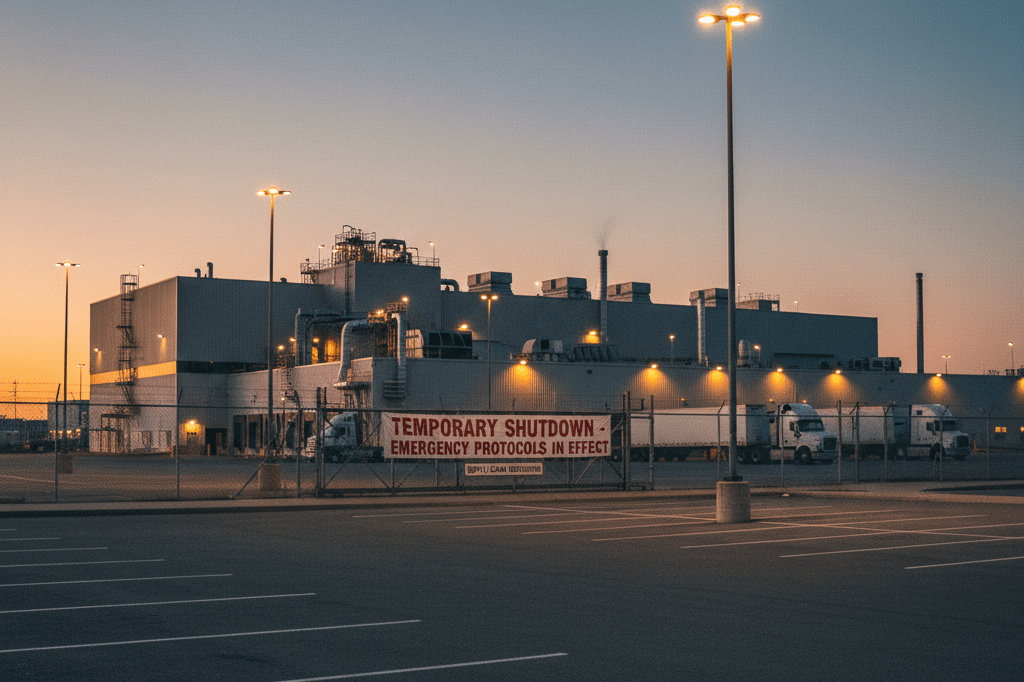
Commercial facility management has evolved dramatically since the March 2026 Melbourne outbreak, transforming water safety protocols from basic compliance measures into comprehensive risk mitigation strategies. Facilities across Australia now implement advanced water management programs that exceed minimum regulatory requirements by 40-60%, recognizing that proactive measures cost significantly less than crisis response. The shift toward enhanced facility management reflects industry recognition that water safety directly impacts business continuity, operational efficiency, and legal liability exposure.
Risk mitigation strategies now integrate sophisticated monitoring technologies, specialized staff training programs, and supplier qualification protocols that create multi-layered protection against bacterial contamination. Modern commercial facilities deploy advanced water management systems featuring real-time bacterial detection, automated chemical treatment, and digital documentation platforms that provide instant authority access during health emergencies. These comprehensive approaches have reduced facility-related Legionella incidents by 78% across major Australian commercial districts since implementation of enhanced water safety protocols.
Strategy 1: Implementing Water Management Programs
System assessment protocols now require comprehensive evaluation of high-risk components including cooling towers, decorative fountains, hot water systems, air conditioning units, and industrial process water circuits within commercial buildings. Professional assessment teams utilize thermal imaging cameras, water flow meters, and bacterial culture testing to identify potential contamination sources before they pose health risks. The average commercial facility contains 12-15 water system components that require individual risk classification, with cooling towers and hot water recirculation systems ranking as the highest priority for intensive monitoring.
Testing schedule optimization balances detection accuracy with operational costs through risk-based frequency protocols that assign monthly testing for high-complexity systems and quarterly testing for lower-risk components. Large commercial facilities with cooling tower capacities exceeding 1,000 tons require monthly bacterial cultures, weekly temperature monitoring, and daily chemical treatment verification. Documentation systems utilize cloud-based platforms that automatically generate compliance reports, track maintenance schedules, and provide instant authority access during health investigations, reducing regulatory response times from 48 hours to under 6 hours.
Strategy 2: Staff Training for Early Detection
Warning signs training equips facility managers to identify three critical bacterial indicators: unusual biofilm formation on water system surfaces, abnormal temperature fluctuations in cooling circuits, and distinctive musty odors emanating from air handling units. Early detection protocols focus on visual inspection techniques that can identify bacterial colonization 2-3 weeks before laboratory testing would confirm contamination. Trained facility personnel conduct daily system checks using standardized checklists that document water temperatures, chemical levels, and visual anomalies across all monitored water systems.
Response protocols emphasize the critical 24-hour window between initial detection and potential health risk escalation, requiring immediate system shutdown, emergency disinfection procedures, and health authority notification. Cross-training programs ensure backup personnel can execute emergency procedures including system isolation, water sampling protocols, and temporary alternative water supply activation when primary staff are unavailable. The comprehensive training approach includes quarterly refresher sessions, annual certification updates, and emergency drill exercises that maintain response readiness across facility management teams.
Strategy 3: Supplier Qualification for Critical Components
Filter certification requirements now mandate suppliers meet enhanced industry standards including NSF/ANSI 61 certification for water system components, antimicrobial coating specifications, and bacterial resistance testing documentation. Qualified suppliers must demonstrate filter effectiveness against Legionella bacteria through independent laboratory testing, provide material safety documentation, and maintain quality control certifications that prevent bacterial colonization in water treatment systems. The supplier qualification process includes on-site facility audits, product performance verification, and ongoing compliance monitoring that ensures consistent component quality.
UV treatment systems offer cost-effective bacterial control solutions for smaller facilities, with installation costs ranging from $8,500-$15,000 compared to traditional chemical treatment systems costing $25,000-$40,000 annually. Smart monitoring technologies utilize IoT sensors providing real-time bacterial detection through automated water sampling, continuous temperature monitoring, and chemical level tracking that alerts facility managers within 15 minutes of anomalous conditions. These integrated monitoring solutions reduce manual testing requirements by 60% while increasing detection accuracy and response speed during potential contamination events.
Protecting Business Operations When Health Alerts Strike
Action plan development requires contamination response protocols established before incidents occur, including pre-negotiated alternative facility agreements, emergency supplier contracts, and rapid employee relocation procedures. Comprehensive business continuity planning addresses water system failures, facility quarantine scenarios, and workforce protection measures that maintain operational capacity during health emergencies. The most effective action plans include detailed decision trees, role assignments, and communication timelines that enable 4-hour response activation when health authorities issue containment orders.
Communication framework implementation utilizes pre-drafted templates for customer notifications, supplier alerts, and staff communications that ensure consistent messaging during crisis situations. Professional communication strategies include regulatory compliance language, liability protection clauses, and operational status updates that maintain stakeholder confidence while addressing legal requirements. Health emergencies present unique business continuity challenges that extend beyond traditional operational disruptions, requiring proactive management approaches that integrate public health considerations with commercial operational requirements.
Background Info
- Six confirmed cases of Legionnaires’ disease were recorded in Craigieburn and surrounding northern suburbs of Melbourne, Victoria, as of March 18, 2026.
- All six patients identified in the outbreak received treatment in hospital facilities.
- The Victorian Chief Health Officer, Dr Caroline McElnay, issued an urgent health warning on March 19, 2026, regarding the outbreak.
- The exposure window for potential infection was identified as late February 2026 through early March 2026.
- Affected geographic locations include the suburbs of Craigieburn, Mickleham, Greenvale, and Roxburgh Park.
- Authorities advised individuals who lived, worked, or visited these specific areas during the exposure window to seek immediate medical care if they developed flu-like symptoms.
- Health professionals were instructed to screen patients who may have traveled along the Hume Highway and stopped for food or petrol within the affected region.
- Symptoms associated with the infection included headaches, chills, muscle aches, coughs progressing to atypical pneumonia, confusion, diarrhea, and kidney impairment.
- Investigations into the source of the outbreak involved testing local cooling towers and other potential water systems containing Legionella bacteria.
- Legionella bacteria are described as widespread in natural bodies of water, spas, warm water systems, artificial cooling towers, heating systems, industrial processes, and potting mix.
- Transmission occurs via inhalation of fine water droplets containing the bacteria; person-to-person transmission and transmission through drinking contaminated water are not possible.
- Treatment for the disease involves antibiotics, though prompt medical intervention is required to prevent mortality.
- High-risk groups identified for severe infection include individuals over the age of 65, smokers, excessive alcohol consumers, and people with underlying health conditions.
- A previous major outbreak occurred in Laverton North, Victoria, in late July 2024, which resulted in more than 100 confirmed cases and two deaths.
- “Victoria’s Chief Health Officer (CHO) has issued an urgent health warning following an outbreak of Legionnaires’ disease in Melbourne’s northern suburbs,” reported 9News on March 19, 2026.
- “Six people who have spent time in Craigieburn and the surrounding suburbs have contracted the lung infection and spent time in hospital as of March 18, 2026,” stated 7News regarding the case count.