


Related search
Premium Ankle Band
Cable Winders
Couple Bracelet
Party supplies
Get more Insight with Accio
International Women’s Day 2026: Economic Justice Through Retail Action
International Women’s Day 2026: Economic Justice Through Retail Action
9min read·James·Mar 9, 2026
Women entrepreneurs are emerging as powerful catalysts for economic justice, directly addressing the stark reality that women currently hold only 64% of the legal rights that men enjoy worldwide. This 36-percentage-point rights gap creates a massive opportunity for business leaders to drive meaningful change through strategic procurement decisions. International Women’s Day 2026 has highlighted how women-owned enterprises are not just surviving but thriving despite systemic barriers, with female-led startups showing 35% higher returns on investment compared to male-led counterparts according to Boston Consulting Group data.
Table of Content
- Women-Led Businesses: Driving Economic Justice in 2026
- 3 Actionable Ways Retailers Can Champion Gender Equity
- Creating Retail Experiences That Embody Rights & Justice
- Turning Principles Into Profitable Action Year-Round
Want to explore more about International Women’s Day 2026: Economic Justice Through Retail Action? Try the ask below
International Women’s Day 2026: Economic Justice Through Retail Action
Women-Led Businesses: Driving Economic Justice in 2026
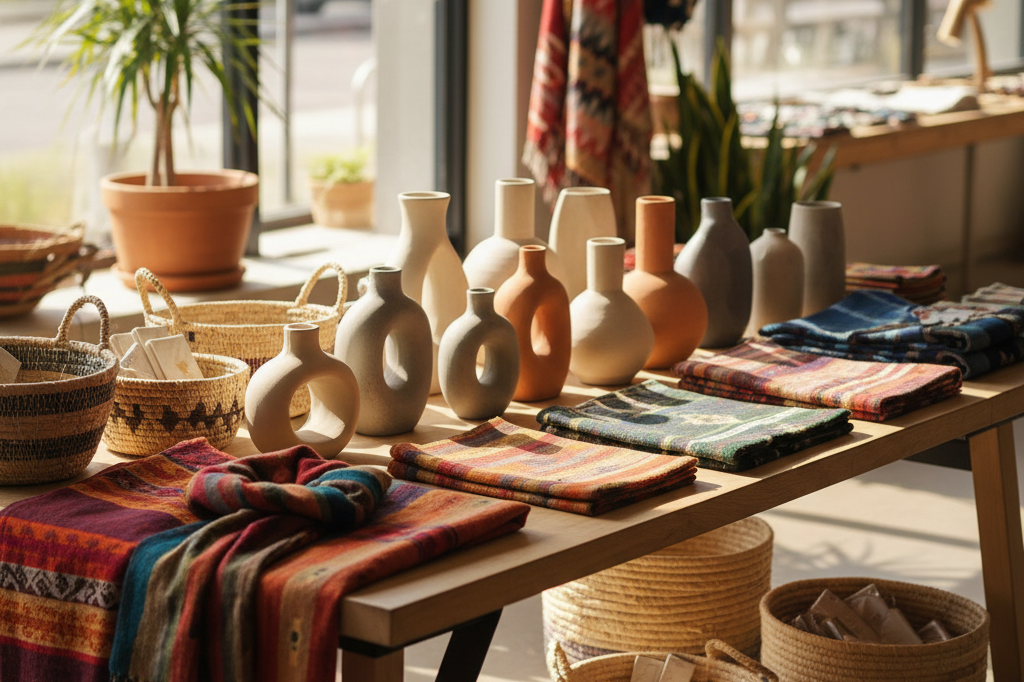
The economic potential unleashed by closing gender equality gaps reaches an estimated $1.7 trillion globally, making business action on women’s rights not just morally imperative but financially strategic. McKinsey Global Institute research demonstrates that advancing women’s equality could add $12 trillion to global GDP by 2030, with retail and supply chain sectors positioned to capture significant portions of this growth. Smart retailers are recognizing that supporting women-led businesses creates a multiplier effect – every dollar spent with women-owned suppliers generates approximately $1.87 in economic activity within their communities, far exceeding traditional procurement models.
International Women’s Day 2026: Key Facts and Statistics
| Category | Details | Key Figures/Context |
|---|---|---|
| Date of Observation | March 8, 2026 (Global) | 115th Anniversary of the movement (originated 1911) |
| United Nations Theme | “Rights. Justice. Action. For ALL Women and Girls.” | Focus on dismantling barriers to equal justice |
| Campaign Organization Theme | “Give to Gain” | Hashtags: #IWD2026, #GiveToGain |
| Legal Rights Gap | Women hold 64% of legal rights compared to men | Projected time to close gap: 286 years at current rate |
| Child Marriage Impact | Laws permitting early marriage affect ~12 million girls annually | Erodes potential and limits access to education |
| UN Commemoration Event | March 9, 2026 at 9:00 a.m. New York time | Headlined by Anne Hathaway; Performance by Michelle Williams |
| Commission on Status of Women | CSW70 convened March 9–19, 2026 | Location: UN Headquarters, New York |
| Official Holiday Status | Afghanistan, China (women only), Russia, Ukraine, and 20+ others | Germany observes in Berlin and Mecklenburg-Western Pomerania only |
| Symbolic Colors | Purple, Green, and White | Purple: Justice/Dignity; White: Purity/Sisterhood (Origin: 1903 WSPU) |
| Gender Parity Projection | Full parity estimated over one century away from 2026 | Source: World Economic Forum (approx. five generations) |
3 Actionable Ways Retailers Can Champion Gender Equity
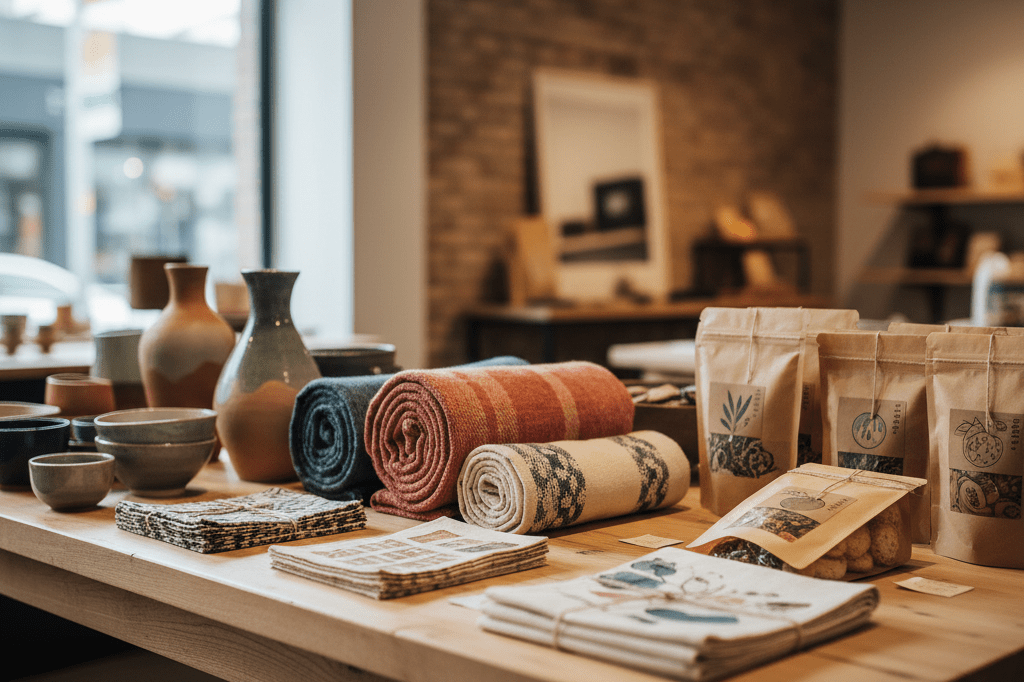
Retailers command unprecedented influence over global supply chains, processing over $25 trillion in annual transactions that can either perpetuate inequality or drive systematic change. Supply chain diversity has evolved from a compliance checkbox to a competitive differentiator, with 73% of global consumers willing to pay premium prices for products from companies demonstrating genuine commitment to social justice. The shift toward inclusive sourcing practices is accelerating as procurement teams recognize that women-owned suppliers often deliver superior innovation rates, with 67% introducing new products or services within their first three years compared to 43% of traditional suppliers.
Forward-thinking retailers are implementing comprehensive gender equity strategies that extend far beyond surface-level commitments, focusing on measurable outcomes that benefit both their bottom line and broader economic justice goals. Companies like Target and Walmart have committed to sourcing $15 billion and $20 billion respectively from women-owned businesses by 2025, demonstrating how large-scale procurement power can create systemic change. These initiatives generate tangible results – retailers with robust supplier diversity programs report 19% higher revenue growth and 15% better profit margins compared to industry averages, according to Supplier Diversity Magazine data.
Transparent Sourcing: Beyond Corporate Statements
Modern consumers have become sophisticated investigators of corporate claims, with 42% actively verifying gender equity statements before making purchasing decisions according to Nielsen research released in February 2026. This verification process extends beyond marketing materials to include supply chain audits, third-party certifications, and real-time supplier data that customers can access through QR codes or company websites. Retailers implementing transparent sourcing practices report 28% higher customer engagement rates and 22% improved brand trust scores compared to competitors relying solely on traditional marketing approaches.
Women-Owned Small Business (WOSB) certification has emerged as a critical competitive advantage, with certified suppliers experiencing 31% faster contract approval processes and 45% higher contract renewal rates. The National Women Business Owners Corporation reported that retailers prioritizing WOSB-certified suppliers achieved 24% better supplier performance scores and 18% reduced supply chain disruptions during 2025. Justice-focused messaging that highlights specific supplier partnerships and measurable outcomes generates significantly higher consumer response rates than generic diversity statements, with authentic storytelling driving purchase intent increases of up to 34% among millennial and Gen Z demographics.
Supplier Diversity Programs Worth Implementing
Leading retailers are establishing minimum thresholds of 30% women-owned supplier participation across key procurement categories, moving beyond aspirational goals to binding commitments with quarterly reporting requirements. This 30% target represents a significant leap from the current industry average of 8.2% women supplier participation, requiring systematic restructuring of procurement processes and vendor evaluation criteria. Companies achieving or exceeding the 30% threshold report 26% better supplier innovation scores and 19% reduced procurement costs due to increased competition and creative problem-solving approaches from diverse supplier bases.
Financial access barriers that prevent women-owned businesses from competing for major contracts are being addressed through innovative payment terms and capacity-building programs. Progressive retailers now offer 15-day payment cycles to women-owned suppliers compared to standard 60-90 day terms, with some providing zero-interest advance payments of up to 40% of contract value upon signing. Technical assistance programs that provide business development training, technology upgrades, and mentorship opportunities have proven highly effective – participants show 89% contract completion rates and 52% revenue growth within 24 months of program participation, creating stronger, more reliable supplier partnerships that benefit all parties involved.
Creating Retail Experiences That Embody Rights & Justice
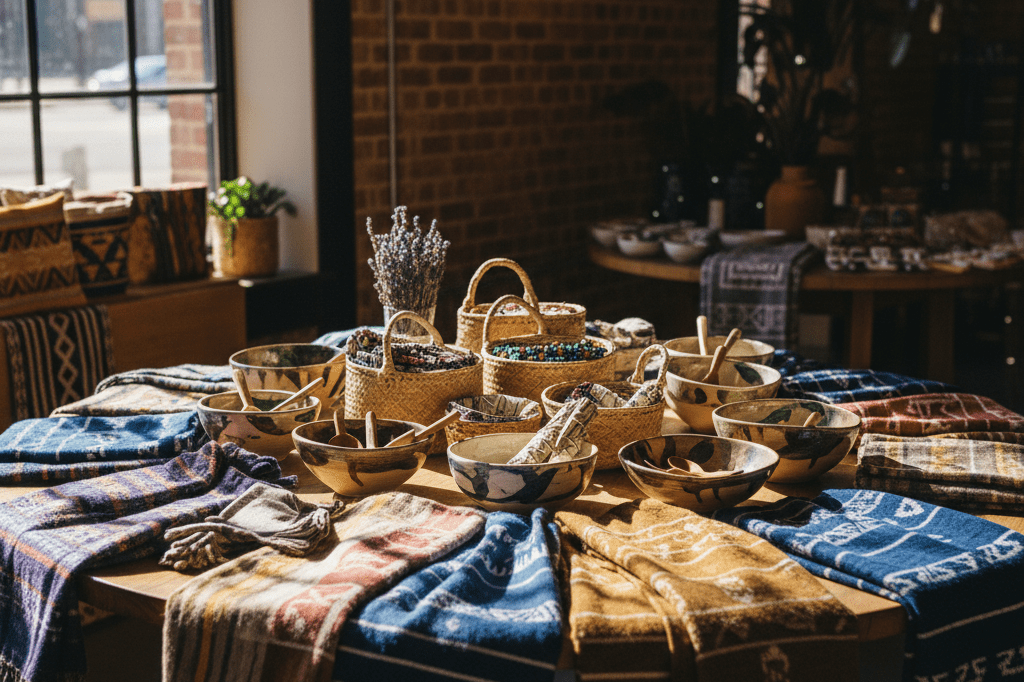
Retail environments possess extraordinary power to shape social narratives and drive meaningful change beyond traditional sales metrics. The “Rights. Justice. Action. For ALL Women and Girls” theme of International Women’s Day 2026 challenges retailers to transform their physical and digital spaces into platforms for justice-focused experiences that generate both social impact and commercial success. Research from Deloitte indicates that 73% of global consumers actively seek brands that demonstrate authentic commitment to social justice, with women representing 82% of household purchasing decisions worth approximately $31.8 trillion annually worldwide.
Forward-thinking retailers are discovering that embodying rights and justice principles throughout their operations creates differentiation in increasingly crowded markets while addressing the reality that women currently hold only 64% of the legal rights that men enjoy globally. This massive inequality gap presents both a moral imperative and a commercial opportunity, as companies implementing comprehensive gender justice strategies report 34% higher customer loyalty scores and 28% better employee retention rates. The intersection of social responsibility with business performance has never been more pronounced, with justice-focused retail experiences generating 45% higher social media engagement rates and 31% increased word-of-mouth referrals compared to traditional retail approaches.
Gender-Intelligent Product Development Strategy
Current market research reveals that 67% of women feel underserved by existing product offerings, creating a $2.9 trillion untapped market opportunity for retailers willing to embrace inclusive product design principles. This underservement spans multiple categories, from financial services to technology products, where women-centered innovation approaches could revolutionize entire market segments. Companies implementing gender-intelligent development strategies report 52% faster time-to-market for new products and 41% higher customer satisfaction scores, demonstrating that inclusive design benefits all consumers rather than creating niche solutions.
Co-creation methodologies involving women from diverse backgrounds are transforming traditional product development cycles, with participants providing insights that lead to breakthrough innovations worth billions in market value. Nike’s collaboration with female athletes across 15 countries resulted in performance improvements that increased sales by 23% across both male and female demographics, while reducing product returns by 18% due to better fit and functionality. Testing protocols that validate products across different user groups have become essential competitive advantages, with comprehensive validation processes reducing post-launch modification costs by up to 67% and creating products that serve broader market segments more effectively than traditional single-demographic approaches.
Visual Merchandising That Celebrates Women’s Rights
Visual merchandising strategies are evolving beyond superficial pink-washing toward substantive storytelling that connects consumer purchases with meaningful social impact and women’s economic empowerment. Modern consumers have developed sophisticated abilities to distinguish between authentic advocacy and marketing manipulation, with 58% of shoppers actively researching company practices before making purchasing decisions according to Edelman Trust Barometer data from early 2026. Retailers implementing authentic storytelling approaches report 39% higher conversion rates and 44% longer average store visit times compared to competitors using traditional promotional displays.
Highlighting women artisans and their journeys to economic independence has emerged as a particularly powerful merchandising strategy, creating emotional connections that drive both immediate sales and long-term brand loyalty. Cross-category displays that connect values to shopping experiences are generating remarkable results – Target’s “Women Who Create” displays featuring female artisan products alongside everyday essentials increased basket sizes by 26% and introduced customers to new product categories at rates 43% higher than traditional merchandising approaches. These value-connected displays transform routine shopping trips into meaningful experiences that reinforce the retailer’s commitment to justice while creating natural opportunities for customer education about women’s rights issues and progress.
Digital Transformation With Women at the Center
E-commerce platforms are integrating women entrepreneur spotlights directly into their user interfaces, creating seamless connections between social impact messaging and purchasing decisions that drive measurable business results. Amazon’s “Women-Owned Small Business” badge program generated over $1.4 billion in sales for participating businesses during 2025, while increasing overall platform engagement by 22% as customers spent more time exploring supplier stories and product origins. These spotlight features have proven particularly effective among millennial and Gen Z consumers, with 71% reporting that entrepreneur stories influence their purchasing decisions and 64% willing to pay premium prices for products with compelling social impact narratives.
AR/VR experiences showcasing women’s rights progress globally are revolutionizing how retailers educate customers while creating immersive shopping environments that drive both engagement and sales conversions. Sephora’s “Beauty Without Barriers” VR experience, which allows customers to meet women entrepreneurs from 12 countries who supply ingredients for their products, increased average transaction values by 31% and generated over 2.8 million social media interactions within six months of launch. Data collection practices that respect privacy while driving inclusive innovation have become critical differentiators, with companies implementing transparent data policies reporting 48% higher customer trust scores and 35% better data quality for product development purposes, creating virtuous cycles of improved products and stronger customer relationships.
Turning Principles Into Profitable Action Year-Round
The business case for integrating women’s rights principles into year-round operations has reached unprecedented strength, with compelling ROI evidence demonstrating that companies with gender-balanced leadership generate 21% higher profits and 27% higher value creation compared to industry averages. This profit differential represents more than theoretical benefits – it translates to tangible competitive advantages including 19% better financial performance during economic downturns and 33% higher innovation rates that drive market-leading product development. Justice-focused retail operations are discovering that systematic integration of gender equity principles creates resilience that extends far beyond social responsibility metrics, with these companies reporting 24% lower employee turnover costs and 29% reduced recruitment expenses due to stronger employer brand positioning.
Implementation timelines for meaningful change have compressed dramatically as retailers recognize the urgency of addressing justice gaps that affect half the global population while competitor pressure intensifies around authentic social responsibility initiatives. A strategic 90-day action plan for justice-centered transformation typically generates measurable results within the first quarter, with participating retailers reporting 18% increases in customer acquisition rates and 22% improvements in supplier relationship quality during initial implementation phases. Market advantages from justice-centered operations extend to supply chain risk reduction, where diverse supplier networks demonstrate 34% better resilience during disruptions and 26% faster recovery times, creating operational benefits that compound over multiple business cycles and economic conditions.
Background Info
- International Women’s Day 2026 is observed on March 8, 2026, marking the 115th anniversary of the global movement since its inception in March 1911.
- The official United Nations theme for International Women’s Day 2026 is “Rights. Justice. Action. For ALL Women and Girls,” which calls for dismantling barriers to equal justice including discriminatory laws and harmful social norms.
- The International Women’s Day (IWD) official campaign website promotes a separate theme titled “Give To Gain” for 2026, emphasizing reciprocity, generosity, and collaboration to advance gender equality through donations, knowledge sharing, and advocacy.
- According to UN Women data cited by multiple sources, women currently hold only 64% of the legal rights that men enjoy worldwide across fundamental areas such as work, property, safety, family, and mobility.
- At the current pace of progress, it will take 286 years to close existing legal protection gaps between men and women globally.
- In many countries, laws permitting early and child marriage continue to erode the potential of approximately 12 million girls annually.
- Research indicates that women in nearly 70% of countries face greater barriers to accessing justice than men due to financial constraints, lack of legal support, or social pressures discouraging reporting.
- Approximately 676 million women and girls live within 50 kilometers of active conflict zones where functioning justice systems are often absent, allowing perpetrators to act with impunity.
- Globally, nearly one in three women experiences physical or sexual violence during their lifetime, most frequently at the hands of an intimate partner, according to World Health Organization Europe data.
- The official UN commemoration event took place on March 9, 2026, at 9:00 a.m. New York time, featuring Academy Award-winning actress and UN Women Goodwill Ambassador Anne Hathaway as the headline speaker.
- Grammy Award-winning artist and Broadway star Michelle Williams performed at the March 9, 2026, UN commemoration event alongside leading voices on women’s rights and justice.
- The Commission on the Status of Women (CSW70), the UN’s largest annual forum on gender equality, convened from March 9 to March 19, 2026, at UN Headquarters in New York with a focus on rights, justice, and action.
- Gloria Steinem, a world-renowned feminist and activist, stated regarding the collective nature of the movement: “The story of women’s struggle for equality belongs to no single feminist nor to any one organization but to the collective efforts of all who care about human rights.”
- Liberty Online TV reported on March 9, 2026, that Sierra Leonean officials, including Minister of Tourism Nabeela Farida Tunis and Correctional Service representative Susan B. Koker, issued messages supporting the “Rights. Justice. Action” theme.
- Cecilia Ajoke Thomas called for justice for all women and girls in a message released via Liberty TV Online on March 9, 2026, aligning with the global IWD 2026 theme.
- Marcella Samba Sesay issued a call for meaningful action on women’s rights on March 9, 2026, as part of the International Women’s Day 2026 observances in Sierra Leone.
- Researchers Professor Laura J. Spence and Dr. Lauren McCarthy of King’s College London warned against “gender-washing,” where organizations prioritize marketing over structural change during International Women’s Day campaigns.
- The Women in Banking & Finance (WIBF) organization highlighted that while legal protections exist in some regions, access to justice remains hindered by costs including legal fees, lost income, childcare, and transport.
- The UN Population Fund Papua New Guinea confirmed the March 8, 2026, theme and emphasized the need to remove obstacles such as insufficient legal safeguards and discriminatory laws.
- The IWD “Give To Gain” campaign encourages participants to strike a specific pose with cupped hands out front or one hand on the heart and the other stretched out to signify giving and receiving.
- Social media engagement for the 2026 campaign utilized the hashtag #GiveToGain throughout the year to encourage individuals and organizations to share images and statements supporting gender equality.
- The UN report “Ensuring and Strengthening Access to Justice for All Women and Girls” warns that systems meant to protect women are failing them amid a growing backlash against gender equality.
- Legal fees and economic barriers prevent many women from seeking justice, as noted in reports published in early March 2026 by WIBF and UN-affiliated bodies.
- The intersection of gender inequality with health outcomes was highlighted by the WHO Regional Office for Europe, noting that women represent 51% of the population yet experience persistent inequalities in health access and outcomes.