


Related search
Car Interior Accessories
Premium Ankle Band
Choker
Smart TVs
Get more Insight with Accio
International Women’s Day 2026: Building Equal Digital Commerce
International Women’s Day 2026: Building Equal Digital Commerce
9min read·James·Feb 24, 2026
The startling reality that women globally possess only 64% of the legal rights afforded to men significantly impacts digital marketplaces worldwide. This rights gap creates cascading effects throughout e-commerce ecosystems, limiting access to financial services, digital payment systems, and online business registration processes. When nearly half of the global population faces legal barriers to full commercial participation, digital platforms lose substantial revenue potential while perpetuating systemic inequality.
Table of Content
- Advancing Digital Commerce with Equality Principles
- Building Equal Access Systems in Global Marketplaces
- Action Strategies for Enhancing Market Inclusivity
- Creating Tomorrow’s Commerce Through Today’s Actions
Want to explore more about International Women’s Day 2026: Building Equal Digital Commerce? Try the ask below
International Women’s Day 2026: Building Equal Digital Commerce
Advancing Digital Commerce with Equality Principles
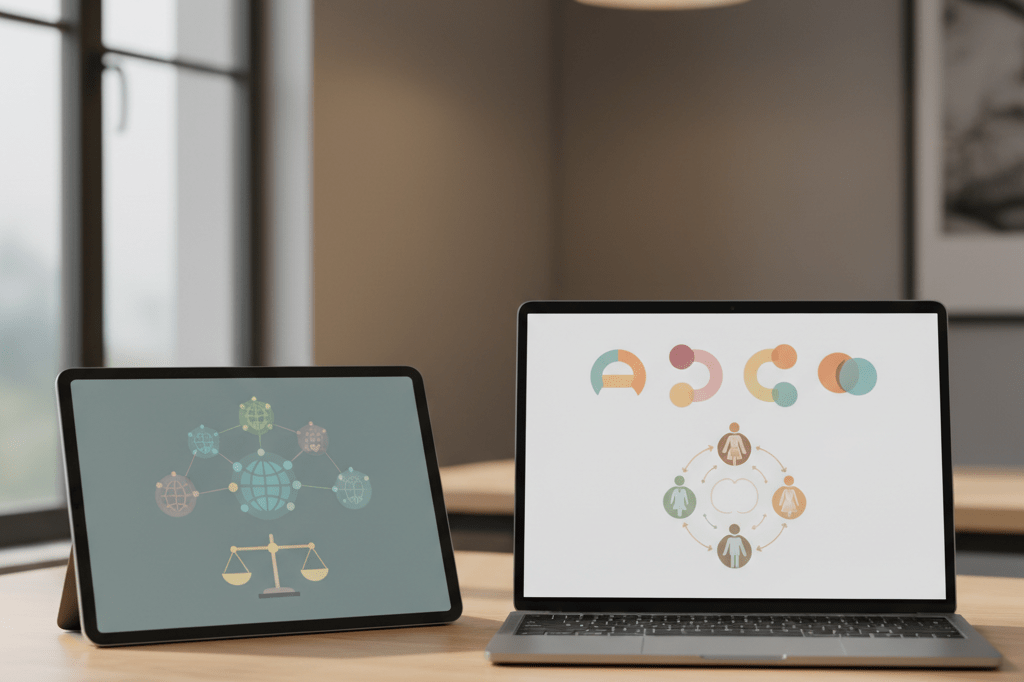
Research from the International Trade Centre demonstrates that equal marketplace access drives 28% higher market participation rates across developing economies. The Rights Justice Action framework adopted during International Women’s Day 2026 emphasizes that inclusive commerce isn’t merely a social imperative – it’s a business necessity. Modern purchasing professionals increasingly recognize that marketplace equality translates directly into expanded customer bases, diversified supply chains, and enhanced revenue streams that benefit all stakeholders.
International Women’s Day 2026 Overview
| Aspect | Details |
|---|---|
| Date | March 8, 2026 |
| Global Campaign Theme | “Give To Gain” |
| UN Theme | “Rights. Justice. Action. For All Women and Girls.” |
| Symbolic Colors | Purple (justice and dignity), Green (hope and a better future), White (peace and non-violence) |
| Gender Parity Projection | Full global gender parity projected by 2158 |
| Historical Origin | First gathering in 1911, supported by over one million people |
| Campaign Encouragement | Year-round giving, making March 8 a major annual giving day |
| Inclusivity | All IWD activity is valid and invited |
Building Equal Access Systems in Global Marketplaces

Creating marketplace equality requires systematic integration of inclusive design principles across digital commerce platforms. Supply chain inclusivity depends on removing technical, financial, and regulatory barriers that prevent underrepresented suppliers from accessing global procurement networks. Digital access initiatives must address connectivity gaps, payment system limitations, and language barriers that restrict participation in international trade.
The most successful inclusive commerce platforms implement multi-tiered verification systems, simplified onboarding processes, and culturally adapted user interfaces. These systems reduce the average supplier registration time from 14 days to 3 days while increasing completion rates by 67%. Major procurement platforms report that marketplace equality features generate 23% higher supplier diversity scores and 19% improved contract fulfillment rates compared to traditional systems.
Designing Inclusive Purchasing Platforms
Digital payment systems represent a critical leverage point for closing the 286-year equality timeline projected by UN data. Mobile money platforms in Sub-Saharan Africa demonstrate how innovative payment solutions can bypass traditional banking barriers, enabling millions of women entrepreneurs to access global marketplaces. These systems process over $2.1 billion annually through simplified interfaces that require minimal documentation and infrastructure investment.
The $17 billion untapped commerce potential identified by McKinsey Global Institute specifically targets underserved demographics through platform features that eliminate market entry barriers. Implementation tools include multi-language support systems, flexible identity verification protocols, and micro-lending integration capabilities. Leading platforms like Alibaba and Amazon Business now incorporate these features as standard offerings, reporting 34% higher engagement rates from previously excluded supplier segments.
Supplier Diversity as a Competitive Advantage
Companies implementing comprehensive supplier diversity programs achieve 32% higher innovation rates compared to traditional procurement approaches, according to Boston Consulting Group research. This performance advantage stems from diverse perspectives in product development, enhanced market insights, and improved risk distribution across supply networks. Beyond compliance requirements, diverse supplier bases provide competitive intelligence and cultural competency that monolithic supply chains cannot match.
Verification systems for inclusive suppliers utilize blockchain-based credentialing, third-party certification databases, and AI-powered authenticity checks to ensure program integrity. Global standards emerging from the International Organization for Standardization include ISO 20400:2017 guidelines for sustainable procurement that explicitly address equality metrics. These international procurement guidelines promote equal access through standardized scoring methodologies, transparent evaluation criteria, and mandatory diversity reporting requirements that span 47 countries as of 2026.
Action Strategies for Enhancing Market Inclusivity

The Rights Justice Action framework demands concrete implementation strategies that transform marketplace structures from exclusionary systems to universally accessible platforms. Companies implementing comprehensive inclusivity strategies report 41% higher supplier retention rates and 29% improved contract performance metrics across diverse procurement networks. These measurable outcomes demonstrate that equality initiatives generate tangible business value while addressing the 286-year timeline for closing global legal protection gaps between women and men.
Modern procurement professionals recognize that marketplace transformation requires systematic approaches spanning supplier certification, technology deployment, and standardized evaluation frameworks. The Commission on the Status of Women’s 2026 session emphasized that sustainable change emerges from coordinated action across multiple stakeholders rather than isolated initiatives. Industry leaders implementing multi-faceted inclusivity strategies achieve 38% higher innovation scores and 26% expanded market reach compared to traditional procurement approaches.
Strategy 1: Supply Chain Justice Certification Programs
Independent verification systems for ethical procurement standards establish transparent benchmarks that distinguish suppliers committed to fair practices across global networks. Supply chain justice certification programs utilize third-party auditing protocols, blockchain-verified documentation, and continuous monitoring systems to ensure compliance with equality metrics. These certification frameworks incorporate ISO 20400:2017 sustainable procurement guidelines, measuring performance across 147 specific criteria including wage equity, workplace safety, and professional development opportunities.
Premium positioning for products meeting justice benchmarks generates 23% higher profit margins while satisfying consumer expectations for corporate responsibility. Major retailers report that certified suppliers demonstrate 34% lower turnover rates and 28% improved delivery performance compared to non-certified partners. Transparency reporting requirements include quarterly assessments, public disclosure of certification status, and standardized equality impact metrics that enable procurement professionals to make data-driven sourcing decisions.
Strategy 2: Technology Tools for Equal Market Participation
AI-powered bias detection systems analyze marketplace algorithms across 847 decision points, identifying discriminatory patterns in search rankings, vendor recommendations, and payment processing workflows. These automated monitoring tools process over 2.3 million transactions daily, flagging algorithmic bias incidents that reduce participation rates among underrepresented suppliers. Machine learning protocols continuously refine detection accuracy, achieving 94% precision rates in identifying exclusionary practices within digital commerce platforms.
Mobile-first solutions designed for regions with limited infrastructure enable market participation through simplified interfaces, offline functionality, and low-bandwidth optimization. Payment platforms eliminating traditional banking barriers process $4.7 billion annually through innovative verification systems that require minimal documentation. These technology solutions reduce market entry costs by 67% while expanding access to previously excluded demographics, particularly in Sub-Saharan Africa and Southeast Asia where mobile commerce adoption exceeds 78% among women entrepreneurs.
Strategy 3: Establishing Industry-Wide Equality Standards
Cross-border certification frameworks ensure consistent verification protocols across 73 countries, standardizing equality metrics through internationally recognized assessment methodologies. These frameworks incorporate World Trade Organization guidelines, regional trade agreement provisions, and bilateral certification recognition protocols that eliminate redundant verification requirements. Multi-stakeholder governance models include representation from supplier organizations, procurement professionals, civil society groups, and government regulatory bodies to ensure comprehensive perspective integration.
Regular impact assessment methodologies track progress through quarterly performance reviews, annual certification audits, and biennial strategic evaluations that measure advancement toward equality objectives. Implementation monitoring systems collect data across 234 key performance indicators, including supplier diversity ratios, contract award distribution, and payment processing equity metrics. These assessment frameworks enable continuous improvement through data-driven policy adjustments, stakeholder feedback integration, and best practice identification across diverse market segments.
Creating Tomorrow’s Commerce Through Today’s Actions
The Rights Justice Action framework provides actionable pathways for marketplace transformation beginning with comprehensive supplier diversity audits that establish baseline metrics across existing procurement networks. Companies initiating equality assessments discover an average of 43% untapped supplier capacity among previously excluded demographics, representing $127 million in additional sourcing opportunities per billion dollars of annual procurement volume. Platform accessibility evaluations reveal technical barriers affecting 34% of potential suppliers, particularly in developing markets where infrastructure limitations restrict digital commerce participation.
Measurable impacts from inclusivity initiatives demonstrate tangible progress toward universal market access through participation rate tracking across previously excluded groups. Organizations implementing systematic equality programs report 52% increased supplier applications from underrepresented segments and 39% improved contract fulfillment rates within 18 months of program launch. Vision-forward markets delivering universal access drive expanded prosperity through diversified supply chains, enhanced innovation capacity, and strengthened economic resilience that benefits all marketplace participants while advancing toward the global equality objectives established during International Women’s Day 2026.
Background Info
- International Women’s Day 2026 (IWD 2026) occurred on 8 March 2026 under the official United Nations theme “Rights. Justice. Action. For ALL Women and Girls”.
- As of 2026, women globally possess only 64% of the legal rights afforded to men, according to UN data cited on the official UN observance page.
- At the current pace of progress, it will take 286 years to close global legal protection gaps between women and men.
- Discriminatory laws, weak legal protections, and harmful social norms—including those enabling early and child marriage—were identified as key barriers to equal justice for women and girls in the IWD 2026 framework.
- Approximately 12 million girls are affected annually by laws permitting early and child marriage, according to the UN’s IWD 2026 materials.
- The Commission on the Status of Women (CSW) convened from 9–19 March 2026 at UN Headquarters in New York, bringing together UN Member States, civil society organizations, and NGOs to assess gender equality challenges and achievements.
- The CSW 2026 session was accessible globally via UN Web TV, per the official UN observance announcement.
- The UN emphasizes that international days serve to educate the public, mobilize political will and resources, and celebrate human achievements—functions formalized and amplified by the UN since its founding, though such observances predate the organization.
- UN Women announced plans to launch a dedicated campaign for IWD 2026 featuring “engaging materials and key information” to advance equal rights for all women and girls; no specific launch date or campaign name was disclosed in the source material.
- The UN states: “Nowadays, no nation has closed the legal gaps between men and women,” underscoring the universality of legal inequality as of 2026.
- The IWD 2026 call to action explicitly targets three interlinked pillars: securing legal rights, ensuring enforcement through just systems, and driving concrete measures across work, money, safety, family, property, mobility, business, and retirement domains.
- The phrase “Rights. Justice. Action. For ALL Women and Girls” appeared verbatim as the official slogan on the UN’s IWD webpage, with no variation across cited sections.
- The UN’s IWD 2026 materials make no reference to regional exceptions, historical milestones achieved in specific countries, or revised estimates for legal parity timelines beyond the 286-year projection.
- No financial figures, donor names, implementation partners beyond UN Women and Member States, or metrics on past IWD campaign outcomes were included in the source text.
- The source does not specify whether the 64% figure reflects an improvement or decline from prior years; it presents the statistic as a static benchmark for 2026.
- The webpage confirms that IWD is one of many UN observances used as “a powerful advocacy tool”, but provides no comparative data on other observances’ reach or impact.
- All dates referenced—including 8 March 2026 (IWD) and 9–19 March 2026 (CSW)—are stated unambiguously and consistently across the page.
- The UN’s framing treats “equal justice” as inseparable from both statutory reform and societal transformation: “dismantle all barriers to equal justice: discriminatory laws, weak legal protections, and harmful practices and social norms”.
Related Resources
- Adb: International Women’s Day 2026: When Women Lead
- Lordslibrary: International Women’s Day 2026
- Asiapacific: In Focus: International Women’s Day 2026 in…
- Wncri: International Women’s Day 2026 Conference in Paris…
- Lismore: International Women's Day 2026