


Related search
Televisions
Cup Holder
Pet Accessories
Car Interior Accessories
Get more Insight with Accio
9 Inspiring Earthy Tone Applications Defining Design Trends in 2026
9 Inspiring Earthy Tone Applications Defining Design Trends in 2026
6min read·Oriana·Mar 23, 2026
Earthy tones have always been a timeless choice in design, but for 2026, they are being reimagined in exciting and sophisticated new ways that go far beyond traditional beige and brown. Today’s earthy tone palette embraces complexity, texture, and sustainability, reflecting our collective desire to reconnect with nature while maintaining modern sophistication. This visual journey through 9 key applications will showcase how these natural hues are setting trends across interiors, fashion, and product design. These aren’t just beautiful aesthetic choices—they represent actionable insights for anyone looking to stay ahead of the design curve and understand what consumers will gravitate toward in the coming years.
Table of Contents
1. The ‘Mushroom & Greige’ Palette in Smart Home Tech
2. ‘Spiced Terracotta’ as the New Accent in Kitchenware
3. ‘Deep Olive & Forest Green’ for Biophilic Workspaces
4. ‘Washed Indigo & Clay’ in Sustainable Fashion
5. ‘Charcoal & Stone’ for a Minimalist Bathroom Sanctuary
6. ‘Sand & Jute’ for Layered Textural Living Rooms
7. ‘Cacao & Gold’ for Luxurious, Organic Packaging
8. ‘Faded Rose & Taupe’ for Gender-Neutral Nurseries
9. ‘Canyon Hues’ in Digital UI/UX Design
2. ‘Spiced Terracotta’ as the New Accent in Kitchenware
3. ‘Deep Olive & Forest Green’ for Biophilic Workspaces
4. ‘Washed Indigo & Clay’ in Sustainable Fashion
5. ‘Charcoal & Stone’ for a Minimalist Bathroom Sanctuary
6. ‘Sand & Jute’ for Layered Textural Living Rooms
7. ‘Cacao & Gold’ for Luxurious, Organic Packaging
8. ‘Faded Rose & Taupe’ for Gender-Neutral Nurseries
9. ‘Canyon Hues’ in Digital UI/UX Design
Want to explore more about 9 Inspiring Earthy Tone Applications Defining Design Trends in 2026? Try the ask below
9 Inspiring Earthy Tone Applications Defining Design Trends in 2026
1. The ‘Mushroom & Greige’ Palette in Smart Home Tech


In 2026, cold metallic and plastic tech gadgets are giving way to softer, more integrated aesthetics that seamlessly blend with home interiors. The ‘mushroom and greige’ palette—a sophisticated blend of grey and beige with subtle warm undertones—is transforming smart speakers, wireless chargers, and home automation hubs into pieces of decorative art. This earthy tone approach features matte finishes and fabric-wrapped surfaces that feel as luxurious as they look. Premium brands are embracing textured ceramics and organic shapes that echo natural stones and mushroom caps, creating technology that enhances rather than disrupts the harmony of living spaces.
2. ‘Spiced Terracotta’ as the New Accent in Kitchenware
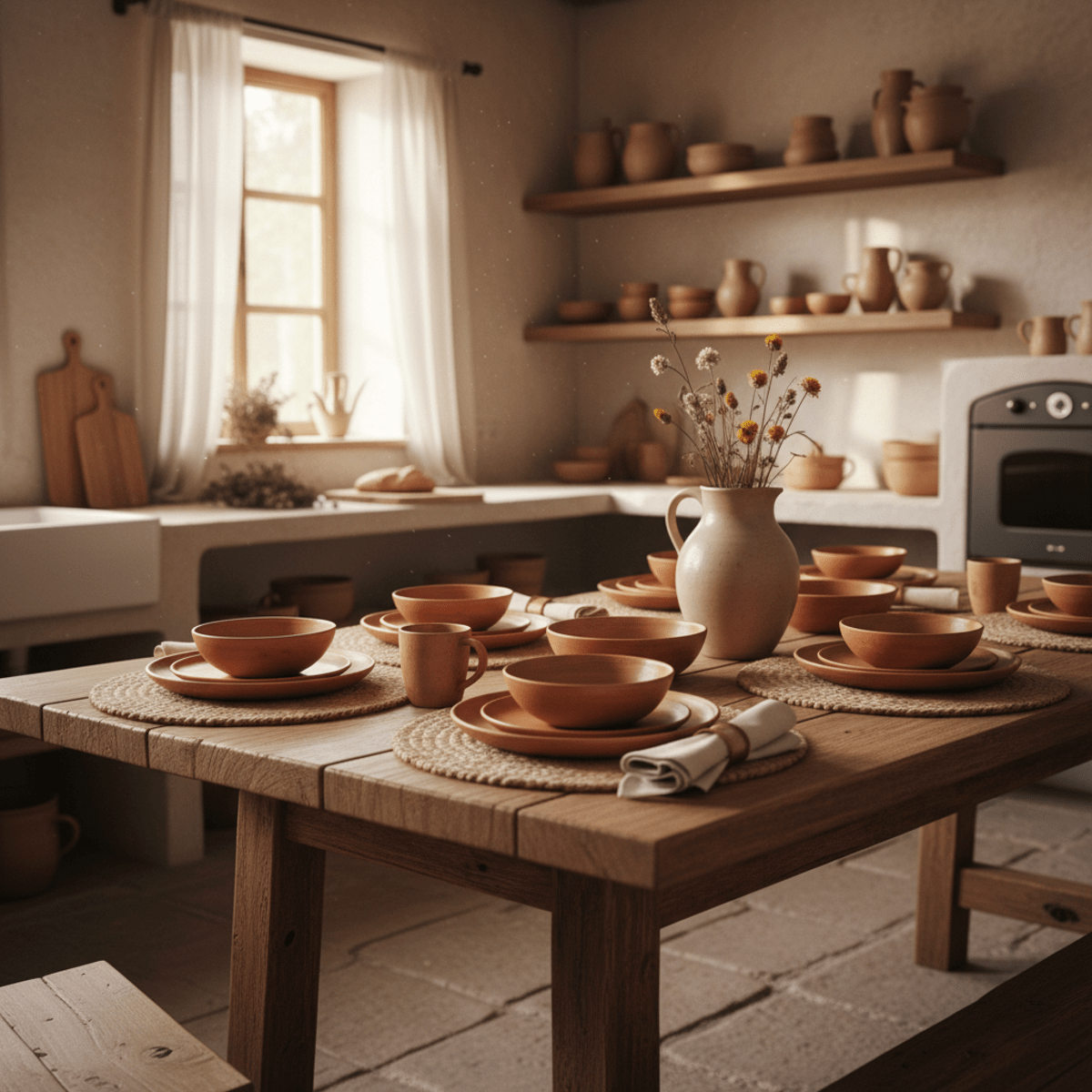

Move over, stark white—kitchens in 2026 are embracing rustic warmth through the rich, earthy tone of spiced terracotta and burnt sienna. This trend manifests beautifully in matte ceramic dinnerware with hand-thrown imperfections, unglazed earthenware pots that develop character with use, and even small appliances in these warm clay hues. When paired with natural wood utensils, woven jute placemats, and cream-colored linen napkins, this color palette creates an atmosphere of artisanal, farm-to-table living. The result is a highly photogenic and inviting kitchen environment that tells a story of connection to traditional craftsmanship and natural materials.
3. ‘Deep Olive & Forest Green’ for Biophilic Workspaces


As well-being becomes a workplace priority, office and home-office design is embracing biophilia—the proven concept of connecting with nature to enhance productivity and mental health. Deep olive and forest green are emerging as the earthy tone champions for accent walls, upholstery, and custom cabinetry in these spaces. These rich, grounded colors create a calm, focused environment when combined with abundant natural light streaming through large windows, carefully curated live plants in ceramic planters, and sustainable materials like cork flooring and bamboo desk accessories. The psychological impact is measurable—these earthy tones reduce stress and boost creativity while maintaining the professional sophistication modern businesses require.
4. ‘Washed Indigo & Clay’ in Sustainable Fashion


The earthy tone revolution extends beyond traditional browns into the realm of muted blues and soft pinks, particularly in sustainable fashion. Forward-thinking brands in 2026 are utilizing natural indigo and clay-based dyes to create ‘washed indigo’ denim with a beautifully faded, lived-in appearance and ‘clay pink’ organic cotton basics that feel both modern and timeless. These earthy tones result from eco-conscious production methods that celebrate imperfection and natural variation. The versatility of these colors shines when paired with vegetable-tanned leather accessories, canvas bags, and other natural textiles, creating complete wardrobes that reflect both ethical values and sophisticated aesthetic sensibilities.
5. ‘Charcoal & Stone’ for a Minimalist Bathroom Sanctuary


The bathroom is being transformed from a purely functional space into a spa-like retreat through a dramatic palette of charcoal grey, dark stone, and raw concrete. This moody, minimalist approach to earthy tone design relies heavily on texture to create visual and tactile interest—rough travertine tiles contrasting with smooth concrete vessel sinks, or matte black fixtures against warm grey walls. The overall effect evokes natural environments like caves or modern Japanese onsens, creating a true escape within the home. Strategic lighting enhances the interplay of these earthy tones, casting shadows that emphasize the organic, sculptural quality of the materials and fixtures.
6. ‘Sand & Jute’ for Layered Textural Living Rooms


The secret to sophisticated earthy tone interiors lies in masterful texture layering, and the sand and jute combination exemplifies this principle perfectly. A neutral base palette of warm sand on walls and upholstery creates a serene canvas that doesn’t compete for attention. The magic happens through strategic layering: chunky jute area rugs with visible weave patterns, rattan armchairs with curved organic lines, macramé wall hangings that cast interesting shadows, and linen throw pillows in varying textures. This approach creates living spaces that feel visually peaceful yet rich with tactile interest, inviting both relaxation and social gathering while maintaining an effortlessly elegant aesthetic.
7. ‘Cacao & Gold’ for Luxurious, Organic Packaging


Brands are strategically leveraging earthy tones to communicate premium quality and authentic natural origins, with cacao brown leading the charge. This rich, deep earthy tone works beautifully on recycled kraft paper stock, creating an immediate connection to organic, artisanal production. When paired with elegant gold foil lettering and minimalist design elements, it creates a packaging experience that feels both luxurious and environmentally conscious. This strategy proves particularly effective for products like single-origin chocolate, specialty coffee, organic skincare, and craft spirits. The packaging tells a compelling story of natural luxury and careful curation before customers even interact with the product inside.
8. ‘Faded Rose & Taupe’ for Gender-Neutral Nurseries


Modern parents are moving decisively away from traditional bright blues and hot pinks toward more calming, sophisticated, and timeless earthy tone palettes for nurseries. The combination of faded rose—a dusty, muted pink with brown undertones—and warm taupe creates an environment that feels both nurturing and design-forward. This earthy tone approach pairs beautifully with light oak or birch furniture with clean lines, soft toys in natural materials like organic cotton and wool, and artwork featuring botanical prints or abstract nature scenes. The result is a serene, sophisticated environment that can easily evolve as the child grows, eliminating the need for major redesigns.
9. ‘Canyon Hues’ in Digital UI/UX Design


Earthy tones are breaking new ground by moving from physical spaces into digital interfaces, particularly in wellness, travel, and lifestyle applications. ‘Canyon hues’—warm gradients combining ochre, sienna, and muted orange—are creating more human, calming, and grounded digital experiences. These earthy tone palettes stand in deliberate contrast to the bright, clinical blues and stark whites that have dominated tech platforms for years. The psychological impact is significant: users report feeling more relaxed and engaged when interacting with interfaces that echo natural environments. This trend extends to meditation apps, sustainable shopping platforms, and travel booking sites that want to convey authenticity and connection to the natural world.
The earthy tone trends of 2026 represent a fundamental shift toward depth, texture, and meaningful application across every aspect of design—from the technology we integrate into our homes to the clothes we wear and the digital spaces we navigate. These visual movements transcend fleeting aesthetic preferences; they are powerful indicators of shifting consumer values toward nature connection, mental well-being, and authentic experiences. For designers, product managers, brand owners, and retailers, this represents a clear roadmap of where market demand is headed and what will resonate with conscious consumers. The challenge now is transforming this inspiration into tangible, profitable products that meet this emerging demand. With our AI-powered sourcing tool, Accio, you can instantly act on these trends and gain a competitive edge. Use Accio to analyze market opportunities for spiced terracotta kitchenware, discover reliable suppliers for washed indigo sustainable fabrics, or uncover unique design patterns for biophilic office furniture. Let Accio be the essential bridge between your creative vision and commercial success in the earthy tone revolution.