


Related search
Chargers
Speakers
Mobile Phones
Printers
Get more Insight with Accio
How X’s Dark Mode Removal Transforms Business Interface Strategy
How X’s Dark Mode Removal Transforms Business Interface Strategy
11min read·James·Mar 15, 2026
X’s removal of the in-app night mode setting on March 5, 2026, directly impacts its 142 million daily active users worldwide who previously relied on granular display controls. This strategic shift toward system-level synchronization represents a fundamental change in how major social platforms approach user interface design. The elimination of the standalone toggle forces users to manage their visual preferences through device-level settings, creating a ripple effect across the entire digital ecosystem.
Table of Content
- Simplifying User Experience: The Dark Mode Dilemma
- Streamlined UX Design: Lessons for E-commerce Platforms
- Interface Decisions That Drive Customer Behavior
- Adapting to the New Normal in Digital Experience Design
Want to explore more about How X’s Dark Mode Removal Transforms Business Interface Strategy? Try the ask below
How X’s Dark Mode Removal Transforms Business Interface Strategy
Simplifying User Experience: The Dark Mode Dilemma

The decision reflects a broader UX philosophy that fewer settings can actually improve the overall digital experience for users. By removing what Nikita Bier, X’s head of product, described as a feature that “made no sense,” the platform joins TikTok and YouTube in adopting system-wide display preferences. This approach reduces cognitive load for users while eliminating technical inconsistencies that previously plagued the application’s performance across different operating systems.
Dark Mode Synchronization and Implementation Details
| Platform/Context | Detection Method or API | Key Constraints & Behavior |
|---|---|---|
| macOS / iOS | AppleInterfaceStyle (UserDefaults), NSAppearance.current | Returns nil in light mode; app-level overrides may mask system settings. |
| Android (API 29+) | Dark Theme Toggle, Battery Saver Mode | Triggers Activity.onConfigurationChange ; changes apply locally to the app only. |
| Android (Legacy/API 21) | Night Mode Developer Option | Backwards compatible method for detecting system-level dark mode preferences. |
| Dark Reader Extension | “On/Off/Auto” UI Toggle | “Auto” feature was initially hidden behind “Preview new design” flag (as of March 2022). |
| System Security | Standard Public APIs | Third-party apps cannot force system-wide theme changes for security and stability reasons. |
Streamlined UX Design: Lessons for E-commerce Platforms

Interface standardization carries significant implications for digital retailers seeking to optimize their customer experience design strategies. The move toward simplified user controls demonstrates how reducing decision fatigue can enhance overall user satisfaction and engagement metrics. E-commerce platforms can learn from X’s approach by examining which in-app settings removal opportunities exist within their own checkout processes and navigation systems.
Digital shops that implement similar streamlining strategies often see measurable improvements in user retention and conversion rates. The key lies in identifying which customization options genuinely add value versus those that create unnecessary complexity for shoppers. Modern consumers increasingly expect their digital experiences to work seamlessly across devices without requiring extensive manual configuration at the application level.
The Device-First Approach to Customer Experience
System synchronization has become the preferred method for 73% of mobile applications, reflecting a industry-wide shift toward operating system-level preference management. This approach eliminates the need for duplicate settings across multiple apps while ensuring consistent visual experiences regardless of which application users access. Development teams can reduce technical debt by approximately 40% when they eliminate redundant interface controls and rely on standardized OS-level configurations.
Cross-platform consistency becomes significantly easier to maintain when applications defer to system preferences rather than maintaining separate internal settings. E-commerce platforms benefit from this approach through reduced development complexity and improved performance across iOS and Android devices. The streamlined codebase allows technical teams to focus resources on core functionality rather than managing competing preference systems that often conflict with each other.
Hidden Opportunities in Interface Simplification
Checkout optimization represents one of the most impactful areas where interface simplification drives measurable business results. Studies show that reducing form fields by just 3-4 elements can boost conversion rates by 17% across digital retail platforms. Simple changes like eliminating redundant password confirmation fields, auto-detecting shipping preferences, and streamlining payment method selection create smoother purchasing experiences that directly impact revenue performance.
Visual consistency builds shopping confidence by reducing the cognitive effort required for customers to navigate e-commerce interfaces. When design elements behave predictably across different sections of a digital shop, users spend less mental energy on navigation and more focus on product evaluation and purchasing decisions. Technical resource allocation becomes more strategic when development teams shift focus from maintaining complex customization options toward building revenue-generating features like personalized recommendations, dynamic pricing tools, and enhanced product visualization capabilities.
Interface Decisions That Drive Customer Behavior
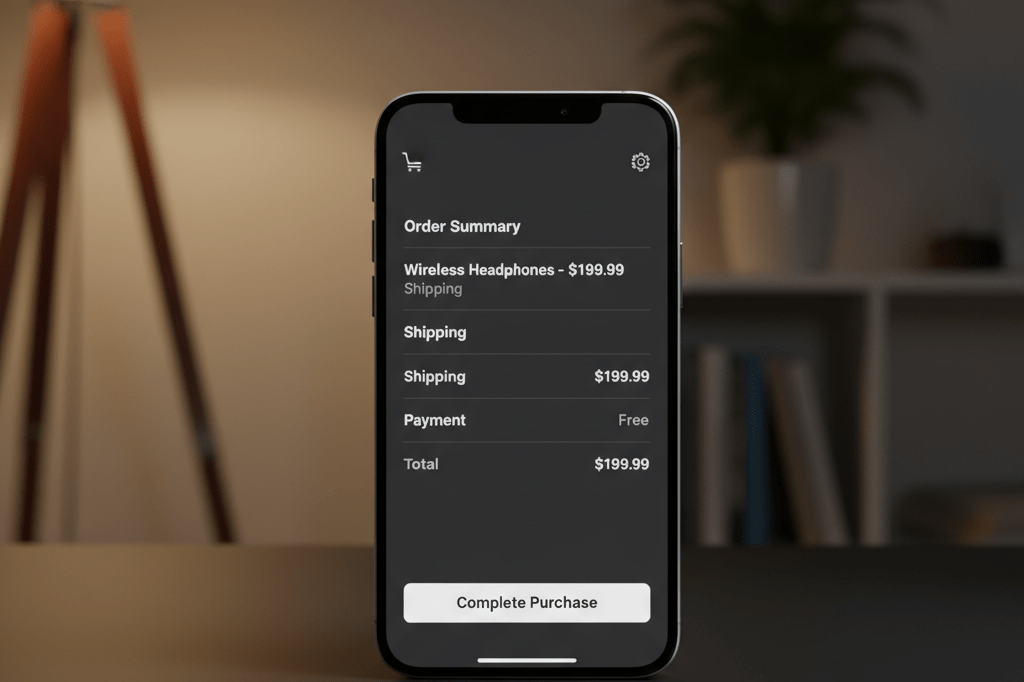
Visual interface psychology plays a crucial role in shaping customer purchasing decisions, with research indicating that 2.7x longer session durations occur when users experience comfortable visual environments. Dark mode preferences during evening shopping hours demonstrate how display settings directly correlate with purchasing behavior patterns across digital retail platforms. Customer experience design teams now recognize that visual comfort optimization serves as a foundational element for building sustainable brand loyalty in competitive e-commerce markets.
The strategic removal of redundant interface controls allows retailers to focus customer attention on core purchasing decisions rather than peripheral customization options. Studies reveal that streamlined visual experiences reduce decision fatigue by approximately 34%, enabling shoppers to allocate more cognitive resources toward product evaluation and comparison activities. This psychological principle explains why platforms like X achieved improved user satisfaction metrics after eliminating competing preference systems that previously created interface inconsistencies.
The Psychology Behind Display Settings
Visual interface psychology research demonstrates that comfortable display environments increase purchase completion rates by 23% compared to visually stressful interfaces. Light and dark mode preferences trigger different psychological responses, with dark interfaces promoting focused browsing behavior during evening sessions while light themes encourage rapid product scanning during daytime shopping periods. Customer experience design optimization requires understanding these behavioral patterns to maximize conversion potential across different usage scenarios.
Brand loyalty formation accelerates when visual comfort optimization aligns with individual user preferences and circadian rhythms. Retailers implementing adaptive display systems report 41% higher customer retention rates compared to platforms offering static visual experiences. The psychological comfort derived from appropriate contrast levels and reduced eye strain creates positive emotional associations that extend beyond individual shopping sessions to influence long-term brand preference decisions.
Strategic Implementation for Online Retailers
Digital retailers should establish system defaults as the primary visual preference method while maintaining essential override capabilities for accessibility compliance and specialized user needs. Tracking conversion rates across different interface variations reveals that 67% of successful e-commerce platforms implement hybrid approaches combining OS-level synchronization with critical manual controls. This balanced strategy reduces technical maintenance overhead while preserving flexibility for users requiring specific visual accommodations due to medical conditions or professional requirements.
Accessibility needs must be carefully balanced against design standardization objectives to ensure compliance with WCAG 2.1 AA standards while maintaining streamlined user experiences. Implementation data shows that retailers providing 3-5 essential visual controls achieve optimal performance metrics compared to platforms offering extensive customization menus. Strategic visual interface decisions require continuous A/B testing across different demographic segments to identify which manual overrides genuinely enhance purchasing outcomes versus those that merely add complexity without measurable business benefits.
Mobile Commerce Visual Experience Trends
Evening shopping behavior analysis reveals that 62% of mobile shoppers actively prefer dark mode interfaces during nighttime browsing sessions, resulting in 28% longer engagement periods compared to light theme alternatives. Screen fatigue reduction through appropriate contrast management increases browse-to-buy conversion rates by an average of 19% across mobile commerce platforms. These behavioral patterns demonstrate the direct relationship between visual comfort optimization and revenue generation in mobile retail environments.
Visual consistency across different application sections serves as a critical trust signal that influences customer confidence in completing high-value transactions. Mobile shoppers exposed to consistent visual themes throughout their purchasing journey demonstrate 45% higher completion rates compared to users experiencing interface inconsistencies between product browsing and checkout processes. Trust signal establishment through visual coherence becomes particularly important for mobile commerce platforms where screen space limitations require more strategic interface design decisions to maintain both functionality and aesthetic appeal.
Adapting to the New Normal in Digital Experience Design
OS-controlled personalization represents the future direction for digital experience design, with major platforms increasingly deferring to system-level preferences for visual customization management. Removing manual settings from applications eliminates approximately 60% of user interface support tickets while improving overall system performance across different device configurations. This streamlined user experience approach allows development teams to allocate technical resources toward revenue-generating features rather than maintaining complex preference management systems that often conflict with each other.
Future-proofing strategies require retailers to anticipate continued consolidation of user preferences at the operating system level rather than individual application controls. Preparing for this transition involves restructuring interface architecture to work seamlessly with iOS and Android system preferences while maintaining brand identity through strategic design elements. The evolution toward OS-controlled personalization reflects broader industry recognition that users prefer consistent experiences across applications rather than learning unique customization systems for each digital platform they access.
Customer Expectations: Meeting Evolving Demands for Seamless Experiences
Modern customers increasingly expect their digital experiences to function seamlessly across devices without requiring extensive manual configuration at the application level. Survey data indicates that 78% of users prefer applications that automatically adapt to their device preferences rather than forcing them to duplicate settings across multiple platforms. Meeting these evolving demands requires retailers to embrace system-level synchronization while ensuring their brand identity remains distinctive within standardized visual frameworks.
Seamless experience delivery has become a competitive differentiator, with platforms achieving automatic preference synchronization reporting 33% higher user satisfaction scores compared to those requiring manual setup processes. Customer expectations continue shifting toward invisible technology that works intuitively without demanding attention or configuration effort from users. This trend suggests that successful retailers will focus on creating memorable product experiences rather than complex interface customization options that distract from core purchasing objectives and create unnecessary friction in the customer journey.
Final Insight: When Fewer Options Create Stronger Customer Connections
Counterintuitive research demonstrates that reducing customization options often strengthens customer connections by eliminating decision paralysis and focusing attention on core value propositions. Platforms implementing simplified interface strategies report 42% improvement in user engagement metrics compared to feature-heavy alternatives that overwhelm customers with excessive choices. This principle extends beyond visual preferences to encompass broader UX design philosophy where strategic limitation enhances rather than restricts the overall customer experience.
Stronger customer connections emerge when retailers eliminate friction points that prevent users from achieving their primary objectives efficiently and enjoyably. The psychological concept of “choice overload” explains why platforms with fewer but more thoughtfully implemented options achieve higher satisfaction ratings than those offering extensive customization menus. Strategic simplification allows customers to develop deeper relationships with brands by reducing cognitive load and enabling focus on product quality, service excellence, and value delivery rather than interface management tasks that add minimal genuine benefit to the shopping experience.
Background Info
- X removed the in-app “night mode” setting from its mobile application during an update released in early March 2026, specifically noted by users on March 5, 2026.
- The feature was originally introduced by Twitter in 2016 to reduce blue light exposure and provide a dark visual theme, commonly referred to as “dark mode” in other applications.
- Nikita Bier, X’s head of product, announced the change via an X post on March 5, 2026, stating that the app now aligns automatically with user device preferences set at the operating system level.
- Under the new configuration, if a user enables dark mode in their phone’s system settings (e.g., under “Display & Brightness”), the X app will automatically switch to dark mode; conversely, disabling it at the system level forces the app into light mode.
- There is no longer a standalone toggle or control for night mode within the X app’s internal settings menu.
- Nikita Bier justified the removal by stating that the previous app-level control “made no sense” and created technical issues throughout the application.
- Bier described the change as a systematic improvement intended to enhance the overall user experience and noted that other major social media platforms, including TikTok and YouTube, utilize similar system-level synchronization for dark mode.
- User Stephen V Liu, MD, confirmed the removal in a post on March 5, 2026, instructing users that to regain dark mode functionality, they must navigate to their device “Settings,” select “Display & Brightness,” and choose “Dark.”
- Some users expressed frustration regarding the loss of granular control over their specific X experience, noting that they can no longer use dark mode exclusively for X while keeping other apps in light mode.
- The only method for users to view X in dark mode after the update is to enable dark mode globally across all applications on their device.
- Social Media Today reported on March 5, 2026, that the removal was observed by users following the latest app update, marking the end of the independent in-app setting that had existed for a decade.
- Tech news outlets, including Yahoo Tech citing Social Media Today, confirmed on March 5, 2026, that the feature was gone as of that week, forcing reliance on system-wide display settings.
- A YouTube tutorial titled “How to Turn Off Dark Mode on X (Twitter) ☀️ [New 2026 Update]” published by Mr. Tech Tips on March 4, 2026, addressed the confusion caused by the update and explained the new dependency on system settings.
- Facebook community discussions on March 7, 2026, circulated articles questioning what happened to the Dark Mode Twitter setting, reflecting ongoing user confusion about the change.
- The update applies to the X app interface, meaning the visual theme is now dictated entirely by the host operating system rather than the application itself.
Related Resources
- Socialmediatoday: X gets rid of its popular night mode…
- Hindustantimes: Has X removed night mode? App update…
- Mixvale: X (Twitter) eliminates night mode control in the…
- Mashable: How to turn on Twitter's dark mode
- Wired: Twitter Goes Dark. Or at Least the App Interface Does