


Related search
Cosmetic
Skin Care Tool
Home Relaxation Furniture
Pet Accessories
Get more Insight with Accio
How to Choose the Right Types of Jewelry Metals for Your Product Line
How to Choose the Right Types of Jewelry Metals for Your Product Line
5min read·Stephanie Mee·Mar 9, 2026
Running a successful jewelry business takes more than simply identifying the latest jewelry trends. It’s also important to know your materials, especially when it comes to different types of metals. Each metal has its own strengths, costs, and ideal uses, and understanding the different properties can help you curate a cohesive collection that appeals to your target market. This guide will break down the various metals most commonly used in jewelry, as well as practical considerations for your brand.
Table of contents
- Understanding the main categories of jewelry metals
- The most common types of jewelry metals
- Choosing hypoallergenic jewelry metals
- Matching jewelry metals to different types of pieces
- Final thoughts
Want to explore more about How to Choose the Right Types of Jewelry Metals for Your Product Line? Try the ask below
How to Choose the Right Types of Jewelry Metals for Your Product Line
Understanding the main categories of jewelry metals
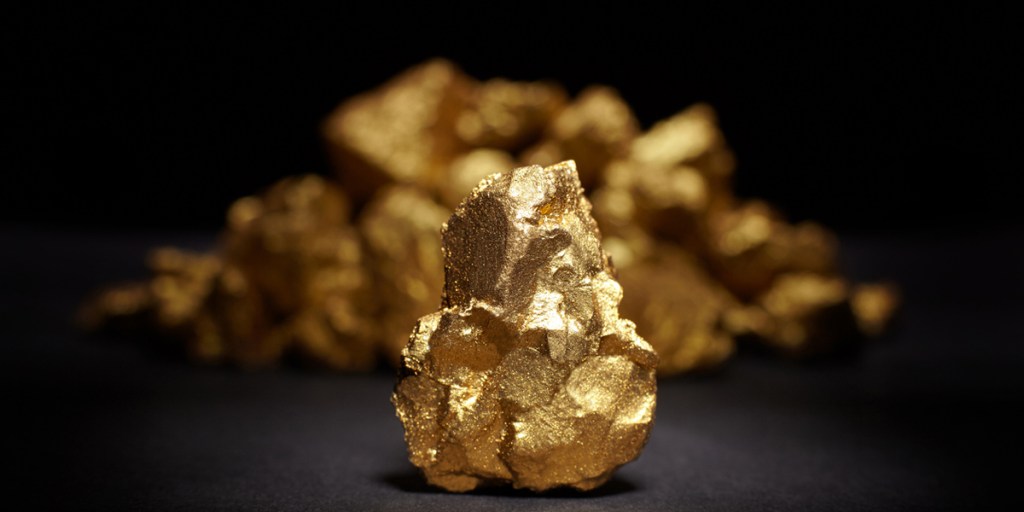
Most jewelry metals fall into three main groups: precious metals, base metals, and alternative metals. Here is a brief description of each:
- Precious metals: These are rare metals that occur naturally, so they often have a higher value than metals that aren’t in their purest form. Gold, platinum, and silver fall into this category. You often see them used in fine jewelry because they tend to retain their value over time.
- Base metals: Base metals (also known as non-precious metals) are more common and generally less expensive than precious metals. Examples include copper, brass, and sometimes nickel alloys. They’re more affordable than precious metals, which is why you often see them used in costume jewelry. In addition, they’re easy to shape or plate with other finishes.
- Alternative metals: Alternative metals include materials like stainless steel, titanium, and tungsten. They’re often durable, resistant to corrosion, and hypoallergenic. Many brands use them for everyday pieces that need to hold up to heavy wear.
The most common types of jewelry metals
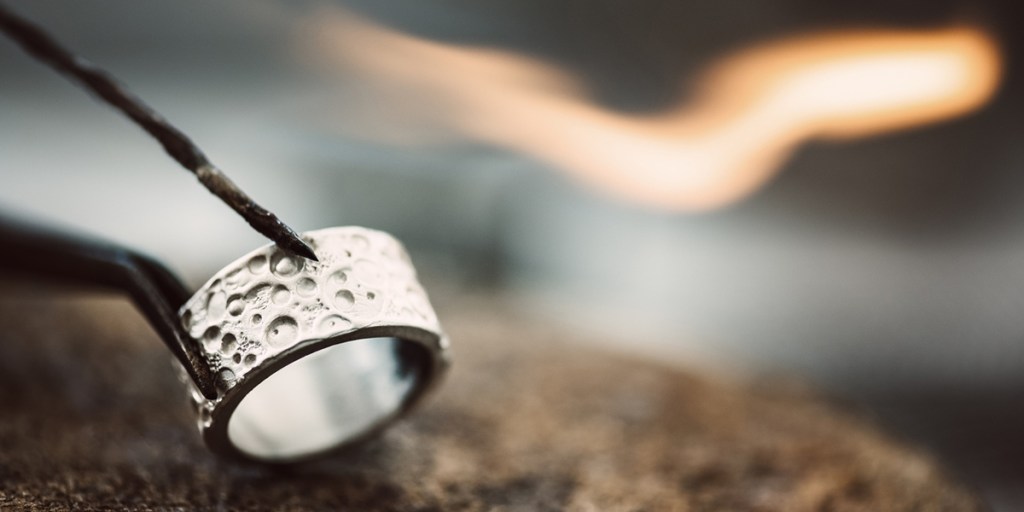
While there are numerous metals that can be used in jewelry design, a few stand out for their unique qualities and are commonly seen in jewelry:
Gold
Gold is one of the most sought-after metals for jewelry because of its rich color, resistance to corrosion, and long-term market value. Pure gold is soft, so it’s usually mixed with other metals to create alloys like 10k, 14k, or 18k gold. This improves its durability and can also give the gold different hues, such as the pale pink of rose gold or the silvery aspect of white gold. You often see gold used for fine jewelry like engagement rings, wedding bands, and heirloom pieces.
Sterling silver
Sterling silver is another popular choice for jewelry because it gives the lustrous look of pure silver, but it’s harder and more affordable. It’s actually an alloy (a mixture of metals) made of 92.5% silver and 7.5% other metals. The non-silver portion of sterling silver is usually copper. Sterling silver can tarnish over time, but it’s relatively easy to polish and maintain.
Platinum
Platinum is a precious metal that has a white hue and a natural hardness that makes it very durable. It doesn’t fade or change color over time, which makes it a great alternative to gold for high-end jewelry like engagement and wedding rings. Because it’s heavier and rarer than gold, platinum jewelry tends to be pricier.
Stainless steel
In recent years, stainless steel has become a popular choice for many jewelry designers because it’s durable and gives the appearance of silver jewelry without the hefty price tag. It doesn’t corrode easily, and it’s more scratch-resistant than many other metals, so it’s the perfect choice for everyday wear pieces.
Titanium
Titanium is incredibly strong, yet also surprisingly lightweight. It’s also naturally resistant to corrosion and hypoallergenic, which makes it a good choice for customers with sensitive skin. Titanium is often used for wedding bands and contemporary jewelry designs.
Tungsten
Tungsten (often sold as tungsten carbide in jewelry) is a rare grey-silver metal that’s known for its exceptional hardness, weight, and scratch resistance. It has a high melting point, so it’s not the easiest metal to melt down. But when it is used in jewelry, it has a very sleek, modern appearance that works well in everything from men’s jewelry to minimalist pieces.
Choosing hypoallergenic jewelry metals
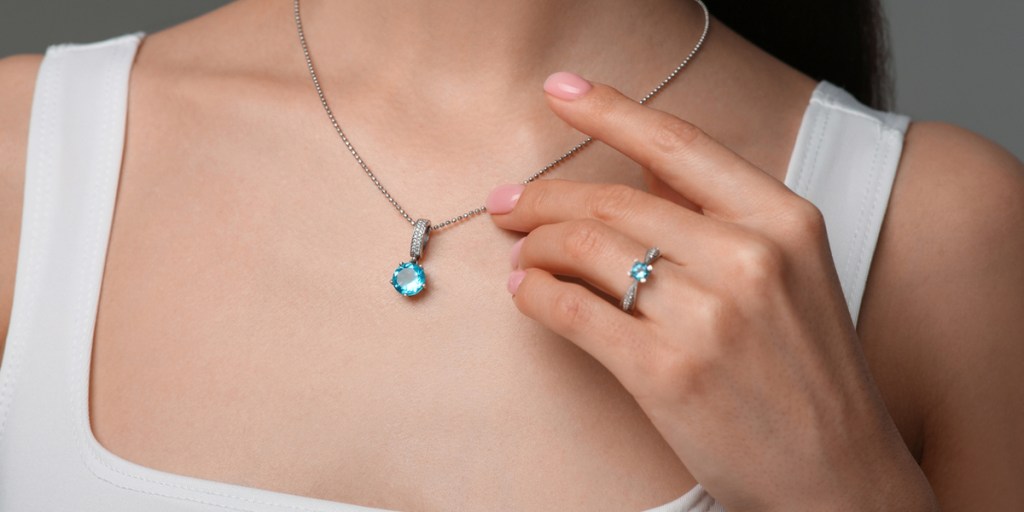
One of the biggest considerations for many jewelry buyers today is skin sensitivity. Many people experience reactions to certain types of metal, with nickel being one of the biggest triggers. Nickel is often used to add strength or lower production costs. For people with sensitive skin, even small amounts can cause irritation, which is why some shoppers actively look for jewelry made with hypoallergenic metal.
Metals that are generally considered safer for sensitive skin include platinum, titanium, and higher-karat gold because they contain fewer reactive alloys. Surgical-grade stainless steel is another ideal choice because it’s designed to minimize skin reactions. As a jewelry business owner, it’s smart to stock pieces made with hypoallergenic materials so that you don’t miss out on this segment of the market.
Matching jewelry metals to different types of pieces

Not every metal works equally well for every type of jewelry. When planning a product line, it helps to think about how the piece will be worn and how much wear and tear it’s likely to experience.
Rings and bracelets tend to take the most daily impact, so durability is important. Metals like platinum, titanium, and tungsten are the perfect metals for these pieces because they don’t scratch easily and they tend to hold their shape well over time. Gold is also common in rings, although lower karat alloys are typically used to improve strength.
For items like earrings, necklaces, and fashion-forward pieces, there’s a little more flexibility. Sterling silver, stainless steel, brass, and gold-plated metals are all great choices because they can cover a wider range of styles and price points.
Final thoughts
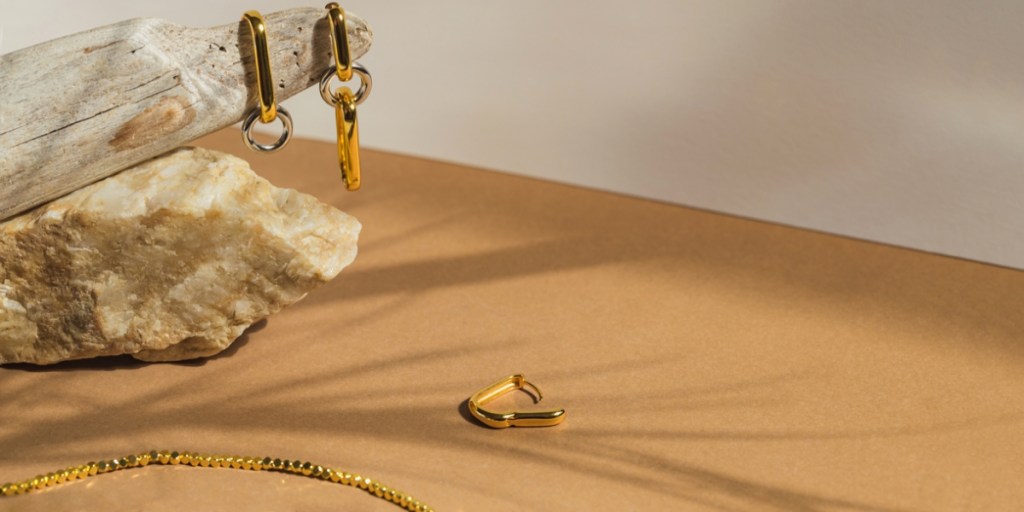
Whether you’re starting a jewelry brand from scratch or looking to level up an already existing business, it’s helpful to familiarize yourself with the different types of metals most commonly used in jewelry. If you know the properties of each, you can plan your collection accordingly with pieces that can stand up to everyday wear and more fashion-forward designs. In addition, you can meet the demands of today’s buyers when it comes to concerns like skin sensitivity.
If you’re exploring new metals for your collection or searching for reliable suppliers, tools like Accio can make the process much easier. Accio is an AI-powered sourcing platform that helps businesses discover products, compare options, and connect with suppliers across a wide range of categories, including jewelry materials and finished pieces. By using real-time data and supplier insights, Accio can help you spot trending styles, evaluate different sourcing options, and make more informed decisions as you build or expand your jewelry product line.