


Related search
How to build SEO authority effectively?
How does semantic search improve content relevance?
What is E-A-T and how does it help rankings?
How to create a sustainable SEO strategy?
Get more Insight with Accio
How to Bring Your Website on Top of Google Search: 2025 Expert Guide
How to Bring Your Website on Top of Google Search: 2025 Expert Guide
3min read·Donna·Jul 29, 2025

Introduction
Securing a top position on Google search results requires mastering evolving strategies. These strategies must align with shifting algorithms and user behaviors in 2025.
This guide reveals advanced techniques that go beyond foundational SEO. It focuses on three key areas: AI-driven content optimization, intent-based relevance, and authority-building tactics. Together, these approaches help sustainably dominate search rankings. They prove especially valuable amid increasing competition and technological transformations.
Want to explore more about How to Bring Your Website on Top of Google Search: 2025 Expert Guide? Try the ask below
How to Bring Your Website on Top of Google Search: 2025 Expert Guide
What Foundational SEO Strategies Guarantee Top Google Rankings?
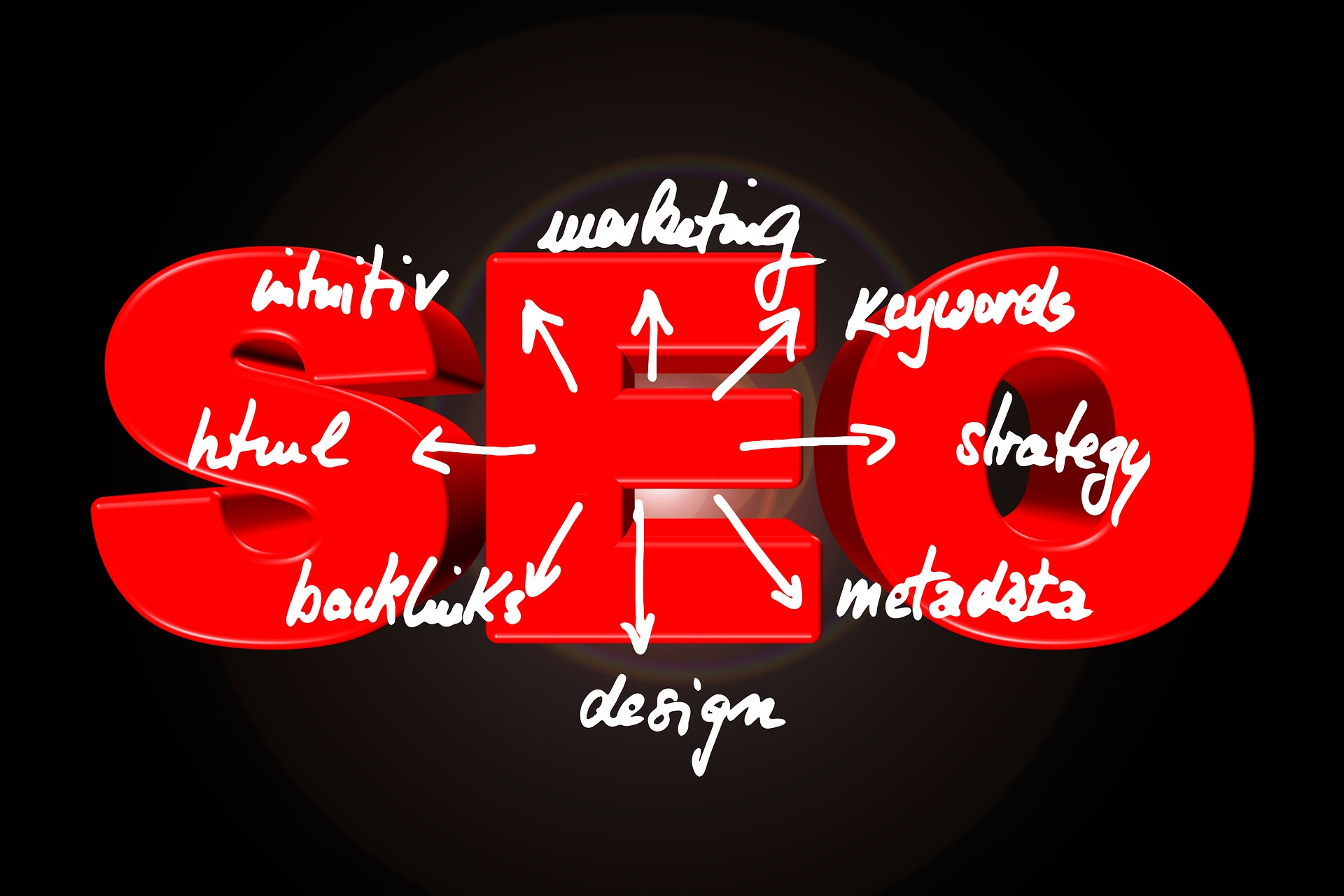
Strategic Keyword Targeting
Effective SEO begins with precise keyword research that aligns with user intent and business objectives. Move beyond basic term matching by analyzing semantic relationships and contextual relevance through natural language processing. Identify long-tail variations that reflect how users actually phrase queries in conversational search scenarios. Prioritize keywords that demonstrate clear commercial intent, where your content can offer complete solutions. Simultaneously, map these keywords to specific conversion paths across your site architecture.
Technical Infrastructure Optimization
A technically sound website forms the non-negotiable foundation for ranking success. Focus on Core Web Vitals metrics that measure loading performance, visual stability, and responsiveness – critical factors in Google's ranking algorithm. Implement structured data markup to help search engines understand content relationships and context. Ensure flawless mobile responsiveness across all devices, along with secure HTTPS implementation and crawlable URL structures. Regularly audit for broken links, duplicate content, and indexing issues that undermine visibility.
User Experience Enhancement
Search algorithms increasingly prioritize human engagement signals when evaluating page quality. Design intuitive navigation systems that enable visitors to find information within three clicks. Optimize page layouts for readability with strategic whitespace, scannable headings, and visual hierarchy. Reduce friction points by streamlining forms, minimizing pop-ups, and accelerating interaction speed. Implement accessibility standards like proper contrast ratios and screen reader compatibility to expand audience reach while satisfying ethical ranking factors.
Authority Building Through Credibility Signals
Establish domain expertise by showcasing credentials, certifications, and subject-matter authority through dedicated bio pages and bylined content. Develop comprehensive topical coverage that positions your site as the definitive resource within your niche. Foster genuine third-party endorsements through relationship-based outreach rather than transactional link-building. Monitor brand mentions across platforms and transform them into structured citations that reinforce legitimacy.
These core pillars work synergistically to create a sustainable competitive advantage in organic search. Technical excellence ensures proper crawling and indexing, while keyword strategy matches content to user demand. User experience boosts engagement, and authority signals establish expertise.
Combined, they create an unshakeable foundation for long-term visibility.
How Can Advanced Content Optimization Boost Your Search Dominance?

Mastering Semantic Search Alignment
Modern algorithms prioritize contextual understanding over rigid keyword matching. Semantic optimization involves analyzing user intent behind search queries and creating comprehensive content clusters that address related concepts. Instead of isolated keyword targeting, develop thematic content pillars that explore nuanced variations of core topics. For instance, a query about "sustainable packaging solutions" should trigger content covering biodegradability metrics, supply chain implications, and industry compliance standards. This approach signals topical authority to search engines while naturally incorporating semantic keyword variations like "eco-friendly packaging alternatives" or "carbon-neutral shipping materials" without forced repetition.
Implementing E-A-T Optimization Frameworks
Expertise, Authoritativeness, and Trustworthiness (E-A-T) remain critical ranking factors requiring systematic implementation. Demonstrate expertise through data-driven content featuring original research, case studies, and verifiable statistics from industry reports. Establish authoritativeness by showcasing credentials of content creators and collaborating with recognized institutions for co-authored studies. Build trustworthiness via transparent sourcing, error-correction mechanisms, and user-generated content moderation. Crucially, align E-A-T signals with Google's Quality Rater Guidelines by addressing content gaps in your niche and maintaining consistent factual accuracy across all pages.
Engineering Conversion-Focused Content Architecture
Turn your content into powerful conversion tools by blending behavioral psychology with technical SEO. Use the proven "Problem-Agitate-Solution" framework for long-form pieces. Strategically place primary keywords in H1/H2 tags and opening paragraphs. Naturally weave secondary terms throughout supporting sections. Make content easy to scan with bite-sized paragraphs and bullet-point summaries. Use compelling meta-tags that highlight key benefits. For high-competition keywords, create "10x content" that beats top-ranking pages. Go deeper with richer insights and better multimedia. Add practical elements like interactive tools or comparison templates when relevant. This approach maximizes both engagement and conversions.
Why Do Authority Signals and Off-Page Tactics Accelerate Ranking Success?

The Power of External Validation
Search engines treat authority signals as third-party endorsements of your website's credibility. When reputable sites link to your content or mention your brand, it signals to algorithms that your domain offers valuable expertise. This external validation operates like a peer review system, where quality backlinks from industry resources serve as votes of confidence. Unlike on-page optimizations you control directly, these signals demonstrate organic recognition from the broader digital ecosystem.
Strategic Off-Page Implementation
Effective off-page tactics extend beyond basic link-building to create a trust network around your domain. Local directory integration establishes geographical relevance and consistency for location-based searches, while structured citations across industry platforms reinforce entity recognition. Simultaneously, proactive brand building through expert collaborations and niche community engagement generates authentic mentions. These elements combine to form a credibility framework that search algorithms use to evaluate your site's topical authority against competitors.
Sustainable Authority Development
Building authoritative standing requires consistent effort across multiple channels over extended periods. Initial improvements might take months to materialize as algorithms assess the pattern and quality of your off-page signals. Focus on earning high-value links from editorially rigorous sources rather than pursuing quantity, and prioritize creating share-worthy content that naturally attracts mentions. This gradual, organic approach develops durable authority that withstands algorithm updates, as search engines increasingly prioritize genuine expertise over transactional optimization tactics.
Conclusion
Securing a top position on Google demands a holistic strategy that integrates technical precision, user-centered content architecture, and authoritative credibility signals. By systematically implementing foundational optimizations like intent-aligned keyword targeting and Core Web Vitals compliance, you establish the bedrock for search visibility. Advanced content frameworks that master semantic relationships and E-A-T principles then transform your pages into authoritative destinations. Finally, cultivating genuine third-party endorsements through strategic relationship-building completes the ecosystem, signaling domain expertise to algorithms. This synergistic approach creates an adaptive foundation that evolves with algorithmic shifts and user behavior patterns, ensuring sustainable dominance in competitive search landscapes.
Want to explore more about How to Bring Your Website on Top of Google Search: 2025 Expert Guide? Try the ask below
How to Bring Your Website on Top of Google Search: 2025 Expert Guide

Suggestions
Hot selling baby products

Trending hats and caps
Custom luxury jewelry
Minimalist jewelry accessories


