


Related search
Smart TVs
Used Cars
PET
Hair Clip
Get more Insight with Accio
9 Hottest ’90s Car’ Build Styles Dominating the 2026 Scene
9 Hottest ’90s Car’ Build Styles Dominating the 2026 Scene
7min read·Oriana·Mar 30, 2026
The 90s are back, and in 2026, the automotive world is living proof. The legendary cars of this era are more than just classics; they are canvases for creativity and cultural expression. With the 25-year import rule flooding markets with JDM and European icons, ’90s car’ culture has evolved from nostalgic hobby to mainstream movement. Whether you’re a die-hard enthusiast looking for inspiration for your next project or a business professional trying to decode the next big trend, you’ve come to the right place. This list breaks down the 9 most influential ’90s car’ build styles you’ll see everywhere this year, packed with visual inspiration and market insights that reveal what’s driving today’s automotive aftermarket.
Table of Contents
1. The OEM+ Purist
2. The Period-Correct Tuner
3. The Modern Restomod
4. The Neo-Tokyo Night-Runner
5. The Widebody Show-Stopper
6. The Functional Track Weapon
7. The ‘Safari’ All-Terrain Build
8. The ‘Itasha’ Style Icon
9. The Hyper-Realistic Digital Render
2. The Period-Correct Tuner
3. The Modern Restomod
4. The Neo-Tokyo Night-Runner
5. The Widebody Show-Stopper
6. The Functional Track Weapon
7. The ‘Safari’ All-Terrain Build
8. The ‘Itasha’ Style Icon
9. The Hyper-Realistic Digital Render
Want to explore more about 9 Hottest ’90s Car’ Build Styles Dominating the 2026 Scene? Try the ask below
9 Hottest ’90s Car’ Build Styles Dominating the 2026 Scene
1. The OEM+ Purist
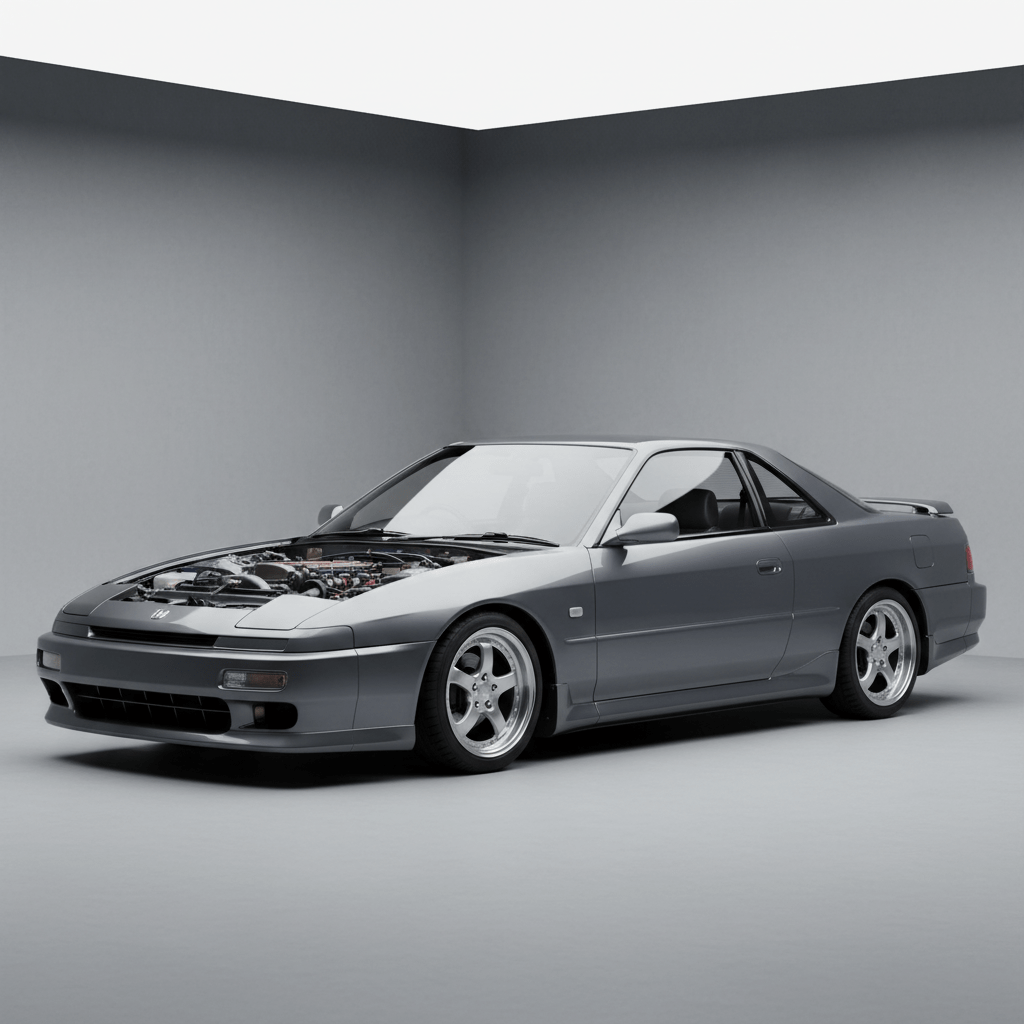
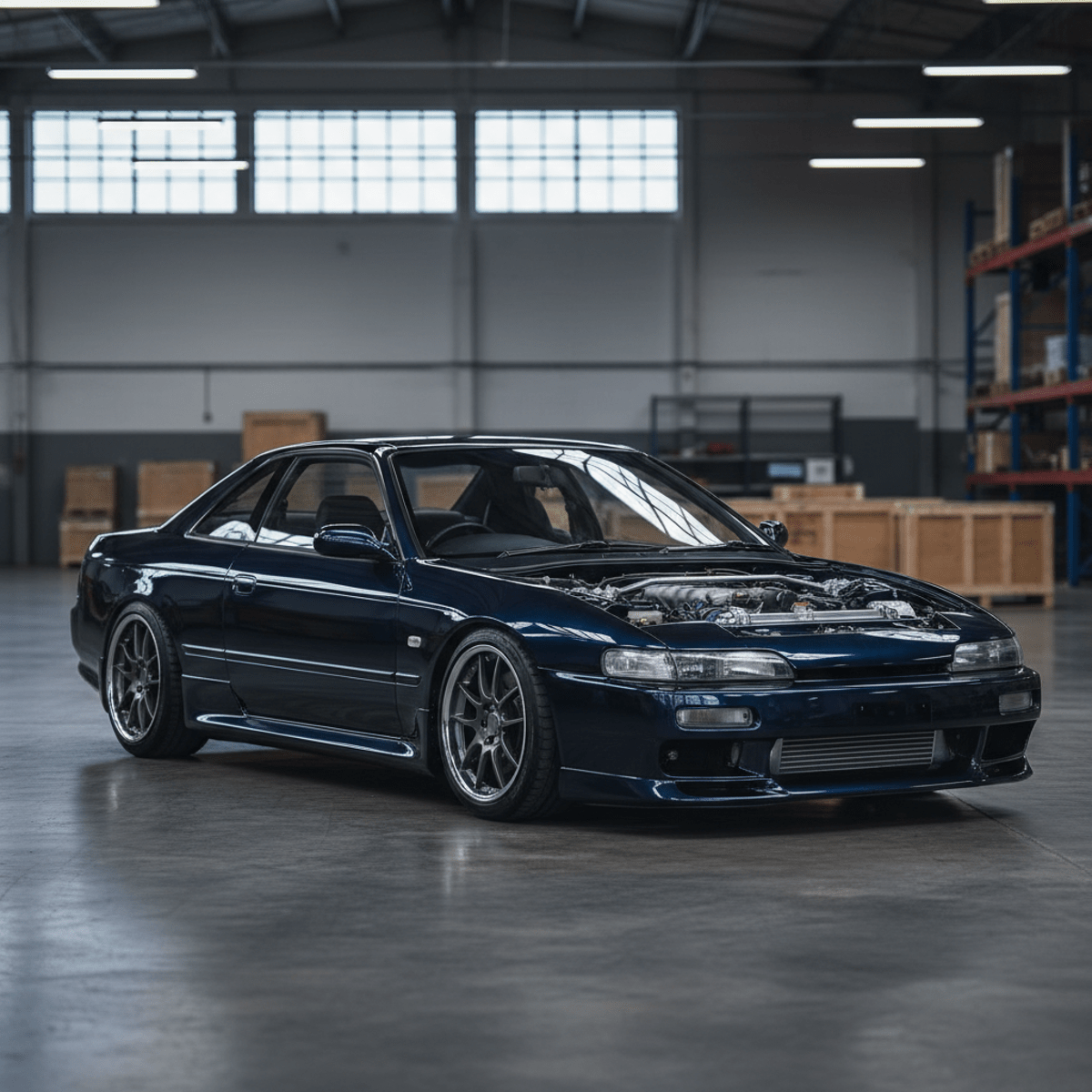
This style represents automotive minimalism at its finest, focusing on subtle perfection that enhances rather than transforms. The OEM+ approach maintains the car’s factory silhouette while upgrading it with high-end, often newer, parts from the same manufacturer or respected suppliers. Think perfect wheel fitment with genuine BBS or Enkei wheels, a modest drop on quality KW or Bilstein coilovers, and a meticulously detailed engine bay with period-appropriate but pristine components. The goal is creating the ultimate factory vision—what the car could have been with an unlimited budget. Visually, these builds shine through clean lines, flawless paint correction, and studio-quality photography that emphasizes the car’s pure design language without distractions.
2. The Period-Correct Tuner
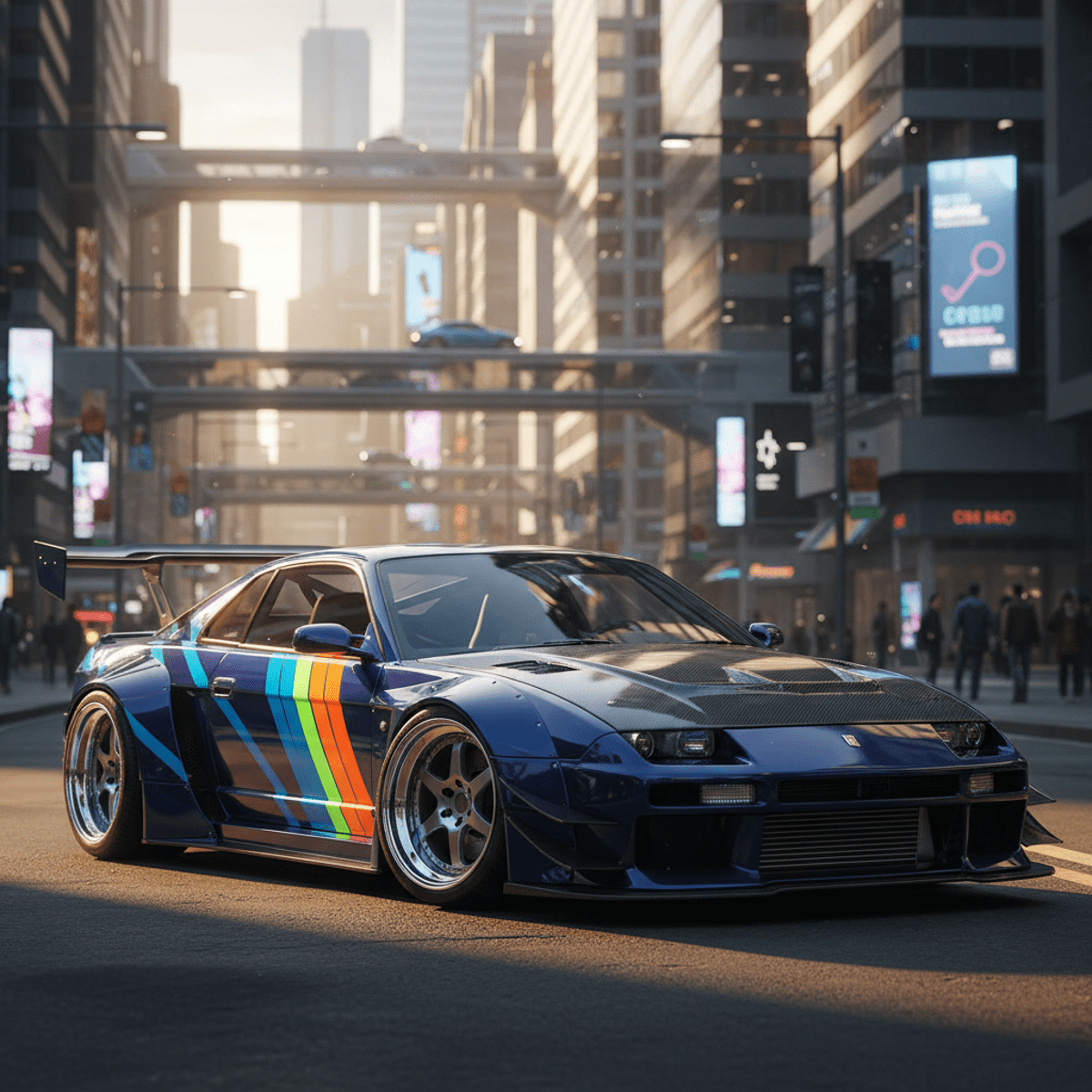
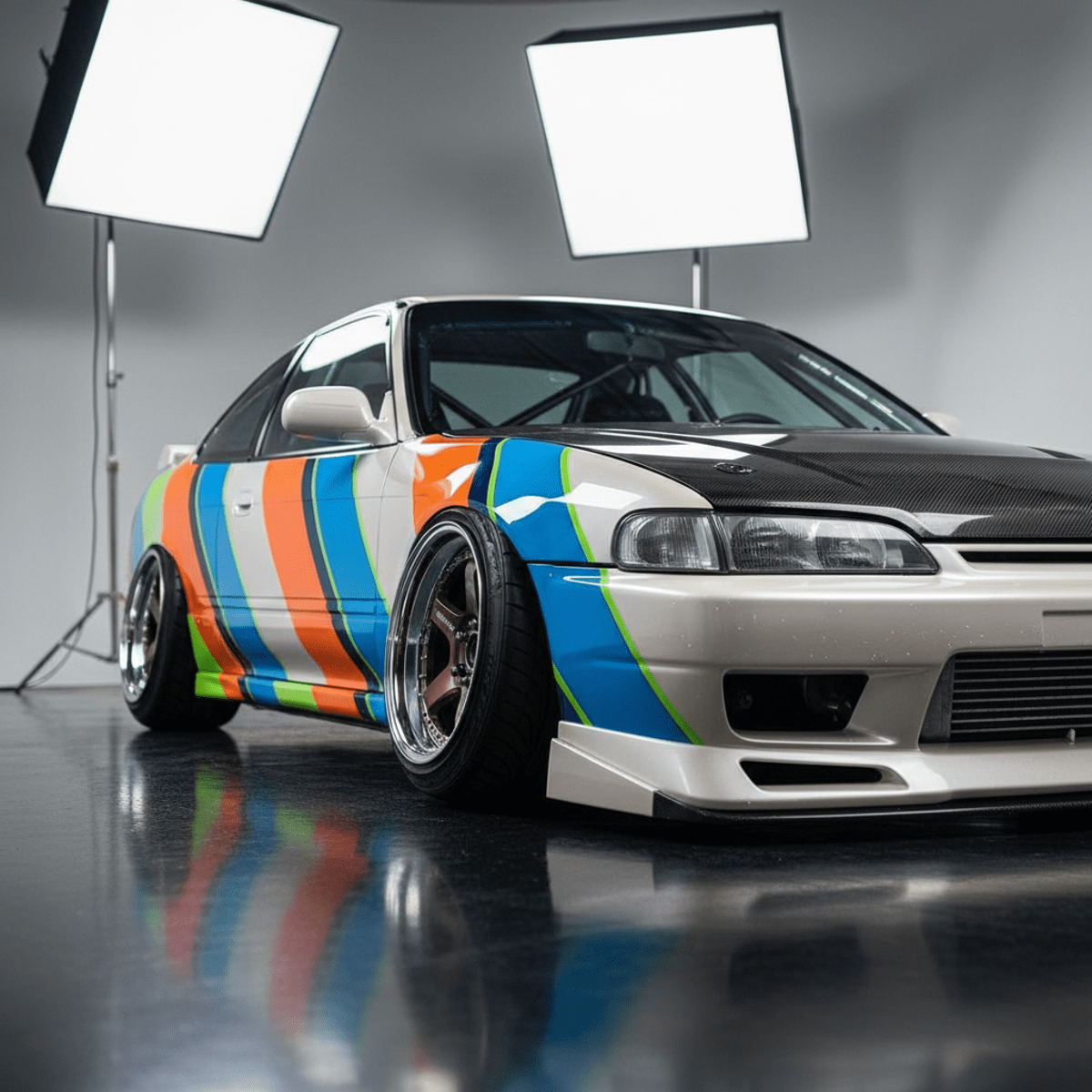
A direct homage to the golden era of tuner magazines like Option and Super Street, this style exclusively uses authentic aftermarket parts from the 90s or faithful modern reproductions. Iconic brands like HKS, GReddy, Volk Racing, Spoon Sports, and Recaro dominate the build sheet, creating a rolling shrine to tuning culture’s pioneers. The aesthetic is intentionally loud and proud, featuring bold graphics, vintage aero kits, and parts that scream authentic JDM heritage. These builds often sport the aggressive stance and wild color schemes that defined the era, complete with period-correct modifications like carbon fiber hoods, massive rear wings, and chrome-tipped exhausts. They serve as rolling time capsules, capturing the rebellious spirit that made ’90s car’ culture legendary.
3. The Modern Restomod
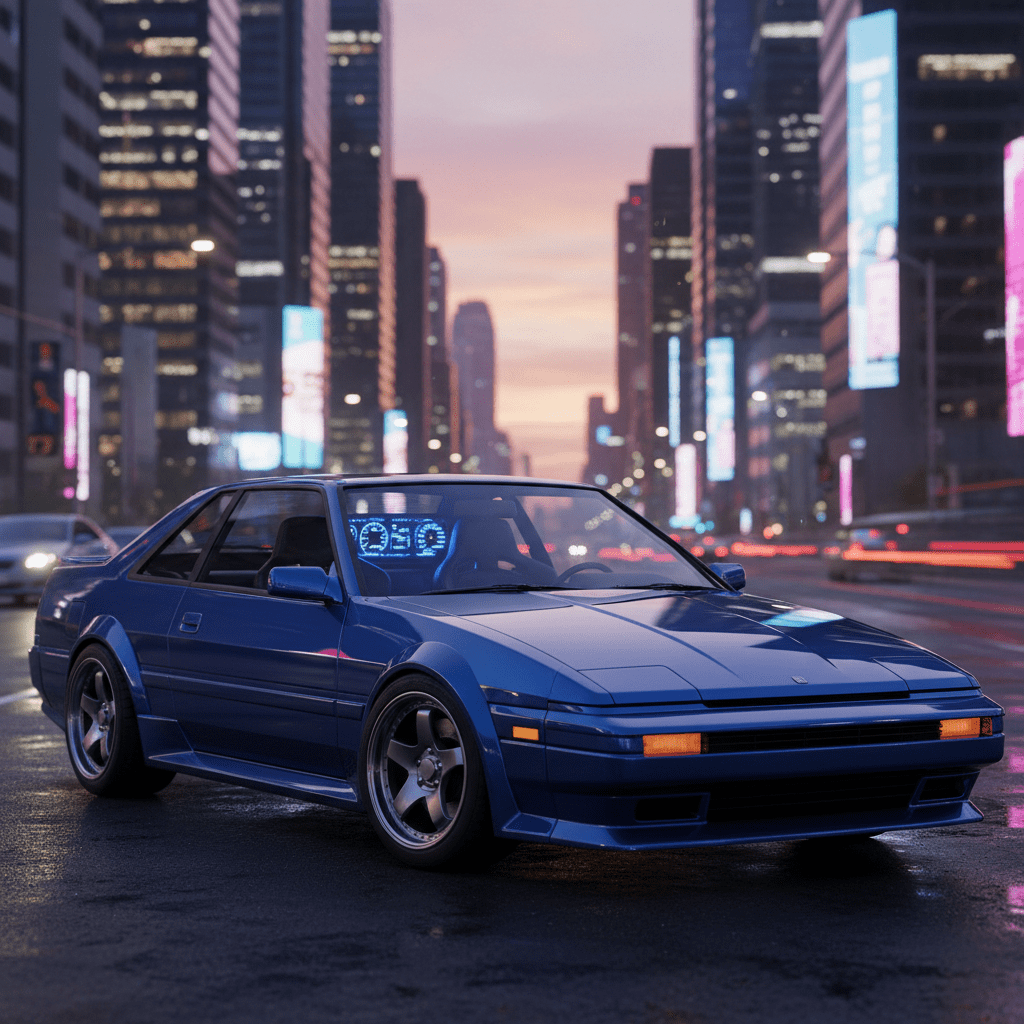
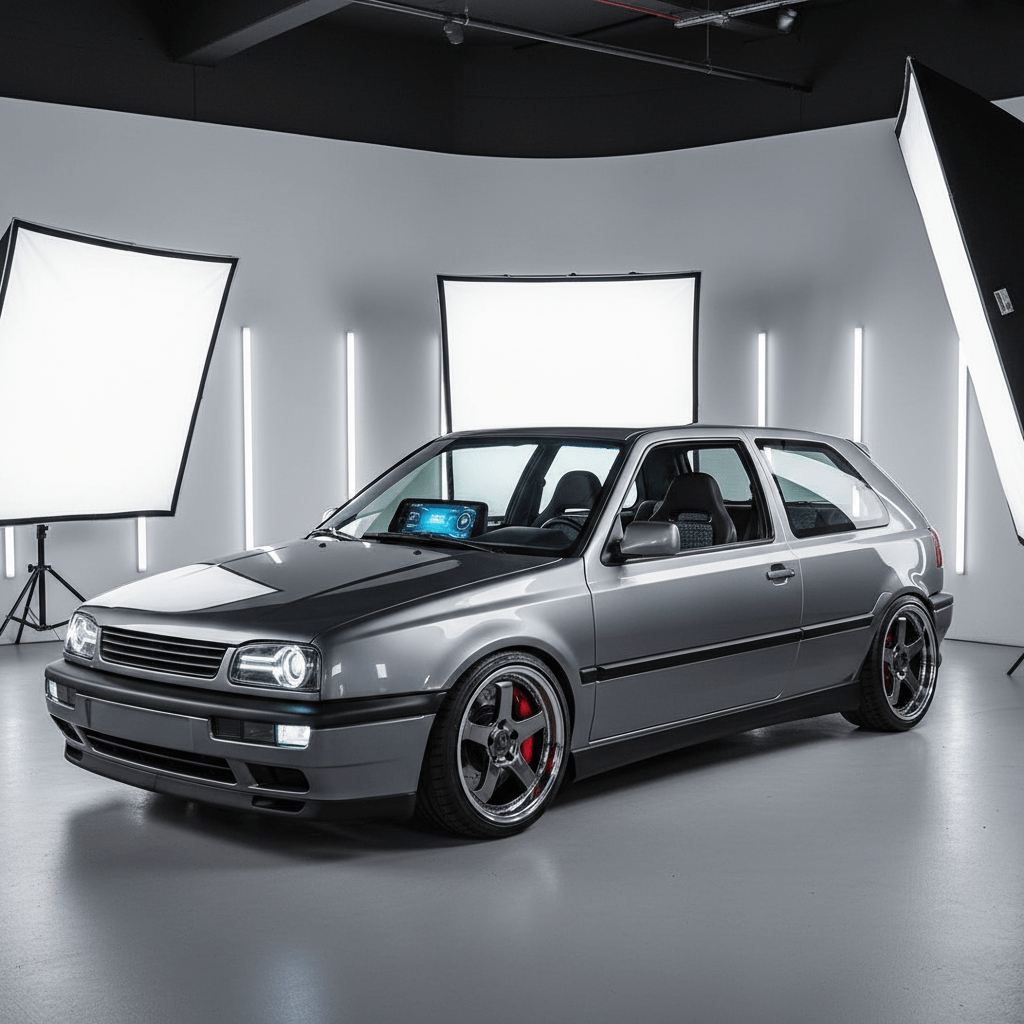
The restomod philosophy perfectly balances nostalgia with practicality, pairing beloved ’90s car’ chassis with completely modern internals. These builds often feature current-generation engine swaps—like dropping a modern turbo four-cylinder into a Honda Civic EK or installing a contemporary BMW inline-six into an E36 M3. The interior receives a complete tech overhaul with digital instrument clusters, Apple CarPlay integration, and modern climate control while maintaining the classic dashboard architecture. Cutting-edge suspension systems, big brake kits, and advanced engine management create reliability and performance that surpasses anything available in the original decade. The result is a car that looks authentically ’90s but drives better than most 2026 vehicles.
4. The Neo-Tokyo Night-Runner
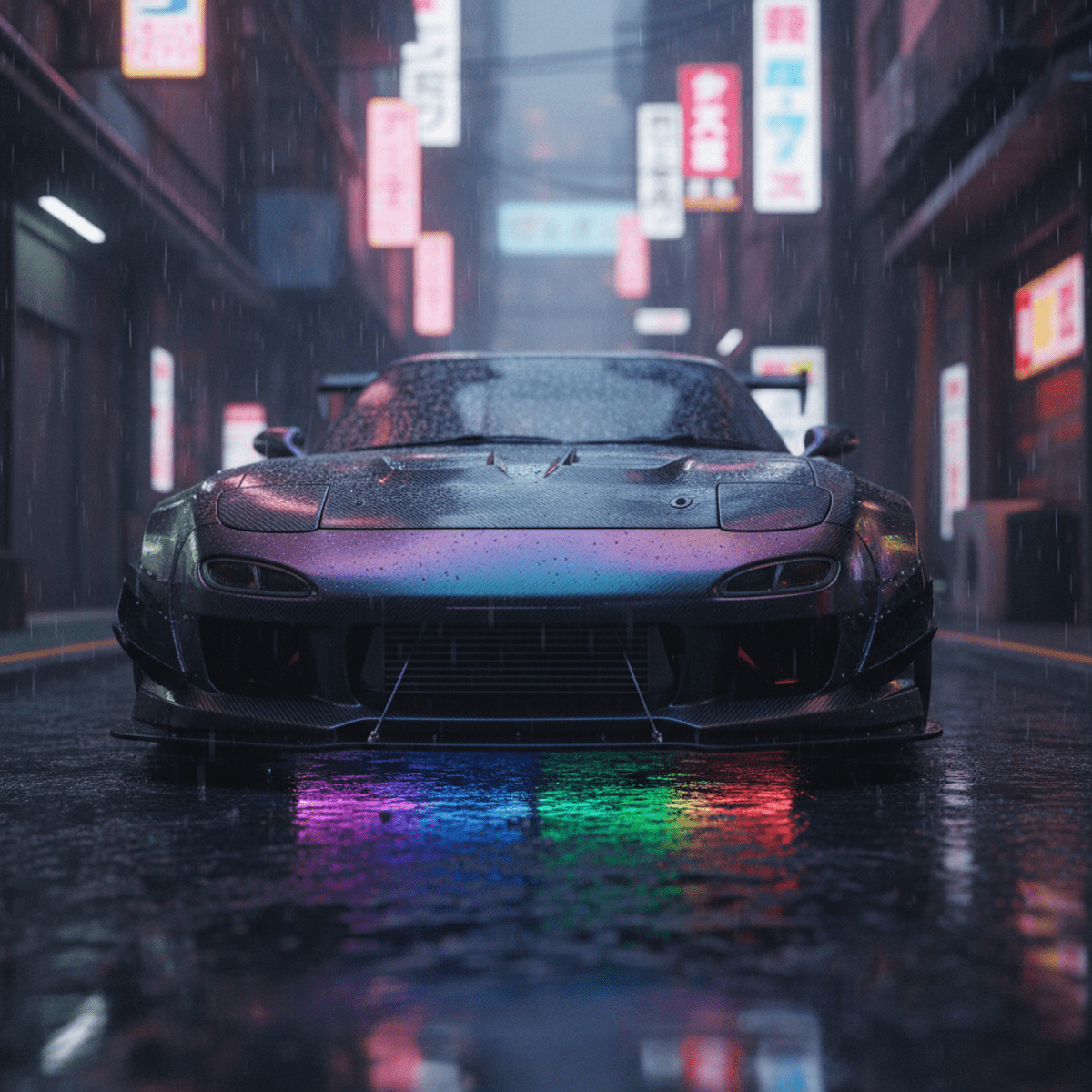
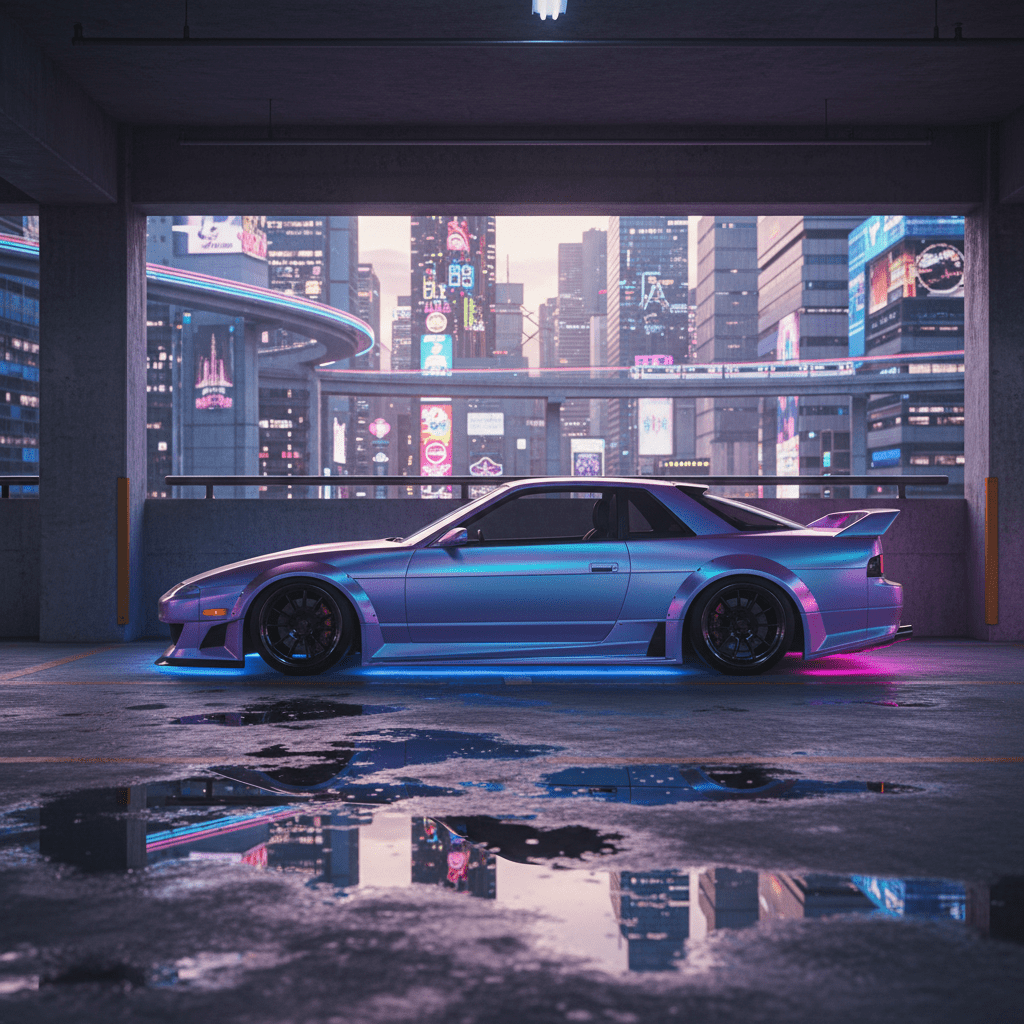
Heavily influenced by cyberpunk aesthetics and synthwave culture, this style transforms ’90s car’ platforms into futuristic street machines built for nocturnal adventures. Key features include vibrant, programmable RGB LED underglow systems that sync with music, aggressive aerodynamic packages with sharp-angled canards and diffusers, and dark iridescent or holographic wraps that shift color under streetlights. These cars are photographed in rain-slicked urban environments, under neon signs, or in parking garages with dramatic lighting that emphasizes their otherworldly appearance. The Neo-Tokyo aesthetic combines retro-futurism with modern technology, creating vehicles that look like they’ve driven straight out of a cyberpunk video game, generating highly shareable content across social media platforms.
5. The Widebody Show-Stopper
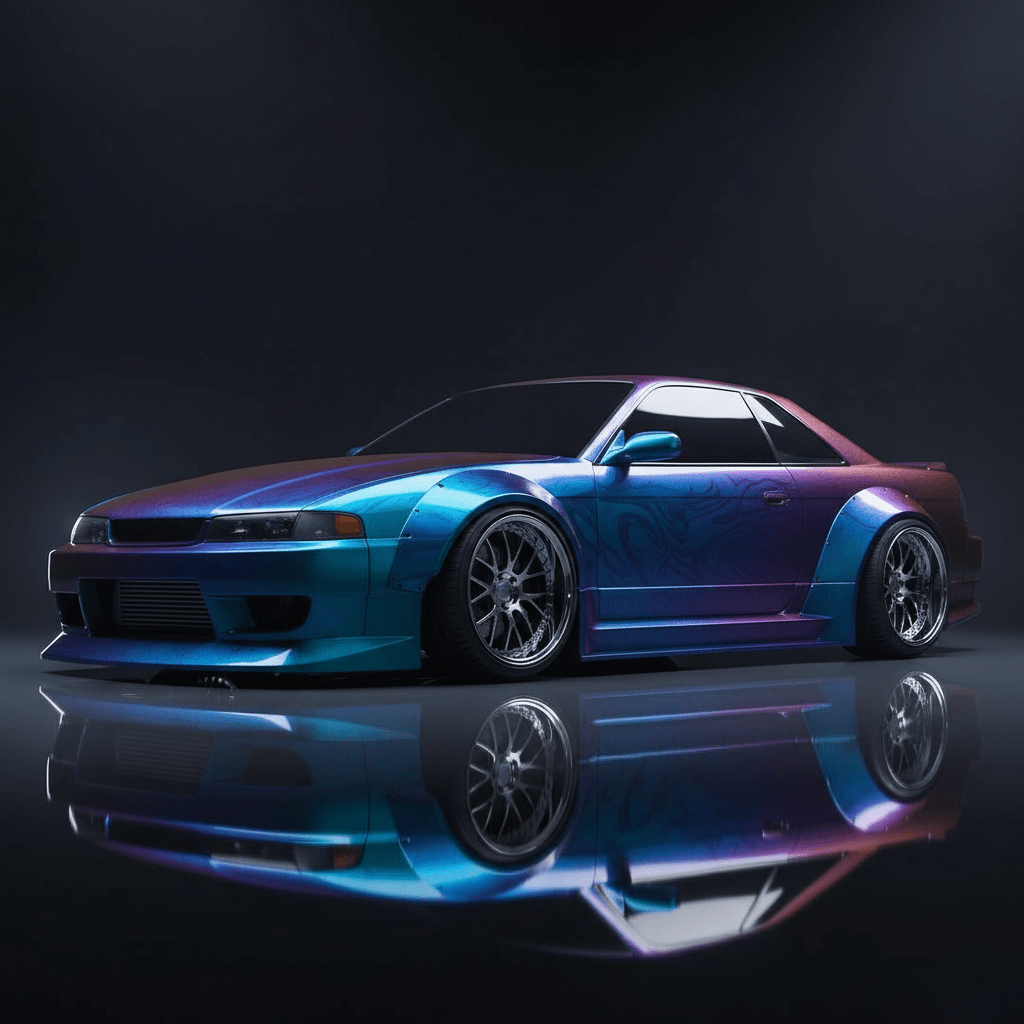
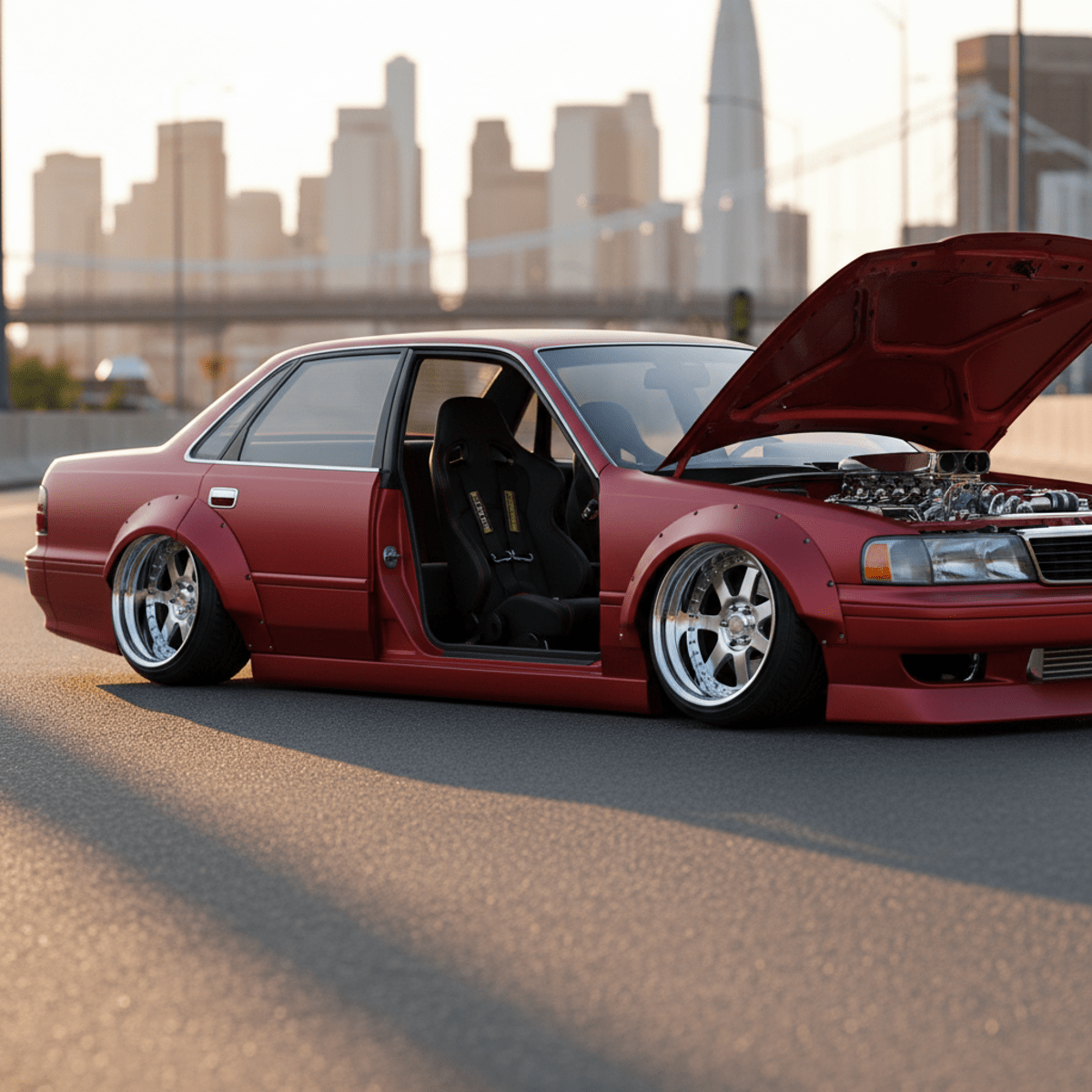
For enthusiasts who believe more is definitely more, the widebody trend continues to dominate car shows and social media feeds. Custom-molded or bolt-on fender flares dramatically alter the car’s proportions, allowing for massively wide wheels—often 11 or 12 inches wide—and creating an incredibly aggressive presence that commands attention. These builds typically feature air suspension systems that allow the car to achieve a ground-hugging stance when parked while maintaining drivability when raised. The widebody aesthetic emphasizes dramatic visual impact through exaggerated proportions, deep-dish wheels, and often bold paint schemes or vinyl wraps. Every angle is designed to break necks and win trophies, with builds frequently featuring custom interior work and engine bay modifications to match the exterior’s show-stopping presence.
6. The Functional Track Weapon
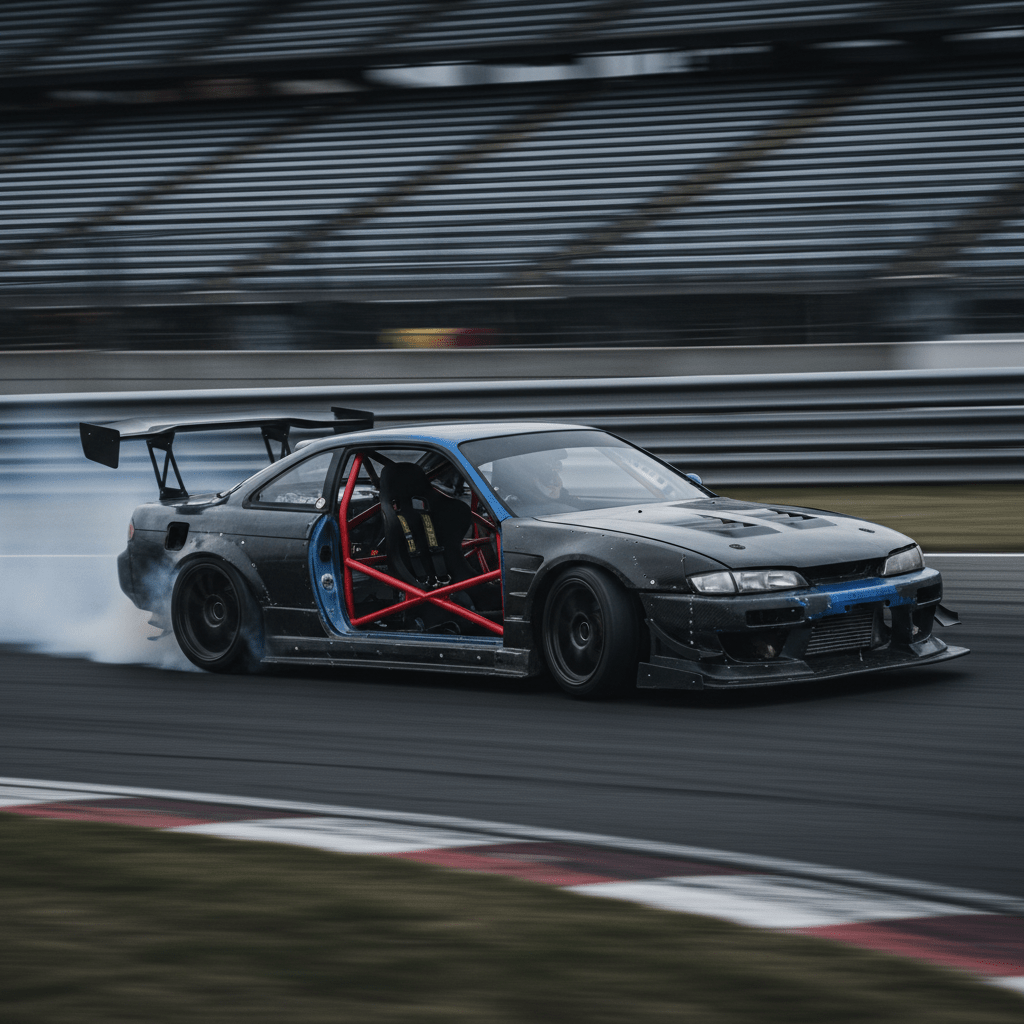
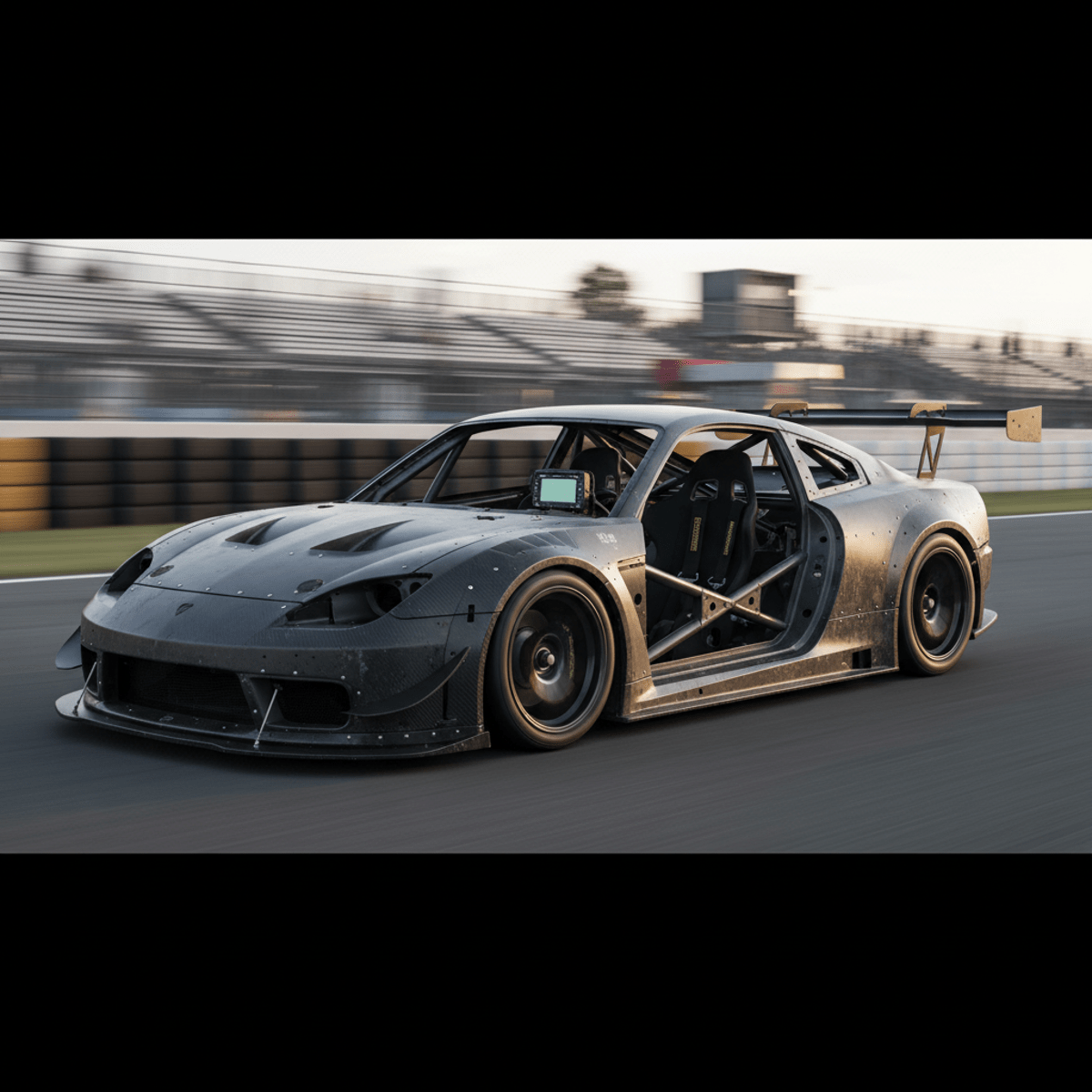
This style strips the ’90s car’ back to its purest mechanical essence, prioritizing function over form in the pursuit of lap times. Interiors are gutted and replaced with full roll cages, lightweight racing seats, racing harnesses, and data acquisition systems for performance monitoring. The exterior receives functional aerodynamic modifications like massive rear wings, front splitters, canards, and dive planes—all designed to generate real downforce rather than visual impact. Weight reduction is paramount, with carbon fiber panels, Lexan windows, and the removal of all non-essential components. The aesthetic celebrates raw mechanical beauty, with exposed welds, purposeful aero, and battle scars from track sessions. These builds photograph best in action on racetracks, capturing the intensity and commitment required for serious motorsport competition.
7. The ‘Safari’ All-Terrain Build
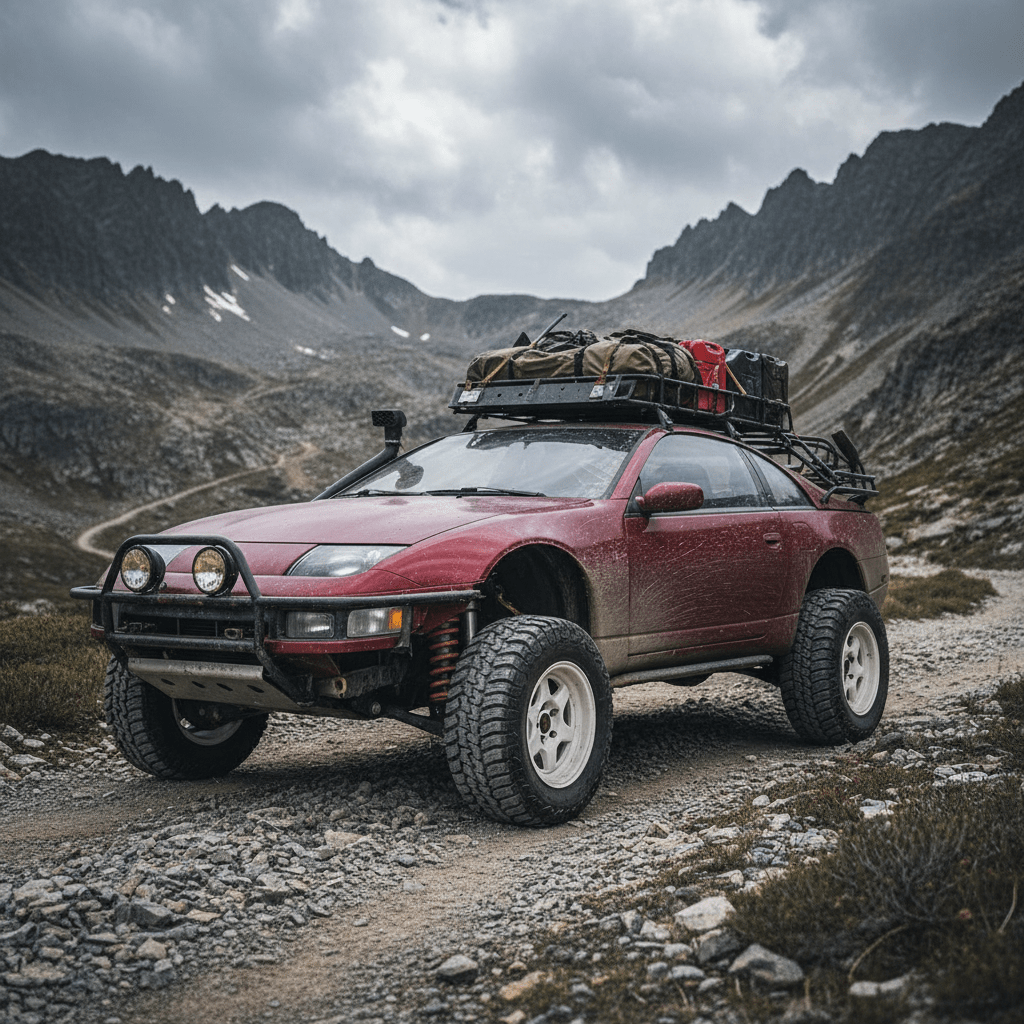
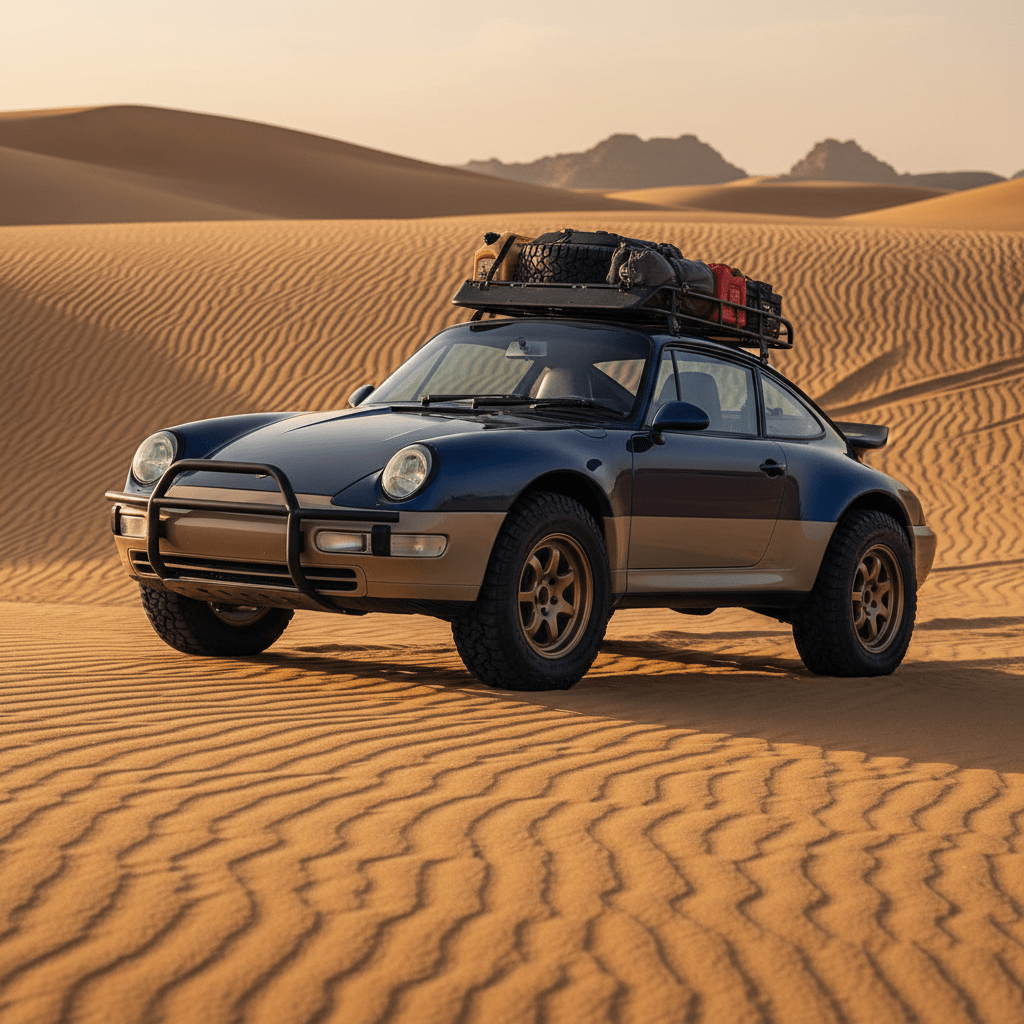
One of 2026’s most surprising and Instagram-worthy trends involves taking classic ’90s car’ sports cars and giving them an unexpected off-road treatment. Safari builds typically feature lifted suspensions using custom fabricated components, knobby all-terrain tires mounted on rally-style wheels, roof racks loaded with adventure gear, and rally-inspired fog lights and brush guards. Popular platforms include Mazda Miatas, Nissan 240SXs, and even Honda Civics, transformed into capable adventure vehicles that maintain their sports car DNA. These builds create incredible photo opportunities by placing iconic automotive silhouettes in unexpected rugged landscapes—mountain trails, desert dunes, or forest paths. The juxtaposition of sleek ’90s car’ design with utilitarian off-road capability challenges automotive conventions while celebrating the adventurous spirit of car culture.
8. The ‘Itasha’ Style Icon
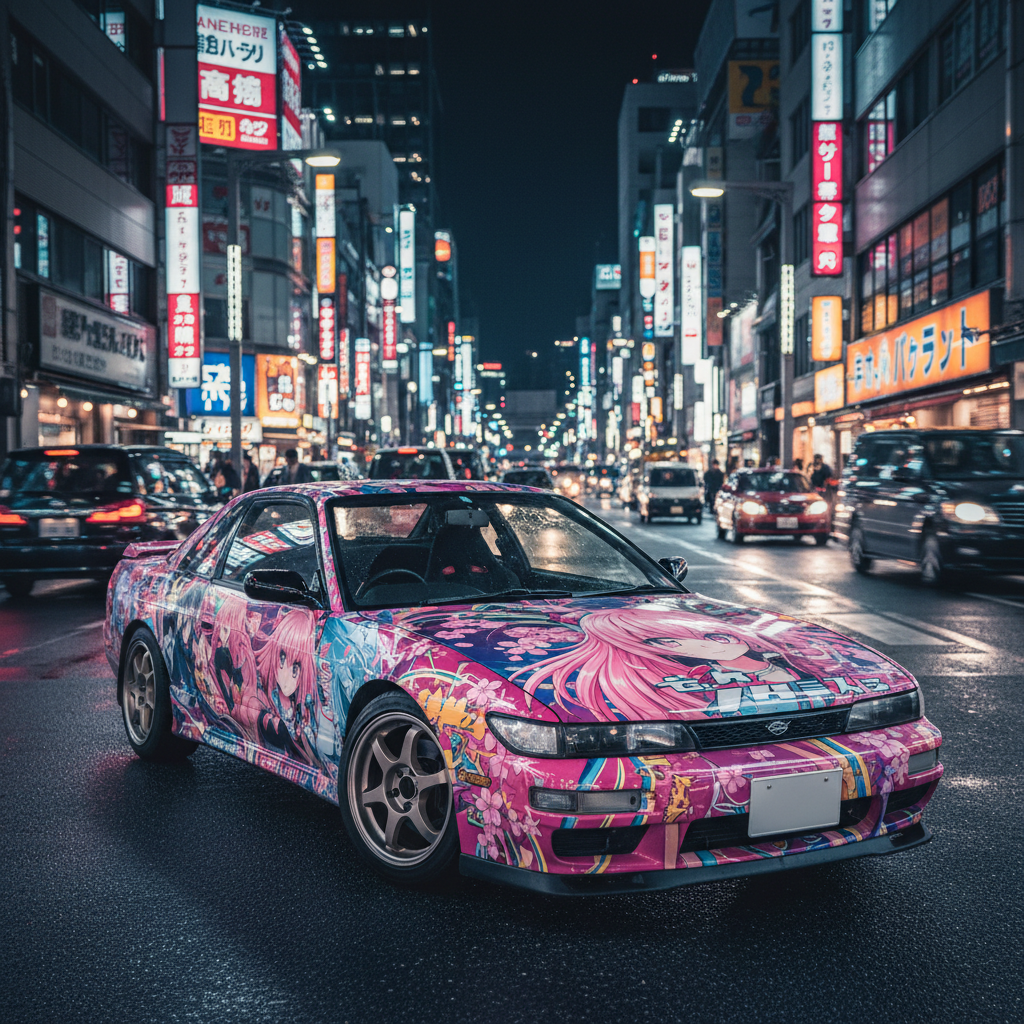
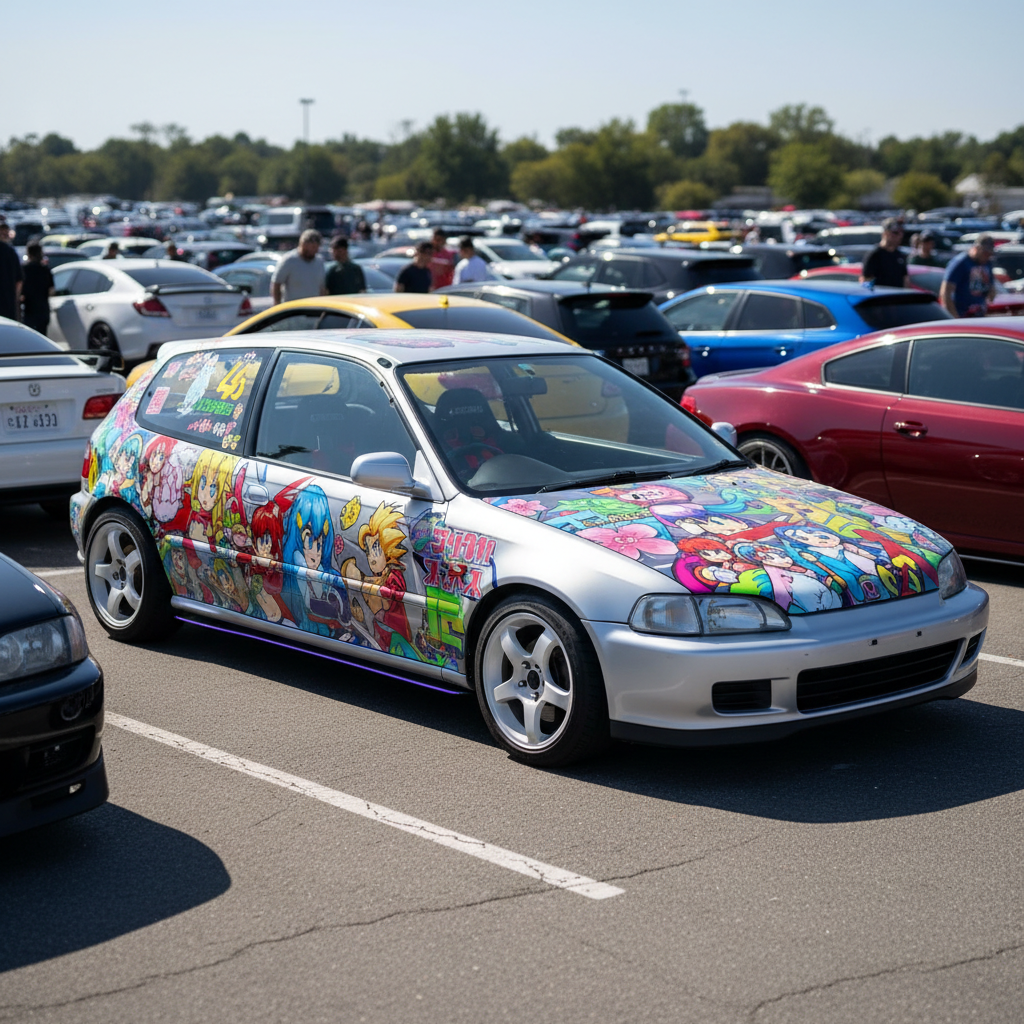
The ‘Itasha’ movement has evolved from niche subculture to mainstream art form, transforming ’90s car’ platforms into rolling canvases celebrating Japanese pop culture. These builds feature elaborate, large-scale vinyl wraps depicting anime characters, manga scenes, or video game imagery applied with museum-quality precision and artistic flair. Far from simple sticker bombs, modern Itasha builds incorporate complex design elements, gradient effects, and interactive components like LED accents that complement the artwork. The style has gained acceptance in mainstream car culture, with professional wrap artists commanding high prices for their intricate work. These vehicles serve as mobile galleries, showcasing the intersection of automotive passion and otaku culture while creating some of the most photographed and shared content in the car community.
9. The Hyper-Realistic Digital Render
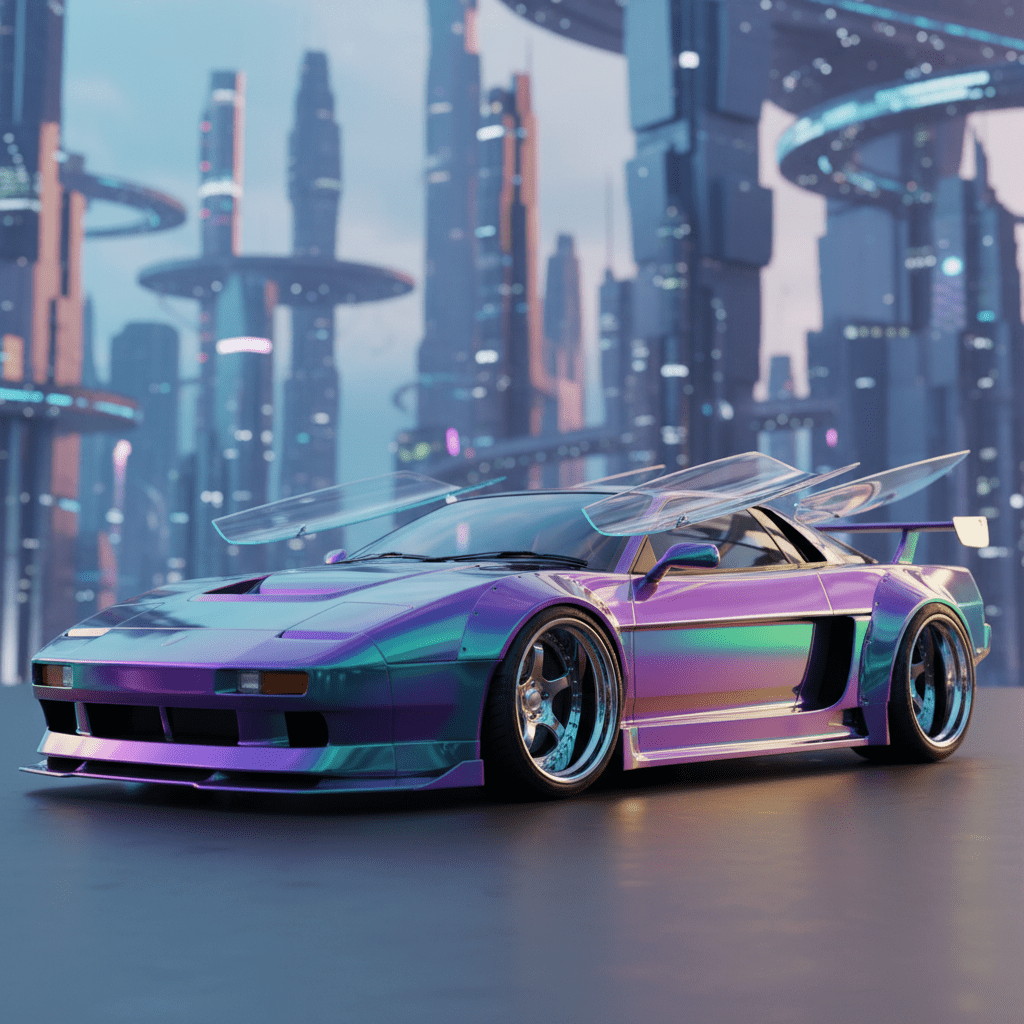
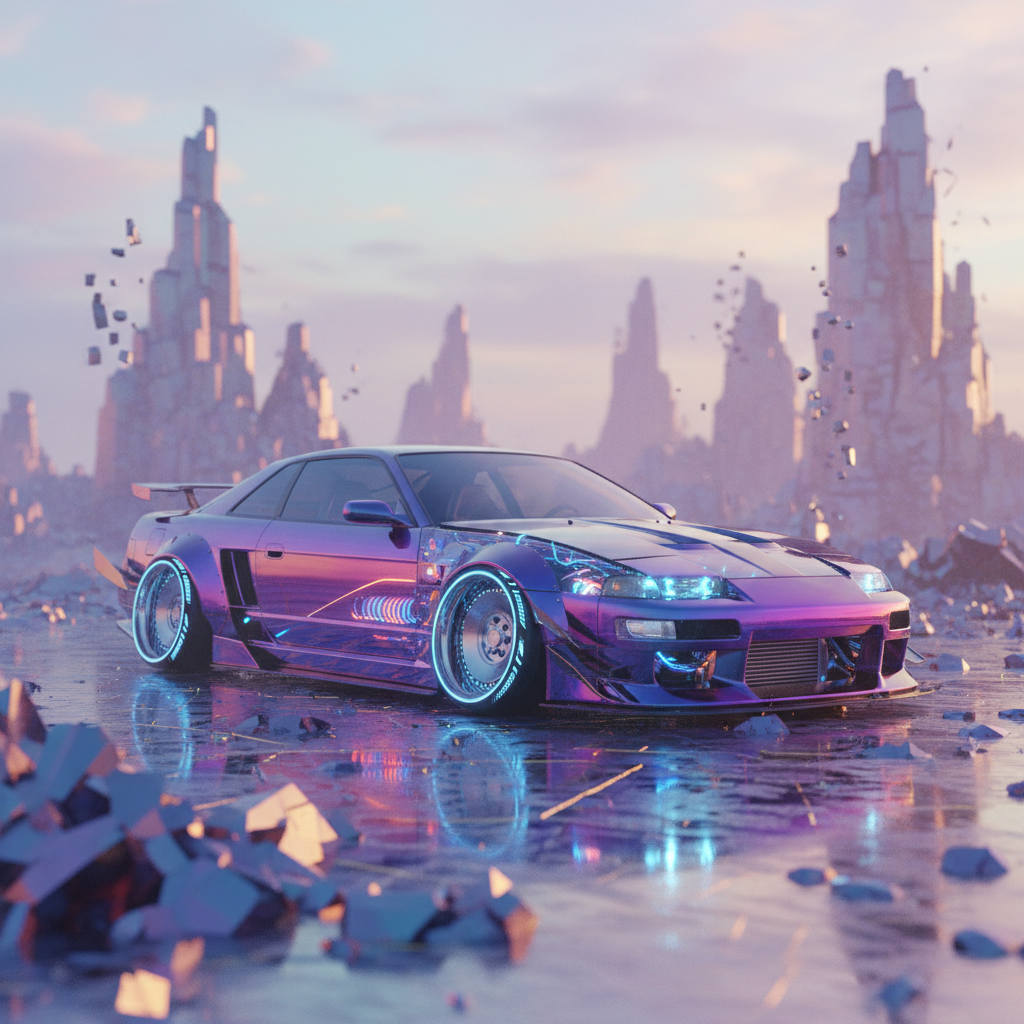
Some of the most influential ’90s car’ builds of 2026 exist only in digital space, created by talented 3D artists using advanced rendering software like Blender, KeyShot, and Unreal Engine. These hyper-realistic digital creations feature impossible modifications—like floating aero elements, holographic paint finishes, or surreal environmental settings that defy physics. Digital artists are pushing creative boundaries, experimenting with wild color schemes, impossible wheel fitments, and fantastical modifications that would be impractical or impossible in reality. These renders often serve as direct inspiration for real-world builds, with enthusiasts attempting to recreate digital concepts using available parts and techniques. The digital render movement has democratized automotive design, allowing artists worldwide to contribute to ’90s car’ culture regardless of their access to physical vehicles or modification budgets.
From purist OEM+ restorations to wild Safari adventures, the ’90s car’ scene in 2026 represents a vibrant tapestry of creativity that spans from subtle refinement to radical reimagining. These nine build styles demonstrate how classic platforms continue to evolve, serving as both personal expression and cultural statements. Each trend reveals the diverse directions enthusiasts are taking with their beloved machines, whether pursuing period-correct authenticity or pushing boundaries with modern interpretations. As we’ve explored, these build styles are more than just personal projects—they are powerful indicators of emerging market demands and consumer preferences that smart businesses can capitalize on.
Each trend represents a significant business opportunity waiting to be seized. The popularity of Period-Correct builds signals growing demand for high-quality replica parts and NOS components. The Neo-Tokyo aesthetic opens lucrative doors for innovative LED lighting systems and premium vinyl wrap companies. Safari builds are creating entirely new niches for lift kits, all-terrain tires, and adventure accessories specifically designed for sports car platforms. Whether you’re a product designer developing the next breakthrough modification, a brand seeking authentic imagery for retro marketing campaigns, or a buyer searching for specialized component suppliers, our AI-powered sourcing tool Accio transforms these trends into actionable business intelligence. Use Accio to analyze real-time market demand, discover innovative manufacturers worldwide, and connect directly with suppliers to bring your product vision to life. Turn automotive inspiration into profitable inventory with Accio today.