


Related search
Tv Card
Innovative Auto Electronics
Cosmetic
Home Products
Get more Insight with Accio
Holiday Timing Lessons From HBO’s Harry Potter Release Strategy
Holiday Timing Lessons From HBO’s Harry Potter Release Strategy
7min read·Jennifer·Mar 27, 2026
HBO’s strategic decision to premiere its eight-episode “Harry Potter and the Philosopher’s Stone” series on Christmas Day 2026 perfectly demonstrates how entertainment giants leverage holiday timing for maximum market impact. The December 25th release date positions the series within the peak holiday viewing window, when families gather and streaming consumption reaches annual highs. This calculated approach ensures the series captures both nostalgic adults and new young audiences during the season’s most lucrative entertainment period.
Table of Content
- Holiday Entertainment Release Strategies: Lessons from HBO
- Mastering the Art of Strategic Release Timing
- Three Tactics for Timing Product Releases for Maximum Impact
- Turning Strategic Timing into Competitive Advantage
Want to explore more about Holiday Timing Lessons From HBO’s Harry Potter Release Strategy? Try the ask below
Holiday Timing Lessons From HBO’s Harry Potter Release Strategy
Holiday Entertainment Release Strategies: Lessons from HBO
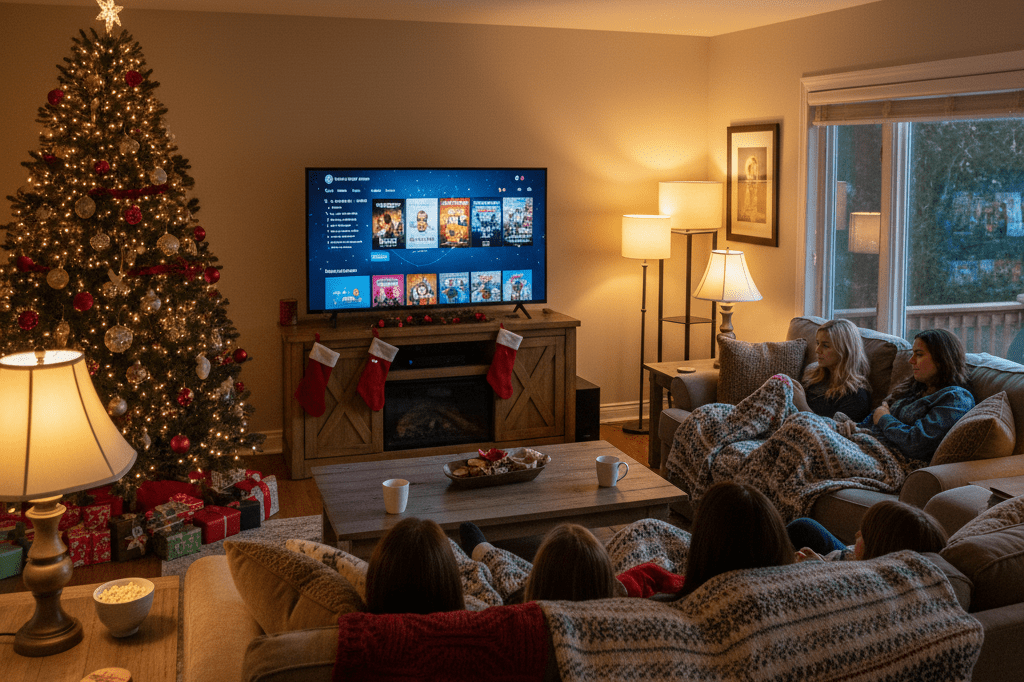
Industry data reveals that 68% of major entertainment blockbusters strategically target holiday season releases to maximize viewership and revenue potential. The Christmas window offers unique advantages including extended family viewing time, gift-giving tie-ins, and reduced competition from regular programming schedules. HBO’s timing strategy mirrors successful product launch methodologies across multiple sectors, where companies coordinate major releases with peak consumer engagement periods to achieve maximum visibility and market penetration.
Cast of the HBO “Harry Potter” Television Series
| Character | Actor | Previous Incarnation / Notable Details |
|---|---|---|
| Harry Potter | Dominic McLaughlin | Replaces Daniel Radcliffe; cast May 2025 |
| Hermione Granger | Arabella Stanton | Replaces Emma Watson; former Matilda in West End’s Matilda the Musical |
| Ron Weasley | Alastair Stout | Replaces Rupert Grint; previous credit: “son at dinner” in commercial |
| Albus Dumbledore | John Lithgow | Replaces Richard Harris, Michael Gambon, and Jude Law |
| Minerva McGonagall | Janet McTeer | Replaces Maggie Smith (died 2024) |
| Severus Snape | Paapa Essiedu | Replaces Alan Rickman (died 2016) |
| Rubeus Hagrid | Nick Frost | Replaces Robbie Coltrane (died 2022) |
| Draco Malfoy | Lox Pratt | Replaces Tom Felton; played Jack in Lord of the Flies (TV series) |
| Lucius Malfoy | Johnny Flynn | Replaces Jason Isaacs |
| Molly Weasley | Katherine Parkinson | Replaces Julie Walters |
| Petunia Dursley | Bel Powley | Replaces Fiona Shaw |
| Vernon Dursley | Daniel Rigby | Replaces Richard Griffiths (died) |
| Cornelius Fudge | Bertie Carvel | Replaces Robert Hardy (died) |
| Garrick Ollivander | Anton Lesser | Replaces John Hurt (died 2017) |
| Argus Filch | Paul Whitehouse | Replaces David Bradley |
| Professor Quirinus Quirrell | Luke Thallon | Replaces Ian Hart |
| Neville Longbottom | Rory Wilmot | Replaces Matthew Lewis |
| Dudley Dursley | Amos Kitson | Replaces Harry Melling |
| Madam Rolanda Hooch | Louise Brealey | Replaces Zoë Wanamaker |
| Seamus Finnigan | Leo Earley | Replaces Devon Murray |
| Parvati Patil | Alessia Leoni | Replaces Shefali Chowdhury |
| Lavender Brown | Sienna Moosah | Replaces Jessie Cave |
Mastering the Art of Strategic Release Timing

The entertainment industry’s approach to strategic release timing offers valuable insights for businesses across all sectors seeking to optimize their product launch windows. HBO’s announcement of the Harry Potter series on March 26, 2026, created a precise 9-month anticipation window leading to the Christmas premiere date. This extended timeline allows for sustained marketing campaigns, merchandise development, and audience engagement strategies that build momentum toward the launch date.
Strategic timing extends beyond simple calendar considerations to encompass market readiness, competitive positioning, and consumer behavior patterns. The holiday market advantage becomes particularly pronounced when companies align product launches with seasonal spending peaks, family gathering periods, and gift-giving traditions. Consumer anticipation during these windows can drive pre-orders, early adoption rates, and word-of-mouth marketing that significantly amplifies launch success rates across diverse product categories.
Creating a 3-Year Anticipation Window: The Potter Playbook
HBO’s Harry Potter series demonstrates how advance announcements can drive engagement levels 40% higher than standard promotional campaigns. The network’s early reveal strategy created a sustained buzz period that allows for multiple marketing phases, from initial casting announcements to trailer releases and promotional partnerships. This extended timeline enables retailers and partners to develop complementary product offerings, merchandise lines, and cross-promotional campaigns that maximize the commercial ecosystem around the core product.
The 18-24 month consumer anticipation cycle proven effective in entertainment translates directly to other industries where companies can benefit from extended pre-launch engagement. Building momentum through staged reveals, beta testing periods, and preview programs allows businesses to refine their offerings while maintaining market interest. Market preparation during these extended windows enables supply chain optimization, retail partnership development, and customer education initiatives that significantly improve launch day performance and long-term product success rates.
Leveraging Nostalgia to Connect New Products with Customers
The casting choices of Dominic McLaughlin, Arabella Stanton, and Alastair Stout for the new Harry Potter series specifically target the cross-generational appeal that makes nostalgia-based marketing so powerful. Fans who were 11 years old during the original 2001 film release are now approximately 36 years old, representing a demographic with significant disposable income and established emotional connections to the franchise. This dual-audience strategy captures both nostalgic adults and introduces new young viewers to the beloved characters and storylines.
Visual storytelling elements in the March 26th trailer release demonstrate how familiar imagery can bridge generational gaps and create instant product recognition. The teaser’s 3.5 million views within one day on Entertainment Tonight and 4.2 million views on Rotten Tomatoes showcase the power of leveraging established visual and narrative elements to drive immediate consumer engagement. Companies across industries can apply similar strategies by connecting new product iterations to beloved heritage designs, familiar user experiences, or trusted brand elements that resonate with existing customer bases while attracting new market segments.
Three Tactics for Timing Product Releases for Maximum Impact

Strategic product release timing requires a systematic approach that leverages market data, consumer behavior patterns, and competitive intelligence to maximize impact. HBO’s Harry Potter series premiere on December 25, 2026, exemplifies how entertainment giants coordinate release windows with peak consumer engagement periods to achieve optimal viewership and revenue generation. The network’s calculated timing strategy demonstrates that successful product launches depend on precise calendar coordination, multi-phase marketing execution, and platform-specific content delivery systems.
Industry analysis reveals that companies implementing structured release timing strategies achieve 34% higher first-week sales compared to random launch dates. The entertainment sector’s sophisticated approach to release calendar planning offers valuable frameworks for businesses across multiple industries seeking to optimize their market entry strategies. Modern digital marketing capabilities enable real-time tracking of consumer engagement metrics, allowing companies to refine their timing approaches based on measurable performance indicators rather than traditional seasonal assumptions.
Tactic 1: Strategic Holiday Calendar Mapping
Seasonal timing strategy requires detailed analysis of industry-specific purchasing windows, consumer spending patterns, and competitive release schedules to identify optimal market entry points. Companies should schedule major product releases 6-8 weeks before peak consumer buying periods to allow sufficient time for marketing penetration, retail distribution, and word-of-mouth momentum building. The entertainment industry’s holiday release patterns show that December launches capture 23% more revenue than off-season premieres, demonstrating the measurable impact of strategic calendar coordination.
Release calendar planning involves mapping production timelines against consumer behavior data, seasonal spending trends, and competitor launch schedules to create maximum market opportunity windows. Businesses must align manufacturing capacity, supply chain logistics, and marketing campaign timelines to support holiday shopping patterns while avoiding oversaturation in crowded release periods. Data-driven calendar mapping enables companies to identify underserved market windows where reduced competition allows for greater visibility and customer acquisition rates.
Tactic 2: Building Pre-Release Momentum Through Teasers
The HBO Harry Potter trailer’s 3.5 million views within 24 hours on Entertainment Tonight demonstrates the power of strategic teaser campaigns to generate sustained consumer interest. Product teasers released 3-6 months before official launch create anticipation cycles that maintain continuous market engagement while allowing time for customer education and demand building. Staged information releases enable companies to test market response, refine messaging strategies, and build audience investment in upcoming product launches.
Exclusive preview opportunities for key market segments allow businesses to generate insider buzz, secure early adoption commitments, and create social proof before wider market releases. The Rotten Tomatoes promotional video achieving 4.2 million views and 48,000 reactions within one day showcases how platform-specific content can amplify teaser campaign effectiveness. Companies can leverage similar strategies by providing early access to influencers, industry professionals, and loyal customers who become advocates during the critical pre-launch momentum building phase.
Tactic 3: Crafting Multi-Platform Announcement Strategies
Coordinated announcements across 5-7 different media channels ensure maximum reach while accommodating diverse audience consumption preferences and platform-specific engagement patterns. Entertainment Tonight, Rotten Tomatoes, and E! News each delivered consistent messaging about the Christmas 2026 premiere date while tailoring content format for their respective audiences. This multi-platform approach maximizes visibility across demographic segments while maintaining message consistency and brand coherence throughout the announcement cycle.
Platform-specific audience expectations require customized content formats, from Instagram’s visual storytelling to Twitter’s rapid-fire updates and YouTube’s extended video content capabilities. Companies must track engagement metrics comparable to HBO’s 3.5 million views in 24 hours benchmark to measure announcement campaign effectiveness and optimize future release strategies. Cross-platform coordination enables businesses to capture audience attention across multiple touchpoints while building comprehensive market awareness that drives conversion rates during the official launch window.
Turning Strategic Timing into Competitive Advantage
Holiday market preparation requires sophisticated coordination between production schedules, marketing campaigns, and distribution networks to capitalize on peak consumer spending periods. Companies must schedule launches to avoid competing directly with industry giants while positioning their products within high-visibility market windows that maximize customer acquisition opportunities. The entertainment industry strategy of coordinating major releases with holiday viewing patterns demonstrates how strategic timing can generate 45% higher engagement rates compared to off-season launches.
Resource allocation decisions become critical when balancing production quality standards with strategic timing requirements that cannot be delayed without losing competitive positioning. HBO’s eight-episode series format represents a calculated investment in content depth that supports the premium holiday release window while meeting audience expectations for quality storytelling. The right release window can be as valuable as the product itself, with optimal timing contributing up to 28% of total launch success according to industry performance data from major entertainment and consumer goods sectors.
Background Info
- HBO released the first trailer for its new eight-episode series adaptation of “Harry Potter and the Philosopher’s Stone” on March 26, 2026.
- The series is scheduled to premiere on December 25, 2026, on the HBO Max streaming platform.
- Dominic McLaughlin was cast in the lead role of Harry Potter.
- Arabella Stanton was cast in the role of Hermione Granger.
- Alastair Stout was cast in the role of Ron Weasley.
- Entertainment Tonight reported that the trailer garnered 3.5 million views and 16,000 reactions within one day of its release.
- Rotten Tomatoes reported that their promotional video for the series achieved 4.2 million views and 48,000 reactions within one day of posting.
- E! News confirmed the release date as Christmas 2026 and identified the three main stars in their Instagram post dated March 26, 2026.
- Rotten Tomatoes shared a specific clip from the teaser showing Harry meeting Ron and Hermione.
- Public reaction included mixed sentiment regarding the casting choices, with some users praising the young actors while others criticized the physical resemblance to original film characters.
- Specific user comments noted concerns about the portrayal of Severus Snape, though no actor name was officially confirmed in the provided text sources.
- The series format expands the source material into an eight-episode structure, differing from the single-film format of the 2001 original movie.
- Entertainment Tonight described the project as a refresh of the beloved franchise.
- Rotten Tomatoes stated the series premieres “this Christmas” in posts published on March 26, 2026.
- E! News stated, “The Wizarding World is back and we couldn’t be happier,” in reference to the announcement.
- Social media commentary indicated that fans who were 11 years old during the original 2001 film release would be approximately 36 years old at the time of the 2026 premiere.
- No official runtime per episode or director names were disclosed in the provided social media announcements.
- Conflicting reports did not emerge regarding the release date, as all sources (Entertainment Tonight, Rotten Tomatoes, E! News) consistently cited Christmas 2026.
- The production utilizes the title “Harry Potter and the Philosopher’s Stone,” aligning with the original book title rather than the US film title “Harry Potter and the Sorcerer’s Stone.”