


Related search
Face cover
Women Lingerie
Trucker Hats
Manufacturing Machine
Get more Insight with Accio
HMRC Pension Forecast Error Teaches Business Forecasting Lessons
HMRC Pension Forecast Error Teaches Business Forecasting Lessons
11min read·Jennifer·Feb 15, 2026
HMRC’s public apology on February 14, 2026, exposed a critical vulnerability in financial forecasting systems that had persisted for nine years. The pension forecast tool error affected up to 800,000 users, providing overly optimistic projections by failing to account for periods when individuals were contracted out of the Additional State Pension. This massive oversight demonstrates how even government-backed forecasting tools can harbor fundamental calculation flaws that mislead users about their financial futures.
Table of Content
- Forecasting Errors: What We Can Learn from HMRC’s Pension Tool Fix
- Data Accuracy: The Hidden Cost of Forecast Failures
- Creating Resilient Forecasting Tools for Your Business
- Future-Proofing Your Forecasting Systems
Want to explore more about HMRC Pension Forecast Error Teaches Business Forecasting Lessons? Try the ask below
HMRC Pension Forecast Error Teaches Business Forecasting Lessons
Forecasting Errors: What We Can Learn from HMRC’s Pension Tool Fix
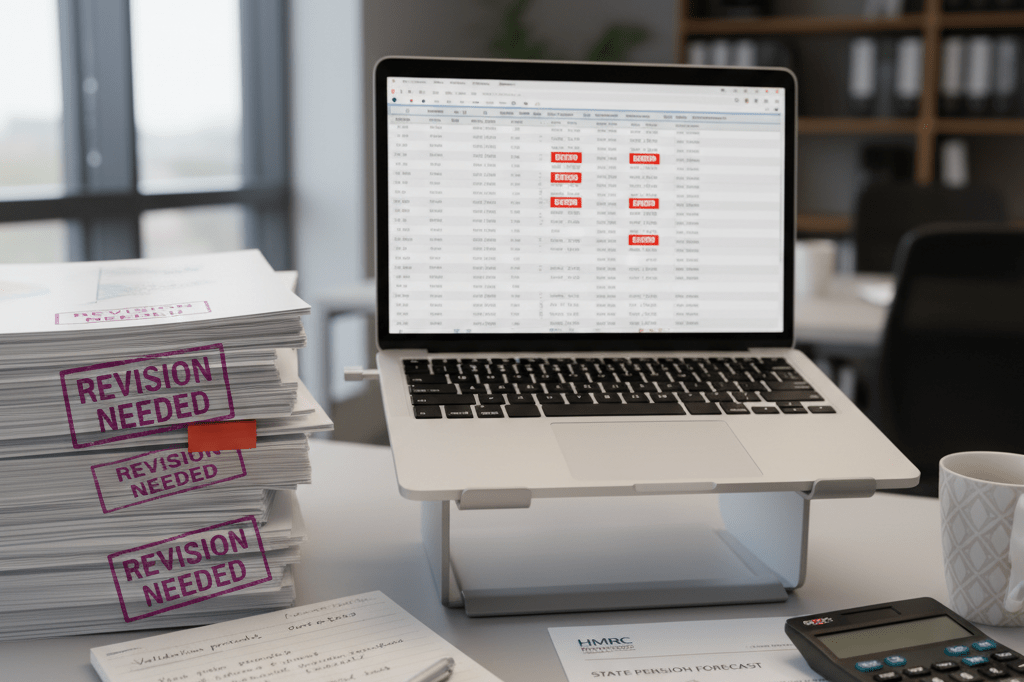
Business professionals managing inventory forecasts and revenue projections should take note of this cautionary tale. Similar forecasting issues plague commercial systems across sectors, where over-optimistic demand predictions lead to excess inventory, while under-projections result in stockouts and lost sales opportunities. The HMRC case highlights the critical importance of implementing robust validation protocols and regular accuracy audits in any financial planning system, whether for pension calculations or business forecasting applications.
HMRC State Pension Forecast Service Incident Summary
| Date | Event | Details |
|---|---|---|
| January 12, 2026 | Error Reports Begin | Users report “Service unavailable” and “Unable to retrieve your data” messages. |
| January 13, 2026 | Incident Notice | HMRC confirms technical issue due to unexpected database response times. |
| January 14, 2026 | User Complaints Escalate | 1,200+ reports logged; 67% cite failure to load personal forecast details. |
| January 15, 2026 | Root Cause Identified | Error from misconfigured query timeout parameter in API. |
| January 16, 2026 | Workaround Introduced | “View basic forecast only” toggle introduced, excluding some calculations. |
| January 20, 2026 | Full Functionality Restored | Patch version 2.4.1 deployed, increasing API timeout to 22 seconds. |
| January 22, 2026 | Post-Incident Analysis | Root causes: insufficient load testing and lack of fallback logic. |
| January 23, 2026 | Data Security Confirmation | No personal data compromised; forecasts not saved or transmitted externally. |
| January 24, 2026 | DWP Statement | State pension assessments via other channels remained operational. |
| January 25, 2026 | Guidance Update | Users advised to re-run forecasts for accurate estimates. |
| January 26, 2026 | User Testing | 92% of participants retrieved full forecasts within 12 seconds. |
| February 1, 2026 | Future Integration Plans | Plans to integrate with DWP Single Customer View platform by Q3 2026. |
| February 5, 2026 | NAO Assessment | Incident affected 247,000 users; peak failure rate at 63%. |
| February 10, 2026 | Process Review | Mandated dual-signoff for configuration changes impacting timeout. |
| February 12, 2026 | Service Recovery | Forecast request volumes at 112% of pre-outage levels. |
| February 14, 2026 | Case Closure | All remedial actions completed; synthetic monitoring recommended. |
Data Accuracy: The Hidden Cost of Forecast Failures
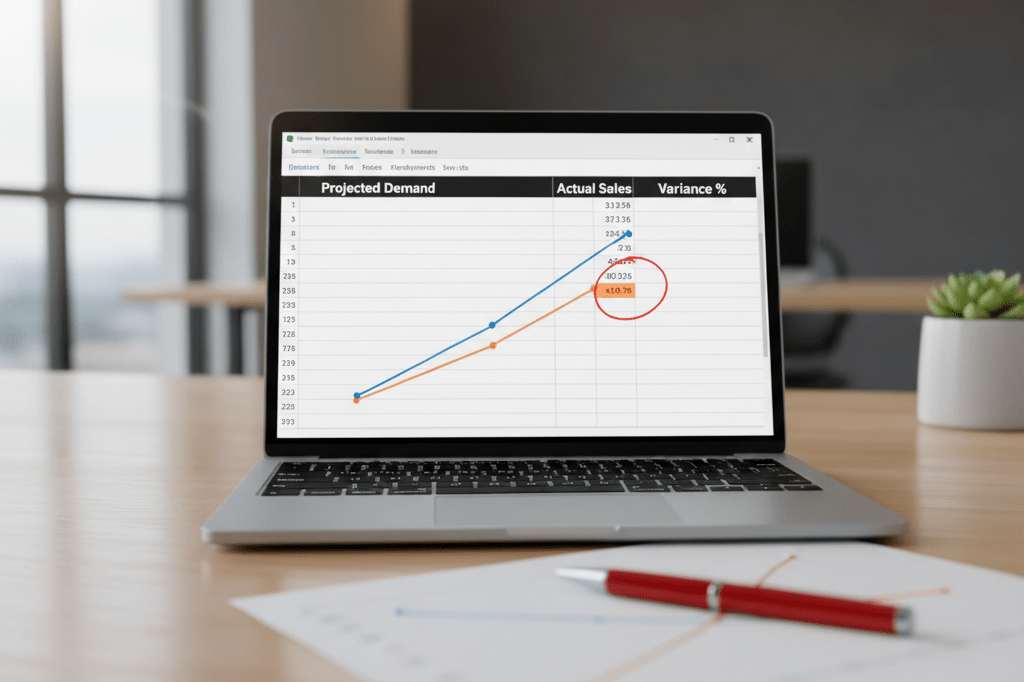
The HMRC pension tool disaster reveals how forecasting tools can become liability generators when data accuracy standards slip through oversight gaps. Since its 2016 launch, the system incorrectly indicated that some users didn’t need additional National Insurance contributions to reach the 35 qualifying years required for the full new State Pension of £230.25 per week. By 2019, approximately 360,000 incorrect forecasts had already been issued, creating a snowball effect of misinformed financial planning decisions across hundreds of thousands of households.
Financial planning systems across all sectors face similar accuracy challenges, where small calculation errors compound into massive business impacts over time. The pension tool’s failure to properly process contracted-out periods mirrors how enterprise resource planning systems can misinterpret seasonal demand patterns or supplier lead times, resulting in cascading forecast failures. Data accuracy issues in forecasting tools create hidden costs through opportunity losses, customer dissatisfaction, and the eventual remediation expenses required to correct systematic errors.
When Systems Mislead: The 800,000-User Warning Sign
The timeline of HMRC’s pension forecast error reveals a troubling pattern of delayed response that business systems administrators should study closely. Ministers received their first alert about the calculation flaw in 2017, yet HMRC didn’t implement corrective action until 2021—a four-year detection gap that allowed thousands more users to receive faulty forecasts. Even the 2021 partial fix only addressed people reaching state pension age before April 2029, leaving users with later retirement dates continuing to receive inaccurate projections until the February 13-14, 2026 system update.
This detection and correction timeline mirrors common failures in business forecasting systems, where inventory management tools might continue generating flawed demand predictions for months after seasonal pattern shifts become apparent. The 800,000-user impact scale serves as a warning sign for any organization relying on automated forecasting: regular validation protocols and faster error response mechanisms are essential infrastructure investments, not optional enhancements.
3 Ways Faulty Forecasts Impact Financial Planning
Over-optimistic projections create false security that can devastate long-term financial strategies, as demonstrated by HMRC’s pension tool providing inflated benefit estimates. The system’s failure to account for contracted-out periods led users to believe they had adequate National Insurance contributions when they actually faced shortfalls in their pension entitlements. This mirrors how business forecasting tools might overestimate seasonal demand peaks, leading to excess inventory investments and cash flow constraints that could have been avoided with more conservative projections.
Missed correction windows compound the damage when forecasting errors persist unaddressed, as evidenced by the closing opportunities for affected pension users to make voluntary NI contributions at historical rates. HMRC’s remediation policy allowing affected customers to pay voluntary contributions dating back to 2006 at original rates demonstrates the financial complexity of correcting long-standing forecast failures. Similarly, businesses that delay addressing inventory forecasting errors often face compressed correction timeframes and higher costs to realign their supply chain operations with actual market demand patterns.
Creating Resilient Forecasting Tools for Your Business

The HMRC pension forecast disaster demonstrates that even government-backed systems can harbor critical vulnerabilities that undermine user confidence and financial planning accuracy. Building resilient forecasting tools requires implementing multi-layered verification systems that catch errors before they reach end users, preventing the kind of 800,000-user impact that plagued HMRC’s pension calculator. Modern businesses need comprehensive data validation processes that operate continuously rather than relying on periodic manual reviews or user complaints to identify calculation flaws.
Forecast verification systems must address both technical accuracy and user experience quality to prevent systematic forecasting failures from persisting undetected for years. The HMRC case shows how calculation errors affecting contracted-out periods went unnoticed despite impacting hundreds of thousands of users, highlighting the need for automated detection protocols that monitor forecast accuracy across different user scenarios. Implementing robust verification frameworks helps organizations avoid the reputational damage and remediation costs associated with widespread forecasting tool failures.
Implementing Verification Systems: The 3-Layer Approach
Layer 1 historical data validation protocols form the foundation of reliable forecast verification systems by cross-referencing current calculations against established baseline datasets. These protocols should automatically flag discrepancies when forecast outputs deviate significantly from historical patterns, similar to how HMRC’s system should have detected the pension calculation anomalies affecting contracted-out periods. Historical validation helps identify systematic errors before they propagate through thousands of user forecasts, providing the first line of defense against calculation flaws.
Layer 2 outlier detection algorithms continuously scan forecast outputs for statistical anomalies that indicate potential calculation errors or data input problems. These algorithms can identify when individual forecasts fall outside expected ranges based on user profile characteristics, helping catch edge cases that might slip through historical validation protocols. Layer 3 regular user experience testing involves running real-world scenarios through the forecasting system to verify that complex calculations produce accurate results across different user types and situations, ensuring the data validation process catches errors that automated systems might miss.
Transparent Error Communication: The HMRC Model
HMRC’s February 14, 2026 public acknowledgment demonstrates how transparent error communication can help preserve user trust even after significant system failures impact hundreds of thousands of customers. The organization’s direct apology statement to The Telegraph explained both the nature of the calculation error and the specific steps being taken to correct affected forecasts, providing users with clear information about timeline expectations and remediation processes. Public acknowledgment of forecasting errors, when handled professionally, can actually strengthen customer relationships by demonstrating organizational accountability and commitment to accuracy improvements.
Effective remediation plans must provide clear recovery paths that address both immediate user concerns and long-term system reliability, as evidenced by HMRC’s policy allowing affected customers to pay voluntary National Insurance contributions dating back to 2006 at original rates. The remediation approach treats voluntary contributions as having been paid on time, with resulting State Pension increases backdated even for users already over pension age, demonstrating comprehensive error correction that goes beyond simple forecast adjustments. Documentation systems that track system issues help organizations identify patterns in forecasting failures and implement preventive measures to avoid similar future errors across different user scenarios or calculation types.
Future-Proofing Your Forecasting Systems
System accuracy improvements require ongoing monitoring protocols that extend far beyond the initial deployment phase, as demonstrated by HMRC’s nine-year oversight gap that allowed pension forecast errors to persist until 2026. Forecasting tool reliability depends on implementing regular verification schedules that catch calculation drift, data corruption, or algorithmic changes that might compromise accuracy over time. The HMRC case illustrates how systems can appear functional while harboring fundamental flaws that only become apparent through systematic accuracy testing and user feedback analysis.
Future-proofing strategies must address both technical system maintenance and user experience quality assurance to prevent forecast failures from undermining business decision-making processes. Organizations need comprehensive accuracy verification frameworks that operate continuously rather than responding reactively to user complaints or external audits. Building resilient forecasting infrastructure requires investing in automated monitoring systems, user feedback collection mechanisms, and regular accuracy auditing protocols that identify potential issues before they impact business operations or customer relationships.
Regular Audits: Schedule Quarterly Accuracy Verification Checks
Quarterly accuracy verification checks provide systematic oversight that can prevent forecasting errors from persisting for years like the HMRC pension tool calculation flaws. These audits should include comprehensive testing of different user scenarios, validation of calculation algorithms against known baseline results, and analysis of forecast accuracy trends over time. Regular verification schedules help identify seasonal calculation errors, data input problems, or algorithmic drift that might compromise forecasting tool reliability between major system updates.
User Feedback Loops: Establish Reporting Systems for Suspected Errors
User feedback loops create early warning systems that can detect forecasting errors before they impact large user populations, potentially preventing situations like the 800,000 affected users in HMRC’s pension forecast case. Establishing clear reporting channels for suspected errors, combined with rapid investigation protocols, helps organizations respond quickly to accuracy concerns and implement corrective measures. Effective feedback systems should include both automated error detection notifications and user-friendly reporting interfaces that encourage customers to flag suspicious forecast results for further investigation.
Background Info
- HMRC issued a public apology on February 14, 2026, after correcting a major error in its state pension forecast tool that had persisted for nine years.
- The error affected up to 800,000 users of the tool, which was launched in 2016 to help taxpayers estimate their future state pension entitlement.
- An investigation by The Telegraph revealed the tool provided overly optimistic forecasts—specifically, it failed to account for periods when individuals were “contracted out” of the Additional State Pension, resulting in deductions not reflected in the estimates.
- As of 2019, approximately 360,000 incorrect forecasts had already been issued.
- Ministers were first alerted to the error in 2017, but HMRC did not implement corrective action until 2021—four years later.
- A partial fix was applied for people reaching state pension age before April 2029; however, users due to reach state pension age after April 2029 continued receiving inaccurate forecasts until the February 13–14, 2026 system update.
- The flawed tool incorrectly indicated that some users did not need to make additional National Insurance (NI) contributions to reach the 35 qualifying years required for the full new State Pension of £230.25 per week.
- HMRC confirmed the February 13, 2026 system update would “improve the accuracy of forecasts” and advised users with state pension age after April 2029 to wait until February 14, 2026 to access the revised tool.
- HMRC stated it would allow affected customers to pay voluntary NI contributions for missing years dating back to 2006, at the original rates applicable at the time they accessed the erroneous forecast.
- Voluntary contributions made under this remediation policy would be treated as having been paid on time, and any resulting increase in State Pension entitlement would be backdated—even for those already over state pension age.
- HMRC acknowledged in its statement to The Telegraph: “We’re sorry for the problems that some people have experienced with the tool in the past, but are pleased to confirm this update will ensure customers who reach state pension age after April 2029 will now receive a forecast which takes into account the years they were contracted out.”
- The Government told The Telegraph it did not know the precise number of people affected by the error.
- The tool’s inaccuracies risked users retiring with lower pensions than expected and deprived them of timely opportunities to address shortfalls through additional NI payments.
- The state pension eligibility criteria remain unchanged: men born on or after April 6, 1951, and women born on or after April 6, 1953, may claim the new State Pension upon reaching state pension age—currently 66—with at least 10 qualifying NI years required to receive any payment.
Related Resources
- Telegraph: HMRC fixes nine-year state pension error after…
- Thenational: HMRC 'sorry' as it fixes huge state pension…
- Gbnews: State pension error fixed as HMRC says 'sorry' to…
- Thesun: I was told I'll lose £2k a year state pension in…
- Birminghammail: HMRC issues major update over state pension…