


Related search
Keyboards
Smart Products
Bag
Office Stationery
Get more Insight with Accio
Top 10 GMT Watch Design Trends for 2026: The Styles & Models Defining the Market
Top 10 GMT Watch Design Trends for 2026: The Styles & Models Defining the Market
7min read·Oriana·Mar 30, 2026
The GMT watch continues its remarkable evolution in 2026, perfectly balancing globetrotting functionality with sophisticated style. These dual-time masterpieces have transcended their aviation origins to become the ultimate expression of modern luxury and practicality. This isn’t just another list of expensive timepieces—it’s an expert forecast of the 10 most important design trends that are revolutionizing the GMT market this year. From innovative materials to unexpected color palettes, these trends are setting new standards for what the best GMT watches should offer. Whether you’re a collector seeking your next investment piece or an industry professional analyzing market directions, this visually rich guide provides both inspiration and critical insights into the styles, colors, and models that are defining the future of horological excellence.
Table of Contents
1. The Compact Traveler: The Rise of Sub-40mm Cases
2. Neo-Vintage Aesthetics: Charm of a Bygone Era
3. The ‘True’ GMT Movement Goes Mainstream
4. A Spectrum of Color: Beyond the ‘Pepsi’ Bezel
5. The Material World: Titanium and Bronze Take Center Stage
6. Monochromatic Minimalism: The Power of a Single Hue
7. The Microbrand Value Proposition: High Specs, Fair Price
8. Integrated Bracelet Sophistication
2. Neo-Vintage Aesthetics: Charm of a Bygone Era
3. The ‘True’ GMT Movement Goes Mainstream
4. A Spectrum of Color: Beyond the ‘Pepsi’ Bezel
5. The Material World: Titanium and Bronze Take Center Stage
6. Monochromatic Minimalism: The Power of a Single Hue
7. The Microbrand Value Proposition: High Specs, Fair Price
8. Integrated Bracelet Sophistication
Want to explore more about Top 10 GMT Watch Design Trends for 2026: The Styles & Models Defining the Market? Try the ask below
Top 10 GMT Watch Design Trends for 2026: The Styles & Models Defining the Market
1. The Compact Traveler
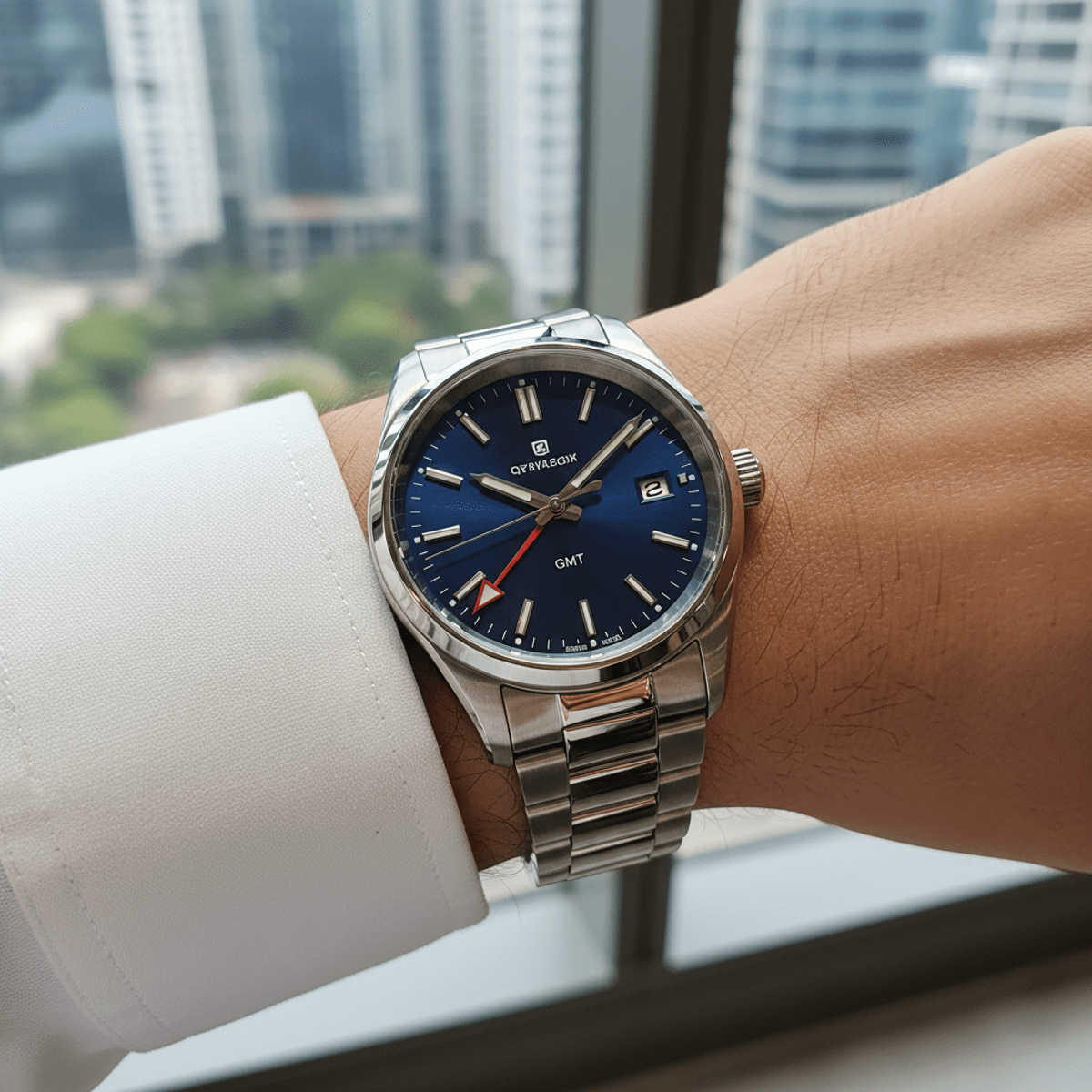

The Rise of Sub-40mm Cases: The oversized watch era has officially ended, replaced by a sophisticated demand for wearability and comfort. In 2026, the most transformative trend in GMT design is the widespread adoption of sub-40mm cases, with 39mm emerging as the sweet spot for modern travelers. Leading this movement are timepieces like the Longines Spirit Zulu Time 39mm, which delivers full dual-time functionality without the wrist fatigue of bulkier predecessors. These compact GMTs slide effortlessly under dress shirt cuffs during business meetings, yet maintain their robust presence during weekend adventures. The trend reflects a fundamental shift in consumer priorities—versatility over visual impact. For watchmakers, this represents a golden opportunity to develop more ergonomic designs that appeal to a broader demographic, including those with smaller wrists who were previously excluded from the GMT category.
2. Neo-Vintage Aesthetics
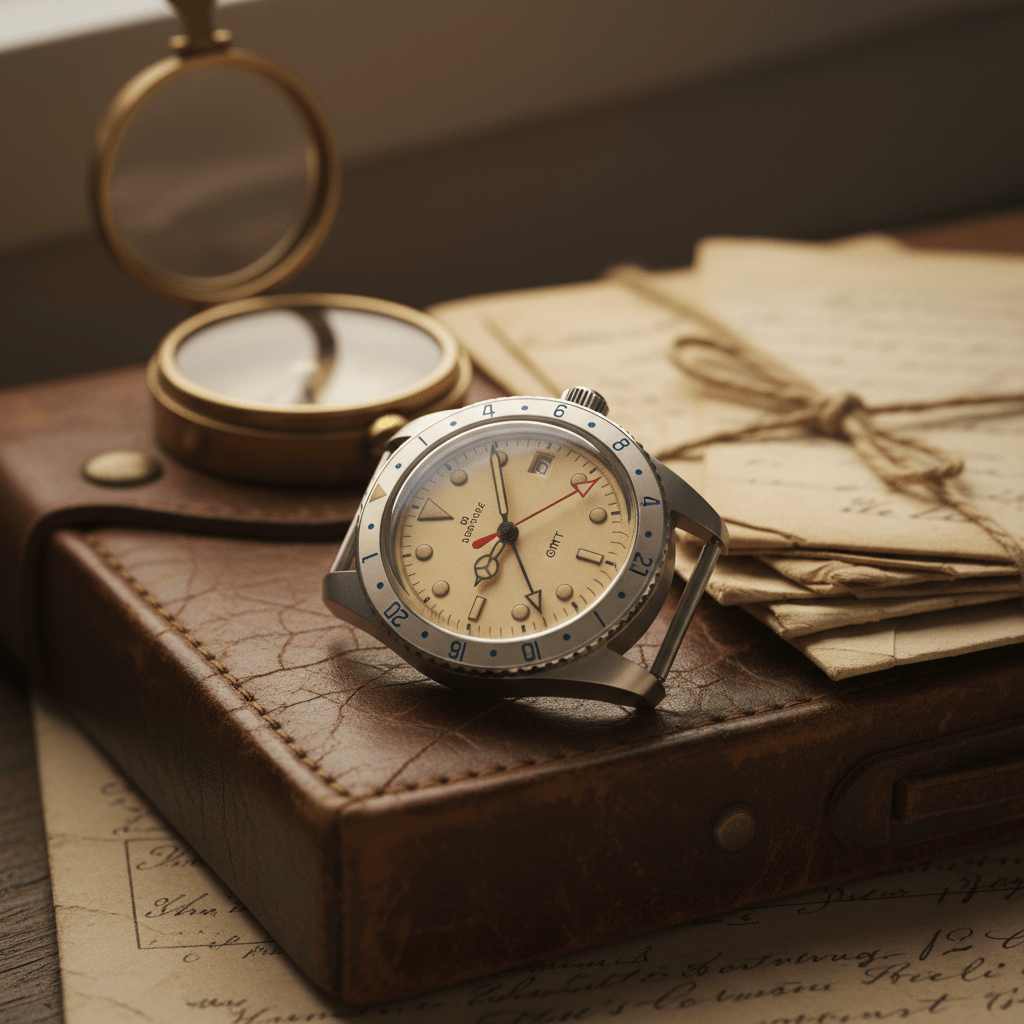
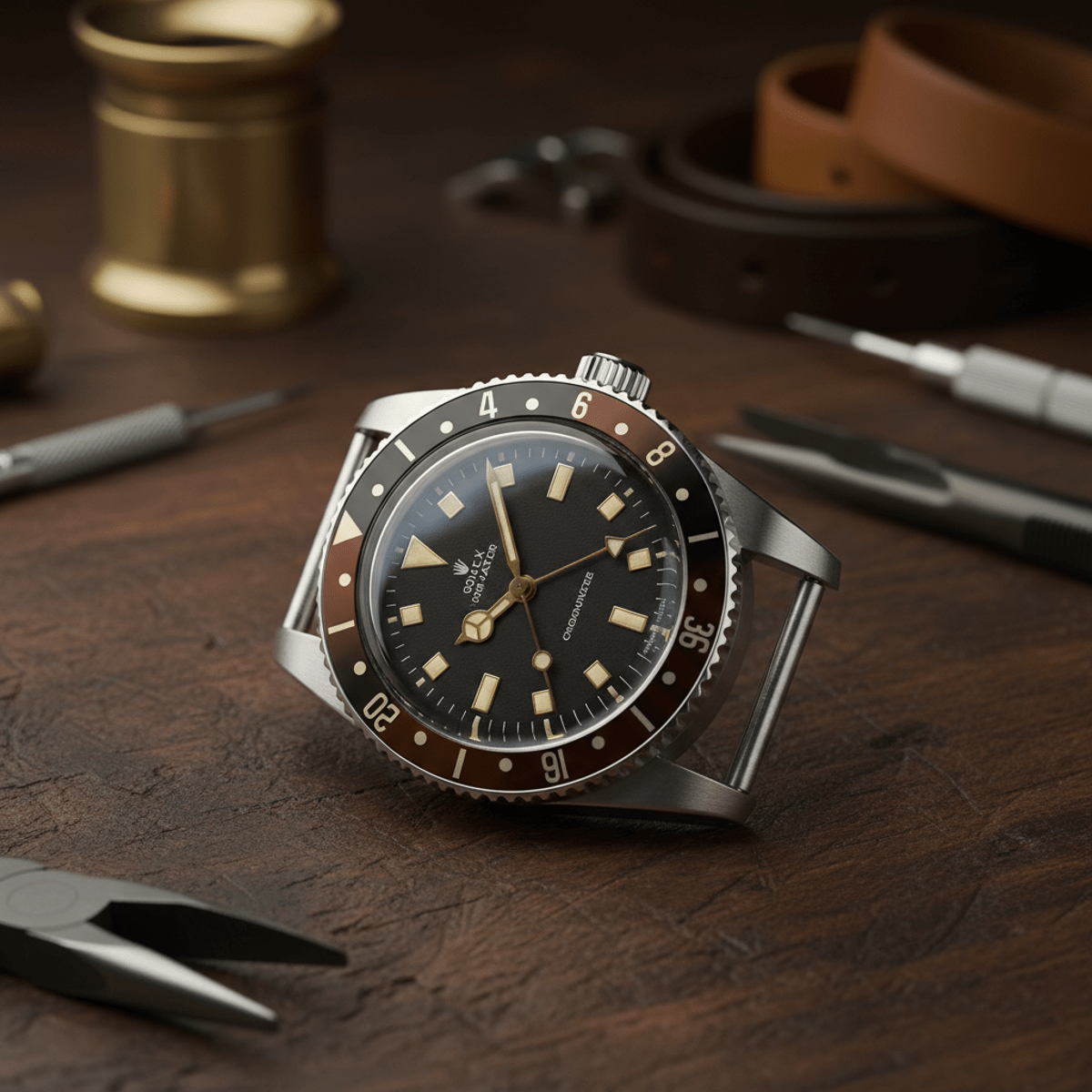
Charm of a Bygone Era: Nostalgia continues to be a defining force in 2026’s best GMT watches, with neo-vintage design elements creating an irresistible blend of classic charm and modern reliability. This trend encompasses creamy ‘fauxtina’ luminous markers that evoke aged radium, domed sapphire crystals that mimic vintage acrylic, and clean, uncluttered dial layouts reminiscent of 1960s tool watches. Brands like Baltic and Tudor have mastered this aesthetic, creating timepieces that feel like treasured family heirlooms straight from the boutique. The appeal lies in storytelling—each watch carries the visual DNA of horological history while delivering contemporary performance standards. This design philosophy resonates deeply with consumers seeking authenticity and character in an increasingly digital world, making neo-vintage GMTs essential for any collection focused on emotional connection and timeless appeal.
3. The ‘True’ GMT Movement Goes Mainstream
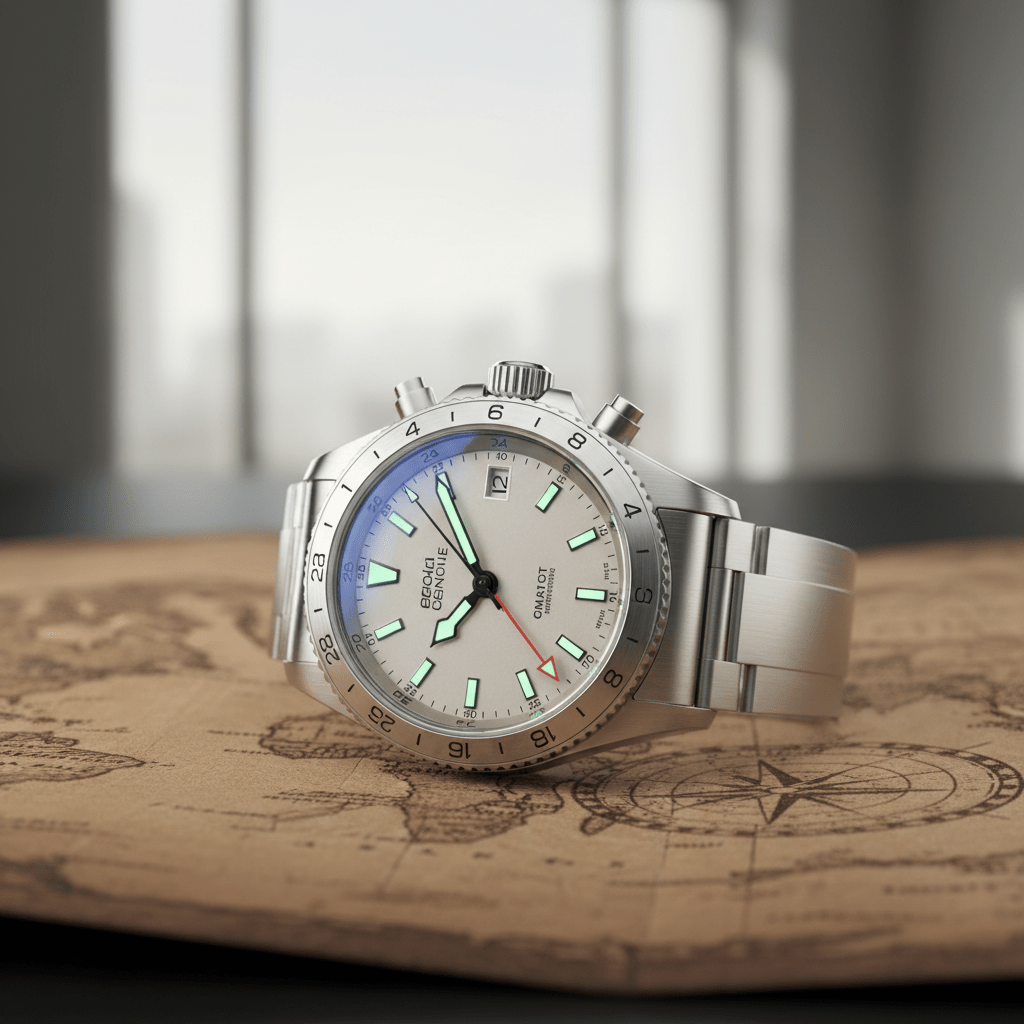
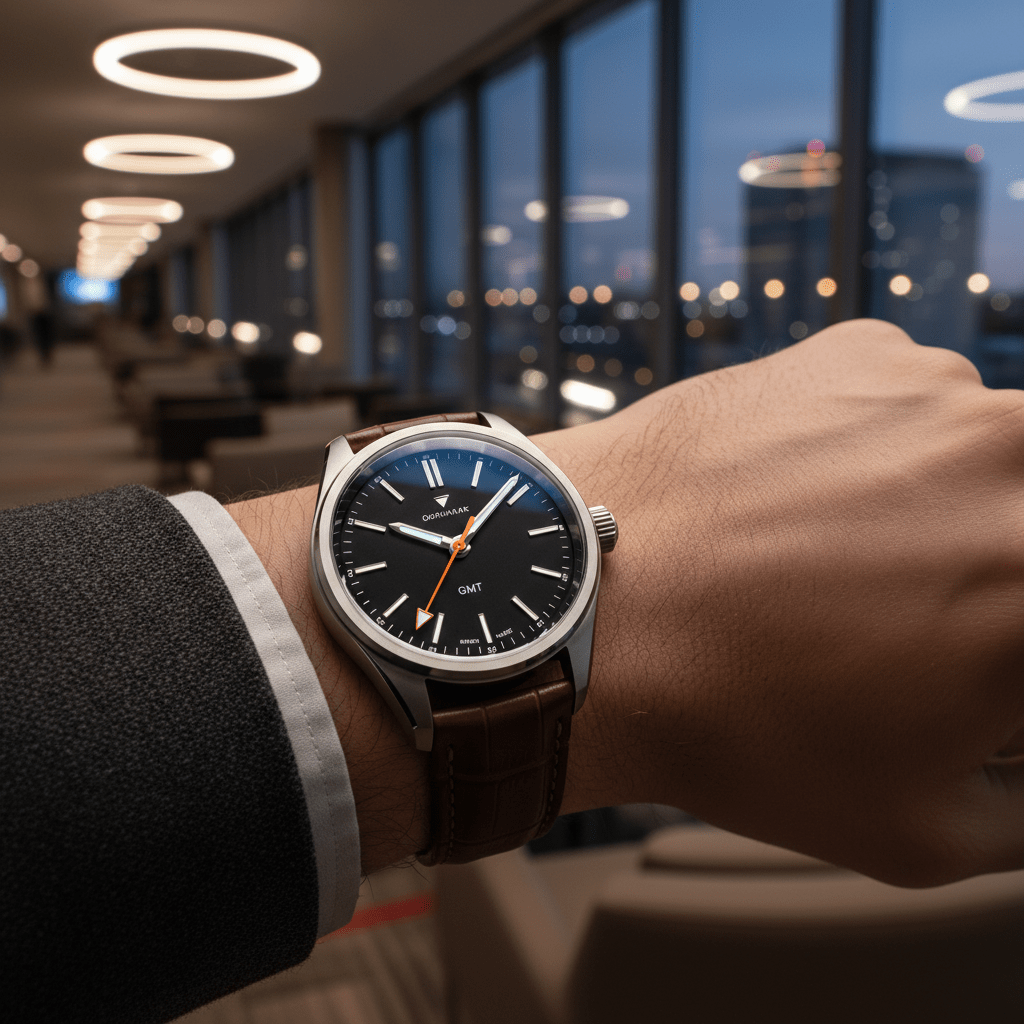
The horological landscape of 2026 has democratized one of watchmaking’s most coveted complications: the ‘flyer’ or ‘true’ GMT function. Previously reserved for luxury brands commanding five-figure prices, this traveler-focused complication—featuring an independently adjustable local hour hand—is now accessible across multiple price tiers. New movement architectures and manufacturing efficiencies have enabled microbrands and mid-tier manufacturers to incorporate this premium functionality without compromising affordability. The technical advantage is significant: travelers can adjust their local time without disturbing the GMT hand or stopping the watch, maintaining accuracy across time zones. This democratization has educated consumers who now actively seek true GMT capability, making it a crucial differentiator in the competitive travel watch segment. Brands neglecting this feature risk obsolescence in a market that increasingly values genuine utility over superficial complications.
4. A Spectrum of Color
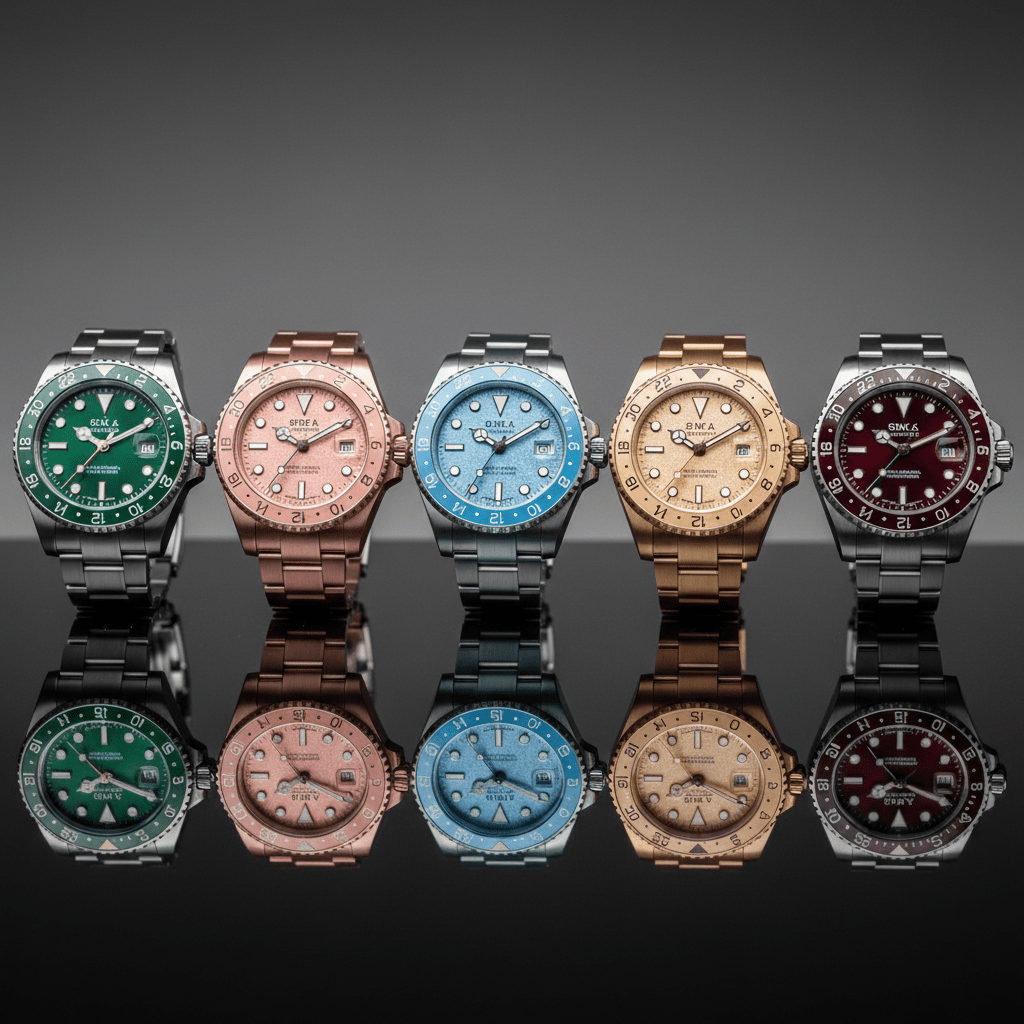
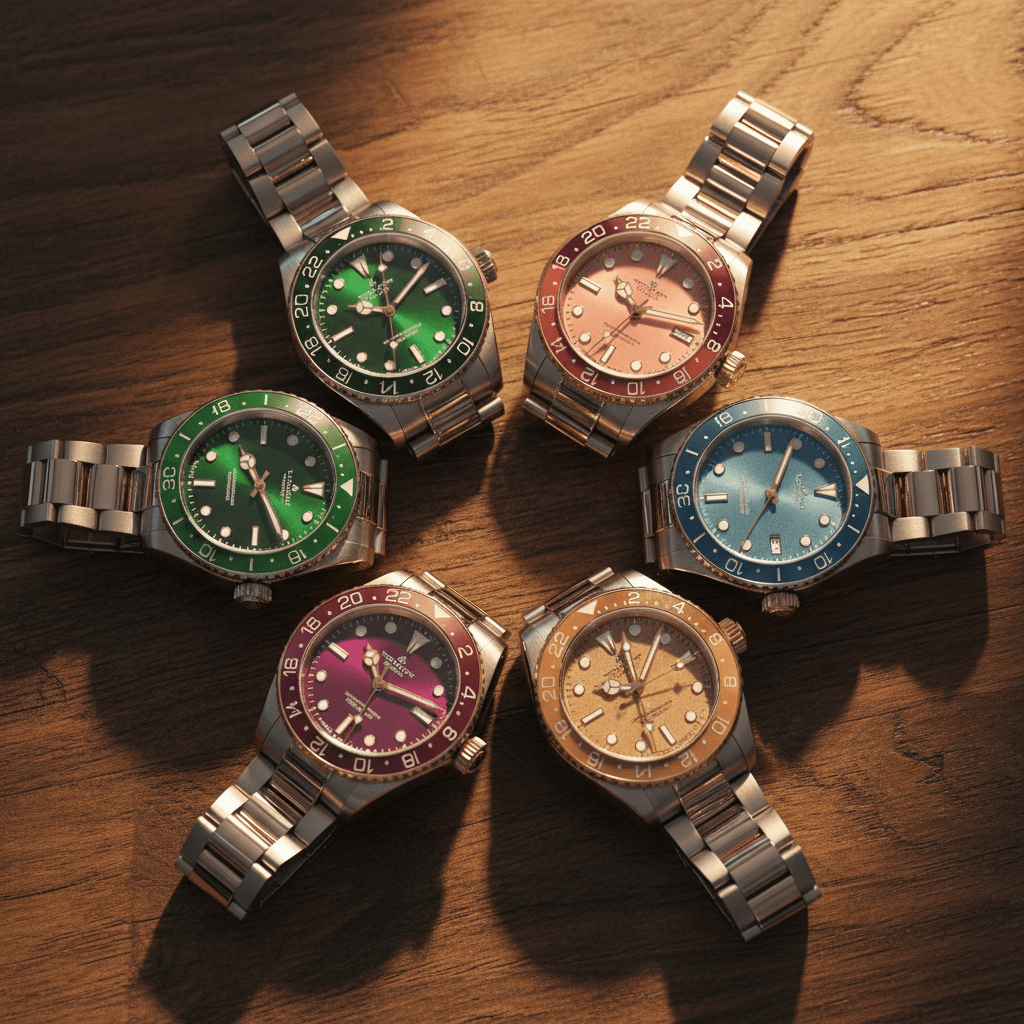
Beyond the ‘Pepsi’ Bezel: While the iconic red-and-blue ‘Pepsi’ bezel maintains its legendary status, 2026’s most exciting GMT watches are embracing an unprecedented spectrum of color combinations. Watch dials and rotating bezels now feature rich forest greens, elegant salmon pinks, striking ice blues, warm sand tones, and deep burgundy hues that would have been unthinkable just a few years ago. Progressive brands like Farer, Oris, and Mido are leading this chromatic revolution, proving that GMT functionality can coexist beautifully with bold personal expression. These adventurous palettes serve multiple purposes: they differentiate products in crowded markets, appeal to younger demographics seeking individuality, and create emotional connections that transcend pure functionality. For manufacturers, this trend represents a vast canvas for innovation, allowing the creation of eye-catching limited editions and seasonal collections that generate excitement and drive sales through visual impact alone.
5. The Material World
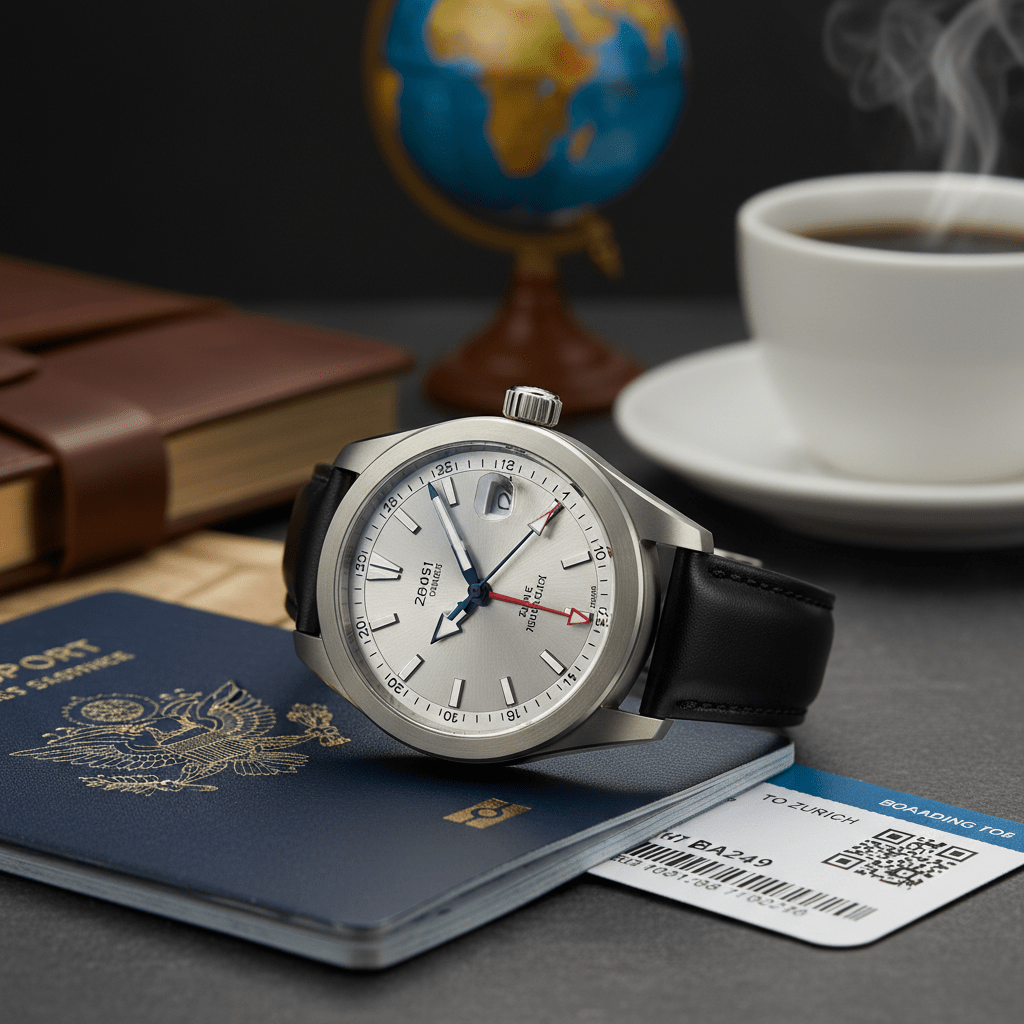
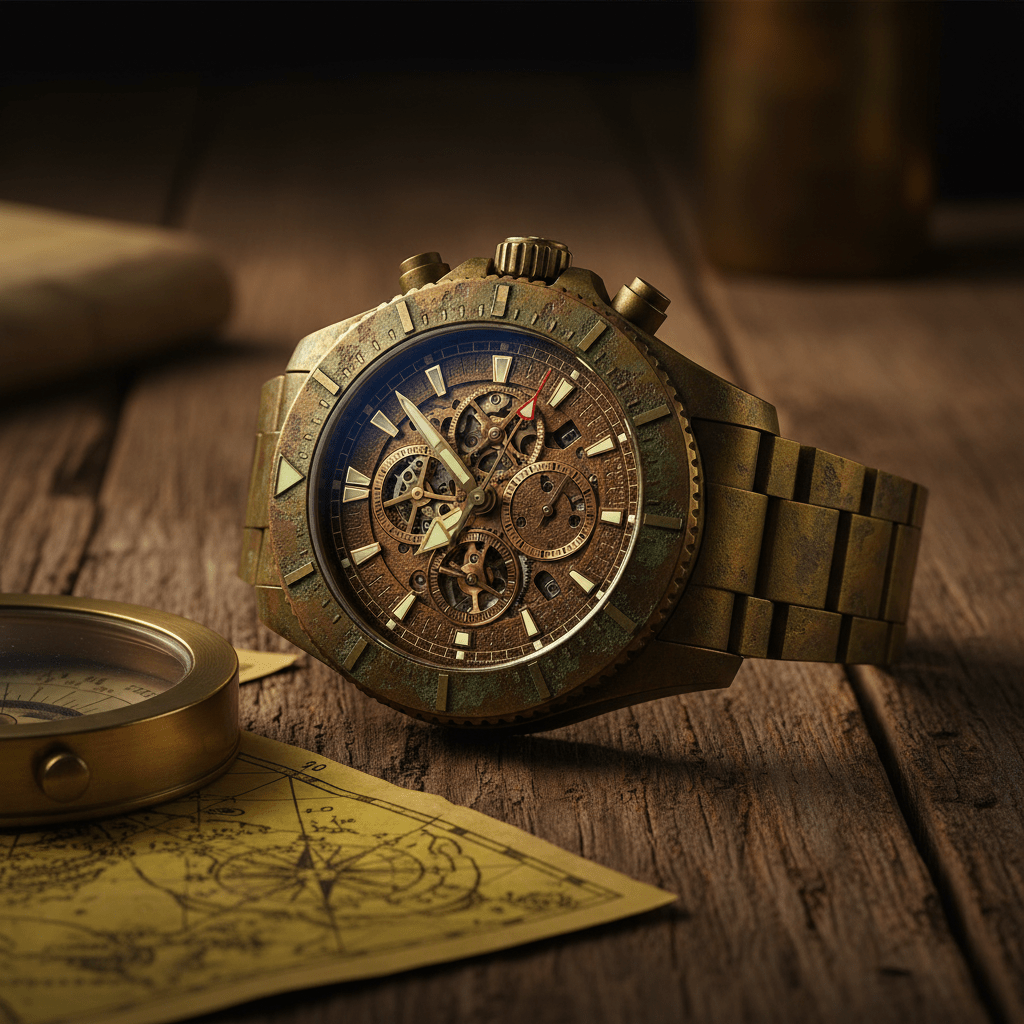
Titanium and Bronze Take Center Stage: The material revolution in GMT watches extends far beyond traditional stainless steel, with titanium and bronze emerging as the metals of choice for discerning collectors in 2026. Grade 2 and Grade 5 titanium offer compelling advantages: they’re 40% lighter than steel, completely hypoallergenic, and possess a subtle, modern luster that photographs beautifully under any lighting condition. This makes titanium GMTs perfect for frequent travelers who prioritize comfort during long-haul flights. Conversely, bronze represents the opposite aesthetic philosophy—each timepiece develops a unique, living patina over time, creating a one-of-a-kind artifact that reflects its owner’s adventures. Brands like Oris, Christopher Ward, and numerous microbrands have proven that these alternative materials aren’t merely novelties but represent substantial market segments. The choice between titanium’s futuristic appeal and bronze’s organic evolution allows consumers to select materials that align with their lifestyle and aesthetic preferences.
6. Monochromatic Minimalism
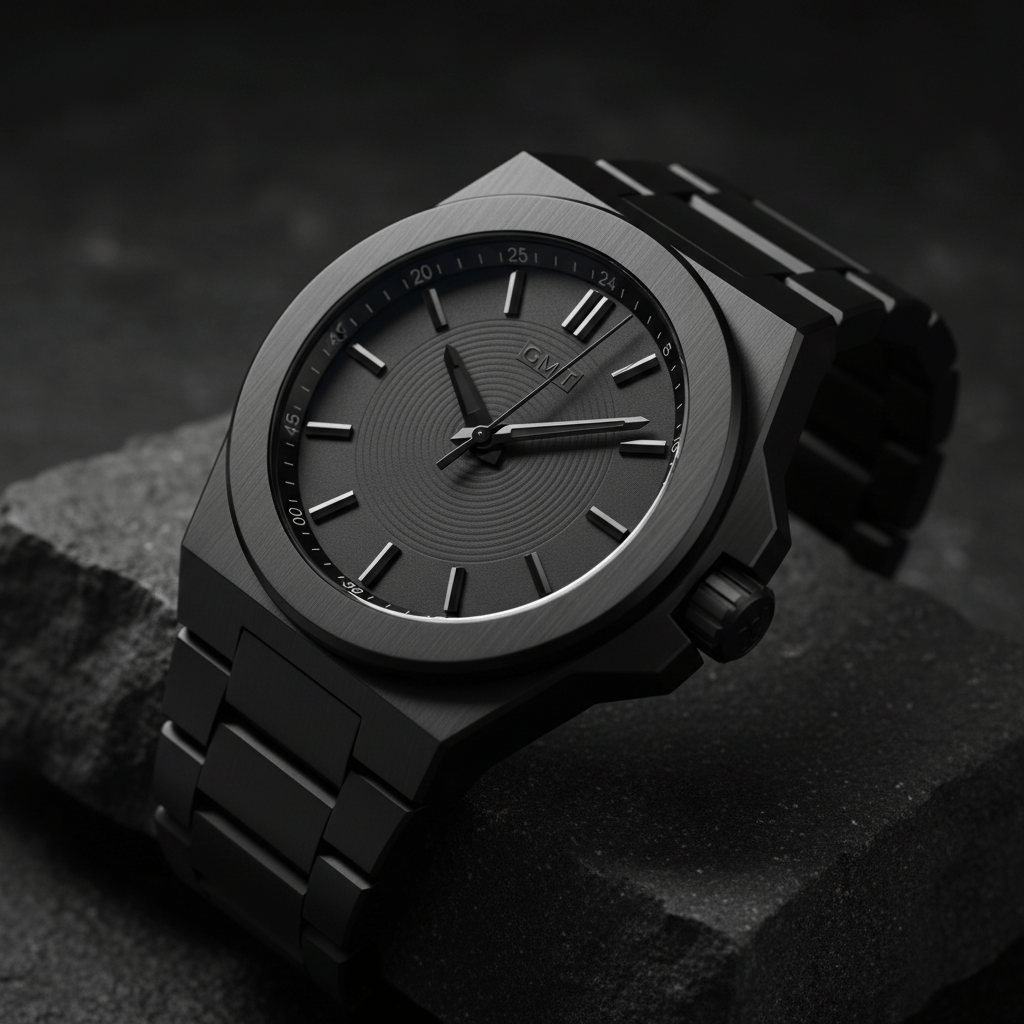
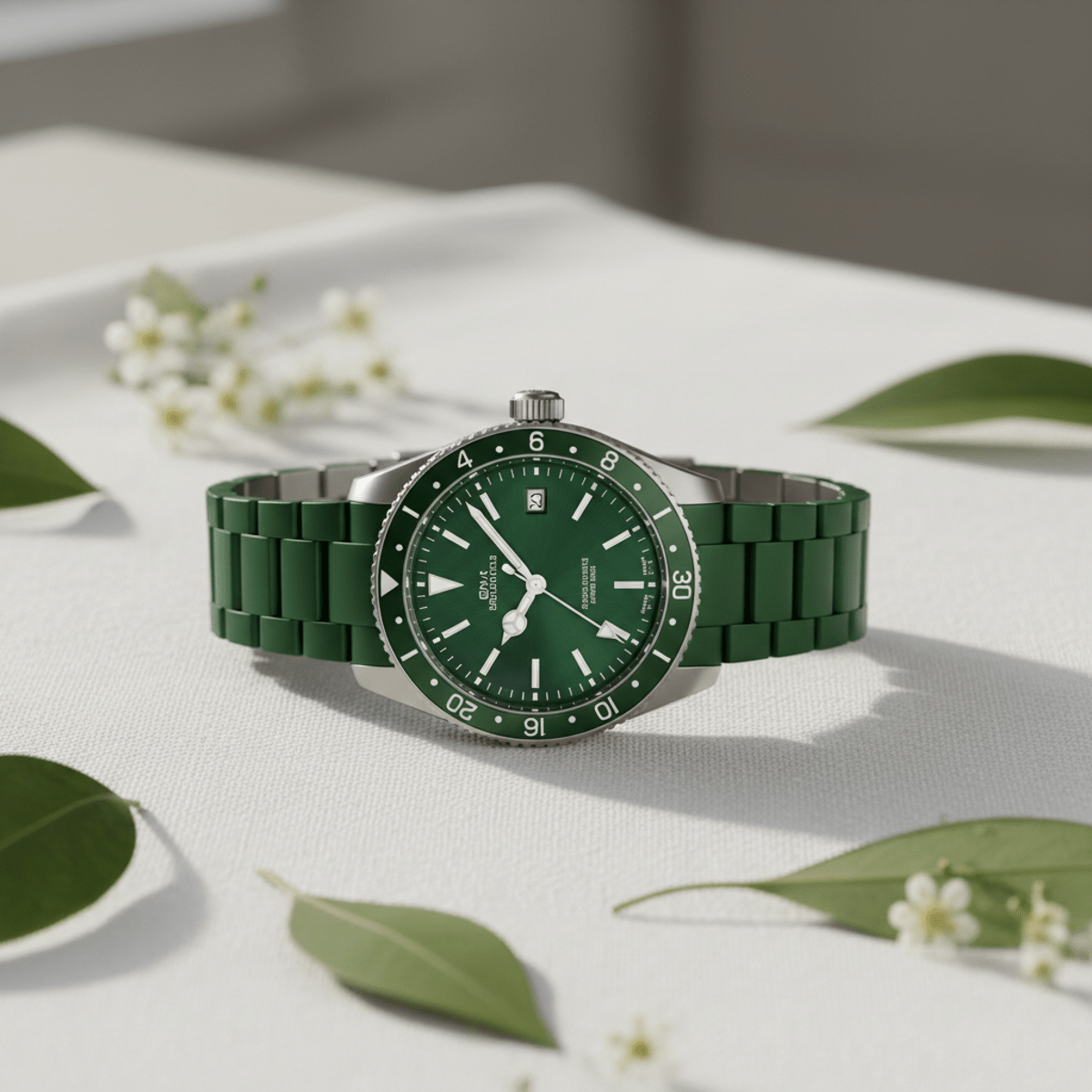
The Power of a Single Hue: In striking contrast to the explosion of colorful GMT watches, 2026 also celebrates the sophisticated restraint of monochromatic design philosophy. This approach involves harmonizing the dial, bezel, and even bracelet in a single, carefully selected color palette—whether it’s deep ceramic black, bold navy blue, pristine polar white, or rich forest green. The result is a cohesive, architecturally striking timepiece that projects confidence and intentionality. Grand Seiko’s ceramic GMT models and Christopher Ward’s monochrome releases exemplify this trend, proving that visual impact doesn’t require chromatic complexity. This minimalist strategy creates strong brand identity while appealing to consumers who prefer understated luxury over flashy displays. For designers, mastering monochromatic palettes requires sophisticated understanding of texture, finish, and proportion to maintain visual interest without relying on color contrast—a challenging but rewarding approach that defines premium positioning.
7. The Microbrand Value Proposition
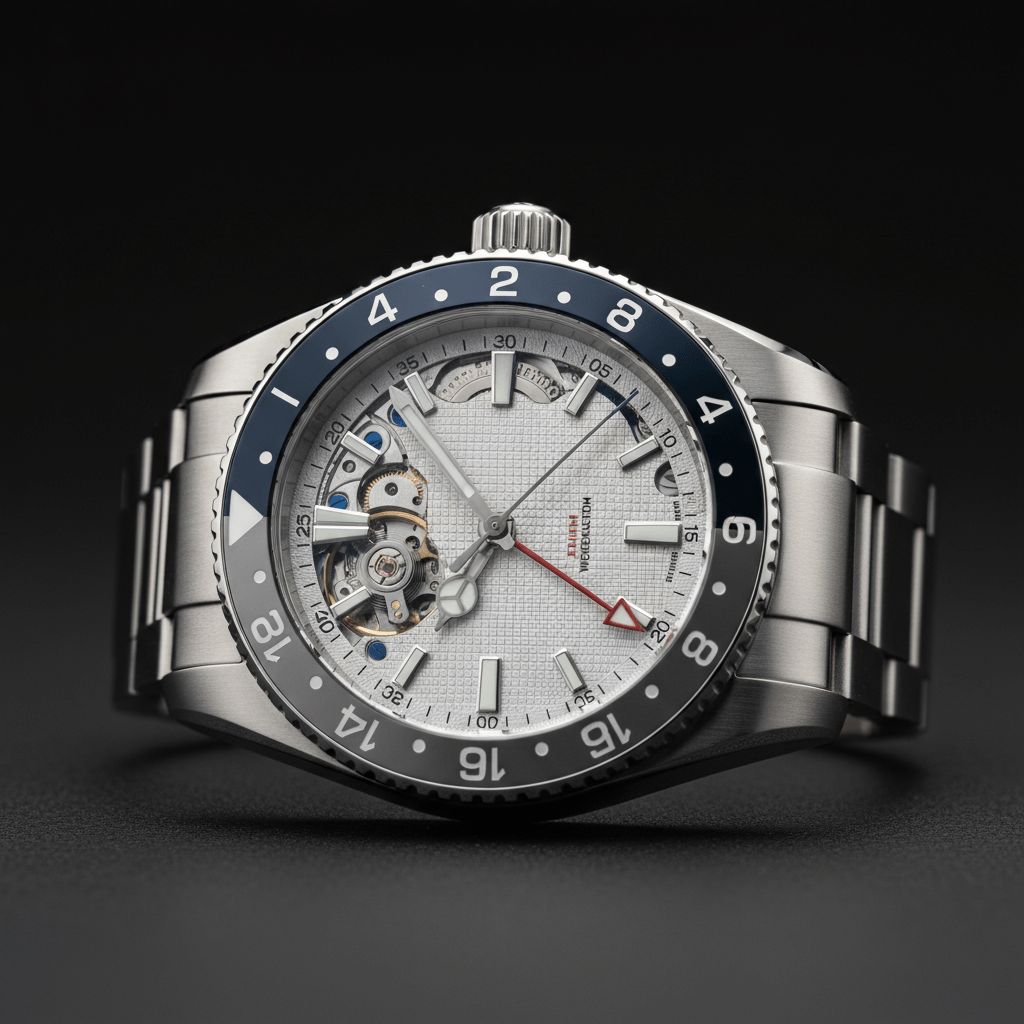
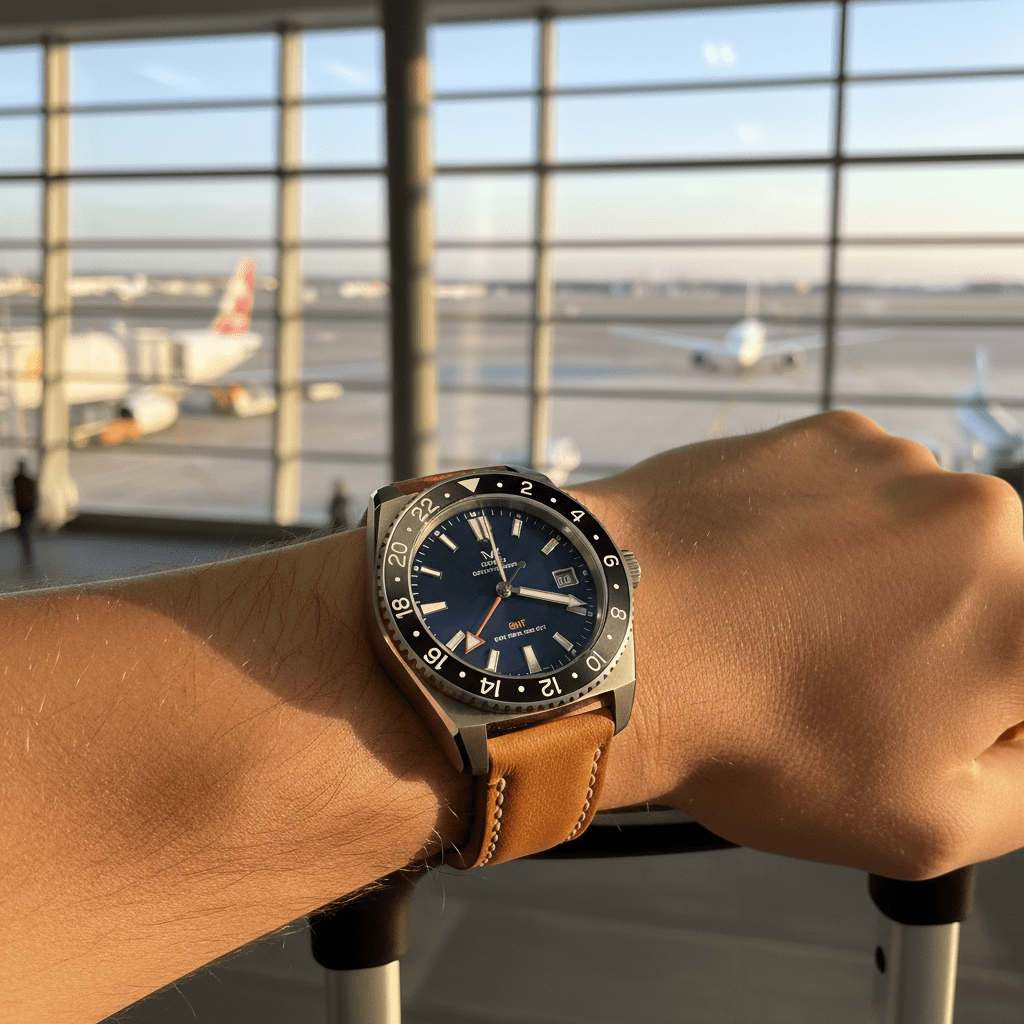
High Specs, Fair Price: The microbrand revolution reaches new heights in 2026, with small, agile companies delivering GMT watches that challenge established Swiss and Japanese manufacturers on both specifications and value. Brands like Zelos, Jack Mason, Maen, and Lorier are producing timepieces with sapphire crystals, high-beat automatic movements, 200-meter water resistance, and premium finishing at price points that would have been impossible from traditional manufacturers. Their direct-to-consumer business models eliminate retailer markups, while their smaller scale allows for innovative designs and rapid response to market trends. These microbrands serve as crucial indicators of consumer preferences, often debuting design concepts that larger brands later adopt. For industry professionals, monitoring microbrand releases provides valuable market intelligence about emerging trends, price sensitivity, and feature preferences that inform larger-scale product development and positioning strategies.
8. Integrated Bracelet Sophistication
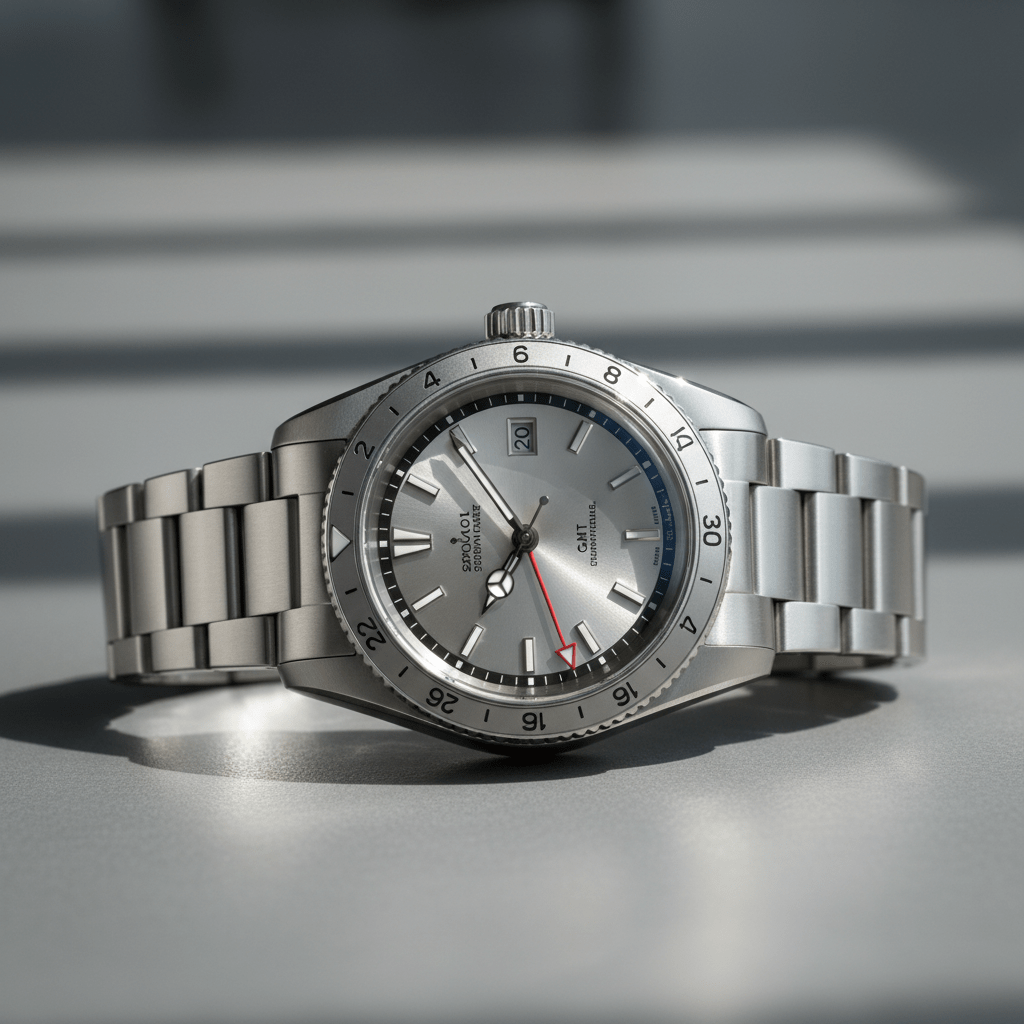
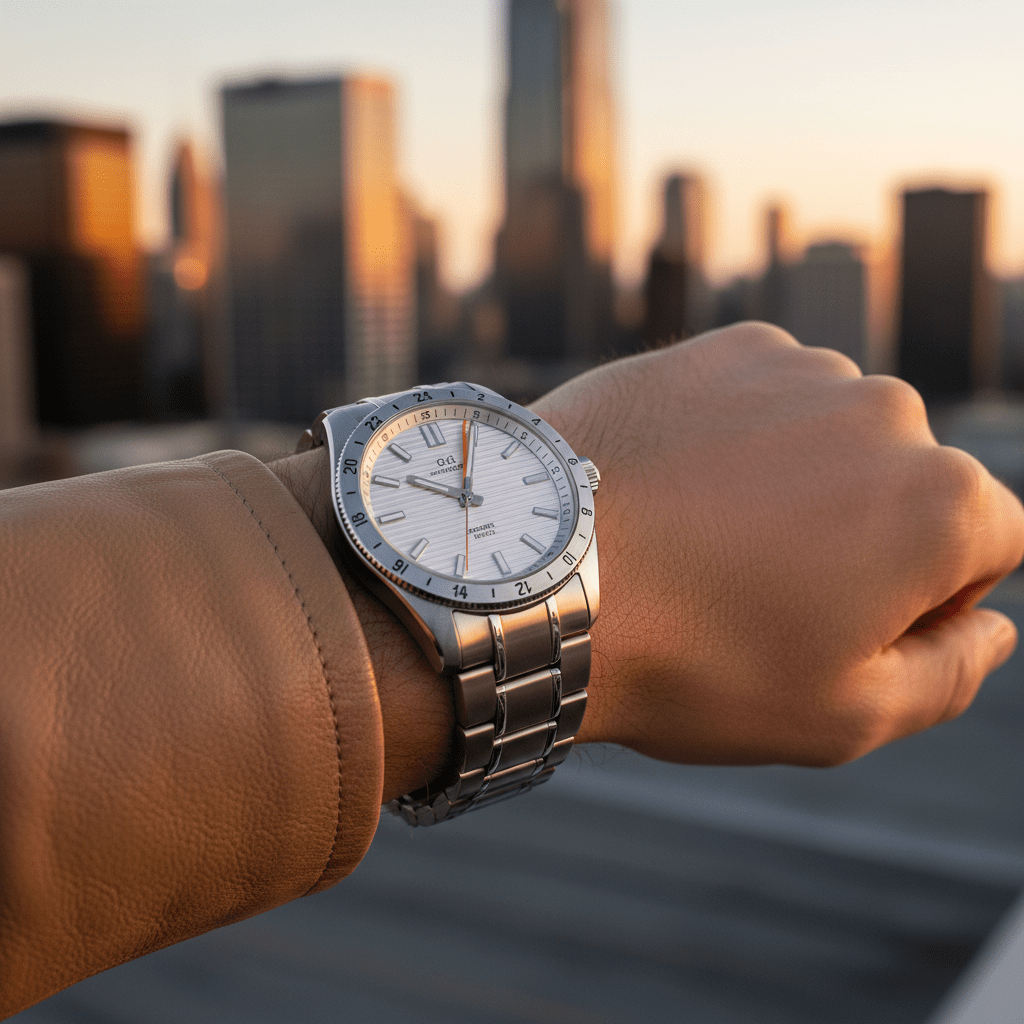
The architectural elegance of integrated bracelet design has found its perfect expression in GMT watches, creating timepieces that seamlessly blend sports functionality with dress watch sophistication. This 1970s-inspired trend, where the bracelet flows organically from the watch case without visible lugs, has been refined and modernized for contemporary tastes. Brands like Tissot with their PRX GMT and Frederique Constant’s Highlife series demonstrate how integrated construction elevates a travel watch from mere tool to statement piece. The complex engineering required to achieve seamless case-to-bracelet transitions while maintaining comfort and durability represents a significant design challenge that separates premium offerings from basic models. This aesthetic choice appeals particularly to professionals who need a single watch for both boardroom presentations and weekend adventures, making integrated GMT watches essential for the modern luxury sports watch category.
The GMT watch landscape of 2026 reveals a market in sophisticated transition, defined by three core principles: enhanced wearability, expressive individuality, and democratized luxury. The shift toward sub-40mm cases, explosion of color options, and accessibility of true GMT complications aren’t fleeting trends—they represent fundamental changes in consumer expectations and manufacturing capabilities. From titanium’s lightweight modernity to bronze’s living patina, from monochromatic minimalism to chromatic boldness, today’s best GMT watches offer unprecedented choice for every aesthetic preference and functional need. For retailers, these trends provide a roadmap for curating collections that resonate with contemporary consumers. For emerging brands, they reveal opportunities to differentiate through innovative materials, accessible pricing, and bold design choices that established players may be reluctant to explore. Transform these market insights into your competitive advantage with Accio, our revolutionary AI sourcing platform. Whether you need suppliers for exotic dial colors, manufacturers specializing in titanium cases, or real-time market data to validate your next product line, Accio connects you directly with verified partners worldwide. Stop following trends and start creating them—explore Accio today and turn these 2026 GMT watch insights into your next bestselling collection.