


Related search
T-Shirt
Fishing Reels
Wine Accessories
Varsity Jacket
Get more Insight with Accio
8 Glass Kettle Design Trends Redefining Kitchens in 2026
8 Glass Kettle Design Trends Redefining Kitchens in 2026
6min read·Oriana·Mar 9, 2026
The humble kettle is no longer just for boiling water; it’s a centerpiece of modern kitchen design. As we head into 2026, the glass kettle is evolving, blending cutting-edge technology with artisanal aesthetics and a deep commitment to sustainability. Today’s consumers expect their appliances to serve multiple roles – functional tools, design statements, and expressions of personal values. The glass kettle market has responded with innovations that go far beyond simple water heating. From voice-activated smart systems to sculptural forms that double as countertop art, these eight trends represent the future of kitchen appliance design. Whether you’re seeking inspiration for your own kitchen or looking to understand market direction, these trends showcase how traditional functionality meets contemporary lifestyle demands in remarkable ways.
Table of Contents
1. The Sculptural Statement Kettle
2. Japandi-Inspired Naturalism
3. The Integrated Tea Infuser System
4. Smart, Seamless & Voice-Activated
5. Moody Hues & Matte Finishes
6. Eco-Conscious & Repairable Design
7. The Retro-Futurist Form
8. Interactive LED Temperature Feedback
2. Japandi-Inspired Naturalism
3. The Integrated Tea Infuser System
4. Smart, Seamless & Voice-Activated
5. Moody Hues & Matte Finishes
6. Eco-Conscious & Repairable Design
7. The Retro-Futurist Form
8. Interactive LED Temperature Feedback
Want to explore more about 8 Glass Kettle Design Trends Redefining Kitchens in 2026? Try the ask below
8 Glass Kettle Design Trends Redefining Kitchens in 2026
1. The Sculptural Statement Kettle
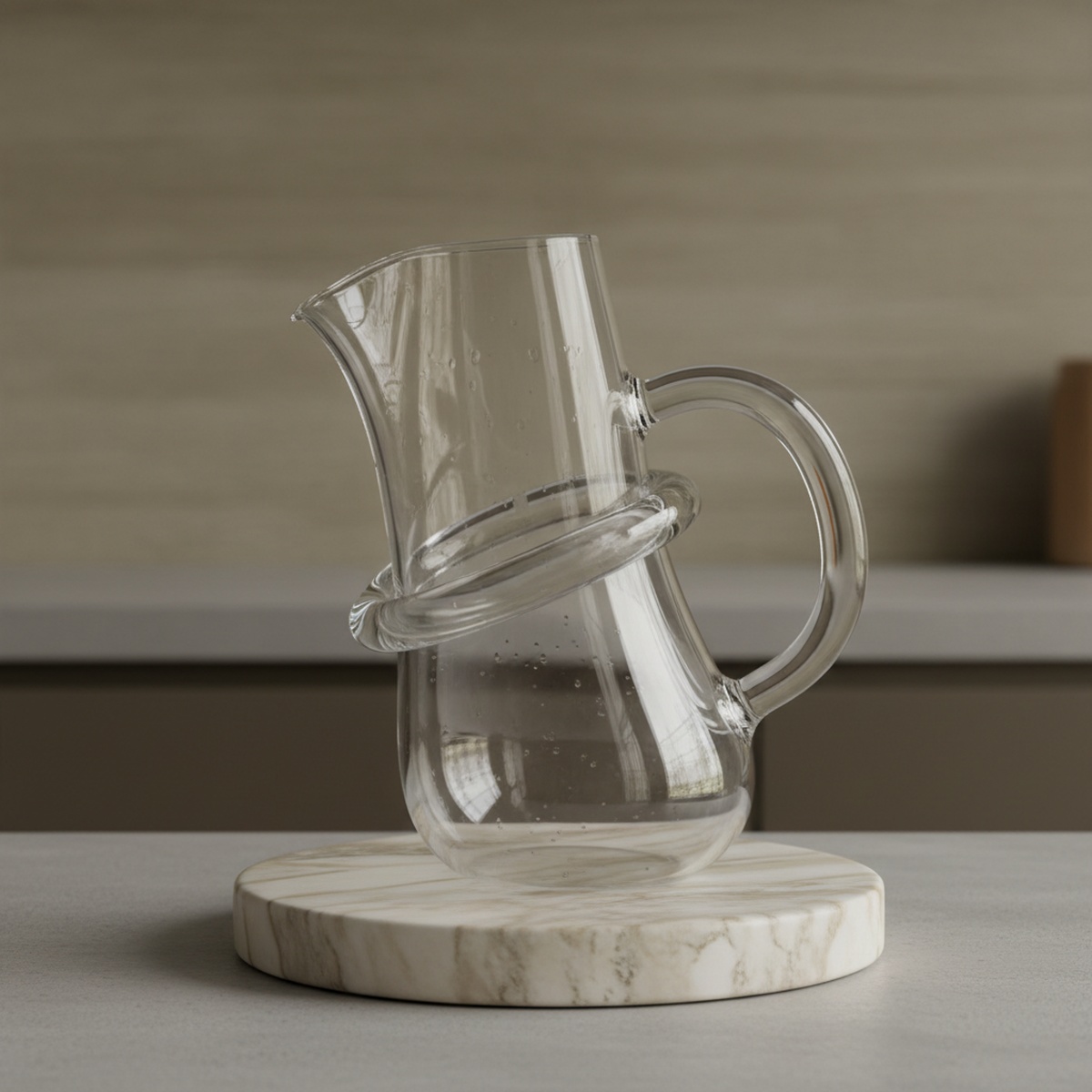
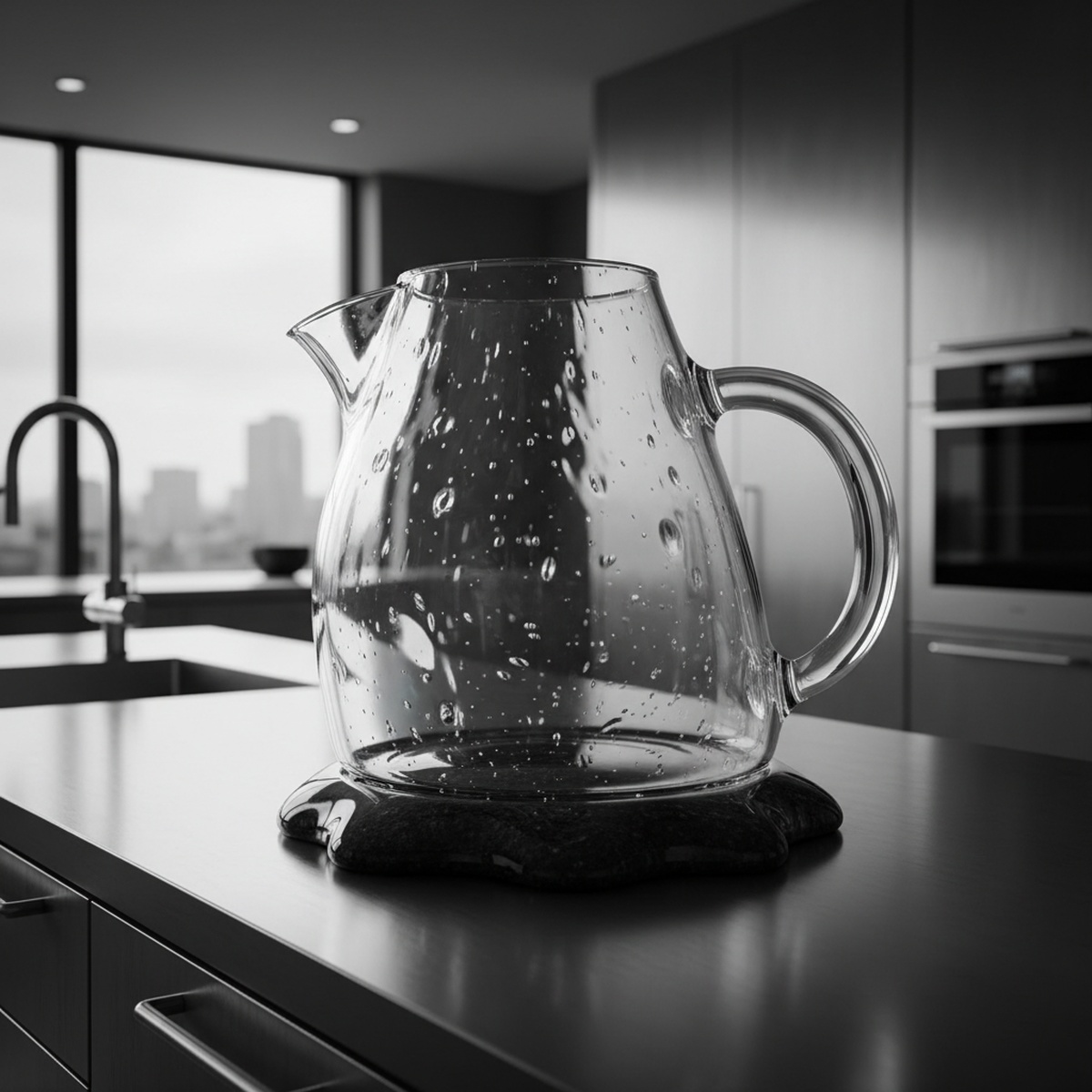
Moving beyond pure function, the sculptural kettle acts as a piece of countertop art that commands attention even when not in use. These 2026 designs feature asymmetric forms, unique handle placements, and bases that mimic natural stone or marble textures. The borosilicate glass carafes themselves showcase dramatic curves or intentional hand-blown-style imperfections that catch and refract light beautifully. Some models feature handles that wrap around the body in unexpected ways or bases with organic, flowing lines. This trend appeals to consumers who view their kitchen as a gallery space, where every appliance contributes to the overall aesthetic narrative. The sculptural approach transforms the daily ritual of boiling water into an interaction with functional art.
2. Japandi-Inspired Naturalism
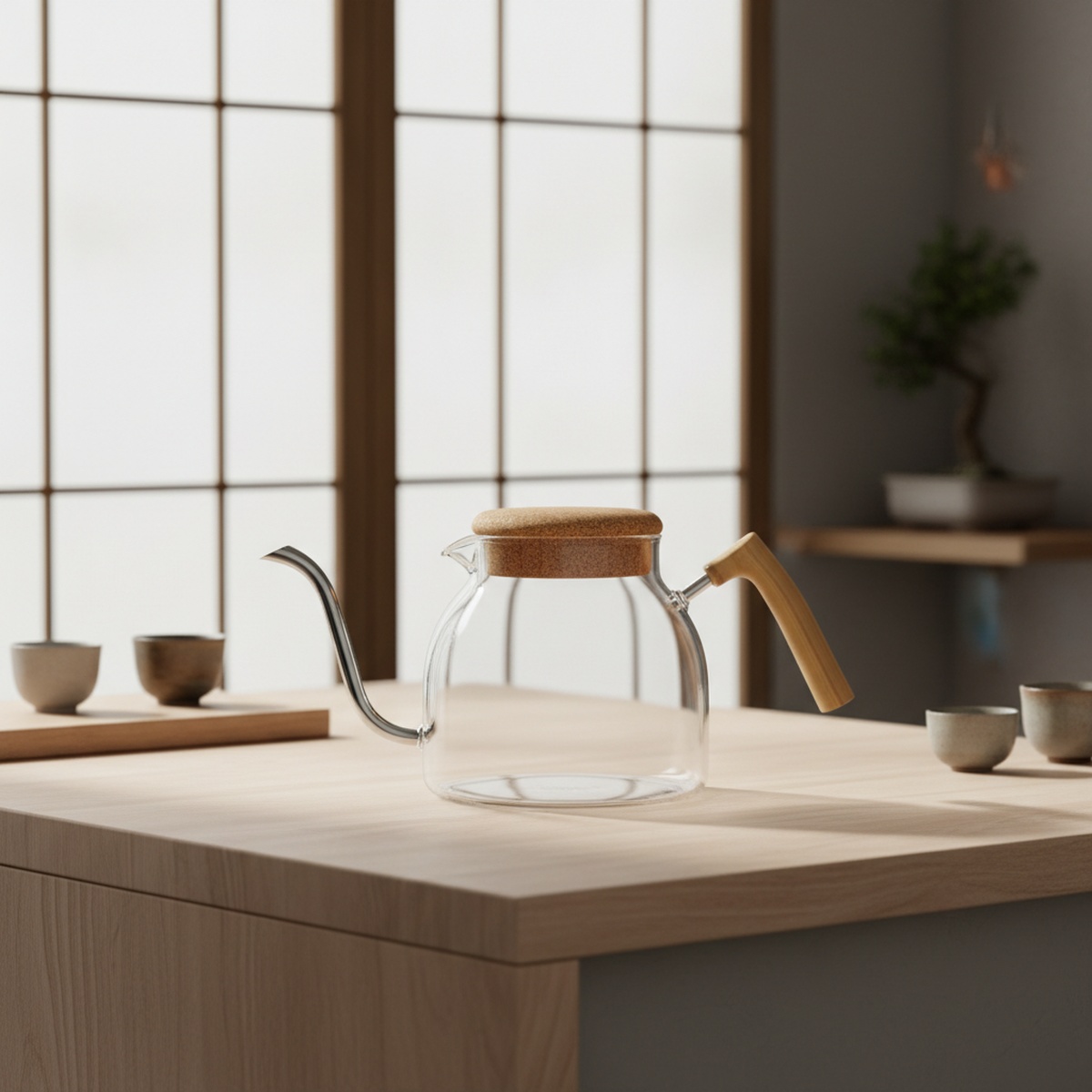
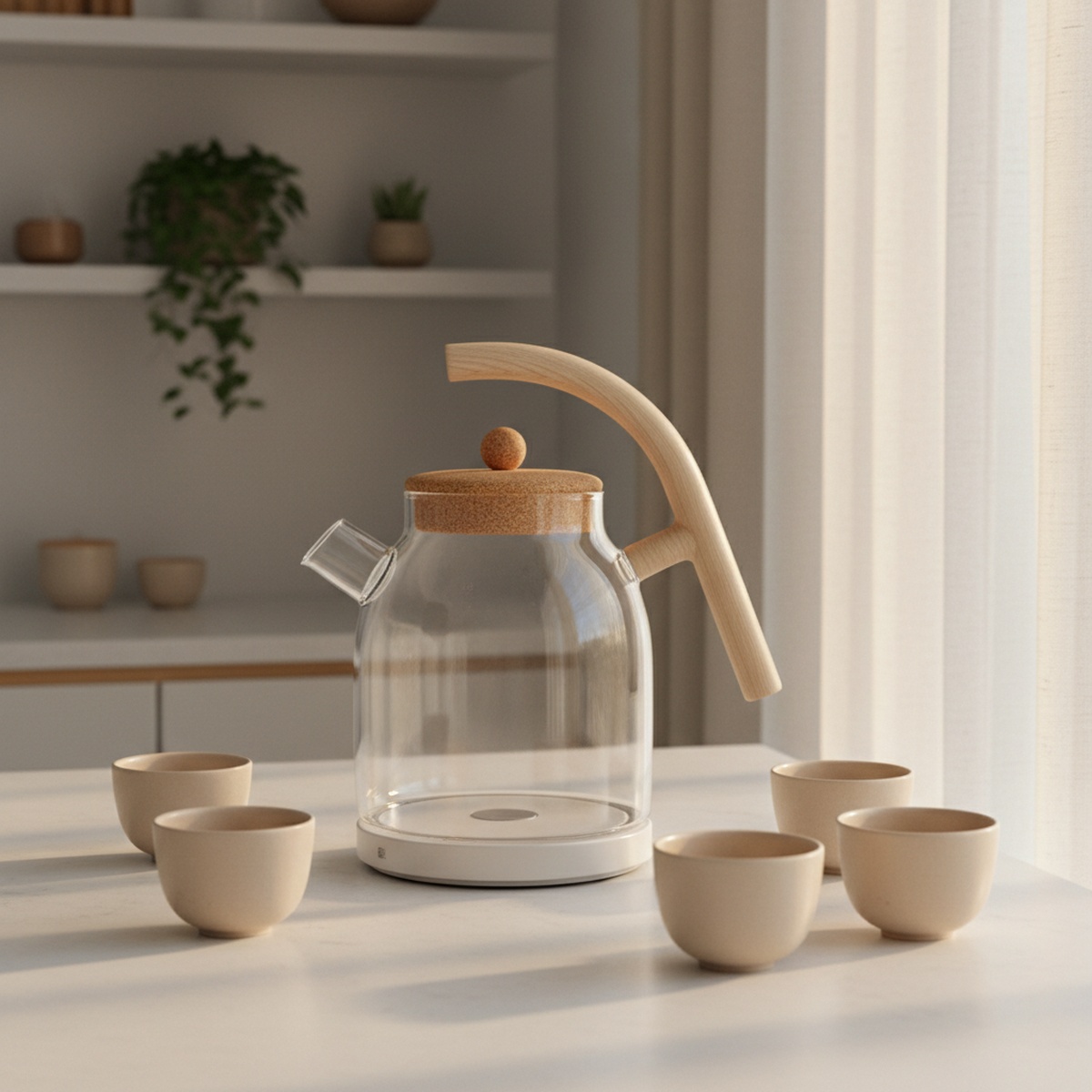
The fusion of Japanese minimalism and Scandinavian warmth continues to influence kitchen design through clean-lined glass kettles that embrace natural materials and intentional simplicity. These designs feature elegant gooseneck spouts paired with light-toned wood or bamboo handles, cork lids that provide both insulation and tactile appeal, and completely clutter-free interfaces. The borosilicate glass bodies maintain perfect transparency while the natural accents add warmth and texture. Control panels are minimal or hidden entirely, emphasizing the meditative quality of the tea or coffee preparation process. This trend resonates with consumers seeking to create calm, intentional spaces that promote mindfulness in daily routines. The aesthetic celebrates honest materials and purposeful design over flashy features.
3. The Integrated Tea Infuser System
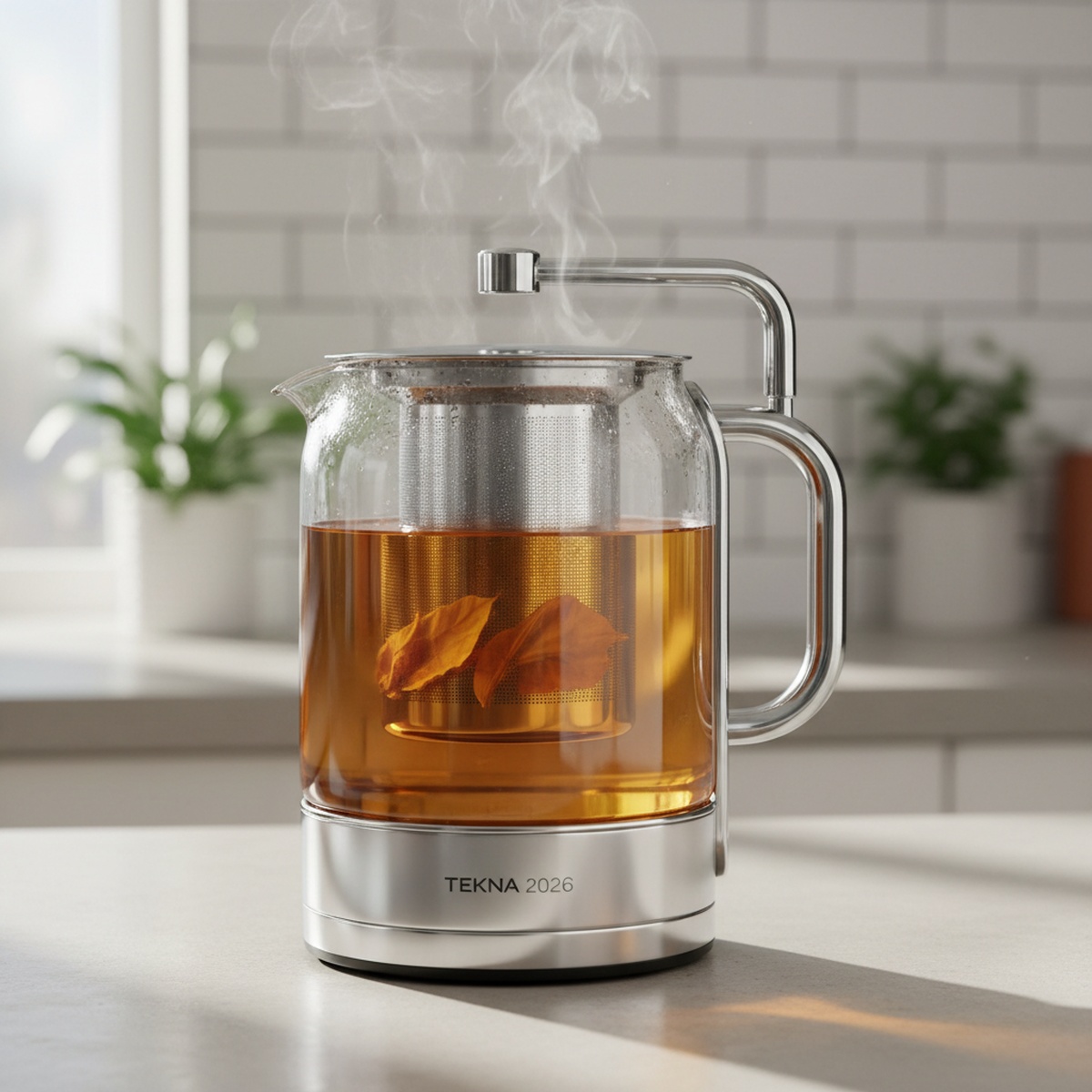
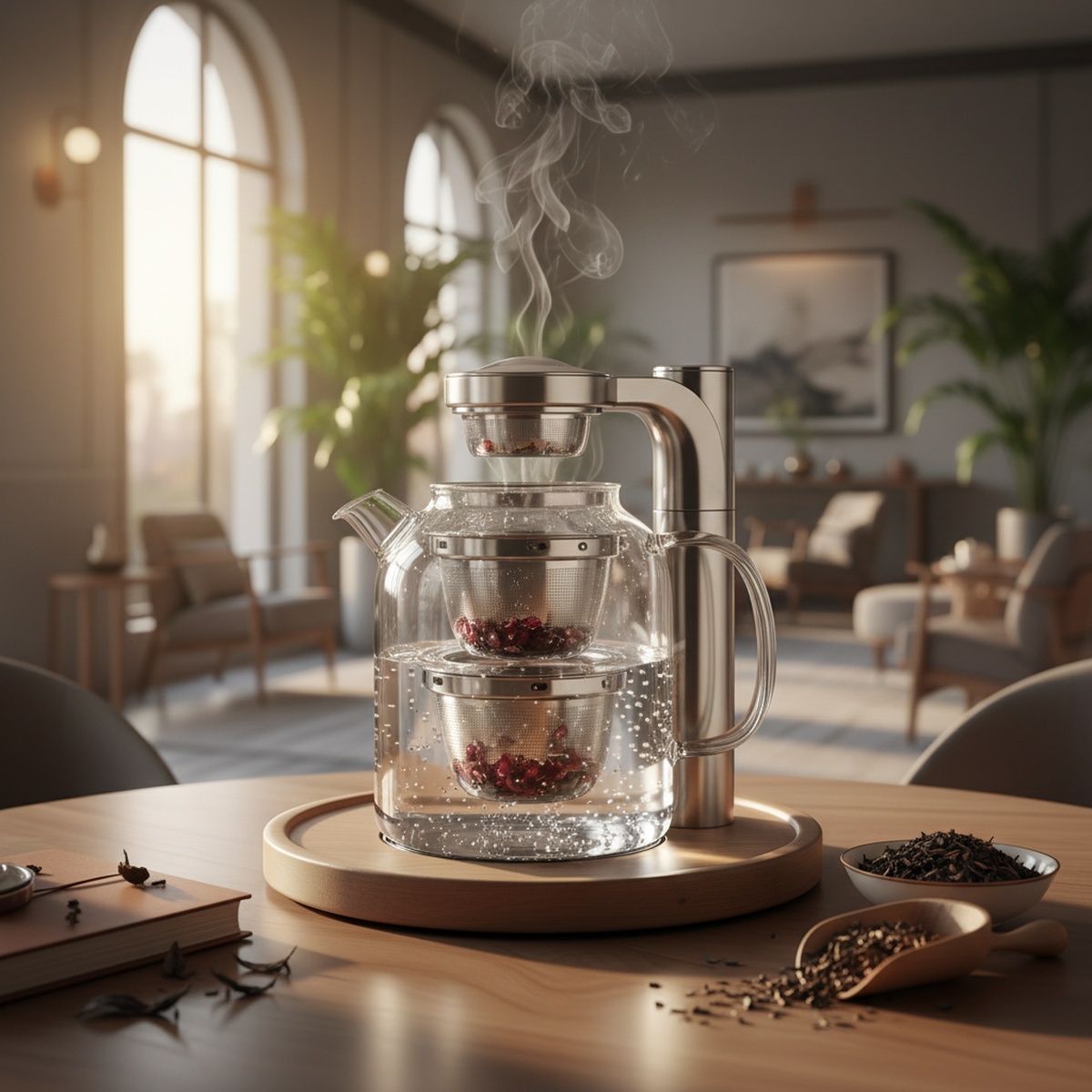
For the dedicated tea enthusiast, convenience meets sophistication in kettles featuring beautifully integrated, large-volume stainless steel or glass infuser baskets that transform the appliance into a complete brewing station. Advanced models showcase automated brewing cycles where the infuser basket gracefully lowers into and raises out of the water at precisely programmed times and temperatures, all visible through the crystal-clear borosilicate glass walls. The mechanisms are engineered to be whisper-quiet while maintaining perfect temperature control throughout the steeping process. Some designs feature multiple infuser sizes for different tea types or serving quantities. This trend addresses the growing appreciation for specialty teas and the desire for cafe-quality results at home, combining traditional tea ceremony aesthetics with modern precision engineering.
4. Smart, Seamless & Voice-Activated
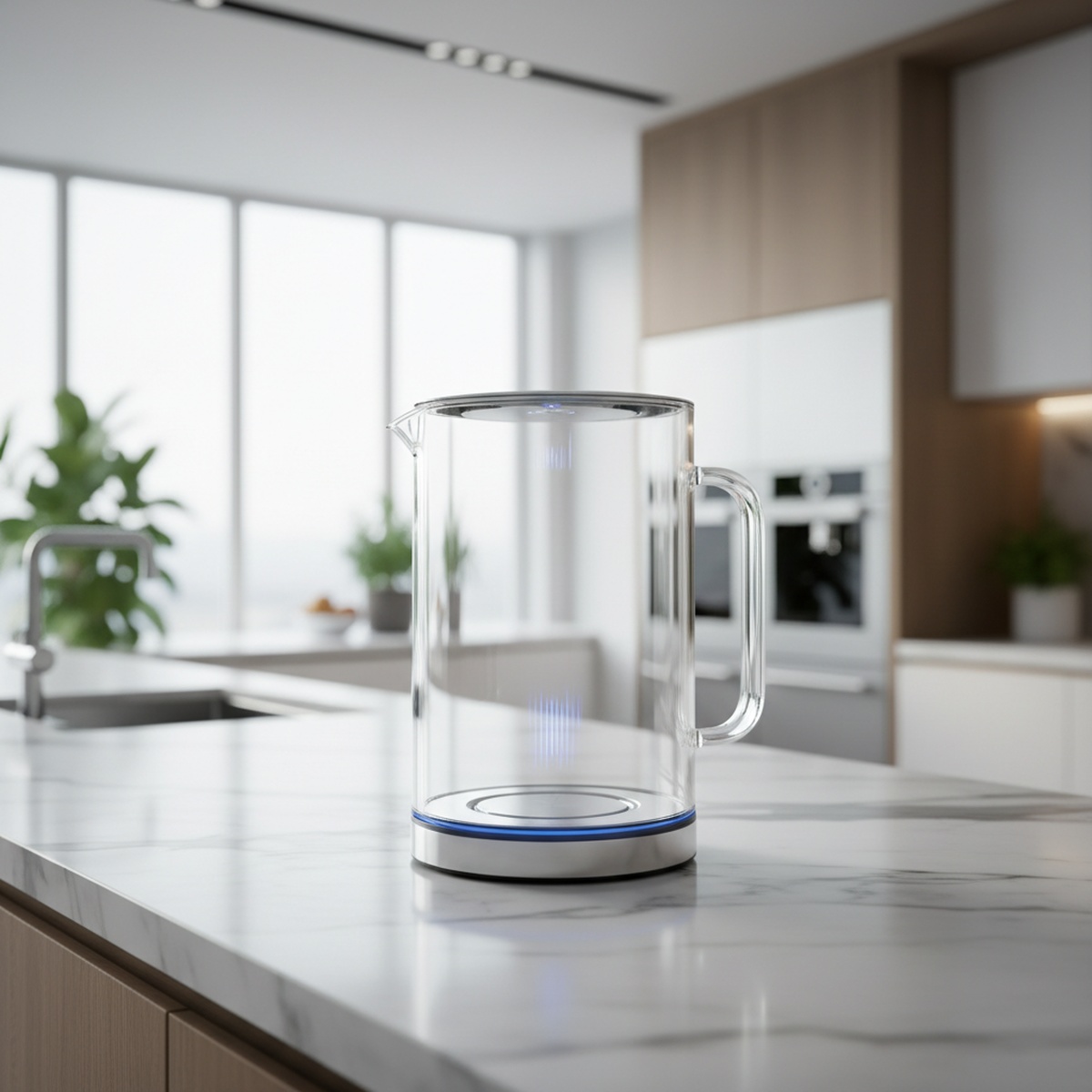
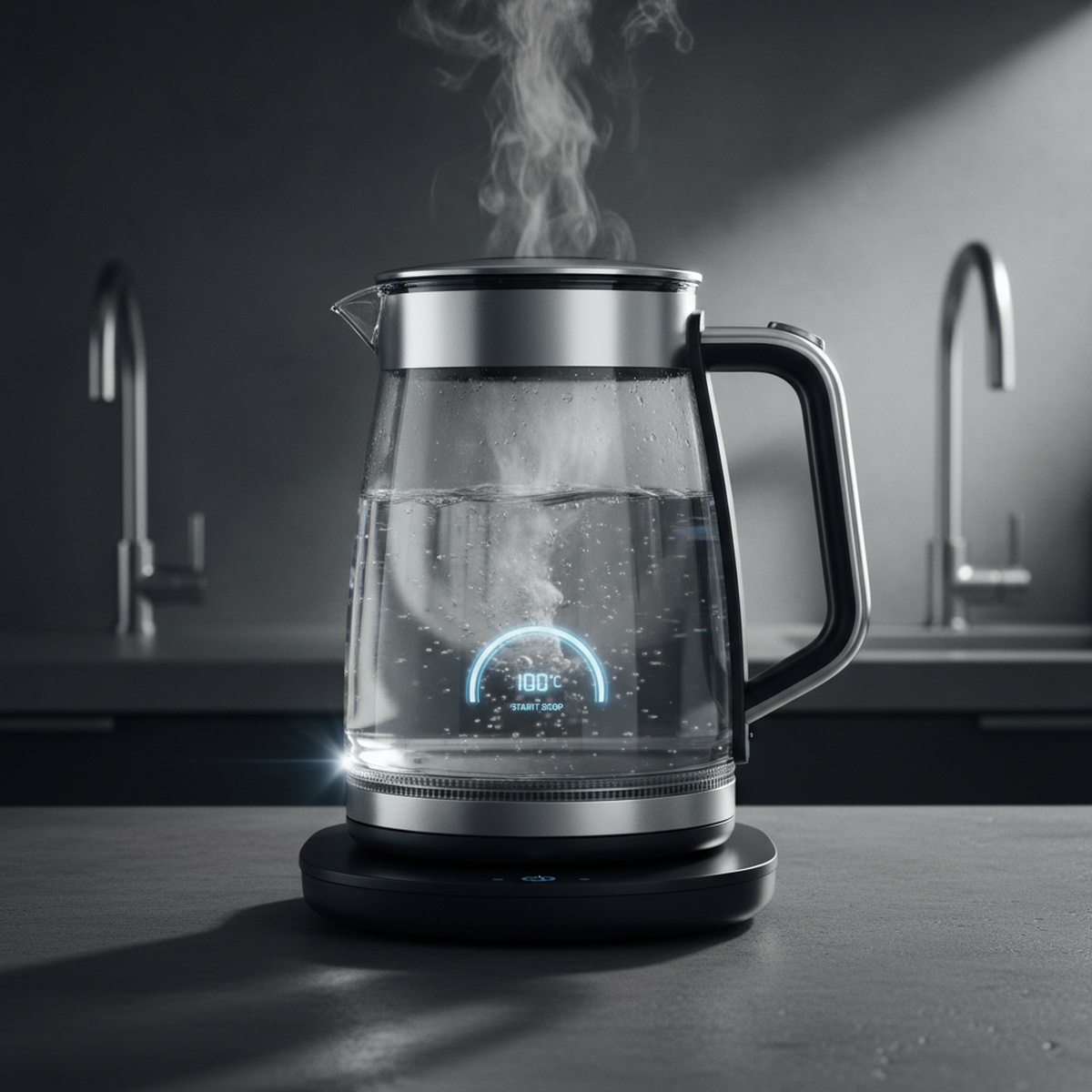
The 2026 smart home integration reaches new sophistication levels with glass kettles that blend invisibly into connected ecosystems while maintaining elegant design principles. These models feature minimalist touch controls that remain completely invisible until activated by proximity sensors, creating clean, uninterrupted surfaces. App-based scheduling allows users to program precise temperatures and timing, such as having 175°F water ready at 7 AM for optimal green tea brewing. Voice command integration works seamlessly with major home assistants, responding to natural language requests like “prepare water for French press coffee.” The design philosophy emphasizes invisibility of technology, letting advanced functionality work quietly in the background while maintaining the pure, transparent aesthetic that makes glass kettles so appealing to modern consumers.
5. Moody Hues & Matte Finishes
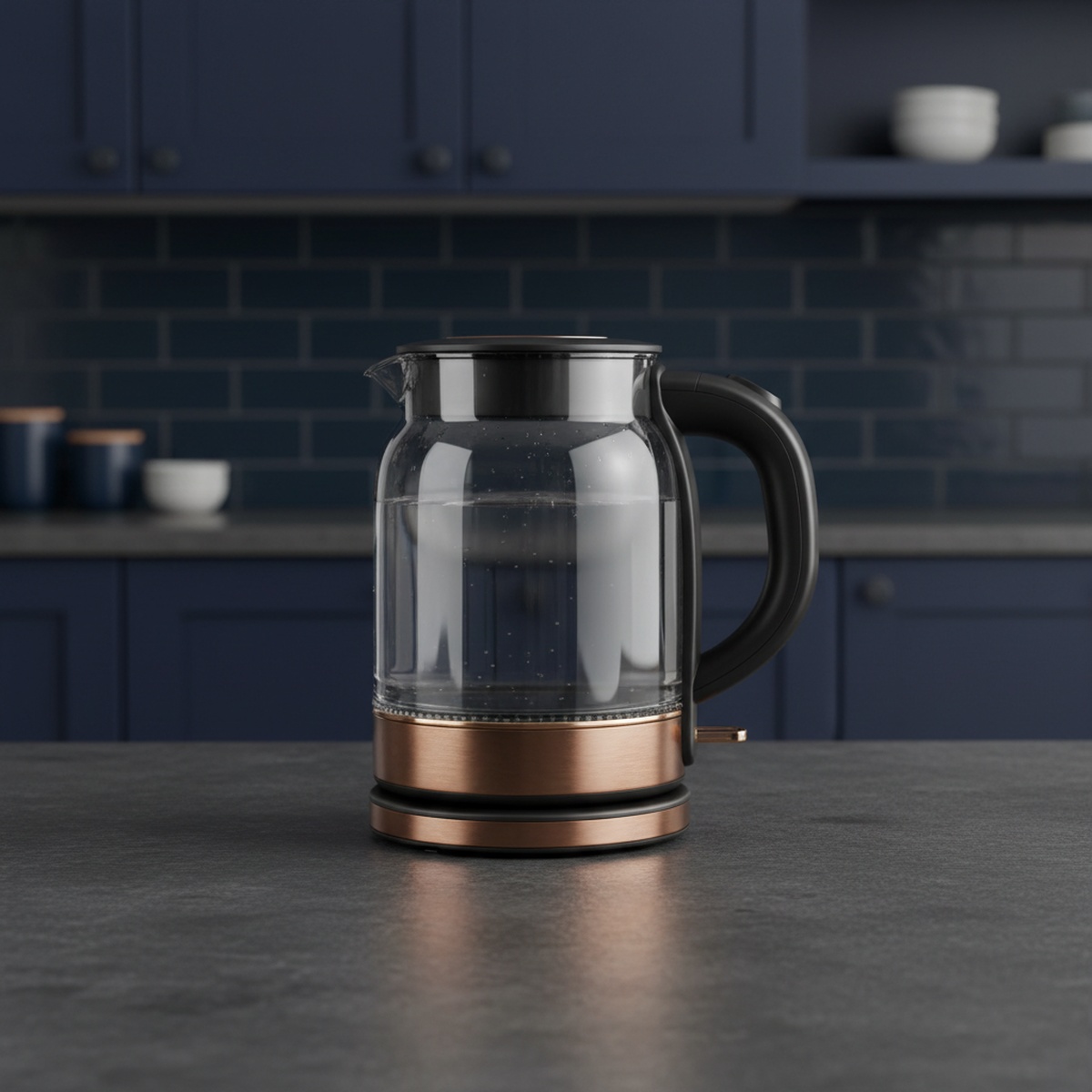
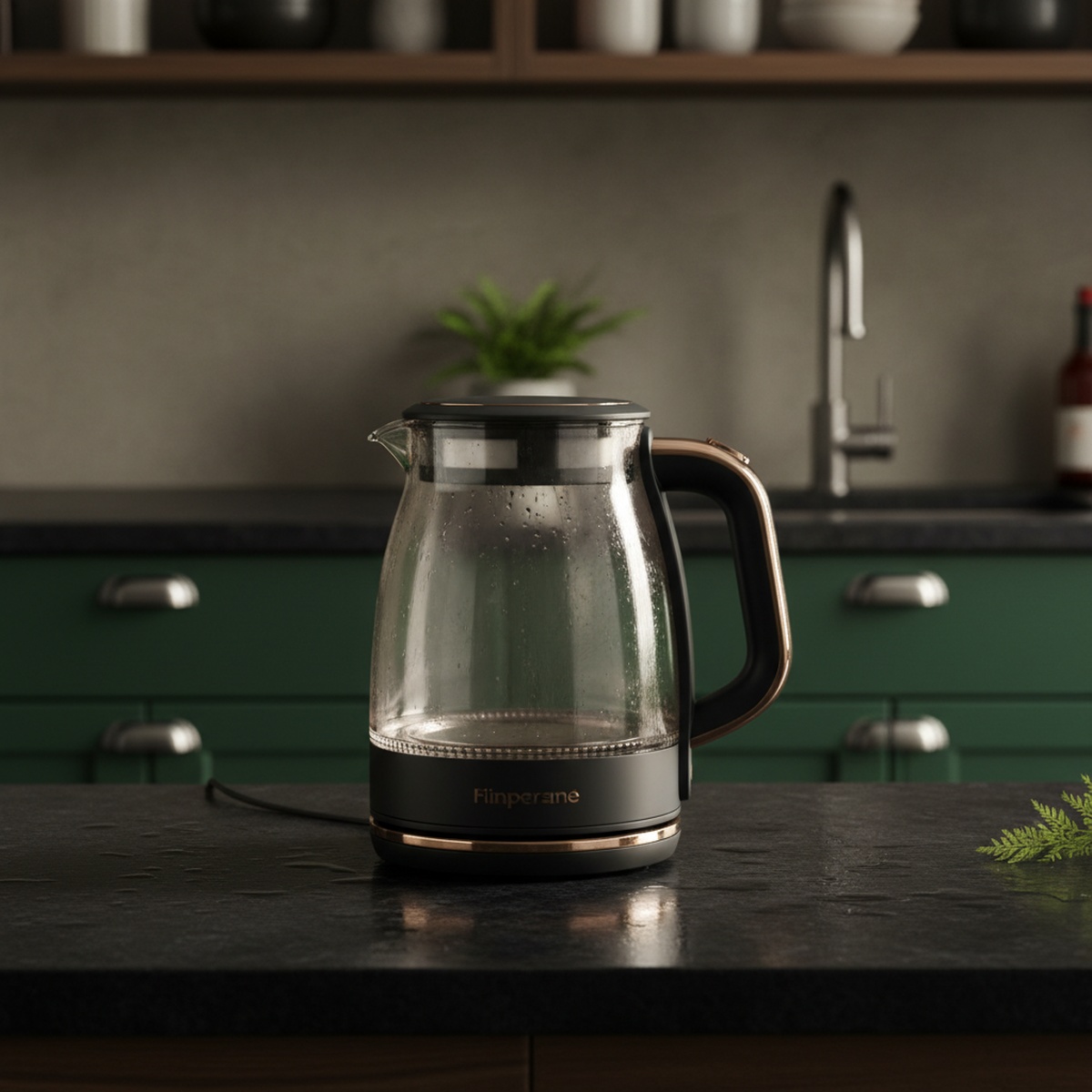
Moving beyond traditional stainless steel, 2026 introduces a sophisticated palette of deep, moody colors that complement contemporary kitchen design trends toward dramatic, high-contrast spaces. Glass kettle bases, lids, and handles now feature rich matte black finishes, warm brushed bronze accents, and elegant champagne gold details that catch light subtly. Some premium designs incorporate smoked or lightly tinted borosilicate glass that adds mystery and depth while maintaining full visibility of the water inside. These darker, more sophisticated finishes pair beautifully with popular cabinet colors like deep navy, charcoal gray, or forest green. The matte textures resist fingerprints and water spots while providing a luxurious tactile experience. This trend appeals to consumers creating moody, restaurant-inspired kitchens where appliances serve as jewelry-like accents.
6. Eco-Conscious & Repairable Design
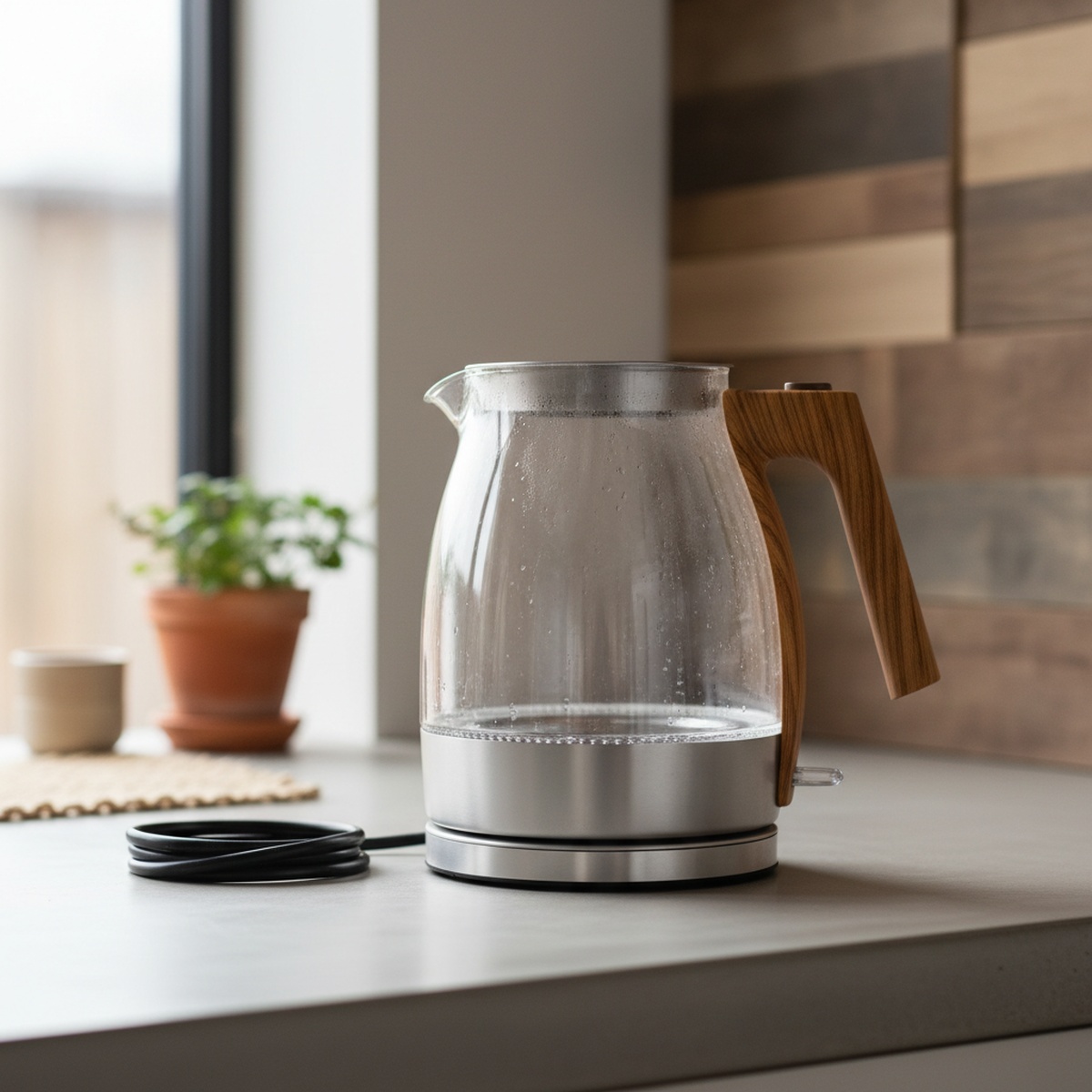
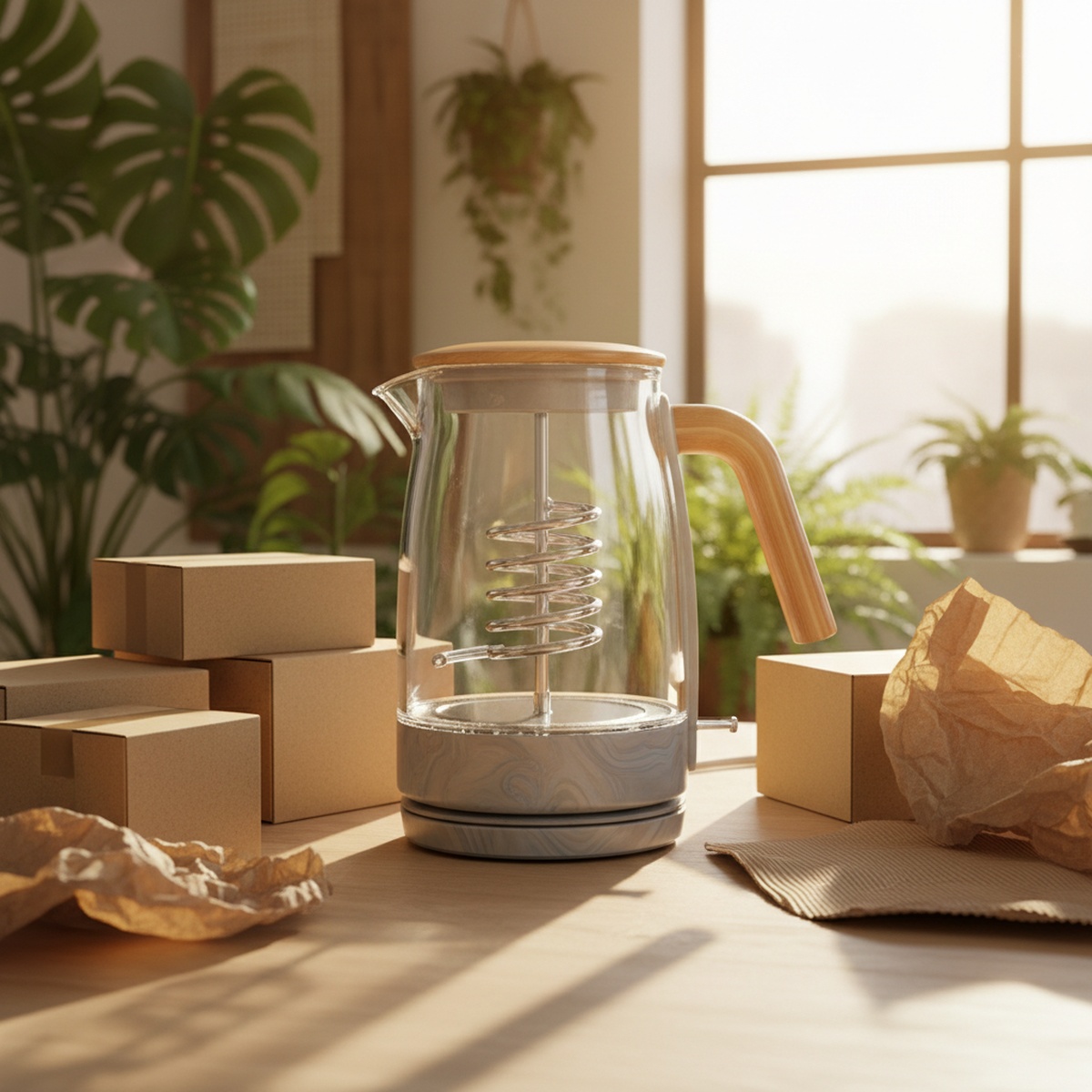
Sustainability moves from marketing buzzword to core design philosophy with glass kettles built using recycled materials and engineered for long-term repairability rather than replacement. These models feature bases crafted from post-consumer recycled aluminum or plastics, handles made from sustainably harvested bamboo or reclaimed wood, and packaging completely free of single-use plastics. More importantly, they’re designed with easily replaceable heating elements, removable cord assemblies, and modular components that extend product lifespan significantly. The aesthetic celebrates honest materials and transparent construction, often highlighting the recycled nature of components through subtle design elements or color variations. This trend resonates with environmentally conscious consumers who want their purchasing decisions to align with their values while still enjoying premium functionality and beautiful design.
7. The Retro-Futurist Form
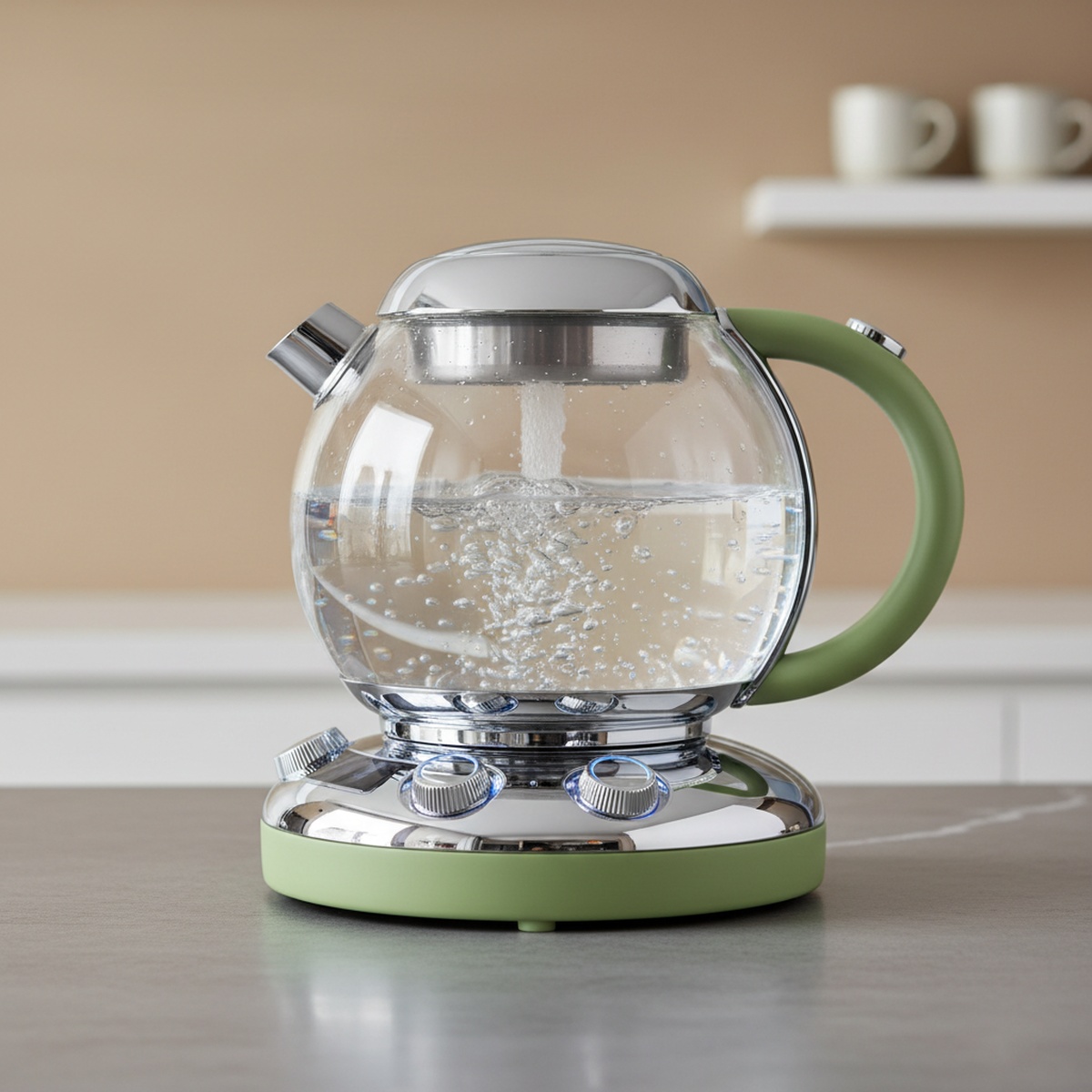
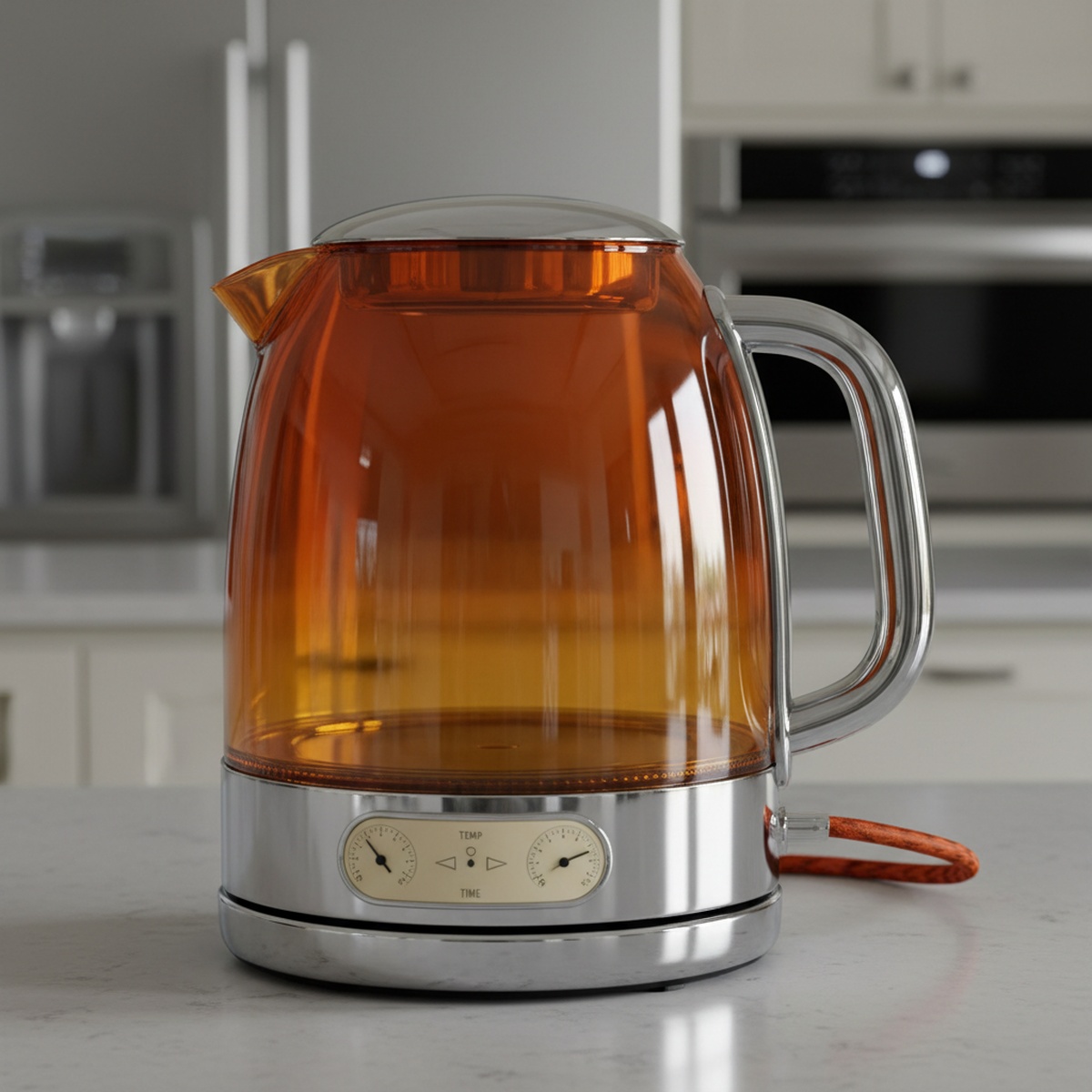
Drawing inspiration from the optimistic space-age design of the 1960s and 70s, this trend embraces bold, curved silhouettes and pod-like shapes that feel both nostalgic and forward-thinking. These glass kettles feature spherical or dome-shaped borosilicate glass bodies complemented by polished chrome accents and satisfying analog-style dials that control sophisticated digital functions beneath. Color palettes include vintage-inspired avocado green, harvest gold, and burnt orange on handles and base elements, creating striking focal points in neutral kitchens. The forms are deliberately sculptural and playful, celebrating the era when kitchen appliances were designed to look like they belonged on a spacecraft. This aesthetic appeals to consumers who appreciate mid-century modern design and want appliances that spark conversation while delivering contemporary performance and reliability.
8. Interactive LED Temperature Feedback
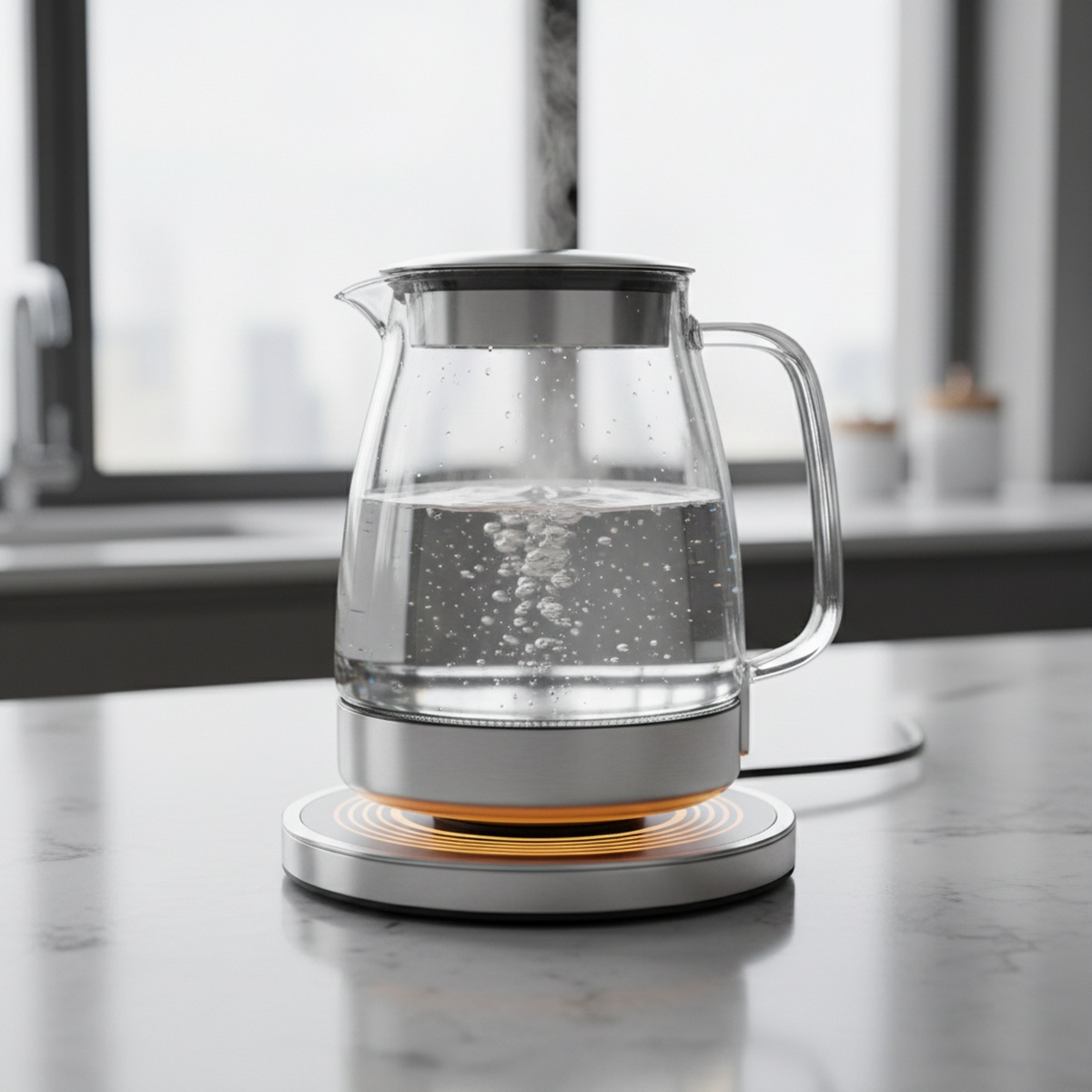
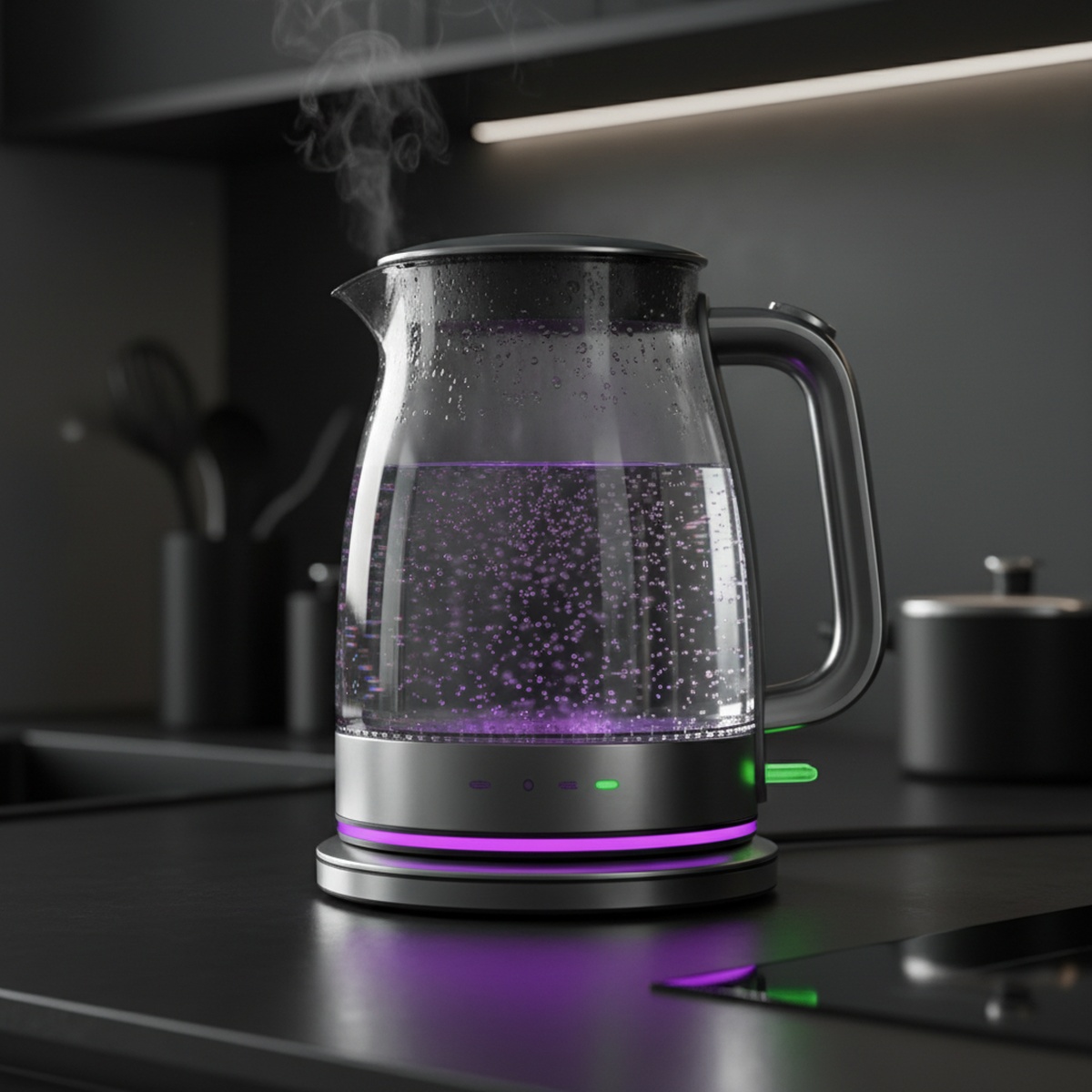
This cutting-edge trend transforms the functional necessity of temperature monitoring into an engaging visual experience through sophisticated LED systems integrated into the kettle base. Powerful, diffused LED rings change color dynamically to provide instant temperature feedback – glowing cool blue for cold water, transitioning through soft yellows and warm oranges as heating progresses, and pulsing vibrant red when reaching boiling point. Advanced models offer customizable color schemes and can indicate specific temperatures for different beverages, such as green for optimal green tea temperature or purple for French press coffee. The lighting is designed to be informative yet ambient, adding a theatrical element to the kitchen without being overwhelming. This trend appeals to tech-savvy consumers who appreciate the intersection of functionality and visual appeal in their appliances.
From sculptural art pieces to intelligent, voice-activated assistants, it’s clear the glass kettle of 2026 represents a sophisticated evolution in kitchen appliance design. These eight trends – emphasizing sustainable materials, minimalist aesthetics, smart technology integration, and bold visual statements – directly reflect the demands of today’s discerning consumers who expect their appliances to serve multiple roles as functional tools, design elements, and expressions of personal values. The convergence of traditional craftsmanship with cutting-edge technology creates products that enhance both the practical and emotional aspects of daily routines.
For product designers, brand managers, and retailers, these trends provide invaluable strategic intelligence for future product development and inventory decisions. Understanding that consumers gravitate toward Japandi-inspired naturalism or demand eco-conscious materials is crucial market insight, but translating that knowledge into successful products requires the right manufacturing partnerships. Whether you’re looking to source bamboo handle suppliers, smart appliance component manufacturers, or recycled aluminum casting specialists, connecting with verified global partners is essential. Our AI-powered sourcing tool, Accio, transforms these trend insights into actionable business opportunities, helping you analyze market data, identify emerging suppliers, and move from concept to market-ready product with unprecedented speed and precision.