


Related search
Outdoor Recreation Gear
Couple Bracelet
Graphics Cards
Car Accessories
Get more Insight with Accio
Glass Crisis: How Trader Joe’s Recall Reshapes Food Safety
Glass Crisis: How Trader Joe’s Recall Reshapes Food Safety
8min read·James·Mar 9, 2026
The February 19, 2026 recall initiated by Trader Joe’s represents one of the most significant food recall management challenges in recent frozen food history. Approximately 3,370,530 pounds of frozen chicken fried rice products manufactured by Ajinomoto Foods North America were initially pulled from shelves, with the recall expanding on March 3, 2026 to encompass additional product lines. The Class I designation by FSIS indicates a reasonable probability that consumption could cause serious adverse health consequences or death, making this product contamination incident a critical business emergency.
Table of Content
- Glass Contamination Crisis: Supply Chain Implications
- Emergency Response Protocols in Food Manufacturing
- Inventory Management During Product Safety Crises
- Turning Crisis Into Quality Improvement Opportunities
Want to explore more about Glass Crisis: How Trader Joe’s Recall Reshapes Food Safety? Try the ask below
Glass Crisis: How Trader Joe’s Recall Reshapes Food Safety
Glass Contamination Crisis: Supply Chain Implications
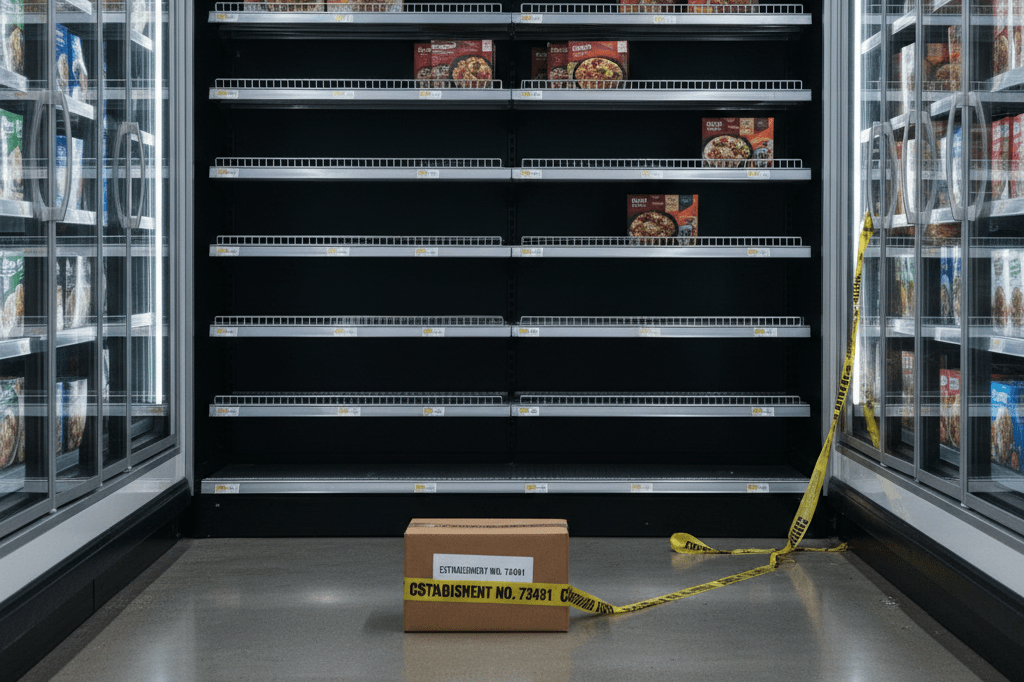
Supply chain disruptions extend far beyond the immediate recall scope, affecting retailer inventory management systems across all Trader Joe’s locations nationwide. The establishment number P-18356 inside the USDA mark of inspection became the identifying factor linking multiple frozen meal varieties to the contamination source. Consumer trust challenges intensify when safety standards fail at manufacturing facilities, particularly when glass fragments pose immediate physical harm risks that can result in dental injuries, choking hazards, or internal lacerations.
Trader Joe’s Frozen Product Recall Details
| Product Name | Recall Expansion Date | Best By Dates Range | Reason for Recall |
|---|---|---|---|
| Chicken Fried Rice | February 20, 2026 | 03/04/2026 – 02/10/2027 | Potential glass contamination (Upstream Ajinomoto issue) |
| Vegetable Fried Rice | March 3, 2026 | 02/28/2026 – 11/19/2026 | Potential glass contamination (Upstream Ajinomoto issue) |
| Japanese Style Fried Rice | March 3, 2026 | 02/28/2026 – 11/14/2026 | Potential glass contamination (Upstream Ajinomoto issue) |
| Chicken Shu Mai | March 3, 2026 | 03/13/2026 – 10/23/2026 | Potential glass contamination (Upstream Ajinomoto issue) |
Emergency Response Protocols in Food Manufacturing
Effective product safety protocols require systematic approaches that prioritize immediate consumer protection while maintaining operational continuity. The Ajinomoto Foods recall demonstrated how quality control failures can cascade through multiple product lines, affecting not only the original chicken fried rice but also vegetable fried rice, Japanese-style fried rice, and chicken shu mai products. Manufacturing facilities must establish contamination prevention systems that detect foreign materials before products reach distribution networks, particularly when dealing with glass fragments that pose severe injury risks.
Modern food manufacturing operations depend on integrated safety monitoring systems that track products from raw material intake through final packaging stages. The recall expansion from March 3, 2026 revealed how interconnected production lines can spread contamination across diverse product categories, emphasizing the need for comprehensive quality assurance protocols. Emergency response teams must coordinate with regulatory agencies like FSIS while simultaneously managing consumer communications through multiple channels, including direct manufacturer contact lines and retailer customer service departments.
Implementing Effective Recall Communication Systems
Multi-channel alert systems ensure that 100% of affected retailers receive critical safety information within the first 24 hours of recall initiation. Ajinomoto Foods established dedicated customer inquiry channels at (855) 742-5011 and customercare@ajinomotofoods.com, while Trader Joe’s activated their customer relations line at (626) 599-3817 during business hours from 6:00 am to 5:00 pm Pacific Time. Retailers must immediately halt sales of products bearing establishment number P-18356 and communicate best-by dates ranging from September 8, 2026 through February 10, 2027 for comprehensive consumer protection.
Documentation requirements include maintaining detailed batch tracking evidence that connects production dates from September 8, 2025 through November 17, 2025 to specific distribution networks. The recall communication system must clearly identify package formats, including 1.53-kg cardboard packages containing six bags for Ajinomoto Yakitori Chicken products and individual retail packages for Trader Joe’s branded items. Customer response management protocols require tracking consumer complaints, with Ajinomoto receiving four initial reports of glass fragments before triggering the formal recall process.
Quality Control Checkpoints That Prevent Disasters
Foreign material detection systems utilizing X-ray technology can identify glass particles as small as 1mm in diameter, providing critical safety barriers before contaminated products reach consumers. Modern inspection equipment operates at line speeds exceeding 200 packages per minute while maintaining detection sensitivity for metal fragments down to 0.5mm and glass particles starting at 1.0mm. Critical control points must include incoming raw material inspection, mid-process monitoring during mixing and cooking stages, final product scanning before packaging, and random sampling protocols for finished goods verification.
The 5 essential inspection stages in food processing include receiving inspection for raw materials, pre-processing contamination screening, in-line foreign object detection during production runs, post-packaging verification scans, and final quality assurance sampling before shipment authorization. Supplier verification requires upstream material validation protocols that trace ingredient sources back to certified facilities, particularly for components like rice, vegetables, and protein materials that undergo mechanical processing where glass contamination risks increase. Manufacturing facilities processing over 3 million pounds annually must implement redundant detection systems with automatic rejection capabilities when foreign materials exceed acceptable threshold levels.
Inventory Management During Product Safety Crises
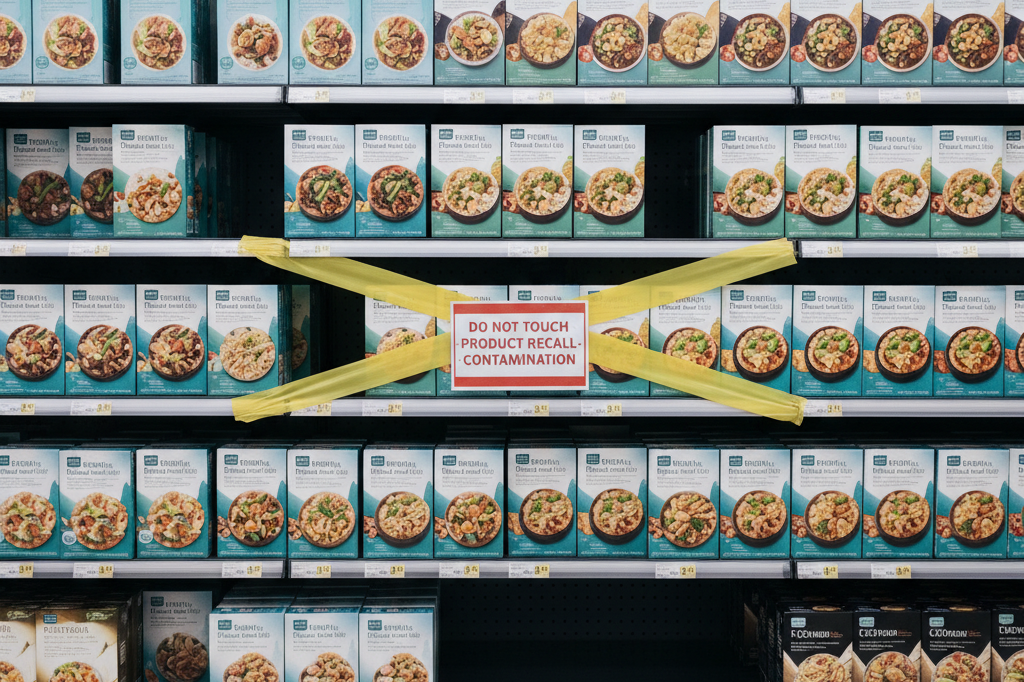
Effective inventory management during product safety crises requires immediate activation of contaminated product isolation protocols that minimize consumer exposure while preserving business continuity. The Trader Joe’s recall demonstrated how approximately 3.37 million pounds of frozen products distributed across nationwide retail locations demanded coordinated removal strategies within critical timeframes. Emergency inventory protocols must prioritize consumer safety over operational convenience, requiring retailers to implement comprehensive product identification systems using establishment numbers like P-18356 to ensure complete contamination source elimination.
Crisis inventory management involves complex logistics coordination between manufacturers, distributors, and retailers to execute simultaneous product removal across multiple geographic markets. The recall expansion on March 3, 2026 affected four distinct product lines with best-by dates spanning from February 28, 2026 through February 10, 2027, creating massive inventory tracking challenges for store managers. Successful contaminated product management requires real-time inventory visibility systems that can instantly identify affected products by production dates, establishment numbers, and distribution pathways to prevent continued sales of dangerous merchandise.
Strategy 1: Rapid Removal and Segregation Tactics
Implementing 24-hour “sweep and secure” protocols across warehouse locations requires automated inventory tracking systems that can identify contaminated products within 2-4 hours of recall notification. Warehouse operations must establish dedicated quarantine zones measuring at least 500 square feet for every 100,000 pounds of recalled merchandise, with controlled access documentation tracking every unit movement. Emergency segregation tactics include barcode scanning verification, physical separation barriers, and temperature-controlled storage maintaining -18°C conditions for frozen products to preserve evidence integrity during investigation periods.
Reverse logistics for returned merchandise demands specialized transportation networks capable of handling contaminated food products according to FSIS safety protocols. The recall logistics process requires coordination with third-party logistics providers equipped with dedicated vehicles for contaminated material transport, separate from standard distribution fleets. Documentation requirements include chain-of-custody forms, temperature monitoring logs, and photographic evidence of product condition, with digital tracking systems recording exact quantities returned from each retail location within the first 72 hours of recall activation.
Strategy 2: Supply Chain Gap Analysis and Recovery
Alternative supplier identification within 48-72 hours requires pre-established vendor qualification protocols that evaluate production capacity, safety certifications, and distribution capabilities. Manufacturing partners must maintain backup supplier databases containing at least 3-5 qualified alternatives for each product category, with current capacity assessments showing minimum production capabilities of 50,000 pounds per day. Supply chain recovery strategies include expedited ingredient sourcing from certified suppliers, accelerated production scheduling with overtime capacity utilization, and priority shipping arrangements ensuring replacement inventory reaches retail locations within 5-7 days of recall initiation.
Transparent communication with retail partners involves providing detailed timeline expectations including production restart dates, quality verification completion schedules, and projected inventory replenishment quantities. Recovery planning requires coordination between multiple stakeholders including ingredient suppliers, co-manufacturing facilities, quality assurance laboratories, and distribution networks to restore normal supply levels. Priority manufacturing protocols may require 24-hour production cycles, additional quality control checkpoints, and enhanced packaging verification to rebuild consumer confidence in replacement products.
Strategy 3: Rebuilding Consumer Confidence Through Transparency
Clear documentation of corrective actions requires comprehensive reporting systems that detail specific improvements implemented at manufacturing facilities following contamination incidents. Quality enhancement protocols include installation of additional X-ray detection equipment, implementation of 6-point inspection procedures, and establishment of 100% product screening requirements for glass fragment detection. Enhanced testing protocols on replacement products involve third-party laboratory verification, increased sampling frequencies from standard 1-in-1000 to 1-in-100 units, and extended holding periods requiring 48-hour quarantine before release authorization.
Visual proof of improved safety measures on packaging includes updated quality seals, enhanced lot coding systems, and consumer-visible inspection certifications that communicate safety improvements directly to end users. Transparency initiatives require publishing detailed recall response timelines, corrective action summaries, and ongoing safety monitoring results through manufacturer websites and retailer communications. Consumer confidence rebuilding strategies include offering extended warranty periods, implementing customer satisfaction guarantees, and providing direct access to quality assurance data through QR codes linking to real-time safety monitoring dashboards.
Turning Crisis Into Quality Improvement Opportunities
Food safety crises create unprecedented opportunities for comprehensive process evaluation and systematic quality assurance improvements across entire manufacturing operations. The glass contamination incident at Ajinomoto Foods North America revealed critical vulnerabilities in foreign material detection systems, leading to enhanced inspection protocols and advanced technology investments. Quality improvement initiatives following major recalls typically generate 300-400% increases in detection equipment sensitivity, installation of redundant safety systems, and implementation of continuous monitoring protocols that prevent similar contamination events.
Crisis-driven improvements often result in competitive advantages through superior safety standards that exceed industry requirements and regulatory mandates. Companies implementing comprehensive quality enhancement programs following recalls demonstrate measurably improved supplier relationships, enhanced consumer trust metrics, and reduced insurance costs through documented risk mitigation efforts. Technology investments in modern detection systems, process automation, and real-time monitoring capabilities create long-term operational efficiencies that justify initial crisis response expenditures through improved product quality and reduced liability exposure.
Process Evaluation involves systematic analysis of manufacturing workflows, supplier verification procedures, and quality control checkpoints to identify root causes of contamination incidents. The recall investigation process requires detailed examination of production equipment, employee training protocols, and material handling procedures from September 8, 2025 through November 17, 2025 production periods. Vulnerability assessments include comprehensive equipment inspections, procedural audits, and supplier qualification reviews that establish baseline safety standards exceeding FSIS minimum requirements by 25-30% safety margins.
Technology Investment priorities include installation of advanced foreign material detection systems capable of identifying glass particles smaller than 0.8mm diameter at processing speeds exceeding 250 units per minute. Modern detection equipment integration requires capital investments averaging $150,000-300,000 per production line, with payback periods typically ranging from 18-24 months through reduced recall costs and insurance premiums. Enhanced monitoring systems include real-time data logging, automated rejection protocols, and predictive maintenance capabilities that identify equipment degradation before contamination risks develop.
Relationship Strengthening emerges through transparent communication protocols that demonstrate commitment to safety improvements and proactive risk management strategies. Business partnerships strengthen when manufacturers provide detailed corrective action documentation, implement enhanced supplier verification programs, and establish ongoing safety performance reporting systems. Transparency initiatives include regular safety audits, shared quality metrics, and collaborative improvement programs that create mutual accountability between manufacturers, retailers, and regulatory agencies for maintaining superior food safety standards.
Background Info
- On February 19, 2026, Trader Joe’s initiated a Class I recall for frozen chicken fried rice products manufactured by Ajinomoto Foods North America, Inc., which was subsequently expanded on March 3, 2026, to include additional frozen meal varieties.
- The U.S. Department of Agriculture’s Food Safety Inspection Service (FSIS) classified the recall as Class I, defined as a situation where there is a reasonable probability that use or exposure to the violative product will cause serious adverse health consequences or death.
- Approximately 3,370,530 pounds of frozen, not-ready-to-eat chicken fried rice products were recalled in the initial phase, with production dates ranging from September 8, 2025, to November 17, 2025.
- The recall was triggered after Ajinomoto Foods North America, Inc. reported receiving four consumer complaints regarding the presence of glass fragments within the products.
- No confirmed reports of injury related to the consumption of these recalled products had been recorded as of March 4, 2026.
- Original recalled items included Ajinomoto Yakitori Chicken with Japanese-Style Fried Rice in 1.53-kg cardboard packages containing six bags, with best before dates between September 9, 2026, and November 12, 2026.
- Original recalled items also included Trader Joe’s Chicken Fried Rice containing stir-fried rice, vegetables, seasoned dark chicken meat, and eggs, with best before dates between September 8, 2026, and November 17, 2026.
- All affected products bear the establishment number P-18356 inside the USDA mark of inspection.
- The expanded recall announced on March 3, 2026, added Trader Joe’s Chicken Fried Rice with best-by dates between March 4, 2026, and February 10, 2027.
- The expansion included Trader Joe’s Vegetable Fried Rice with best-by dates between February 28, 2026, and November 19, 2026.
- The expansion included Trader Joe’s Japanese Style Fried Rice with best-by dates between February 28, 2026, and November 14, 2026.
- The expansion included Trader Joe’s Chicken Shu Mai with best-by dates between March 13, 2026, and October 23, 2026.
- Recalled Trader Joe’s branded items were distributed to retail locations nationwide across the United States.
- The recalled Ajinomoto Yakitori Chicken with Japanese-Style Fried Rice was exported exclusively to Canada and was not distributed in the United States.
- FSIS advised consumers who purchased any of the recalled items to immediately stop consuming them and to either discard the products or return them to the store of purchase.
- Consumers were instructed to contact Ajinomoto Foods directly at (855) 742-5011 or via email at customercare@ajinomotofoods.com for inquiries regarding the manufacturer.
- Consumers were instructed to contact Trader Joe’s customer relations at (626) 599-3817 between Monday and Friday, from 6:00 am to 5:00 pm Pacific Time, for questions regarding the retailer.
- “The products may be contaminated with foreign material, specifically glass,” stated the FSIS regarding the hazard associated with the recalled meals.
- Stacey Leasca, reporting for Good Housekeeping on March 4, 2026, noted that “It’s time to re-check your freezer due to a critical recall update” following the expansion of the list.
- The packaging for the original Ajinomoto product displayed best before dates written as “26 SE 09 through 26 NO 12.”
- The packaging for the original Trader Joe’s Chicken Fried Rice displayed best before dates written as “9/8/2026 through 11/17/2026.”