


Related search
Hair Clip
Home Relaxation Furniture
Pendant
Aquariums
Get more Insight with Accio
7 Geological Hammer Innovations Redefining Fieldwork in 2026
7 Geological Hammer Innovations Redefining Fieldwork in 2026
6min read·Oriana·Mar 30, 2026
The geological hammer is an iconic tool, a symbol of exploration and discovery that has accompanied earth scientists into the field for over a century. But while its fundamental purpose remains timeless, its design is anything but static. As we advance through 2026, a remarkable wave of innovation is transforming this essential instrument from a simple striking tool into a sophisticated piece of high-performance equipment. Modern geological hammer development now prioritizes safety, durability, ergonomics, and operational efficiency like never before. Today’s professional geologists, mining engineers, and field researchers demand tools that can withstand extreme conditions while reducing fatigue and improving data collection capabilities. This comprehensive guide showcases the seven most significant geological hammer innovations that are reshaping the industry and setting new standards for professional fieldwork equipment in 2026.
Table of Contents
1. The Unibody Advantage: Single-Piece Forged Steel Construction
2. Next-Gen Ergonomics: Advanced Vibration-Dampening Grips
3. Field-Ready Finishes: High-Visibility & Protective Coatings
4. The Hardest Edge: Cryogenically Tempered Heads
5. Smart Tools: Embedded RFID for Asset Management
6. Precision on Impact: Integrated Measurement Scales
7. The Modular Approach: Interchangeable Head Systems
2. Next-Gen Ergonomics: Advanced Vibration-Dampening Grips
3. Field-Ready Finishes: High-Visibility & Protective Coatings
4. The Hardest Edge: Cryogenically Tempered Heads
5. Smart Tools: Embedded RFID for Asset Management
6. Precision on Impact: Integrated Measurement Scales
7. The Modular Approach: Interchangeable Head Systems
Want to explore more about 7 Geological Hammer Innovations Redefining Fieldwork in 2026? Try the ask below
7 Geological Hammer Innovations Redefining Fieldwork in 2026
1. The Unibody Advantage

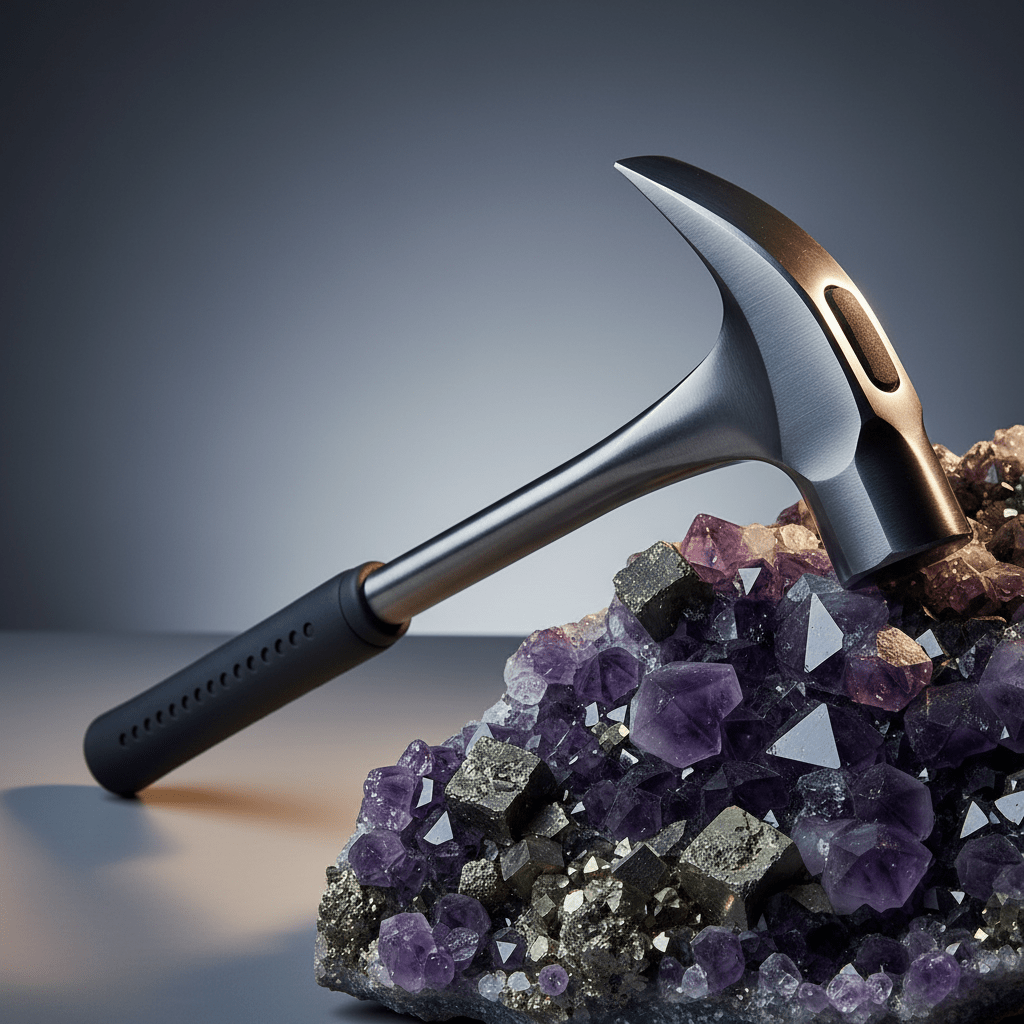
Single-Piece Forged Steel Construction: The ultimate evolution in geological hammer durability has arrived through revolutionary single-piece forged construction. By crafting the head, shaft, and handle from one continuous piece of high-carbon steel, manufacturers have eliminated the traditional weak point that has plagued hammers for decades: the head-to-handle joint failure. This seamless design delivers unparalleled structural integrity, perfect weight distribution, and maximum energy transfer with every strike against rock surfaces. The manufacturing process involves precision forging at extreme temperatures, creating a tool that maintains consistent hardness throughout while exhibiting superior fatigue resistance. Visually, these unibody hammers present a sleek, modern aesthetic with flowing lines that emphasize their engineered strength, making them instantly recognizable as premium professional equipment when photographed against rugged geological formations.
2. Next-Gen Ergonomics
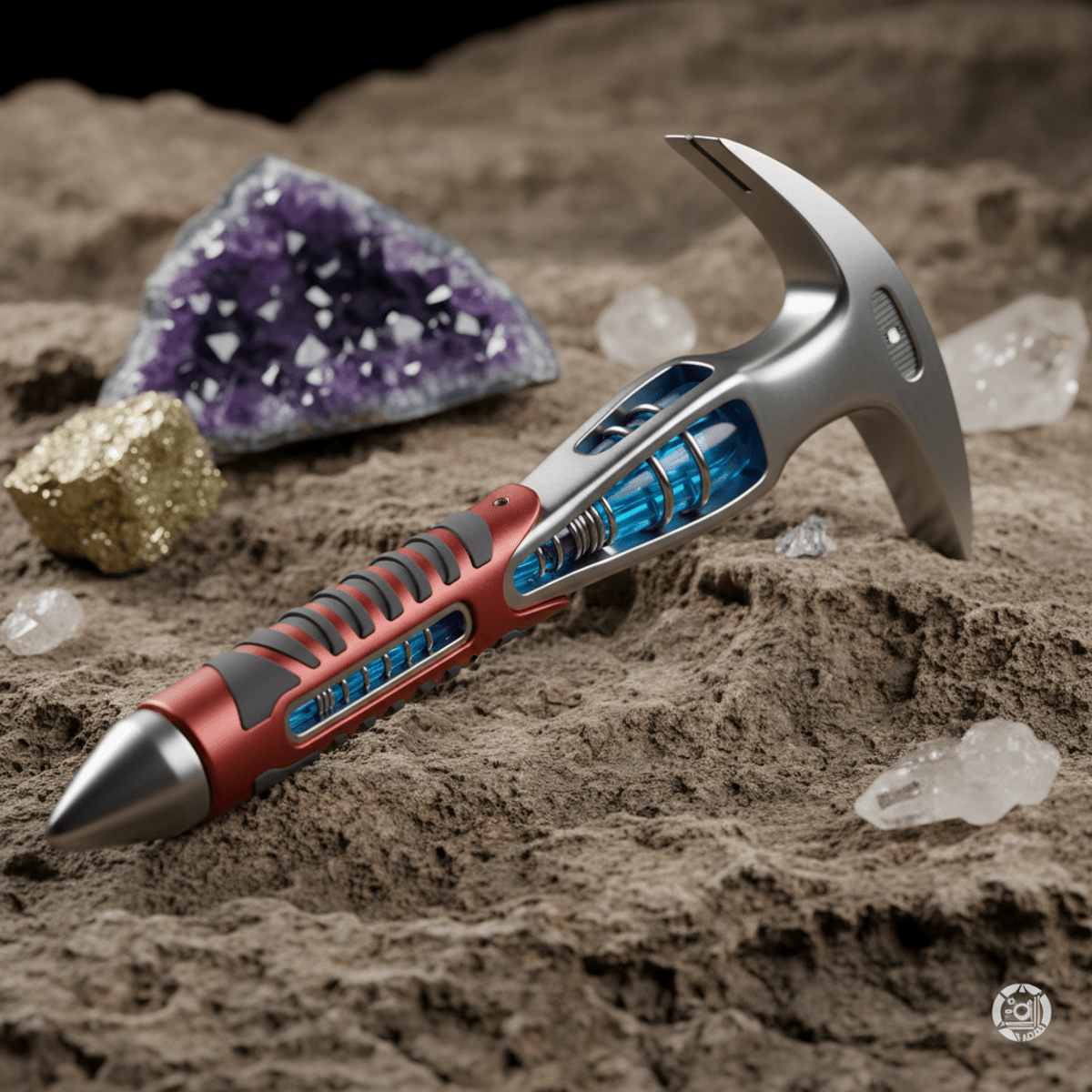
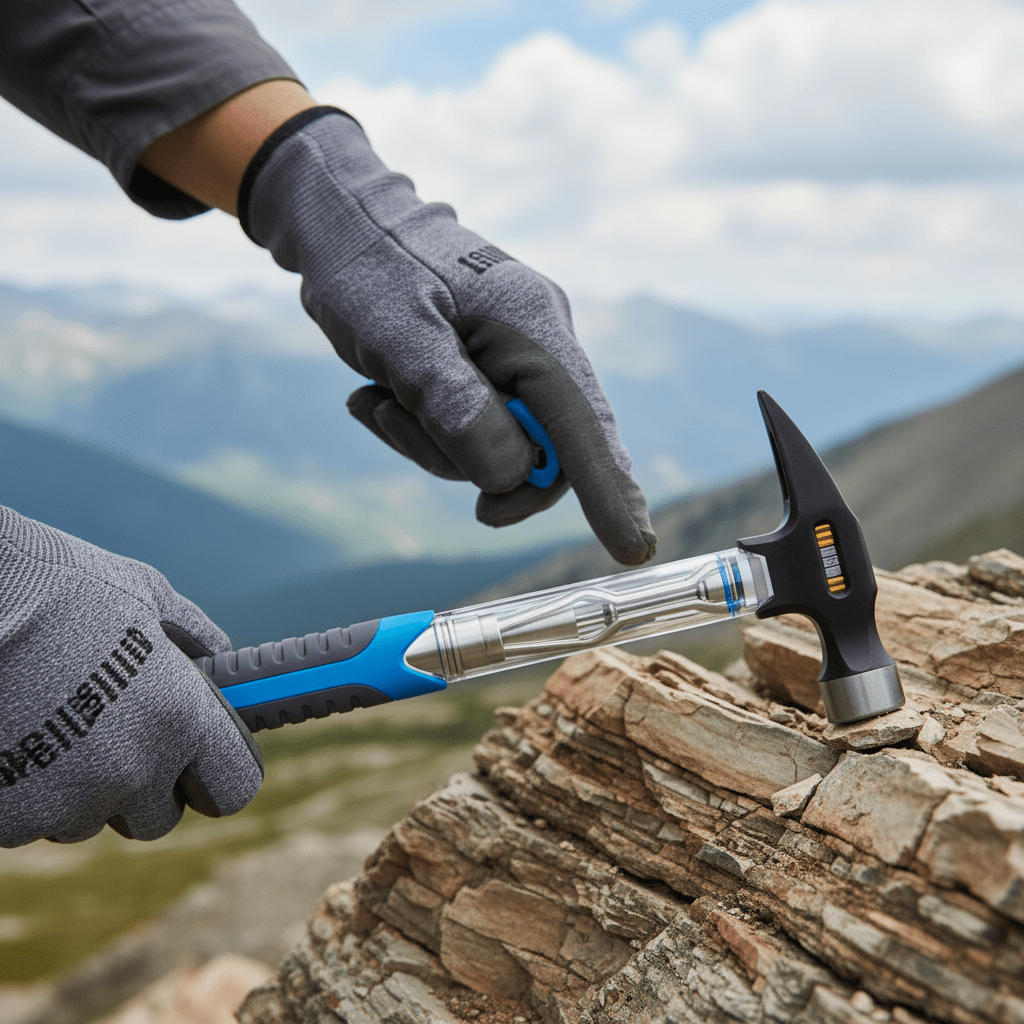
Advanced Vibration-Dampening Grips: Extended fieldwork sessions demand superior ergonomic design, and 2026’s geological hammer innovations deliver through sophisticated vibration-dampening grip systems. These advanced handles incorporate multi-layered construction featuring specialized elastomeric compounds, internal damping chambers, and textured grip zones strategically positioned for optimal hand placement. Premium models integrate patented gel inserts or tuning fork-inspired internal structures that actively absorb and dissipate high-frequency vibrations before they reach the user’s hands and arms. The exterior features ergonomically contoured surfaces with varying hardness zones—softer materials where grip comfort matters most, and firmer sections where structural support is critical. These innovations significantly reduce operator fatigue, minimize the risk of repetitive strain injuries, and enable longer, more productive field sessions while maintaining precise control during delicate specimen extraction work.
3. Field-Ready Finishes
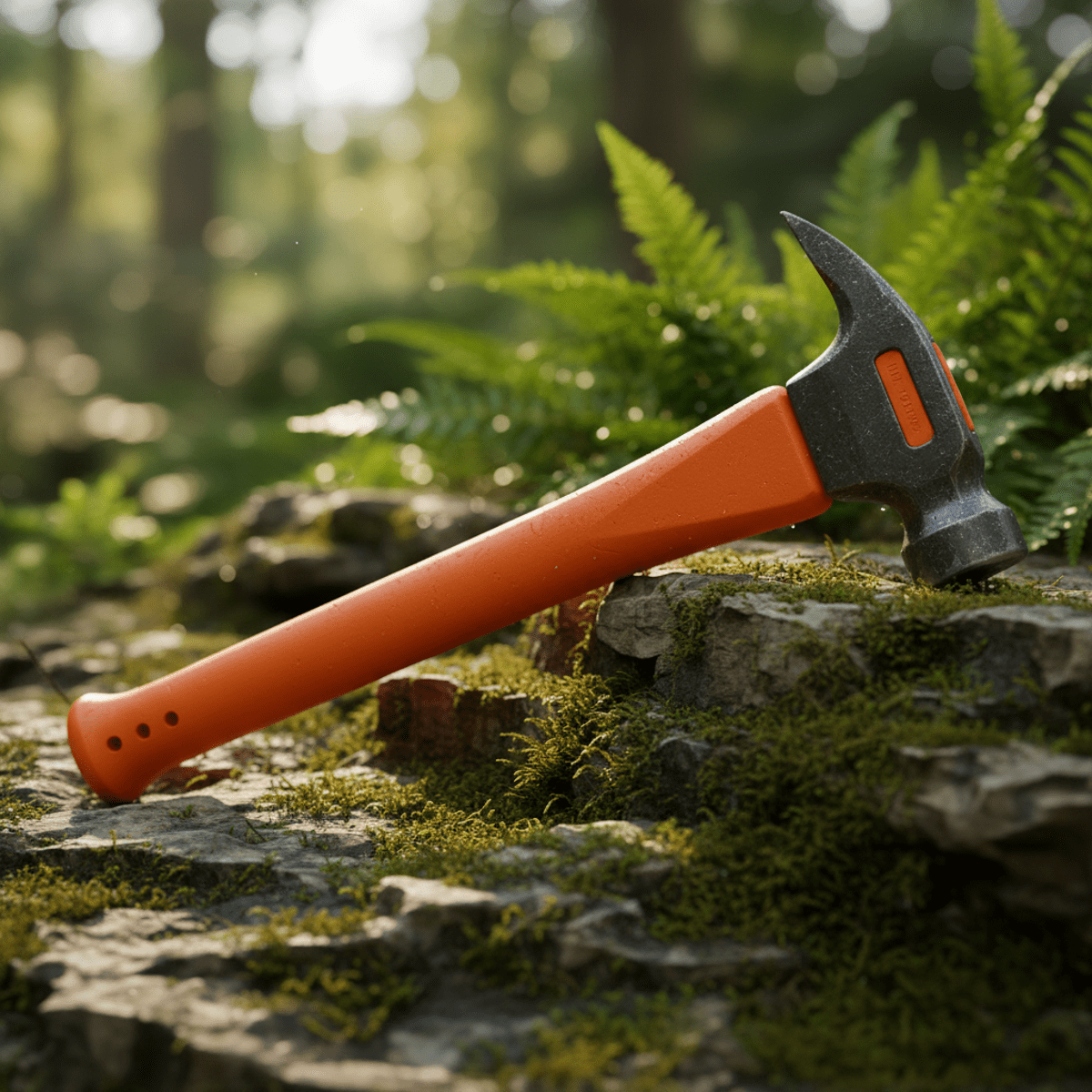
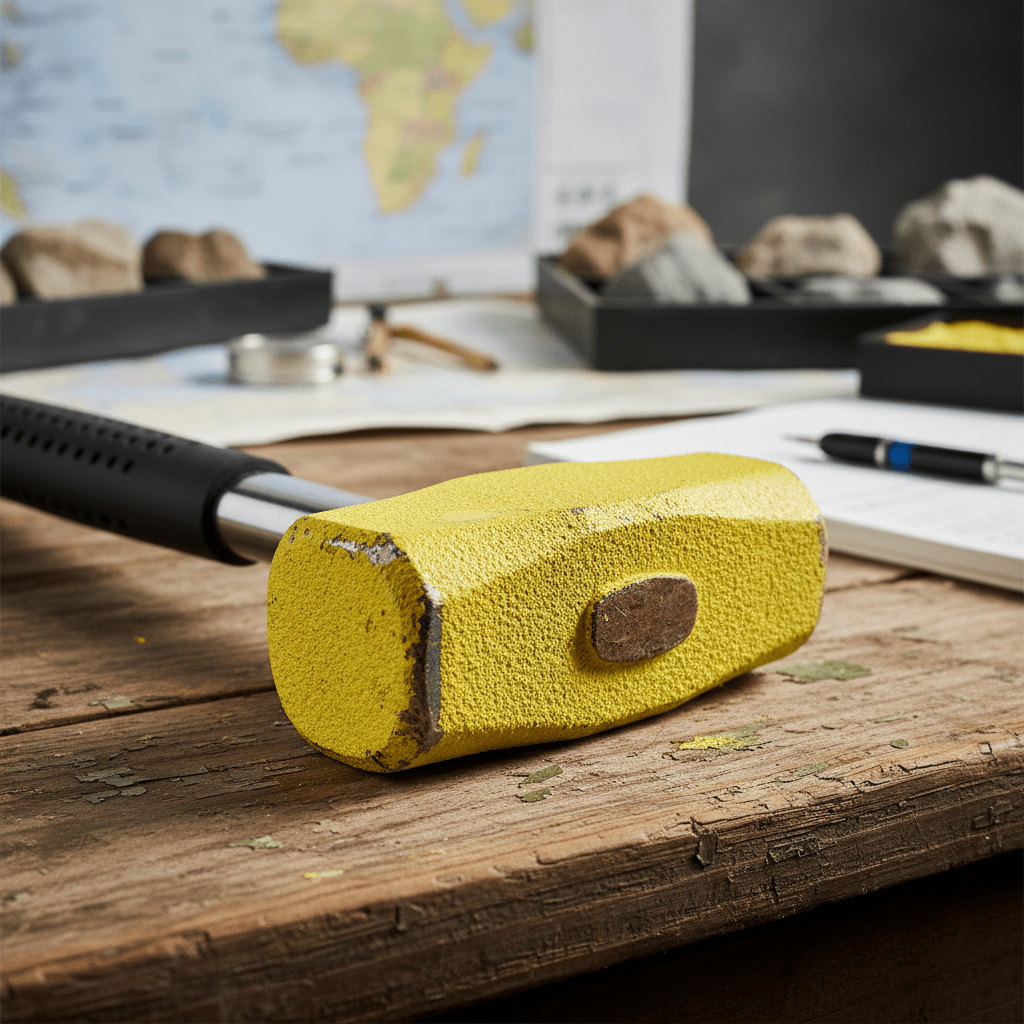
High-Visibility & Protective Coatings: Professional field equipment requires both visibility and protection, leading to the widespread adoption of advanced coating technologies on geological hammers. High-performance finishes like Cerakote, specialized powder coatings, and military-grade anodizing now appear in vibrant safety colors including hunter orange, electric yellow, and tactical blue that ensure tools remain visible in dense vegetation, rocky terrain, or cluttered field stations. These coatings provide far more than aesthetic appeal—they create an impermeable barrier against moisture, salt corrosion, and chemical exposure that extends tool lifespan significantly in harsh environmental conditions. The application process involves precision surface preparation and controlled curing that bonds the coating at the molecular level, creating a finish that won’t chip, peel, or fade even under intensive use. This innovation addresses the critical business need for asset protection while enhancing field safety through improved tool visibility.
4. The Hardest Edge
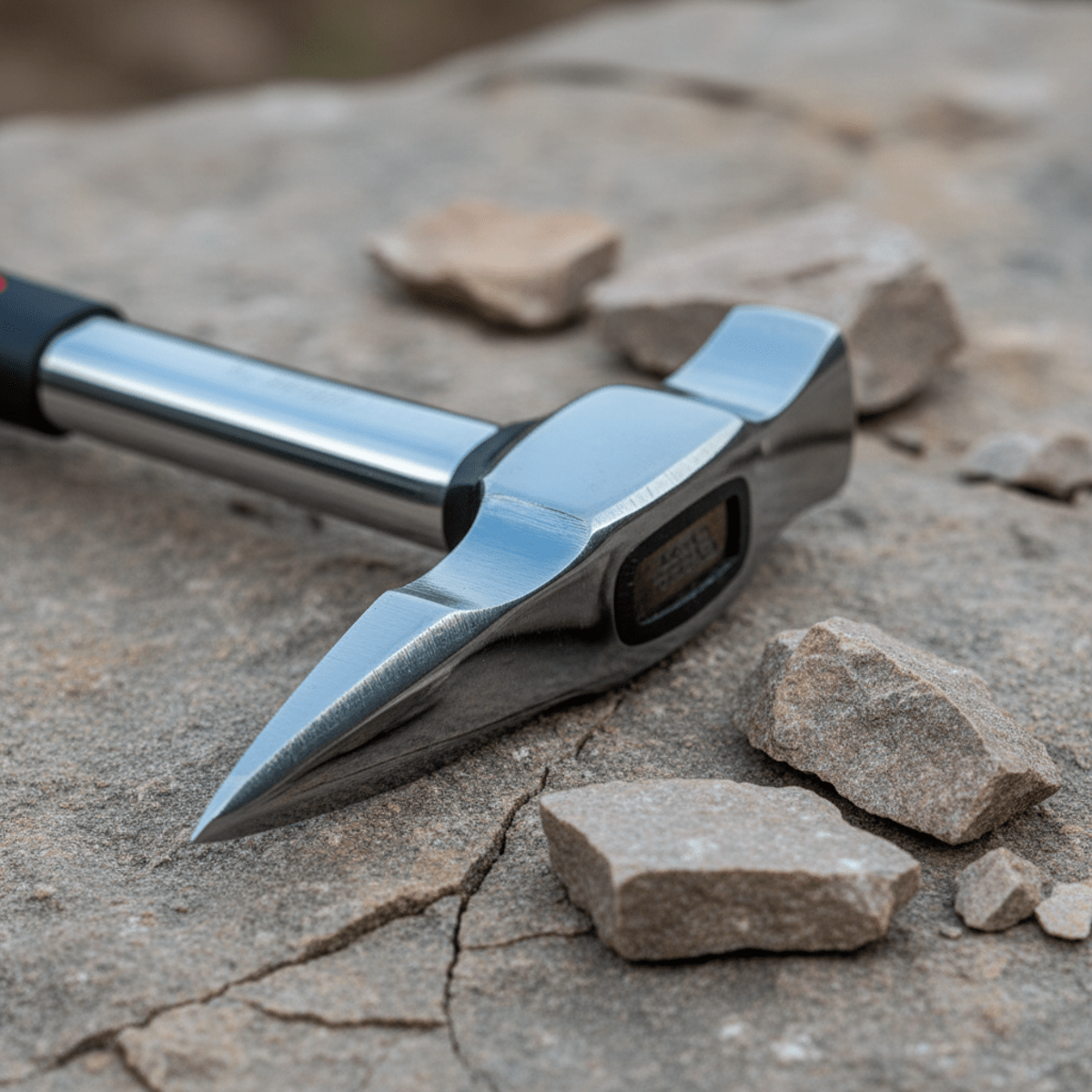

Cryogenically Tempered Heads: When working with exceptionally hard geological formations like quartzite, chert, or metamorphic rocks, standard steel hardness becomes insufficient, driving the adoption of cryogenic tempering processes. This advanced metallurgical technique involves controlled cooling of forged hammer heads to temperatures below -300°F using liquid nitrogen, which fundamentally alters the steel’s crystalline structure at the molecular level. The cryogenic process converts retained austenite to martensite, eliminates internal stress points, and creates a more uniform grain structure throughout the metal. The result is a striking surface and chisel edge with significantly enhanced hardness, superior wear resistance, and improved edge retention that maintains sharpness through thousands of impacts. Visually, cryogenically treated heads often exhibit a distinctive subtle blue tint and mirror-like finish that reflects their premium metallurgy, making them easily identifiable as professional-grade tools designed for the most demanding geological applications.
5. Smart Tools
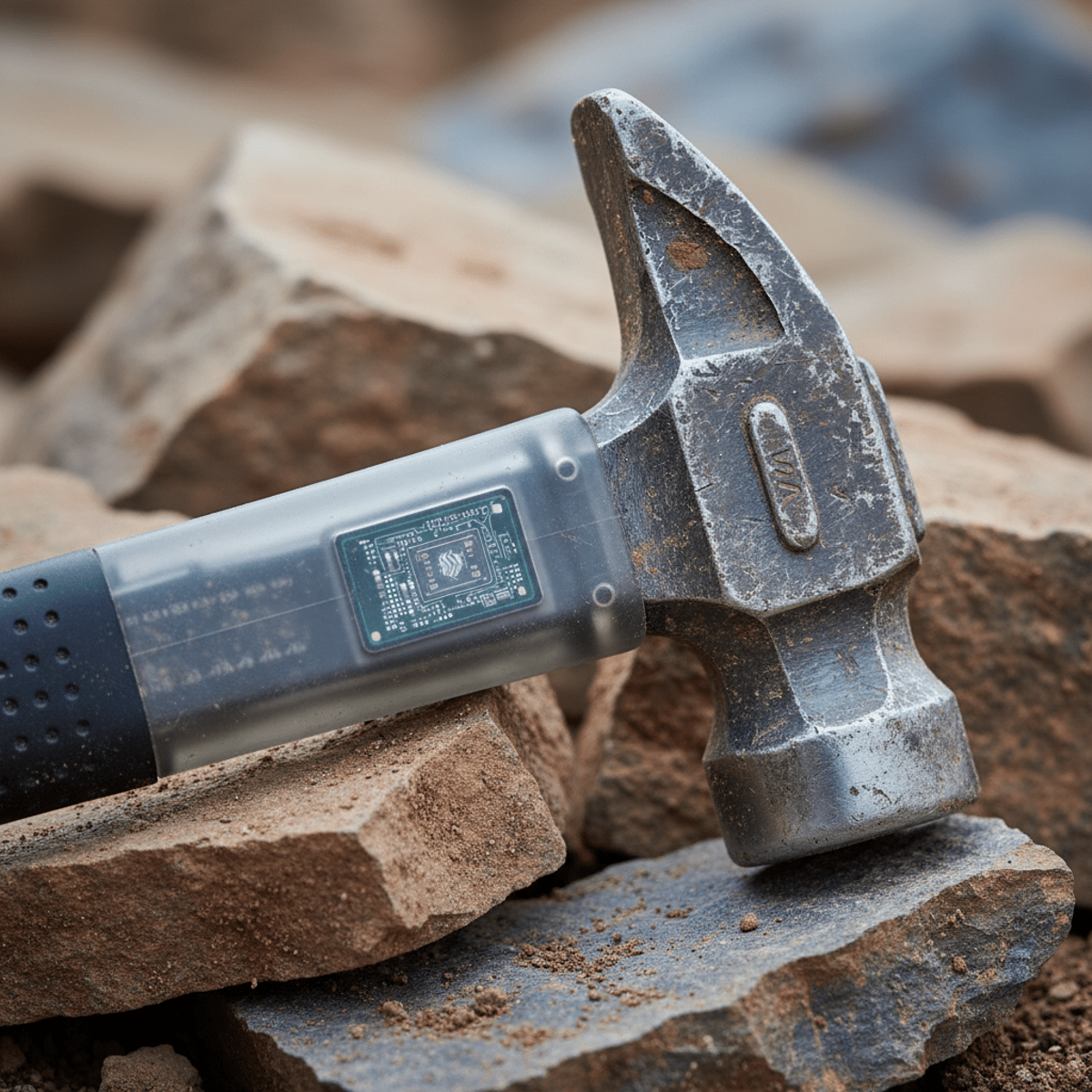
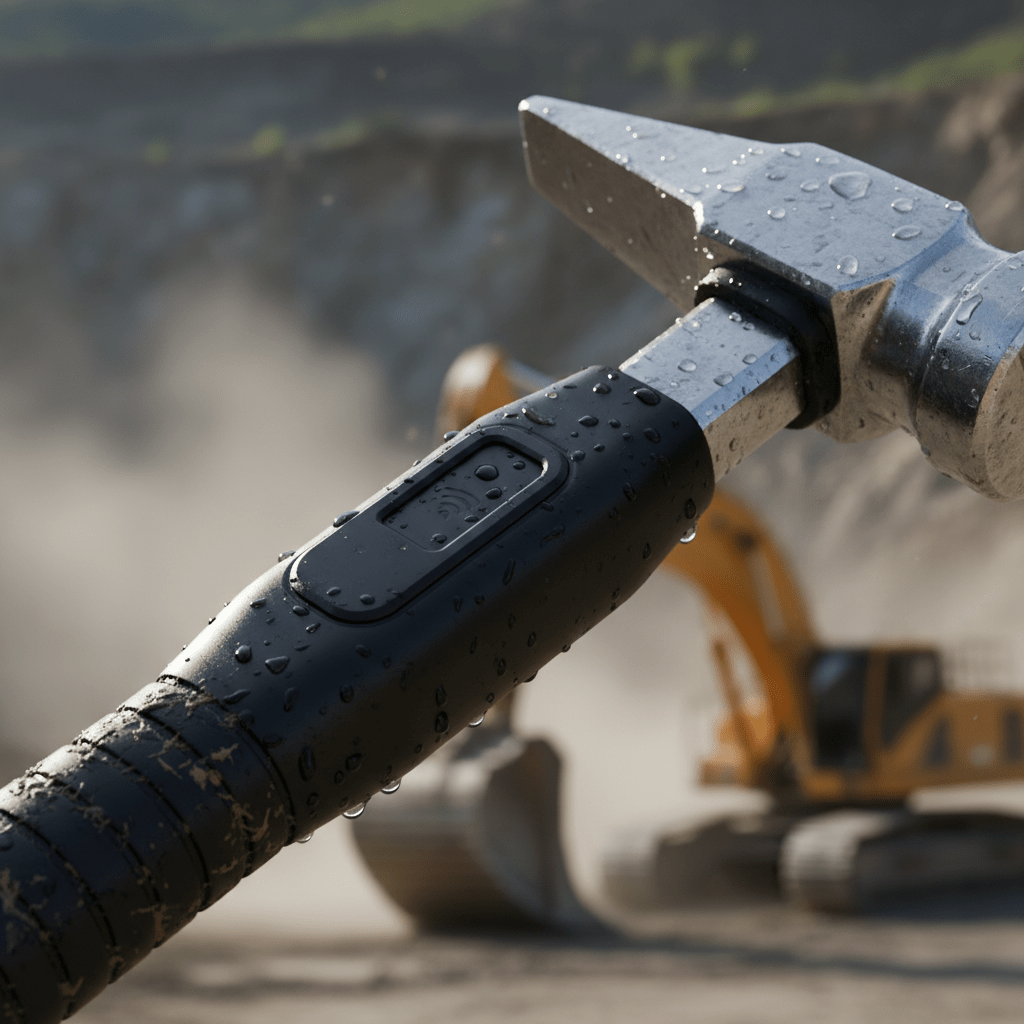
Embedded RFID for Asset Management: Modern geological operations require sophisticated asset tracking, leading manufacturers to integrate ruggedized RFID and NFC technology directly into hammer handles. These embedded chips, typically encased in shock-resistant polymer housings and positioned within the grip area, enable instant inventory management through smartphone scanning or dedicated readers. The technology allows organizations to maintain detailed databases tracking tool assignment, maintenance schedules, usage hours, and location history, providing unprecedented visibility into equipment utilization and replacement needs. For large survey companies, mining operations, and university geology departments managing hundreds of tools across multiple field teams, this innovation delivers measurable return on investment through reduced loss rates, improved maintenance compliance, and streamlined tool check-out processes. The RFID tags remain functional even when exposed to extreme temperatures, moisture, and impact forces typical in geological fieldwork, ensuring reliable performance throughout the tool’s operational lifetime.
6. Precision on Impact
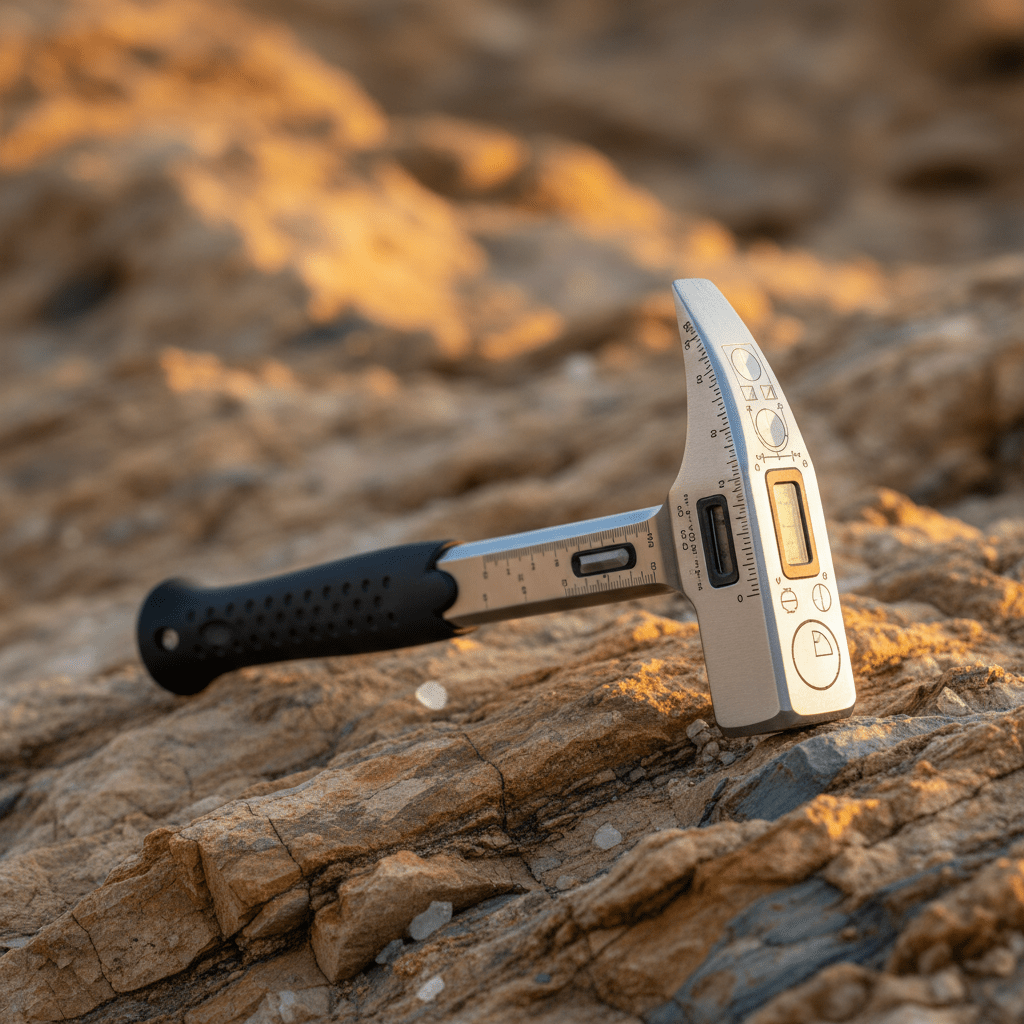
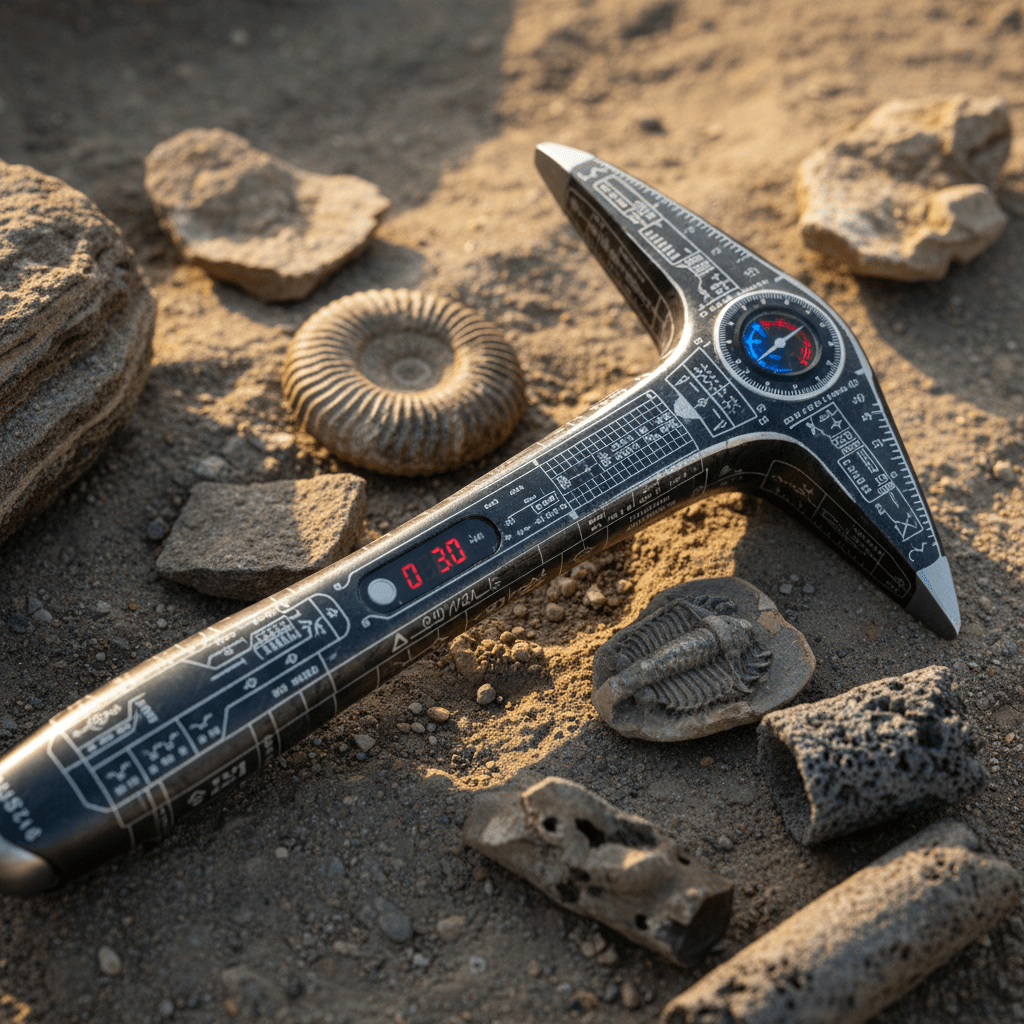
Integrated Measurement Scales: Efficient data collection drives the integration of precision measurement tools directly into geological hammer designs, eliminating the need for separate measuring instruments during field sampling. These innovations typically feature laser-etched or chemically etched ruler markings along the head sides or handle surfaces, calibrated in both metric and imperial units with sub-millimeter precision. Advanced implementations include depth gauges, angle indicators, and specimen sizing templates that enable rapid measurement of crystal faces, fossil dimensions, or stratigraphic layer thickness without interrupting the sampling workflow. The measurement scales undergo rigorous calibration testing and are applied using permanent marking techniques that resist wear, weathering, and chemical exposure throughout years of field use. This streamlined approach to field measurements significantly improves data collection efficiency while reducing the risk of losing or forgetting separate measuring tools, making it particularly valuable for professional geologists conducting detailed sampling programs or research studies requiring precise documentation.
7. The Modular Approach
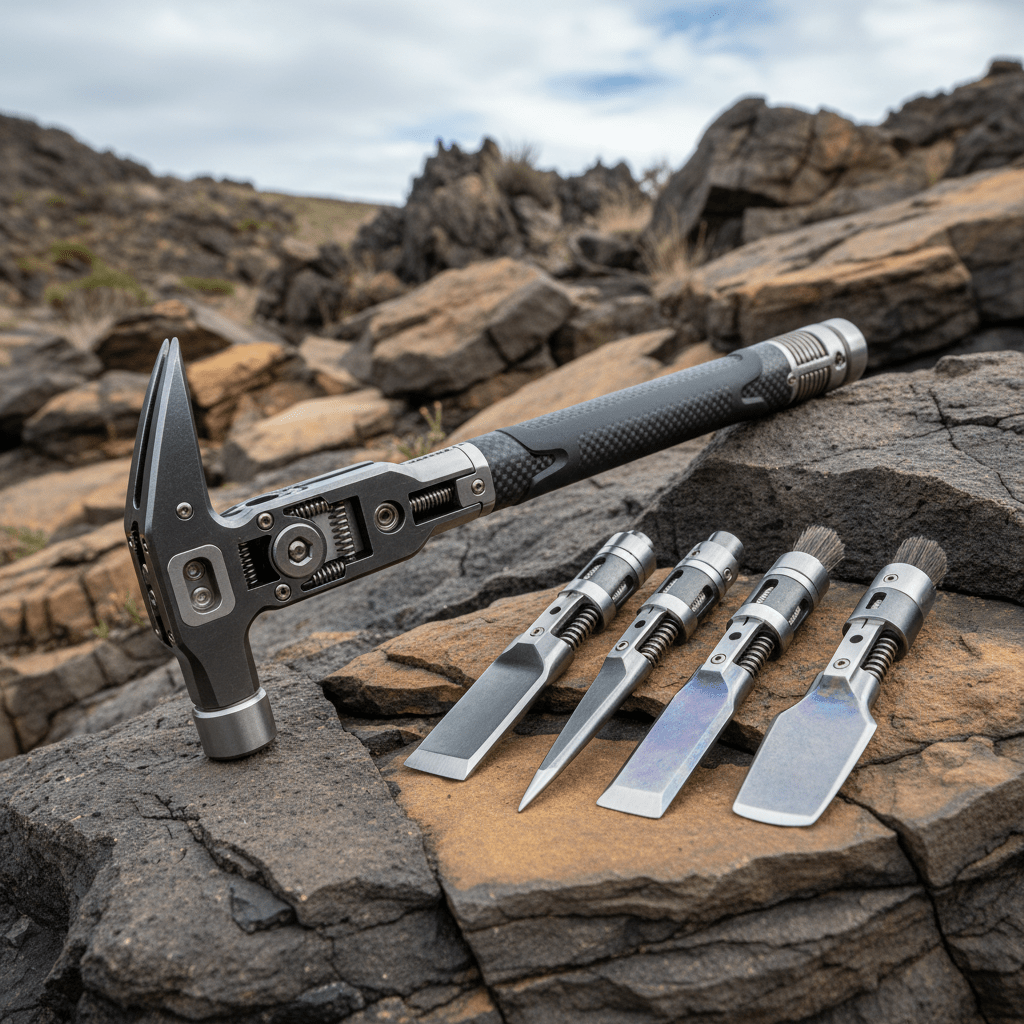
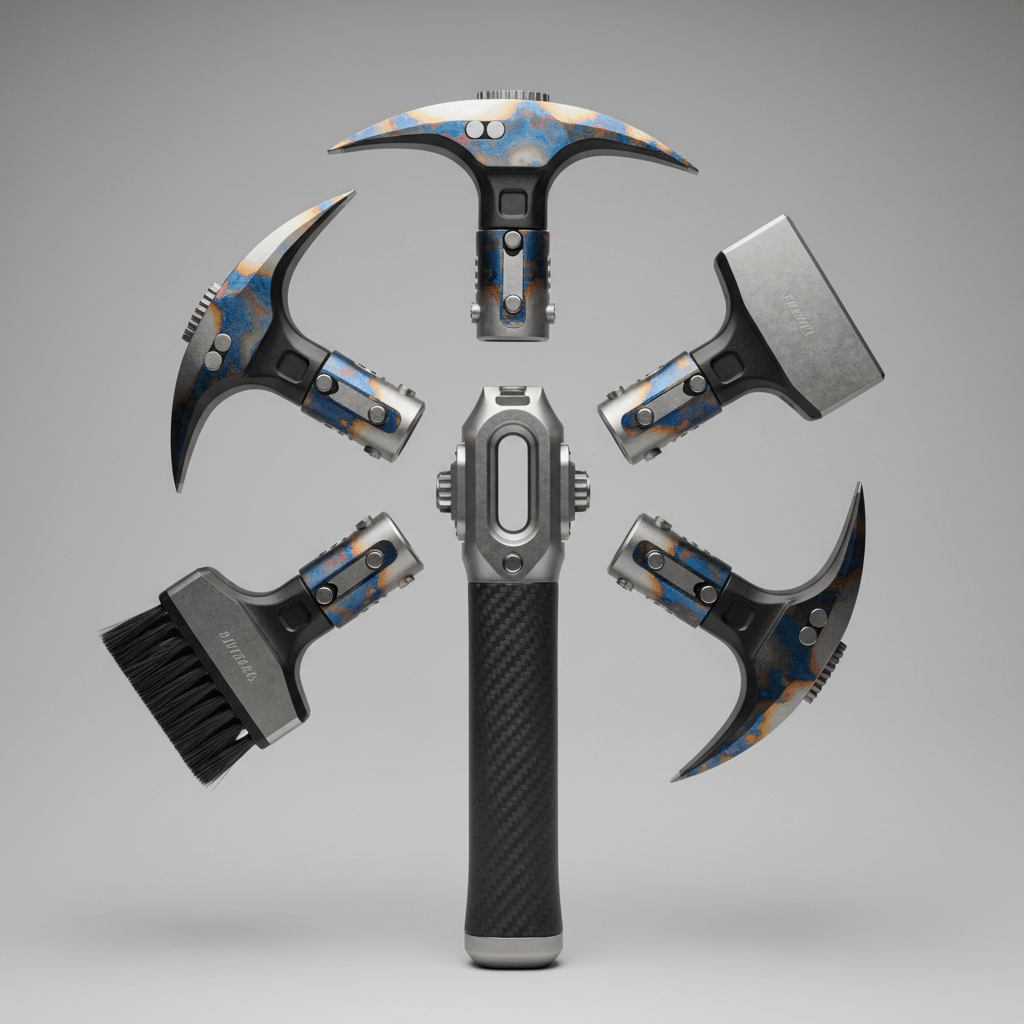
Interchangeable Head Systems: The most revolutionary concept emerging in 2026 geological equipment is the modular hammer system that transforms a single tool into a comprehensive field kit. These sophisticated designs feature precision-engineered locking mechanisms that enable rapid exchange between specialized heads—pointed picks for hard igneous rocks, wide chisels for sedimentary splitting, narrow chisels for detailed work, and even specialized attachments like small spades or brushes for specimen cleaning. The interchangeable system utilizes robust mechanical or magnetic locking mechanisms that provide secure attachment while allowing tool-free head changes in seconds. Each head undergoes individual heat treatment and finishing processes optimized for its specific geological application, ensuring maximum performance across diverse rock types and field conditions. The modular approach dramatically reduces the weight and bulk of field equipment while providing unprecedented versatility for geologists working in varied terrain, making it an increasingly popular choice for expedition work and comprehensive geological surveys where equipment versatility directly impacts mission success.
The geological hammer innovations of 2026 represent far more than incremental improvements—they constitute a fundamental reimagining of what professional fieldwork equipment can achieve. From the unbreakable strength of single-piece forged construction to the intelligent asset management capabilities of embedded RFID systems, these advances establish new benchmarks for durability, safety, ergonomics, and operational efficiency. The integration of cryogenic tempering, advanced vibration dampening, high-visibility coatings, precision measurement tools, and modular versatility demonstrates how traditional tools can evolve to meet the demanding requirements of modern geological operations. For businesses operating in this space, these innovations provide a clear roadmap to competitive advantage and market opportunity. Whether you’re a tool manufacturer developing next-generation product lines, an equipment designer seeking material and feature inspiration, or a company responsible for sourcing high-performance tools for field teams, understanding these technological trends is essential for informed decision-making. Ready to transform this market intelligence into actionable business results? Leverage our AI-powered sourcing tool, Accio, to instantly connect with manufacturers pioneering these cutting-edge designs, analyze real-time market demand for innovations like modular systems or cryogenic tempering, and establish direct relationships with suppliers of the advanced materials and technologies that make these breakthroughs possible. Turn today’s inspiration into tomorrow’s inventory with Accio.