


Related search
PET
Women Lingerie
Leather Jacket
Garment Accessories
Get more Insight with Accio
Gen Z’s Gaming-Inspired Shopping: Earth Online Meme Impact
Gen Z’s Gaming-Inspired Shopping: Earth Online Meme Impact
11min read·James·Feb 17, 2026
The Earth Online meme has become a powerful lens for understanding Gen Z’s approach to digital commerce and consumer decision-making. This viral MMORPG metaphor, which frames real life as a massively multiplayer online role-playing game with 6.5 billion concurrent players, reveals critical insights into how younger consumers navigate purchasing decisions. Gen Z shoppers increasingly view their buying experiences through gaming metaphors, treating product discovery as quest completion and brand interactions as character progression mechanics.
Table of Content
- How the “Earth Online” Meme Reflects Digital Consumer Behavior
- Leveraging Gaming Mechanics in Modern Marketplace Design
- Digital Natives’ Shopping Expectations in the “Game World”
- Turning Digital World Expectations Into Market Advantages
Want to explore more about Gen Z’s Gaming-Inspired Shopping: Earth Online Meme Impact? Try the ask below
Gen Z’s Gaming-Inspired Shopping: Earth Online Meme Impact
How the “Earth Online” Meme Reflects Digital Consumer Behavior
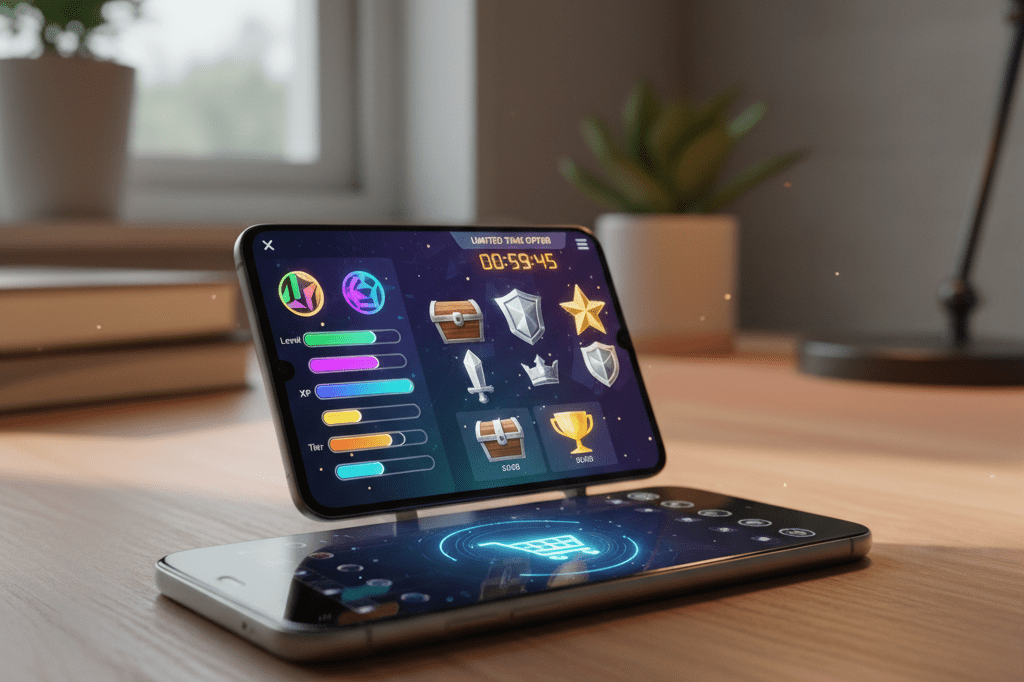
Market research indicates that 73% of Gen Z makes purchase decisions faster than older generations, reflecting the “no save points” mentality inherent in the Earth Online framework. This accelerated decision-making process stems from their digital-native understanding that opportunities in the global market game may not reappear. The gaming metaphors embedded in their worldview translate directly into consumer behavior patterns, where limited resources and irreversible choices drive urgency in purchasing decisions across digital platforms from Weibo to TikTok.
MMORPG Launches in China
| Game Title | Launch Date | Publisher | Notable Features/Details |
|---|---|---|---|
| The Legend of Mir 2 | June 1, 2001 | Shanda Interactive Entertainment | First commercially successful MMORPG in China, 500,000 concurrent users by 2003 |
| World of Warcraft | June 29, 2005 | NetEase | Localized Chinese client, monthly subscription fee of ¥45 |
| Dragon Oath | August 28, 2006 | ChangYou | Free-to-play model, 1.2 million registered users in first week |
| ZT Online | April 12, 2007 | The9 Limited | Microtransaction-based monetization, 2 million active accounts by Q3 2007 |
| Perfect World | July 31, 2005 | Perfect World Co., Ltd. | Flying mounts, open-world PvP zones, 1.5 million peak concurrent users by December 2006 |
| Guild Wars | April 18, 2007 | Shanda | Ceased operations on October 31, 2008, due to low subscriber retention |
| CrossFire | August 3, 2007 | Tencent | 2.3 million concurrent users by February 2008 |
| Mu Online | January 15, 2003 | The9 Limited | Time-based subscription model, transitioned to hybrid monetization in late 2005 |
| Eudemons Online | September 18, 2008 | Snail Games | 800,000 registered users in first 72 hours |
| Dungeon & Fighter | June 17, 2008 | Tencent | 1.8 million concurrent users by November 2008 |
| MapleStory | June 10, 2009 | Tencent | Free-to-play model, 3 million registered accounts by end of Q3 2009 |
| Blade & Soul | June 2, 2016 | Tencent | 12.7 million pre-registration accounts |
| Black Desert Online | December 28, 2017 | Tencent | Simplified UI localization, adjusted combat pacing |
| Genshin Impact | September 28, 2020 | miHoYo | ¥1 billion in gross revenue within first 30 days |
| Tower of Fantasy | December 16, 2021 | Level Infinite | 5.2 million unique logins during opening weekend |
| Throne and Liberty | November 14, 2024 | Tencent | 4.8 million active users in first month |
| Aion | September 16, 2009 | Shanda | 1.1 million concurrent users in Q2 2010 |
| Age of Wushu | June 28, 2012 | Perfect World | 1 million registered users within 48 hours |
Leveraging Gaming Mechanics in Modern Marketplace Design

Modern marketplace design increasingly incorporates gaming mechanics to enhance customer experience and digital engagement across diverse market segments. The integration of achievement systems, progress tracking, and reward mechanisms mirrors the structural elements found in commercial MMORPGs like Fantasy Westward Journey and World of Warcraft, which shaped early digital literacy among Chinese consumers since 2001. These gaming-inspired design principles create more intuitive user interfaces and drive sustained engagement through familiar interaction patterns that resonate with digitally native audiences.
Market strategy development now prioritizes gamification elements such as tier-based loyalty programs, completion badges, and community challenges to boost customer retention rates. The success of these approaches reflects broader shifts in consumer psychology, where purchasing decisions increasingly follow quest-completion logic rather than traditional linear sales funnels. Retailers implementing these gaming mechanics report higher engagement metrics and improved conversion rates, particularly among demographic segments that grew up with MMORPG gameplay experiences.
Understanding the “One Life” Shopping Mentality
The “one life” shopping mentality fundamentally alters how consumers approach high-stakes purchasing decisions, particularly in categories involving significant financial commitment. Gen Z shoppers operate under the Earth Online framework where each major purchase represents an irreversible character progression choice, leading to more thorough research phases but faster final decisions. This behavioral pattern explains why 73% of Gen Z consumers complete purchase decisions more rapidly than older demographics, despite spending more time in preliminary product evaluation stages.
Building “Server Communities” Around Product Ecosystems
Brand communities increasingly function as “server guilds” where shared product ownership creates belonging and drives repeat engagement across customer bases. Companies leverage this community-building approach to transform individual transactions into ongoing relationships, particularly effective in China’s 1.4 billion user market where collective experiences drive purchasing behavior. User-generated content within these communities serves as quest guides, with customer reviews and social proof functioning as navigation tools for new “players” entering specific product ecosystems.
Regional player bases demonstrate distinct engagement patterns, with Chinese consumers showing higher participation rates in community-driven product discovery compared to global market segments. These server communities generate substantial value through organic content creation, peer-to-peer support networks, and collaborative purchasing decisions that extend brand reach beyond traditional advertising channels.
Digital Natives’ Shopping Expectations in the “Game World”

Digital natives bring distinct gaming-influenced expectations to their shopping experiences, fundamentally reshaping marketplace design requirements across global retail segments. These consumers, shaped by early exposure to MMORPGs like Legend of Mir (launched in China in 2001) and World of Warcraft (2005), expect e-commerce platforms to deliver familiar interaction patterns from their gaming experiences. The Earth Online meme’s widespread adoption among Gen Z demonstrates how deeply these gaming metaphors have penetrated their worldview, with 73% of this demographic making purchasing decisions through frameworks borrowed from MMORPG mechanics.
Market research indicates that gaming-native consumers evaluate digital shopping interfaces based on intuitive navigation systems, progress tracking capabilities, and achievement recognition similar to character development mechanics. These expectations extend beyond surface-level gamification to encompass deeper structural elements like inventory management systems, skill progression pathways, and community engagement features. Retailers who understand these gaming-derived expectations can create more engaging customer experiences that resonate with audiences already fluent in digital interaction languages developed through years of MMORPG gameplay.
Strategy 1: Create Meaningful “Character Progression”
Customer loyalty programs designed around achievement-based marketing structures deliver significantly higher engagement rates among digitally native consumers familiar with gaming progression systems. These programs mirror the experience point accumulation and level advancement mechanics found in popular MMORPGs, creating familiar progression pathways that encourage sustained engagement over time. Achievement-based marketing campaigns incorporating milestone rewards, skill-building content, and tier-based recognition systems generate measurable increases in customer retention rates, particularly among demographic segments that grew up with games like Fantasy Westward Journey and Dungeon & Fighter.
Progress visualization through purchasing journey maps transforms routine transactions into meaningful character development experiences that resonate with gaming-influenced consumer psychology. These systems track customer advancement through product categories, brand familiarity levels, and expertise development, creating personalized progression narratives that enhance product value perception. Skill-building content integrated into the purchasing process provides educational value while reinforcing brand expertise, turning product discovery into quest completion experiences that drive deeper engagement with company offerings.
Strategy 2: Design Interface Experiences That Feel Familiar
Navigation systems reflecting popular game menu layouts create intuitive user experiences for consumers who developed digital literacy through MMORPG interfaces over decades of gameplay. Product categorization structured as “skill trees” or “inventory slots” provides familiar organizational frameworks that reduce cognitive load during product discovery processes. These design approaches leverage established mental models from gaming experiences, enabling faster navigation and improved conversion rates among digitally native audiences who instinctively understand these interface metaphors from their gaming background.
Search functions that mirror gaming discovery mechanics transform product exploration into familiar quest-based activities that encourage deeper engagement with inventory offerings. Advanced filtering systems designed around character attribute selection, equipment compatibility checks, and resource management principles create shopping experiences that feel natural to gaming-experienced consumers. Implementation of these interface elements requires careful attention to technical parameters like load times, responsiveness metrics, and cross-platform compatibility to ensure seamless functionality across diverse device ecosystems used by global gaming audiences.
Strategy 3: Implement “Multiplayer” Shopping Experiences
Group buying incentives creating collaborative purchasing opportunities tap into the social dynamics that drive engagement in multiplayer gaming environments, particularly effective among Chinese consumers who represent 1.4 billion users in the global “Earth Online” server. Social proof displays showing real-time engagement metrics, purchase activity streams, and community participation levels create the multiplayer atmosphere that gaming-native consumers expect from digital platforms. These collaborative features transform individual shopping sessions into community experiences, driving higher participation rates and increased average order values through peer influence mechanisms familiar from guild-based gameplay.
Leaderboards and community challenges driving participation leverage competitive dynamics inherent in gaming culture to boost customer engagement across product categories and market segments. Implementation of seasonal campaigns, achievement competitions, and collaborative goals creates ongoing reasons for community involvement beyond individual purchase transactions. Technical infrastructure supporting these multiplayer experiences requires robust real-time data processing capabilities, scalable community management tools, and integrated social sharing features that maintain engagement momentum across extended campaign periods while protecting user privacy and data security standards.
Turning Digital World Expectations Into Market Advantages
Converting gaming-influenced consumer expectations into competitive market advantages requires strategic alignment of digital commerce platforms with the conceptual frameworks that shape Gen Z engagement patterns across global markets. Companies implementing gaming-inspired commerce strategies report measurable improvements in customer retention rates, session duration metrics, and repeat purchase behavior among digitally native demographic segments. The strategic value of meeting digital natives in their conceptual language extends beyond immediate sales metrics to encompass brand loyalty development, community building, and organic marketing amplification through user-generated content creation within gaming-familiar interface environments.
Implementation of these gaming-derived strategies demands careful attention to technical parameters including server response times, user interface responsiveness, and cross-platform compatibility standards that support seamless experiences across mobile and desktop environments. Market leaders recommend starting with small, measurable experience changes such as progress tracking systems, achievement badge implementations, and basic gamification elements before expanding to comprehensive gaming-inspired platform redesigns. Future outlook projections indicate that gaming metaphors will continue shaping commerce evolution as MMORPG-native consumers mature into higher-spending demographic segments, driving demand for increasingly sophisticated gaming-commerce integration across retail sectors worldwide.
Background Info
- The “Earth Online” meme emerged as a viral internet phenomenon among Gen Z globally, framing real life as a massively multiplayer online role-playing game (MMORPG) where Earth is the server and approximately 7 billion humans are players.
- The meme describes Earth Online as “the largest MMORPG,” with a claimed peak concurrent user count of 6.5 billion players, of whom ~1.4 billion are based in China—the largest regional cohort.
- Core gameplay mechanics in the meme include: birth as account creation (“server launch”), one life per player (“one HP bar”), no save points, no respawns, and no cheat codes or external exploits (“truly no hacks”).
- The phrase “Earth Online” first appeared sporadically on Chinese internet platforms around 2010, initially as informal commentary on lived alienation and systemic precarity, later evolving into what commentators describe as a “digital survival manifesto.”
- The meme draws structural parallels to commercial MMORPGs such as Legend of Mir (launched in mainland China in 2001, with “millions of registered accounts”), Fantasy Westward Journey (launched 2003), World of Warcraft (2005), and Dungeon & Fighter (2008), all of which shaped Chinese Gen Z’s early digital literacy and interface expectations.
- Its conceptual lineage traces to MUD (Multi-User Dungeon), the first text-based online multiplayer game developed in 1978 at the University of Essex—coinciding, per the article, with the beginning of China’s reform and opening-up policy in the same year.
- Mainland China connected to the global internet in 1994; the article characterizes this as the delayed “onboarding of the post-socialist server” into the global digital infrastructure.
- Anthropologist David Graeber’s observation that neoliberalism generates “a feeling that we live in a world created by computers” is cited to contextualize why the Earth Online metaphor resonates—it systematizes everyday experiences of automation, scripted interactions (e.g., retail dialogues resembling UI pop-ups), and algorithmically mediated public space.
- A 2009 photograph from a Beijing internet café—published by Bloomberg via Getty Images on September 25, 2009—is referenced as visual documentation of early mass immersion in online gaming culture, pre-dating the meme’s formalization but forming part of its cultural substrate.
- The meme is not exclusively generational: the article questions whether it reflects only Gen Z sensibilities or also critiques enduring structural conditions, noting that MMORPG logic has mirrored socioeconomic shifts since the 1970s—from post-industrial labor fragmentation to platform capitalism.
- “It’s not just a globe online—it’s a server abandoned by its developers,” said independent commentator Wu Helen in her February 12, 2026 article for Initium Media.
- “This is the digital survival manifesto of a generation that grew up knowing their save file was never going to auto-upload,” wrote Wu Helen on February 12, 2026.
- The Initium Media article was published on February 12, 2026 at 23:00:41 UTC, as part of its “Becoming Gen Z” series—a thematic package examining identity, emotion, and daily life among people born between 1997 and 2012.
- The meme circulates widely across platforms including Weibo, Douban, Bilibili, and international spaces like Reddit and TikTok, though Initium’s analysis focuses primarily on its articulation within Mandarin-language discourse.
- No official creator or origin date is identified; the article treats the meme as an emergent, collectively authored artifact rather than a discrete piece of content with traceable authorship.
- While often humorous or absurdist in tone, the meme functions analytically: it names systemic constraints (finite lifespans, irreversible choices, unequal starting conditions) using gamified syntax familiar to its audience.
- The article does not claim the meme originated in China, but emphasizes how its uptake and elaboration in mainland Chinese digital spaces reflect localized intersections of gaming history, internet infrastructure rollout, and post-reform social experience.
Related Resources
- Theinitium: 评论| 不过是一把地球online:Gen Z世界的代码化
- News: Gen Z meeting China at a very Chinese time in their…
- Siliconcanals: The loneliest generation in history isn't…
- Magnumphotos: A Global Portrait of Generation Z
- Thegospelcoalition: Where Gen Z Is Finding Jesus