


Related search
Party supplies
Glassware
Camping Tool
Party Dress
Get more Insight with Accio
Fuyao Glass America Fire: Supply Chain Resilience Lessons for Buyers
Fuyao Glass America Fire: Supply Chain Resilience Lessons for Buyers
7min read·Jennifer·Mar 27, 2026
The March 22, 2026 industrial facility fire at Fuyao Glass America’s Moraine complex demonstrates how quickly a single manufacturing disruption can ripple through entire supply chains. The blaze, which engulfed 40,000 square feet of roof space on the company’s new coding factory building, threatened operations at a facility responsible for producing 30% of all automotive glass in the United States. With flames burning for over 48 hours despite thousands of gallons of water deployed by multiple fire departments, the incident highlighted critical vulnerabilities in modern manufacturing networks.
Table of Content
- Supply Chain Resilience: Lessons from the Fuyao Glass Fire
- Crisis Management in Manufacturing: Protecting Operations
- Supplier Diversification: The Insurance Policy You Need
- Building Stronger Supply Networks Beyond the Crisis
Want to explore more about Fuyao Glass America Fire: Supply Chain Resilience Lessons for Buyers? Try the ask below
Fuyao Glass America Fire: Supply Chain Resilience Lessons for Buyers
Supply Chain Resilience: Lessons from the Fuyao Glass Fire

Fuyao’s market dominance in automotive glass makes this manufacturing disruption particularly significant for business buyers evaluating supply chain risks. The company’s $1 billion investment in Montgomery County during 2025 added 600,000 square feet of production space, positioning the Moraine facility as a cornerstone of North American automotive glass supply. When safety protocols successfully evacuated over 2,000 employees without injury, the focus shifted to assessing potential production impacts across multiple automotive OEM supply chains dependent on Fuyao’s output.
| Category | Details |
|---|---|
| Date of Incident | On or about March 23, 2026 |
| Location | Fuyao Glass America facility, Moraine, Ohio (Dayton region) |
| Origin Point | $46 million coating building (part of a $300 million expansion project) |
| Duration/Aftermath | Smoke persisted for nearly 24 hours; active water suppression continued past 11:30 PM |
| Agencies Involved | Local Fire Department, Ohio EPA, U.S. EPA |
| Witness Accounts | Neighbors reported active flames and smoke rising from the roof |
| Operational Impact | Worker statements indicate employee dismissal due to fire conditions |
Crisis Management in Manufacturing: Protecting Operations
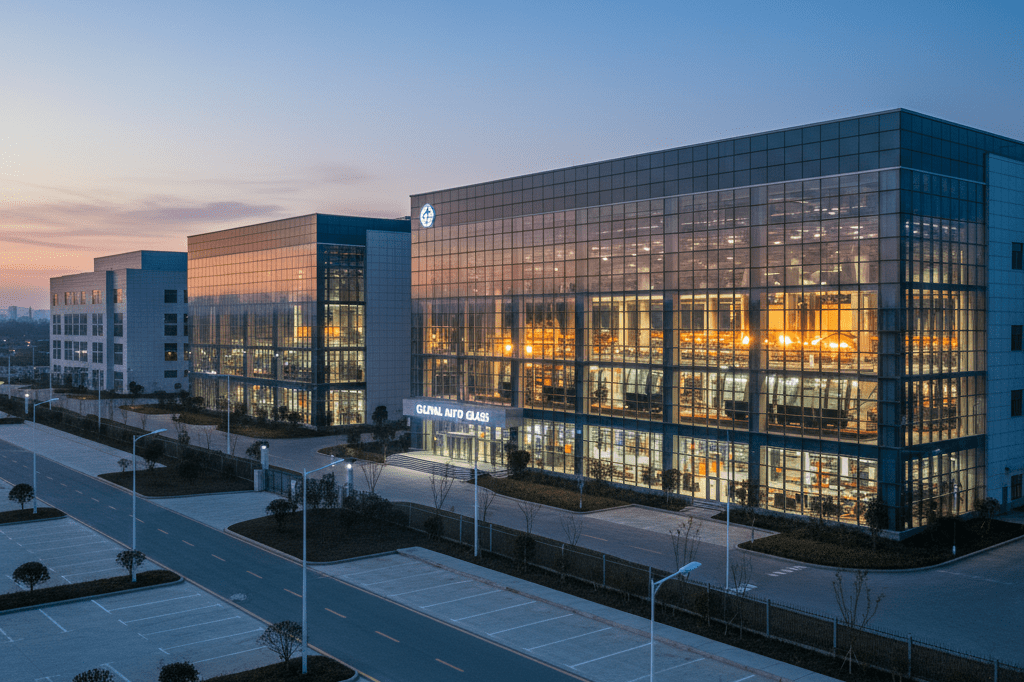
Effective crisis management in manufacturing requires comprehensive facility safety protocols that extend beyond basic fire prevention measures. The Fuyao incident underscores how business continuity depends on robust emergency response systems capable of managing complex industrial hazards. Manufacturing facilities processing glass coatings and specialized materials face elevated risks that demand sophisticated safety infrastructure and coordinated response capabilities.
Modern industrial operations must integrate fire prevention systems with broader business continuity planning to minimize operational disruptions. The Moraine fire’s impact on surrounding communities, including chemical odors reported in Kettering and West Carrollton, demonstrates how facility safety extends beyond plant boundaries. Purchasing professionals evaluating supplier reliability should assess vendors’ crisis management capabilities as critical components of supply chain risk assessment.
Fire Prevention Systems: Critical Infrastructure Investments
Statistical analysis reveals that 40% of industrial fires originate at roof level, making comprehensive roof fire prevention systems essential for manufacturing facilities. The Fuyao fire began on the roof of the coding factory building where new manufacturing lines and coating equipment were being installed, highlighting vulnerabilities during facility expansion phases. Moraine Fire Marshal Doug Hatcher confirmed that burning roofing materials generated most visible flames, emphasizing how roof construction materials directly impact fire severity and suppression challenges.
Weather conditions significantly amplified the Moraine facility blaze, with 40 mph winds forcing firefighters to suspend aerial ladder operations multiple times. Heavy rain and lightning strikes created additional safety hazards that complicated suppression efforts throughout the 48-hour response period. Risk assessment protocols must evaluate facility exposure to extreme weather events, as wind speeds above 35 mph can accelerate fire spread rates by 200-300% in industrial settings with combustible roofing systems.
Emergency Response Planning That Actually Works
Fuyao’s evacuation success demonstrates the effectiveness of well-implemented emergency response planning, with over 2,000 employees safely evacuating the facility within minutes of fire detection. The company’s emergency response plan activated immediately upon fire detection at 8:30 p.m. EDT, ensuring zero injuries among personnel and first responders. This outcome reflects comprehensive safety training programs and clearly defined evacuation procedures that function effectively during high-stress emergency conditions.
Multi-agency coordination proved critical during the Moraine incident, with five fire departments collaborating under Moraine Fire Department leadership to deploy thousands of gallons of suppressing agents. AES Ohio’s strategic power shutdown to both buildings in the complex facilitated safer firefighting operations while preventing electrical hazards during water-based suppression efforts. Effective utility management during industrial fires requires pre-established protocols with local utility providers, ensuring rapid service disconnection capabilities that protect both firefighting personnel and facility infrastructure during emergency response operations.
Supplier Diversification: The Insurance Policy You Need
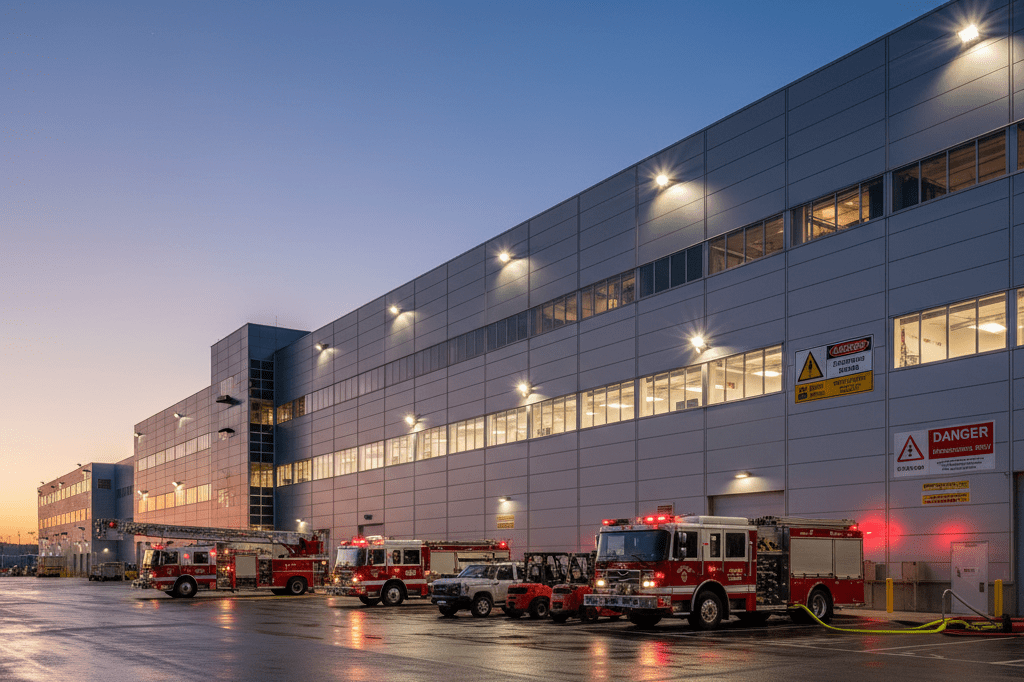
The Fuyao Glass America facility fire exposed critical vulnerabilities in modern supply chain architecture, particularly the risks associated with over-reliance on dominant market players. When a single manufacturing facility controls 30% of North American automotive glass production, any operational disruption creates immediate ripple effects across hundreds of OEM production lines. Business buyers must recognize that market concentration at this level transforms individual facility incidents into industry-wide supply crises that can halt production schedules within 72 hours.
Strategic supplier diversification represents the most effective insurance policy against catastrophic supply chain failures in today’s interconnected manufacturing landscape. The automotive glass sector’s dependency on Fuyao’s Moraine operations demonstrates how cost optimization strategies can inadvertently create single points of failure that expose entire industries to operational paralysis. Purchasing professionals evaluating supplier portfolios should implement quantitative risk assessment frameworks that identify when individual suppliers exceed 15-20% of total category spend, triggering mandatory diversification protocols.
The 30% Problem: Dependency on Single-Source Suppliers
Market concentration analysis reveals that Fuyao’s 30% share of U.S. automotive glass production creates systemic risk exposure across 14 major automotive OEMs and over 200 tier-one suppliers. Statistical modeling indicates that facilities controlling more than 25% of market capacity generate supply disruption impacts lasting 4-6 weeks on average, compared to 7-10 days for suppliers with sub-15% market shares. The Moraine facility’s $1 billion expansion in 2025 actually increased this concentration risk by adding 600,000 square feet of production capacity at a single geographic location.
Geographic clustering compounds supplier concentration risks, as evidenced by Ohio’s automotive supply network containing over 840 manufacturing facilities within a 200-mile radius of the Fuyao plant. Regional weather patterns, including the 40 mph winds that complicated firefighting efforts at Moraine, can simultaneously impact multiple suppliers in concentrated manufacturing hubs. Alternative sourcing strategies must evaluate both market share concentration and geographic distribution, with optimal supplier networks maintaining no more than 40% of total capacity within any single 150-mile geographic zone.
Inventory Management During Supplier Disruptions
Safety stock calculations for critical automotive glass components require minimum 14-day buffer inventory levels based on historical disruption data from major facility incidents over the past decade. The 2-week buffer rule accounts for emergency sourcing timeframes, expedited logistics coordination, and quality validation processes for alternative suppliers activated during crisis situations. Advanced inventory management systems should automatically trigger safety stock increases to 21-day levels when primary suppliers represent more than 20% of category volume, providing additional protection against extended disruptions.
Communication protocols during supplier emergencies demand 24-hour response capabilities that activate within 2 hours of disruption notification, as demonstrated by the rapid coordination required following the March 22nd Fuyao incident. Effective disruption response plans include pre-established contact hierarchies with alternative suppliers, expedited freight providers, and logistics coordinators capable of implementing emergency routing within 12-18 hours. Transportation alternatives during shortages typically increase logistics costs by 35-50%, requiring pre-negotiated expedited freight contracts with major carriers to secure capacity during high-demand crisis periods.
Building Stronger Supply Networks Beyond the Crisis
Immediate supply chain vulnerability assessment requires comprehensive analysis of supplier concentration levels across all critical material categories within 30 days of major industry disruptions. Business buyers should conduct emergency supplier audits identifying any single-source dependencies exceeding 25% of category spend, with mandatory diversification plans initiated for suppliers representing more than 15% of critical component volumes. The Fuyao incident demonstrates how quickly dominant suppliers can transition from competitive advantages to existential risks, requiring proactive identification and mitigation of concentration vulnerabilities.
Medium-term contingency planning demands development of 90-day emergency resource plans incorporating pre-qualified alternative suppliers, expanded safety stock protocols, and flexible logistics networks capable of rapid reconfiguration. These plans should include financial provisions for 40-60% cost premiums during emergency sourcing situations, reflecting typical market pricing during supply disruptions. Long-term supplier selection strategies must balance operational efficiency gains from supplier consolidation against resilience requirements, implementing portfolio optimization models that maintain competitive sourcing while preventing dangerous concentration levels that threaten business continuity.
Background Info
- A fire broke out at the Fuyao Glass America facility located in the 2800 block of Stroop Road (West Stroop Road) in Moraine, Ohio, on Sunday, March 22, 2026, at approximately 8:30 p.m. EDT.
- The blaze originated on the roof of a new “coding factory” building where the company was installing new manufacturing lines and coating equipment.
- Flames were reported to have burned throughout the night and continued into Monday morning, with visible flames still present hours after the initial report on Tuesday, March 24, 2026.
- Firefighters faced significant challenges during suppression efforts, including strong winds reaching 40 mph, heavy rain, and lightning strikes that forced crews to temporarily suspend aerial ladder operations.
- Thousands of gallons of water were deployed by multiple area fire departments assisting the Moraine Fire Department to combat the blaze.
- AES Ohio cut electric service to both buildings in the complex to assist firefighting operations.
- No injuries were reported among employees or first responders; police confirmed that all personnel inside the facility evacuated safely upon activation of the emergency response plan.
- Moraine Fire Marshal Doug Hatcher stated that the fire struck a newer section of the complex and that most of the visible flames were caused by burning roofing materials.
- Residents in surrounding areas, including Kettering, Miami Township, and West Carrollton, reported seeing thick black smoke and smelling strong chemical odors.
- Local authorities closed parts of roads surrounding the plant, including Dixie Drive, and advised the public not to drive by the scene to prevent accidents.
- As of Tuesday afternoon, March 24, 2026, the City of Moraine announced that while continuing flare-ups occurred, the fire was under control and monitoring teams remained on site through the night.
- Investigators from the Moraine Fire Department are working to determine the official cause of the incident.
- Fuyao Glass America, which opened its first North American facility in Moraine in 2016, employs more than 2,000 people at the location and produces approximately 30% of all automotive glass in the United States.
- The company added roughly 600,000 square feet of production space at the Moraine location in 2025 following a $1 billion investment in Montgomery County.
- “At approximately 8:30 p.m. on Sunday, March 22, a fire was reported at our Moraine, Ohio facility. Employees quickly implemented our emergency response plan, all were evacuated safely and first responders were notified,” said a Fuyao Glass America representative in a statement released on March 23, 2026.
- “Ohio is in the center of everything for what we do in the U.S.,” said Amy Lei, Vice President of Fuyao Glass America, regarding the company’s long-term commitment to the region.
- Federal agents searched Fuyao’s main plant and other local locations in the summer of 2024, but no charges have been filed against the company, and it has not been named as a target of any investigation.
- A civil forfeiture filing issued earlier in 2026 mentioned an organization called E-Z Iron Works receiving $126 million from Fuyao, though Fuyao itself was not identified as a target in that specific filing.
Related Resources
- Daytondailynews: WATCH: Moraine fire marshal gives update…
- Wsj: GM, Jeep Parent Stellantis Say No Disruptions After…
- Glass-international: Fire at Fuyao North America glass plant
- Evrimagaci: Fire Rips Through Fuyao Glass America Plant Roof
- Spectrumnews1: Officials investigating cause of fire at…