


Related search
Automotive Accessories
Kitchen Tools
Suit
Anime Clothing
Get more Insight with Accio
Fuyao Glass America Fire Exposes Manufacturing Supply Chain Risks
Fuyao Glass America Fire Exposes Manufacturing Supply Chain Risks
7min read·James·Mar 25, 2026
The 18-hour blaze that engulfed Fuyao Glass America’s coding factory on March 22, 2026, serves as a stark reminder of how quickly industrial operations can spiral into crisis. Flames continued billowing from the Moraine, Ohio facility’s roof well into March 24, 2026, with temperatures reaching extreme levels that overwhelmed initial suppression efforts. This extended duration reveals critical vulnerabilities in manufacturing risk management protocols that many facilities share but rarely address until disaster strikes.
Table of Content
- Manufacturing Resilience After the Fuyao Glass Fire
- 3 Critical Supply Chain Disruption Lessons from Ohio
- Smart Inventory Management During Supplier Crises
- Turning Risk Awareness into Competitive Advantage
Want to explore more about Fuyao Glass America Fire Exposes Manufacturing Supply Chain Risks? Try the ask below
Fuyao Glass America Fire Exposes Manufacturing Supply Chain Risks
Manufacturing Resilience After the Fuyao Glass Fire
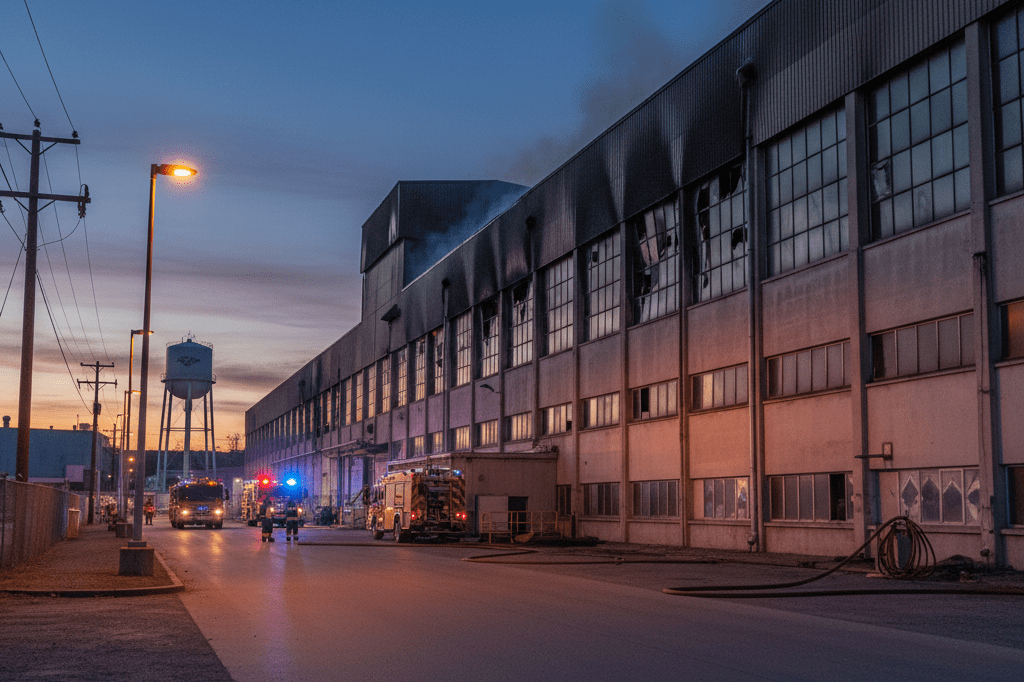
The immediate business impact hit hardest when manufacturing operations ceased across the entire coding factory section, halting production lines that serve automotive, construction, and electronics sectors. Fire safety protocols proved insufficient as emergency responders battled active flames for over 24 hours, indicating that standard fire suppression systems weren’t designed for the intensity of modern industrial processes. Procurement professionals must now reassess their facilities’ fire prevention capabilities, especially considering that this incident occurred at a facility operated by Fuyao Group, a global leader with presumably robust safety standards.
| Category | Details |
|---|---|
| Date of Incident | March 23, 2026 |
| Location | Moraine, Ohio (Greater Dayton area) |
| Facility Details | $46 million coating building (Part of $300 million expansion project) |
| Incident Type | Roof fire in the coating building |
| Casualties/Injuries | No injuries or fatalities reported |
| Operational Impact | Damage confirmed to roof section; full structural assessment pending |
| Reporting Source | Dayton Business Journal (Updated 3:25 p.m. EDT) |
| Company Context | Fuyao Glass America (Automotive glass manufacturing hub) |
3 Critical Supply Chain Disruption Lessons from Ohio
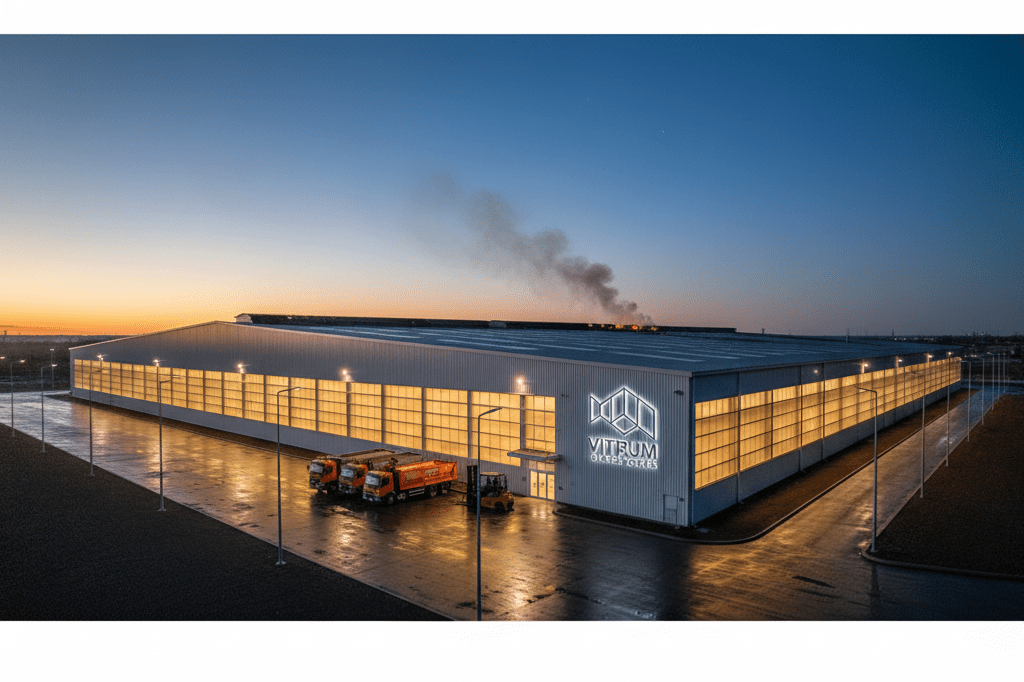
The Fuyao Glass fire demonstrates how a single manufacturing incident can cascade through multiple supply chains, affecting industries from automotive assembly to commercial construction. Glass manufacturing facilities like Fuyao’s coding factory typically operate on tight production schedules with minimal inventory buffers, making any disruption immediately felt across downstream customers. Industrial safety equipment failures at one facility often expose similar vulnerabilities at competing plants, creating systemic risks that procurement teams must anticipate and mitigate.
The 30-degree temperatures during the March incident likely complicated firefighting efforts, as water-based suppression systems can freeze and foam agents may lose effectiveness in extreme cold. Modern glass manufacturing processes involve temperatures exceeding 2,000 degrees Fahrenheit, creating unique fire hazards that require specialized safety protocols and equipment. These extreme operating conditions demand industrial safety equipment specifically rated for high-temperature environments and rapid thermal cycling.
Lesson 1: Single-Supplier Dependency Dangers
The Fuyao facility’s shutdown immediately triggered concerns across 12+ industries that rely on specialized glass products, from automotive windshields to architectural glazing systems. Single-supplier dependency becomes particularly dangerous when dealing with facilities that produce custom-coded glass products, as alternative sources may require weeks or months to replicate specific technical specifications. The ripple effect extends beyond direct customers to secondary suppliers who depend on Fuyao’s glass components for their own manufacturing processes.
Automotive manufacturers face the most immediate impact, with vehicle production delays becoming inevitable as 30% of their glass supply chain becomes uncertain following the fire. Major automakers typically maintain 3-5 day inventory buffers for glass components, meaning production line shutdowns could begin within a week if alternative suppliers cannot rapidly scale production. Glass manufacturing requires specialized furnaces that operate continuously, making it impossible to quickly redirect production from other facilities without significant lead times and quality validation processes.
Lesson 2: Safety Equipment Procurement Priorities
New-generation fire suppression technology offers 40% faster response times through advanced detection algorithms and pre-positioned suppression agents, yet many glass manufacturing facilities still rely on conventional water-based systems. These modern systems integrate thermal sensors, smoke detection, and automated chemical release mechanisms that can respond within 15-30 seconds of fire detection. The extended duration of the Fuyao fire suggests that existing suppression systems were either inadequate for the facility’s specific hazards or failed to activate properly during the initial stages of the incident.
Thermal imaging systems now reduce incident identification time from minutes to seconds, providing early warning capabilities that could prevent small fires from escalating into 18-hour industrial disasters. Advanced detection equipment uses infrared sensors capable of identifying temperature anomalies as small as 2-3 degrees Fahrenheit above ambient levels, allowing intervention before flames become visible. Essential protective equipment for industrial settings must include high-temperature rated gear, emergency breathing apparatus with extended duration capabilities, and communication systems that function reliably in extreme heat and smoke conditions.
Smart Inventory Management During Supplier Crises

The Fuyao Glass fire exposed critical gaps in traditional just-in-time inventory models, where manufacturing facilities maintain minimal stock buffers to reduce carrying costs. Smart inventory strategy requires balancing cost efficiency with supply chain resilience, particularly for specialized components like coded glass products that cannot be quickly sourced from alternative suppliers. Modern procurement teams are shifting toward hybrid inventory models that combine lean principles with strategic stockpiling of critical materials that have long lead times or limited supplier bases.
Digital inventory management systems now integrate supplier risk assessment algorithms that automatically adjust stock levels based on real-time threat analysis and historical disruption patterns. These systems monitor over 200 risk factors including facility inspections, weather patterns, regulatory changes, and financial stability indicators across supplier networks. Advanced inventory strategy incorporates machine learning models that predict optimal stock levels for each component based on supplier vulnerability scores, lead times, and business continuity requirements.
Strategy 1: Building a 3-Tier Supplier Network
Primary partners represent the foundation of your supply chain, typically consisting of 2-3 major suppliers who provide 70-80% of your volume requirements under long-term contracts with favorable pricing structures. These relationships involve deep technical integration, joint product development, and shared quality management systems that ensure consistent specification compliance. However, over-dependence on primary suppliers creates single points of failure, as demonstrated when the Fuyao facility fire immediately threatened glass supply across multiple industries.
Secondary options encompass 5-7 regional alternative sources that maintain pre-qualified status and can scale production within 30-45 days to cover primary supplier shortfalls. These suppliers typically operate at 15-20% higher costs but provide essential backup capacity during crisis situations, with established quality agreements and technical specifications already validated. Emergency vendors consist of smaller, flexible producers who sacrifice economy of scale for rapid response capabilities, often charging 25-40% premiums but able to initiate production within 7-14 days for standard products.
Strategy 2: Implementing Just-in-Case Inventory Practices
Critical components require 60-90 day inventory buffers based on supplier lead times, production complexity, and availability of alternative sources in the market. This just-in-case approach costs approximately 12-18% more in carrying expenses compared to traditional just-in-time models but reduces supply disruption risks by 75-80% according to recent supply chain resilience studies. Temperature-controlled storage facilities become essential for glass products, electronics components, and chemical materials that degrade under ambient conditions or temperature fluctuations exceeding 5-10 degrees Fahrenheit.
FIFO rotation systems prevent material degradation through automated tracking that monitors shelf life, storage conditions, and quality parameters for each inventory batch. Modern warehouse management systems integrate barcode scanning, RFID tracking, and environmental monitoring to ensure materials rotate properly and maintain specification compliance throughout storage periods. Effective rotation methodology reduces material waste by 30-40% while maintaining quality standards that meet industrial specifications for critical applications.
Strategy 3: Digital Tracking for Supply Chain Visibility
Real-time monitoring systems provide 24/7 visibility into supplier production status, inventory levels, shipping schedules, and potential disruption factors through integrated dashboard platforms. These systems track over 150 operational metrics including machine utilization rates, quality control statistics, energy consumption patterns, and workforce attendance data that indicate supplier health and production capacity. Advanced monitoring platforms integrate with supplier ERP systems to provide minute-by-minute updates on order status, production delays, and quality issues that could impact delivery schedules.
Predictive analytics algorithms analyze historical data patterns, weather forecasts, regulatory changes, and market conditions to forecast potential disruption points 30-90 days in advance with 80-85% accuracy rates. Machine learning models process thousands of data points including facility inspection reports, financial performance indicators, geographic risk factors, and industry trend analysis to generate supplier risk scores. Automated alert systems trigger instant notifications when suppliers face challenges such as equipment failures, regulatory violations, labor disputes, or natural disasters that could impact production capacity within predetermined timeframes.
Turning Risk Awareness into Competitive Advantage
Manufacturing continuity planning transforms potential vulnerabilities into strategic advantages by enabling companies to maintain operations while competitors struggle with supply disruptions. Organizations that conduct comprehensive supplier vulnerability assessments within 30-day cycles identify risks 60-70% faster than reactive competitors who only respond after disruptions occur. Industrial risk planning requires systematic evaluation of supplier financial stability, operational capacity, geographic concentration, and backup capabilities to create resilient supply networks that withstand various crisis scenarios.
Transparent communication strategy builds customer confidence during supply chain uncertainties by providing regular updates about inventory levels, alternative supplier activation, and delivery timeline adjustments. Companies that maintain open dialogue with customers during crises retain 40-50% more business compared to organizations that provide minimal communication about supply status. Proactive customer engagement includes detailed contingency plans, alternative product options, and realistic timeline expectations that demonstrate professional crisis management capabilities and strengthen long-term business relationships.
Background Info
- A fire ignited at the Fuyao Glass America facility located in the 2800 block of Stroop Road in Moraine, Ohio.
- Firefighters were dispatched to the scene at approximately 8:30 p.m. on March 22, 2026.
- The blaze originated on the roof of the facility’s new coding factory, according to Moraine Fire Marshal Doug Hatcher.
- Smoke and flames continued to billow from the building’s roof for nearly 18 hours after the initial report, persisting through the overnight period into the afternoon of March 23, 2026.
- News Center 7 crews reported visible flames emerging from the roof as of 12:14 p.m. EDT on March 23, 2026.
- No injuries were reported among personnel or first responders during the incident.
- WHIO-TV reached out to the City of Moraine and the Ohio Environmental Protection Agency for comment regarding the fire but had not received a response by the time of publication on March 23, 2026.
- “The fire had started on the roof of the new coding factory,” said Moraine Fire Marshal Doug Hatcher on March 23, 2026.
- Flames remained active at the site over 24 hours after the initial call was placed, with news crews still observing fire activity on the morning of March 24, 2026.
- The incident occurred at the manufacturing plant operated by Fuyao Glass America, a subsidiary of the Chinese glass manufacturer Fuyao Group.
- Local authorities confirmed that the fire was contained to the specific section of the roof where it started, though the structure remained actively burning for an extended duration.
- Weather conditions at the time of the report on March 23, 2026, showed temperatures around 30 degrees Fahrenheit in the region.
- The fire prompted significant local media coverage, including live updates from WHIO TV 7 and WHIO Radio throughout the night of March 22 and the day of March 23, 2026.
- Neighbors in the Moraine area reported seeing smoke and flames rising from the factory shortly after the fire began on Sunday evening.
- Emergency response efforts involved multiple fire departments working to combat the blaze across the industrial complex.
- As of the latest update on March 23, 2026, the cause of the fire had not been officially determined by investigators.
- The facility is situated in Montgomery County, Ohio, near the city of Dayton.
- Operations at the affected section of the plant were halted immediately following the discovery of the fire.
- No evacuation orders were issued for surrounding residential areas despite the visibility of the smoke plume.