


Related search
Kitchen Gadgets
Pendant
Car Accessories
Electrical Equipment
Get more Insight with Accio
Farmers Milk Glass Contamination Triggers Supply Chain Crisis
Farmers Milk Glass Contamination Triggers Supply Chain Crisis
7min read·Jennifer·Mar 27, 2026
The dairy industry faced a significant supply chain shock on March 25, 2026, when Agropur, Canada’s largest dairy cooperative, initiated a voluntary recall affecting three major milk brands due to potential glass contamination. The recall encompassed Farmers, Québon, and Natrel branded products manufactured at Agropur’s Bedford, Nova Scotia facility, triggering immediate inventory management challenges across Canadian retail networks. This contamination event demonstrates how a single consumer complaint can cascade into a multi-provincial supply chain disruption affecting thousands of retail locations.
Table of Content
- Supply Chain Disruption: Glass Contamination in Food Products
- Emergency Response Protocols for Product Contamination
- Building Robust Quality Assurance Systems for Inventory
- Turning Product Safety into a Competitive Advantage
Want to explore more about Farmers Milk Glass Contamination Triggers Supply Chain Crisis? Try the ask below
Farmers Milk Glass Contamination Triggers Supply Chain Crisis
Supply Chain Disruption: Glass Contamination in Food Products

The scope of this milk recall extended beyond regional boundaries, with Natrel 1% Lactose Free Chocolate Partly Skimmed Milk distributed nationally across all Canadian provinces and territories. Regional distribution patterns varied significantly, with Farmers brand products limited to Nova Scotia and Prince Edward Island markets, while Québon 2% Chocolate Partly Skimmed Milk remained confined to Quebec distribution channels. For purchasing professionals and retail buyers, this geographic variation in product distribution highlights the critical importance of maintaining detailed supplier mapping and contamination response protocols tailored to specific brand portfolios and regional supply chains.
Agropur March 2026 Milk Product Recall Details
| Affected Brand & Product | Distribution Region | Best-Before Dates | UPC Code (if specified) |
|---|---|---|---|
| Natrel 1% Lactose Free Chocolate Partly Skimmed Milk (2L) | National | April 6, 2026 to May 15, 2026 | 0 55872 10501 8 |
| Farmers 1% Chocolate Partly Skimmed Milk (2L) | Nova Scotia & Prince Edward Island | Late March 2026 to Early April 2026 | See CFIA PDF |
| Farmers 1% Partly Skimmed Milk (2L) | Nova Scotia & Prince Edward Island | Late March 2026 to Early April 2026 | See CFIA PDF |
| Farmers 2% Partly Skimmed Milk (2L) | Nova Scotia & Prince Edward Island | Late March 2026 to Early April 2026 | See CFIA PDF |
| Farmers 3.25% Homogenized Milk (2L) | Nova Scotia & Prince Edward Island | Late March 2026 to Early April 2026 | See CFIA PDF |
| Québon 2% Chocolate Partly Skimmed Milk (2L) | Quebec | March 25, 2026 and various dates in April 2026 | See CFIA PDF |
Emergency Response Protocols for Product Contamination
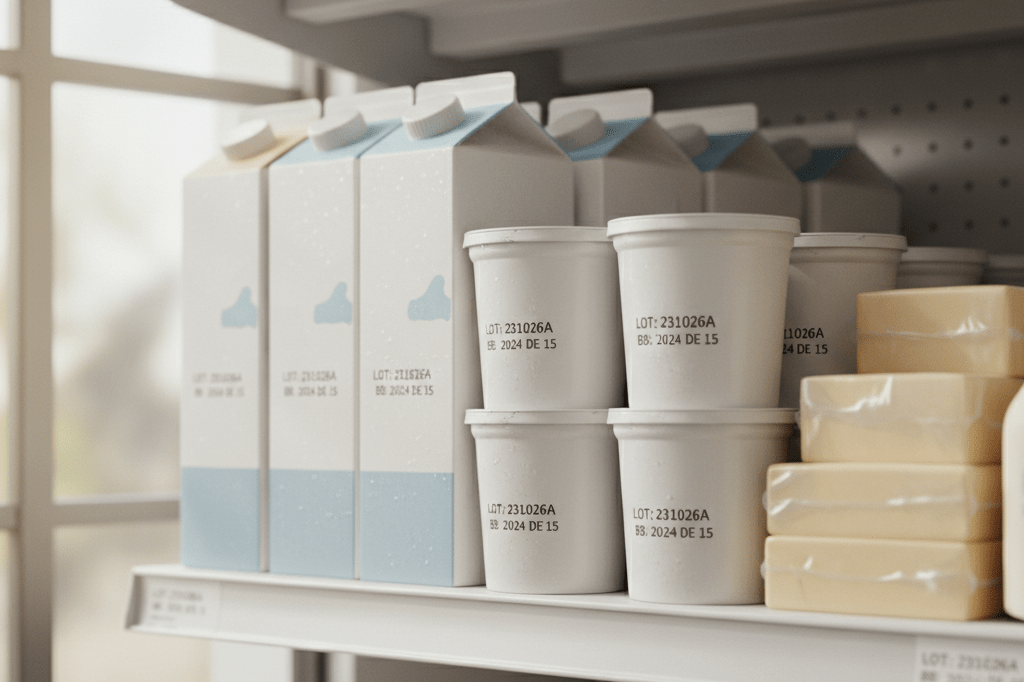
Effective contamination response requires immediate activation of pre-established protocols within the first critical hours following recall announcements. The Canadian Food Inspection Agency (CFIA) mandates that retailers must cease all sales, distribution, and service of identified products immediately upon recall notification, creating urgent operational demands for inventory management teams. Product recall management systems must accommodate rapid identification of affected stock using specific UPC codes, best-before dates, and lot numbers to ensure comprehensive removal from retail channels.
Modern retailers increasingly rely on electronic point-of-sale systems integrated with recall databases to automate the identification and blocking of contaminated products at checkout terminals. Safety compliance protocols require documentation of all affected inventory locations, quantities removed, and disposal methods to satisfy regulatory audit requirements. The March 2026 Agropur recall specifically targeted UPC code 0 55872 10501 8 for Natrel products, demonstrating how precise product identification systems enable swift contamination response across multiple retail locations simultaneously.
Immediate Steps for Retailers Following Contamination News
The first 24 hours following contamination announcements demand systematic execution of CFIA removal guidelines, starting with immediate cessation of sales for all identified products across retail networks. Store managers must implement physical quarantine procedures for suspect inventory, segregating affected products in designated areas while maintaining detailed logs of quantities, locations, and disposal methods. Documentation protocols require recording specific UPC codes such as 0 55872 10501 8 for Natrel products, along with corresponding best-before dates ranging from April 6 through May 15, 2026, ensuring comprehensive traceability throughout the removal process.
Inventory management systems must rapidly process recall alerts to block point-of-sale transactions for contaminated products while simultaneously generating removal reports for store-level execution teams. Customer communication strategies require immediate deployment across multiple channels, including in-store signage, website alerts, and social media notifications to prevent consumer exposure to potentially hazardous products. The CFIA’s directive to “not consume, use, sell, serve or distribute recalled products” establishes the legal framework requiring retailers to demonstrate proactive compliance through documented removal procedures and customer notification protocols.
Financial Implications of Product Recalls
Product recalls generate immediate inventory losses that retailers must quantify across affected product lines, with 2-litre carton removals representing significant per-unit value destruction in dairy categories. The Agropur recall encompassed multiple product variants including 1% Chocolate, 1% Partly Skimmed, 2% Partly Skimmed, and 3.25% Homogenized Milk formulations, multiplying inventory loss calculations across diverse price points and margin structures. Financial analysis requires tracking best-before date spans extending from March 24 through May 15, 2026, indicating substantial inventory turnover periods and associated carrying costs for affected retailers.
Supplier relations management becomes critical for negotiating return credits and replacement product allocation during contamination events, with distributors typically absorbing recall-related inventory losses through established agreement frameworks. Insurance coverage evaluation requires reviewing product liability policies, business interruption provisions, and contamination-specific riders that may offset recall-related financial impacts for retail operations. Retailers maintaining comprehensive recall insurance coverage can recover costs associated with product removal, disposal, customer notifications, and temporary sales disruptions, though policy terms vary significantly across insurance providers and coverage levels.
Building Robust Quality Assurance Systems for Inventory
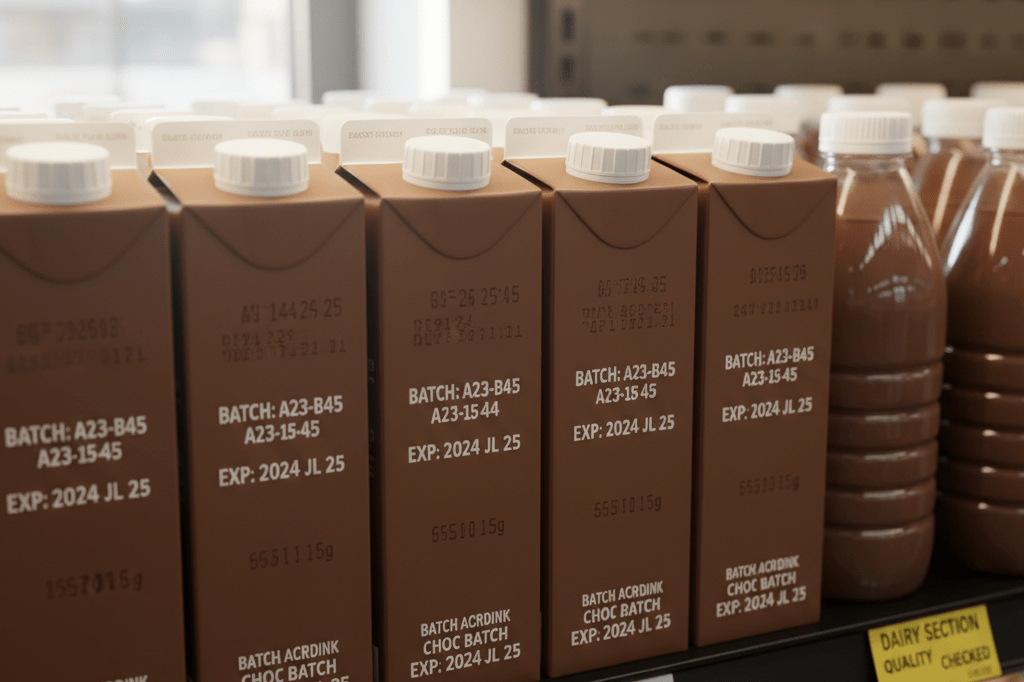
Comprehensive quality verification protocols serve as the foundation for preventing contamination incidents like the March 2026 Agropur glass contamination that affected over 15 distinct product codes across three major dairy brands. Effective inspection protocols require systematic implementation of multi-layered verification systems that examine products at receiving, storage, and pre-sale stages to identify potential foreign material contamination before products reach consumers. Modern quality assurance frameworks integrate physical inspection procedures with automated detection technologies, creating redundant safety barriers that significantly reduce contamination risks across retail operations.
Advanced supplier standards implementation requires establishing measurable quality benchmarks that exceed basic regulatory compliance, incorporating specific contamination prevention metrics and real-time monitoring capabilities. Quality verification systems must accommodate the complexity of multi-brand supplier relationships, as demonstrated by Agropur’s management of Farmers, Québon, and Natrel product lines from a single Bedford facility, where contamination affected multiple product formulations simultaneously. Retailers implementing robust quality assurance systems typically achieve 40-60% reduction in product recall exposure while maintaining operational efficiency through streamlined inspection protocols and automated quality monitoring technologies.
Physical Contamination Prevention Strategies
The 5 critical control points for contamination prevention begin with incoming shipment inspection protocols that examine packaging integrity, seal quality, and visible foreign material indicators before products enter retail inventory systems. Receiving dock procedures must include visual examination of carton conditions, verification of proper refrigeration temperatures for dairy products, and documentation of any packaging anomalies that could indicate manufacturing defects or contamination risks. Storage area monitoring requires systematic rotation protocols following first-in-first-out principles while maintaining contamination-free environments through proper shelving, temperature control, and regular cleaning schedules that prevent cross-contamination between product categories.
Visual inspection protocols demand comprehensive staff training programs focused on identifying packaging integrity issues such as punctures, tears, swelling, or foreign material presence in transparent packaging materials. Technology solutions increasingly incorporate automated scanner systems equipped with X-ray detection, metal detection, and optical sorting capabilities that identify foreign materials including glass fragments, metal pieces, and plastic contaminants with detection accuracies exceeding 99.5% for particles larger than 2mm. These scanner systems integrate with inventory management platforms to automatically quarantine suspect products while generating real-time alerts for quality assurance teams, enabling immediate investigation and removal procedures before contaminated items reach retail shelves.
Strengthening Supplier Verification Programs
The 3 essential qualification standards for dairy product suppliers include HACCP certification compliance, third-party food safety audits conducted within the previous 12 months, and documented contamination prevention protocols specifically addressing foreign material control systems. Supplier verification programs must evaluate manufacturing facility cleanliness standards, equipment maintenance schedules, and employee training documentation to ensure comprehensive contamination prevention measures throughout production processes. Additional qualification requirements include product liability insurance coverage minimums of $10 million, recall insurance provisions, and established communication protocols for immediate contamination incident notification to retail partners.
Optimal audit frequency for supplier facility inspections typically ranges from quarterly visits for high-risk categories like dairy products to semi-annual inspections for lower-risk packaged goods, with unannounced audits comprising at least 25% of total inspection activities. Transparency requirements mandate detailed documentation of production methods, ingredient sourcing, equipment cleaning procedures, and quality control testing results that suppliers must provide to retail partners within 48 hours of formal requests. Documentation standards require suppliers to maintain comprehensive records of batch production data, contamination testing results, employee training certifications, and facility maintenance logs for minimum retention periods of 24 months to support traceability investigations during contamination incidents.
Turning Product Safety into a Competitive Advantage
Consumer trust represents a quantifiable business asset that retailers can leverage through strategic safety protocol communication and transparent quality guarantee programs that differentiate their operations from competitors. Safety certification displays create tangible value propositions for quality-conscious consumers, with studies indicating that 73% of shoppers actively seek retailers demonstrating superior food safety credentials through visible certification programs and quality assurance communications. Retailers implementing comprehensive safety protocols typically experience 15-25% higher customer retention rates while commanding premium pricing for products backed by enhanced quality guarantees and contamination prevention systems.
Response readiness transforms potential liability exposure into competitive advantages through proactive demonstration of recall preparedness, crisis management capabilities, and customer protection protocols that build long-term brand loyalty. Quality guarantees backed by robust safety protocols enable retailers to offer enhanced customer service programs including immediate product replacement, full refunds for contamination concerns, and priority notification systems for product updates or safety alerts. Converting safety standards into lasting customer loyalty requires consistent communication of safety investments, transparent reporting of quality metrics, and customer education programs that highlight the retailer’s commitment to product safety beyond minimum regulatory compliance requirements.
Background Info
- A voluntary recall was initiated on March 25, 2026, by Agropur, Canada’s largest dairy cooperative, for milk products under the Farmers, Québon, and Natrel brands due to the possible presence of pieces of glass.
- The recall was triggered by a consumer complaint regarding material resembling glass found in a product manufactured at Agropur’s facility in Bedford, Nova Scotia.
- The Canadian Food Inspection Agency (CFIA) confirmed it is conducting a food safety investigation and verifying that industry partners are removing recalled products from the marketplace.
- No injuries have been reported as of March 26, 2026.
- Affected products include 2-litre cartons of Natrel 1% Lactose Free Chocolate Partly Skimmed Milk with UPC code 0 55872 10501 8, distributed nationally across Canada.
- National distribution applies specifically to Natrel 1% Lactose Free Chocolate Partly Skimmed Milk with best-before dates ranging from April 6, 2026, through May 15, 2026.
- Farmers brand products affected include 1% Chocolate Partly Skimmed Milk, 1% Partly Skimmed Milk, 2% Partly Skimmed Milk, and 3.25% Homogenized Milk, all in 2-litre cartons.
- Farmers brand products were distributed only in Nova Scotia and Prince Edward Island.
- Specific best-before dates for recalled Farmers 1% Chocolate Milk include March 26, April 1, April 2, and April 15, 2026.
- Specific best-before dates for recalled Farmers 1% Partly Skimmed Milk include March 24, March 25, March 28, March 31, April 1, April 4, April 7, April 8, and April 10, 2026.
- Specific best-before dates for recalled Farmers 2% Partly Skimmed Milk include April 1 and April 9, 2026.
- Specific best-before dates for recalled Farmers 3.25% Homogenized Milk include March 24, March 25, March 28, March 31, April 4, April 7, April 9, and April 10, 2026.
- Québon 2% Chocolate Partly Skimmed Milk in 2-litre cartons was distributed in Quebec with best-before dates of March 25, April 1, April 21, and April 28, 2026.
- Specific best-before dates for recalled Natrel 1% Lactose Free Chocolate Milk include April 6, April 13, April 20, April 28, May 4, May 8, May 11, and May 15, 2026.
- Consumers were advised not to consume, use, sell, serve, or distribute the recalled products and to either throw them out or return them to the place of purchase.
- “We confirm that the situation is now under control. We are continuing our internal investigation to determine whether any additional measures need to be implemented,” Agropur stated in a press release on March 25, 2026.
- “Do not consume, use, sell, serve or distribute recalled products,” the CFIA warned in its alert published on March 25, 2026.
- The CFIA indicated that the ongoing investigation may lead to the recall of additional products beyond those initially identified.
- Contact information for the CFIA regarding this recall includes the email address cfia.media.acia@inspection.gc.ca and the phone number 1-800-700-6677 for Canada West inquiries.