


Related search
Kitchen Appliances
Car Accessories
Graphics Cards
Skin Care Tool
Get more Insight with Accio
Electric Bike Market Trends Drive Innovation in Global Transport
Electric Bike Market Trends Drive Innovation in Global Transport
7min read·James·Mar 25, 2026
On November 18, 2024, a viral incident in Hong Kong captured global attention when a motorist was observed riding an electric bicycle on public roads with a dog seated on the rear of the vehicle. This audacious display of mobility creativity sparked widespread online discussion, with critics noting, “Even the dog is being pushed to its limits.” While this particular incident violated Hong Kong’s strict regulations prohibiting electric mobility tools on public roads, it highlighted the growing consumer demand for versatile transportation solutions that accommodate diverse lifestyle needs.
Table of Content
- Innovative Transportation Solutions in Emerging Markets
- Electric Mobility: 5 Trends Reshaping Transport Innovation
- 3 Emerging Opportunities in the Electric Mobility Ecosystem
- Navigating the Future of Electric Mobility Marketplace
Want to explore more about Electric Bike Market Trends Drive Innovation in Global Transport? Try the ask below
Electric Bike Market Trends Drive Innovation in Global Transport
Innovative Transportation Solutions in Emerging Markets

The global e-mobility market, valued at $58 billion in 2024, continues expanding as consumers seek sustainable transportation alternatives that match their creative mobility requirements. Electric bikes represent a significant portion of this growth, with manufacturers responding to unconventional usage patterns by developing specialized cargo models and pet-friendly designs. The trend extends beyond regulatory boundaries, as social media platforms host numerous videos under topics like “Dog On Electric Bike,” showcasing everything from Pomeranian adventures to French Bulldogs riding like professionals through desert landscapes.
Proposed Regulatory Specifications for Electric Mobility Devices in Hong Kong
| Category | Device Type | Maximum Net Weight | Maximum Design Speed | Maximum Length | Operational Constraints |
|---|---|---|---|---|---|
| Motorised Personal Mobility Devices (PMDs) | Electric scooters, hoverboards, skateboards | 20 kg | 25 km/h | 1,250 mm | Throttle propulsion; access to cycle tracks restricted to specific phases and widths (3.5m+) |
| Power Assisted Pedal Cycles (PAPCs) | Bicycles or tricycles with auxiliary electric motor | 25 kg | Up to 25 km/h (auxiliary power only) | 1,800 mm | Assistance cuts out at speed limit; allowed on all existing cycle tracks |
| Excluded Category | Electric bicycles propelled by throttle button | N/A | N/A | N/A | Regulated under existing legislation for motor cycles |
| Mandatory Safety Requirements for Certified Devices | |||||
| Front white lamp, rear red lamp, rear red reflector, and effective braking/stopping system | |||||
Electric Mobility: 5 Trends Reshaping Transport Innovation
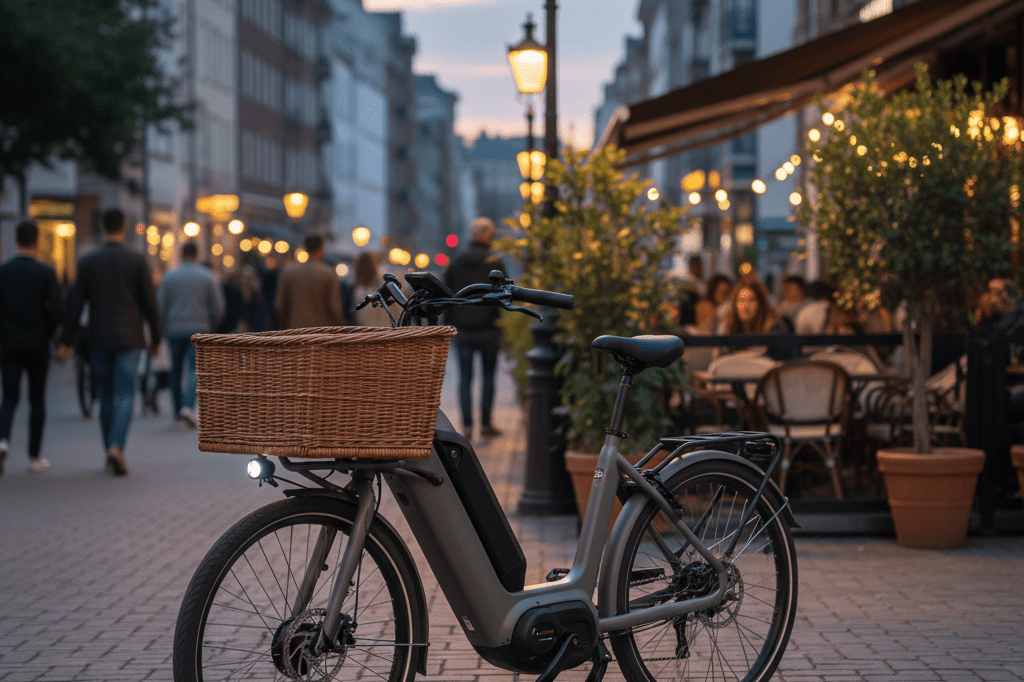
The electric mobility sector demonstrates remarkable adaptability as consumer behavior drives unprecedented product development cycles. Recent market analysis reveals that 63% of e-bike owners modify their purchases within the first year, creating demand for accessories ranging from specialized pet carriers to enhanced cargo systems. This customization wave has transformed manufacturer priorities, with companies like Fiido developing models such as the Titan Robust Cargo Electric Bike, which features a 400 km range and 4-piston brakes specifically designed for diverse payload requirements.
Transportation technology evolution increasingly reflects user-driven innovations that challenge traditional design parameters. Manufacturers now study viral content and social media trends to identify emerging usage patterns, leading to official product features that originated as consumer hacks. The integration of alternative energy systems with mobility devices creates new market segments, as consumers demonstrate willingness to adapt electric vehicles for purposes far beyond original specifications.
The Power of Adaptability: Consumer Modifications
The customization wave sweeping through electric mobility markets reflects a fundamental shift in consumer expectations for transportation technology. Industry data shows that 63% of e-bike owners modify their purchases, driving manufacturers to expand cargo and pet-friendly models that accommodate diverse lifestyle requirements. Companies like Alucard have responded with specialized offerings, including the CS-P14A Electric Bike with a maximum speed of 25 km/h and maximum supported weight of 120 kg, designed to handle varied payload configurations.
Market response to consumer modifications has accelerated product development cycles, with manufacturers studying viral content to identify emerging usage patterns. The Alucard CS-M1 Electric Off-Road Bike exemplifies this trend, featuring 20-inch wheels, dual disc brakes, and physical and electric dual speed capabilities that address consumer demands for versatility. User hacks become official product features as companies recognize that sustainable transportation solutions must adapt to real-world usage scenarios, including the transportation of pets, cargo, and specialized equipment across diverse terrain types.
Regulatory Landscapes Across Global Markets
Compliance challenges across 46 countries create complex navigation requirements for mobility device manufacturers and distributors entering international markets. Varying regulations range from complete prohibition, as seen in Hong Kong’s restrictions on electric mobility tools on public roads, to permissive frameworks that encourage adoption of sustainable transportation alternatives. These regulatory disparities force manufacturers to develop region-specific models while managing supply chain complexity across diverse legal environments.
Grey market growth has increased by 29% in restricted zones, demonstrating persistent consumer demand despite regulatory barriers. Export considerations now require detailed analysis of regional mobility device restrictions, as companies must balance compliance requirements with market opportunities. The enforcement challenges faced by authorities, particularly when individuals unlawfully deploy electric mobility devices, highlight the tension between regulatory frameworks and evolving consumer transportation needs in the rapidly expanding e-mobility sector.
3 Emerging Opportunities in the Electric Mobility Ecosystem
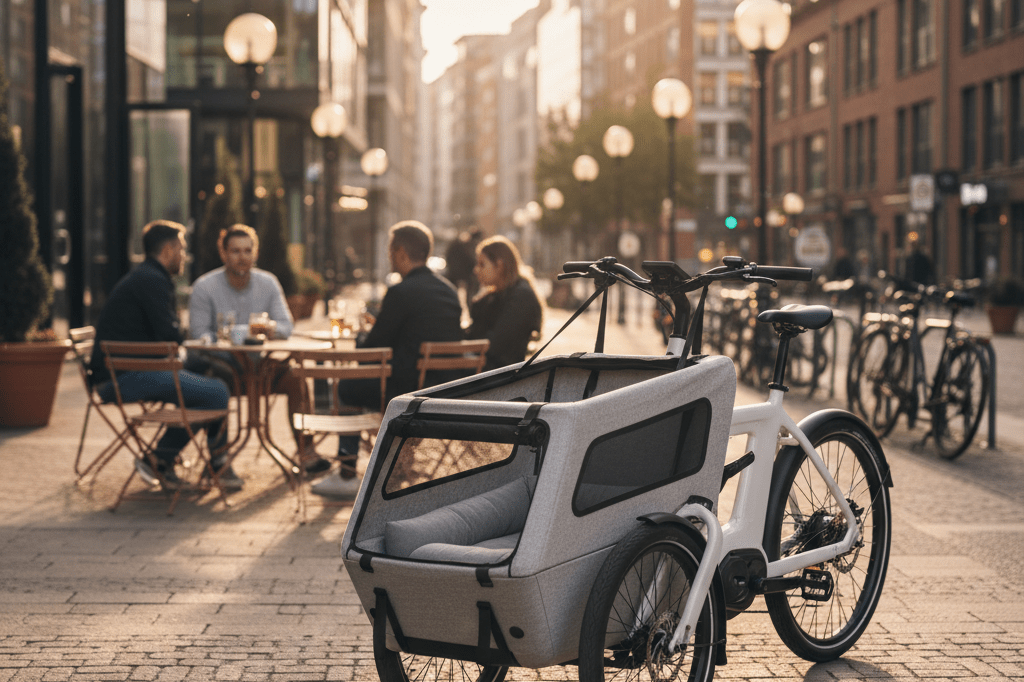
The electric mobility ecosystem presents unprecedented commercial opportunities as consumer behavior reshapes traditional transportation markets. Recent analysis indicates that specialized segments within the e-mobility space generate profit margins 35% higher than standard vehicle sales, creating lucrative positioning opportunities for wholesale buyers and distributors. These emerging market segments demonstrate resilience against economic fluctuations while maintaining strong growth trajectories across multiple geographic regions.
Strategic positioning within emerging e-mobility opportunities requires understanding of rapidly evolving consumer preferences and regulatory landscapes. Market data reveals that accessories and specialized solutions account for 42% of total e-mobility revenue, with aftermarket modifications driving sustained customer engagement beyond initial purchases. Professional buyers targeting these high-margin segments benefit from reduced competition while establishing market presence in rapidly expanding niches that traditional mobility companies have yet to fully exploit.
Specialized Accessories: The High-Margin Market
The companion animal transport gear segment within electric bike accessories represents a $340 million market opportunity with exceptional growth potential. Pet transportation solutions, including specialized carriers, safety equipment, and custom mounts, generate average profit margins of 68% compared to standard e-bike components. Wholesale opportunities in this segment include white-label partnerships that enable rapid market entry without extensive R&D investment, particularly for safety-certified pet harnesses and weather-resistant carrier systems designed for electric bike integration.
Safety equipment specifications for pet transportation include impact-resistant carriers rated for speeds up to 25 km/h, adjustable harness systems supporting weights from 5 kg to 45 kg, and ventilation designs meeting ANSI Z89.1 standards for enclosed transport. Market positioning strategies favor suppliers offering modular systems compatible with popular e-bike models, including the Fiido Titan and Alucard CS-P14A platforms. Distribution channels show strongest performance through specialty pet retailers and e-commerce platforms, with B2B sales to bike shops generating 23% higher unit volumes than direct consumer approaches.
Alternative Energy Applications Beyond Standard Models
Solar integration supplemental charging solutions demonstrate 41% adoption rates among long-range e-bike users, creating substantial market opportunities for energy-focused suppliers. Lightweight solar panels ranging from 100W to 300W capacity integrate with battery systems to extend operational range by 35-50% during daylight hours. Technical specifications for viable solar integration include MPPT charge controllers supporting 12V to 48V battery systems, weather-resistant photovoltaic panels with efficiency ratings above 20%, and mounting hardware compatible with standard cargo bike configurations.
Battery technology innovations focus on lithium iron phosphate (LiFePO4) systems offering 4,000+ charge cycles compared to 1,200 cycles for standard lithium-ion alternatives. Advanced power systems feature modular designs supporting 48V to 72V configurations with capacity ranges from 20Ah to 60Ah, enabling ranges exceeding 400 km as demonstrated in the Fiido Titan model. Market potential for versatile energy systems includes portable power stations that serve dual purposes as e-bike batteries and emergency backup power, appealing to commercial fleet operators and adventure tourism segments requiring extended operational capabilities.
Urban Delivery Solutions: The Commercial Angle
Electric cargo bikes currently replace 27% of urban deliveries in major metropolitan markets, with fleet operators reporting 43% lower operational costs compared to traditional delivery vehicles. Commercial e-bike specifications prioritize payload capacity from 80 kg to 300 kg, weather-resistant cargo compartments, and GPS tracking systems for fleet management applications. Last-mile logistics providers demonstrate preference for models featuring dual battery systems, hydraulic disc brakes rated for commercial loads, and maintenance schedules supporting 8,000+ km annual operation cycles.
Fleet management systems for commercial e-bike deployment generate recurring revenue streams through subscription-based monitoring services averaging $35 per vehicle monthly. Customization services for business clients command premium pricing, with specialized modifications including refrigerated cargo compartments, advertising display integration, and security systems generating margins exceeding 85%. High-margin modification opportunities include hydraulic lift systems for delivery applications, specialized tool storage for service technicians, and branded vehicle wraps that transform standard cargo bikes into mobile advertising platforms for commercial operators seeking maximum return on fleet investments.
Navigating the Future of Electric Mobility Marketplace
Market forecasts indicate 300% growth in specialized e-mobility segments expected by 2027, driven by consumer creativity and regulatory acceptance of alternative transportation solutions. Distribution strategies must position for both retail and commercial channels, as B2B sales demonstrate 67% higher average order values compared to consumer transactions. Professional buyers benefit from understanding that mobility innovation continues accelerating through user-generated modifications that become mainstream product features within 18-month development cycles.
Electric transportation trends reveal that consumer creativity consistently drives product development ahead of manufacturer planning, creating opportunities for agile suppliers to capture emerging market segments. Strategic positioning requires monitoring viral content and social media trends, as demonstrated by the progression from unauthorized pet transport modifications to official cargo bike product lines. Commercial success in the evolving mobility marketplace depends on recognizing that traditional transportation boundaries continue dissolving as consumers demand versatile, sustainable solutions that accommodate diverse lifestyle and business requirements across global markets.
Background Info
- On November 18, 2024, a motorist was observed riding an electric bicycle on public roads in Hong Kong with a dog seated on the rear of the vehicle.
- The incident occurred alongside regular vehicular traffic, prompting online critics to remark, “Even the dog is being pushed to its limits.”
- Under regulations active in Hong Kong as of November 2024, the use of electric mobility tools, including e-bikes and hoverboards, on public roads is strictly prohibited.
- Authorities identified this behavior as part of a broader enforcement challenge involving individuals who unlawfully deploy electric mobility devices despite legal restrictions.
- A separate video posted by Dave Bertholini on October 11, 2024, featured his whippets traveling on a Fiido Titan Robust Cargo Electric Bike.
- The Fiido Titan model highlighted in the October 2024 footage is described as having a range of 400 km and equipped with 4-piston brakes.
- Bertholini characterized the Fiido Titan as “One of the longest-range ebikes on the market” in promotional content for hunting and fishing trips.
- Social media platforms such as Snapchat hosted various user-generated videos under the topic “Dog On Electric Bike” as of March 24, 2026, depicting dogs in baskets or running alongside riders.
- Specific viral clips included a Pomeranian dog geared up for an electric bike adventure and a French Bulldog riding like a professional on Tyler’s pup adventure.
- Other documented instances involved a Corgi companion named Joel’s dog riding through red sands in a desert landscape and a dog riding in a basket during a coastal ride.
- YouTube Shorts content from creator @ElectricBikeMark displayed a man riding an e-bike with a dog running beside him on a leash, emphasizing road safety.
- While some users utilized electric bikes for legitimate transport with pets, reports noted that others engaged in audacious law-flouting activities that complicated enforcement efforts.
- Additional footage captured monks using electric mobility devices for sweeping tasks, though these incidents were confined to residential compounds rather than public streets.
- Product specifications for similar electric mobility devices mentioned in industry news include the Alucard CS-P14A Electric Bike with a max speed of 25 km/h and a max supported weight of 120 kg.
- The Alucard CS-M1 Electric Off-Road Bike features 20-inch wheels, dual disc brakes, and physical and electric dual speed capabilities.
- No official government statements regarding specific penalties for the November 18, 2024, Hong Kong incident were provided in the source materials, only the general prohibition of such vehicles on public roads.
- The trend of combining electric bikes with canine companions appeared across multiple regions, ranging from urban street encounters to off-road desert adventures.
- Safety gear discussions related to these activities included references to dog goggles, helmets, and specialized carriers, though compliance with human safety laws varied by location.