


Related search
Girls Shirts
Curtains
Mobile Phones
Stylish Plastic Chair
Get more Insight with Accio
Dropshipping Fulfillment Secrets That Boost Profits Fast in 2026
Dropshipping Fulfillment Secrets That Boost Profits Fast in 2026
7min read·Trisha·Mar 9, 2026
There’s a good reason why dropshipping has now become one of the most popular business models. For starters, it doesn’t require you to store inventory physically to sell. You can literally make money while sitting comfortably at home. But if we have to guess, what really convinced people is its low capital requirements and high flexibility.
If you’re running a dropshipping business in 2026, the first thing you must understand by heart is how dropshipping fulfillment works. This business model might have minimal risks, but it’s up to you to ensure that those risks won’t expand and eat into your profits. In short, your knowledge and strategic thinking will be your competitive edge in streamlining order handling, maintaining quality control, and delivering fast shipping.
Lucky for you, this article can help you gain a comprehensive understanding of dropshipping fulfillment. It’ll also teach you how to vet partners, automate workflows, and mitigate risks — so you can scale your business safely and profitably.
Table of contents
- Understanding modern dropshipping fulfillment
- Fulfillment models compared: Supplier vs. Agent vs. 3PL
- Step-by-step vetting checklist for partners
- Hidden dropshipping risks (and how to prevent them)
- Advanced automation strategies for 2026
- Cost analysis and profit margin modeling
- KPIs and performance optimization
- Final thoughts
Want to explore more about Dropshipping Fulfillment Secrets That Boost Profits Fast in 2026? Try the ask below
Dropshipping Fulfillment Secrets That Boost Profits Fast in 2026
Understanding modern dropshipping fulfillment

The first step to elevating your dropshipping business, or any business for that matter, is smoothing out your operations. On the surface, dropshipping fulfillment sounds simple. Once a customer places an order, the seller forwards it to a supplier, who then ships the item to the customer. But don’t get fooled—it actually goes beyond this linear process.
In the modern ecommerce model, the actual process typically follows this flow:
Customer order → Automated sync → Supplier processing → Shipping → Delivery
The key components of this flow include:
- Order routing — Automatically directs each customer order to the correct supplier or fulfillment partner for processing.
- Inventory syncing — Updates stock levels in real time across your online store and supplier systems to prevent overselling.
- Shipping coordination — Manages carrier selection, label generation, and delivery tracking to ensure timely fulfillment.
- Returns handling — Processes customer returns, exchanges, and refunds efficiently to maintain satisfaction and trust.
- Customer service updates — Sends automated notifications and tracking information to keep buyers informed throughout the order journey.
The goal is simple: minimize friction between purchase and delivery. Whether you run a niche online store or a large catalog, your fulfillment centers and partners must support fast, reliable execution.
Fulfillment models compared: Supplier vs. Agent vs. 3PL

Choosing the right model is a strategic decision that directly affects your delivery speed, customer service, and long-term profit margin. Many online store owners struggle not because their products are weak, but because their fulfillment setup cannot support growth.
Understanding the differences between models helps you align your logistics with your business stage and market trends.
Model comparison
| Model | Best for | Pros | Cons |
| Direct supplier | Beginners | Low setup cost | Limited quality control |
| Private agent | Scaling stores | Faster shipping | Requires vetting |
| 3PL/Fulfillment centers | Established brands | Bulk efficiency | Higher upfront cost |
- Direct suppliers are popular for new sellers because they require little capital and minimal inventory commitment. However, they often provide slower shipping and inconsistent product quality, which can hurt customer service early on.
- Private agents step in once your dropshipping business gains traction. They typically offer faster processing, better communication, and added quality control. The trade-off is the need for careful vetting and relationship management.
- 3PL fulfillment centers are ideal for high-volume stores ready to hold inventory for speed and branding control. They improve delivery reliability but require higher upfront investment and forecasting accuracy.
To simplify partner discovery, many businesses use advanced tech and AI that can identify vetted suppliers and partners based on real-time market data. For example, Accio, an AI-powered sourcing agent that can search millions of suppliers, compare pricing, and analyze market trends, has been utilized by over 500,000 B2B users after its launch. Using tools like Accio early can prevent costly scaling mistakes and support smarter operational decisions.
Step-by-step vetting checklist for partners

Choosing partners blindly is one of the biggest mistakes in dropshipping order fulfillment. A polished supplier listing doesn’t guarantee reliability. To protect your dropshipping business, you need a structured due diligence process that filters out risky vendors before they impact your customers.
Below is an expanded, practical checklist you can use when evaluating suppliers, agents, or fulfillment centers.
Supplier/Agent vetting checklist
1. Business legitimacy: Start by confirming the supplier is a real, operating business. Verify:
- Business registration or license
- Physical warehouse address (not just a virtual office)
- Years in operation (aim for 2+ years)
- Verifiable reviews outside their own website
Red flag: Suppliers who are unwilling to provide documentation.
2. Operational capability: Evaluate whether they can actually handle your order volume.
- Average order processing time (target: 1–3 days)
- Daily order capacity
- Shipping carriers and regions supported
- Real-time inventory system availability
- Experience with your ecommerce platform
3. Quality control standards: Your reputation depends on their products’ consistency.
- Do they perform pre-shipment inspections?
- Can they provide product photos/videos on request?
- Packaging options (branded vs. generic)
- Defect rate history
- Return and replacement policy
Tip: Always request a sample order before committing.
4. Communication and support: Check how they handle issues and how (quickly) they communicate during conflicts.
- Response time (ideally <24 hours)
- Dedicated account manager availability
- Time zone overlap
- Clear communication channel
- Emergency escalation process
5. Test orders and trial phase: Never skip this step. Place multiple test orders to different locations and evaluate:
- Shipping speed vs. promise
- Tracking accuracy
- Packaging quality
- Product consistency
- Customer service responsiveness
Tip: Run the trial for at least 2–4 weeks before scaling.
Hidden dropshipping risks (and how to prevent them)

Most dropshipping failures come from unmanaged risk. Understanding these threats protects your online store and your customers.
Here are the common major risk areas to watch out for in your dropshipping business:
- Intellectual property infringement – Selling branded or patented products without permission can lead to store shutdowns or legal action.
- Quality control failures – Inconsistent product quality leads to refunds and negative reviews.
- Stockouts and inventory gaps – Nothing frustrates customers more than delayed orders.
- Shipping delays – Long delivery times hurt conversion rates. Likewise, slow shipping is a leading cause of cart abandonment.
Of course, we’ve already collected proactive techniques to mitigate these risks (so you don’t have to figure them out on your own):
- Use automated dropshipping process tools
- Maintain backup suppliers
- Set clear refund policies
- Monitor market trends regularly
Remember, businesses that treat fulfillment as risk management build more resilient ecommerce operations.
Advanced automation strategies for 2026

Manual workflows are profit killers. In 2026, winning stores rely heavily on automation to keep operations lean and scalable. Modern platforms like AutoDS and DSers are your friends as they help automate inventory syncing, order routing, and supplier communication.
The core automation layers you can focus on are:
- Product import automation
- Inventory synchronization
- Automated order forwarding
- Tracking number updates
- Customer notification flows
Automation can reduce fulfillment errors and improve customer service and repeat purchase rates. To maximize automation benefits, try incorporating workflow optimization methods, such as:
- Enable real-time inventory updates
- Use rule-based order routing
- Automate low-stock alerts
- Integrate with your ecommerce platform
Pro tip: Pair automation tools with Accio to continuously source better suppliers as your demand grows.
Cost analysis and profit margin modeling
Revenue numbers may look impressive on your dashboard, but sustainable profit is what keeps a dropshipping business alive. Many sellers underestimate how fulfillment costs quietly eat into earnings.
Understanding your full cost stack is critical because the ecommerce model has thin margins compared to traditional retail. That means small cost leaks can quickly turn a profitable product into an unprofitable one.
Cost structure (Benchmarked)
| Cost type | Typical range | What it covers |
| Product cost | 20%–50% | Supplier unit price in typical dropshipping models |
| Shipping | 10%–25% | Carrier fees, fuel surcharges, and last-mile delivery |
| Platform and payment fees | 2%–5% | Ecommerce platform + payment processing |
| Returns/refunds | Varies; return rates can exceed 30% | Reverse logistics, defects, buyer remorse |
| Marketing | Highly variable | Paid ads, creatives, testing costs |
| Fulfillment handling | $2–$3 per order | Pick, pack, and handling fees |
Why this matters: Many beginners only count product and shipping costs, which creates an inflated view of their profit margin.
Aside from the costs, there are hidden fees that can shrink your profit and must therefore be thoroughly monitored:
- Currency conversion losses
- Chargebacks and disputes
- Express shipping upgrades
- Supplier price fluctuations
- Inventory sync failures that result in refunds
To protect your profit, try these smart strategies:
- Negotiate bulk pricing as volume grows.
- Monitor market trends weekly.
- Use multiple suppliers to gain pricing leverage.
- Automate inventory updates to avoid overselling.
- Regularly audit fulfillment center fees.
KPIs and performance optimization
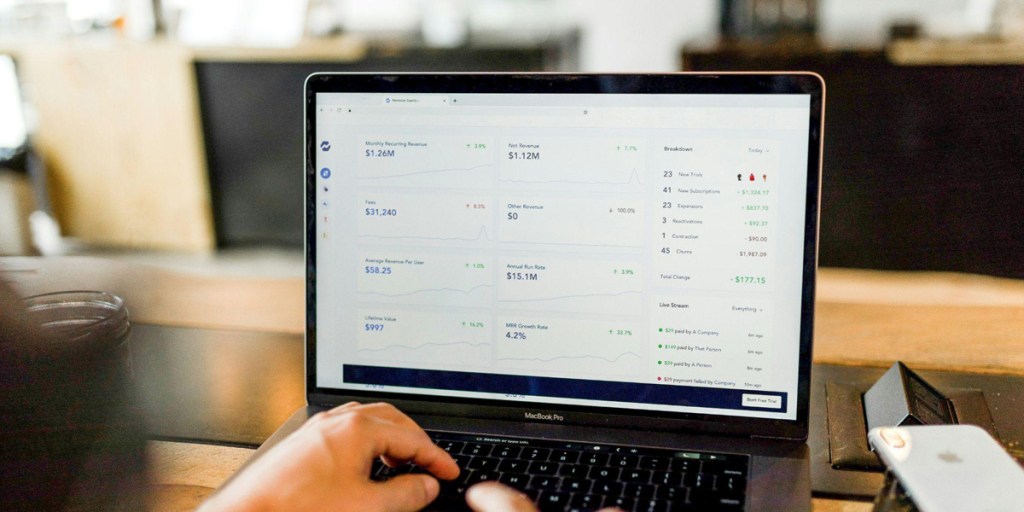
Successful dropshipping businesses treat fulfillment metrics as an early warning system. Tracking the right KPIs helps protect customer service quality, prevent costly errors, and maintain a healthy profit margin. After all, you can’t improve what you don’t measure.
Operational metrics
- Order accuracy rate (>99%) — Shows how often customers receive the correct item. Low accuracy usually means supplier or picking issues.
- Average processing time — Measures speed from order to shipment. Faster times improve customer satisfaction.
- Shipping time — Tracks delivery speed. Slow shipping often leads to complaints and refunds.
- Inventory sync accuracy — Indicates how well stock levels update in real time. Poor syncing causes overselling and stockouts.
Customer experience metrics
- Refund rate — Reveals product or quality control problems when it rises.
- Customer service response time — Measures support speed; faster replies build trust.
- Net Promoter Score (NPS) — Reflects customer loyalty and brand advocacy.
- Repeat purchase rate — Shows retention strength and overall fulfillment reliability.
Consistent KPI tracking leads to more stable scaling and stronger ecommerce performance.
Final thoughts
Winning in ecommerce today isn’t about finding the cheapest product. It’s about building a reliable, scalable dropshipping fulfillment system. From vetting suppliers and automating workflows to protecting your profit margin, every operational decision compounds over time. Businesses that treat fulfillment strategically consistently outperform competitors who still rely on manual processes.
If you want to move faster and safer, using Accio is your best bet. In addition to connecting you with vetted global suppliers, it leads you to the most trustworthy partners. Accio helps you discover reliable options, monitor inventory, and optimize your ecommerce model for long-term growth. The sooner you upgrade your fulfillment strategy, the sooner your dropshipping business can scale with confidence.