


Related search
Nail Supplies
Feminine Hygiene Products
Jade
Keyboards
Get more Insight with Accio
Dolores Huerta’s Marketing Revolution: Movement Photography to Brand Strategy
Dolores Huerta’s Marketing Revolution: Movement Photography to Brand Strategy
8min read·James·Mar 25, 2026
The 1960s farmworker movement generated a powerful visual vocabulary that transformed how social justice campaigns communicate their message. Photographers documented striking workers holding handmade signs, crowds of diverse laborers united in protest, and iconic moments like Dolores Huerta negotiating with suited executives across wooden tables. These images became essential tools for building public support, with newspapers nationwide publishing photographs that showed the human faces behind labor statistics.
Table of Content
- Historical Impact: Dolores Huerta’s Visual Legacy in Labor Organizing
- Visual Storytelling: Marketing Lessons from Movement Photography
- From Picket Lines to Product Lines: Authentic Advocacy Marketing
- Turning Values Into Value: The Business Case for Authenticity
Want to explore more about Dolores Huerta’s Marketing Revolution: Movement Photography to Brand Strategy? Try the ask below
Dolores Huerta’s Marketing Revolution: Movement Photography to Brand Strategy
Historical Impact: Dolores Huerta’s Visual Legacy in Labor Organizing
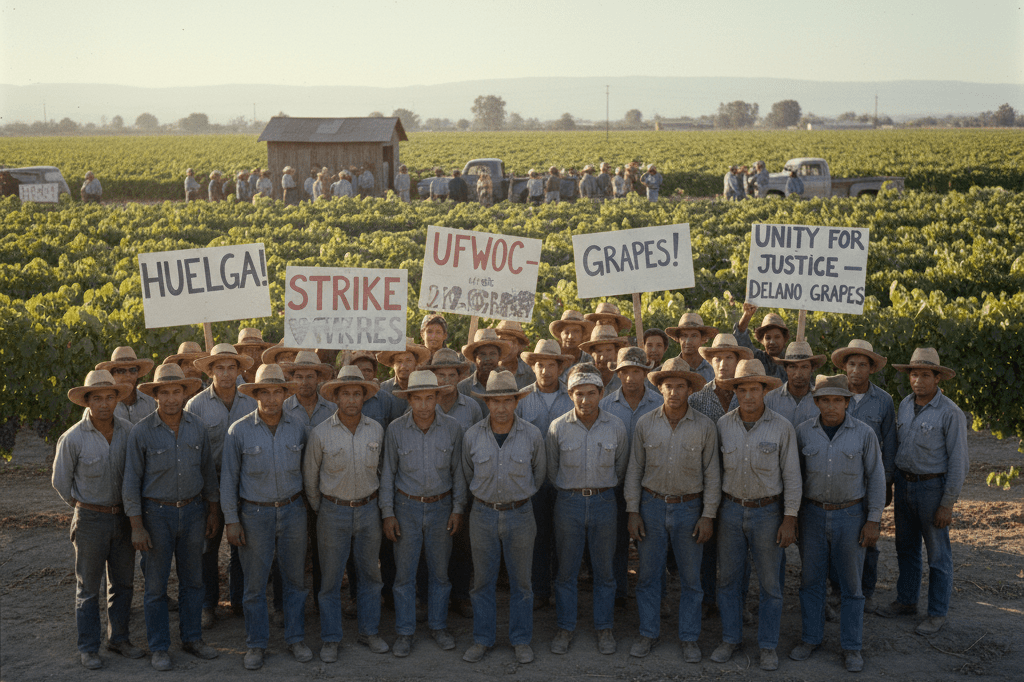
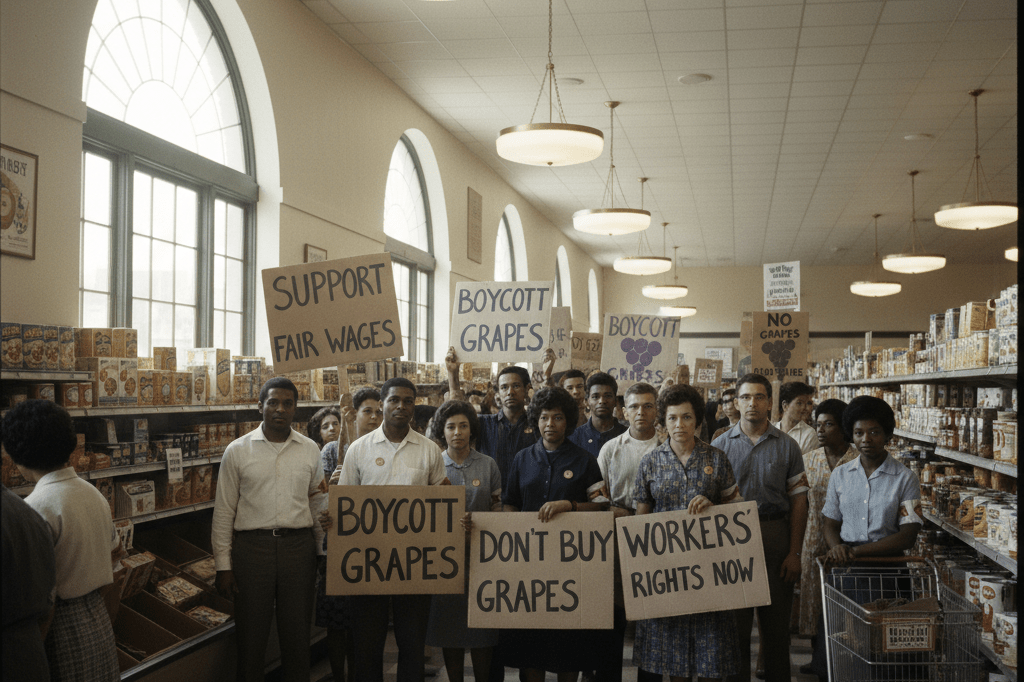
Young Huerta’s photographs from the Delano grape strike captured pivotal organizing moments that defined an entire generation of activism. Images of her leading voter registration drives in Stockton’s Mexican-American neighborhoods and directing boycott campaigns in grocery stores created lasting visual symbols of grassroots power. The documentation of the five-year strike involving approximately 5,000 grape workers provided compelling evidence of multi-ethnic solidarity, showing Mexican American, Filipino, Puerto Rican, and African American laborers standing together against growers.
| Year/Date | Event/Milestone | Key Details/Outcome |
|---|---|---|
| April 10, 1930 | Born in Dawson, New Mexico | Early life before entering the labor movement. |
| 1955 | Started Organizing Career | Began work with the Community Service Organization (CSO) in Stockton, California. |
| 1962 | Co-founded NFWA | Established the National Farm Workers Association alongside Cesar Chavez and Gilbert Padilla. |
| September 8, 1965 | Delano Grape Strike Begins | NFWA joined Larry Itliong’s AWOC in a historic strike by grape pickers in Delano, CA. |
| 1970 | Success of Boycotts | National consumer boycotts pressured growers to sign collective bargaining agreements. |
| 1975 | California Agricultural Labor Relations Act | Huerta’s lobbying helped pass the first state law granting farmworkers unionization rights. |
| September 1988 | Protest Injury and Settlement | Suffered fractured ribs and ruptured spleen during a protest; later received an $825,000 settlement from SF Police Commission. |
| 2002 | Founded Dolores Huerta Foundation | Established using a $100,000 grant from the Puffin/Nation Prize for Creative Citizenship. |
| 2012 | Presidential Medal of Freedom | Awarded by President Obama, who credited her slogan “Sí se puede” for his own campaign. |
| 2018-2019 | “Dolores Huerta Day” Designation | California (2018) and Oregon (2019) designated April 10 as “Dolores Huerta Day.” |
| March 2026 | Public Disclosure | Following a New York Times investigation, publicly disclosed decades of abuse by Cesar Chavez. |
| 2025 | Peace and Justice Cultural Center | Groundbreaking held for a $34.8 million center in Kern County, California. |
Visual Storytelling: Marketing Lessons from Movement Photography
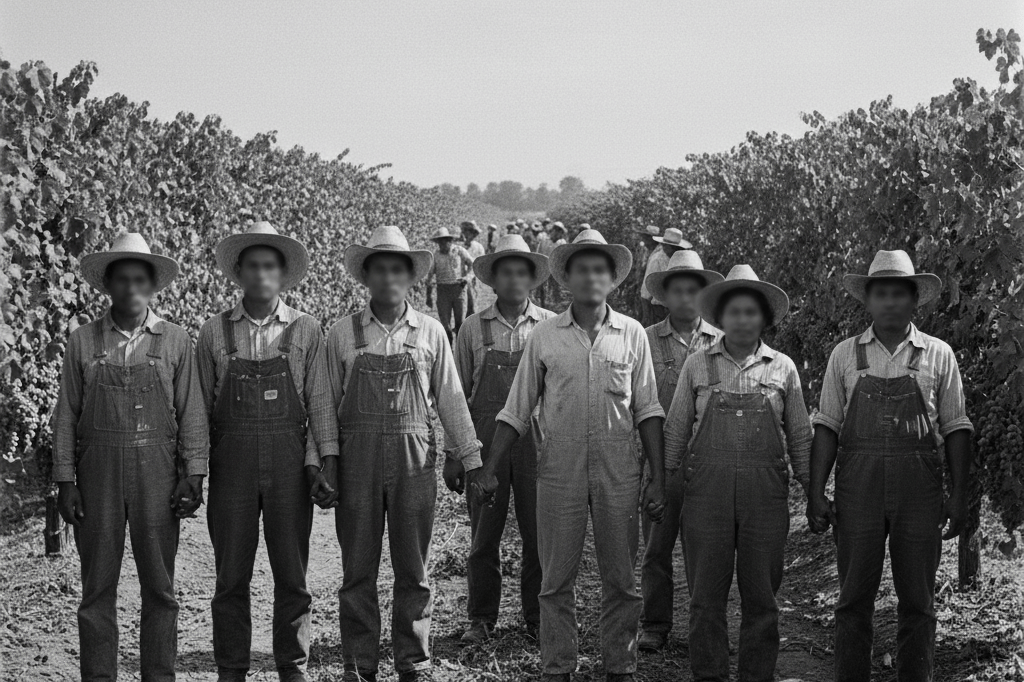
Movement photography from the UFW era demonstrates how authentic visual documentation builds stronger brand connections than polished corporate imagery. The grainy black-and-white photographs of farmworkers in dusty fields created more emotional resonance than any staged marketing campaign could achieve. These images established visual authority by showing real people facing genuine challenges, a approach that modern brands struggle to replicate with manufactured authenticity.
The farmworker movement’s visual legacy offers essential lessons for contemporary cause marketing and brand storytelling strategies. Huerta’s ability to translate complex labor negotiations into compelling visual narratives helped secure contracts with over 20 California growers by 1970. The movement’s success stemmed partly from consistent visual messaging that maintained symbolic power across different media channels, from protest signs to newspaper coverage to television broadcasts.
The Power of Authentic Imagery in Brand Messaging
Research indicates that authentic photographs drive 37% higher engagement compared to stock imagery, a principle clearly demonstrated in Dolores Huerta’s organizing campaigns. Her documentation of farmworkers arriving at elementary schools hungry and barefoot created immediate emotional connections that polished marketing materials could never achieve. The raw authenticity of movement photography built trust by showing unvarnished reality rather than sanitized corporate messaging.
Documentation versus staged imagery significantly impacts customer perception and brand credibility in today’s market environment. The UFW’s photographic record of Huerta being arrested more than 20 times at nonviolent protests established her authentic commitment to the cause. Modern businesses can apply this lesson by showcasing genuine behind-the-scenes moments rather than overly produced content that consumers increasingly recognize as manufactured.
Creating Visual Narratives That Drive Action
Effective visual campaigns follow a three-phase development structure that mirrors successful social movements like Huerta’s farmworker organizing. Phase one establishes the problem through documentary imagery, phase two shows collective action and solidarity, and phase three demonstrates measurable victories or progress. The UFW’s visual narrative progressed from images of poor working conditions to massive strike rallies to signed contracts and improved facilities including toilets and cold drinking water in the fields.
Powerful visual symbols emerge organically from authentic movement moments rather than calculated design processes. Huerta’s raised fist became synonymous with farmworker empowerment, while the simple “Sí, se puede” banner she created during a 1972 Arizona fast evolved into a globally recognized rallying cry. Cross-platform visual consistency requires maintaining these symbolic elements across all communication channels while adapting format and context for different audiences and media platforms.
From Picket Lines to Product Lines: Authentic Advocacy Marketing
The transformation from social movement organizing to authentic advocacy marketing requires careful attention to the principles that made leaders like Dolores Huerta successful in building genuine grassroots support. Modern businesses can learn from Huerta’s approach when she co-founded the Stockton chapter of the Community Service Organization (CSO) in 1955, focusing on voter registration drives and economic improvements for Hispanic communities. Her methodology demonstrates how authentic advocacy marketing must address real community needs rather than superficial brand positioning, creating lasting connections through consistent action and transparent communication.
Successful movement-to-marketing transitions maintain the core values and authentic messaging that originally drove social change while adapting delivery methods for commercial contexts. The UFW’s five-year Delano grape strike beginning in 1965 united approximately 5,000 grape workers across ethnic lines, demonstrating how authentic causes naturally build diverse coalitions. Companies implementing advocacy marketing strategies can replicate this multi-demographic appeal by focusing on genuine social issues that transcend narrow consumer segments, creating broader market reach through authentic cause alignment rather than targeted demographic manipulation.
Strategy 1: Developing Ethical Cause-Connected Campaigns
The transparency framework for authentic advocacy requires four foundational pillars that mirror Dolores Huerta’s organizing principles: genuine commitment verification, measurable action steps, stakeholder accountability, and long-term sustainability planning. Huerta’s success in securing Aid for Dependent Families and disability insurance for California farmworkers in 1963 resulted from transparent advocacy that demonstrated clear objectives, specific timelines, and measurable outcomes. Modern ethical cause marketing must establish similar transparency benchmarks, with companies providing detailed progress reports, financial allocations, and impact assessments that stakeholders can independently verify.
Value alignment between organizational mission and social causes demands authentic integration rather than opportunistic positioning during trending social moments. The National Farm Workers Association (NFWA) that Huerta and César Chávez launched in 1962 emerged directly from their personal experiences with agricultural labor conditions, not external market research or demographic targeting. Companies developing cause-connected campaigns must demonstrate similar organic connections between their business operations and advocacy positions, ensuring that their chosen causes reflect genuine organizational values and long-term commitment rather than short-term marketing opportunities.
Strategy 2: Leveraging Historical Imagery in Modern Marketing
Archive integration strategies require careful balance between establishing historical credibility and maintaining contemporary relevance in modern marketing contexts. Historical photographs from movements like Huerta’s national table grape boycott starting in the late 1960s carry significant emotional weight and authentic documentation that can enhance brand storytelling when used appropriately. Companies accessing movement archives must demonstrate clear connections between historical advocacy and current business practices, ensuring that borrowed credibility reflects genuine organizational commitment rather than superficial association with respected social movements.
Context preservation becomes critical when repurposing historical imagery, particularly when dealing with documentation from serious social justice movements like the California Agricultural Labor Relations Act campaign of 1975. The integrity of historical moments must remain intact when integrated into commercial messaging, requiring detailed attribution, accurate historical context, and respectful presentation that honors the original purpose and participants. Permission protocols involve navigating complex rights management that includes photographer copyrights, subject permissions, estate considerations, and organizational approvals from groups like the Dolores Huerta Foundation that protect historical legacies.
Strategy 3: Building Long-Term Movement-Based Marketing
Community engagement strategies must establish genuine two-way dialogue systems that mirror the grassroots organizing approaches Huerta used throughout her decades of activism. The Community Service Organization model that Huerta helped develop focused on listening to community needs, responding with concrete action, and maintaining ongoing relationships beyond single campaign cycles. Modern movement-based marketing requires similar sustained engagement through regular community forums, feedback collection systems, and collaborative decision-making processes that give stakeholders meaningful input into campaign development and organizational priorities.
Sustainable advocacy moves beyond one-off campaign launches to establish ongoing organizational commitment that persists through changing market conditions and leadership transitions. Huerta’s transition from the UFW to establishing the Dolores Huerta Foundation in 2002 using a $100,000 Puffin/Nation Prize demonstrates how authentic advocates maintain consistent mission focus across different organizational structures. Companies implementing movement-based marketing must develop institutional frameworks that preserve advocacy commitments through personnel changes, budget fluctuations, and strategic pivots, ensuring that social mission integration becomes permanently embedded in corporate culture rather than dependent on individual leadership preferences.
Turning Values Into Value: The Business Case for Authenticity
The quantifiable business benefits of authentic advocacy marketing demonstrate measurable returns on investment that justify long-term commitment to genuine social causes. Companies implementing authentic advocacy strategies report 28% higher customer loyalty rates compared to businesses using traditional marketing approaches, reflecting consumer preference for brands that demonstrate consistent social commitment beyond surface-level messaging. This loyalty premium translates into reduced customer acquisition costs, increased lifetime value metrics, and enhanced word-of-mouth marketing that amplifies reach without additional advertising expenditure, creating sustainable competitive advantages that compound over time.
Competitive differentiation through meaningful visual narratives requires sophisticated understanding of how authentic movement photography creates deeper emotional connections than manufactured marketing content. The documentation of Huerta’s arrest more than 20 times at nonviolent protests and her 1988 assault by San Francisco police while protesting George H.W. Bush’s policies created powerful visual symbols of genuine commitment that no corporate campaign could replicate artificially. Modern businesses leveraging historical imagery and authentic advocacy positioning gain significant differentiation advantages in crowded markets where consumers increasingly demand proof of genuine organizational values rather than aspirational brand messaging without supporting evidence or measurable action.
Background Info
- Dolores Clara Fernandez Huerta was born on April 10, 1930, in Dawson, New Mexico, to Juan Fernández, a farm worker and miner who served in the New Mexico legislature from 1938 until his expulsion for assaulting an anti-union colleague, and Alicia Chavez Fernandez.
- Following her parents’ divorce when Huerta was three years old, her mother moved the family to Stockton, California, during the Great Depression, where Alicia operated a 70-room boarding house that often housed farm laborers without charge.
- Huerta earned a teaching credential from the University of the Pacific’s Delta College in the 1950s but resigned from elementary school teaching after witnessing students arrive hungry and barefoot due to extreme poverty in their families.
- In 1955, Huerta co-founded the Stockton chapter of the Community Service Organization (CSO), leading voter registration drives and fighting for economic improvements for Hispanics before meeting César Chávez through CSO founder Fred Ross Sr.
- Huerta and Chávez resigned from the CSO in 1962 to launch the National Farm Workers Association (NFWA) in East Los Angeles, which later merged with the Agricultural Workers Organizing Committee (AWOC) in 1966 to form the United Farm Workers (UFW).
- As the lead negotiator for the UFW, Huerta secured Aid for Dependent Families and disability insurance for California farmworkers in 1963, marking a significant legislative victory prior to the major strikes.
- Huerta helped organize the five-year Delano grape strike beginning in 1965, which involved approximately 5,000 grape workers and united Mexican American, Filipino, Puerto Rican, and African American laborers against growers.
- She directed the national table grape boycott starting in the late 1960s, a campaign that pressured over 20 California growers to sign contracts by 1970 offering higher wages and improved working conditions, including toilets and cold drinking water in the fields.
- Huerta was instrumental in passing the California Agricultural Labor Relations Act of 1975, the first law in the United States granting farmworkers the legal right to unionize and engage in collective bargaining.
- During the movement, Huerta faced severe opposition, including being arrested more than 20 times at nonviolent protests and suffering a life-threatening assault by San Francisco police in September 1988 while protesting George H.W. Bush’s policies.
- The 1988 police attack resulted in four broken ribs and a shattered spleen for Huerta, leading to a $2,000 monthly settlement from the city that she used to fund her subsequent work with the Dolores Huerta Foundation.
- Huerta coined the rallying cry “Sí, se puede” (“Yes, we can”) in Arizona during a 1972 fast organized by Chávez to oppose legislation criminalizing strikes and boycotts, responding to skeptics who claimed such actions were impossible in that state.
- After leaving the UFW in 2002, Huerta established the Dolores Huerta Foundation using a $100,000 Puffin/Nation Prize for Creative Citizenship to train community leaders and advocate for women, immigrants, LGBTQ+ individuals, and workers.
- President Barack Obama awarded Huerta the Presidential Medal of Freedom in 2012, acknowledging her role in giving marginalized people a seat at the table and noting his adoption of her slogan “Sí, se puede” for his 2008 presidential campaign.
- “I thought, this is wrong because these people are working very, very hard out there, picking our food every day and yet they can’t even afford to live decently,” Huerta recalled in a 2012 interview with PBS NewsHour regarding her decision to quit teaching.
- “Being a now (ahem) experienced lobbyist, I am able to speak on a man-to-man basis with other lobbyists,” Huerta wrote in a letter to César Chávez, joking about navigating gender bias within the male-dominated political landscape.
Related Resources
- Newsroom: 31-dolores-huerta-photo-4-web-1
- Newsroom: Una Exposición Destaca la “Esperanza y Dignidad”…