


Related search
Storage Container
Headphones
Parka
Party Supplies
Get more Insight with Accio
8 Defining 2020s Fashion Aesthetics Still Influencing Design in 2026
8 Defining 2020s Fashion Aesthetics Still Influencing Design in 2026
7min read·Oriana·Mar 30, 2026
The early 2020s unleashed a whirlwind of micro-trends that cycled at unprecedented speed, driven by social media algorithms and global cultural shifts. Yet beneath this apparent chaos, eight core aesthetics emerged as defining forces that continue to influence consumer preferences well into 2026. This isn’t merely a nostalgic retrospective—it’s a strategic guide for brands, designers, and product developers who understand that the most successful collections often draw from proven aesthetic frameworks. By analyzing the visual DNA of the decade’s most impactful trends, from the rebellious optimism of Y2K Revival to the sophisticated comfort of elevated loungewear, businesses can make more informed design, sourcing, and marketing decisions. Each aesthetic we’ll explore represents not just a style moment, but a window into enduring consumer desires that smart brands continue to tap into today.
Table of Contents
1. The Y2K Revival: Frosted Tips and Low-Rise Fits
2. Dopamine Dressing: A Serotonin Boost in Bold Hues
3. Gorpcore: Where The Trail Meets The Runway
4. Dark Academia: Intellectual & Moody Nostalgia
5. Cottagecore: The Romantic, Pastoral Escape
6. The Ubiquitous Cut-Out: A Game of Peekaboo
7. Structured Corsetry: Redefining Feminine Power
8. Elevated Loungewear: The Comfort Revolution
2. Dopamine Dressing: A Serotonin Boost in Bold Hues
3. Gorpcore: Where The Trail Meets The Runway
4. Dark Academia: Intellectual & Moody Nostalgia
5. Cottagecore: The Romantic, Pastoral Escape
6. The Ubiquitous Cut-Out: A Game of Peekaboo
7. Structured Corsetry: Redefining Feminine Power
8. Elevated Loungewear: The Comfort Revolution
Want to explore more about 8 Defining 2020s Fashion Aesthetics Still Influencing Design in 2026? Try the ask below
8 Defining 2020s Fashion Aesthetics Still Influencing Design in 2026
1. The Y2K Revival
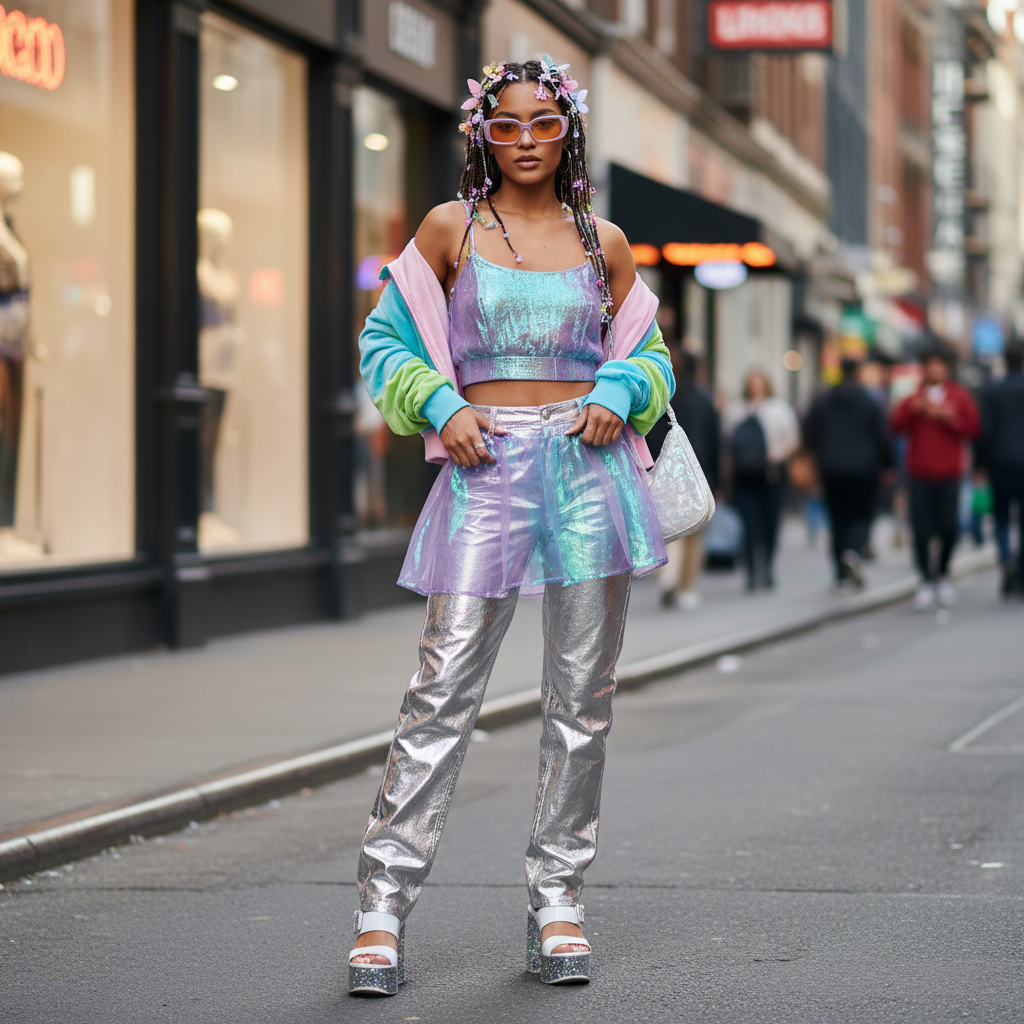
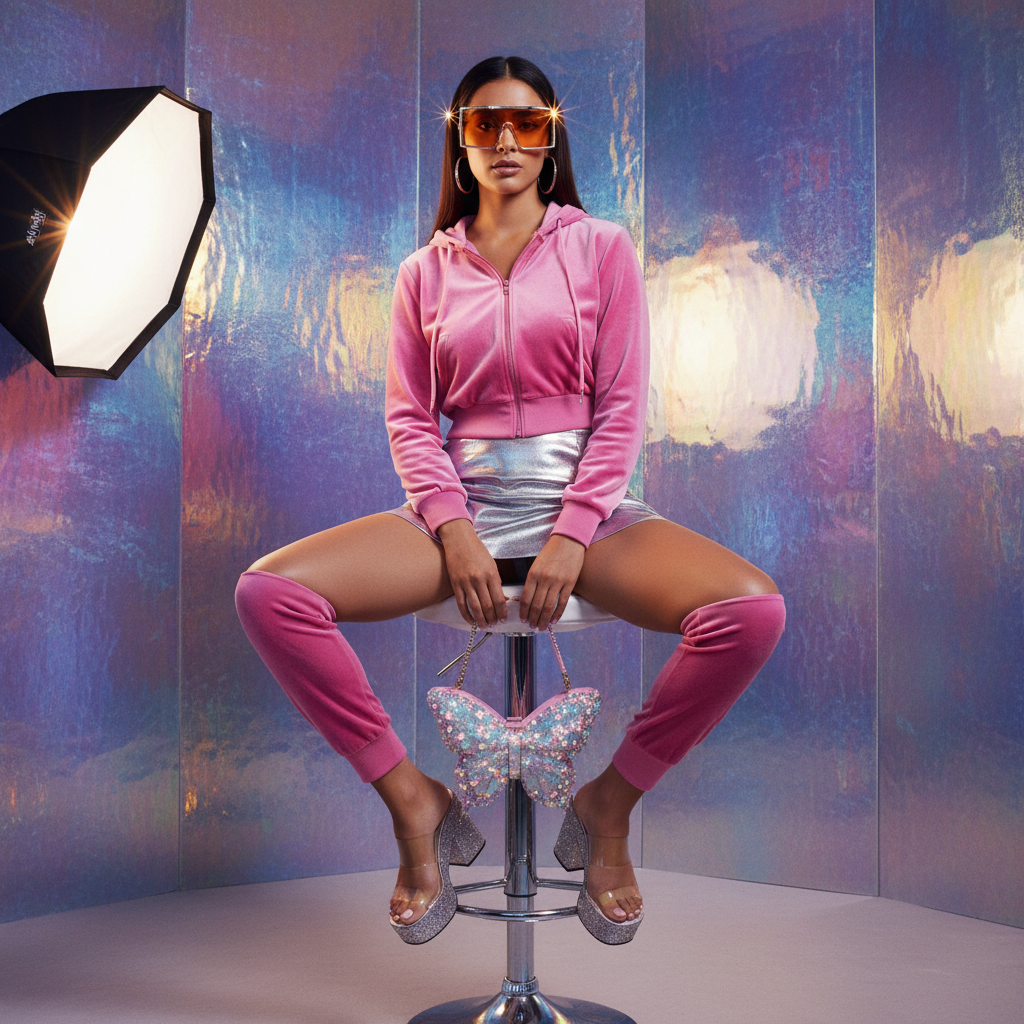
Frosted Tips and Low-Rise Fits: The Y2K Revival brought back the playful, futuristic optimism of the early 2000s with a distinctly modern twist. This aesthetic centered around low-rise jeans that sat dramatically on the hips, micro-mini skirts that barely grazed the thigh, and an abundance of metallic and sheer fabrics that caught light with every movement. Butterfly motifs adorned everything from hair clips to handbags, while velour tracksuits in candy colors became the uniform of choice for Gen-Z tastemakers. The look was completed with chunky platform sandals, tinted sunglasses in geometric shapes, and the iconic baguette bag slung casually under the arm. This trend appealed to young consumers seeking to reclaim the pre-9/11 era’s unbridled technological optimism, creating a visual language of rebellion against minimalism through maximum sparkle and skin-baring silhouettes.
2. Dopamine Dressing
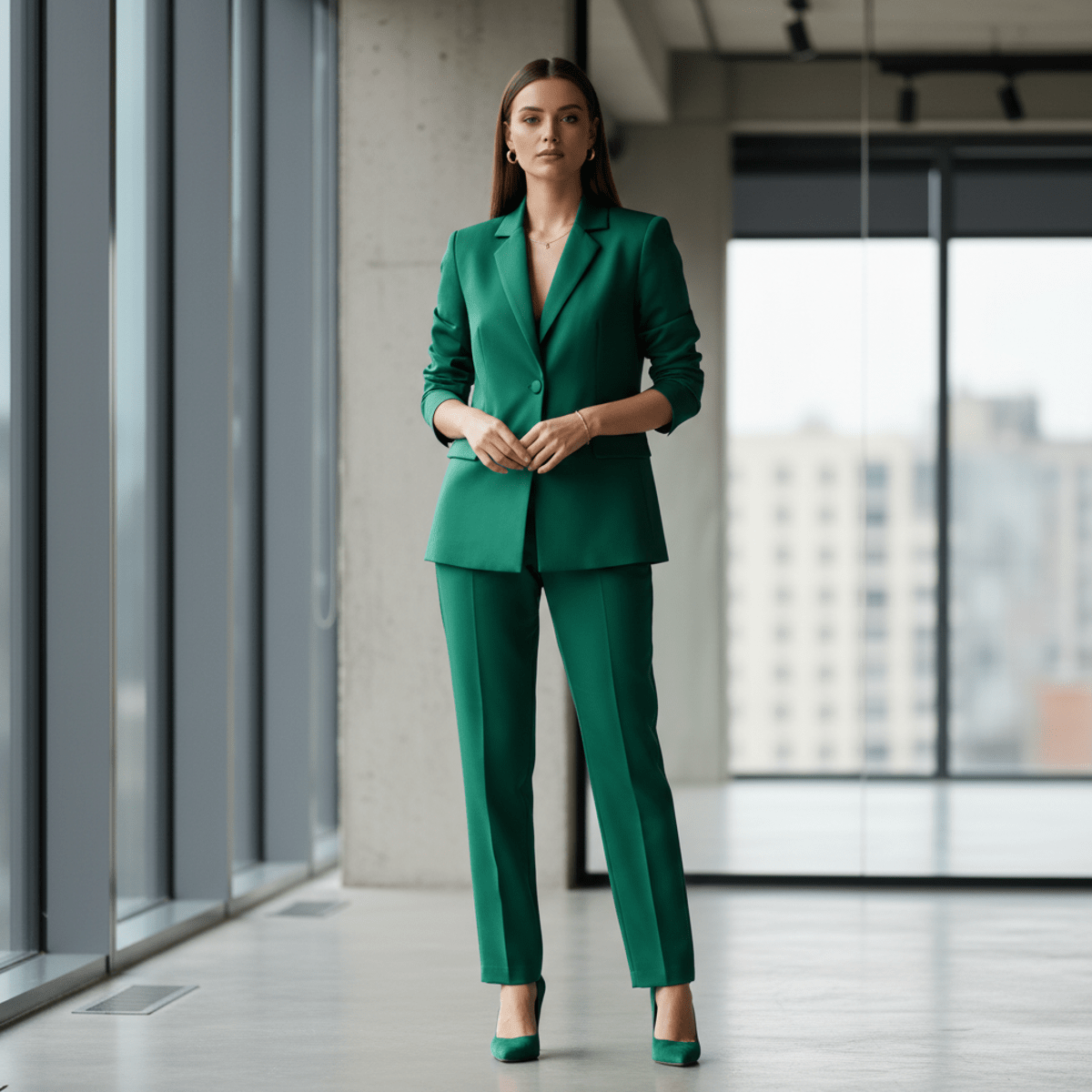
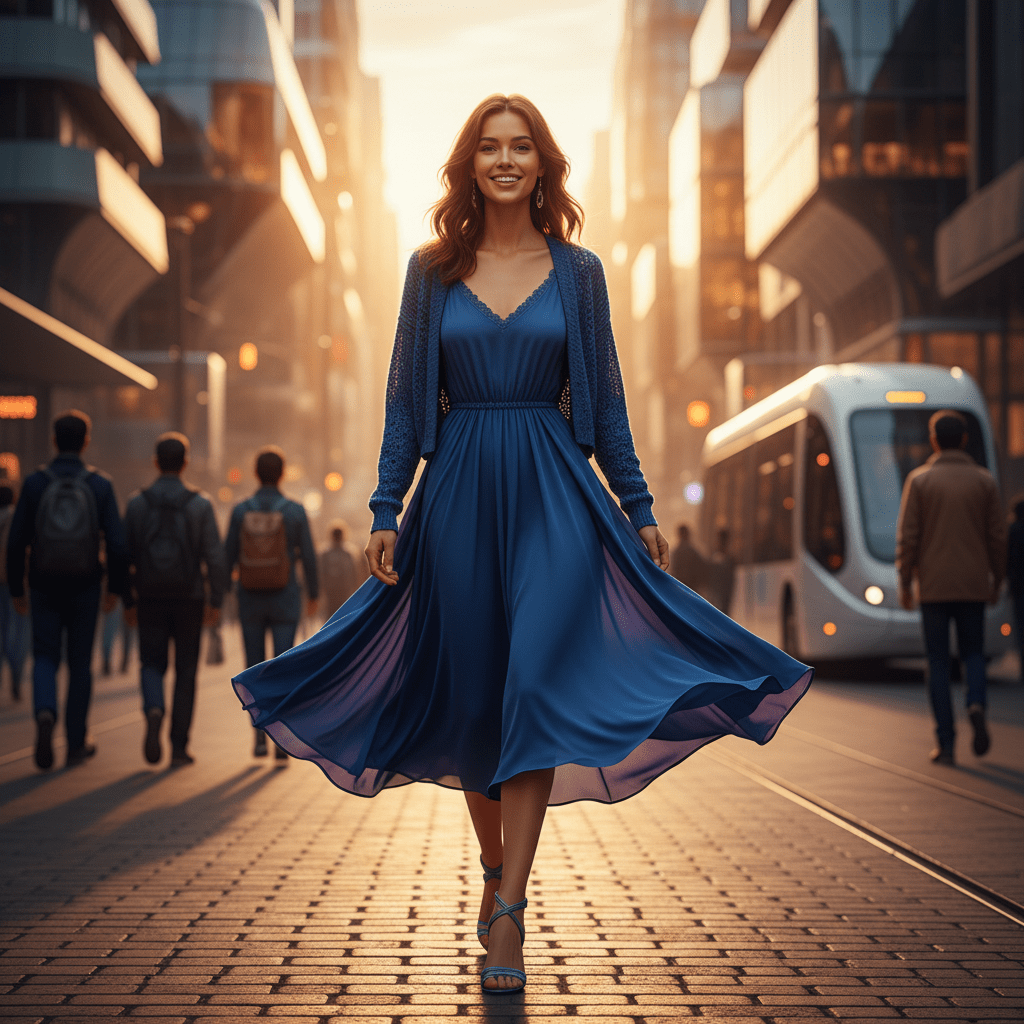
A Serotonin Boost in Bold Hues: Dopamine dressing emerged as fashion’s direct response to global uncertainty, transforming clothing into a mood-boosting tool through the strategic use of saturated, joyful colors. The aesthetic’s defining characteristic was the head-to-toe monochromatic look rendered in eye-catching hues like Barbiecore hot pink, electric kelly green, sunshine yellow, or cobalt blue. These weren’t subtle pops of color—entire outfits were constructed in a single, vibrant shade that demanded attention and lifted spirits. Matching blazer and trouser sets in emerald green, flowing midi dresses in coral, and coordinated knit sets in electric blue became Instagram staples. The trend resonated particularly strongly with professional women who used bold color as a form of self-expression in corporate environments, proving that brightness could be both playful and powerful in equal measure.
3. Gorpcore
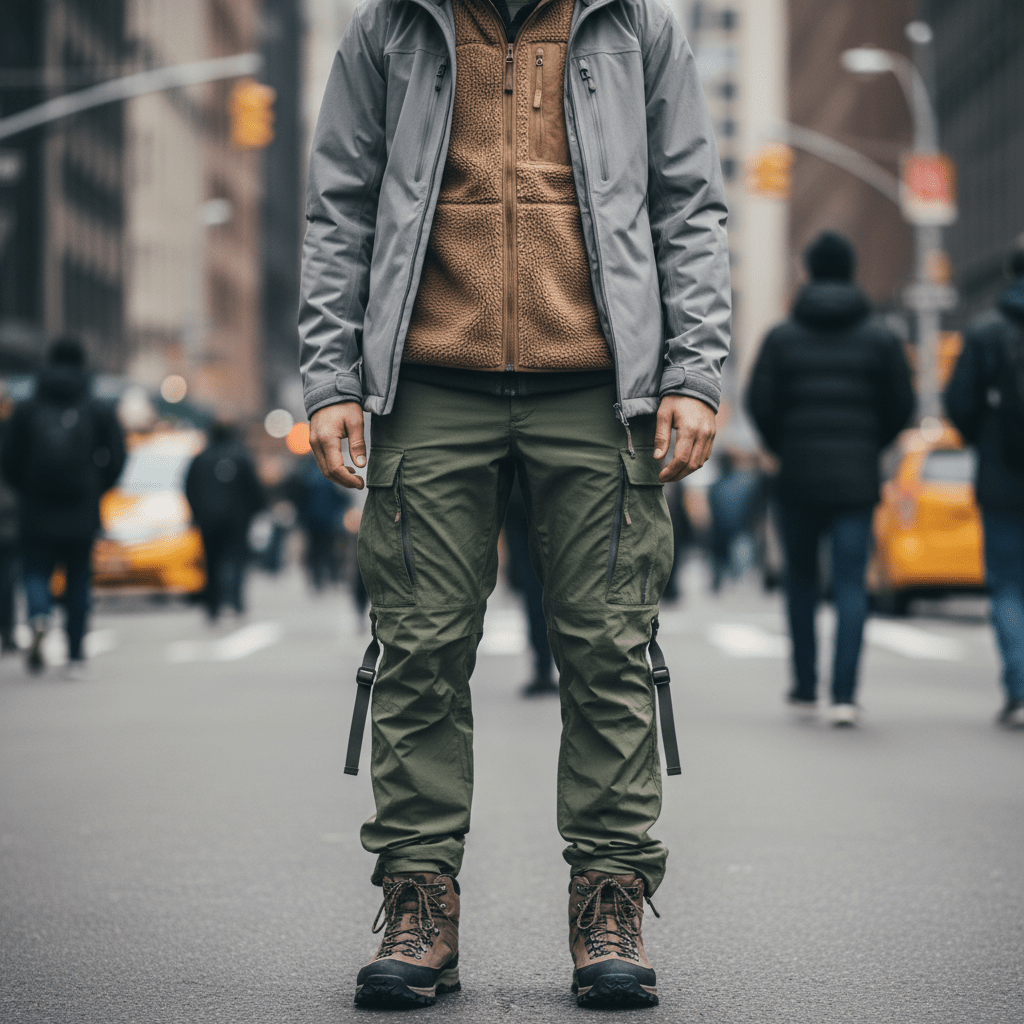
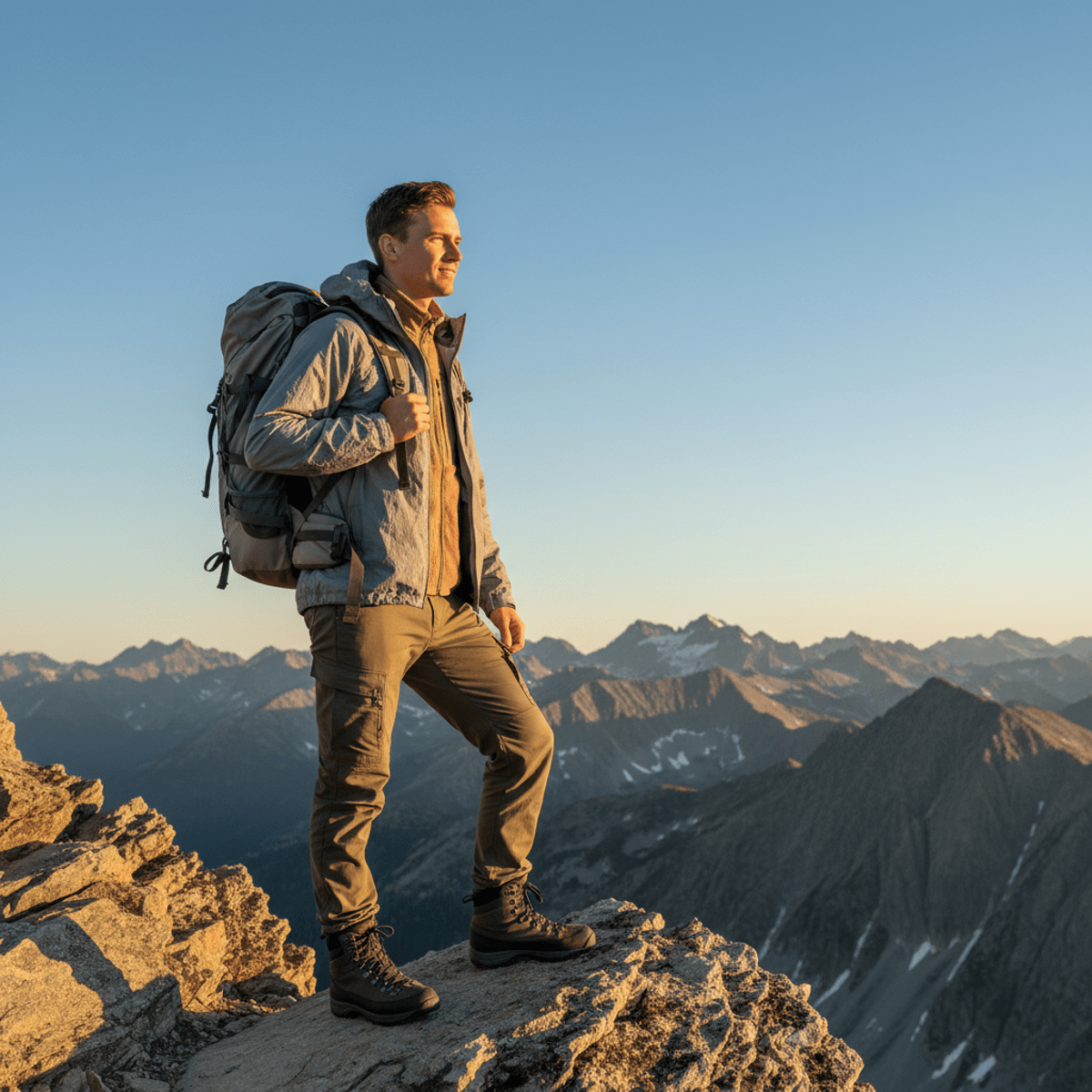
Where The Trail Meets The Runway: Gorpcore—named after the trail mix acronym ‘Good Ol’ Raisins and Peanuts’—successfully bridged the gap between technical outdoor gear and high fashion street style. This utilitarian aesthetic celebrated functionality through cargo pants with multiple zip pockets, technical shell jackets in muted earth tones, fleece vests layered over thin base layers, and sturdy hiking boots that looked equally at home on mountain trails or city sidewalks. The visual appeal lay in the juxtaposition of rugged, practical details like ripstop nylon, waterproof zippers, and webbing straps styled in urban environments. Colors remained purposefully muted—olive green, stone gray, and sandy brown—allowing the focus to remain on innovative construction and multi-pocket functionality. This trend attracted consumers who valued durability and versatility, particularly appealing to environmentally conscious buyers seeking investment pieces that could transition seamlessly from outdoor adventures to everyday wear.
4. Dark Academia
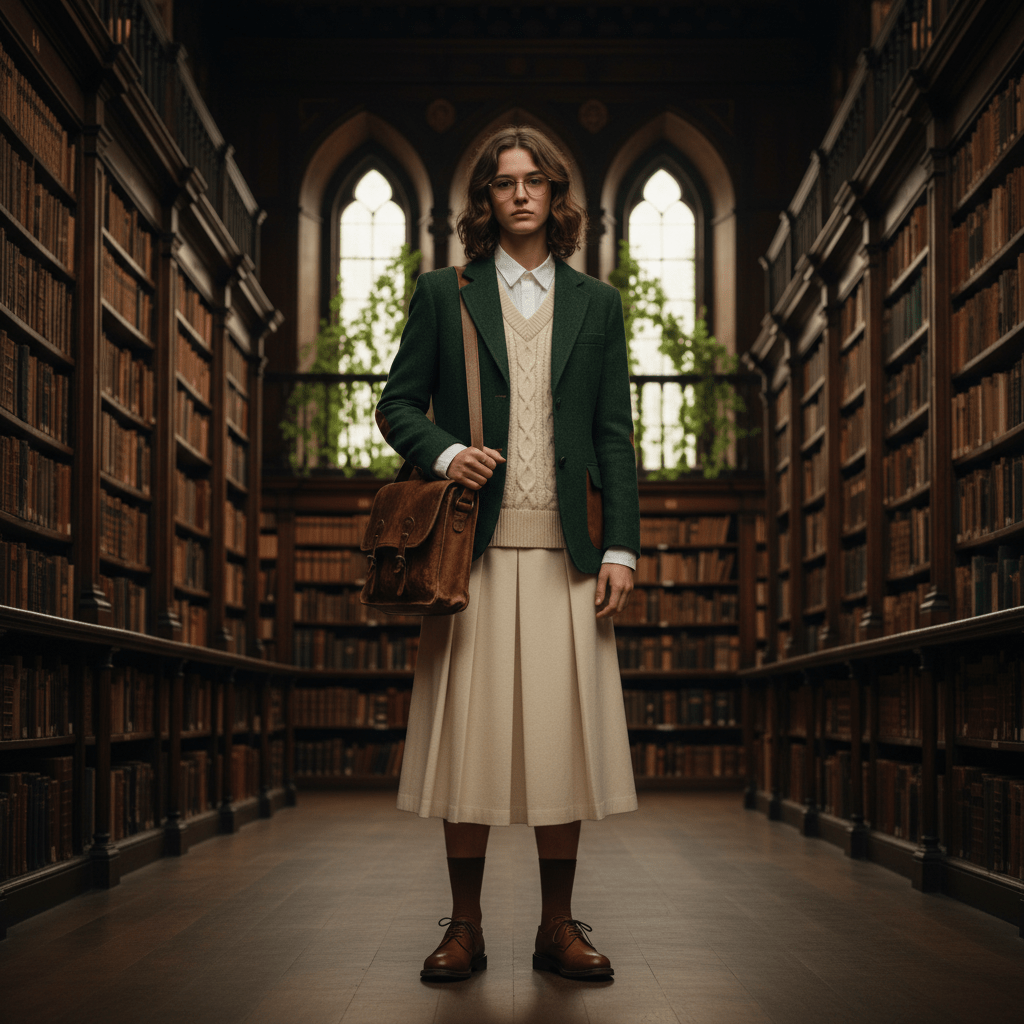
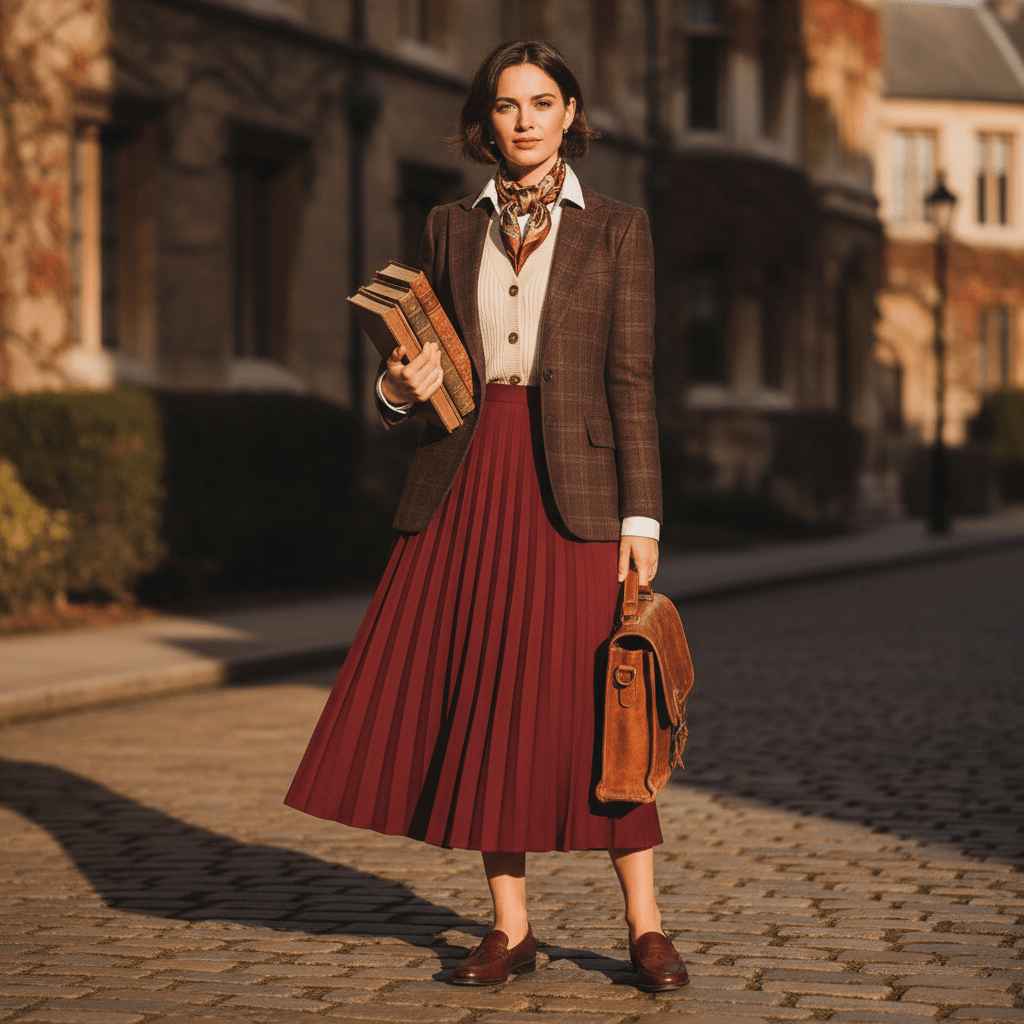
Intellectual & Moody Nostalgia: Dark Academia cultivated an aesthetic rooted in classical education, literature, and the arts, creating a mood of scholarly sophistication through carefully curated earth-tone palettes. The look centered on rich, muted colors—deep forest green, burgundy wine, chocolate brown, and cream—that evoked the atmosphere of historic university libraries and ivy-covered halls. Key pieces included structured tweed blazers with leather elbow patches, pleated wool skirts that hit at mid-calf, chunky cable-knit sweater vests layered over crisp white shirts, and classic leather loafers or Oxford shoes in burnished brown. Accessories played a crucial role: leather satchels, vintage-inspired scarves, and wire-rimmed glasses completed the professorial aesthetic. This trend appealed particularly to young adults seeking to project intelligence and cultural sophistication, offering a romantic alternative to the hyper-digital world through its celebration of analog knowledge and timeless style.
5. Cottagecore
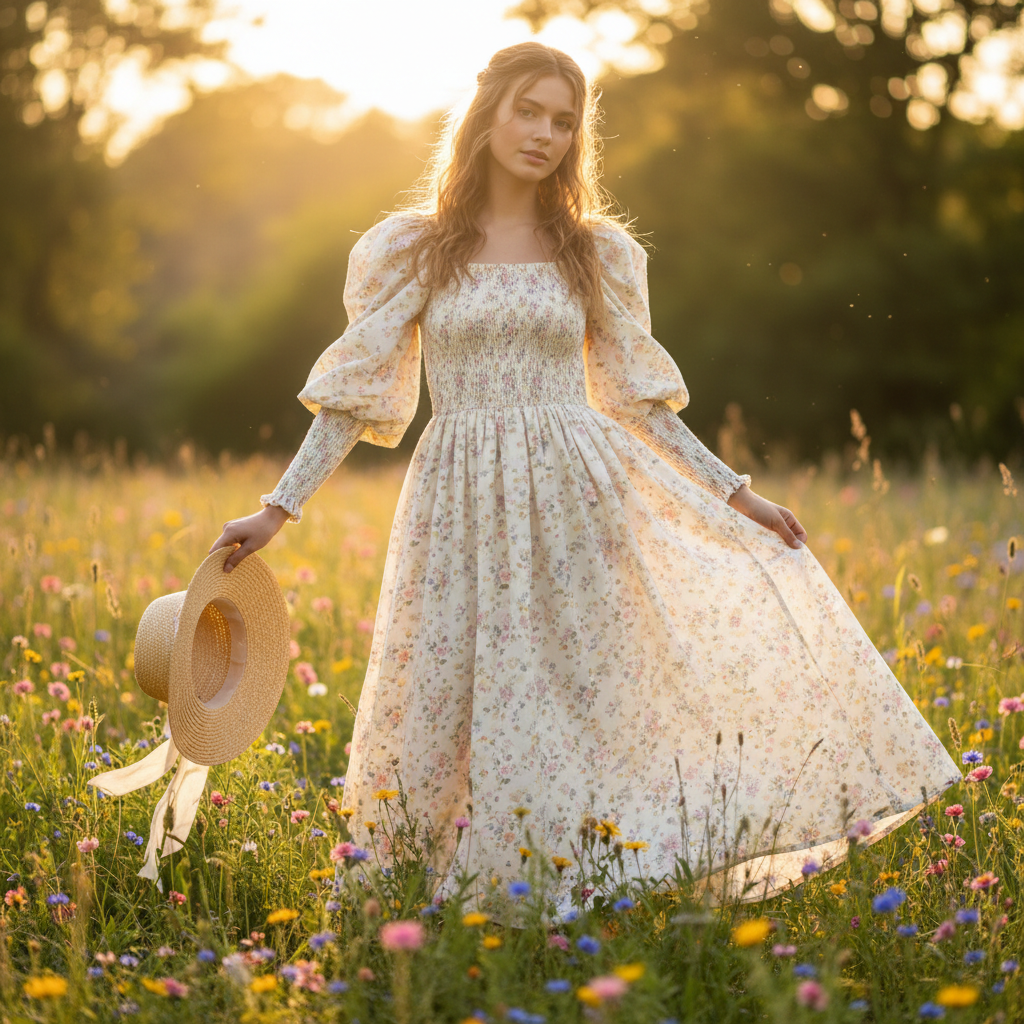
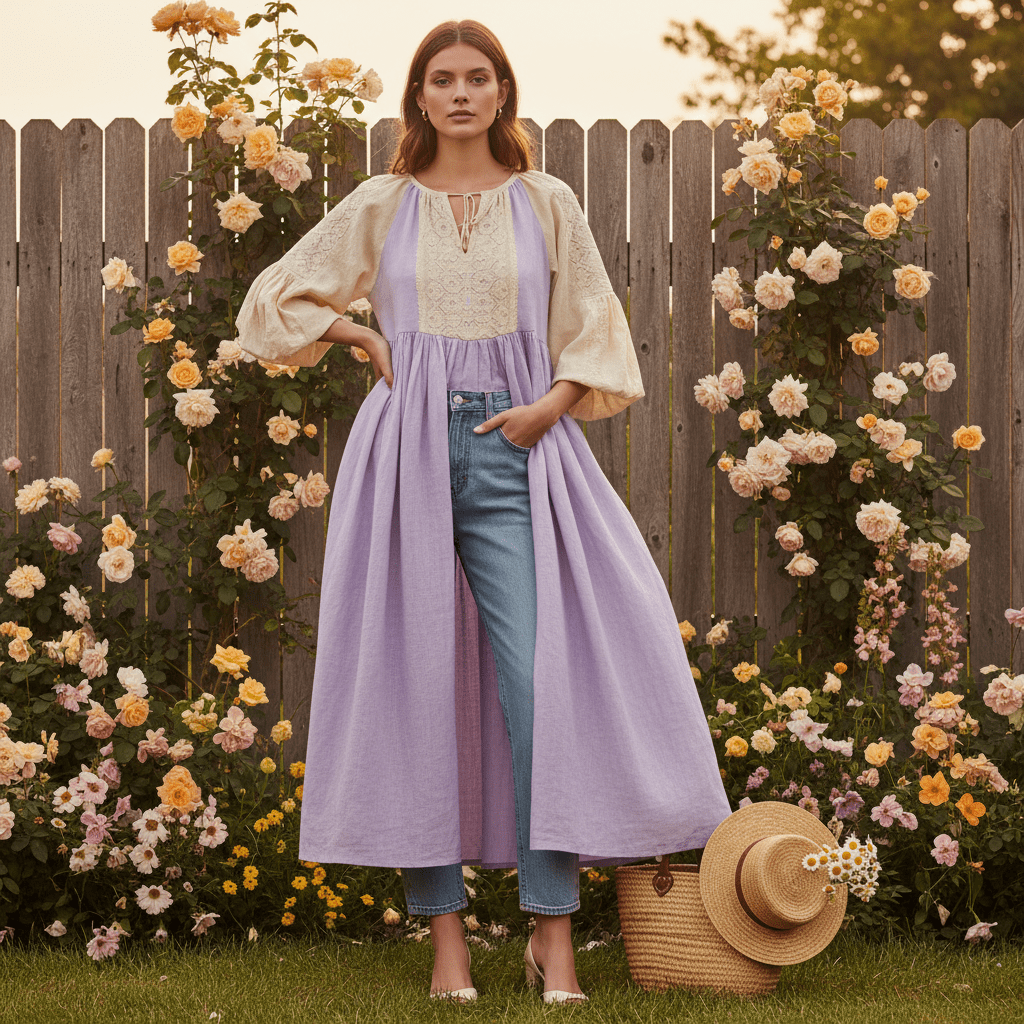
The Romantic, Pastoral Escape: Cottagecore offered a dreamy escape to an idealized rural past through flowing, romantic silhouettes rendered in delicate floral prints and natural fabrics. The aesthetic’s signature pieces included midi and maxi dresses with puffed sleeves that gathered at the shoulder, creating a fairy-tale silhouette that moved gracefully with each step. Smocked bodices, often hand-stitched, added artisanal detail to cotton and linen garments in soft pastels and cream tones. Prairie-style dresses featured tiny floral prints scattered across flowing skirts, while peasant blouses with embroidered details paired beautifully with high-waisted denim or flowing skirts. The overall effect was light, airy, and deeply nostalgic, evoking images of sun-drenched meadows and garden parties. This trend particularly resonated with consumers seeking authenticity and craftsmanship in an increasingly digital world, appealing to those who valued slow fashion and handmade details over fast fashion uniformity.
6. The Ubiquitous Cut-Out
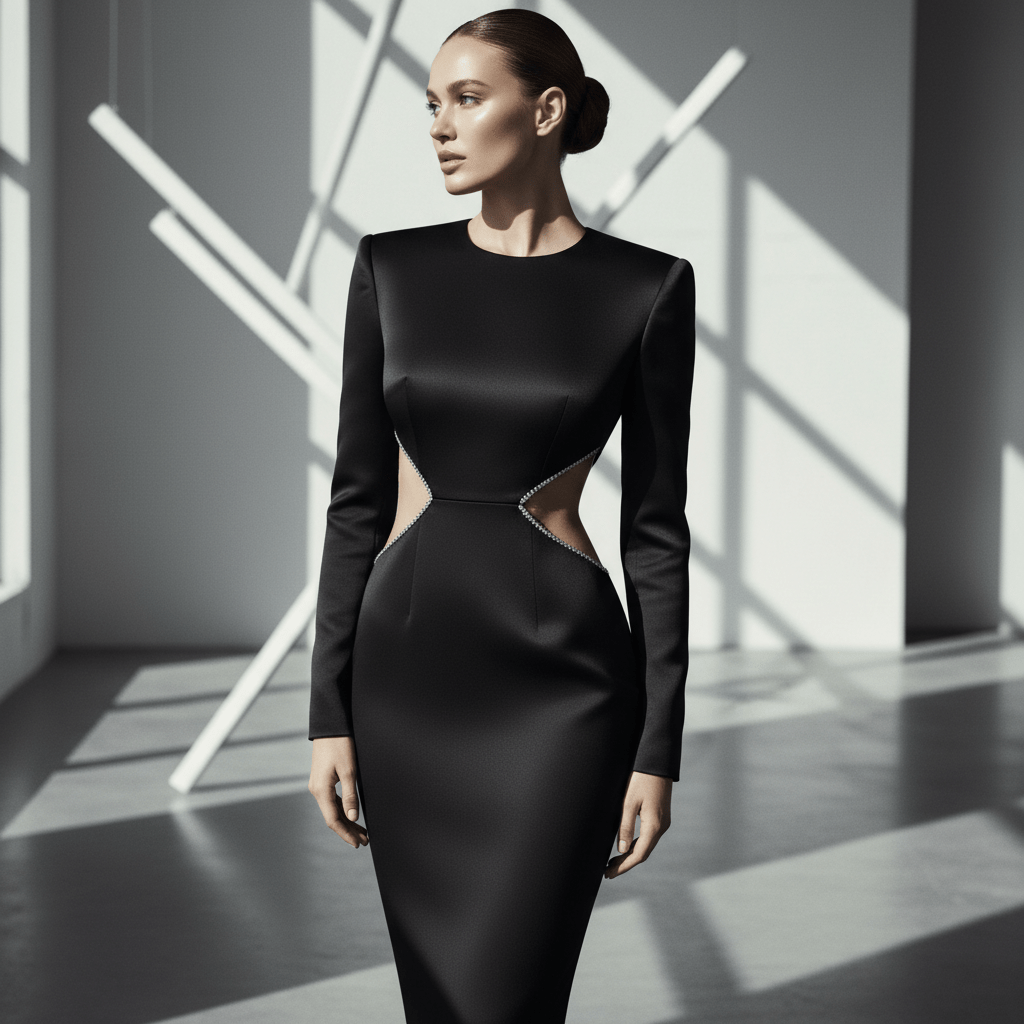
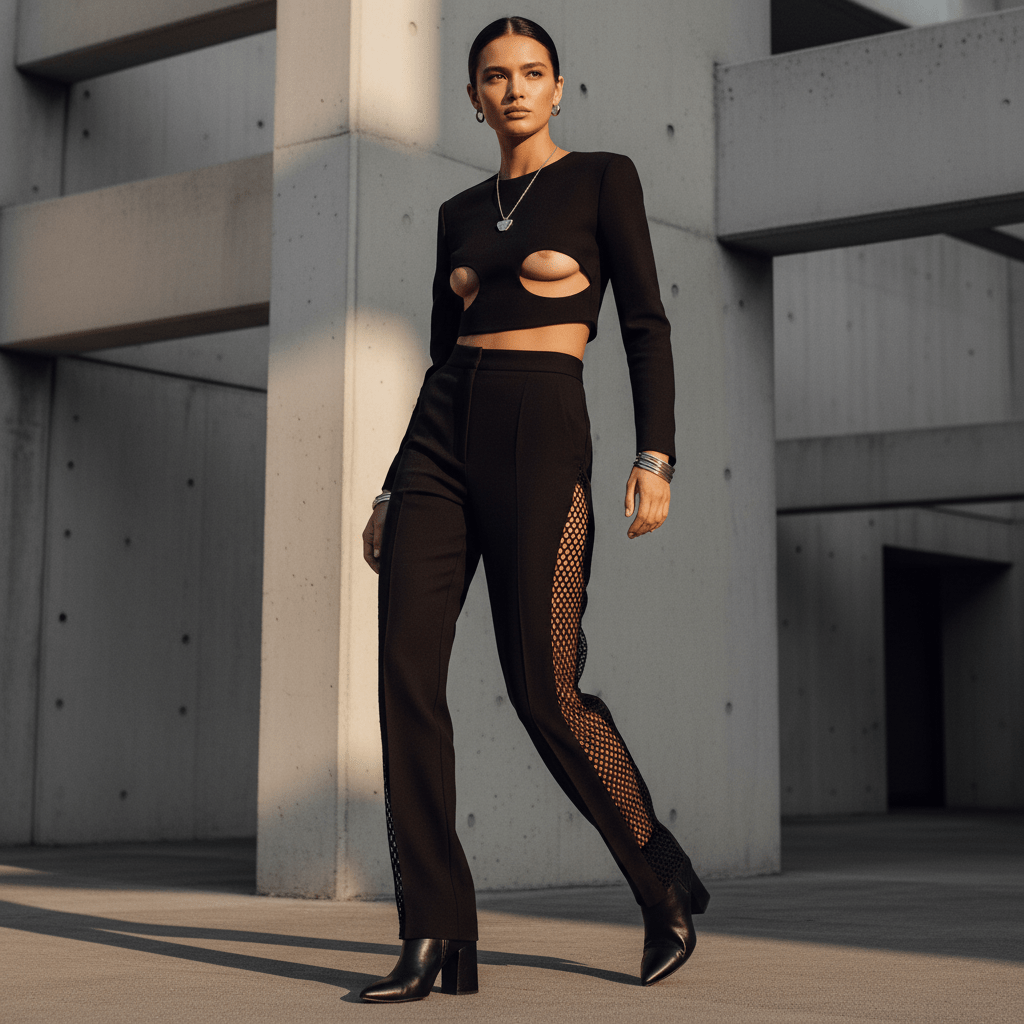
A Game of Peekaboo: Strategic cut-outs became the defining detail of the decade, transforming simple silhouettes into conversation pieces through carefully placed negative space. These weren’t random slashes—designers thoughtfully positioned cut-outs at the waist to create an hourglass effect, across the shoulders to frame the collarbone, or asymmetrically along the torso to add visual interest and movement. The trend manifested across all garment categories: little black dresses with diamond-shaped openings at the ribcage, crop tops with crescent-moon cut-outs below the bust, and even tailored trousers featuring subtle side panels of mesh or open space. The effect was simultaneously modest and revealing, offering a modern interpretation of sensuality that felt fresh and architectural. Cut-outs appealed to fashion-forward consumers who wanted to make a statement without being overtly provocative, providing just enough skin-baring detail to elevate basic pieces into Instagram-worthy looks.
7. Structured Corsetry
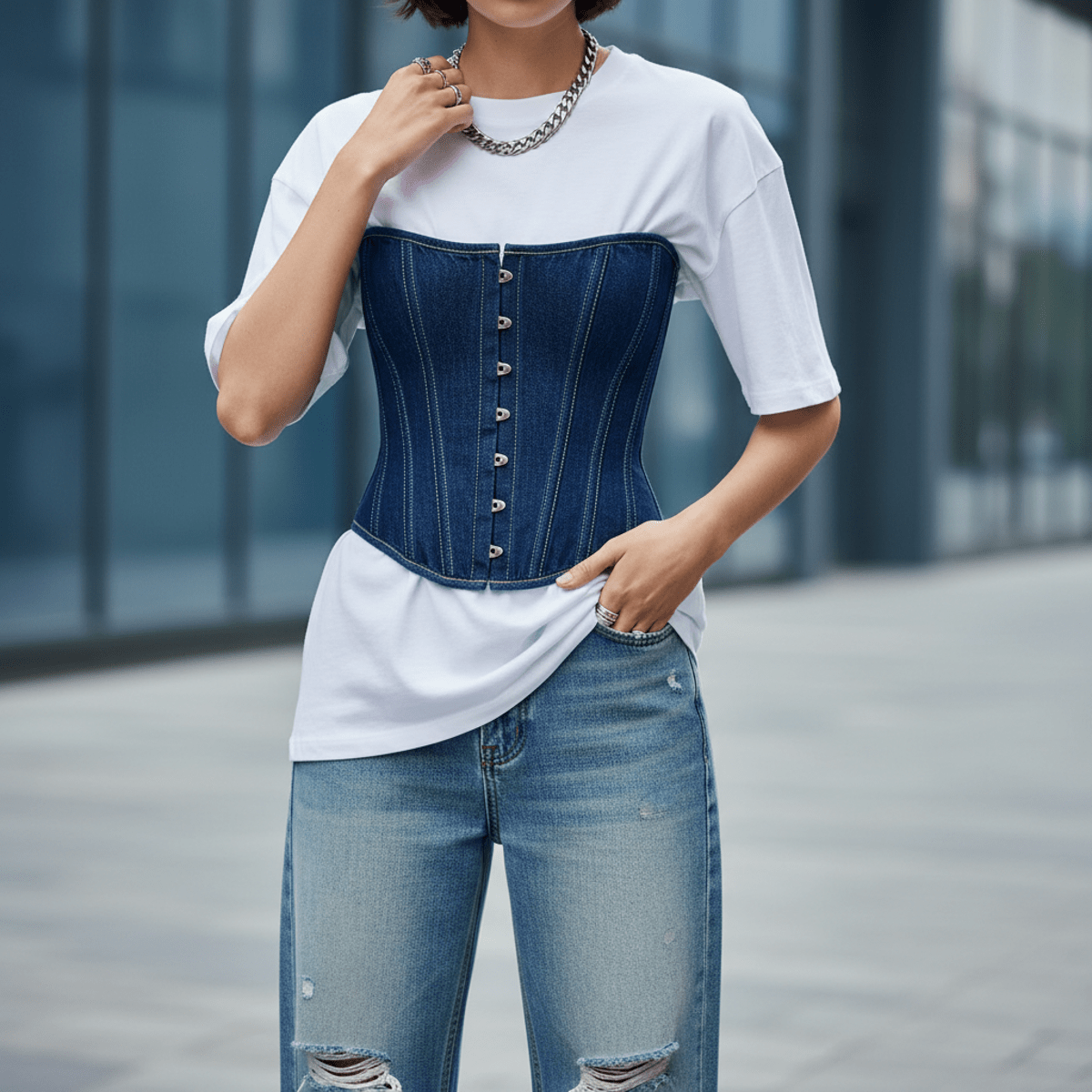
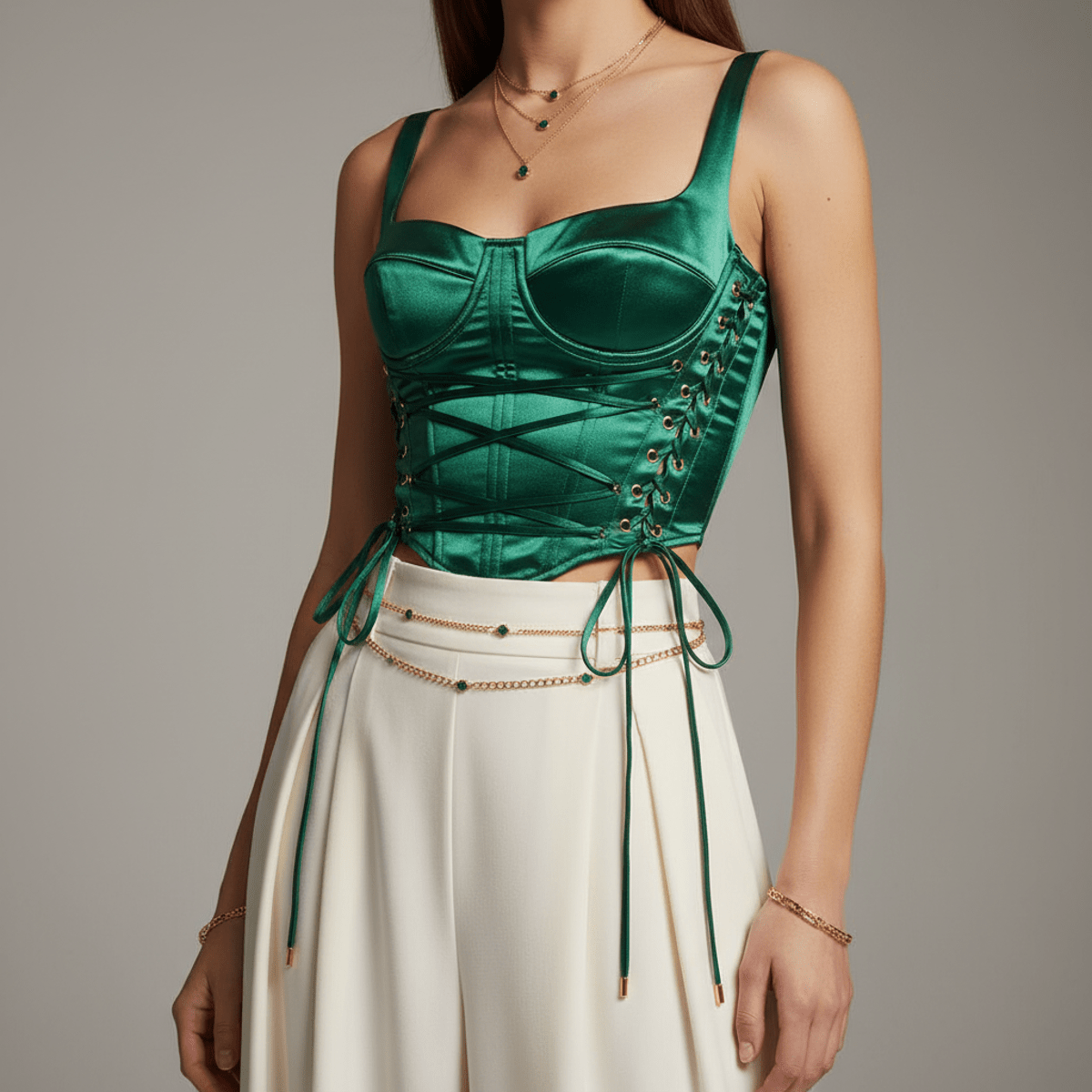
Redefining Feminine Power: The corset’s transformation from historical undergarment to contemporary outerwear redefined how feminine structure could be both supportive and empowering. This trend encompassed everything from casual denim corsets layered over oversized t-shirts for weekend wear to elegant satin bustiers paired with flowing wide-leg trousers for evening events. The modern corset emphasized the waistline while offering versatility in styling—worn alone as a statement top, layered under blazers for subtle structure, or paired with matching skirts for coordinate sets. Colors ranged from classic black and white to bold jewel tones and even metallic finishes. Construction details like contrast stitching, hook-and-eye closures, and adjustable lacing became decorative elements rather than purely functional features. This aesthetic appealed to women seeking to reclaim historical feminine silhouettes on their own terms, using structure as a tool of empowerment rather than constraint, and proving that strength and femininity could coexist beautifully.
8. Elevated Loungewear
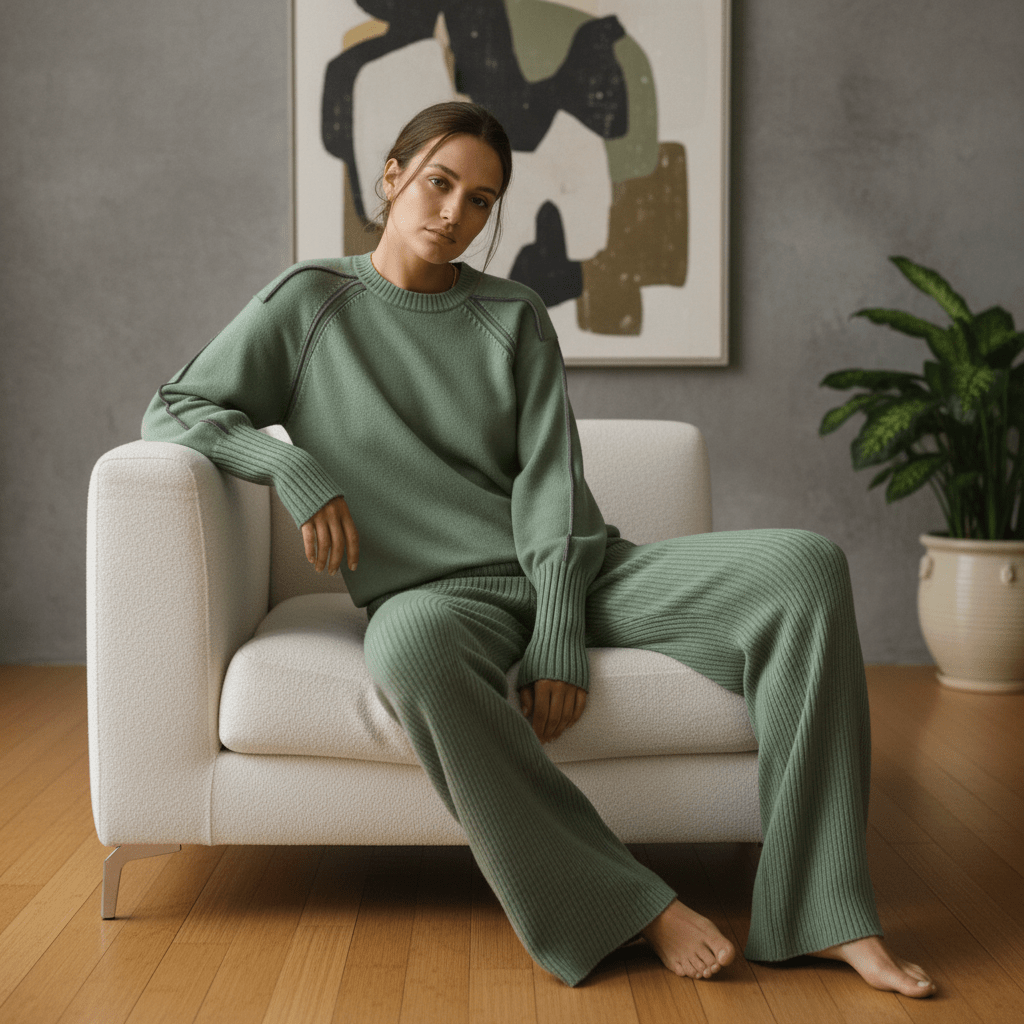
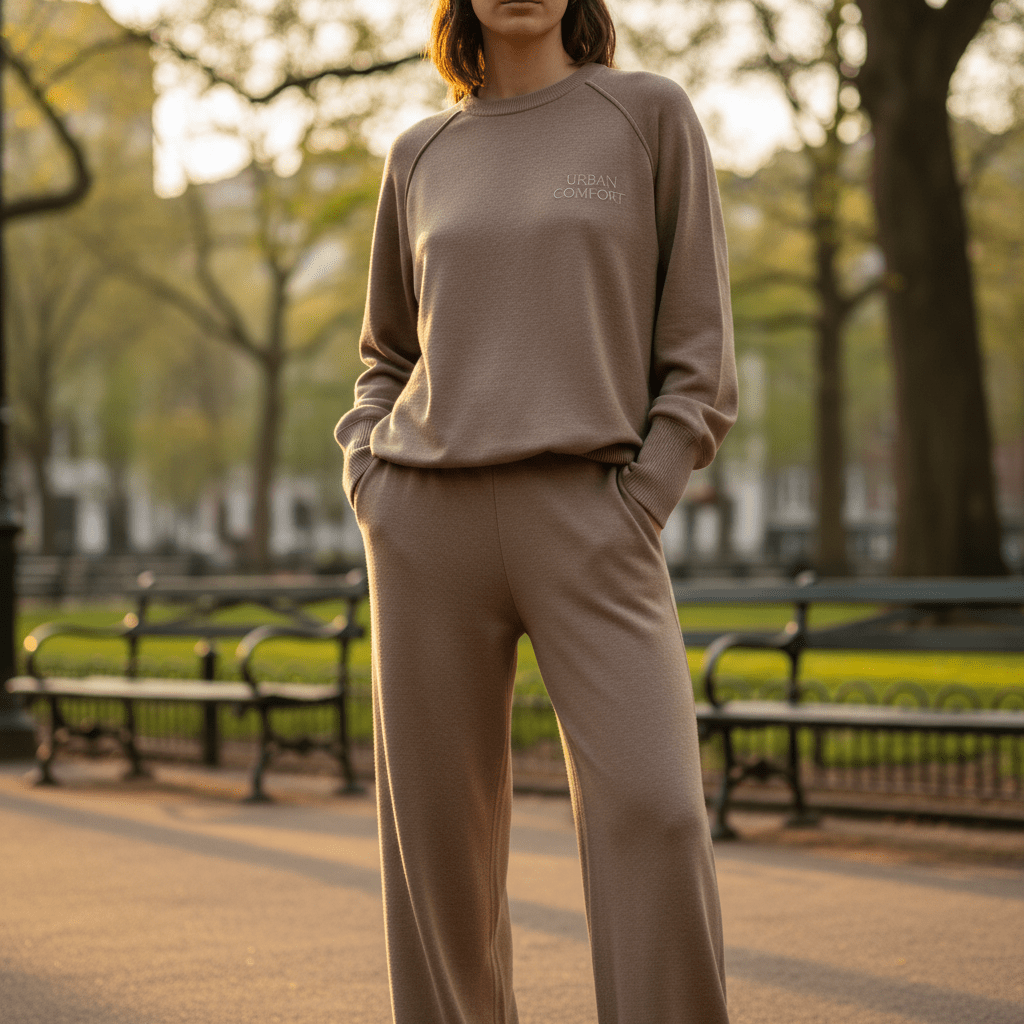
The Comfort Revolution: The pandemic permanently altered our relationship with comfort, elevating loungewear from guilty pleasure to sophisticated wardrobe staple through luxurious fabrics and impeccable tailoring. This wasn’t about worn-out sweatpants—elevated loungewear featured matching knit sets in premium cashmere or bamboo blends, wide-leg trousers that skimmed the body without clinging, and sweatshirts with architectural seaming that created flattering silhouettes. Colors remained deliberately neutral—oatmeal, sage, taupe, and soft gray—allowing the focus to remain on texture and construction. Ribbed details, contrast piping, and subtle logo embroidery added visual interest without compromising the serene aesthetic. The key was achieving a look that appeared effortless while clearly being expensive and well-constructed. This trend attracted consumers across all demographics who refused to sacrifice style for comfort, creating a new category of clothing suitable for video calls, casual meetings, and weekend errands while maintaining an air of polished sophistication.
These eight defining aesthetics of the 2020s created a rich visual vocabulary that continues to influence consumer preferences in 2026, from Y2K Revival’s playful optimism to Gorpcore’s utilitarian sophistication. Each trend represents more than a fleeting moment—they embody proven concepts with lasting commercial appeal that smart brands continue to reference and reinterpret. The longevity of Dopamine Dressing proves color’s power to drive engagement, while Cottagecore’s enduring popularity demonstrates sustained demand for craftsmanship and authenticity. For any brand, designer, or buyer operating in today’s market, understanding these foundational aesthetics isn’t just helpful—it’s essential for creating collections that resonate with consumers who grew up defining themselves through these visual languages. Ready to translate these foundational trends into your next winning collection? Inspiration is just the beginning. Use our AI-powered sourcing tool, Accio, to find manufacturers specializing in technical fabrics for your Gorpcore line, discover emerging cut-out patterns, or analyze the market for Y2K-inspired accessories. Accio connects your vision directly with the production capabilities to make it a reality, transforming aesthetic inspiration into commercial success.